
Review · FOOD & DRINK
Seoul: The Biggest Sea-food Noryangjin Market Tour
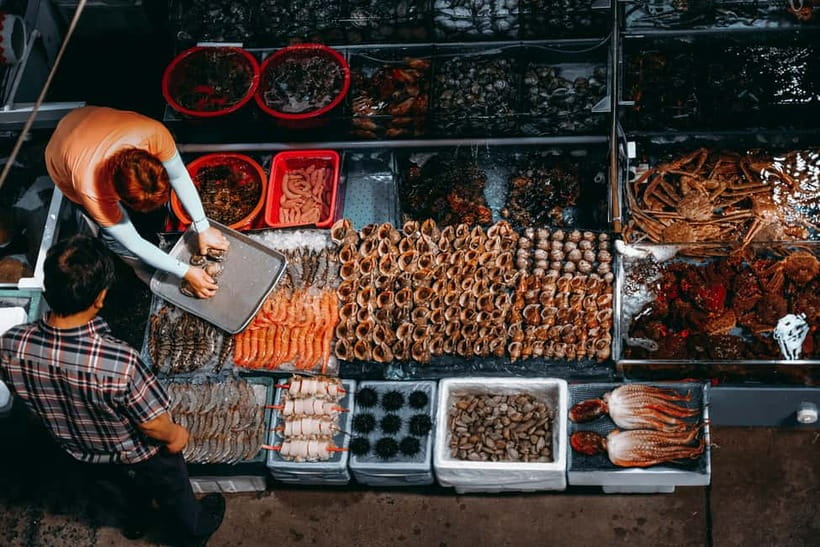
Noryangjin is not a polished food hall. It is a working seafood market handling roughly 250 to 300 tons of products a day, with tanks, stalls, knives, shellfish, dried fish, and plenty of wet floors. This tour gives you a way into that world without having to guess what anything is or how to order it.
I like two things here. First, the guide explains why certain seafood matters in Korean cooking, not just what each fish is called. Second, you watch a vendor prepare the catch and then eat a seasonal meal of sashimi and spicy fish stew. The main consideration is the $110 price for two hours, which makes the tour worthwhile mainly if you want guidance and cultural context, not simply a cheap market lunch.
Key points at a glance
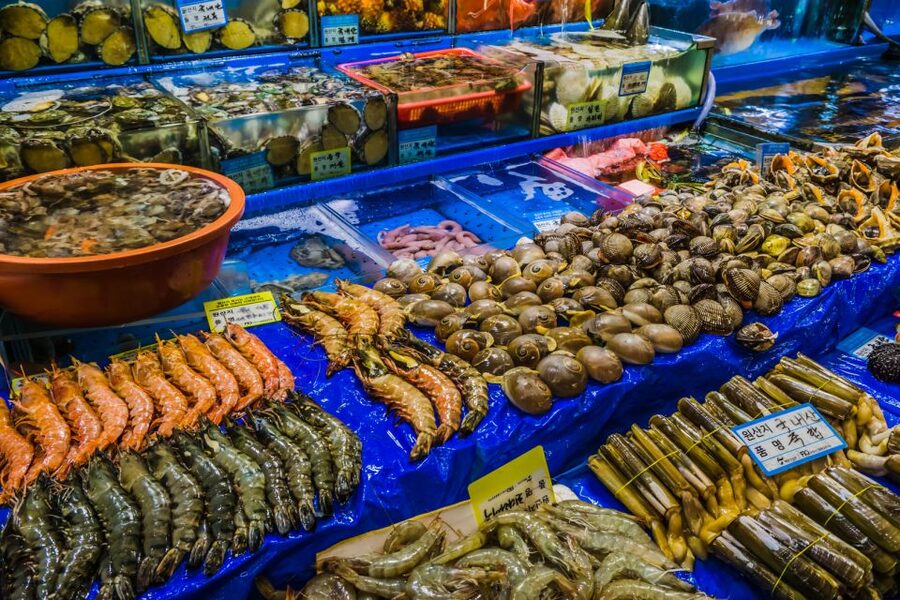
- A working market, not a staged attraction: Noryangjin trades enormous quantities of seafood each day, and you see the practical side of Korean food culture.
- Fresh seafood prepared before your meal: A trusted vendor demonstrates filleting and preparation before you sit down to eat.
- A useful introduction for non-Korean speakers: The English-speaking guide explains unfamiliar ingredients, customs, and dining habits as you move through the stalls.
- Seasonal sashimi and spicy fish stew included: The meal gives the market visit a clear purpose, rather than leaving you to wonder what to buy.
- Small groups keep the walk manageable: The group is limited to 10 people, though the tour may be canceled if fewer than four book.
- Come prepared for a real market floor: Waterproof shoes or careful footing are sensible, especially around tanks and freshly washed surfaces.
Entering Noryangjin through Station Exit 7
Your meeting point is Exit 7 of Noryangjin Station. The operator sends the final meeting details and time by email or WhatsApp, so check both before setting out.
That extra message matters because the booking information says reservations cannot be confirmed on weekends and holidays. I would avoid treating this as a casual last-minute plan. Confirm the arrangement before you build the rest of your Seoul day around it.
The station meeting point is practical. You do not need to find a restaurant hidden inside the market or negotiate your way through the stalls on your own. Your guide gathers the group outside and leads you into the market.
The group size is limited to 10, which is a good fit for narrow aisles and a food setting where several people may want to stop at one tank or display. A smaller group also makes it easier to ask what you are looking at, especially when several fish appear similar.
The experience is listed as wheelchair accessible. Still, a working seafood market can have wet surfaces and crowded passages, so anyone with mobility concerns should confirm the practical route with the operator in advance.
More Food and Drink Trips in Seoul:
- Seoul Street Food Market Tour
★ 5.0 · 1,226 reviews - Seoul: Night Market Food Tour with Local Guide
★ 4.9 · 943 reviews - Seoul: Guided Food & Market Tour with 8+ Tastings
★ 4.9 · 342 reviews
What the market reveals about Korean seafood
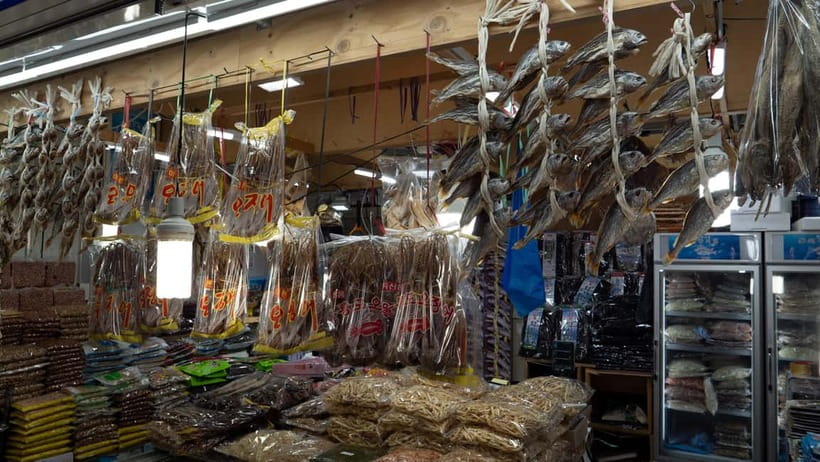
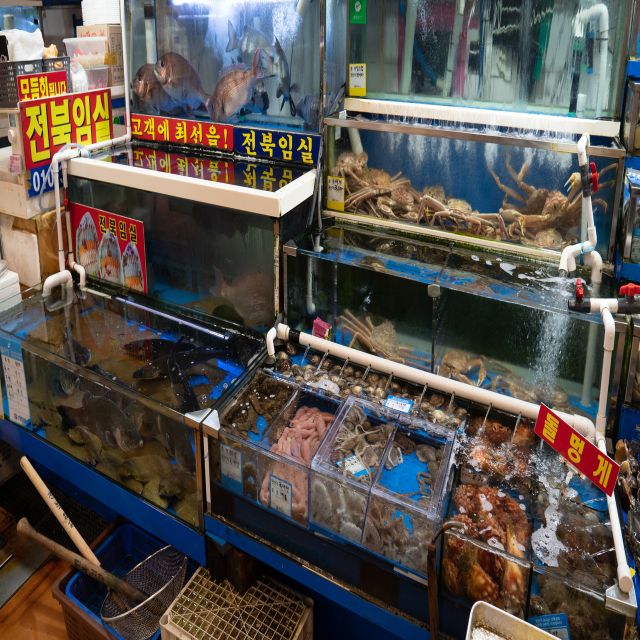
The first part of the tour is a guided walk through Noryangjin. You see live seafood, freshly prepared fish, shellfish, and dried products, while the guide explains what Koreans commonly eat and how those ingredients reach the table.
This is where the tour earns its keep. You could walk through Noryangjin alone, but you would mostly see tanks and unfamiliar names. With an English-speaking guide, the stalls become a lesson in Korean eating habits. You learn which seafood is common in Korea, how it is prepared, and why those habits developed.
The focus is not limited to the familiar. The guide points out ingredients that may be hard to identify if your seafood experience comes mainly from Western menus. That can include unusual fish, shellfish, and preparations that are easy to overlook when you are trying to avoid blocking a vendor’s work.
Past guides have included Joy, Sally, Sophie, Steve, Sujin, and others. The strongest praise has centered on guides who explain food and history clearly while keeping the mood friendly. Joy, in particular, has been praised for sharing practical Korean food advice, while Sally has been noted for making the market easy to approach for first-time visitors.
You should expect an active commercial place rather than a quiet museum. Fish may be moving in tanks, being cut, or drying at stalls. One useful tip from a past visit is to wear waterproof shoes if you have them, or walk carefully. This is not a complaint about the tour. It is simply the right footwear advice for a fish market.
Seeing fish become a meal
The tour includes a stop with a trusted seafood vendor, where you can watch fish being filleted and prepared. This is a small but important part of the experience because it connects the display in the market with the food arriving at your table.
You see the handling and preparation up close, rather than receiving a plate with no idea how it got there. For someone unfamiliar with Korean market dining, that process removes some uncertainty. The guide can explain what is being prepared and how people usually eat it.
The preparation also shows why freshness matters so much at Noryangjin. Seafood is not simply selected from a refrigerated case and carried away. The market visit, vendor, preparation, and meal form one chain.
There are limits. The tour does not promise a particular fish, shellfish, or preparation beyond seasonal assorted sashimi and spicy fish stew. Seafood changes with the season and market supply, so you should treat the menu as part of the experience rather than expect a fixed restaurant order.
Past participants have also tried live octopus during the meal. That makes for a memorable Korean food moment, but it should not be treated as guaranteed. Tell the operator about allergies in advance, and let your guide know if there are foods you cannot eat.
The included meal: sashimi and spicy fish stew
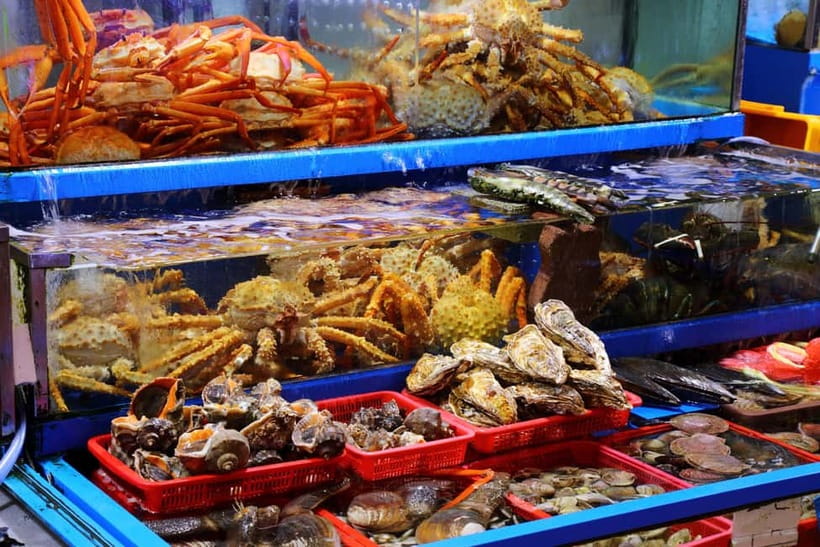
After the market walk and preparation demonstration, you sit down for a meal. The included food is seasonal assorted sashimi and spicy fish stew, a combination that gives you both raw and cooked seafood in one sitting.
The sashimi lets you taste the freshness that the guide has been discussing. The stew adds warmth and a different texture, with the spice showing how seafood is used in a fuller Korean meal rather than served only as a plain raw dish.
This is not a tasting menu with many carefully measured courses. It is closer to the way a market purchase becomes a shared meal. That makes it more useful for understanding Korean food customs, though people seeking a long restaurant experience may find the two-hour schedule brisk.
You may also learn small dining habits along the way. One past participant learned how to eat sashimi in Korean style, while another received advice about a sauce and later stopped at a convenience store to buy it. Those details are valuable because they continue beyond the tour. You are not only tasting seafood; you are learning how to approach it.
The food has been the most consistently praised part of the experience, along with the guides. Reports describe the sashimi and fish soup as delicious, fresh, and well worth the cost of the tour. Keep in mind that taste is personal, and raw seafood is not for everyone. If you are uncertain, ask about the meal before booking.
A few more market tours around Seoul worth a look
- Local Home Korean Cooking Class & Market Adventure in Seoul
★ 5.0 · 1,024 reviews - Seoul: Palace, Temple and Market Guided Foodie Tour at Night
★ 4.9 · 750 reviews - Seoul: Korean Cooking Class at a Local Home and Market Tour
★ 5.0 · 348 reviews - Seoul Night Palace & Market Food Tour with Vehicle
★ 5.0 · 275 reviews
Why the two-hour schedule works
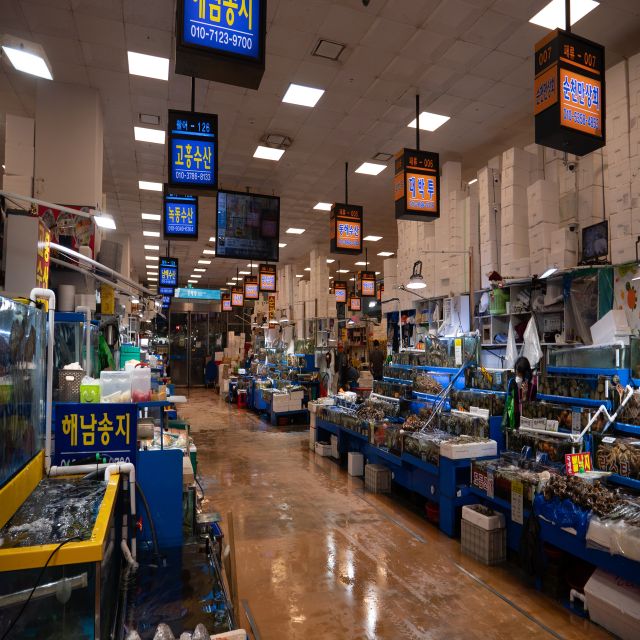
The tour lasts two hours. That is enough time for a guided walk, seafood preparation, and the included meal, but not enough for a slow, exhaustive survey of every corner of Noryangjin.
I see the short length as a strength for many Seoul itineraries. You get a focused introduction without giving up half a day. It fits well before another afternoon activity or after a morning around central Seoul, provided the meeting time works for your plans.
The tradeoff is that the experience moves with purpose. If one stall fascinates you, you may not have unlimited time to browse. The guide needs to keep the group together and get everyone to the meal within the scheduled window.
A small group helps. With no more than 10 participants, questions are easier to handle than they would be on a large bus tour. The tour may be canceled if fewer than four people book, so keep that condition in mind when planning around fixed museum entries, trains, or flights.
Is $110 a fair price?
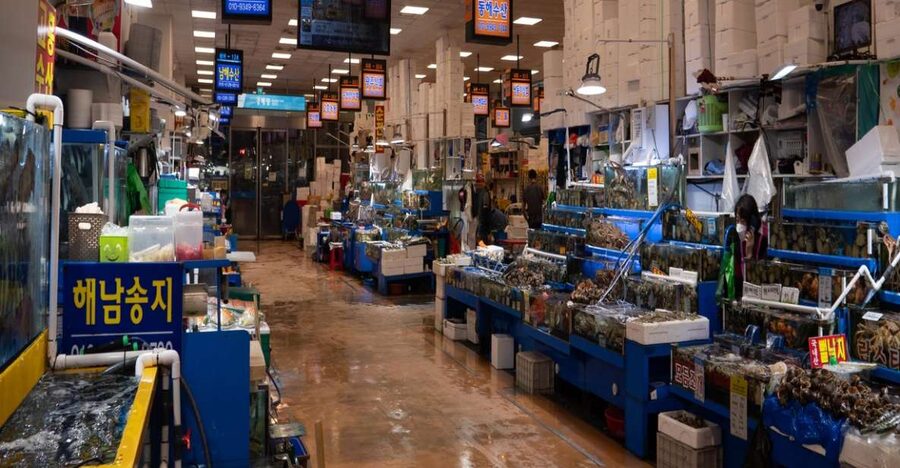
At $110 per person, this is not the budget way to eat at Noryangjin. If your only goal is to buy seafood and have lunch, you may prefer to visit on your own and spend less.
The price makes more sense if you value the guide, the language help, the vendor introduction, and the meal bundled into the visit. You are paying for a smoother first encounter with a place that can feel confusing if you cannot read Korean or identify the seafood.
The value is strongest for first-time visitors who want to understand the market, not just photograph it. You also avoid the stress of choosing a stall, explaining what you want, and figuring out how the preparation and restaurant steps work.
For experienced Seoul visitors who already know Korean seafood markets, the tour may feel expensive for two hours. You would be paying mainly for the company of a guide and a set dining arrangement rather than discovery.
Who will get the most from this tour?
I would recommend it to people who want food culture explained in plain English. It is especially useful for non-Korean speakers who might otherwise walk through Noryangjin without knowing what they are seeing or how to eat there.
It also suits curious eaters who want a gentle introduction to unfamiliar seafood. The guide can explain ingredients before you face them at the table, which makes the meal feel more approachable.
Families and mixed groups may appreciate the limited size and short duration, though the market setting is not polished or quiet. People with seafood allergies should contact the operator before booking, and anyone uneasy around live or raw seafood should ask what alternatives are possible before committing.
I would be less inclined to recommend it to someone who wants a long, leisurely lunch, a luxury food tour, or a bargain meal. The experience is about context and access, not fine-dining service.
Practical tips for a smoother visit
Meet at Exit 7 of Noryangjin Station and watch for the operator’s email or WhatsApp message with the final time and meeting details. Do not assume that a weekend or holiday booking is automatically confirmed.
Wear shoes that can handle damp flooring. A fish market is a place for careful steps, not white fabric sneakers. You may also want clothing that you do not mind wearing in a strongly food-focused environment.
Tell the operator about allergies ahead of time. The meal centers on seafood, and the seasonal menu may change. If you are unsure about live octopus, raw fish, or spicy stew, ask before the tour.
The cancellation policy is friendly if you change plans early: cancel at least 24 hours ahead for a full refund. A same-day cancellation or no-show receives no refund. The operator may also cancel if fewer than four people are booked, with notice sent by WhatsApp.
Should you book the Noryangjin market tour?
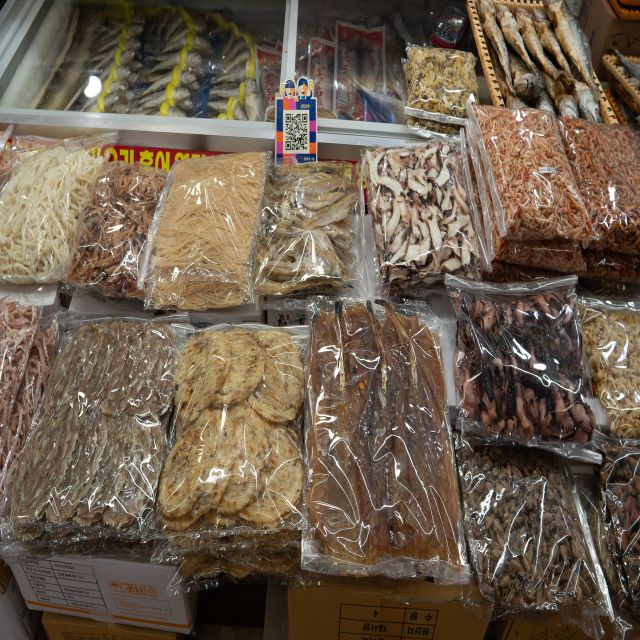
Book it if you want someone to explain Korean seafood culture while you are standing in the middle of the real thing. The strongest reasons are the English-speaking guide, the vendor preparation, and the included meal of seasonal sashimi and spicy fish stew.
I would not book it simply because you want the cheapest possible lunch. At $110, the food alone does not justify the price. The value comes from making Noryangjin understandable, especially if you do not speak Korean and would rather not guess your way through a major working market.
For a first Seoul visit, this is a compact and practical introduction to one of the city’s most distinctive food places. Just confirm the time, prepare for wet floors, and approach the menu with an open mind.
FAQ
Where does the Noryangjin market tour meet?
The meeting point is Exit 7 of Noryangjin Station. The operator sends further meeting details and the time by email or WhatsApp.
How long does the tour last?
The tour lasts two hours.
What language is the tour conducted in?
The tour is conducted in English by a live local guide.
What food is included?
Lunch includes seasonal assorted sashimi and spicy fish stew.
Is live octopus included?
Live octopus has been served during past tours, but it is not listed as a guaranteed part of the meal. The confirmed meal is seasonal assorted sashimi and spicy fish stew.
How many people are in the group?
The group is limited to 10 participants. If fewer than four people participate, the tour may be canceled.
Is the tour wheelchair accessible?
Yes, the activity is listed as wheelchair accessible.
What happens if I need to cancel?
You can cancel up to 24 hours in advance for a full refund. There is no refund for a no-show or cancellation on the day of the tour.
Just added around Seoul
- Seoul: Namdaemun Market Food Tour★ 4.9 · 34 reviews
- Seoul: Sokcho beach, market, hot spring and Seorak Cable Car★ 4.8 · 5 reviews
- Seoul Gwangjang Market Foody Walking Tour★ 4.1 · 7 reviews
- Seoul: Gyeongbokgung Palace Tour & Lunch at Authentic Market★ 4.5 · 2 reviews
- Seoul: Gwangjang Market Vegan & Vegetarian Food Tour★ 5.0 · 16 reviews
- Seoul: Bukchon Village, Gyeongbokgung, Gwangjang Market★ 4.9 · 11 reviews
- Seoul Evening Tour:Gwangjang Market&Naksan Park&Eungbongsan★ 5.0 · 2 reviews
- Seoul: Guided Street Food Tour at Namdaemun Market★ 5.0 · 10 reviews
Food & Drink, compared.
Old Town, Creek, Museums, Souks, & Street Food Tour
Read our review →
Old Town, Souks, Street Food, Guided Tour & Abra Ride
Read our review →
Bangkok by Night: Temples, Markets and Food Tuk-Tuk Tour
Read our review →
Tokyo Tsukiji Fish Market Food and Culture Walking Tour
Read our review →
Markets, Temples and Food Night Tour by Tuk Tuk
Read our review →
Old Town, Souks, Street Food, Guided Tour & Abra Ride
Read our review →Browse the lists this tour appears in