
Review · MARKET AND COOKING CLASS TOURS
Seoul: Korean Cooking Class at a Local Home and Market Tour
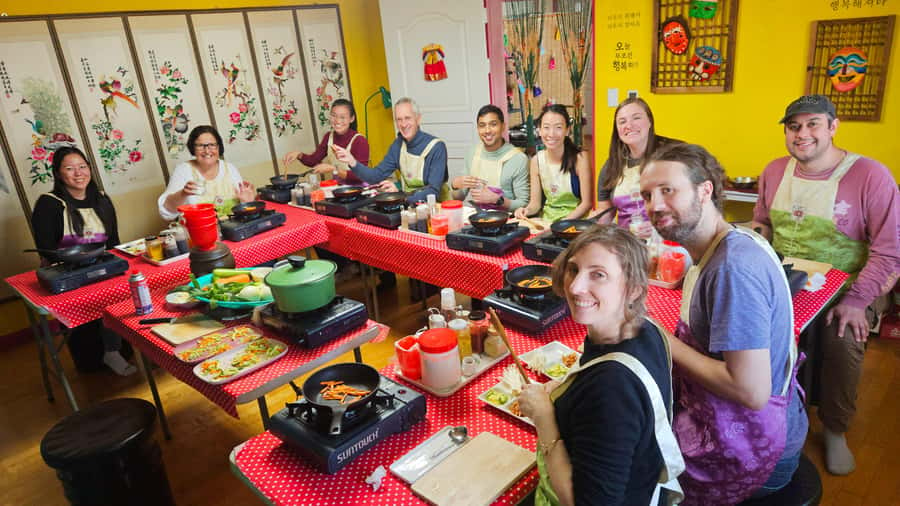
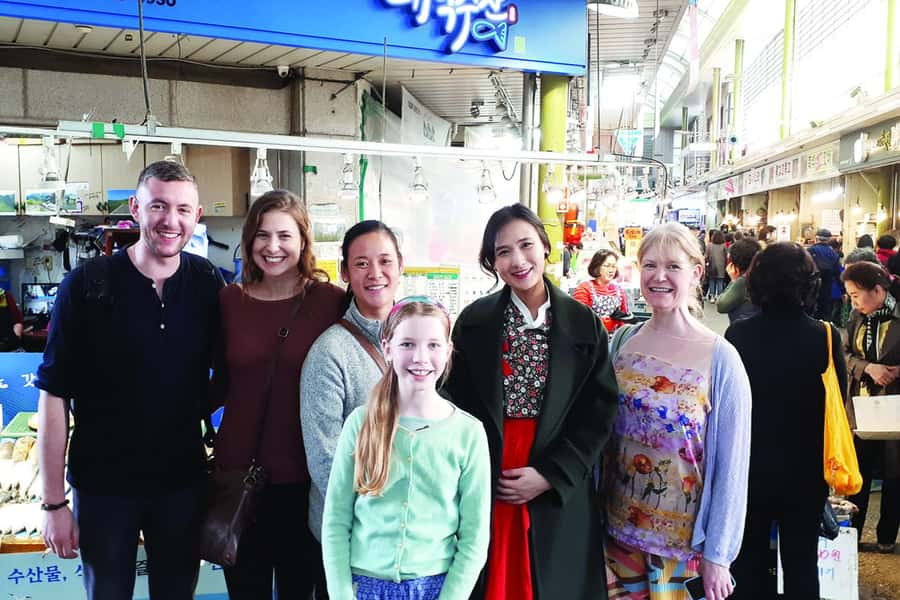
The best part of this Seoul cooking class happens before anyone turns on the stove. You meet at Mangwon Station, walk through a local market, taste street food, and learn what Korean shoppers actually buy. Then you head to a private home and make four dishes with help from an English-speaking Korean host.
I like the mix of market life and hands-on cooking, since you see ingredients in their everyday setting before using them. I also like the generous meal at the end: your cooking is joined by more than 10 side dishes in the Korean Hanjeongsik style, seasonal fruit, rice wine, and rice.
The main consideration is practical rather than culinary. You must make your own way to Mangwon Station, and the home has no elevator. If stairs are difficult for you, ask about this before booking.
Key details before you book
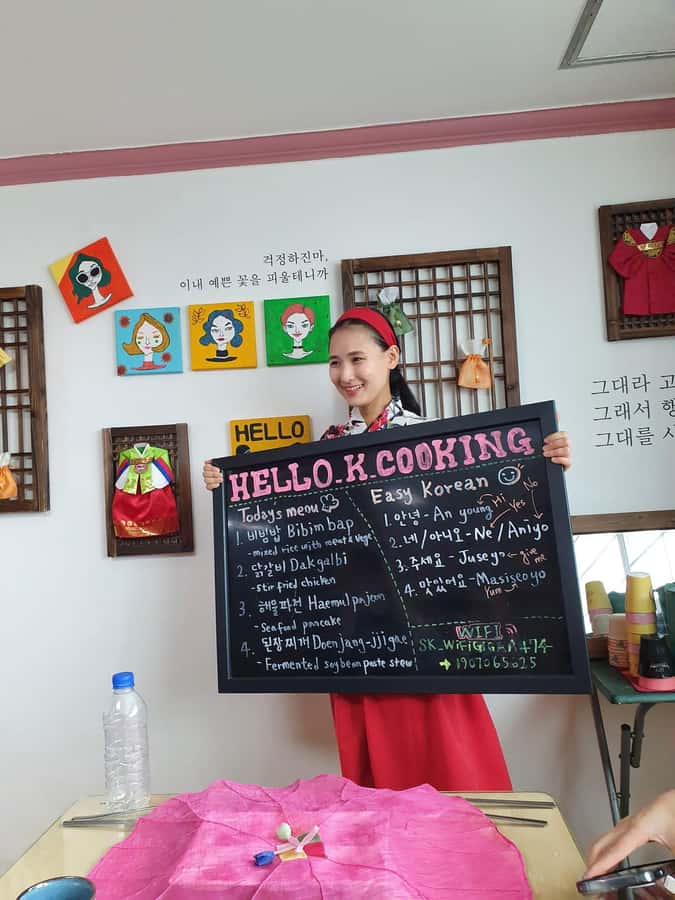
- Four classic dishes: Prepare bibimbap, dakgalbi, haemul-pajeon, and doenjang-jjigae.
- Market first, kitchen second: Shop for ingredients with your host and sample local street food before class.
- A personal setting: The cooking takes place in a local home rather than a formal restaurant kitchen.
- Small group format: The class is limited to 10 participants, with English and Korean instruction.
- A full Korean meal: Eat your creations with Hanjeongsik side dishes, fruit, rice wine, and water.
- Useful take-home extras: Ingredients, equipment, recipes, and photo and video service are included.
Why the Mangwon market visit matters
Many Korean cooking classes begin with premeasured ingredients laid out on a counter. This one gives you a better sense of where the food starts. Meet your guide outside Mangwon Station, Exit 2, then walk through a traditional market area that feels more connected to daily Seoul than to a sightseeing circuit.
Your host helps you identify the ingredients needed for the class and explains what you are seeing along the way. You may encounter vegetables, seafood, sauces, rice products, and prepared foods that are hard to place if you are exploring alone. The point is not simply to shop. It is to understand how Korean meals are built from many small parts.
The market stop also includes street-food samples. That makes the opening walk more than a lesson in produce and pantry items. You get a quick taste of Korean snack culture while your host points out foods and customs you might otherwise pass without noticing.
One useful detail: the area is associated with both Mangwon Market and World Cup Market. That gives the outing a local, neighborhood feel rather than the polished presentation of a food attraction designed mainly for visitors. The tradeoff is that market paths can be crowded and you are on your feet before the cooking begins, so comfortable shoes are sensible.
More Market and Cooking Class Tours in Seoul:
- Local Home Korean Cooking Class & Market Adventure in Seoul
★ 5.0 · 1,024 reviews - Korean Cooking Class with Grocery Shopping at Seoul Local Market
★ 5.0 · 107 reviews - Seoul: Authentic Korean Cooking Class and Market Tour
★ 5.0 · 6 reviews
Arriving at the local home
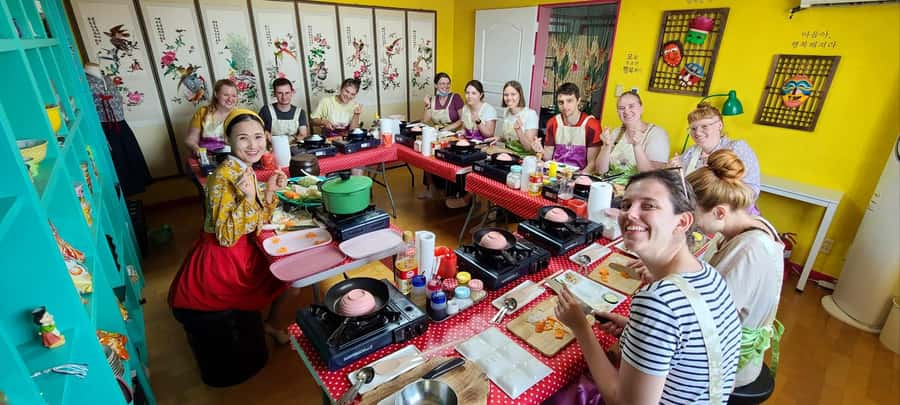
After the market, you go to the cooking venue, a local home decorated in a distinctly Korean style. The change of setting is part of the appeal. Instead of sitting at a demonstration counter while someone else does the work, you enter a more personal space and take part in a meal that feels connected to home cooking.
The host welcomes you with tea and teaches a few Korean phrases. This is a small touch, but it helps set the tone. You are not expected to speak Korean, and the class is conducted in English and Korean, yet learning a few simple expressions gives you a friendlier way to greet people and respond during the day.
The hosts named for this experience include Sarah and Junghee. The individual personality of the host matters here because the class includes plenty of conversation and group interaction. Sarah is described as energetic, organized, and confident in English, while Junghee is known for a warm, funny approach. Host assignments can vary, so you should not assume a particular person will lead your date, but the format calls for an active guide rather than a silent cooking demonstration.
The home has no elevator. You may need to use stairs to reach it, so this is worth considering if you have mobility concerns, heavy luggage, or small children who tire easily.
Four dishes, four different Korean cooking lessons
The menu gives you a useful introduction to several parts of Korean cooking. You prepare the food with the chef-guide rather than simply watching, and the class is designed for beginners as well as confident home cooks.
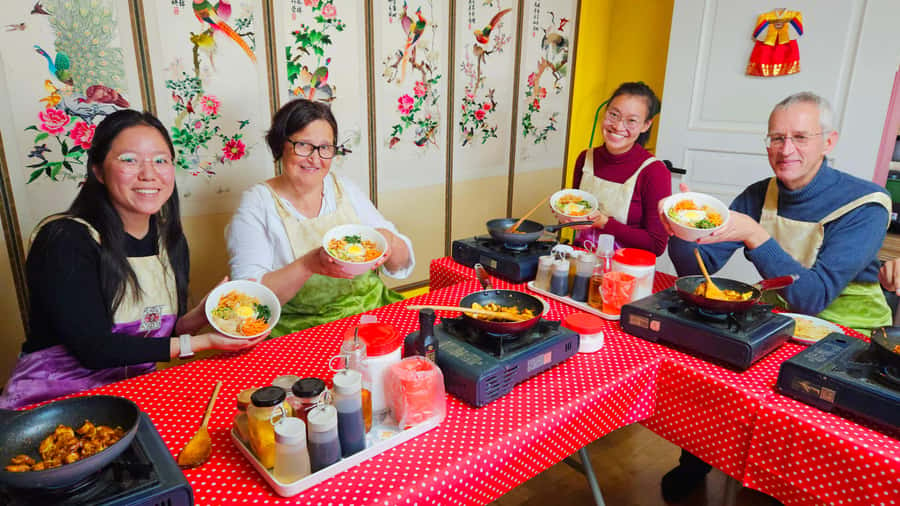
Bibimbap, a lesson in balance
Bibimbap combines rice, meat, vegetables, and seasoning in one bowl. It is a good starting dish because it shows how Korean food often brings together several separate preparations at the table.
You learn how the ingredients work together rather than treating the bowl as a single recipe. The result is colorful, filling, and practical to recreate at home. If you want one dish from the class that can become a regular weeknight meal, bibimbap is likely the most adaptable.
A few more market tours around Seoul worth a look
- Seoul Street Food Market Tour
★ 5.0 · 1,226 reviews - Seoul: Night Market Food Tour with Local Guide
★ 4.9 · 943 reviews - Seoul: Palace, Temple and Market Guided Foodie Tour at Night
★ 4.9 · 750 reviews - Seoul: Guided Food & Market Tour with 8+ Tastings
★ 4.9 · 342 reviews
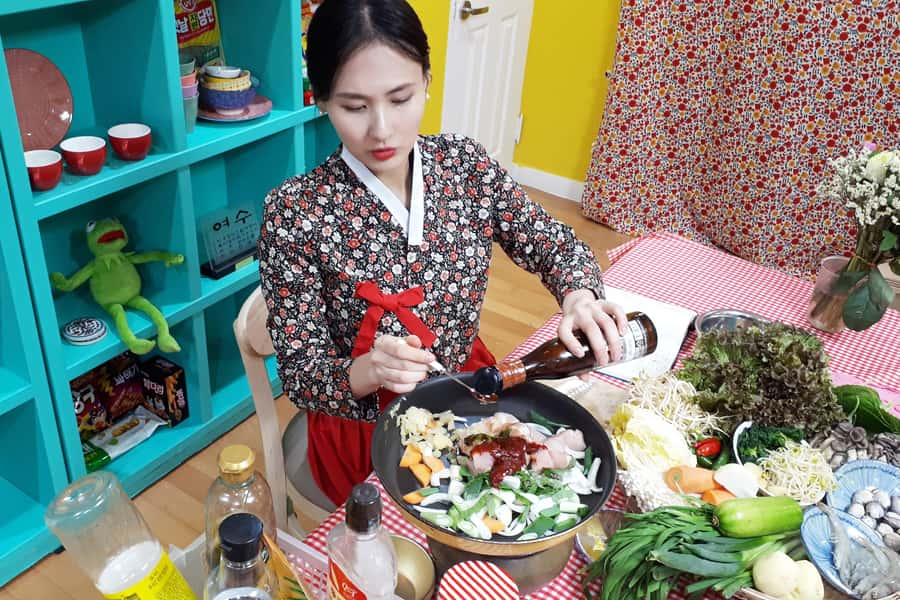
Dakgalbi, a hot pan of chicken and vegetables
Dakgalbi is stir-fried chicken with vegetables and Korean seasoning. This part of the class gives you a feel for cooking over heat, timing ingredients, and combining a sauce with the main food.
It is also a useful way to understand the bold side of Korean home cooking. The dish is hearty and strongly seasoned, so ask your host about ingredients if you are sensitive to spice or unfamiliar with Korean sauces.
Haemul-pajeon, the fun dish
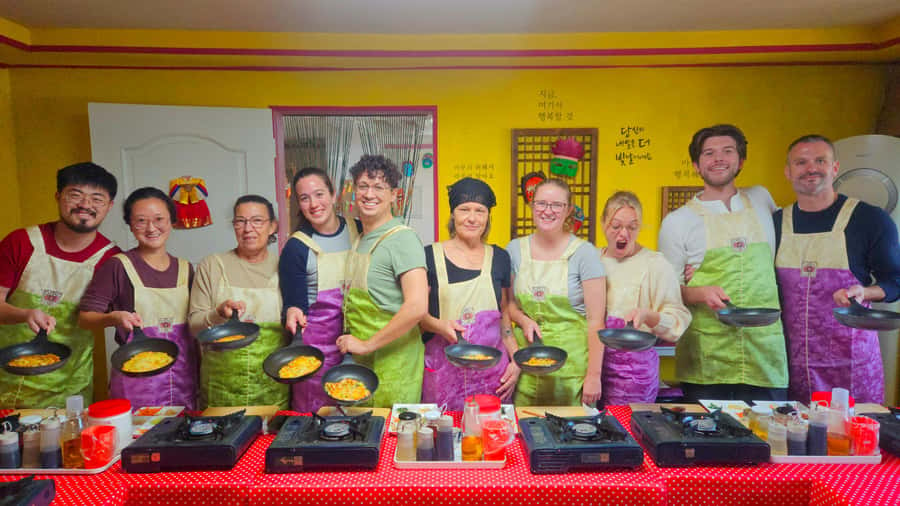
Haemul-pajeon is a seafood and green onion pancake. It is the most playful item on the menu because texture and timing matter, and the pancake needs to be handled carefully in the pan.
The class includes the chance to flip pancakes, which gives the cooking a social, hands-on moment. You do not need advanced technique, but you do need to pay attention to your host’s instructions. This is the dish most likely to make you feel that you actually cooked rather than merely assembled ingredients.
Doenjang-jjigae, the everyday stew
Doenjang-jjigae is a stew made with fermented soybean paste. It introduces you to one of the deep savory flavors associated with Korean meals and shows how a simple pot of soup can anchor a table full of side dishes.
If fermented flavors are new to you, this is a useful introduction because the host can explain the ingredient and how it fits into Korean food. It is also a recipe with a strong chance of becoming useful at home, especially when you want something warming and substantial without making a large main dish.
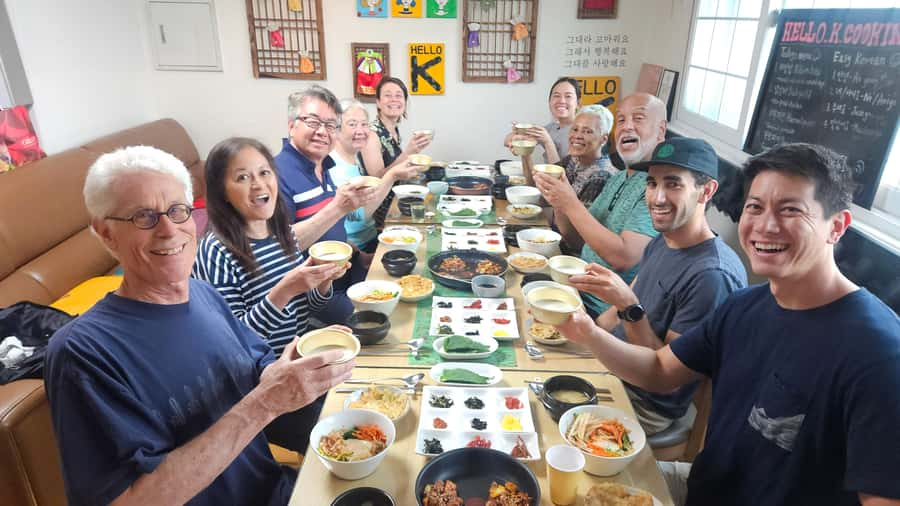
Hanjeongsik turns class into a proper meal
The class does not end when the four recipes are finished. You sit down to eat your cooking with a Hanjeongsik-style spread prepared by your host. Hanjeongsik is a traditional Korean course meal built around rice, soup or stew, a main dish, and numerous side dishes called banchan.
Here, more than 10 side dishes are provided, along with seasonal fruit and rice wine. This changes the feel of the activity. You are not just sampling the food you made in small portions. You are seeing how Korean meals work as a group of dishes shared at once.
That is one of the strongest reasons to choose this class over a basic cooking lesson. The market shows you the shopping side of Korean food, the kitchen shows you preparation, and the final table shows you how the dishes are eaten together.
Rice wine is included, along with water. If you do not drink alcohol, the class still includes plenty of food and the drink is not the main point of the meal. Contact the host in advance about allergies or dietary restrictions. Do not wait until you arrive, since the dishes include meat, seafood, fermented soybean paste, and other ingredients that may need advance planning.
How personal is the group setting?
The group is limited to 10 people. That is small enough for the host to explain steps and involve participants, but it is not a private lesson unless you book the available places for your own party.
This format works well for solo visitors and couples who want conversation. The hosts make an effort to include everyone, and the cooking gives the group something to do together instead of relying on small talk. You may find the class especially enjoyable if you like meeting people from different countries around a shared meal.
The social side is also why this is not the best choice for someone who wants a quiet, highly technical cooking course. The tone is friendly and lively, with jokes, group interaction, and time to talk. You will learn recipes, but you will also spend much of the 3.5 hours sharing the activity with others.
The class includes photo and video service. That is useful if you want a record of the cooking, the market walk, or the group meal without handing your phone to someone during every step.
Tal masks and small cultural touches
The experience includes a chance to try on an artistic Tal mask. Tal masks are associated with Korean heritage festivals and traditional performance culture. This is a short cultural element, not a full performance or a museum visit, but it adds variety to the cooking session.
I like touches such as this when they stay connected to the setting. You are not being rushed from one unrelated attraction to another. The mask, the Korean phrases, the market, the home, and the meal all give you different ways to connect with Korean culture during one compact outing.
Keep your expectations in the right place. This is primarily a food activity. If you want a detailed lecture on Korean history, a long market tour, or a full traditional performance, choose a separate cultural tour. Here, the cultural details support the cooking rather than taking over.
Price, timing, and what is included
The price is $98 per person for 3.5 hours. That is not a bargain-basement cooking lesson, but the value improves when you count what is included: the market tour, street-food samples, welcome tea, ingredients, cooking equipment, four dishes, a meal with side dishes, rice wine, water, recipes, and photo and video service.
You are also paying for a small group and a local home setting. A cheaper class might give you a recipe and a prepared meal, but it may not include the market walk or such a broad spread of side dishes.
The experience is best placed on a day when you can give it your full attention. The meeting point is at Mangwon Station, and there is no hotel pickup or drop-off. You need to arrange your own transportation to and from the station, so allow extra time if you are staying in another part of Seoul.
The listed duration is 3.5 hours, with starting times depending on availability. Check the schedule before you build other plans around it. Since the activity ends back at the meeting point, you can continue exploring the neighborhood afterward or return by subway.
Free cancellation is available up to 24 hours in advance for a full refund, and you can reserve now and pay later. Those policies are useful if your Seoul schedule is still shifting.
Who will enjoy this cooking class most?
I would recommend it to you if you meet one or more of these descriptions:
- You want to learn Korean food by cooking it, not just eating it.
- You enjoy local markets and everyday neighborhoods more than polished attractions.
- You are a beginner who wants clear guidance and a relaxed pace.
- You like shared meals and meeting people in small groups.
- You want recipes you can try again after returning home.
- You are curious about Korean ingredients but do not know where to start.
It also suits families and mixed-ability groups, provided everyone can manage the walk, market conditions, and stairs to the home. The class is hands-on, but the host guides each step, so you do not need previous cooking experience.
I would choose something else if you have serious dietary restrictions that cannot be discussed in advance, have difficulty with stairs, or want a strictly private lesson. You should also look elsewhere if your main goal is restaurant tasting rather than cooking, since much of the value comes from preparing the food yourself.
Should you book the Seoul Korean cooking class?
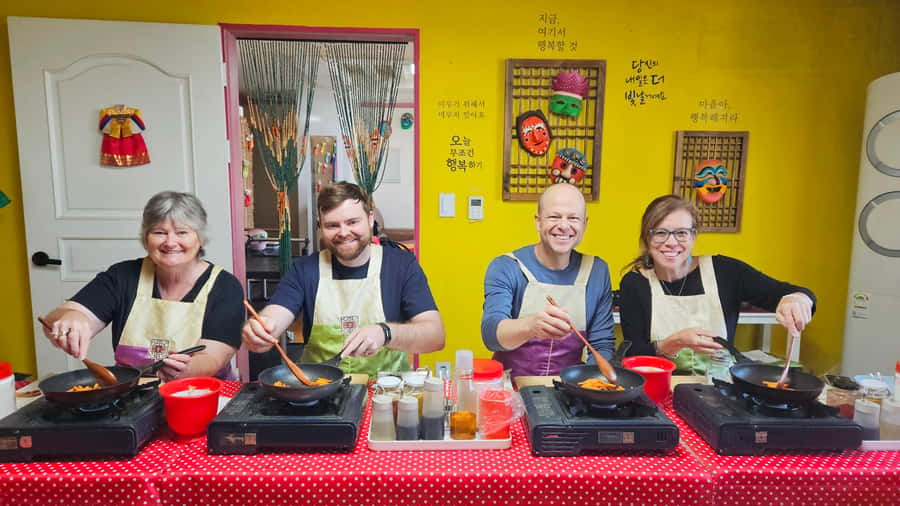
Yes, if you want a personal introduction to Korean food that covers shopping, preparation, and eating in one outing. The market walk gives the class a sense of place, while the local home and Hanjeongsik meal make it feel more personal than a standard demonstration.
The strongest reason to book is the balance. You taste street food, learn phrases, cook four dishes, try a Tal mask, and sit down to a generous Korean meal. At $98, it is best viewed as a half-day cultural activity with a full meal and recipes included, not simply as a cooking lesson.
Before paying, confirm the start time, check the stairs, and contact the host about allergies or dietary needs. If those points work for you, this is a smart pick for a Seoul itinerary, especially early in your trip when you can use what you learn at markets and restaurants for the rest of your stay.
FAQ
Where does the cooking class meet?
Meet your guide outside Exit 2 of Mangwon Station. The activity ends back at the meeting point.
How long does the experience last?
The experience lasts 3.5 hours. Starting times vary, so check availability when booking.
Which dishes will I cook?
You will prepare bibimbap, dakgalbi, haemul-pajeon, and doenjang-jjigae.
Is the class taught in English?
The instructors speak English and Korean. Your host also teaches a few Korean phrases during the activity.
Is hotel pickup included?
No. You are responsible for making your own way to and from Mangwon Station.
Can I ask about allergies or dietary restrictions?
Yes. You should contact the local host before the activity to discuss any allergies or dietary restrictions.
Just added around Seoul
- Seoul: The Biggest Sea-food Noryangjin Market Tour★ 4.3 · 30 reviews
- Seoul: Namdaemun Market Food Tour★ 4.9 · 34 reviews
- Seoul: Sokcho beach, market, hot spring and Seorak Cable Car★ 4.8 · 5 reviews
- Seoul Gwangjang Market Foody Walking Tour★ 4.1 · 7 reviews
- Seoul: Gyeongbokgung Palace Tour & Lunch at Authentic Market★ 4.5 · 2 reviews
- Seoul: Gwangjang Market Vegan & Vegetarian Food Tour★ 5.0 · 16 reviews
- Seoul: Bukchon Village, Gyeongbokgung, Gwangjang Market★ 4.9 · 11 reviews
- Seoul Evening Tour:Gwangjang Market&Naksan Park&Eungbongsan★ 5.0 · 2 reviews
Market and Cooking Class Tours, compared.
Hanoi Cooking Class: Culture, Local Market & Meaning CSR Impact
Read our review →
5 Traditional Dishes Hanoi Cooking Class with Market Trip
Read our review →
Cooking Class and Lunch at a Tuscan Farmhouse with Local Market Tour from Florence
Read our review →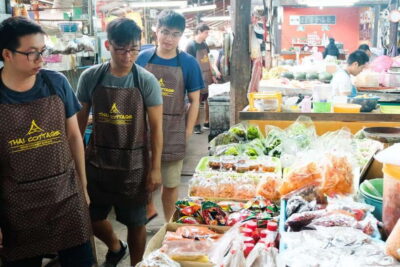
Cooking Class, Market & Thai Herbs Garden Tour
Read our review →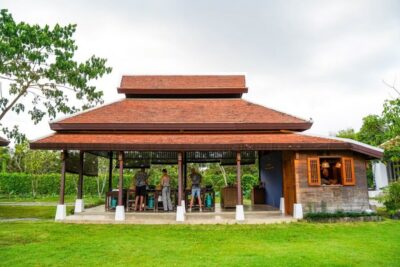
Authentic Cooking Class with Market & Farm Visit
Read our review →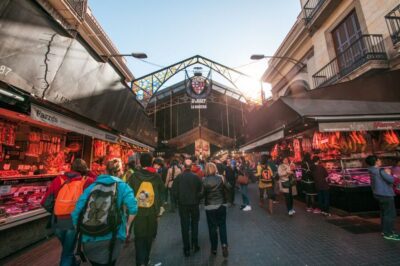
Paella Cooking Experience & Boqueria Market Tour
Read our review →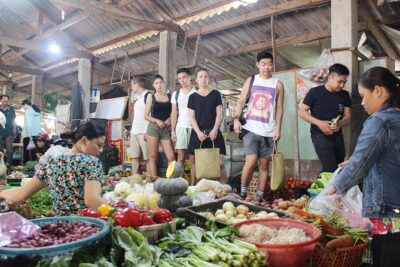
Cooking Class Hoi An:Local Market, Basket Boat, Fishing & Cooking
Read our review →
Hoi An Cooking Class(Market,BasketBoat Crabfishing&Cooking Class)
Read our review →Browse the lists this tour appears in