
Review · TANZANIA MARKET TOURS
Moshi: Town tour and Local Markets tour
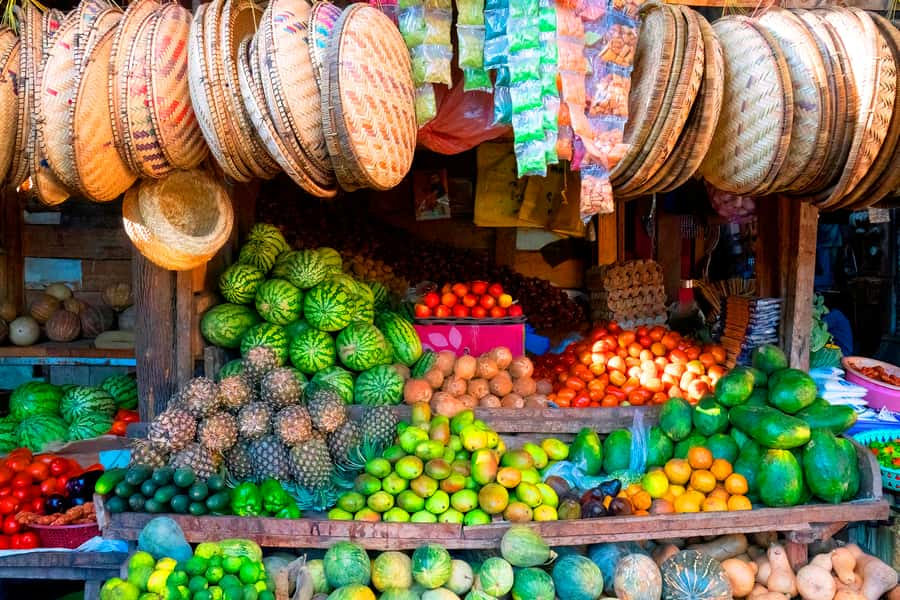
Moshi’s markets tell you more about daily life than a quick drive through town ever could. This three-hour tour with Isaac, also called Zac, moves from the old railway station through food stalls, clothing sellers, banks, a bus stand, and a community-minded craft shop. You see Moshi as a working town, not simply as the gateway to Kilimanjaro.
I like the market-to-market comparisons, especially the way Isaac explains what each place sells and how it serves local people. I also like the practical touches: fruit tasting, bottled water, hotel pickup, and a stop for coffee or tea. The main consideration is pace. Three hours covers a lot, so you should expect a brisk town walk with short stops rather than long, leisurely visits at each market.
Key points to know before you book
- Three different markets: Compare banana, fish, spice, clothing, produce, and food stalls across Manyema, Mbuyuni, and the Main Market.
- Isaac guides the tour: His clear English, flexible approach, and local knowledge are central to the experience.
- Railway and Kilimanjaro views: Begin at Moshi train station, learn about the railway, and look for a photo of Mount Kilimanjaro.
- Local life, not staged culture: You see banking, transport, shopping, medicine, and food trading as part of ordinary town life.
- Community-focused shopping: Blue Zebra Art sells crafts and Tanzanite, with many products made by disabled people and profits supporting local needs.
- Good practical value: At $25 per person, the tour includes transport from your lodging, return transfer, guiding, and bottled water.
Why Moshi’s markets are worth your morning
Moshi is often treated as a starting point for Kilimanjaro climbs. That is a shame. The town has its own rhythm, and its markets give you a quick lesson in how people shop, work, eat, and move around northern Tanzania.
This tour is useful because it links several parts of town rather than parking you at one market and leaving you to guess what you are seeing. Isaac explains the economic side of the places you visit, including how produce moves through the market and how SIM-based banking works in Tanzania.
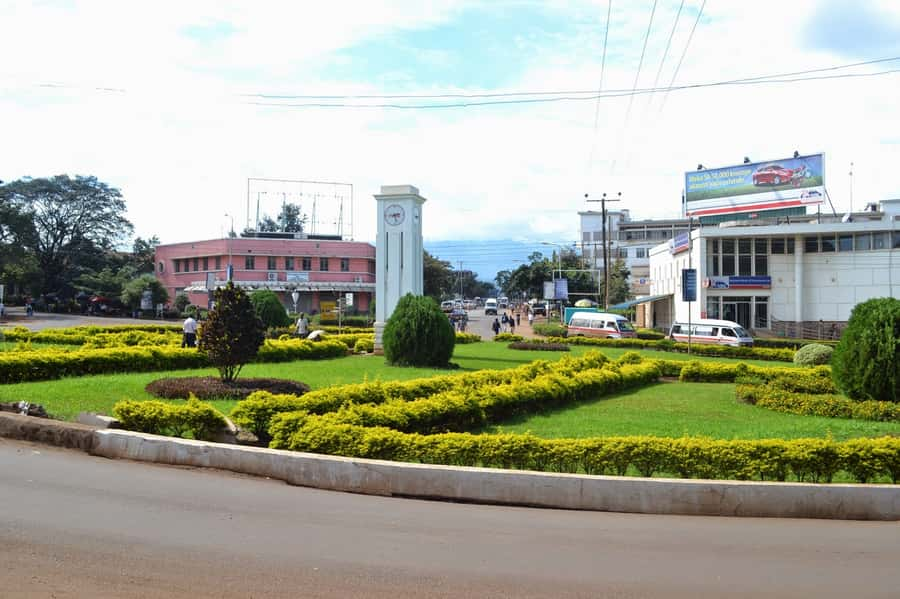
You get a feel for the practical side of Moshi. Banks sit along the route. The bus stand shows how transport and trade meet. Markets sell food, clothing, spices, fish, and household goods. The tour is not just about taking photographs, though you will have several chances to do that.
The experience also has a welcome human touch. Previous bookings describe Isaac as warm, reliable, and attentive to individual needs. He has adjusted start times for an airport departure, helped people find a pharmacy, assisted with errands, and even helped some visitors collect equipment for a Kilimanjaro trek. Those extras are not promised parts of the tour, but they suggest a guide who pays attention rather than rushing through a fixed script.
A few more market tours around the world worth a look
- Bangkok: Damnoen Saduak Market and Maeklong Railway Market
★ 4.5 · 26,723 reviews - The Old Siam: Damnoen Saduak and Maeklong Railway Market
★ 4.5 · 10,992 reviews - Dubai: Old Town, Creek, Museums, Souks, & Street Food Tour
★ 4.8 · 10,816 reviews
Starting at Moshi train station
Your pickup begins in Moshi Urban, with transport from your lodging and a return ride at the end. The first planned stop is the train station, where Isaac introduces the railway and its role in connecting Moshi with other parts of Tanzania.
The station is also a good place to begin because it gives you a physical sense of the town’s older transport network before you move into its daily commercial life. You have about 25 minutes here for a guided visit, sightseeing, and photographs.
Mount Kilimanjaro may be visible from the station area, giving you an early photo opportunity. The mountain view is weather dependent, so do not treat it as guaranteed. The railway itself is the more dependable part of this stop.
One booking had an especially lucky start, with a train from Dar es Salaam arriving just as the group reached the station. That sort of timing cannot be arranged, but it shows how the railway can turn a simple photo stop into a memorable local scene.
Manyema and Mbuyuni markets
The market portion begins with Manyema Market and continues to Mbuyuni Market. Each stop lasts about 25 minutes, so you will not have time to examine every stall. The advantage is comparison. You can see how different market areas divide their work and serve different needs.
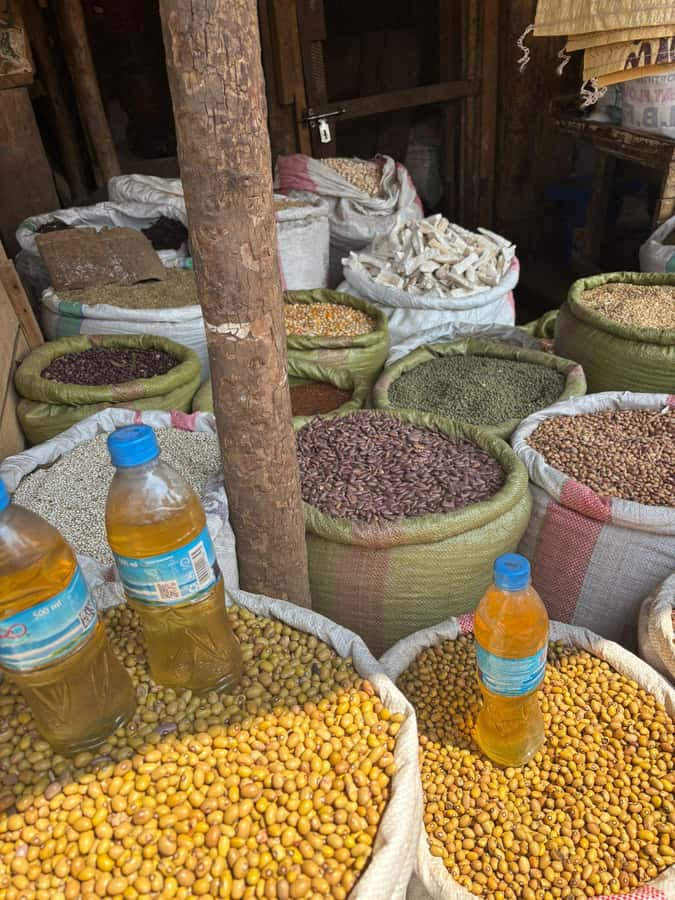
Expect food stalls, fresh produce, clothing, spices, fish, and other everyday goods. Isaac explains the activity around you, so you can ask about items you do not recognize rather than relying on guesswork.
The banana market is one of the useful details here. Bananas are not simply a snack for sale in a neat shop. They form part of a working produce trade, with sellers, buyers, transport, and pricing all connected. The fruit tasting adds a direct sensory part to the visit. You can sample several fruits and ask about what you are eating.
The fish market and spice market offer a different feel from the fruit stalls. You might notice changes in smell, texture, display, and the pace of buying and selling. The clothing area shifts the focus again, showing that these markets are places for ordinary household shopping, not only food.
You should dress for walking and wear comfortable shoes. Market floors and streets can be active, and you will be moving between areas rather than sitting in one spot. Comfortable clothes are also listed as a useful thing to bring.
Comparing the Main Market with the earlier stops
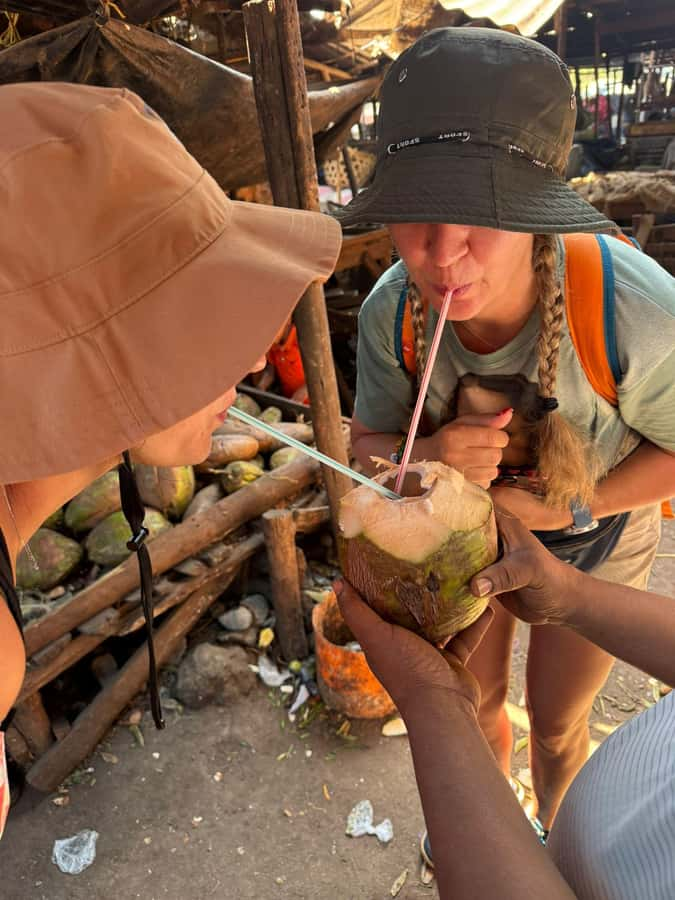
The Main Market comes later and gives you another food market to compare with Manyema and Mbuyuni. This is one of the strongest parts of the tour because Isaac explains how the markets differ instead of presenting them as identical rows of stalls.
You may see overlapping products, but the setting, scale, sellers, and purpose can vary. Pay attention to how food is arranged, how shoppers move through the area, and which products seem aimed at daily household use. Ask Isaac about prices, supply, and the role of the market in the wider local economy.
The tour also passes local banks along the route. Isaac explains SIM banking in Tanzania, a useful subject for anyone trying to understand how people handle payments and money outside a standard bank branch. This detail gives the town tour more substance. You are not only looking at goods. You are learning about the systems that let people trade and manage daily life.
For a first visit to Moshi, this kind of explanation is valuable. You might walk through a market on your own and enjoy the colors, smells, and movement, but miss why the place matters. A local guide helps turn quick impressions into a clearer picture.
Same place, a different set of stalls:
- Bangkok: Train Market & Floating Market with Boat Ride
★ 4.7 · 9,547 reviews - Dubai: Old Town, Souks, Street Food, Guided Tour & Abra Ride
★ 4.9 · 7,170 reviews - From Bangkok: Ayutthaya & Ayothaya Floating Market Day Trip
★ 4.7 · 6,084 reviews - Dubai: Frame Tickets, Creek, Souks & Blue Mosque Guided Tour
★ 4.8 · 5,980 reviews
Coffee Union Cafe and a sensible pause
After the markets, you stop at Coffee Union Cafe for around 20 minutes. The break includes coffee and tea, while any food or drink beyond the tour arrangement is not included in the price.
This pause is well placed. Market walking can be warm and tiring, especially if you have recently arrived in Tanzania or are preparing for a mountain climb. You can sit, take a breath, and continue the conversation with Isaac.
Coffee is part of the Kilimanjaro area’s identity, and a cafe stop makes more sense here than an anonymous international chain. The precise drink choices and costs beyond the stated break are not specified, so bring some local cash if you want to order extra items.
Several bookings specifically appreciated Isaac’s suggestions for good coffee and food places in Moshi. If you plan to eat after the tour, ask him for a local restaurant recommendation. That kind of advice can be more useful than a standard sightseeing stop.
Moshi bus stand and the business of getting around
The bus stand is a short, approximately 15-minute stop. It is not a long station tour, but it adds an important piece to the town’s working life.
Here Isaac explains how people do business around the bus stand. Transport hubs are often places where passengers, sellers, drivers, luggage, and small traders meet. This stop helps you see Moshi as a regional center rather than only a base for climbing trips.
You will have time for a guided walk and photographs. Keep your belongings secure and stay close to Isaac, as you would in any busy transport area. The tour is guided in English, and the guide’s role is especially useful here because the activity can be quick and confusing if you do not know what to watch.
One practical benefit of a private or small-group setup is flexibility. Past bookings describe the tour as adjustable to personal interests, with Isaac changing timing or adding a useful errand when possible. The advertised route remains the backbone, so do not assume every extra request is included, but it is worth asking.
Blue Zebra Art, Tanzanite, and responsible shopping
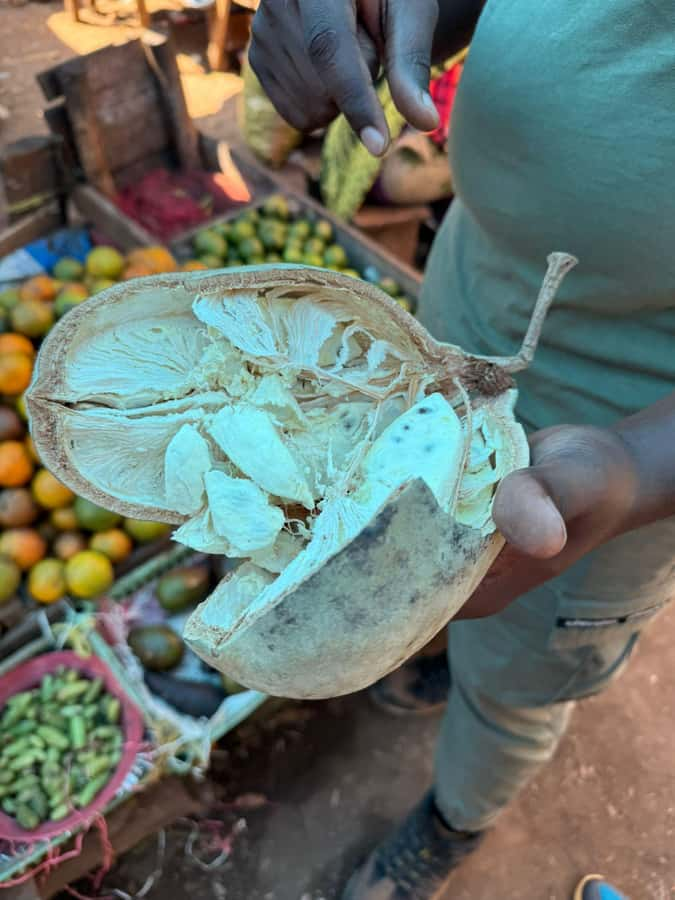
The final stop is Blue Zebra Art, Tanzanite, and Souvenir Shop, with about 20 minutes for browsing and shopping. This is different from the food markets because the shop has a social purpose as well as a commercial one.
Many of the items are made by disabled people. Part of the income is directed back into the community, including support for orphans attending school and help for people in need. That gives you a more meaningful choice if you want to take home a souvenir.
The shop also sells Tanzanite, a valuable gemstone found only in Tanzania. If you are interested in buying one, take your time. Ask questions about the stone, the price, and any documentation provided. You are not required to buy anything, and the tour works just as well if you simply look around.
This stop is also a good reminder that souvenir shopping can support local livelihoods when you know where your money goes. It is not a guarantee that every purchase will be right for you, but the community connection gives the shop a clear purpose.
What the $25 price really includes
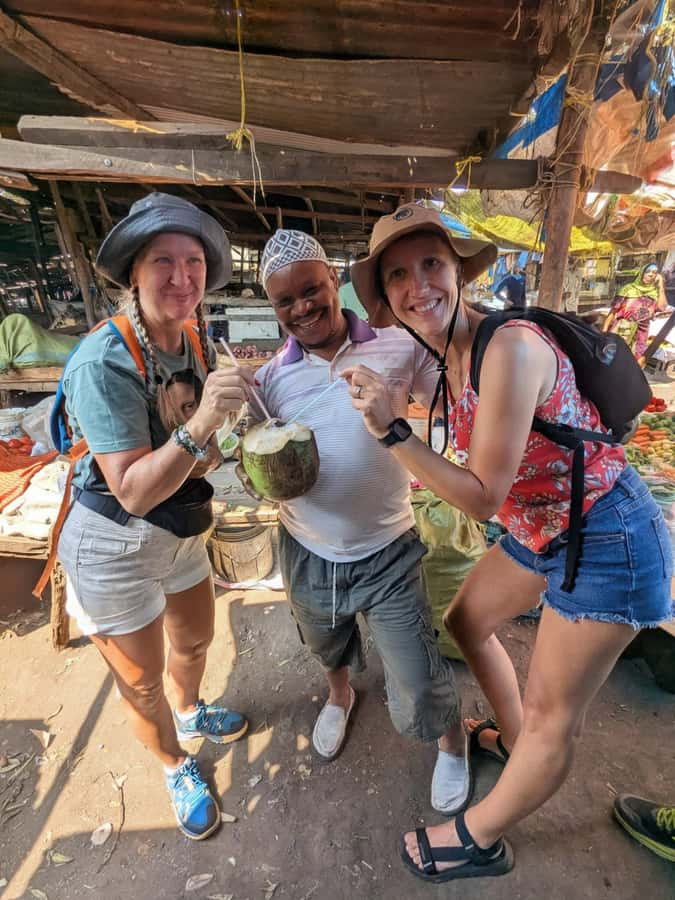
At $25 per person, this is a strong-value introduction to Moshi if you want transport and interpretation rather than a self-guided walk. The price includes hotel pickup and drop-off, bottled water, and an English-speaking guide for three hours.
You still pay for food and drinks, so budget separately for anything you buy at the cafe or markets. Shopping at the souvenir stop is optional. Fruit tasting is part of the planned experience, but the tour does not promise a full meal.
The value rests mainly in Isaac’s local explanations and the transport between stops. You receive a structured look at several parts of town without needing to arrange taxis or work out the market route yourself. If you only want to wander independently, $25 may feel unnecessary. If you want context and a comfortable introduction, it is a sensible spend.
The tour also offers free cancellation up to 24 hours before the start and a reserve-now, pay-later option. That helps if your Moshi plans depend on weather, climbing schedules, or flight changes.
Who will enjoy this Moshi town tour most
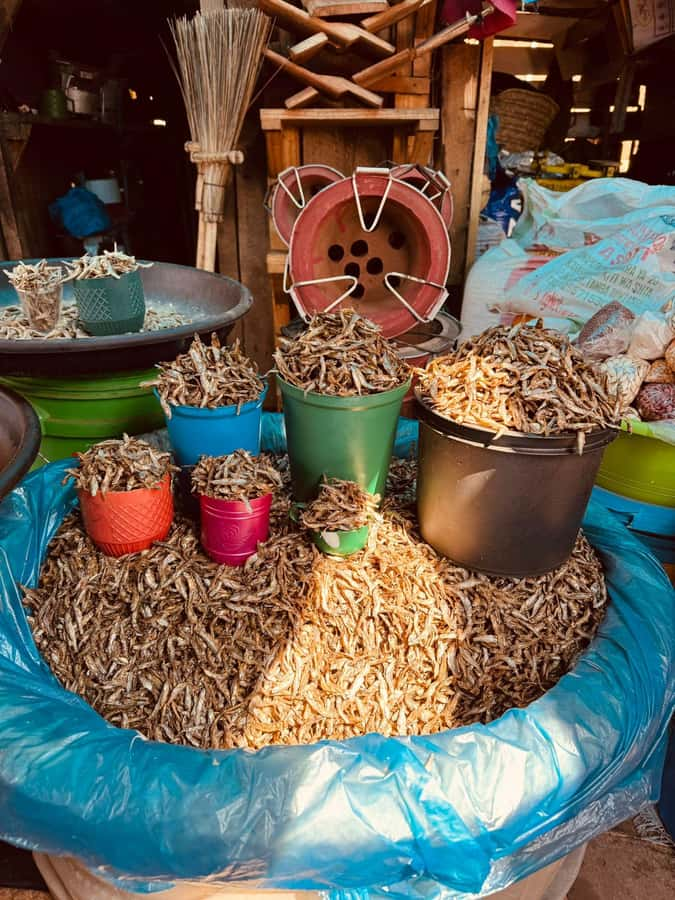
I would recommend this experience to anyone visiting Moshi for the first time, especially if you have a free morning before or after a Kilimanjaro trip. It gives you useful bearings and shows you parts of town you might not find on your own.
It is a good fit for solo visitors too. One solo woman described feeling safe with Isaac in the busy market setting, and several solo or small-group bookings praised his communication and care. You still need normal urban awareness, but having a local guide makes the market visit less intimidating.
Food lovers, photographers, and anyone interested in daily economics will get the most from it. You can taste fruit, photograph railway and market scenes, and ask about banking, transport, and trade.
It is less suited to anyone looking for a slow food tour or a long historical walking tour. Each stop is short, and the route covers a lot of ground. You should also expect ordinary working markets, not a polished attraction. That is exactly the appeal for many people, but it means noise, crowds, uneven surfaces, and active commerce are part of the setting.
Practical details for a smooth visit
Wear comfortable shoes and clothing. Bring a little extra money if you want coffee, tea, food, or souvenirs, since these are not included.
Keep an open mind about photography. Ask before taking close photographs of people, especially sellers and workers. Isaac can help you understand what is appropriate.
The tour is conducted in English. The guide’s strong English and willingness to answer questions are important advantages if you want more than a quick walk past the stalls.
If you have a flight, airport transfer, pharmacy need, or climbing errand, tell Isaac in advance. Past arrangements show that he can sometimes adapt the schedule, but the standard activity lasts three hours and ends with a return to Moshi Urban.
Should you book the Moshi markets tour?
Book it if you want a practical, friendly introduction to Moshi and prefer local explanation over sightseeing from a vehicle. The best reasons are the three market comparisons, the fruit tasting, the railway opening, and Isaac’s personal approach.
Skip it if you dislike active markets, short walking stops, or optional shopping. But for $25, the combination of hotel transport, bottled water, an English-speaking guide, and a grounded look at everyday town life is hard to fault. I would place it near the top of the list for a first morning in Moshi, particularly before heading up Kilimanjaro.
FAQ
How long does the Moshi town and market tour last?
The tour lasts three hours, including pickup and drop-off within Moshi Urban.
What markets will I visit?
The route includes Manyema Market, Mbuyuni Market, and the Main Market. You can see food, fruit, fish, spices, clothing, and other local goods.
Is hotel pickup and drop-off included?
Yes. Pickup and return transport from your lodging in Moshi Urban are included.
Is food included in the $25 price?
No. Food and drinks are not included. The tour includes fruit tasting, and there is a coffee and tea stop at Coffee Union Cafe, but additional purchases are separate.
Who is the guide?
The guide is Isaac, who is also called Zac. The tour is conducted in English.
Can I cancel or pay later?
You can cancel up to 24 hours in advance for a full refund. You can also reserve now and pay later.
Just added around the world
- 3-Hour Herbal Wholesale TCM Market and a Local Wet Market Tour★ 5.0 · 4 reviews
- Half-day Dandan Noodles Cooking Class with a Local Market Visit★ 5.0 · 8 reviews
- Chania Old Town, Public Market and Chrisopigi Monastery Tour★ 4.5 · 6 reviews
- Charleston International Sweet Treats & Historic City Market Tour★ 5.0 · 22 reviews
- Chania: Old Town, Public Market, Hill of Prophet Elias, Agia Triada★ 5.0 · 35 reviews
- Food Tasting & Market Shopping: Private Guided Tour in PORT LOUIS★ 4.5 · 9 reviews
- Moroccan Cooking Class with a Local Family & Market Visit★ 5.0 · 16 reviews
- Private Market Tour & Cooking Class in Casablanca with Transfers★ 5.0 · 20 reviews
Tanzania Market Tours, compared.
Stonetown: Food Markets and Street Food Walking Tour
Read our review →
Stone Town Guided Tour: Culture, Slave Market & Spice Market
Read our review →
Arusha: Traditional Tanzania Cooking Class & Food Market Tour
Read our review →Arusha: Traditional Tanzania Cooking class& Food Market Tour
Read our review →
24 Hours in Arusha—Arusha Museum, Cultural Heritage, Maasai Market, Shanga
Read our review →
Moshi, Kilimanjaro: Local Market Shopping Experience
Read our review →Browse the lists this tour appears in