
Review · MARKET AND COOKING CLASS TOURS
Arusha: Traditional Tanzania Cooking Class & Food Market Tour
Arusha’s best food lesson begins before the cooking. You walk through the central market, see where local ingredients come from, choose two dishes, then ride ordinary public transport to Sanawari for a hands-on meal with a local chef. I like the market visit and the chance to cook food selected by you, not a fixed menu.
I also like that the price includes hotel pickup near central Arusha, ingredients, transport, and the meal you prepare. The trade-off is comfort: the kitchen is genuinely basic, with charcoal burners, a gas burner, tubs, and simple tools rather than a polished cooking studio.
Key points at a glance
- Central market first: Spend about 30 to 45 minutes seeing fresh produce, meat, and local food in everyday Arusha.
- You choose two dishes: The guide explains the available foods, then you select what you want to prepare.
- Local transport included: The route from the market to Sanawari uses the kind of public transport local people commonly use.
- A real working kitchen: Expect a low table, charcoal burners, a gas burner, large tubs, and basic cooking equipment.
- A meal, not only a lesson: You eat what you cook, with takeaway food sometimes available.
- Good value at $42: Pickup, ingredients, cooking instruction, transport, and lunch or dinner are included.
Why this Arusha food tour feels different
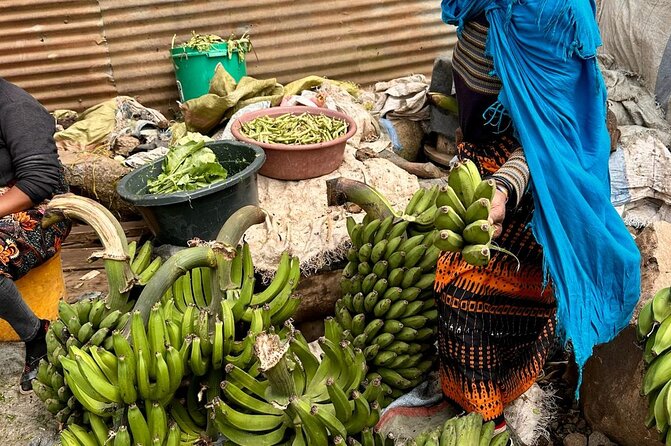
Many cooking classes begin with pre-measured ingredients in a clean teaching kitchen. This one starts at the source. You enter Arusha’s central food market with a guide, look at what is being sold, and learn how local ingredients fit into Tanzanian meals.
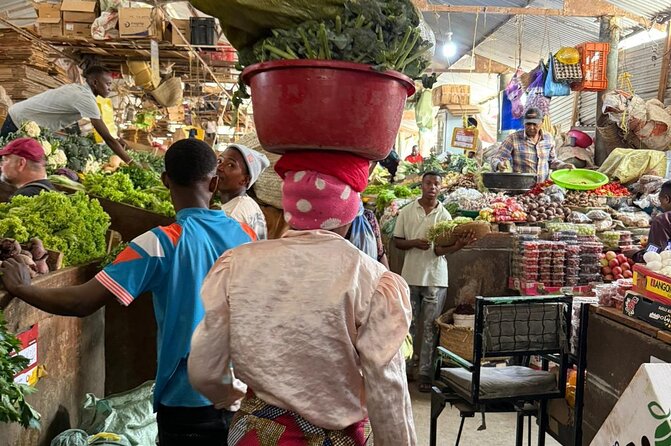
That order matters. Before you stir a pot, you see the food in its everyday setting. You can ask about produce, meat, and traditional ways of using ingredients. The market visit lasts roughly 30 minutes, although some descriptions place it closer to 45 minutes, so allow a little flexibility.
I like this because it gives the meal a setting. Ugali and ndizi are not just names on a menu. They become part of a wider look at shopping, cooking, and eating in Arusha.
The guide leads the conversation and helps you navigate the market. Several guides are associated with the experience, including Israel, Jack, James, Lameck, Magret, Bariki, and Fen. Your assigned guide may vary, but the role is the same: explain the foods, help you select dishes, and connect the market to the cooking lesson.
More Market and Cooking Class Tours in the world:
- Hanoi Cooking Class: Culture, Local Market & Meaning CSR Impact
★ 5.0 · 5,147 reviews - 5 Traditional Dishes Hanoi Cooking Class with Market Trip
★ 5.0 · 4,890 reviews - Cooking Class and Lunch at a Tuscan Farmhouse with Local Market Tour from Florence
★ 5.0 · 4,831 reviews
Walking through Arusha’s central food market
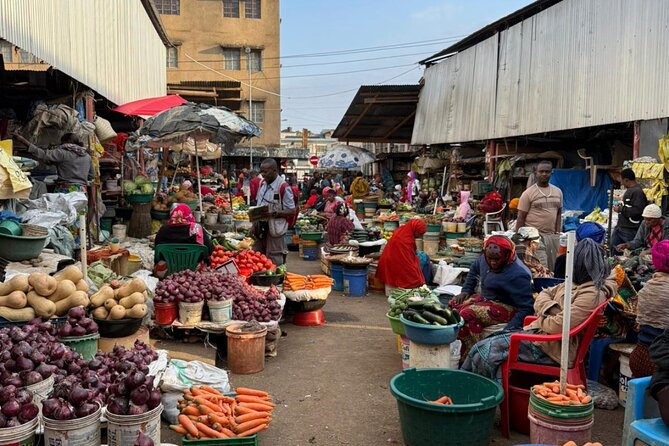
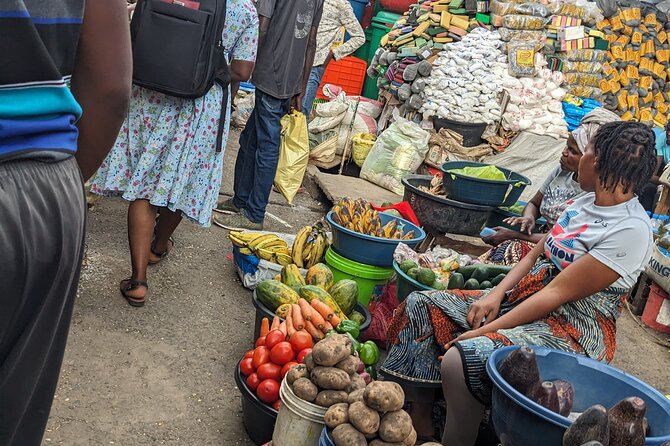
The market is the most useful part for anyone who wants to see ordinary food shopping rather than a staged tasting. You will see ingredients sold locally, along with a small amount of food brought in from outside Tanzania. The guide explains what you are looking at and how different foods are used.
The setting can feel busy and close. That is part of the point, but it also means you should expect normal market conditions rather than a quiet museum visit. Keep your belongings secure, follow the guide’s directions, and wear shoes suited to walking through a working food market.
I would not treat this as a long market tour. Thirty minutes is enough to get a feel for the place and make the shopping meaningful, but it is not enough for a detailed tour of every section. The value comes from the link between what you see and what you later cook.
You also meet local vendors and people going about their day. The guide helps with explanations and introductions, which makes the visit easier for a first-time visitor who does not know the local foods or market customs.
Choosing the two dishes for your lesson
After the market visit, you choose two local foods for the cooking lesson. The exact selection is made on the day, based on what is available and what you prefer. This is a useful feature if you have a particular interest in Tanzanian food, since you are not simply handed a recipe and told to follow it.
Ugali and ndizi are among the dishes associated with the class. The available choices may differ, so I would ask the guide early about ingredients, cooking time, and the level of participation expected for each dish.
This choice also affects the meal you will eat later. You are cooking for yourself and the other people taking part, so the class leads directly to lunch or dinner. The food is not an extra tasting added at the end. It is the result of the work you have done.
If you have allergies or dietary restrictions, explain them when booking and again at pickup. The provided details do not promise a separate allergy menu, so do not assume every request can be handled.
Riding local transport to Sanawari
Once the shopping is finished, you travel from the central market to Sanawari. The tour uses normal public transport, the same general kind of transport local people often use for shopping and daily trips.
I like this part because it keeps the class tied to real Arusha life. You are not moved between tourist-only facilities in a private bubble. The transport is part of the lesson, showing how the market and cooking area connect within the city.
The drawback is predictability. Public transport can be less controlled than a private vehicle, and the journey may feel basic. Pickup and drop-off are offered at hotels near the city center, but the included local transport mentioned for the activity applies to the route connected with the market and cooking lesson.
Sanawari is the destination for the class. The time listed for this part of the tour is about 1 hour and 30 minutes, though the total activity lasts approximately four hours. The difference allows for pickup, market time, transport, shopping, cooking, eating, and return travel.
More Food and Drink Trips in the world:
- Dubai: Old Town, Creek, Museums, Souks, & Street Food Tour
★ 4.8 · 10,816 reviews - Dubai: Old Town, Souks, Street Food, Guided Tour & Abra Ride
★ 4.9 · 7,170 reviews - Bangkok by Night: Temples, Markets and Food Tuk-Tuk Tour
★ 5.0 · 3,752 reviews - Chef Guided Food Tour of Pike Place Market
★ 5.0 · 3,733 reviews
Cooking in a practical local kitchen
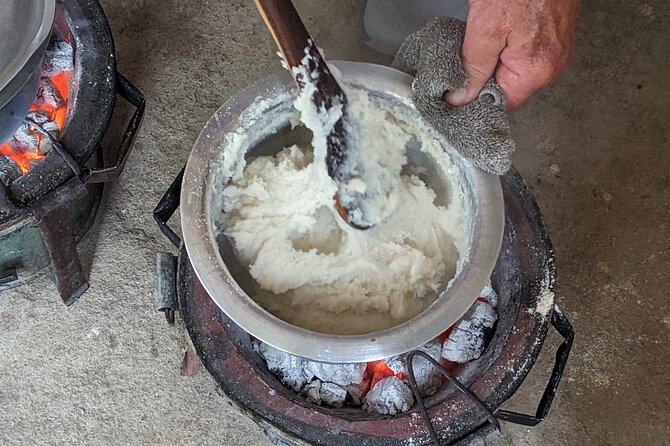
The cooking space is the clearest sign that this is not a polished culinary studio. Expect a low table, two charcoal burners, a gas burner, large tubs, and basic implements. You may not have the counter space, sink, or stove setup you use at home.
That may sound like a drawback, and it is if you want comfort or professional equipment. For me, it is also the reason the class has value. You see how food is prepared with everyday tools, and the method feels connected to household cooking rather than a hotel demonstration.
The chef guides you through the preparation of the two dishes you selected. The available information does not specify every recipe or exact cooking step, so you should think of this as a practical introduction rather than a formal certificate course.
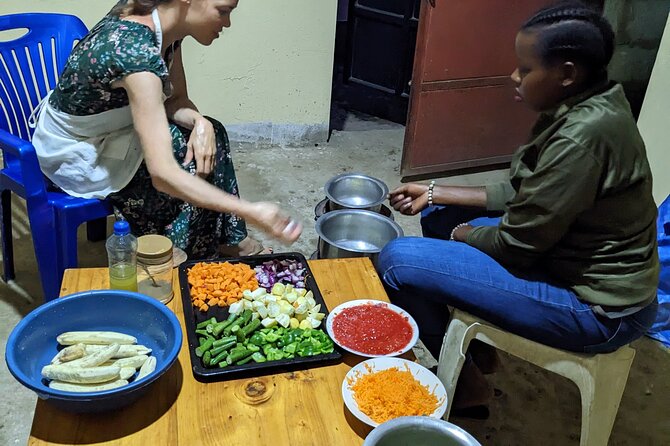
The class is intended to be interactive. You should expect to help prepare the food, not simply watch a chef work. Still, the amount of hands-on time can depend on the dish, group size, and pace of the day.
One important point: the maximum listed group size is 200 people. That is a very large possible capacity, even if your particular session is smaller. Ask about the expected group size if personal instruction is important to you.
Eating what you prepare
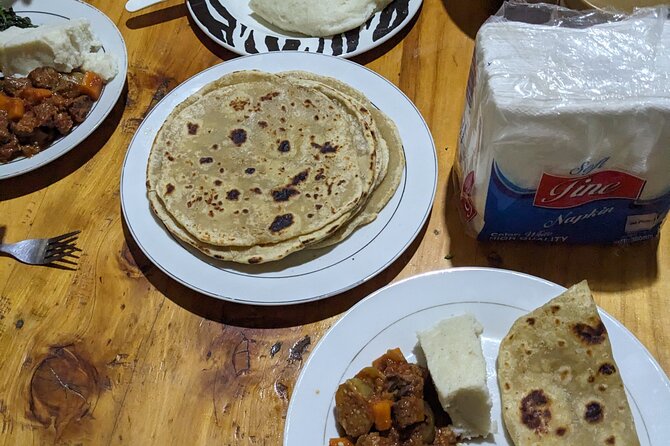
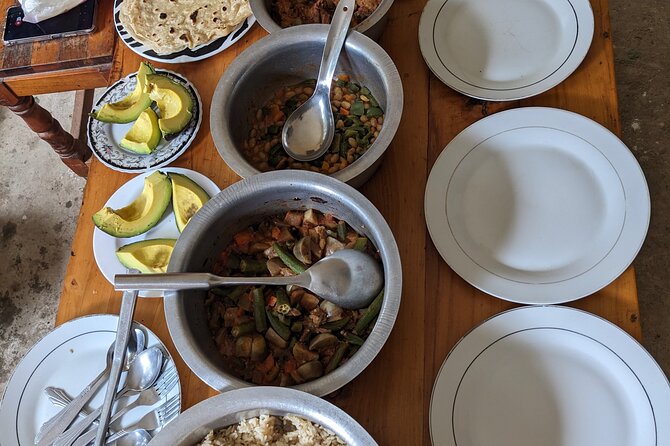
When the cooking is finished, you sit down to eat the meal. Lunch or dinner is included, along with the ingredients purchased for the class. Anyone taking part can share the food prepared during the session.
This is where the activity pays off. You have seen the ingredients in the market, helped select the dishes, and taken part in the preparation. The final plate gives you a better sense of how the food fits into daily life than a restaurant meal alone.
Drinks are not included. You can buy water, soda, or beer along the way, so carry some Tanzanian shillings or confirm the payment options with your guide. Spices from the market are also not included in the tour price.
Takeaway food may be available after the meal. The details do not promise a specific amount or packaging, so consider it an option rather than part of the guaranteed inclusion.
What the $42 price really covers
At $42 per person, this is a solid value if you want several pieces of Arusha in one half-day activity. The price includes hotel pickup and drop-off near the city center, the market guide, ingredients, local transport connected with the class, cooking instruction, and the meal.
A cheaper food walk might show you the market but leave you to arrange lunch. A standard restaurant meal would give you food but not the shopping and preparation. This activity combines both, with a local transport segment added.
The price is less compelling if you want a refined kitchen, a long market tour, or a private chef lesson. You are paying for access to a local routine, not luxury. The basic setting is central to the experience, so choose it for contact and participation rather than comfort.
The activity is often booked about 23 days ahead. That suggests planning early, especially if you are fitting it between a safari and other Arusha activities. Confirmation is provided at booking, and mobile tickets are accepted.
Who should book this activity
I would recommend it to you if you enjoy food as a way to understand a place. It suits curious first-time visitors to Tanzania, couples, families with older children, and anyone who wants an activity beyond sightseeing.
It is also a good choice before or after a safari. Arusha is often used as a base, and this gives you a closer look at city life before heading into the national parks.
You should think twice if you need a modern kitchen, air-conditioned transport throughout, or a tightly timed four-hour schedule. The market and public transport portions are practical, not polished. The class also may not suit someone who wants a fixed menu and exact recipe measurements.
Most people can participate, and the activity is near public transport. The provided details do not give specific accessibility information, so contact the provider if you need help with steps, walking, seating, or transport arrangements.
Timing, pickup, and useful preparation
Pickup and drop-off are offered at hotels near central Arusha. After booking, the provider sends details by WhatsApp or email, and the guide comes to your hotel on the day of the activity.
The tour lasts about four hours, but allow extra breathing room if you have another appointment. Market visits, public transport, shopping, cooking, and eating do not always run to the minute.
Wear comfortable clothes and shoes suitable for a food market and a simple kitchen. Bring money for drinks and any spices or additional items you want to buy. You do not need to purchase the class ingredients yourself, since that cost is included.
Free cancellation is available up to 24 hours before the start time. Cancellations made inside that window are not refunded, and changes are not accepted. The activity requires good weather, and poor conditions can lead to a different date or a full refund.
My verdict on this Arusha cooking class
I like this activity because it connects the whole food chain in a short time: market, shopping, transport, cooking, and eating. The strongest feature is not the recipe alone. It is seeing how local ingredients move from a market stall into a shared meal.
The main warning is simple: do not book this expecting a sleek cooking studio. Book it if you want a basic local kitchen, direct participation, and a guide who can explain Tanzanian food in context.
At $42, the combination of transport, ingredients, instruction, and food makes sense. If you value comfort over contact, choose another class. If you want to live like a local for an afternoon, this is a practical and fairly priced way to do it.
FAQ
How long does the Arusha cooking class and market tour last?
The activity lasts approximately four hours, including hotel pickup, the market visit, transport, cooking, eating, and drop-off.
What does the tour cost?
The listed price is $42 per person.
Is hotel pickup included?
Yes. Pickup and drop-off are offered at hotels near Arusha city center.
What happens at the food market?
You visit Arusha’s central food market for about 30 minutes, with some descriptions allowing closer to 45 minutes. The guide explains local foods, how they are used, and helps with the ingredient shopping.
How many dishes will I cook?
You select two local foods from the choices explained by the guide on the day of the activity.
Is the meal included?
Yes. After the cooking lesson, you eat the meal you prepared. It may be served as lunch or dinner.
Are drinks included?
No. Water, soda, and beer are not included, but you can buy them along the way.
What kind of kitchen is used?
The class takes place in a local kitchen with basic equipment. You may use a low table, charcoal burners, a gas burner, large tubs, and simple cooking tools.
Can I cancel for a full refund?
Yes, if you cancel at least 24 hours before the experience starts. Cancellations made less than 24 hours ahead are not refunded. If poor weather causes the provider to cancel, you will be offered another date or a full refund.
Just added around the world
- 3-Hour Herbal Wholesale TCM Market and a Local Wet Market Tour★ 5.0 · 4 reviews
- Half-day Dandan Noodles Cooking Class with a Local Market Visit★ 5.0 · 8 reviews
- Chania Old Town, Public Market and Chrisopigi Monastery Tour★ 4.5 · 6 reviews
- Charleston International Sweet Treats & Historic City Market Tour★ 5.0 · 22 reviews
- Chania: Old Town, Public Market, Hill of Prophet Elias, Agia Triada★ 5.0 · 35 reviews
- Food Tasting & Market Shopping: Private Guided Tour in PORT LOUIS★ 4.5 · 9 reviews
- Moroccan Cooking Class with a Local Family & Market Visit★ 5.0 · 16 reviews
- Private Market Tour & Cooking Class in Casablanca with Transfers★ 5.0 · 20 reviews
Market and Cooking Class Tours, compared.
Hanoi Cooking Class: Culture, Local Market & Meaning CSR Impact
Read our review →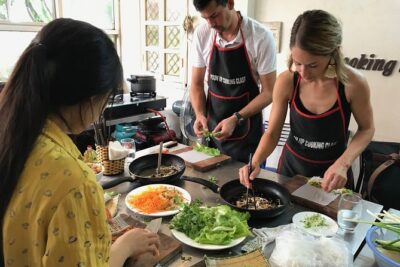
5 Traditional Dishes Hanoi Cooking Class with Market Trip
Read our review →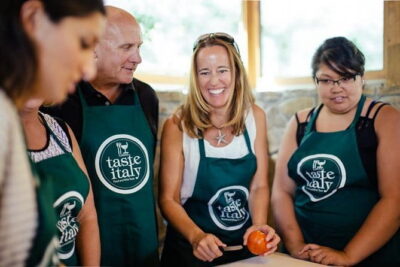
Cooking Class and Lunch at a Tuscan Farmhouse with Local Market Tour from Florence
Read our review →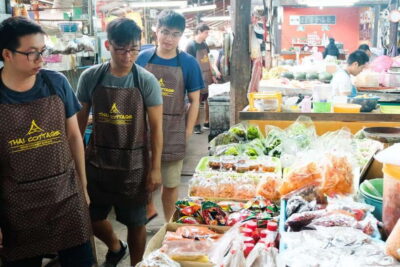
Cooking Class, Market & Thai Herbs Garden Tour
Read our review →
Authentic Cooking Class with Market & Farm Visit
Read our review →
Paella Cooking Experience & Boqueria Market Tour
Read our review →
Cooking Class Hoi An:Local Market, Basket Boat, Fishing & Cooking
Read our review →
Hoi An Cooking Class(Market,BasketBoat Crabfishing&Cooking Class)
Read our review →Browse the lists this tour appears in