
Review · NIGHT MARKET TOURS
Manila Street food and Night Market Tour
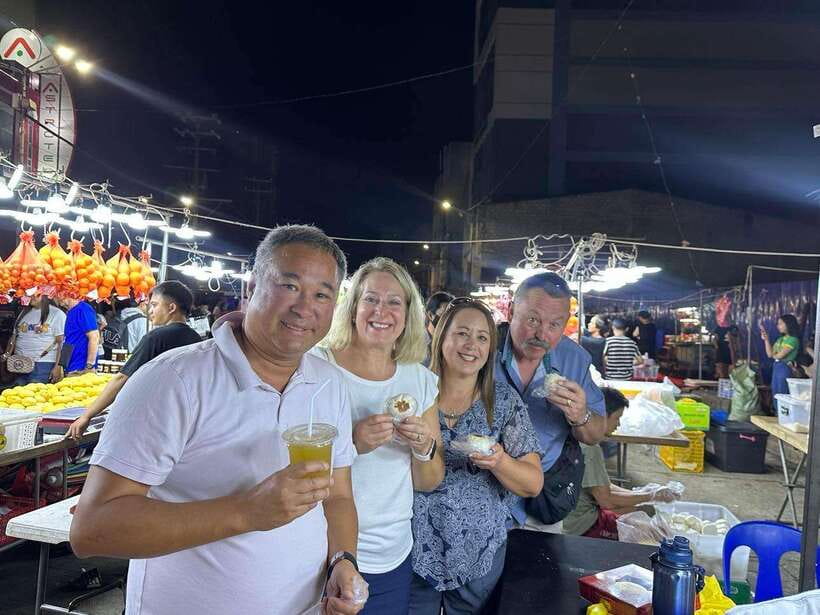
Manila’s food culture makes the most sense at street level, with a grilled snack in one hand and a crowded market lane ahead. This two-hour evening tour links Tutuban Night Market, Divisoria’s Ilaya Street, Binondo Chinatown, and Pasig Esplanade, so you get food, local neighborhoods, and a riverside finish in one compact outing.
I like the way the route mixes Filipino classics such as isaw, balut, kwek-kwek, taho, and banana cue with Chinese-Filipino treats in Binondo. I also like the human side of the tour: guides Floyd and Venus help you order, explain what you are eating, and steer you through busy streets. The main drawback is the short running time. Four districts in two hours means quick stops rather than a slow, unhurried meal.
Key points to know before booking
- Four very different Manila stops: Tutuban, Divisoria, Binondo, and Pasig Esplanade each give the evening a different feel.
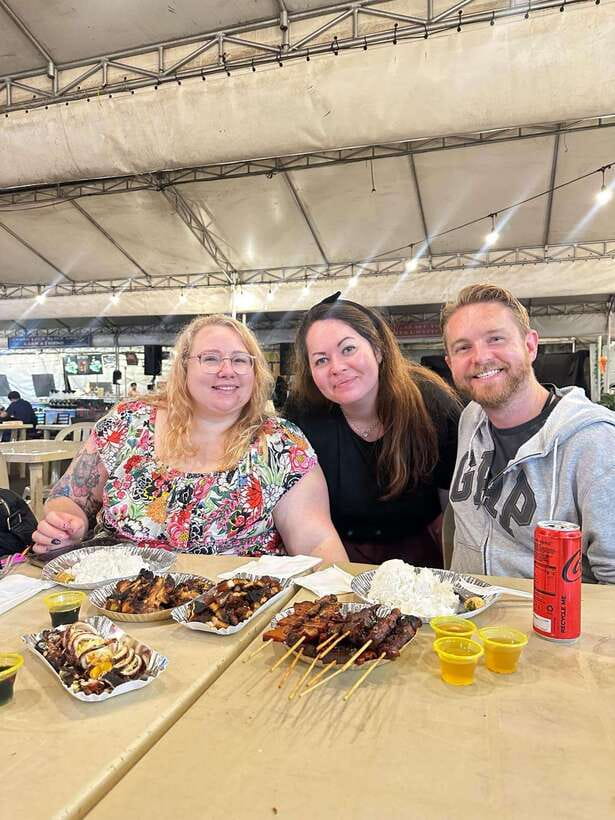
- Food for the curious: Expect isaw, balut, kwek-kwek, taho, banana cue, siopao, dumplings, and other local bites.
- Floyd and Venus lead the tour: Both are listed as English-speaking guides, and the supplied feedback especially praises their patience, warmth, and local insight.
- Short rides add variety: A tuk-tuk or jeepney ride is included, depending on the arrangement.
- A good first taste of Manila: You get market life, food customs, neighborhood culture, and river views without giving up a whole evening.
- Bring an open mind: This is a walking food tour, and some dishes have textures or ingredients that may surprise you.
A fast route through Manila’s food life
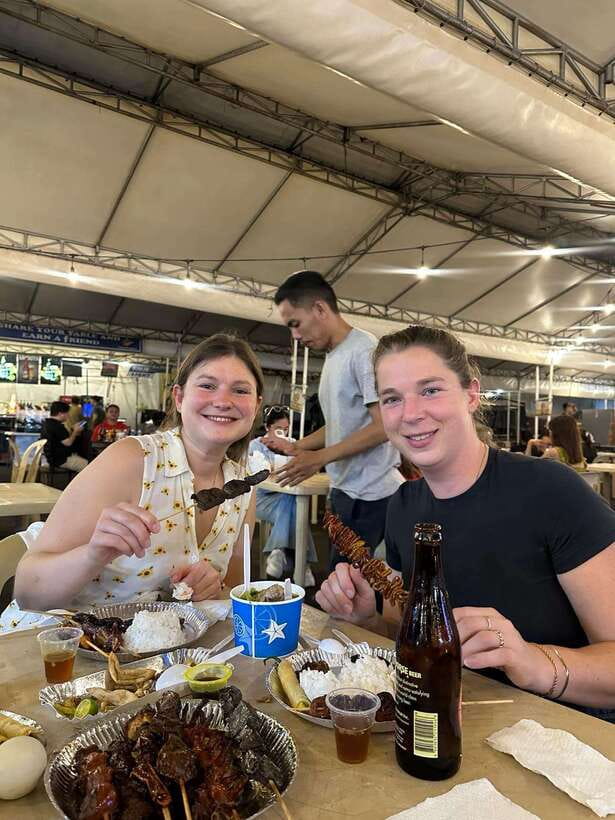
This is not a formal restaurant crawl. It is a guided walk through working market areas, with small tastings along the way and enough local explanation to help you understand what is on the plate.
That difference matters. At a restaurant, you can read a menu and settle into a chair. Here, you watch food being prepared, see how people move through the market, and learn how to order in a setting where the pace is quick and the choices are not always obvious.
The tour lasts two hours and costs $68 per person. That is not cheap if you compare it with the price of individual street snacks in Manila. The value comes from the guide, the route, the food orientation, and the included tuk-tuk or jeepney ride. You are paying for someone to make sense of several busy areas in a short time, not simply for a plate of food.
The experience is best for a first evening in Manila, a short stopover, or anyone who wants an introduction before exploring on their own. It is less suited to people who want a long sit-down dinner or who prefer familiar food.
One practical note deserves attention. The supplied location information says Nueva Vizcaya, while the actual route begins around Tutuban and ends near Manila City Hall. Since every stop described is in Manila, confirm the exact meeting point before setting out. The listed meeting information refers to Bonifacio Monument and Tutuban Center Mall, with WhatsApp contact at 09980864564.
More Night Market Tours in the world:
- Phuket: Full Day City Tour with Night Market
★ 4.5 · 2,888 reviews - Seoul: Night Market Food Tour with Local Guide
★ 4.9 · 943 reviews - Cancun Taco Tour, Local Beer and Night Market with Transportation
★ 5.0 · 816 reviews
Tutuban Night Market: your first taste of Manila
The tour begins at Tutuban Center, in the area identified as Tutuban Night Market. You get about 30 minutes here, enough to see the market’s energy and try several quick bites without spending the whole evening in one place.
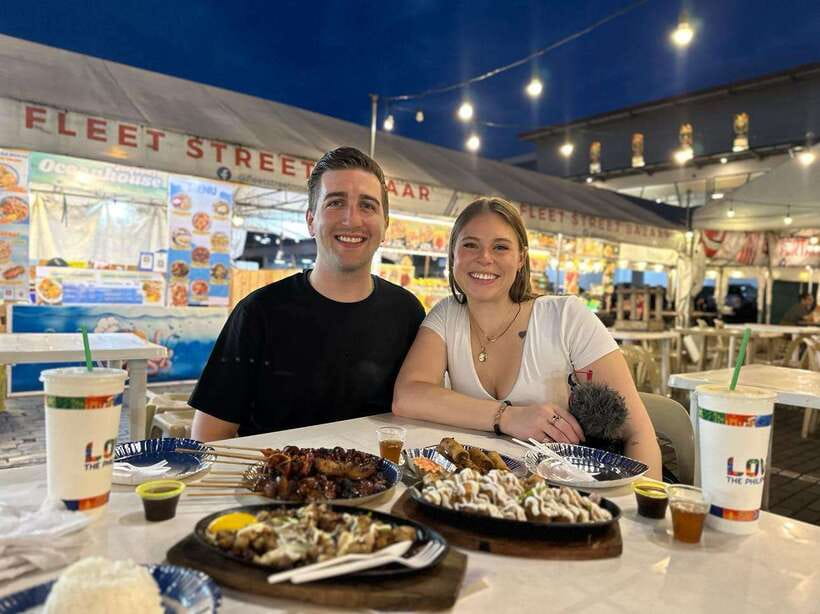
This is where the guide’s role matters most. Isaw, grilled chicken or pork intestines, is a familiar Filipino street snack, but the name and preparation may be new to you. Kwek-kwek consists of battered quail eggs, usually brightly colored and fried. Balut, the fertilized duck egg, is the famous test of an adventurous appetite.
You do not need to pretend that every dish sounds appealing. A good guide can explain what you are ordering and help you make a sensible choice. The feedback about Floyd and Venus repeatedly points to their calm, friendly manner, which is useful when you are unsure about a new food or trying to keep up in a crowded market.
Tutuban is also a good place to learn the basic rhythm of Filipino street food. Small portions, quick service, sauces, skewers, and fried snacks let you taste several things instead of filling up on one large dish. I would arrive ready to sample, not hungry enough to order a full dinner before the tour gets going.
The limitation is time. Thirty minutes passes quickly when you are walking, listening, choosing food, and eating. You may get an introduction rather than a full survey of the market. That is fine if you see Tutuban as the opening chapter, not the main event.
Ilaya Street in Divisoria: markets beyond the food
The next stop is Ilaya Street in Divisoria, with around 20 minutes for walking and tasting. Divisoria is known here as much for its affordable goods and crowded stalls as for its snacks, so this part adds shopping-market life to the food theme.
You may see rows of colorful merchandise and small vendors operating close together. The point is not to browse every stall. It is to notice how ordinary Manila commerce works, then pause for a snack such as taho or banana cue.
Taho is soft silken tofu served with syrup, often with small tapioca pearls. It is gentle, sweet, and very different from the grilled and fried food at Tutuban. Banana cue, meanwhile, is banana coated in caramelized sugar and served on a stick. These two foods give you a useful contrast: one is soft and spoonable, the other is sticky, sweet, and easy to eat while walking.
The short stop also shows why a guide can be helpful. Markets like Divisoria can feel confusing if you do not know where you are going or what deserves your attention. You will not have much time to stop for every item, so listen for the explanation and keep moving with the group.
If shopping is your main interest, this tour will only provide a quick look. The schedule is built around food and sightseeing, not buying souvenirs or comparing prices. Treat Ilaya Street as a snapshot of Manila’s market economy rather than a dedicated shopping session.
Binondo Chinatown: Filipino food with Chinese roots
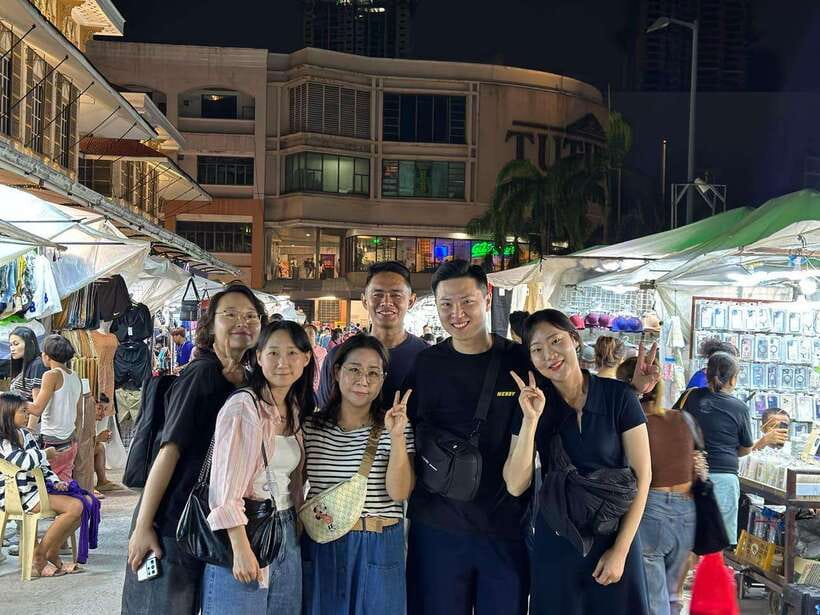
The Binondo portion gets about 40 minutes, the longest stop on the route. That extra time makes sense because Binondo shifts the focus from purely Filipino street snacks to Chinese-Filipino food and neighborhood culture.
You might stop at a street stall or bakery for siopao and dumplings. Siopao is a steamed bun filled with meat or another savory mixture, while dumplings bring a different texture and seasoning from the earlier snacks. These foods help show how Manila’s food traditions overlap rather than staying in separate boxes.
This is also the part of the tour where the guide’s local stories can add real value. The route gives you a chance to connect food with the long-standing Chinese presence in Manila, without turning the walk into a museum lecture. You see the area, eat in it, and hear enough context to understand why the food looks and tastes different from what came before.
The four stops create a useful progression. Tutuban introduces familiar Filipino street-food staples. Divisoria shows food within a large trading district. Binondo adds another cultural layer through buns, dumplings, bakeries, and Chinese-Filipino cooking.
Forty minutes is still not enough for a full food tour of Binondo. You will likely leave with a short list of places or dishes to investigate later. That is a benefit if you are staying in Manila for more than one night, but a limitation if this is your only food experience in the city.
More Street Food Market Tours in the world:
- Dubai: Old Town, Creek, Museums, Souks, & Street Food Tour
★ 4.8 · 10,816 reviews - Dubai: Old Town, Souks, Street Food, Guided Tour & Abra Ride
★ 4.9 · 7,170 reviews - Chef Guided Food Tour of Pike Place Market
★ 5.0 · 3,733 reviews - London Bridge & Borough Market Food Tour with 7 Authentic Dishes
★ 5.0 · 1,972 reviews
Pasig Esplanade: slowing down beside the river
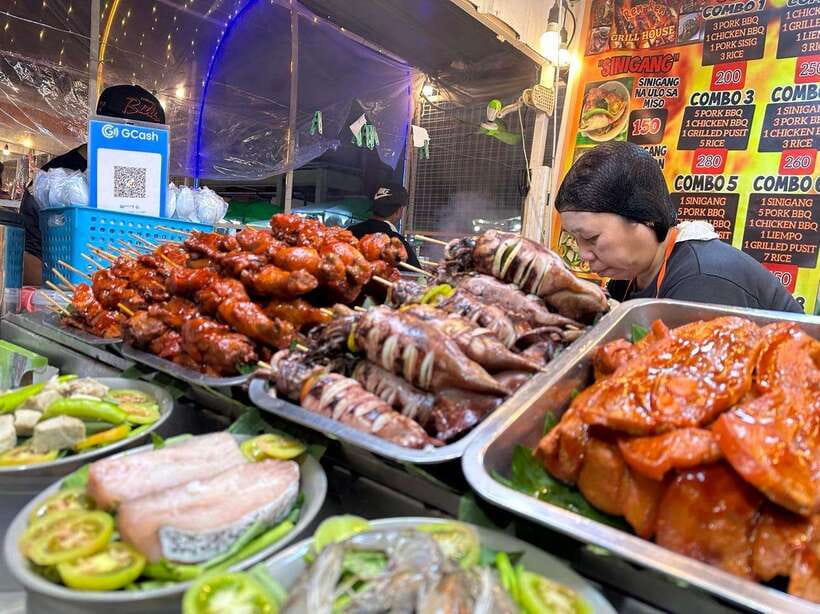
The final 30 minutes take you to Pasig Esplanade. After the tight lanes and market noise, a riverside walk gives the evening a needed change of pace.
You can enjoy views along the river, see the city lights, and have a final light snack if available. This is less about trying one more famous dish and more about letting the experience settle. The route ends at Manila City Hall, according to the itinerary, so this final section also helps bring the outing toward a clear finish.
I like this choice of ending. A food tour that finishes in another crowded stall can feel like one long rush. The esplanade offers room to talk with the guide, ask about what you ate, and take photographs. Photography is included, which is useful if you want some record of the evening without constantly stopping to manage your own camera.
Do not expect a grand waterfront attraction or a long sunset cruise. The information promises riverside views and city lights, not a major sightseeing program. Think of Pasig Esplanade as a calm closing walk after the market sections.
What the guide adds to the night
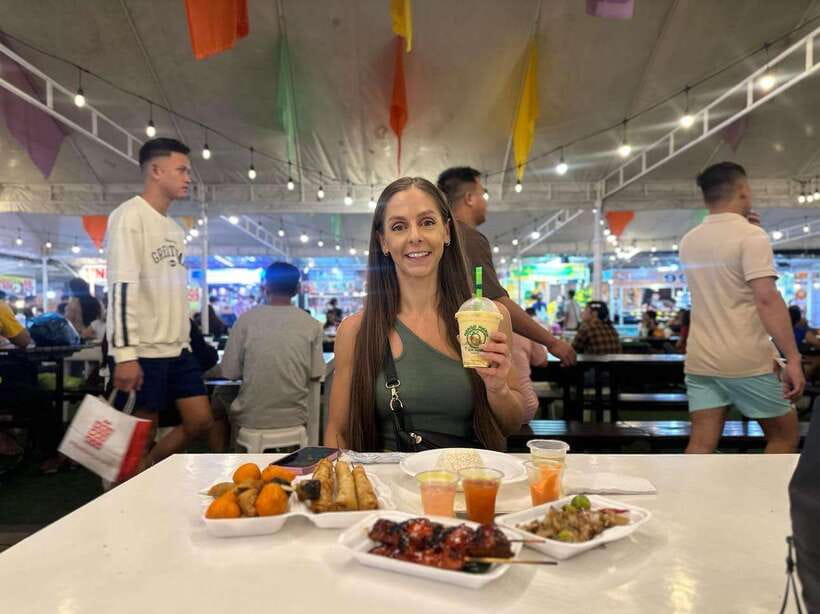
Floyd and Venus are the named guides for this experience. You should expect an English-speaking guide who explains local food, helps with ordering, and guides you through the route.
The most useful guide is not simply someone who can name dishes. You need someone who can explain what you are seeing, make you feel comfortable around unfamiliar food, and keep the group together in crowded areas. Floyd is especially described through his humor, patience, care, and ability to help solo participants feel at ease. Venus is described as professional, friendly, and good at explaining local life.
That matters if you are traveling alone. One solo participant joined during a long layover and found that the guide helped make new foods feel less intimidating. Another group appreciated patience after Manila traffic caused a late arrival. Those details suggest a relaxed approach rather than a rigid, stopwatch-driven tour.
The guide also teaches you how to order like a local. That may mean learning the names of foods, how to point out a choice, or how to understand the difference between a snack and a full meal. The exact ordering process is not specified, so do not expect a formal language lesson. You can expect practical help at the stalls.
Tuk-tuk or jeepney: small rides, useful context
Transport is listed as a tuk-tuk ride or jeepney. The exact vehicle may vary, but either option adds something beyond simple walking.
A tuk-tuk gives you a close view of the streets and can make the transfer feel personal and informal. A jeepney is one of the Philippines’ best-known forms of local transport and adds a distinctly Manila touch to the evening. Neither should be treated as a sightseeing ride in its own right. They are short practical transfers between parts of the route.
This is helpful because the tour covers several areas in only two hours. Without a ride, the walking time between stops could reduce the food and sightseeing time. The included transport also gives you a break from the pavement and lets you see a little more of the city between tastings.
Ask at the meeting point which ride is planned and how the group will use it. The supplied information does not specify the number of rides, their length, or which sections use each vehicle.
Food expectations, allergies, and comfort
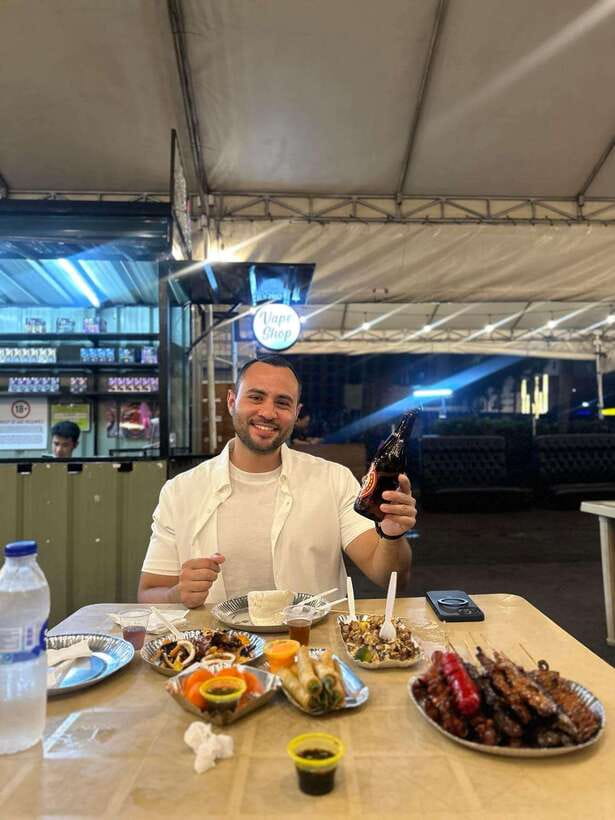
This is a food-tasting walk, not a menu where you choose every ingredient in advance. The listed foods include grilled intestines, duck embryo, battered quail eggs, tofu with syrup, banana cue, steamed buns, and dumplings.
You should tell the operator about food allergies before the tour. That instruction is important because street food can contain sauces, fillings, shared cooking surfaces, or ingredients that are not obvious at first glance.
An open mind helps. You do not need to love every item, but you should be willing to try unfamiliar flavors and textures. One participant found that foods normally avoided turned out to be enjoyable, while the broader advice is clear: very picky eaters may not get as much from this experience.
The tour involves walking through active market areas, so comfortable footwear is sensible. The supplied details do not give an accessibility rating, group size, or specific information about seating. If those points matter to you, ask before booking rather than assuming the route will be easy.
Is $68 good value for two hours?
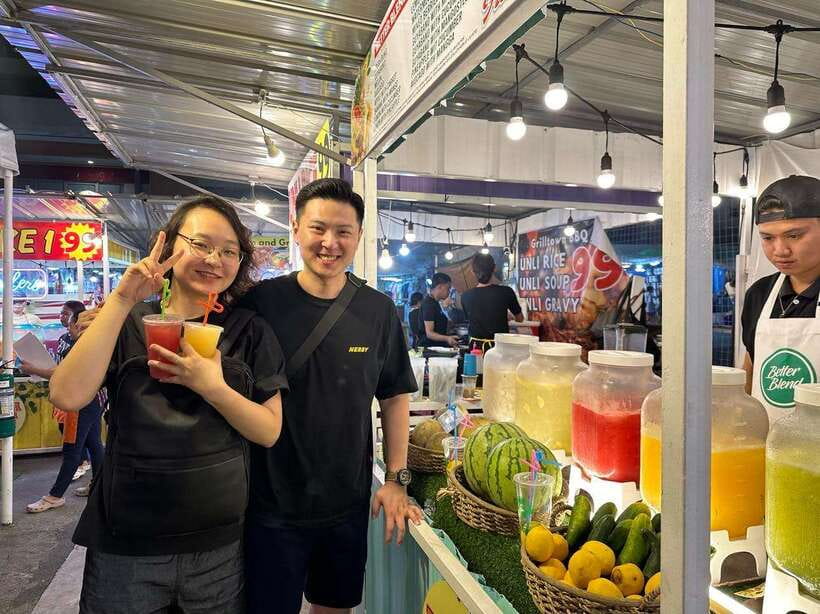
At $68, this tour costs more than buying the same type of street snacks independently. That comparison is fair, but incomplete.
You are also paying for a planned route through four areas, an English-speaking guide, help with ordering, local context, photography, and a tuk-tuk or jeepney ride. For a first visit, that can save time and reduce the uncertainty of navigating Tutuban, Divisoria, Binondo, and the riverside area on your own.
The value is strongest for solo visitors, short-stay visitors, and people who want a guided introduction to Manila rather than a self-directed food hunt. It is weaker for confident repeat visitors who already know the markets and speak enough of the local language to order comfortably.
Food tasting is included as part of the activity, but the information does not clearly state whether every food purchase is covered by the $68 price. I would confirm that point before booking. It is a small question that can prevent an awkward surprise at the stalls.
Free cancellation up to 24 hours before the start and the option to reserve now and pay later give you some flexibility. Starting times vary, so check availability when choosing your date.
Who should book this Manila food walk?
I would recommend it to you if you want:
- A quick introduction to Filipino street food
- A guide through several busy Manila districts
- A mix of food, local transport, and neighborhood sightseeing
- Help trying dishes such as balut, isaw, and kwek-kwek
- A friendly evening activity during a long layover
- A chance to meet local Filipinos and ask questions directly
I would think twice if you want a slow restaurant meal, a dedicated shopping tour, or a precise culinary itinerary with guaranteed dishes and generous portions. Two hours is enough for a lively sample, not a complete account of Manila’s food scene.
The route also asks you to accept some uncertainty. The exact stalls, food availability, vehicle, and pace may change. That is normal for a street-food outing, but it is different from a fixed tasting menu.
Should you book the Manila Street Food and Night Market Tour?
Book it if you want an active, social introduction to Manila and are willing to try food outside your usual comfort zone. Floyd or Venus can give you the confidence to order, explain what you are seeing, and keep the evening moving through four very different settings.
The strongest reasons to book are the guide support, the variety of stops, and the chance to combine food with ordinary city life. The main caution is the price for only two hours and the brisk schedule. Confirm the meeting location, ask what food costs are included, and disclose allergies in advance.
For a first night, a stopover, or a traveler who wants to see more than the inside of a restaurant, this is a practical choice. For a slow, food-focused evening, look for a longer tour.
FAQ
Where does the tour start?
The tour starts at Tutuban Center, with meeting information also referring to Bonifacio Monument and Tutuban Center Mall. Confirm the exact meeting point before departure.
Where does the tour finish?
The itinerary lists Manila City Hall as the finish point.
How long does the experience last?
The tour lasts two hours.
What foods might I try?
Possible foods include isaw, balut, kwek-kwek, taho, banana cue, siopao, and dumplings.
Is the tour conducted in English?
Yes. The tour includes a live English-speaking guide.
Who are the guides?
The listed guides are Floyd and Venus. The provided information also refers to an English-speaking guide named Jenny in one experience account, so confirm your assigned guide when booking.
Is transportation included?
Yes. A tuk-tuk ride or jeepney ride is included.
Is this a walking tour?
Yes. It is a walking tour with food tasting, plus the included tuk-tuk or jeepney transport.
What should I do if I have food allergies?
Tell the operator about your allergies before the tour. The activity specifically asks participants to provide this information.
Can I cancel the booking?
You can cancel up to 24 hours in advance for a full refund. Reserve-now, pay-later booking is also available.
More Food and Drink Trips in the world
- Bangkok by Night: Temples, Markets and Food Tuk-Tuk Tour
★ 5.0 · 3,752 reviews - Tokyo Tsukiji Fish Market Food and Culture Walking Tour
★ 5.0 · 3,184 reviews - Bangkok: Markets, Temples and Food Night Tour by Tuk Tuk
★ 4.9 · 2,371 reviews - Tokyo: Tsukiji Fish Market Food and Walking tour
★ 5.0 · 1,724 reviews
Just added around the world
- 3-Hour Herbal Wholesale TCM Market and a Local Wet Market Tour★ 5.0 · 4 reviews
- Half-day Dandan Noodles Cooking Class with a Local Market Visit★ 5.0 · 8 reviews
- Chania Old Town, Public Market and Chrisopigi Monastery Tour★ 4.5 · 6 reviews
- Charleston International Sweet Treats & Historic City Market Tour★ 5.0 · 22 reviews
- Chania: Old Town, Public Market, Hill of Prophet Elias, Agia Triada★ 5.0 · 35 reviews
- Food Tasting & Market Shopping: Private Guided Tour in PORT LOUIS★ 4.5 · 9 reviews
- Moroccan Cooking Class with a Local Family & Market Visit★ 5.0 · 16 reviews
- Private Market Tour & Cooking Class in Casablanca with Transfers★ 5.0 · 20 reviews
Night Market Tours, compared.

Cancun Taco Tour, Local Beer and Night Market with Transportation
Read our review →

Guided Tour to Marble Mountains & Hoi An Walking Tour , Night Market, Boat Ride
Read our review →
Hoi An Night Market – Ancient Town street food tours by Night
Read our review →
Hoi An Ancient Town – Night Market Street Food Tours By Night
Read our review →Browse the lists this tour appears in