
Review · FOOD & DRINK
Lima Food Experience with local Markets & Barranco Tour
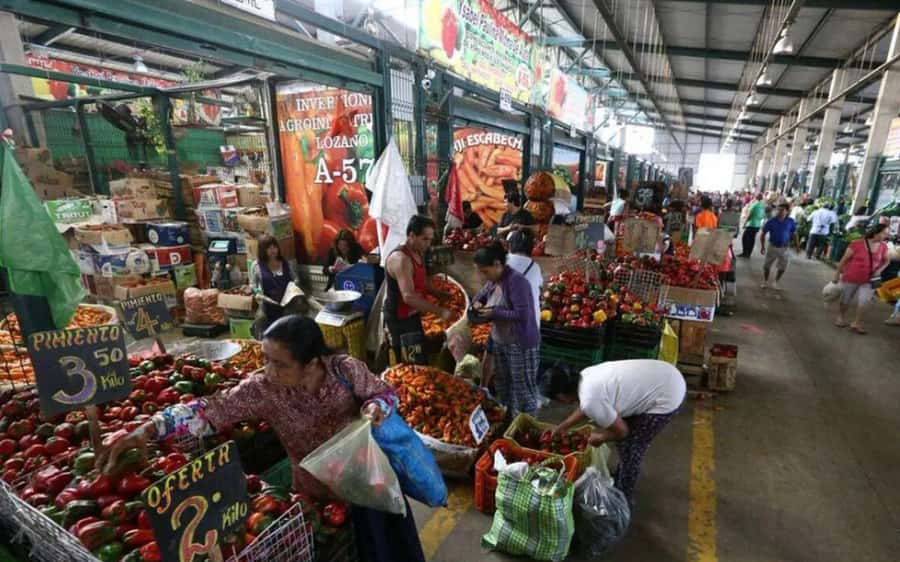
Lima’s food story makes the most sense when you see the ingredients first. This 210-minute tour moves from Surquillo’s produce and meat stalls to Chorrillos’s fish market, then finishes among Barranco’s art-filled streets with classic Peruvian dishes and sweets.
I like the direct connection between market goods and the food on your plate, especially the chance to see the tools and bait used by local fishers. I also like that ceviche, causa rellena, picarones, and chicha morada are included, so you can sample several staples without ordering your way through a menu.
The main consideration is pickup. It is included only from Miraflores, Barranco, San Isidro, or Lima Center, and the tour is not suitable for wheelchair users or large luggage.
Key points at a glance
- Surquillo Market first: See Peruvian vegetables, tubers, meats, and other fresh products before tasting the finished dishes.
- Ceviche at a local restaurant: Try Peru’s national dish as part of the tour rather than treating it as an optional extra.
- Chorrillos fish market: Learn about Lima’s fishing economy and see the equipment and bait used by local people.
- Barranco on foot: Pair food with the district’s artistic streets and local history.
- Four included tastes: Ceviche, causa rellena, picarones, and chicha morada are covered in the price.
- Flexible booking: You can cancel up to 24 hours before the tour for a full refund and reserve without paying today.
Why this food tour works better than a restaurant crawl
At $58 per person, this is not simply a meal with transportation attached. You are paying for a guided route through three parts of Lima, food tastings, an air-conditioned vehicle, hotel pickup in selected areas, and entrance tickets.
That matters in Lima, where the city’s food is tied closely to geography. Market produce, Pacific fish, neighborhood cooking, and the artistic character of Barranco all appear in one compact outing. You will not get a full culinary course, but you will get a useful first look at how food fits into everyday city life.
I especially like the order of the stops. You see raw ingredients at Surquillo, learn about the fish trade in Chorrillos, and then eat traditional food and dessert in Barranco. The route gives each tasting a little more context than a standard lunch stop.
The tour has a top rating from the two reviews provided, and Maria is specifically praised for her passion and command of Lima’s food and history. That is important here. A market is much more useful when someone can explain what you are seeing, rather than simply point at a pile of unfamiliar tubers.
More Meals Out in Peru:
- Paris Evening Cooking Class French Dinner and Market Visit Option
★ 5.0 · 430 reviews - Busan Seafood Tour : Jagalchi market Seafood Tour & Dinner
★ 5.0 · 74 reviews - Naples Street Food Experience with local guide – Small Group Tour
★ 4.5 · 64 reviews
Surquillo Market: start with the ingredients
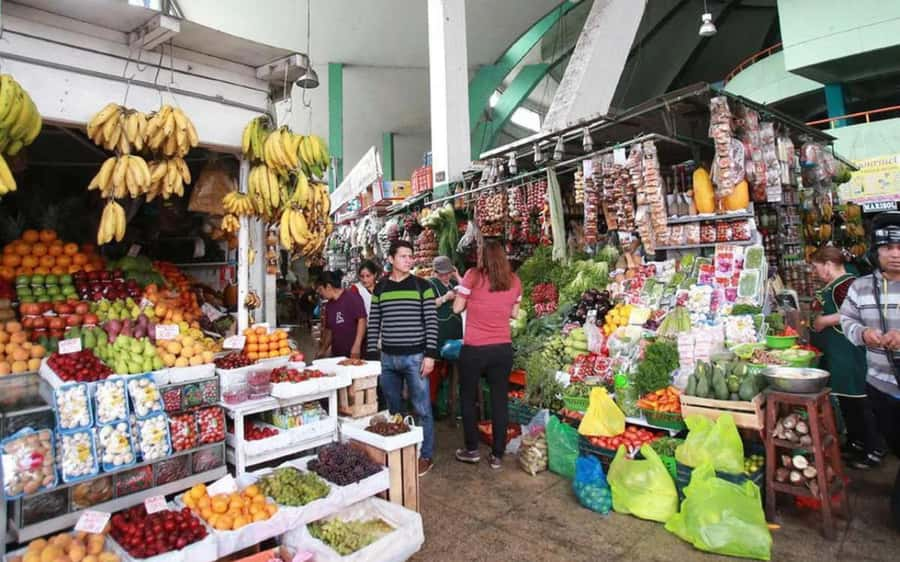
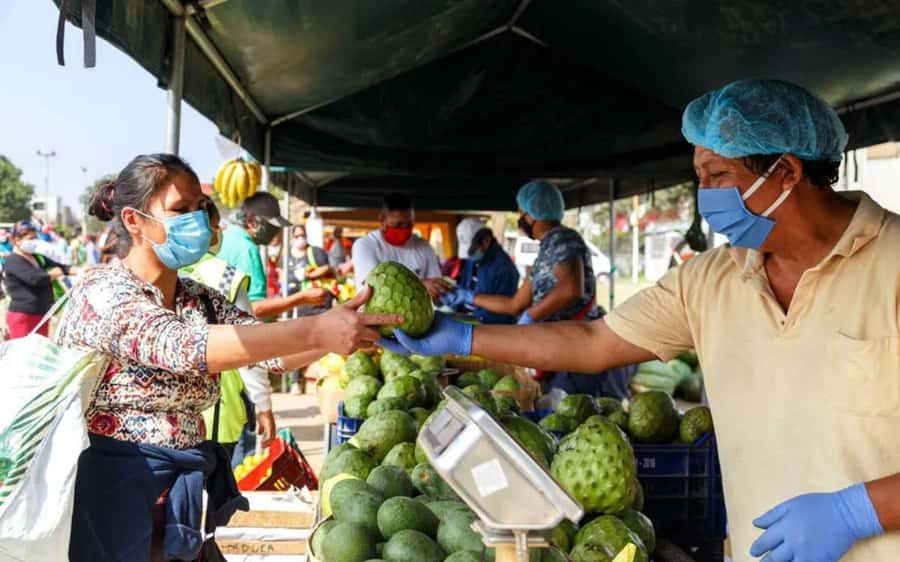
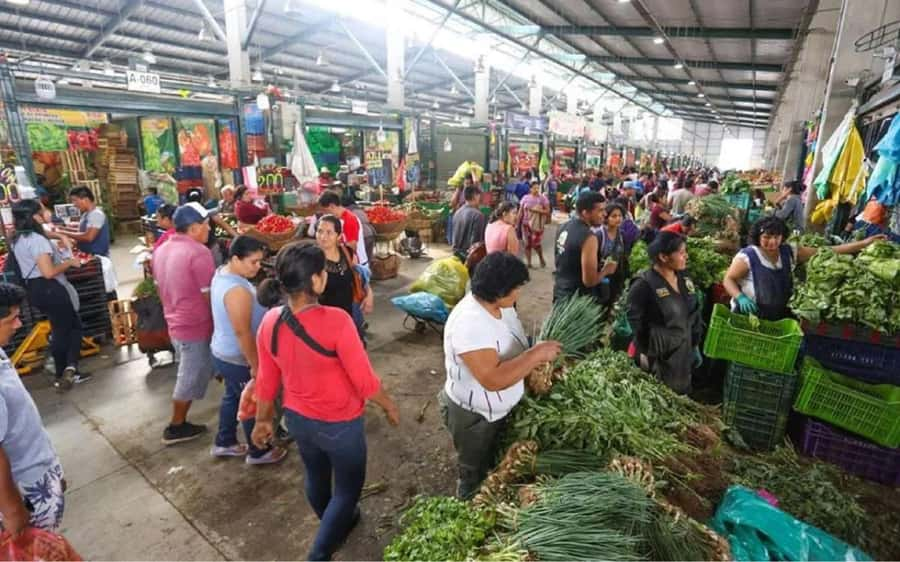
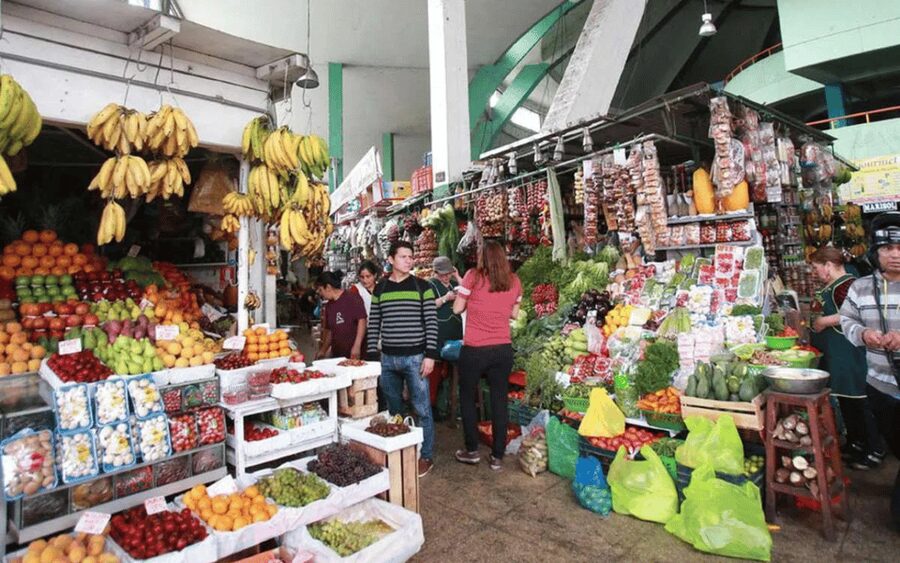
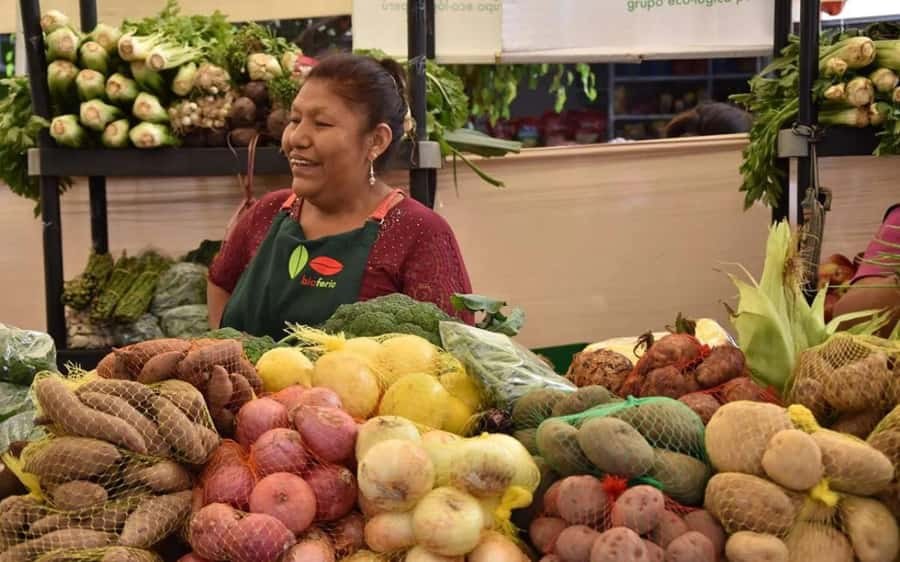
The first stop is Surquillo Market, near the Miraflores area. This is where you see the raw materials behind Peruvian cooking: vegetables, tubers, meats, and other fresh products described as organic and local.
For you, the value is visual and practical. Instead of hearing a guide list ingredients, you can look at the produce in the setting where it is sold. The market visit also helps make sense of causa rellena, a dish built around seasoned potato, and of the many food traditions that depend on Peru’s varied crops.
The market is not presented as a polished cooking school. It is a local food stop, so you should expect a working market rather than a staged show for tourists. Wear comfortable clothes and keep your hands free. Large bags and luggage are not allowed.
Your guide leads the explanation in English or Spanish. If Maria is your guide, expect particular attention to the connection between Lima’s history and its food, based on the way her guiding has been described. Still, guides can vary, so the quality of the commentary may depend on who leads your departure.
Ceviche at a local restaurant
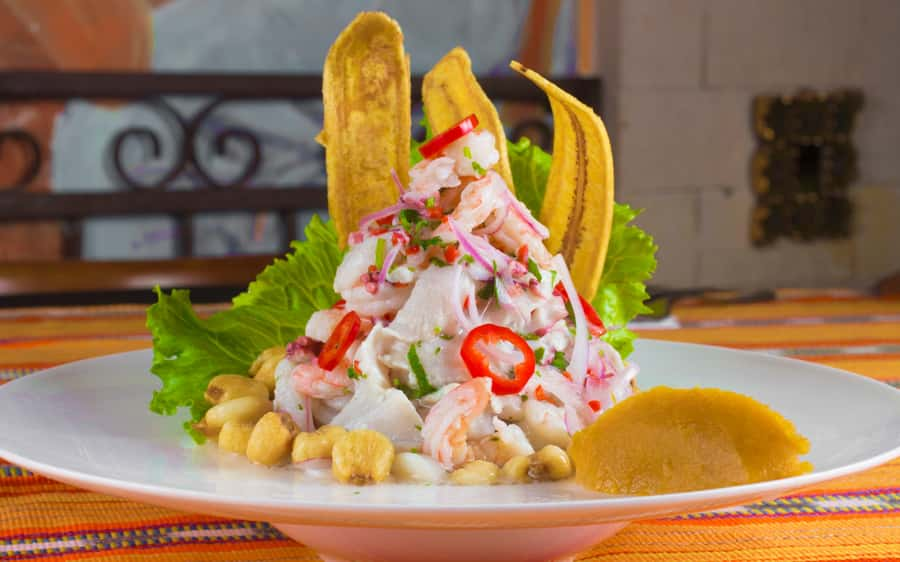
After the market, you try ceviche at a local restaurant. Ceviche is Peru’s national dish, and placing it near the beginning of the food portion gives the market visit a clear purpose. You have just seen the kind of fresh products that support Lima’s cooking, and now you taste one of the country’s best-known preparations.
This is a good choice for first-time visitors who want a classic Peruvian food experience without having to select unfamiliar dishes alone. The tour includes the ceviche, so you do not need to guess at a portion or worry about paying extra for the main tasting.
The information provided does not specify the restaurant, serving size, or exact ingredients. You should therefore think of this as a tasting rather than a full restaurant meal. If ceviche is the dish you most want to study, ask your guide about the preparation and local food customs while you are there.
The tour also includes causa rellena. This gives you a useful contrast: ceviche is associated with seafood, while causa rellena is based on potato and filling. You get two important Peruvian dishes in one experience, rather than spending the whole afternoon on variations of the same course.
Chorrillos fish market and Lima’s working waterfront
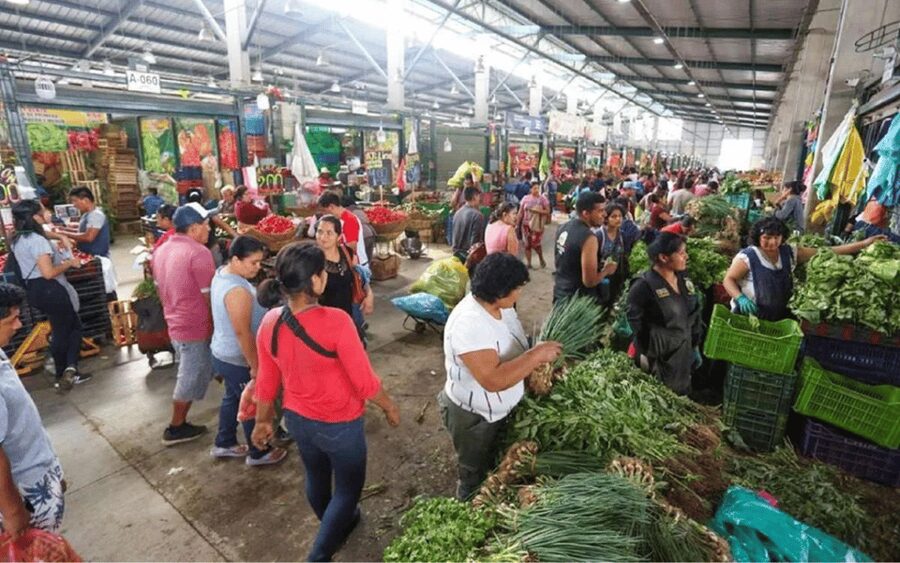
The route continues to Chorrillos, home to Lima’s main fish market according to the tour description. This stop shifts the focus from eating to the people and work behind the seafood economy.
Your guide explains the fishing economy in Peru and shows the tools and bait local people use for this activity. That detail makes the stop more than a quick look at fish stalls. You get a basic picture of how fishing supports local livelihoods and how practical equipment connects to the food served in Lima.
This is likely the most distinctive part of the experience. Many food tours stay inside restaurants and bakeries. Here, you see the supply side of the meal. For anyone curious about ceviche beyond its appearance on a menu, Chorrillos adds useful context.
The tradeoff is that a fish market may feel more functional than comfortable. The tour information does not promise a formal tasting here, and it does not list every activity taking place at the market. Go for the local setting and the explanation, not for a carefully arranged photo stop.
The visit also offers a chance to meet local people. Keep your approach respectful, follow your guide’s lead, and remember that this is a place of work. Comfortable clothing is recommended, and the no-large-bags rule is especially sensible for a market visit.
More Food and Drink Trips in Peru:
- Lima: Historic Center Street Food, Market, and Eateries Tour
★ 4.9 · 216 reviews - Lima Street Food Tour Beyond Netflix
★ 5.0 · 117 reviews - Market Tour, Tasting of 35 Fruits, and 4-Course Peruvian Cooking Class in Lima
★ 5.0 · 86 reviews - Lima: Food Tour on Local Market
★ 5.0 · 8 reviews
Barranco: art, streets, and a sweet finish
The last district is Barranco, one of Lima’s better-known artistic areas. Your guide walks you through its streets and explains the history of this trendy neighborhood before taking you to a restaurant for a typical dessert.
Picarones are the featured sweet. These Peruvian treats are commonly associated with fried dough and sweet syrup, though the supplied information does not give the exact recipe used on the tour. The important point for planning is simple: dessert is included, and it gives the food route a proper finish instead of ending after the savory dishes.
Barranco also broadens the tour beyond food. You see artistic streets and learn how different cultures have influenced Peruvian food. That cultural mix is one of the more interesting promises of the outing. It asks you to consider not just what Lima eats, but how food traditions change when cultures meet.
The tour does not provide a detailed list of Barranco landmarks, so do not book it expecting a full architectural tour of the district. Think of this as a short historical and art excursion attached to a food experience. If you have only a few hours in Lima, that combination is efficient.
The drinks and dishes included
The food package is straightforward:
- Ceviche
- Causa rellena
- Picarones
- Chicha morada
Chicha morada is a Peruvian drink made from purple corn, though the tour details do not specify how it is served. Including a drink is useful because it gives you one more taste of local food culture without adding a separate bill.
The selection covers seafood, potato, dessert, and a traditional nonalcoholic drink. It is enough for an introduction, but you should not assume it replaces a large lunch or dinner. The description calls these included food items, not a multi-course feast.
If you are comparing this with a standard restaurant meal, the value comes from the range of stops and explanations. If you are comparing it with a full-day culinary class, this tour is lighter and more sightseeing-focused.
Pickup, timing, and what to bring
The tour lasts 210 minutes, or three and a half hours. That is long enough to connect the three districts without taking over your whole day. You can still plan another activity afterward, though it is wise to leave some flexibility because market visits and city transfers do not always feel as quick as they look on a map.
Pickup and drop-off are included from hotels or apartments in Miraflores, Barranco, San Isidro, and Lima Center. If you stay outside those areas, the operator provides a meeting point in Miraflores.
There is no pickup or drop-off from Lima Airport or the Callao area. That makes this a poor choice as an airport stop or a shore excursion from Callao. Arrange your own way to the meeting point if your accommodation falls outside the listed districts.
An air-conditioned vehicle is included. That is a practical benefit for a route crossing several Lima neighborhoods, especially if you prefer not to arrange several separate taxi rides.
Wear comfortable clothes and bring only what you need. Large bags and luggage are not allowed. The experience is not suitable for wheelchair users, so check that point carefully before booking.
How the guide affects the experience
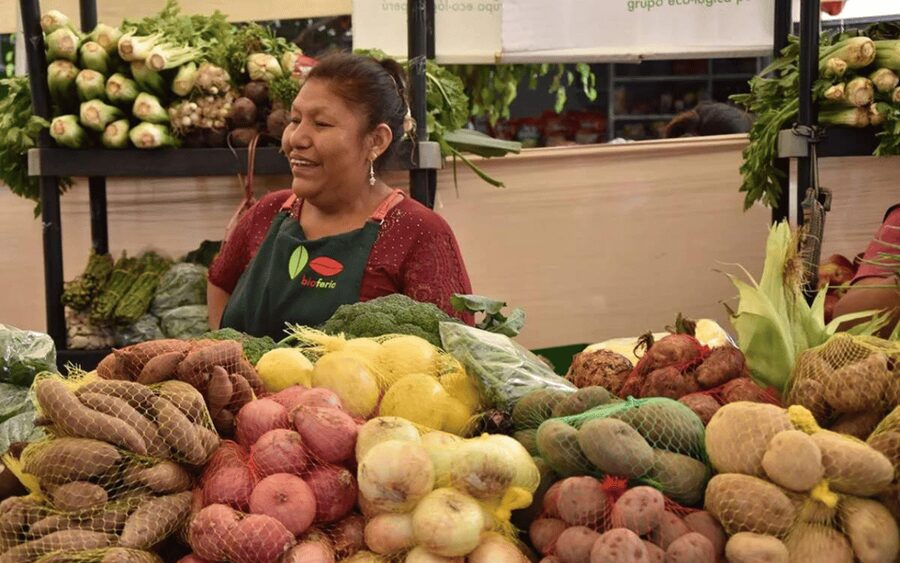
A food market can be confusing without local explanation. The same is true of a district such as Barranco, where an artistic street may look attractive but tell you little about the place by itself.
Your guide speaks English or Spanish and handles the historical, food, and market explanations. Maria is the guide named in the available feedback, and her strongest praise concerns her passion for Lima’s food and history. That is exactly the sort of guiding this itinerary needs: someone who can connect a product, a dish, and a neighborhood.
The tour’s appeal depends partly on that personal element. The route is well chosen, but the guide turns separate stops into a story. If you want a quiet meal with minimal commentary, this may feel too structured. If you want help understanding what you are seeing, the guide is a major part of the value.
Who should book this Lima experience?
I would recommend it to first-time visitors who want a quick introduction to Lima’s food and neighborhoods. It suits people who enjoy trying signature dishes but also want to see where ingredients are sold and learn about the work behind local seafood.
It is also a good fit if you are staying in Miraflores, Barranco, San Isidro, or Lima Center. Pickup is simple from those areas, and the three-and-a-half-hour length fits neatly into a busy city visit.
Families and cautious eaters may appreciate the guided tastings because the included dishes are selected in advance. That said, the experience is not suitable for wheelchair users, and anyone carrying luggage will need another plan.
Food specialists looking for detailed cooking instruction may want something more focused. This tour is about places, context, and tasting several familiar Peruvian foods. It is not described as a cooking lesson or a long restaurant meal.
Should you book it?
Book this tour if you want a compact introduction to Lima through food, especially if ceviche is high on your list and you would like market context before tasting it. The Chorrillos fish market and the Barranco walk give the outing more substance than a simple restaurant visit.
At $58, the price is fair for the included food, drink, guide, vehicle, pickup in selected districts, and entrance tickets. The strongest value comes from combining three neighborhoods in one organized route.
Skip it if you need airport or Callao pickup, are traveling with large luggage, or require wheelchair access. Otherwise, this is a sensible first-day activity, particularly for visitors who want Lima explained through its markets, seafood trade, traditional dishes, and street life.
FAQ
How long does the Lima food experience last?
The tour lasts 210 minutes, or three and a half hours.
What food and drink are included?
The tour includes ceviche, causa rellena, picarones, and chicha morada.
Where does hotel pickup operate?
Pickup and drop-off are included from Miraflores, Barranco, San Isidro, and Lima Center.
Can I join if I stay outside the pickup areas?
Yes. If you stay outside the listed districts, a meeting point in Miraflores will be provided.
Is airport or Callao pickup included?
No. Transfers from Lima Airport and the Callao area are not included.
Can I cancel for a full refund?
Yes. You can cancel up to 24 hours in advance for a full refund. You can also reserve now and pay later.
Just added around Peru
- Lima: Market Tour and Cooking Class with Pisco Sour★ 5.0 · 3 reviews
- Lima: Peruvian cooking class and tour of Surquillo market★ 5.0 · 2 reviews
- Lima: Market Tour, 35 Fruits Tasting & Cooking Class★ 5.0 · 3 reviews
- Lima: Food Tour on Local Market★ 5.0 · 8 reviews
- Full Day Lima: Local Market+ CityTour+ Barranco & Miraflores★ 5.0 · 3 reviews
- Cusco: Coricancha, Cathedral & San Pedro Market Walking Tour★ 5.0 · 2 reviews
- Cusco: Peruvian Cooking Class & Market Tour★ 4.9 · 19 reviews
- Belen Market & Floating City 2-3 Hour Private Tour★ 4.9 · 38 reviews
Food & Drink, compared.
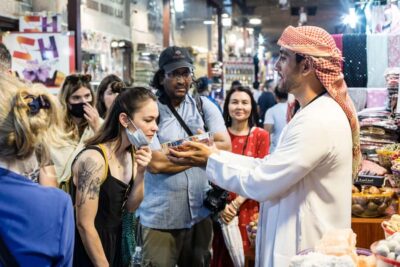
Old Town, Creek, Museums, Souks, & Street Food Tour
Read our review →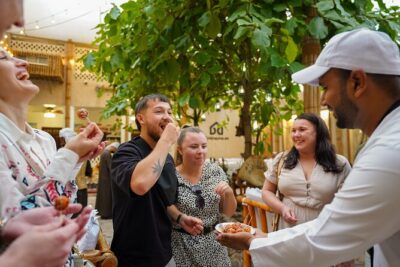
Old Town, Souks, Street Food, Guided Tour & Abra Ride
Read our review →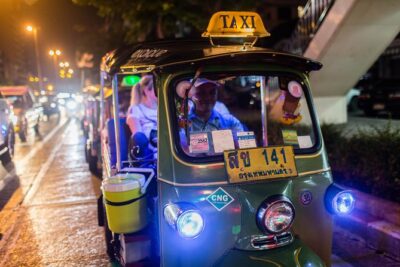
Bangkok by Night: Temples, Markets and Food Tuk-Tuk Tour
Read our review →
Tokyo Tsukiji Fish Market Food and Culture Walking Tour
Read our review →
Markets, Temples and Food Night Tour by Tuk Tuk
Read our review →
Old Town, Souks, Street Food, Guided Tour & Abra Ride
Read our review →Browse the lists this tour appears in