
Review · COFFEE & TEA MARKET TOURS
From Puerto Plata Priv: Cocoa, Coffee, Cigars & Local Market
The most revealing part of this private day is not a postcard beach. It is the walk through the Dominican interior, where cocoa, coffee, market herbs, cigars, and family hospitality show you how daily life works. Diana, the guide, takes you from Puerto Plata toward Santiago, with plenty of stops along the way.
I like the cocoa cooperative because it connects the finished chocolate to the trees and the people who produce it. I also like the country-house coffee stop, a simple visit that gives the day a human touch. The main drawback is the length: ten hours, several drives, and many short stops can feel full-on, especially if you prefer a slow day in one place.
Key points to know
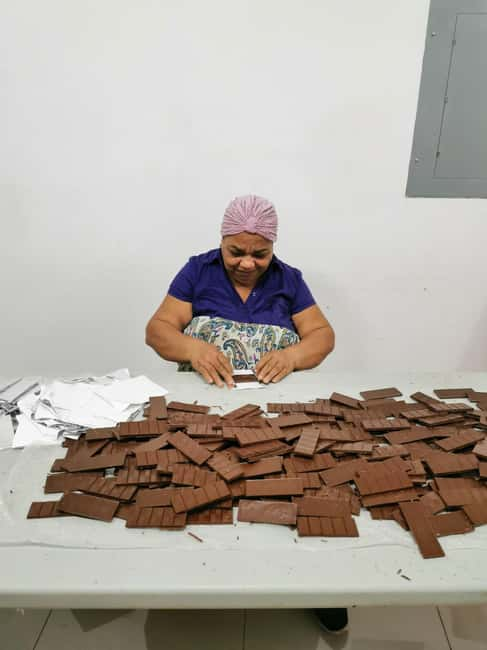
- Cocoa from tree to chocolate: Visit Chocal, a cooperative linked to a government project supporting rural women, with a tasting included.
- A real Santiago market: Mercado Hospedaje Yaque offers produce, herbs, traditional remedies, devotionals, and an unpolished look at local commerce.
- Cigar making at La Aurora: Tour a historic factory, hear how cigars are produced, and sample a handmade cigar.
- Diana’s personal approach: The private format allows room for questions and some adjustment to the plan.
- Mountain and coast in one day: Enjoy a scenic drive through the hills, then finish with a Cuba Libre and sunset walk at Playa del Pueblito.
- A long but useful day: Hotel pickup, lunch, drinks, water, tastings, and return transport are included in the $200 price.
Why this day reaches beyond Puerto Plata
Many Puerto Plata excursions stay close to the coast. This one heads inland, giving you a look at the province and Santiago de los Caballeros rather than only the resort side of the Dominican Republic.
That change of setting is the point. You see cocoa groves, country homes, city streets, a produce market, a cathedral, a national monument, a cigar factory, mountain viewpoints, and a beach. The day feels like a string of connected scenes rather than a single attraction.
I would choose this trip if you want context and conversation. It is especially useful for a first visit, when you are still trying to understand how the island’s agriculture, food, craft industries, and cities fit together. It is less suitable if you want a lazy beach outing or a tightly focused food tour.
The group is private, and the guide languages are Spanish, English, French, German, and Polish. That matters here because the experience depends on explanation. Cocoa production and cigar rolling are far more interesting when you can ask how the work is done, who benefits, and what you are tasting.
More Farmers Market Tours in the world:
- Hanoi Cooking Class: Culture, Local Market & Meaning CSR Impact
★ 5.0 · 5,147 reviews - Cooking Class and Lunch at a Tuscan Farmhouse with Local Market Tour from Florence
★ 5.0 · 4,831 reviews - Chef Guided Food Tour of Pike Place Market
★ 5.0 · 3,733 reviews
Cocoa at Chocal, where the day begins
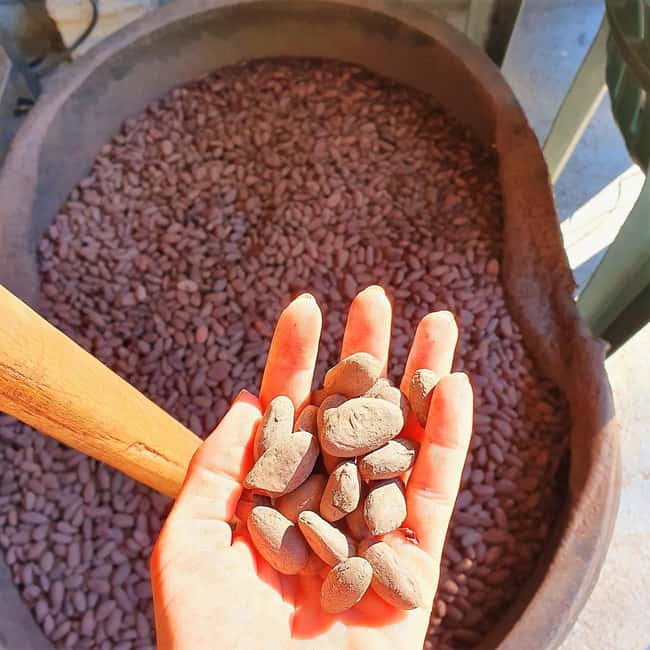
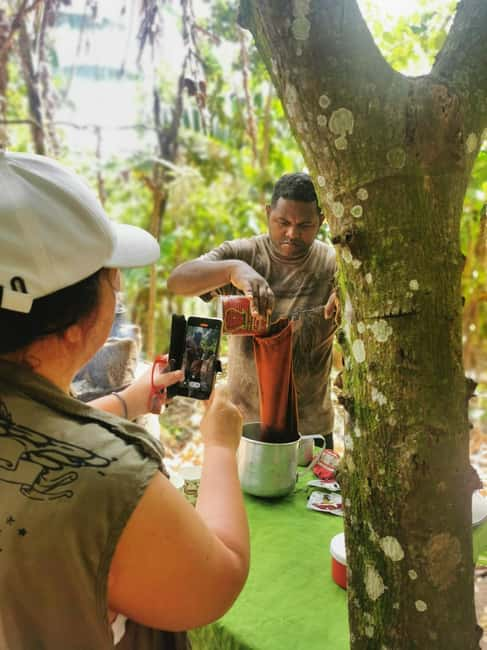
The first major stop is Chocal, or Chocolate de la Cuenca de Altamira. You spend about 45 minutes there with a guided visit, a look at cocoa production, and a chocolate tasting.
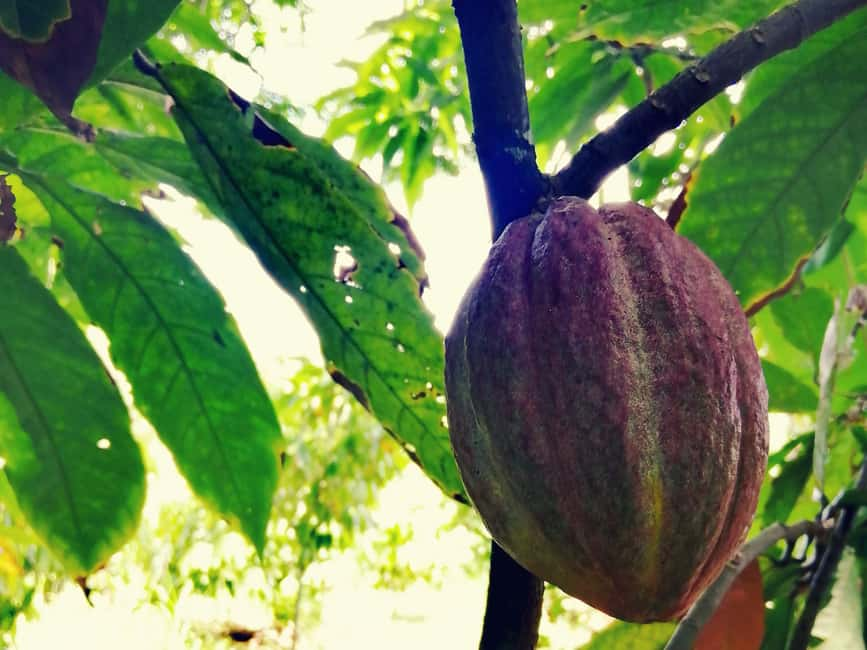
The stop is more useful than a standard shop tasting because it begins with the crop. You see cocoa trees and learn about the process that turns the beans into chocolate. The cooperative is connected with a government project supporting rural women, so your visit also touches on local work and community development.
This is a good place to ask questions. You can compare the flavor of organic cocoa with the sweet finished product and pay attention to the difference between an agricultural product and a packaged souvenir. The inclusion of a tasting keeps the visit lively, but the stop is still educational rather than built around a large commercial display.
The time is fairly short, so do not expect an extended farm stay or a full workshop. Think of Chocal as an introduction to the region’s cocoa economy. If chocolate is your main interest, you may wish the visit lasted longer. Still, it gives the day a strong start and makes later tastings more meaningful.
Coffee at a Dominican country house
After a scenic drive through Puerto Plata Province, you stop at a typical country house for coffee. The visit lasts about 30 minutes and includes a guided introduction and tasting.
I like this part because it is modest. You are not being taken to a polished attraction with a staged village set. Instead, the focus is a friendly local host, Dominican-style coffee, and a glimpse of a simpler home setting.
That does not mean you should expect a long homestay or a detailed architectural tour. The stop is brief. Its value comes from the welcome and the pause between larger attractions. You can sit, drink coffee, and see a little of the countryside at a human pace.
The coffee tasting also balances the cocoa visit. Cocoa is presented as a product with a production story, while coffee gives you a more everyday experience. I would treat this as one of the day’s small but memorable moments, especially if you enjoy food experiences that are tied to people rather than menus.
Santiago’s market, herbs, and everyday commerce
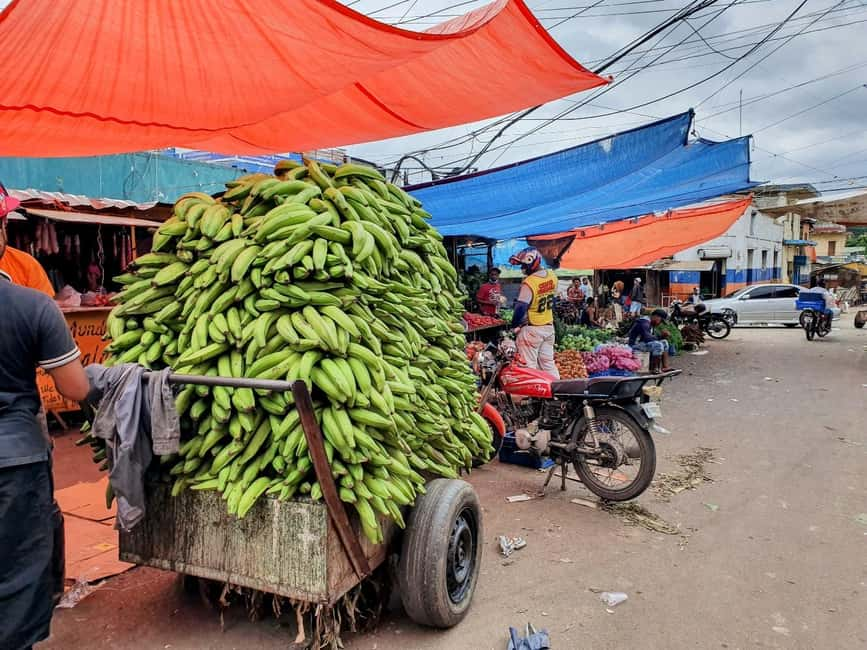
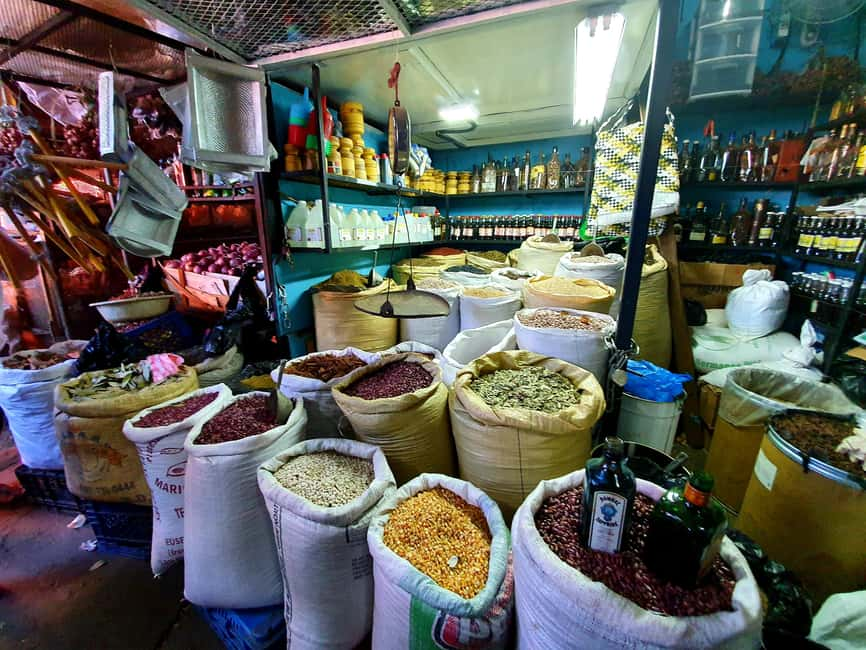
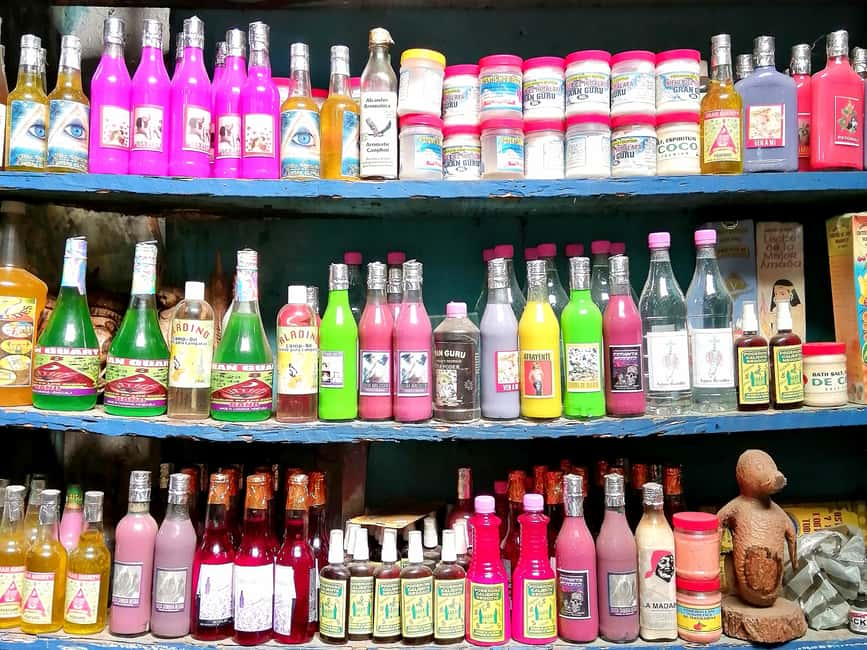
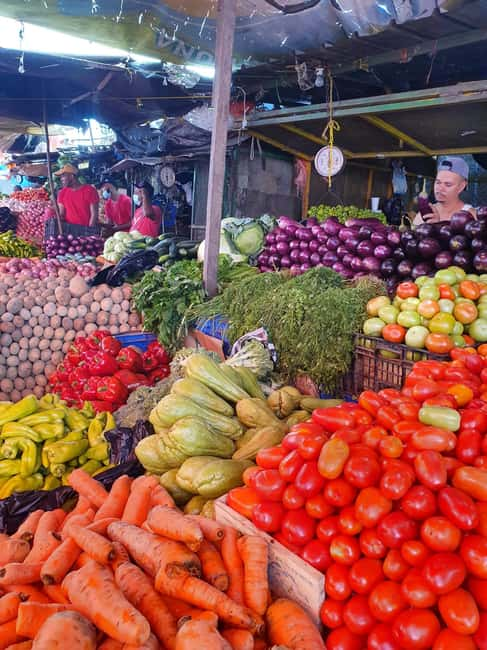
Mercado Hospedaje Yaque is the most earthy stop on the route. It is described as the largest market in the region, and you have around 30 minutes for a guided visit, photographs, shopping, and a look at the food stalls.
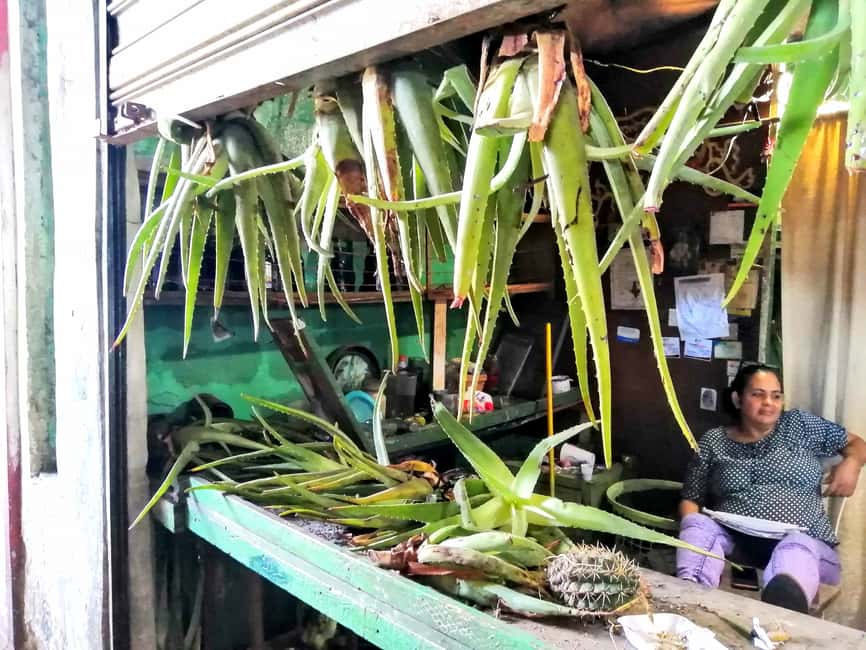
You will see fruits and vegetables, but the market offers more than produce. Traditional healers and shamans sell herbs, potions, devotional items, and some voodoo artifacts. That mix can be surprising if your experience of the Dominican Republic has been limited to resort shops and beach vendors.
Keep your expectations sensible. Thirty minutes is enough for an introduction, not a careful survey of every aisle. The market may feel crowded, noisy, or visually intense, and you should stay alert to the guide’s timing so the group can keep moving. The point is not comfort. It is contact with a working city market.
This stop also gives you a chance to see Santiago as a living city instead of a quick drive-through. If you want to buy something, ask Diana about the time available before wandering away from the group. The market is a place to observe first and shop second.
More Coffee and Tea Market Tours in the world:
- Active Volcano, Rice Field, Hot Spring, Fruit market, Tea Plantation with Lunch
★ 5.0 · 513 reviews - Da Nang Cooking Class with Coffee Tasting and Market Visit
★ 5.0 · 310 reviews - Kyoto: Nishiki Market Tea Ceremony with Koto Performance
★ 4.8 · 294 reviews - Hungry in Vienna? A Food Lover’s Coffee & Market Walk
★ 4.9 · 276 reviews
A short Santiago city circuit
The city portion includes the Santiago Apóstol Cathedral, central Santiago de los Caballeros, and the Monument to the Heroes of the Restoration.
The cathedral stop is short, about 15 minutes, with a walk, photographs, and a guide’s explanation. That is enough to get your bearings and see an important city landmark, but not enough for a long architectural study. The visit works best as part of the wider day.
You then have a brief photo stop in Santiago and about ten minutes at the Monument to the Heroes of the Restoration. The monument provides scenic views and a chance to connect the city with Dominican national history. Again, the timing is quick. You are sampling Santiago rather than exploring it street by street.
I appreciate this structure because it prevents the day from becoming only a rural food outing. You see the city that serves as the region’s urban center, then continue to lunch and cigars. If Santiago itself is your priority, book a separate city visit. If you want a broad introduction to the interior, these short stops add useful context.
Lunch with regional food
Lunch is scheduled in Santiago Province for about 30 minutes, with regional food and soft drinks included.
Thirty minutes is not a leisurely restaurant meal. You should think of it as a practical midday stop that keeps the route moving. The food is described as typical Dominican cuisine, which makes it more useful than a generic international lunch, but no detailed menu is provided.
This is also one of the reasons the $200 price needs to be judged as a package. You are not paying only for admission to one factory. The price includes private transport, a full-day guide, tastings, lunch, soft drinks, bottled water, city sightseeing, and the final beach drink.
If you prefer to linger over meals, the short lunch may feel rushed. If you want to fit agriculture, Santiago, cigars, mountains, and the coast into one day, the efficient timing makes sense.
La Aurora and the craft of cigars
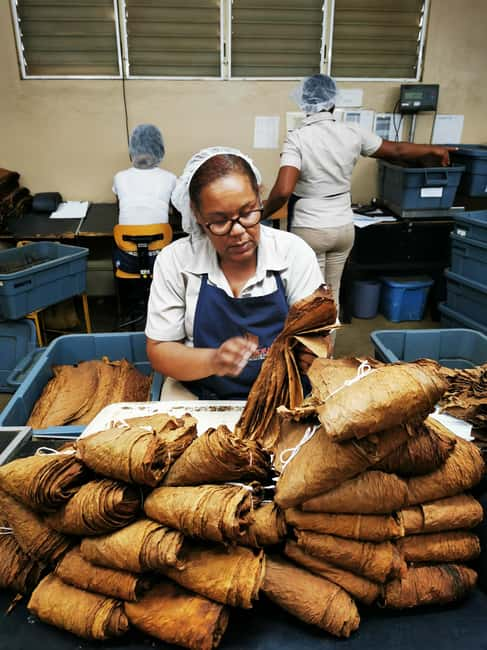
La Aurora is the longest hands-on stop after Chocal, with about 45 minutes for a visit, guided presentation, workshop, and photo stop. It is described as an iconic factory more than 100 years old and the country’s largest cigar factory.
The useful thing here is seeing the production process rather than simply being offered a cigar in a shop. You learn how cigars are made and watch the craft at close range. You can also smoke a real handmade cigar and take part in a tasting.
You do not need to be a cigar smoker to enjoy the stop. The appeal is partly industrial and partly cultural: a skilled Dominican product is being made by hand, and the factory gives you a look at the work behind the label. If tobacco is not your thing, you can still follow the demonstration, but this will not be the highlight of your day.
The time is enough for an introduction, not an exhaustive factory tour. I would ask Diana to explain which parts of the cigar are being prepared and how the handmade process differs from factory production. The private format gives you a better chance to shape the conversation around your interests.
Mountain roads and a high viewpoint
After the factory, the route turns toward the hills for a panoramic drive. This section lasts about an hour and includes a photo stop, a cocktail, and scenic views.
The mountain drive is a welcome change after the market and city stops. You are not simply being transported back to Puerto Plata. The road itself becomes part of the experience, with views across the Dominican countryside and time to stop for pictures.
You also have coffee at a fabulous viewpoint, according to the tour plan. Since the details of the viewpoint are not specified, I would treat it as a scenic pause rather than expect a named attraction or formal lookout building. Bring your camera, but also give yourself a few minutes to simply watch the scenery.
Road conditions and the pace of the day can affect how long you feel comfortable in the vehicle. The scenic drive is listed as an hour, so anyone prone to motion sickness should plan accordingly. The reward is a side of the country that you would miss if you stayed on the main coastal route.
Sunset and Cuba Libre at Playa del Pueblito
The last stop is Playa del Pueblito, where you have about 20 minutes for a break, photographs, shopping, and a Cuba Libre cocktail. The day ends with a sunset walk before the return to your accommodation.
This is a smart finish. After cocoa, coffee, market stalls, city landmarks, lunch, cigars, and mountain roads, you return to the sea with a simple drink in hand. It gives the day a relaxed final note without pretending that the whole excursion is a slow beach holiday.
Twenty minutes is not enough for a long swim or a full evening by the water. The beach stop is best understood as a farewell pause. If sunset timing matters to you, confirm the departure schedule with Diana, since the exact light will vary by season and the day includes many stops.
The Cuba Libre is included, along with bottled water and soft drinks during the day. That small detail helps the final stop feel like part of the plan rather than an extra expense.
How the private format changes the day
The private group is one of the strongest reasons to consider this excursion. You are not tied to a large bus group, and the guide can respond to your questions as you move from cocoa to coffee, market life, and cigars.
Diana is the named guide connected with the experience. She speaks Spanish, English, French, German, and Polish. Her role matters because the tour crosses several subjects that could otherwise feel disconnected. A good explanation helps you see the link between rural production, city markets, local food, and export goods.
The private format also allows some flexibility. Diana handled an adjustment that added two people to one booking, and the program is described as adaptable to clients. I would still ask about any desired changes before departure. A ten-hour route has a fixed rhythm, and adding one stop may mean shortening another.
Hotel pickup and drop-off in Puerto Plata are included. That removes the need to arrange separate transport to Santiago or the cocoa region, which is a real benefit when the route covers so much ground.
Is $200 a fair price?
At $200 per person, this is not a bargain day trip in the narrow sense. It is a private, ten-hour outing with a guide, transport, several admissions, food and drink, tastings, and a route that covers both the interior and the coast.
The value is strongest for two or more people who want a private guide and would otherwise need to arrange several separate visits. You are paying for access and coordination as much as for the individual stops. Cocoa, coffee, a market, Santiago sights, lunch, La Aurora, mountain viewpoints, and a beach cocktail would be difficult to organize smoothly on your own in one day.
The value is weaker if you care mainly about one subject. A dedicated cigar tour would give you more time at La Aurora. A chocolate-focused outing could spend longer at cocoa farms. A Santiago city tour would not rush through the cathedral and monument. This excursion works because it combines many themes, not because it explores one of them in great depth.
Free cancellation up to 24 hours before the start and the option to reserve now and pay later make the booking less rigid. Wheelchair accessibility is also listed, though you should confirm how each short stop and market visit fits your specific needs.
Who will enjoy this most
I would recommend this day to you if you:
- Want to see more than Puerto Plata’s coast
- Enjoy food and drink tastings with a local connection
- Prefer a private guide to a large group
- Are curious about cocoa, coffee, cigars, and Dominican markets
- Like scenic drives and many different stops in one day
- Have enough energy for a ten-hour schedule
I would be more cautious if you dislike long drives, short visits, market crowds, tobacco, or tightly packed itineraries. Families and mixed-interest groups may appreciate the variety, while specialists may find each stop too brief.
Wear comfortable shoes for the market and city walking, keep water close, and leave room in your day for the return journey. The schedule includes many photo stops, but the experience is not a slow-paced walking tour.
FAQ
How long does the tour last?
The experience lasts 10 hours, including pickup and drop-off in Puerto Plata.
Is hotel pickup and drop-off included?
Yes. Hotel pickup and drop-off in Puerto Plata are included.
What languages does the guide speak?
Guiding is available in Spanish, English, French, German, and Polish. Diana is the named guide for this experience.
What food and drink are included?
The tour includes chocolate tasting, coffee tasting, lunch with soft drinks, a cigar tasting, bottled water, and a Cuba Libre cocktail at Playa del Pueblito.
Is the tour private?
Yes. It is offered as a private group experience.
Can I cancel for a full refund?
Yes. You can cancel up to 24 hours in advance for a full refund. You can also reserve now and pay later.
Should you book this Puerto Plata day trip?
Book it if you want a broad, personal look at the Dominican interior and value a guide who can connect the stops. The cocoa cooperative, country-house coffee, Santiago market, La Aurora factory, mountain drive, and beach cocktail create a varied day that feels far removed from a standard resort outing.
Skip it if you want long visits, plenty of free time, or a single strong theme. The schedule moves quickly, and the ten-hour length demands stamina. For curious visitors who want to see how cocoa, coffee, markets, cigars, city life, and the coast fit together, the private format and Diana’s personal approach make the $200 price reasonable.
Just added around the world
- 3-Hour Herbal Wholesale TCM Market and a Local Wet Market Tour★ 5.0 · 4 reviews
- Half-day Dandan Noodles Cooking Class with a Local Market Visit★ 5.0 · 8 reviews
- Chania Old Town, Public Market and Chrisopigi Monastery Tour★ 4.5 · 6 reviews
- Charleston International Sweet Treats & Historic City Market Tour★ 5.0 · 22 reviews
- Chania: Old Town, Public Market, Hill of Prophet Elias, Agia Triada★ 5.0 · 35 reviews
- Food Tasting & Market Shopping: Private Guided Tour in PORT LOUIS★ 4.5 · 9 reviews
- Moroccan Cooking Class with a Local Family & Market Visit★ 5.0 · 16 reviews
- Private Market Tour & Cooking Class in Casablanca with Transfers★ 5.0 · 20 reviews
Coffee & Tea Market Tours, compared.
Active Volcano, Rice Field, Hot Spring, Fruit market, Tea Plantation with Lunch
Read our review →
Da Nang Cooking Class with Coffee Tasting and Market Visit
Read our review →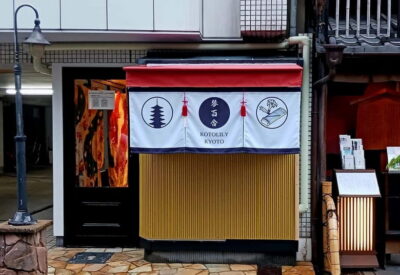
Nishiki Market Tea Ceremony with Koto Performance
Read our review →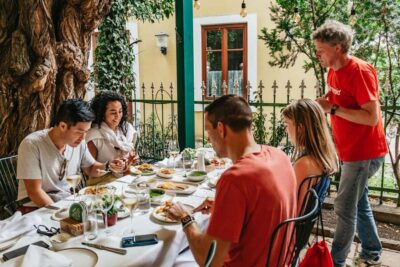
Hungry in Vienna? A Food Lover’s Coffee & Market Walk
Read our review →
Delicious Doughnuts & Tea: Small-Group Borough Market Experience
Read our review →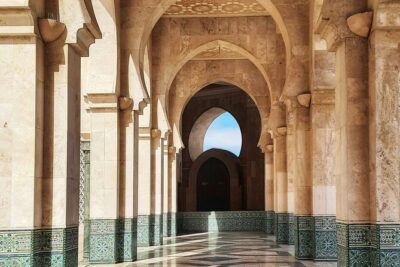
From rick’s coffee to local markets authentic casablanca
Read our review →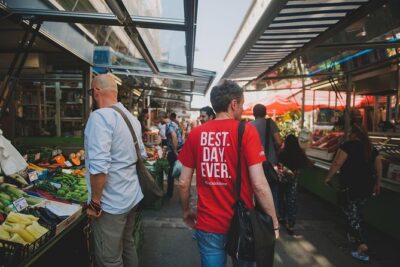
Vienna Eats: Private Foodie Walk with Coffee & Markets
Read our review →
Ethiopian Culinary Tour – Market, Food, Coffee Ceremony & more
Read our review →Browse the lists this tour appears in