
Review · COFFEE & TEA MARKET TOURS
Ethiopian Culinary Tour – Market, Coffee Ceremony and More
Addis Ababa’s food culture is best understood with your hands, nose, and taste buds. This six-hour tour takes you from Merkato’s spice stalls to a steaming injera griddle, then into the careful ritual of Ethiopian coffee and a local tej bar.
I like the mix of everyday food and cultural tradition. You get to make something yourself, not just watch, and guides such as Desale, Seid, and Zerefa have been praised for explaining the city as they drive. The main drawback is the busy pace: six hours covers a lot, and Merkato can feel intense if you prefer quiet sightseeing.
Key points
- Start with Ethiopian Arabica at Tomoca Coffee, where Italian-style coffee and macchiato meet local beans.
- Walk through Merkato, Addis Ababa’s enormous open-air market, with spice sellers and plenty of bargaining.
- Bake your own injera, the soft, spongy bread used to scoop up Ethiopian food.
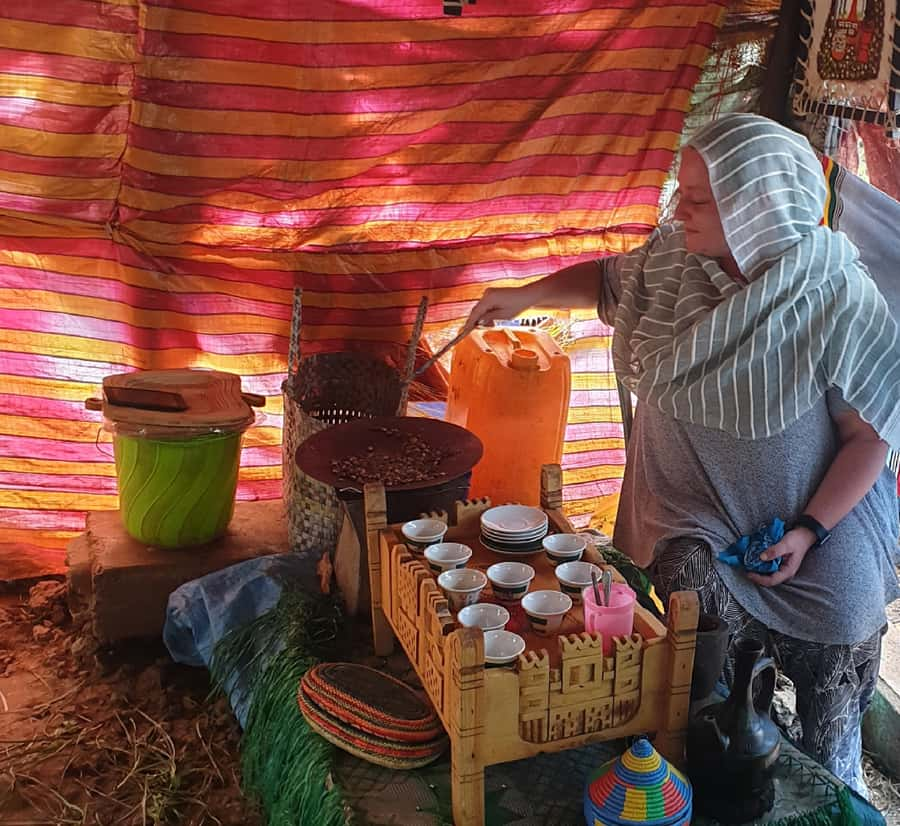
- Take part in a traditional coffee ceremony, including the chance to roast beans yourself.
- Taste tej, Ethiopia’s honey wine, at a local bar before lunch at the country’s oldest hotel.
A food tour that explains Addis Ababa through flavor
This is not simply a meal with a few sightseeing stops attached. Food is the thread that ties the day together. Coffee shows Ethiopia’s daily ritual and agricultural importance. Injera teaches you how Ethiopian meals work at the table. Merkato connects those foods to the people who sell spices, beans, and household goods across the city.
You pay $85 per person for six hours, including transport, an English-speaking guide, activities, lunch, hot drinks, and a bottle of water. That price looks fair if you want a private-feeling introduction to several parts of Addis Ababa without arranging separate taxis, market visits, cooking lessons, and tastings.
The exact rhythm can shift with traffic and local conditions. Addis Ababa is a large city, and a market stop can take more or less time depending on the day. Still, the design makes good use of your time, especially if you have only a short stay.
More Coffee and Tea Market Tours in the world:
- Active Volcano, Rice Field, Hot Spring, Fruit market, Tea Plantation with Lunch
★ 5.0 · 513 reviews - Da Nang Cooking Class with Coffee Tasting and Market Visit
★ 5.0 · 310 reviews - Kyoto: Nishiki Market Tea Ceremony with Koto Performance
★ 4.8 · 294 reviews
Tomoca Coffee and the taste of Ethiopian beans
The day begins with a stop at Tomoca Coffee, a well-known Addis Ababa coffee shop. Here you taste Italian-style coffee and macchiato made with Ethiopian Arabica beans.
This opening stop gives you two useful points of comparison. Ethiopia is famous for its coffee, yet the first cup on this tour is not necessarily prepared in the traditional home-style ceremony. Instead, you get a café drink with Italian influence, a reminder of the city’s long connection with espresso culture.
I like starting here because it gives you a quick, familiar way into the subject. If you already drink espresso, you can focus on the Ethiopian beans. If you are new to coffee, a macchiato is an easy introduction before the more ceremonial preparation later in the day.
The café stop is also a practical chance to ask your guide about coffee culture before you see it in a formal setting. Andreas, one of the visitors who took the tour, especially enjoyed roasting beans during the later ceremony. That detail matters because the coffee portion is not limited to drinking a finished cup.
Merkato, where the city shops
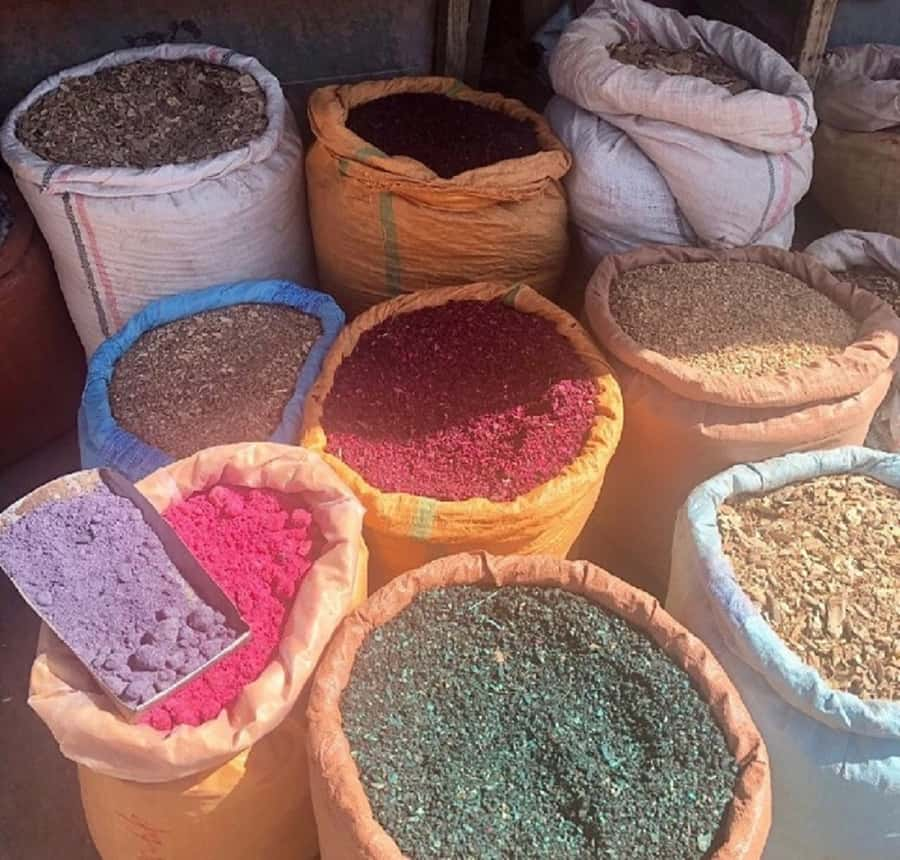
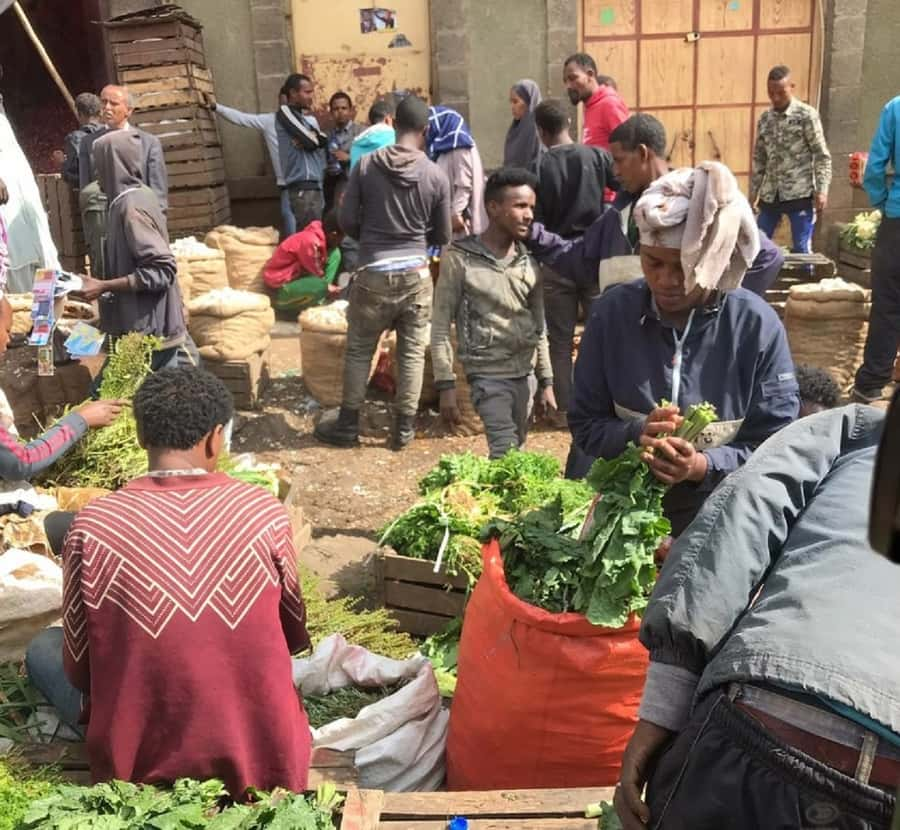
Next comes Merkato, described as the largest open-air market in Africa. The market is one of the tour’s strongest stops because it shows food as commerce rather than presentation.
You can expect spice stalls, coffee for sale, and dealers who know their prices. The tour encourages you to test your bargaining skills, but you should follow your guide’s lead. A market is not a stage set for tourists. It is a working place, and your guide can help you understand how to look, ask, and buy without slowing down the people doing business.
Nicole’s experience included seeing many local spices and coffee sold at the market. Kevin also appreciated the way his guide connected the drive and market visit with Addis Ababa’s main sights. That makes the stop more useful than a quick walk past colorful sacks. You get a sense of how ingredients reach kitchens and how the city functions day to day.
Merkato can be crowded and demanding. Wear comfortable shoes and keep your belongings secure. The tour does not promise a calm, carefully arranged shopping experience, and that is part of its value. You may find the noise, movement, and bargaining tiring, especially after a long flight.
If you want to buy spices or coffee, ask about prices and packing before committing. The supplied details do not specify what purchases are included, so treat shopping as your own expense.
Making injera from batter to plate
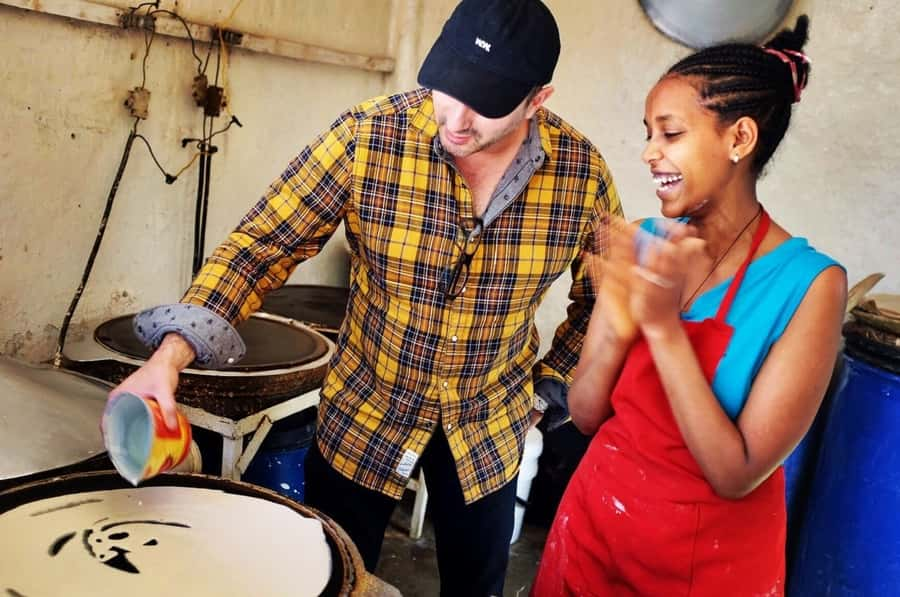
The injera lesson is the most hands-on part of the day. You are challenged to bake Ethiopia’s famous spongy flatbread, with the process demonstrated step by step.
Injera is more than a side dish. It is the eating surface for many Ethiopian meals, and its slightly sour flavor works with stews, vegetables, and spice blends. Learning to cook it helps explain why Ethiopian meals are shared and eaten by hand.
You may not produce a perfect round on your first try. That is fine. The point is to understand the technique and feel how the bread changes on the griddle. Nicole described making and eating her own creations with a typical spice, which gives this stop a satisfying link between lesson and lunch.
This activity suits food enthusiasts and curious first-time visitors. It also works well for people who prefer doing something to simply taking photographs. The one limitation is that the information provided does not specify the length of the cooking lesson or the exact recipe used, so do not expect a full professional cooking class.
Ask questions as you work. The guide can help connect the bread to the dishes you will eat later, making lunch easier to understand.
A few more market tours around the world worth a look
- Bangkok: Damnoen Saduak Market and Maeklong Railway Market
★ 4.5 · 26,723 reviews - The Old Siam: Damnoen Saduak and Maeklong Railway Market
★ 4.5 · 10,992 reviews - Dubai: Old Town, Creek, Museums, Souks, & Street Food Tour
★ 4.8 · 10,816 reviews - Bangkok: Train Market & Floating Market with Boat Ride
★ 4.7 · 9,547 reviews
The coffee ceremony, slow and social

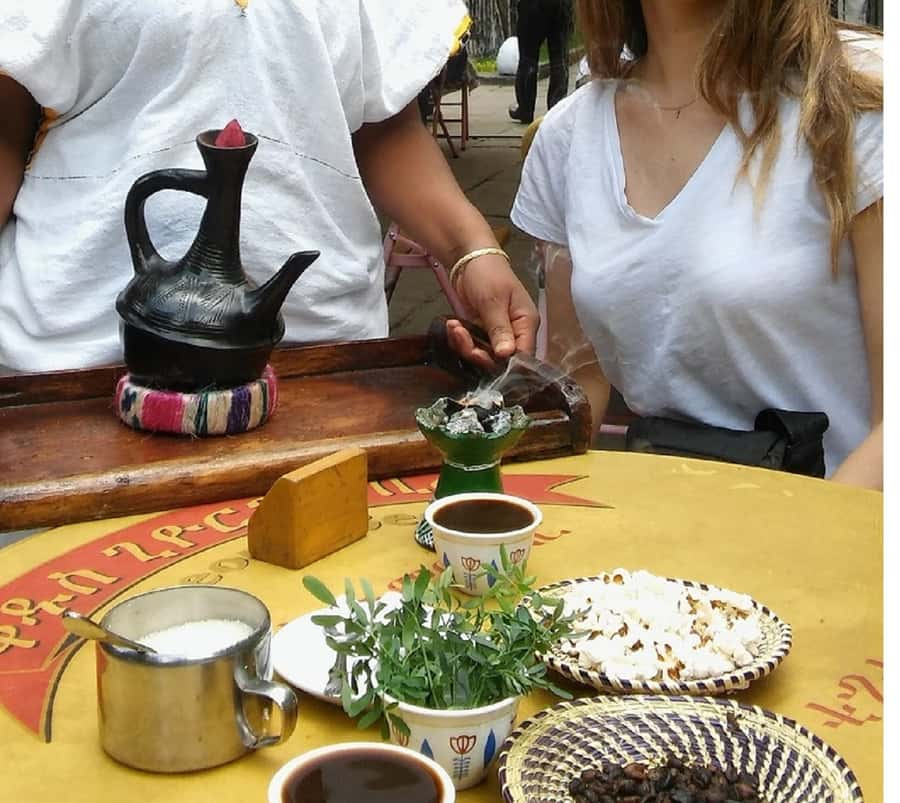
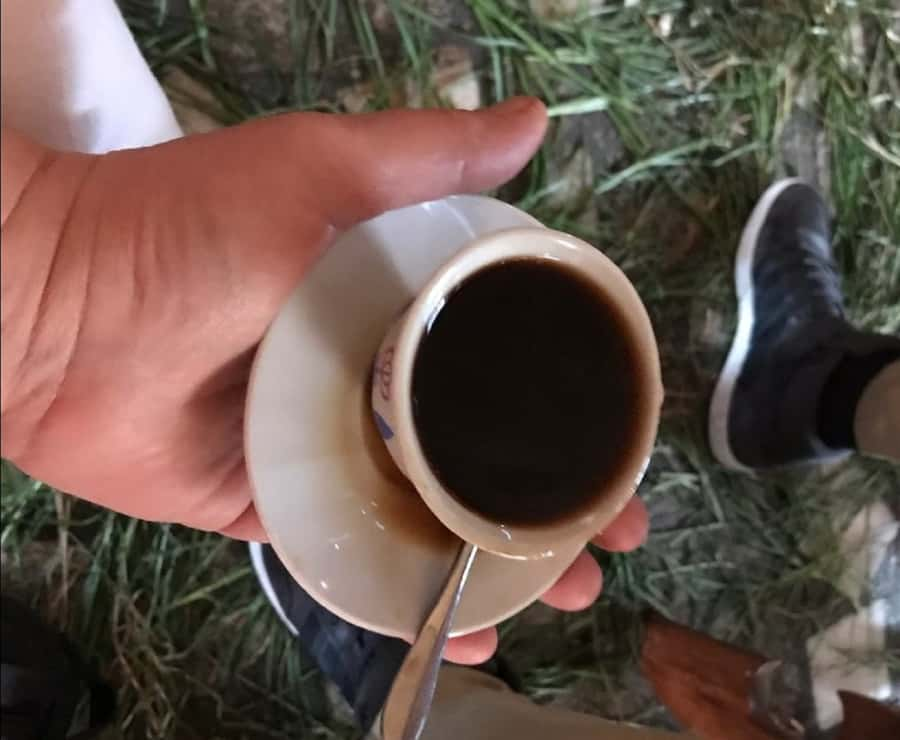
The traditional coffee ceremony is the cultural center of the experience. Your guide demonstrates the process step by step, and you have the chance to take part in making Ethiopian coffee in a traditional setting.
Compared with the quick drink at Tomoca, this is a slower ritual. The preparation itself matters. Andreas enjoyed roasting his own beans, and that is the kind of detail that makes the ceremony memorable. You are not simply handed a cup. You see how the beans become coffee and how preparation creates time for conversation.
Coffee ceremonies are social occasions, so this stop offers a different view of Ethiopian food culture than the market. Merkato is about trade and movement. The ceremony is about sitting down, paying attention, and sharing a drink.
The listing promises hot drinks with lunch and a traditional ceremony, but it does not specify how many coffee servings you receive or the exact venue. If caffeine affects your sleep, keep that in mind. You will already have coffee at Tomoca, with more likely during the ceremony.
The guides receive the strongest praise for this sort of cultural explanation. Desale was described as able to answer questions about Ethiopia, while Seid was praised for his enthusiasm and clear explanations. Zerefa also led a day that included conversation about the two cultures. For you, that means the quality of the guide can shape how much you take from the ceremony.
Tej, Ethiopia’s honey wine
The final tasting stop is a local tej bar. Tej is a traditional Ethiopian honey wine related to mead, made mainly from fermented honey.
This is a useful addition because it introduces a drink many visitors may not encounter on a standard city tour. You receive samples and learn the basic character of the drink in a local setting rather than only reading about it.
Andreas enjoyed having a glass of honey wine, and Nicole tried it for the first time during her day. The tasting is included, but other alcoholic drinks are not. That distinction is worth remembering if you plan to order anything beyond the provided honey wine.
Tej may not suit every palate. Fermented honey gives it a very different profile from beer, wine, or coffee, and the tour presents it as a tasting rather than a full drinking session. If you do not drink alcohol, confirm with the guide how you would like to handle this stop.
Lunch at Addis Ababa’s oldest hotel
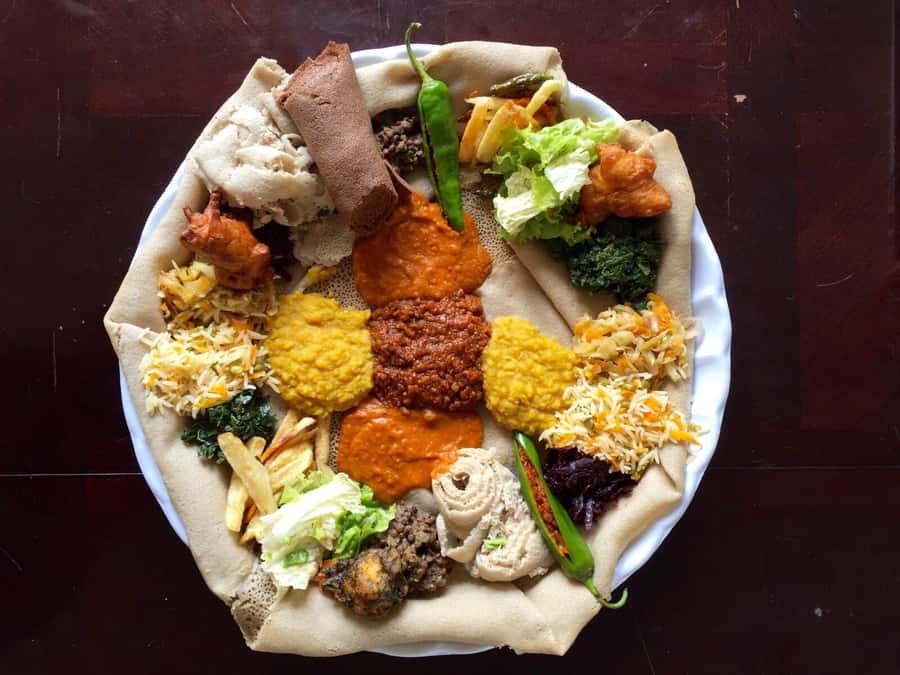
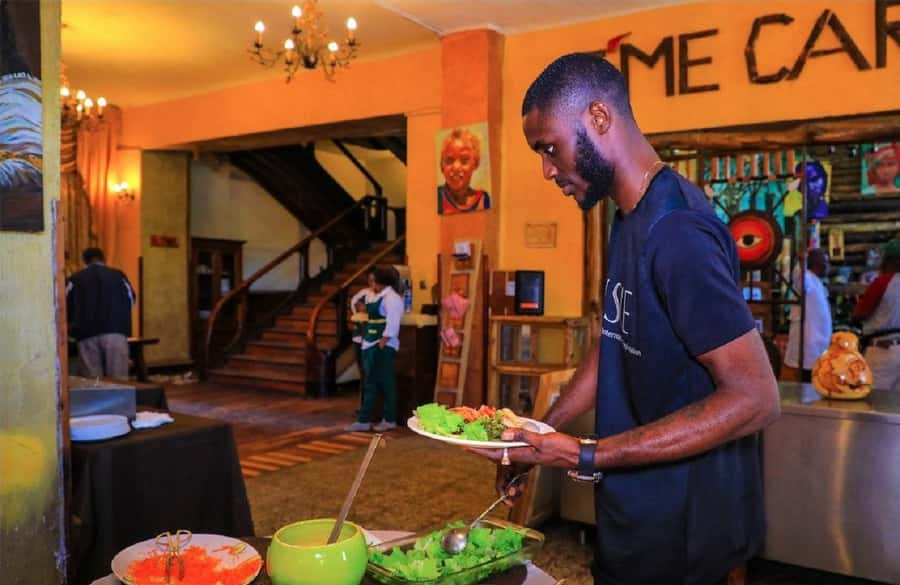
The tour includes a buffet lunch at what is described as the oldest hotel in Ethiopia. You sample popular dishes, with vegetarian choices specifically noted in the experience.
A buffet is a smart format for a first Ethiopian meal. Instead of choosing one unfamiliar dish, you can try several small portions and learn what you prefer. Use the injera as your utensil, tear off a piece, and scoop up the food. If you are unsure how to begin, ask your guide.
Nicole particularly enjoyed a local vegetarian buffet and the chance to sample a variety of dishes. Lunch also gives you a practical meal after the market, coffee, and cooking stops. A bottle of water and hot drinks are included.
The details do not name the hotel or list every dish, so do not book this expecting a fixed tasting menu. The buffet may be the right choice for variety, but it gives you less control than ordering from a menu. People with strict dietary requirements should ask before booking, since the available information only confirms popular dishes and vegetarian food at least on one reported visit.
What the guide and vehicle add
Pickup and drop-off are included anywhere in Addis Ababa, including hotels, homes, and the airport. A car, driver, fuel, and English-speaking guide are part of the price.
That arrangement is especially useful for a market and food tour. You do not need to work out separate transport between Tomoca, Merkato, the cooking stop, the coffee ceremony, the tej bar, and lunch. You can also keep shopping bags in the vehicle rather than carrying them all day, though the provided details do not state whether storage is available, so ask your guide.
The driving time can become part of the sightseeing. Seid reportedly pointed out major landmarks and explained local history from the road, while Desale did the same for other parts of the city. This matters because Addis Ababa is not only a set of indoor food stops. The spaces between them help you understand the capital.
Pickup instructions ask you to wait in your hotel lobby for 15 minutes before or after the scheduled time. The tour runs rain or shine, so bring your passport or ID card and dress for changing weather. Starting times vary, and you need to check availability when booking.
Who will get the most from this tour
I would choose this experience if I had one full day in Addis Ababa and wanted food to lead the sightseeing. It works particularly well for:
- First-time visitors who want a broad introduction to Ethiopian culture.
- People who like cooking, coffee, markets, and tastings in one day.
- Solo visitors who want included transport and a guide.
- Couples or friends who enjoy trying unfamiliar food together.
- Visitors with a short stay who want several city experiences without arranging them separately.
It may not suit you if you want a relaxed, single-subject cooking class. The day covers coffee, a huge market, injera, tej, lunch, and city orientation. You will gain variety, but not unlimited time at every stop.
It is also not the best match for someone who dislikes crowds, bargaining, or fermented drinks. Merkato can be demanding, and tej is an optional-feeling highlight rather than a familiar wine tasting.
Is $85 a good value?
At $85, the tour offers more than food. You are paying for six hours of transport, an English-speaking guide, several activities, lunch, hot drinks, water, and pickup and drop-off anywhere in Addis Ababa.
The value is strongest if you would otherwise need to hire transport and organize each stop yourself. The guide also adds context at the market, during the coffee ceremony, and while driving around the city. That turns separate activities into one connected introduction.
The price is less compelling if you only want to eat. You could spend less at a café or restaurant, but you would miss the injera lesson, market walk, coffee preparation, and tej tasting. Alcohol beyond the included honey wine is extra, and tips for the guide are not included.
The perfect day depends on your expectations. Think of this as a guided cultural food outing, not a luxury culinary workshop.
Should you book it?
Book this tour if you want to understand Addis Ababa through its food and daily customs. The strongest reasons are the hands-on injera baking, the contrast between Tomoca’s Italian-style coffee and the traditional ceremony, and the chance to see Merkato with a guide.
I would be especially happy to recommend it to a first-time visitor who values local contact over polished sightseeing. Guides such as Desale, Seid, and Zerefa have added city history and conversation to the food stops, which gives the day more depth.
Skip it if you want a quiet pace, a fixed menu, or a long, technical cooking class. For most curious eaters, though, $85 is a sensible way to meet Addis Ababa in a single day, one cup, spice, and piece of injera at a time.
FAQ
Where does the Ethiopian culinary tour take place?
The tour takes place in Addis Ababa, Ethiopia. Stops include Tomoca Coffee, Merkato, a location for injera baking, a traditional coffee ceremony, a local tej bar, and lunch at Ethiopia’s oldest hotel.
How long does the tour last?
The experience lasts six hours.
What is included in the $85 price?
The price includes pickup and drop-off in Addis Ababa, transport with a car, driver, and fuel, an English-speaking guide, activity fees, lunch, a bottle of water, and hot drinks.
Is pickup from the airport available?
Yes. Pickup and drop-off are available at any location in Addis Ababa, including hotels, houses, and the airport.
Is the tour offered in English?
Yes. The tour includes a live English-speaking guide.
Do I get to make injera?
Yes. The tour includes a step-by-step demonstration and an opportunity for you to bake the spongy Ethiopian injera bread.
Is honey wine included?
Samples of Ethiopian honey wine, called tej, are included at the local tej bar. Other alcoholic drinks are not included.
What should I bring?
Bring a passport or ID card. The tour operates rain or shine, so you should also be prepared for the weather on the day.
Just added around the world
- 3-Hour Herbal Wholesale TCM Market and a Local Wet Market Tour★ 5.0 · 4 reviews
- Half-day Dandan Noodles Cooking Class with a Local Market Visit★ 5.0 · 8 reviews
- Chania Old Town, Public Market and Chrisopigi Monastery Tour★ 4.5 · 6 reviews
- Charleston International Sweet Treats & Historic City Market Tour★ 5.0 · 22 reviews
- Chania: Old Town, Public Market, Hill of Prophet Elias, Agia Triada★ 5.0 · 35 reviews
- Food Tasting & Market Shopping: Private Guided Tour in PORT LOUIS★ 4.5 · 9 reviews
- Moroccan Cooking Class with a Local Family & Market Visit★ 5.0 · 16 reviews
- Private Market Tour & Cooking Class in Casablanca with Transfers★ 5.0 · 20 reviews
Coffee & Tea Market Tours, compared.

Active Volcano, Rice Field, Hot Spring, Fruit market, Tea Plantation with Lunch
Read our review →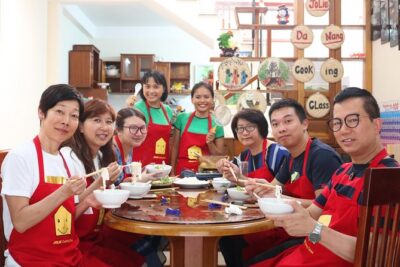
Da Nang Cooking Class with Coffee Tasting and Market Visit
Read our review →
Nishiki Market Tea Ceremony with Koto Performance
Read our review →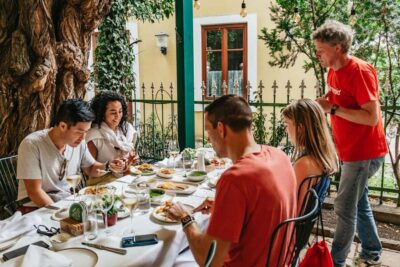
Hungry in Vienna? A Food Lover’s Coffee & Market Walk
Read our review →
Delicious Doughnuts & Tea: Small-Group Borough Market Experience
Read our review →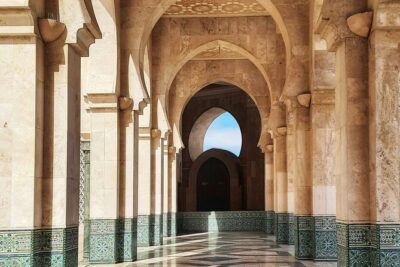
From rick’s coffee to local markets authentic casablanca
Read our review →
Vienna Eats: Private Foodie Walk with Coffee & Markets
Read our review →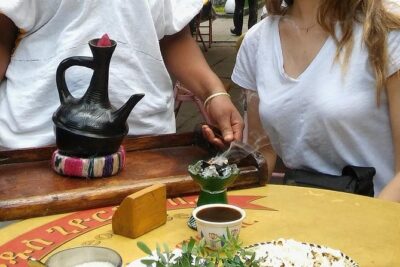
Ethiopian Culinary Tour – Market, Food, Coffee Ceremony & more
Read our review →Browse the lists this tour appears in