
Review · MARKET AND COOKING CLASS TOURS
Hanoi Maya Kitchen: Traditional Cooking Class & Market Tour
The best part of this Hanoi cooking class happens before you reach the stove. You visit a local market, choose fresh ingredients, and learn what Vietnamese cooks actually buy and use. Back in the kitchen, you make five specialties, including fried spring rolls, papaya salad, pho rolls, mixed pho, and egg coffee.
I like the market stop because it gives you useful food context, not just a quick kitchen demonstration. I also like the patient, hands-on format, with instructors such as Iris, Ruby, and Aurora guiding you through each step. The main consideration is the meeting-point information: the details show both 38 Bat Su Street and the Crossing Vietnam Tour office at 47 Hang Bong Street, so confirm the exact address before you set out.
Key points at a glance
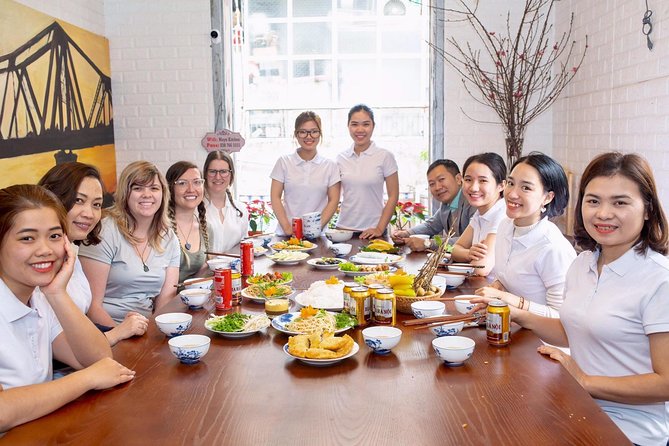
- A local market comes first: Shop for ingredients and get a closer look at everyday Vietnamese produce, noodles, herbs, and cooking staples.
- You make the meal yourself: The class covers spring rolls, papaya salad, pho rolls, mixed pho, and egg coffee.
- Spring-roll folding takes practice: The instructor shows you how to shape even rolls before frying them.
- The meal is substantial: Your class includes all the dishes you prepare, seasonal fruit, and one drink.
- Named instructors add a personal touch: Iris, Ruby, and Aurora are specifically praised for clear guidance, local stories, singing, and restaurant tips.
- The price is strong value: At $30 per person for about four hours, the fee includes food, instruction, a market visit, recipes, local wine tasting, and the meal.
A market start in Hanoi’s Old Quarter
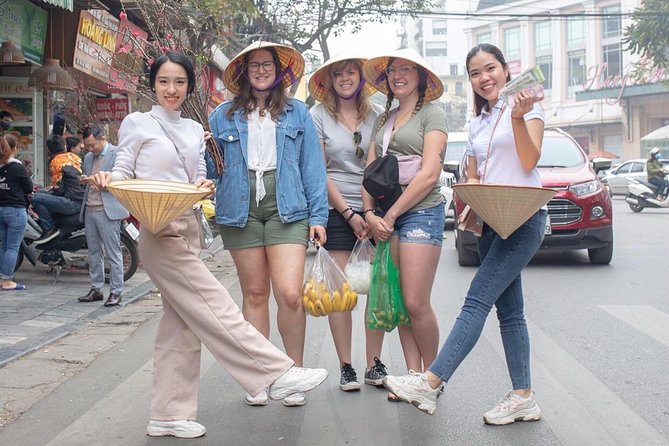
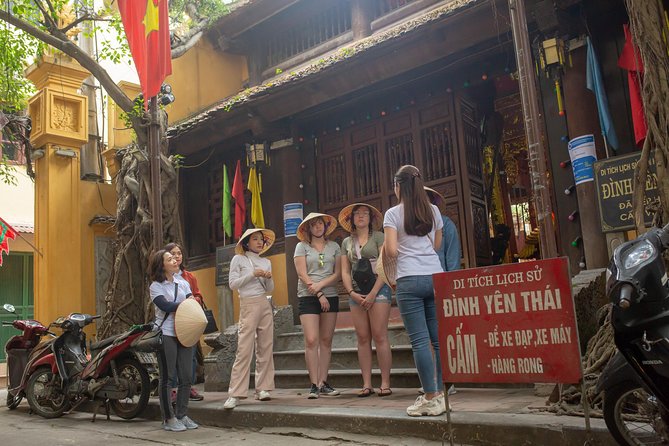
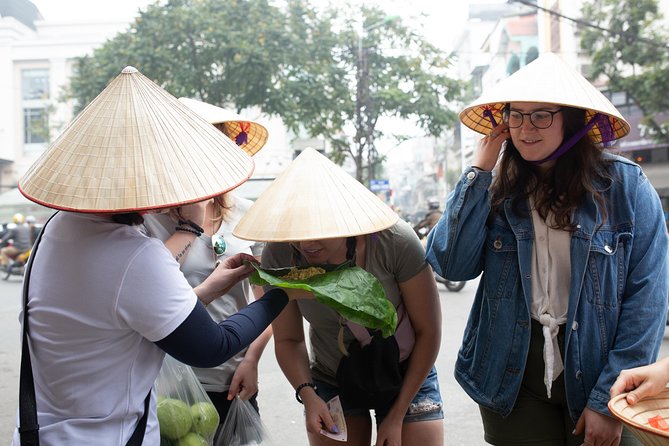
This is not a class that drops you straight into a prearranged cooking station. You begin with a welcome at the meeting point, then walk to a nearby local market. The supplied details call this stop Yen Thai Market, while the itinerary also labels it Hang Da Market. Since the addresses and market names are not perfectly consistent, I would confirm the precise starting point and route with the operator before the day of your class.
That small bit of planning matters in Hanoi. The Old Quarter is easy to explore on foot, but its streets can be confusing, and a few minutes spent searching for the right office can cut into your market time. The activity does not include hotel pickup or drop-off, so you need to reach the meeting point yourself.
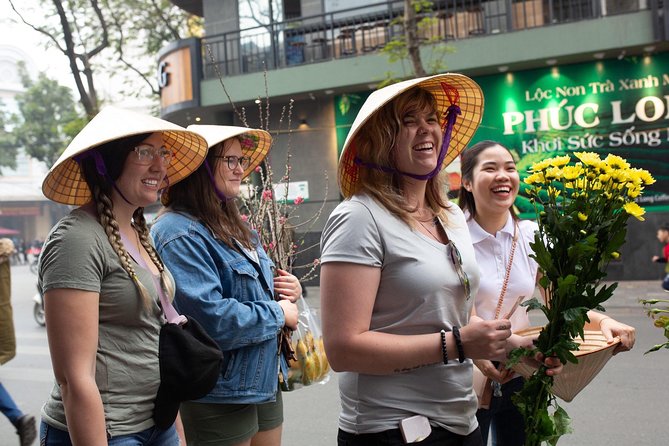
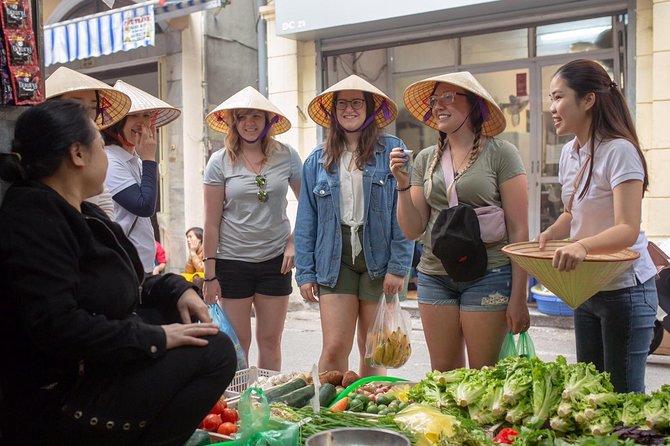
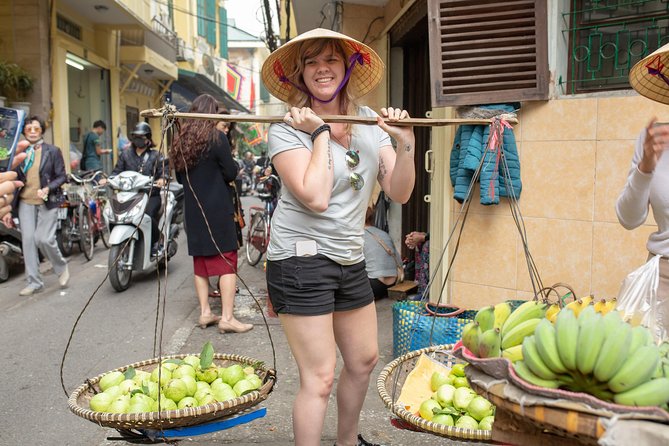
At the market, you get to see ingredients in their everyday setting rather than only hearing their names in a kitchen. The guide helps you buy what you need and explains Vietnamese ingredients, along with possible substitutes. That is useful if you want to repeat the dishes at home, especially if your local supermarket does not carry the exact herbs, papaya, noodles, or seasonings used in Hanoi.
The market visit also gives the class a stronger local connection. You are not simply watching someone prepare a fixed menu. You see the raw materials before they are cleaned, sliced, rolled, mixed, or brewed. For a first visit to Hanoi, this can help you make sense of the food you see later in restaurants and street stalls.
The market is still a working food market, not a staged cultural show. You should expect an ordinary shopping stop rather than a grand sightseeing attraction. Its value lies in the ingredients and the guide’s explanations.
More Market and Cooking Class Tours in Hanoi
- Hanoi Cooking Class: Culture, Local Market & Meaning CSR Impact
★ 5.0 · 5,147 reviews - 5 Traditional Dishes Hanoi Cooking Class with Market Trip
★ 5.0 · 4,890 reviews - Vietnamese Food Cooking Class in Hanoi with Market Experience
★ 5.0 · 778 reviews
Five Vietnamese dishes, one busy kitchen
After the market, you head to the kitchen for the cooking lesson. The class lasts about four hours in total, so the pace should allow time for instruction, preparation, cooking, and eating. The maximum group size is 15 people, which gives the class enough energy for a shared meal but means this is not a private lesson.
The menu includes:
- Nom du du, Vietnamese papaya salad
- Nem ran, fried spring rolls
- Pho cuon, pho rolls
- Pho tron, mixed pho
- Ca phe trung, Vietnamese egg coffee
- Seasonal fruit for dessert
You also receive one drink, such as water, tea, or coffee, along with a local wine tasting. The recipe is included, which makes the class more useful after you leave Hanoi.
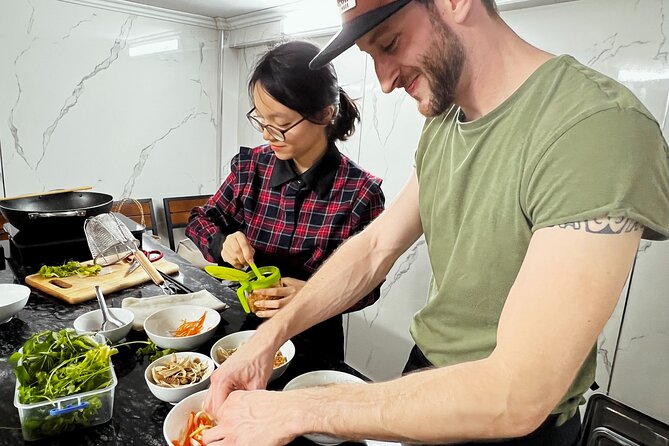
The instructor demonstrates each dish and guides you through the work step by step. The class is not limited to watching a professional cook do everything. You prepare the food yourself, then sit down to eat what you made.
That distinction matters. A cooking demonstration can be entertaining, but a hands-on class gives you a better chance of remembering the order of the ingredients and the feel of the technique. The reviews point to especially good instruction from Iris, Ruby, and Aurora. Ruby is praised for sharing local places to eat, while Aurora added Vietnamese stories and even some singing to the session. Those details suggest that the tone can vary slightly depending on your instructor, but the central format remains the same.
Fried spring rolls: the practical challenge
The first dish is fried spring rolls, called nem ran. The instructor shows you how to prepare and roll them, with special attention to getting an even shape. The description calls spring rolls a national dish for holidays and family gatherings, so this is more than a simple appetizer on the menu.
Rolling is the part that takes a little hand control. You need to make the rolls firm enough to hold together but not so tight that the filling cannot cook properly. The class gives you a chance to practice under guidance, rather than trying to copy the technique later from memory.
This is likely the most engaging part of the session for families and couples because everyone can take a turn. It is also the dish most likely to follow you home. The ingredients may vary by market and country, but the folding method is easy to understand once you have done it yourself.
The finished rolls are served as part of your meal. One useful tip from the experience is to arrive hungry but not ravenous. The meal is generous, and one person specifically advises skipping breakfast because there is plenty to eat.
Papaya salad and the sour-sweet balance
Next comes nom du du, or papaya salad. The central flavor balance is sour and sweet, which gives you a clear lesson in how Vietnamese dishes often rely on contrast rather than a single dominant taste.
This part of the class should appeal to you if you enjoy adjusting flavors. The exact balance can be personal, so the preparation offers a chance to understand how the dressing works and how the ingredients come together. The market visit also gives more meaning to this dish because you have already seen some of the produce before preparing it.
Papaya salad is a useful recipe to learn at home because it does not require the long cooking time of a broth. The class includes a recipe, so you can refer back to the method later. Still, you should pay attention to ingredient substitutions during the market tour. The guide specifically discusses alternatives, which may be important if green papaya or certain herbs are hard to find where you live.
More Market and Cooking Class Tours in Vietnam
- Hanoi: 5 Local Dishes Cooking Class with Meal & Market Visit
★ 5.0 · 420 reviews - Hanoi Cooking Class and Market Tour in Ancient House
★ 5.0 · 379 reviews - Rose Kitchen Hanoi: Market, Cooking & Culture Tour + Free PickUp
★ 5.0 · 342 reviews - Hanoi: Cooking Class in a Local Villa with Market Tour
★ 4.9 · 320 reviews
Pho rolls and mixed pho without the long wait
Pho appears in two different forms here. Pho cuon uses pho noodles in rolls, while pho tron is mixed pho. These are different from the familiar bowl of steaming pho broth that many people expect when they hear the word pho.
That variety is one of the better features of the menu. You get to see how the same broad noodle tradition can be used in more than one format. The rolls give you another shaping task, while the mixed pho offers a different combination of noodles, ingredients, and dressing.
The class is not presented as a lesson in making pho broth from scratch. If your main goal is to learn the long simmering process behind traditional noodle soup, this may not be the right class. If you want a wider introduction to Vietnamese home-style dishes within four hours, the two pho preparations add useful range.
Egg coffee, Hanoi’s sweet specialty
The final standout is ca phe trung, or Vietnamese egg coffee. This is one of Hanoi’s best-known specialty drinks, made with a sweet, creamy egg mixture served with coffee. The class includes it as part of the hands-on menu rather than treating it as an optional purchase afterward.
Making egg coffee gives the session a nice change of pace. After rolling, chopping, and mixing savory dishes, you work on a drink that is both a recipe and a local food custom. It also helps round out the meal, since the menu moves from salad and rolls to noodles, coffee, and seasonal fruit.
Several of the strongest comments about the class specifically mention making egg coffee. If you are choosing among cooking classes in Hanoi, this is a useful detail to look for. It gives you something distinct from the standard spring-roll lesson.
The meal you make is the main payoff
Once the cooking is finished, you sit down to eat the dishes you prepared. That meal includes the spring rolls, papaya salad, pho rolls, mixed pho, egg coffee, and seasonal fruit. You also receive one drink and a local wine tasting.
I like this structure because the food is not an afterthought. You spend the class learning techniques, then get a proper chance to taste the results. The reviews describe the portions as more than enough for a family of four, and another person says the food was plentiful enough to take away in special containers. Take that as a practical warning: do not plan a large restaurant meal immediately afterward.
The meal also lets you compare your finished dishes. If one roll is less even or one dressing is sharper than expected, you can ask the instructor about it while the process is still fresh. That kind of immediate feedback is more useful than a recipe card alone.
Seasonal fruit ends the meal. Since the exact fruit is not specified, it will depend on what is available at the time of your visit.
What $30 includes, and where the value lies
At $30 per person, this is a good-value four-hour activity if you want both food and local context. The fee covers the market tour, food shopping, English-speaking instruction, all menu items, seasonal fruit, one drink, local wine tasting, the recipes, and the meal you prepare.
You are also paying for the time and organization involved in taking a group through a market and then through five separate food and drink preparations. That makes the price stronger than it might first appear. A simple meal at a Hanoi restaurant could cost less, but it would not give you the market visit, cooking practice, or recipe to take home.
The value is less clear if you only want to eat. This is a four-hour activity, and much of that time involves preparing food. You need to take part rather than treat it as a quick tasting stop.
Hotel transportation is not included. You must get to the meeting point and return from it yourself, though the activity ends back at the meeting point. The details list 38 P. Bat Su, Hang Bo, Hoan Kiem, Hanoi as the start, while the meeting instructions also mention the Crossing Vietnam Tour office at 47 Hang Bong Street. Confirm this before booking or on the day of the class.
Who will enjoy this class most
I would choose this for you if you want a practical introduction to Vietnamese food and prefer doing something rather than only sightseeing. It suits couples, families, and small groups who enjoy eating together after a shared activity.
It is also a good choice for anyone who wants recipes that can be repeated at home. The class covers several different techniques, and the guide explains ingredient substitutes at the market. Spring rolls, papaya salad, pho rolls, and egg coffee give you a varied set of dishes rather than four versions of the same preparation.
Families should note that the group can reach 15 people. The class is not described as private, and the experience may feel more social than personal at the upper limit. On the other hand, a shared kitchen can make the session more relaxed for children and first-time cooks.
You may want to choose a different activity if you need hotel pickup, want a private class, or are specifically hoping to make traditional pho broth from scratch. Those features are not included in the supplied details.
The class is near public transportation, and service animals are allowed. Confirmation is provided when you book. Free cancellation is available if you cancel at least 24 hours before the local start time. Cancellations or changes made within 24 hours are not accepted for a refund.
Should you book the Hanoi Maya Kitchen class?
I would book this class if you want a reasonably priced, hands-on morning or afternoon built around real Vietnamese dishes. The strongest reasons are the market visit, the range of food, the included egg coffee, and the chance to eat the meal you prepared.
Pay special attention to the meeting-point details and confirm which market you will visit, since the information lists two office addresses and two market names. If that small planning issue is settled, the class offers a useful mix of Hanoi food culture, practical cooking, and a generous meal for $30.
FAQ
How long does the Hanoi Maya Kitchen cooking class last?
The experience lasts approximately four hours.
Where does the activity start?
The meeting-point information lists 38 P. Bat Su, Hang Bo, Hoan Kiem, Hanoi. The instructions also refer to the Crossing Vietnam Tour office at 47 Hang Bong Street, so confirm the exact address before attending.
Does the tour include hotel pickup?
No. Pickup and drop-off are not included. You need to reach the meeting point yourself.
Which dishes will I prepare?
You will prepare papaya salad, fried spring rolls, pho rolls, mixed pho, and Vietnamese egg coffee.
Is dessert included?
Yes. Seasonal fruit is included for dessert.
Is food included in the price?
Yes. The food listed on the menu, the meal you prepare, seasonal fruit, and one drink are included.
Is a cooking recipe provided?
Yes. A cooking recipe is included.
Is the class taught in English?
Yes. An English-speaking instructor leads the cooking class.
How large can the group be?
The activity has a maximum group size of 15 people.
Can I cancel for a full refund?
Yes, if you cancel at least 24 hours before the experience start time. Cancellations or changes made less than 24 hours before the start time are not refunded.
Just added around Hanoi
- Hanoi’s Culinary: Authentic Cooking Class and Local Market★ 4.8 · 5 reviews
- Hanoi Cooking Class: Market Tour, Free Recipe & Beverages★ 5.0 · 10 reviews
- Weekend Hanoi Night Market & Street Food Tour★ 4.5 · 47 reviews
- Hanoi: Vietnamese Cooking Class- Market Tour with Local Chef★ 5.0 · 2 reviews
- Hanoi Food Adventure: Vietnamese Market Tour & Cooking Class★ 4.8 · 5 reviews
- 2 Day Sapa-Bac Ha Market: Night Train& Homestay-Bus Ha Giang★ 5.0 · 2 reviews
- Hanoi: Old Quarter Market Tour and Cooking Class with Meal★ 4.8 · 192 reviews
- Hanoi: Maya Traditional Cooking Class & Market Tour★ 4.9 · 243 reviews
Market and Cooking Class Tours, compared.

Hanoi Cooking Class: Culture, Local Market & Meaning CSR Impact
Read our review →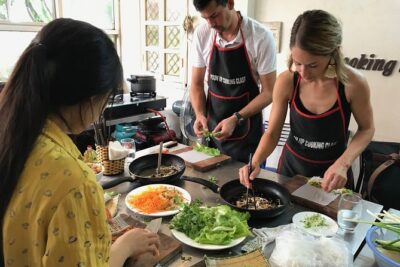
5 Traditional Dishes Hanoi Cooking Class with Market Trip
Read our review →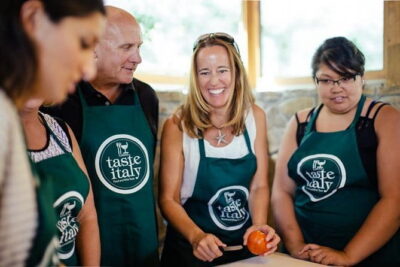
Cooking Class and Lunch at a Tuscan Farmhouse with Local Market Tour from Florence
Read our review →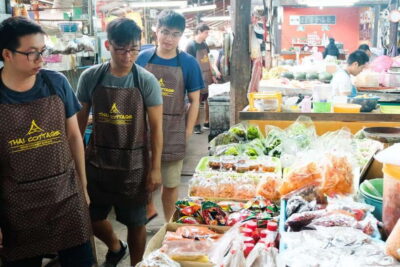
Cooking Class, Market & Thai Herbs Garden Tour
Read our review →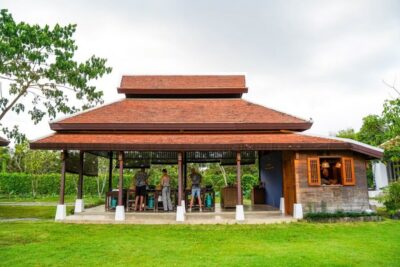
Authentic Cooking Class with Market & Farm Visit
Read our review →
Paella Cooking Experience & Boqueria Market Tour
Read our review →
Cooking Class Hoi An:Local Market, Basket Boat, Fishing & Cooking
Read our review →
Hoi An Cooking Class(Market,BasketBoat Crabfishing&Cooking Class)
Read our review →Browse the lists this tour appears in