
Review · MARKET TOURS WITH HOME COOKING
2 Day Sapa-Bac Ha Market: Night Train& Homestay-Bus Ha Giang
Sapa’s best moments happen on foot, far from the town center. This trip takes you through Black H’Mong villages, rice terraces, bamboo forest, and Muong Hoa Valley, then gives you a night in Ta Van with a local family. It is a quick way to see mountain life without arranging every transfer yourself.
I like the long village trek and the chance to stay in a simple homestay rather than a standard hotel. I also like the flexible finish: you can return toward Hanoi, add Bac Ha Market on Sunday, or continue to Ha Giang. The main drawback is the pace. A night train, an early arrival, and two days of walking make this a tiring trip, and the homestay bathroom is shared and basic.
The route is led by a local English-speaking guide, with guides such as Tung and Soa named in guest feedback. Confirm your exact transport before paying, since the package may use a night train or sleeper bus and the Ha Giang transfer costs extra.
Key points to know before booking
- Cat Cat, Lao Chai, and Ta Van on foot: The first day links several ethnic villages with terrace views and mountain paths.
- Ta Van homestay: You sleep on a mattress in a shared room and use a public bathroom, with fresh food and clean water provided.
- Early-morning arrival: The Hanoi to Lao Cai train reaches the station around 5:00 a.m., followed by a 40-kilometer transfer to Sapa.
- Bac Ha is an optional extension: The Sunday market requires another night in Bac Ha, plus a private car and guide.
- Ha Giang connection: A limousine or sleeper bus can take you from Sapa to Ha Giang in about six hours for an extra 300,000 Vietnamese dong.
- Small-group format: The group is limited to 15 people, with English and Vietnamese guiding available.
What this Sapa trip is really designed to do
This is not a relaxed hotel-based tour. It is a compact mountain route for people who want to walk through villages, sleep simply, and connect Sapa with another northern destination.
The core program lasts two days, but the transport plan can make the overall journey longer. You leave Hanoi at night, spend the first full day trekking, sleep in Ta Van, trek again the next morning, then return toward Hanoi by bus. If you choose Bac Ha, you add a third day and night. If you continue to Ha Giang, you pay extra for a six-hour bus ride.
That mix is useful if you are building a larger northern Vietnam trip. You do not need to return to Hanoi before moving on to Ha Giang, and you can add Bac Ha if your schedule includes a Sunday. The tradeoff is that the trip has several moving parts, so you should confirm the exact option, meeting point, and final destination before departure.
More Market Tours with Home Cooking in Hanoi:
- Krakow Pierogi Cooking Class with Market Visit & Home-Cooked Meal
★ 5.0 · 212 reviews - Fez: Souk Tour and Traditional Home Cooking Class
★ 4.9 · 186 reviews - Jaipur Market Tour & Vegetarian Rajasthani Home Cooking Class
★ 5.0 · 113 reviews
The night train from Hanoi to Lao Cai
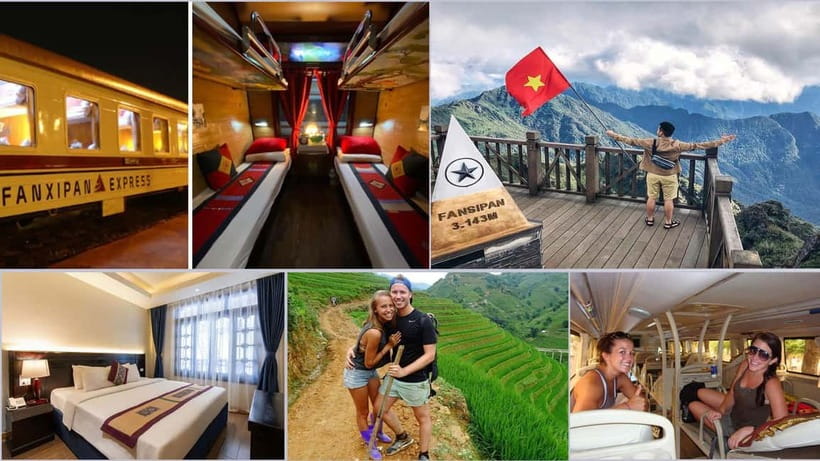
The trip begins at Hanoi Train Station, where you meet the local representative for a train departing around 9:30 p.m. The listed services are SP1, SP2, and SP3, with arrival at Lao Cai at about 5:00 a.m.
The train is part of the experience. It gives you a practical overnight ride instead of taking up a full daytime travel period, but it is not a substitute for a good night in a quiet hotel. You should expect a 20th-century sleeper-train atmosphere, limited sleep, and a long first day ahead.
At Lao Cai, a driver takes you roughly 40 kilometers to Sapa. You then have time to freshen up and eat breakfast at a hotel before walking. That pause matters. You are not expected to begin the trek straight from the train platform with your luggage and travel clothes.
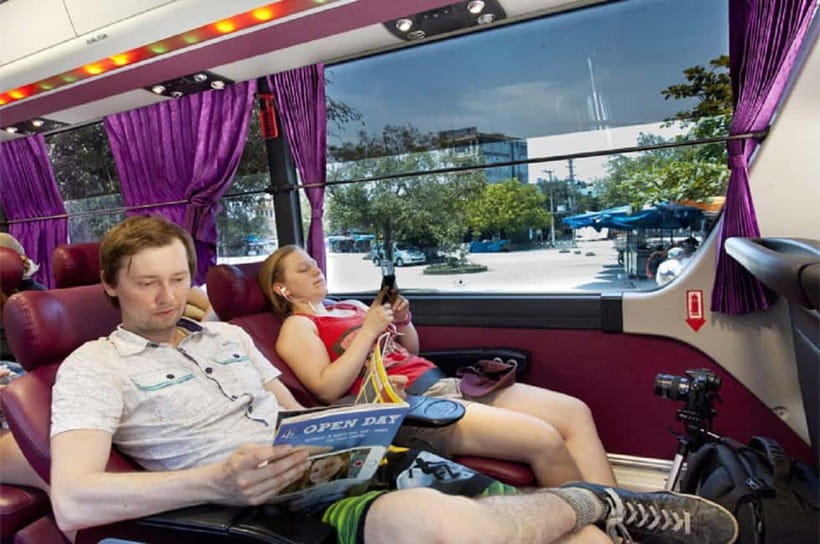
The transport wording allows for different options, including a night train and a sleeper bus, so check what your booking includes. The return is also described as a sleeper bus in the standard plan. This matters if you strongly prefer rail, dislike overnight buses, or need a certain level of comfort.
Cat Cat village and the first short walk
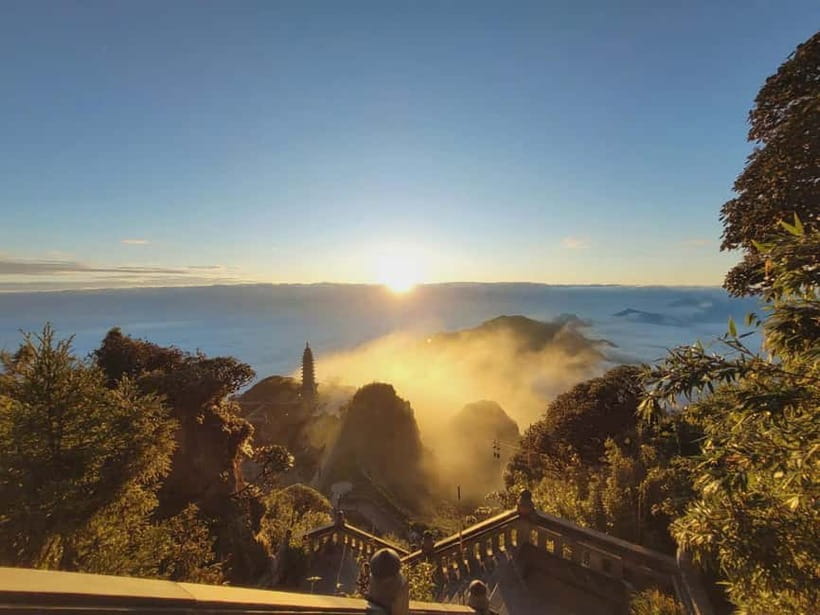
After breakfast, you leave your main luggage and prepare a light bag for the first walk to Cat Cat village. A local H’Mong guide leads this section.
Cat Cat is home to Black H’Mong people and includes a waterfall, Muong Hoa stream, terrace fields, and a hydroelectric power plant built during the French period. You can also see schools serving local children. These details give the village more meaning than a quick viewpoint stop. You are seeing water, farming, education, and local infrastructure in the same small area.
The walk is described as a short trek, but you still need proper shoes. Sapa paths can be uneven, and the day continues with a longer route after lunch. Comfortable walking shoes, sunscreen, sunglasses, and insect repellent are sensible. Carry only what you need, since the route is much easier without a large bag.
A car picks you up after the Cat Cat visit and returns you to the hotel for lunch. That vehicle transfer breaks up the day and saves your legs for the longer afternoon section.
Lao Chai and Muong Hoa Valley
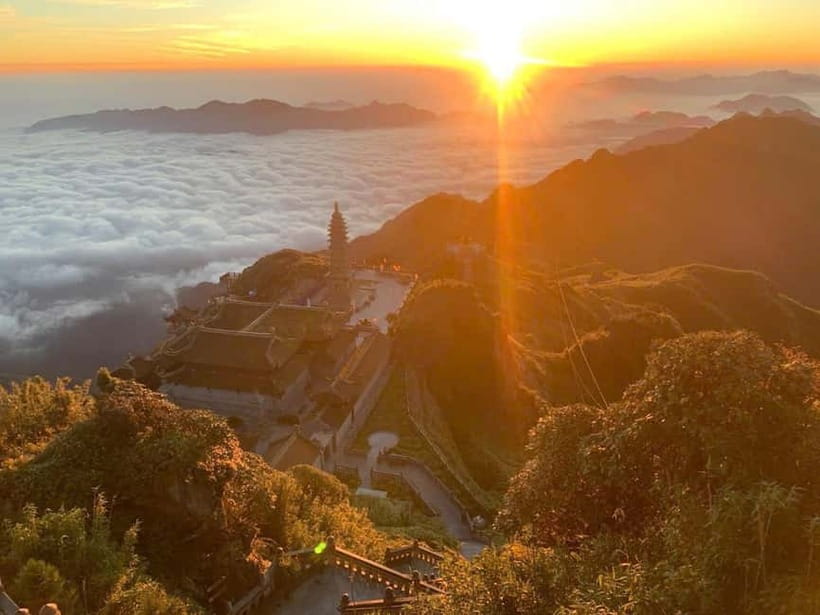
The afternoon trek runs through Lao Chai toward Ta Van. This is the strongest walking section of the trip, with paths through terrace fields and views toward the foot of Fansipan Mountain.
Lao Chai is associated with the Black H’Mong community and sits beside Muong Hoa Valley and its stream. You pass homes, cooking smoke, mountain views, and fields shaped into terraces. The appeal is not a single monument. It is the chance to see how homes and agriculture fit into the hills.
Your guide adds value here. The route can look like a simple walk on a map, but the guide helps explain the communities you pass through and the differences between ethnic groups. Tung and Soa are two guide names associated with this experience, although the guide can change depending on the route and operating arrangements.
The walk is also where you should keep your expectations realistic. You are not visiting an untouched village sealed off from tourism. Cat Cat and the Muong Hoa routes are well-known parts of Sapa’s visitor circuit. Still, walking between communities gives you more contact with daily surroundings than riding from viewpoint to viewpoint.
The route eventually reaches Ta Van in the afternoon. This timing allows you to settle into the homestay, eat dinner, and rest after the longest walking day.
More Two-Day Trips in Hanoi:
- From HCM: Mekong Delta & Cai Rang Floating Market 2-Day Tour
★ 4.5 · 1,183 reviews - Cai Rang Floating Market & Mekong Delta 2-Day Tour from HCM City
★ 5.0 · 942 reviews - Mekong Delta & Cai Rang Floating Market 2-Day Tour from HCMC
★ 5.0 · 813 reviews - Small-group 2-Day Mekong Delta: Floating market, Cooking Class…
★ 5.0 · 194 reviews
A night in Ta Van with simple comforts
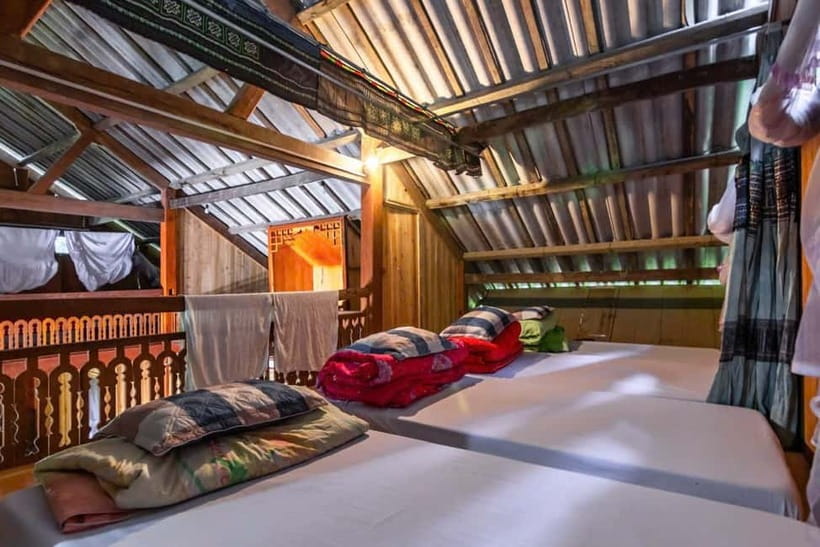
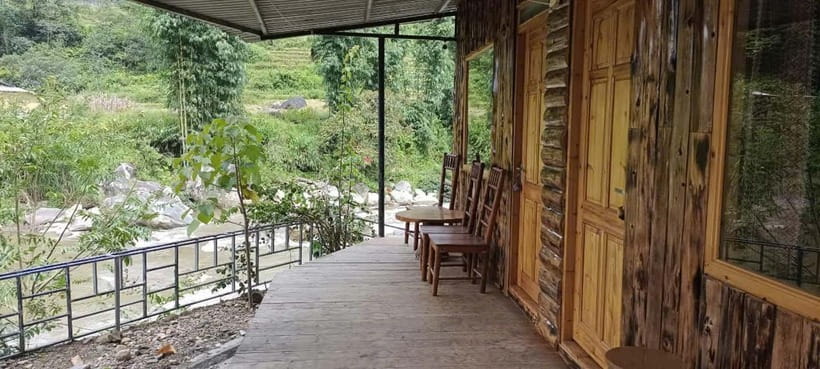
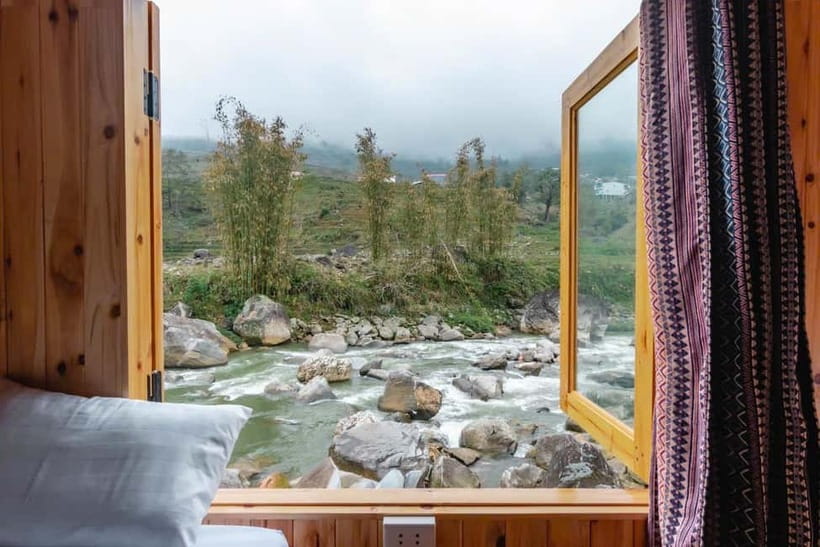
Ta Van is home to the Giay people, and the overnight stay is one of the most personal parts of the trip. You sleep in a shared room on a single mattress, and the bathroom is public. A private room at the homestay costs extra.
The homestay is basic, not a small hotel. That can be a plus if you want a direct connection with village life, but it may disappoint you if you need privacy or hotel-style facilities. The accommodation provides clean water and fresh food, and meals are included according to the schedule.
Dinner is included on the first day, while breakfast and lunch are included on the second. Beverages are not included, so keep some Vietnamese dong handy. Banking services in Sapa can be unreliable, and the practical advice here is simple: bring cash in local currency. US dollars, euros, and Australian dollars are also accepted, but dong is the easiest choice for small purchases.
The homestay is also a good place to judge your own travel style. If you enjoy a shared room, basic facilities, and a meal connected to the local setting, this is a worthwhile part of the trip. If you need a private bathroom and a quiet, polished room, consider paying the supplement or choosing a different Sapa package.
Giang Ta Chai and the second morning trek
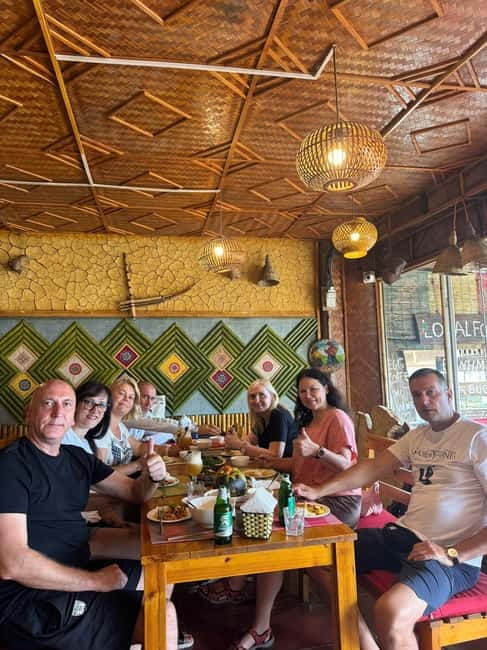
After breakfast, you set out from Ta Van toward Giang Ta Chai. This is a medium trek and offers a different village setting from the first day.
Giang Ta Chai is connected with Red Dao, Giay, and Black H’Mong communities. The route includes views over Muong Hoa Valley and bamboo forest. That combination makes the morning feel distinct from the rice-terrace walking around Lao Chai.
The second trek is shorter in the overall schedule but should not be treated as a casual stroll. You have already walked the previous day, and the overnight train may have left you short on sleep. Pregnant women, children under six, and people with limited mobility are not suited to this tour according to the participation guidance.
A car collects you after the trek and returns you to Sapa for lunch. After eating, you collect your luggage and prepare for the next transport stage. The standard departure toward Hanoi is around 1:30 to 2:00 p.m., with two or three rest stops before the bus reaches 160 Tran Quang Khai Street in Hanoi.
The bus does not return you to your hotel. You make your own way from the drop-off point, so keep the address saved and arrange your onward transport in advance.
Choosing the Bac Ha Market extension
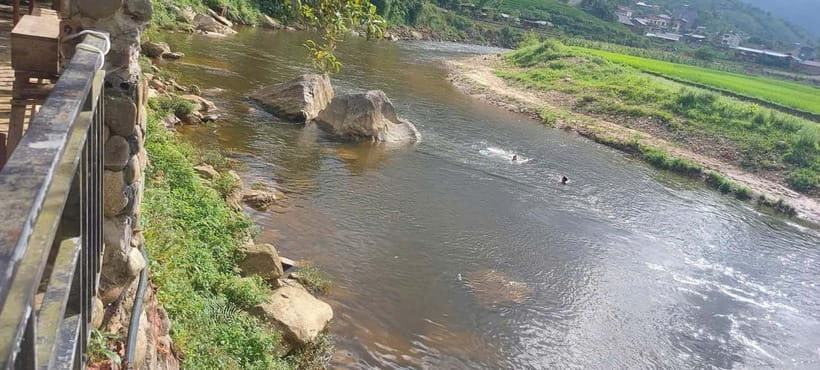
Bac Ha is not part of the basic two-day schedule. It is an optional extension that works best when the second day falls on Saturday, allowing you to reach Bac Ha in the late afternoon and visit the market on Sunday morning.
After lunch in Sapa, a guide and private car take you roughly two hours to Bac Ha. You check into a hotel, eat dinner, and prepare for an early market visit the following morning.
Bac Ha Market is presented as a place where local people exchange goods, including pigs, hens, souvenirs, and other products. Red H’Mong, Giay, Red Dao, and Tay communities take part, giving the market a strong mix of dress, languages, produce, and practical trade.
You should understand the market as a working local gathering, not only a photo stop. The most interesting feature is the exchange of everyday goods and the way different communities meet in one place. At the same time, market days can be busy and visually intense, so stay respectful when taking photographs and follow your guide’s advice.
The extension also includes Hoang A Tuong’s castle, a former residence of a H’Mong ruler and his family. You visit Pho Village near Bac Ha as well, with time to walk along a quieter road and see village life.
After lunch, your private car and guide take you to Lao Cai to catch the bus toward Hanoi. This add-on gives you more cultural context, but it also changes a two-day trip into a longer, more tiring plan. The price of the Bac Ha option is not specified in the supplied details, so confirm the full supplement before booking.
Continuing from Sapa to Ha Giang
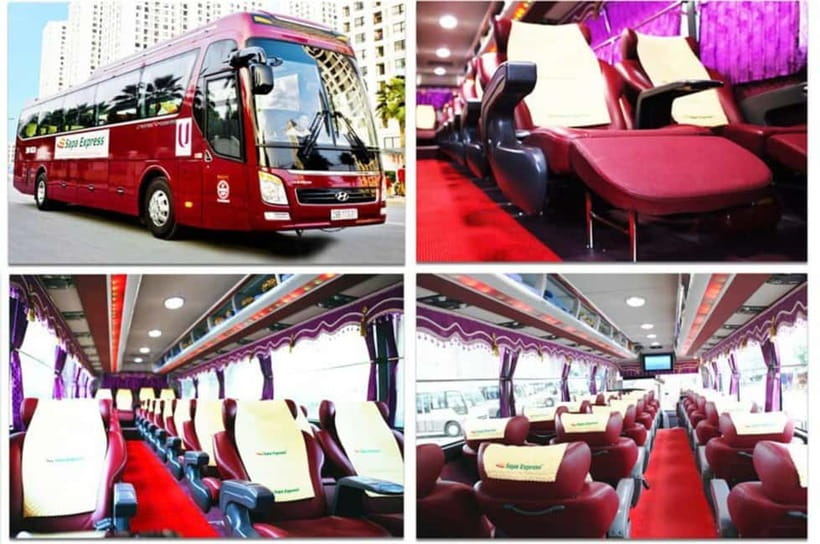
The itinerary also points you toward Ha Giang, making this trip useful for a northbound route. The Sapa to Ha Giang ride takes about six hours.
There are two listed choices:
- A limousine bus at 2:30 p.m., with 18 seats, departing from May Hotel.
- A sleeper bus at 7:30 p.m., with 40 seats, departing from its own meeting point.
The transfer costs an additional 300,000 Vietnamese dong per person. The later sleeper bus gives you more time in Sapa, while the afternoon limousine option gets you moving earlier. The exact meeting point and payment details should be confirmed with the travel consultant, since the bus is not included in the main price.
This connection makes sense if Ha Giang is your next major stop. It makes less sense if you want a slow afternoon after two days of walking. The six-hour ride is a serious travel leg, so plan your energy and luggage accordingly.
What the $56 price includes
At $56 per person, the base price is strong for a trip that combines overnight transport, local guiding, meals, a homestay, village transfers, and entrance tickets. You are paying for a useful package, not simply for a guided walk.
The value is best if you use the included transport and do not require a private room. The shared homestay, group guiding, and basic facilities keep the price down. A group of up to 15 people is small enough for a more personal guide experience, though it is not the same as a private tour.
Watch for additional charges. Drinks, insurance, VAT, personal spending, a single supplement, a private homestay room, and the Sapa to Ha Giang bus are not included. Holiday departures also carry a 700,000 Vietnamese dong surcharge, paid directly to the guide on the date. The listed dates include April 30, May 1, September 1 through 3, December 24 and 31, and January 1.
Free cancellation is available up to 24 hours before departure, and you can reserve now and pay later. Those policies help if your northern Vietnam schedule is still changing, but they do not remove the need to check the exact transport option.
Who will enjoy this trip most
You are a good match if you want:
- Two active days in the Sapa area
- Village walking rather than only scenic drives
- A local guide who can explain H’Mong, Giay, and Dao communities
- A basic homestay with shared facilities
- A practical connection to Ha Giang
- The option to add Bac Ha on a Sunday
You may prefer another plan if you want private accommodation, gentle sightseeing, or plenty of free time. The overnight journey, long first day, and morning trek require reasonable fitness. Children under six, pregnant women, and people with mobility limitations should not join.
I would pack light, wear trekking shoes, and carry a rain layer if you have one, although rain gear is not specifically listed as provided. Keep your phone, cash, and essential items with you, and leave your large luggage arranged for the vehicle transfer.
Should you book the Sapa to Ta Van trip?
Book it if you want a compact, active introduction to Sapa and value the chance to sleep in Ta Van instead of staying only in town. The strongest parts are the village-to-village walking, the local guide, and the choice to continue to Ha Giang or add Bac Ha.
Skip it if you need hotel comfort, dislike overnight transport, or want a quiet Sapa visit with short walks. Also confirm the train or bus arrangement, the exact return plan, and the cost of any Bac Ha or Ha Giang extension.
For the right kind of visitor, $56 offers a lot: two guided trekking days, meals, a local homestay, and several useful transfers. Just treat it as an active mountain journey, not a restful weekend away.
FAQ
How long does the main Sapa trip last?
The core activity lasts two days, with an overnight journey from Hanoi before the first trekking day. The optional Bac Ha program adds a third day.
Does the tour include transport from Hanoi to Sapa?
Yes. The package includes transport between Hanoi and Sapa, using a night train and sleeper bus depending on the option booked.
Is the Hanoi to Lao Cai train overnight?
Yes. The listed trains depart Hanoi around 9:30 p.m. and arrive at Lao Cai around 5:00 a.m. A driver then takes you approximately 40 kilometers to Sapa.
Where do you stay overnight?
You stay in a homestay in Ta Van. The standard arrangement is a shared room with a single mattress and a public bathroom. A private room costs extra.
Are meals included?
Breakfast, lunch, and dinner are included according to the itinerary. Drinks are not included.
Can you go from Sapa to Ha Giang after the tour?
Yes. A limousine bus and a sleeper bus are listed for the Sapa to Ha Giang connection. The journey takes about six hours and costs an additional 300,000 Vietnamese dong per person.
Is Bac Ha Market included in the two-day program?
No. Bac Ha is an optional extension, available on Sunday. It includes a private car, guide, a hotel night in Bac Ha, the market, Hoang A Tuong’s castle, and Pho Village.
What should you bring?
Bring comfortable trekking shoes, sunglasses, sunscreen, insect repellent, and cash in Vietnamese dong. A light bag is useful for the walking sections. Pets are not allowed.
Just added around Hanoi
- Hanoi’s Culinary: Authentic Cooking Class and Local Market★ 4.8 · 5 reviews
- Weekend Hanoi Night Market & Street Food Tour★ 4.5 · 47 reviews
- Hanoi: Vietnamese Cooking Class- Market Tour with Local Chef★ 5.0 · 2 reviews
- Hanoi Cooking Class: Market Tour, Free Recipe & Beverages★ 5.0 · 10 reviews
- Hanoi Food Adventure: Vietnamese Market Tour & Cooking Class★ 4.8 · 5 reviews
- Hanoi: Old Quarter Market Tour and Cooking Class with Meal★ 4.8 · 192 reviews
- Hanoi: Maya Traditional Cooking Class & Market Tour★ 4.9 · 243 reviews
- Hanoi Maya Kitchen: Traditional Cooking Class & Market Tour★ 5.0 · 287 reviews
Market Tours with Home Cooking, compared.
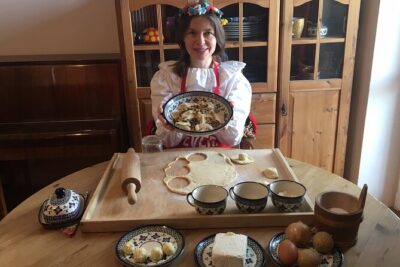
Krakow Pierogi Cooking Class with Market Visit & Home-Cooked Meal
Read our review →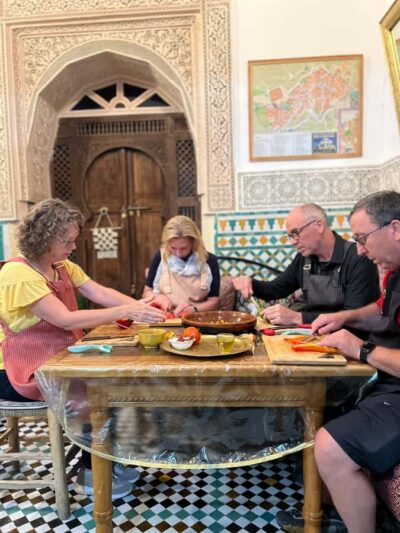
Jaipur Market Tour & Vegetarian Rajasthani Home Cooking Class
Read our review →
Market Tour and Cooking Class with a Coffee Ceremony at a Home in Addis Ababa
Read our review →
Budapest Market Tour & Home Cooking Class with local Chef & Guide
Read our review →
Dalat: Home Cooking Class with Central Market Tour
Read our review →
Cesarine: Market Tour & Cooking Class at Local’s Home in Bologna
Read our review →
Browse the lists this tour appears in