
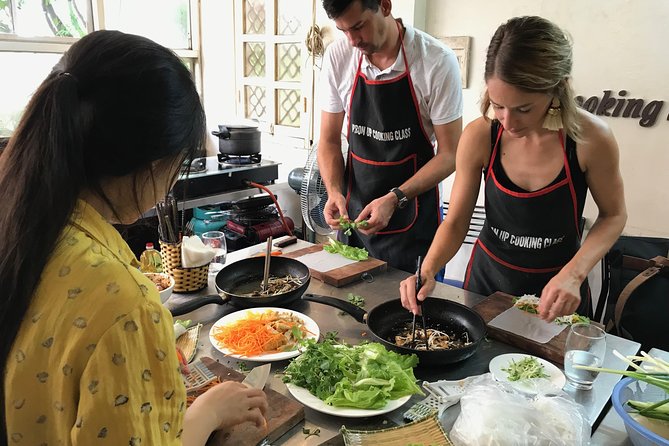
Review · MARKET AND COOKING CLASS TOURS
5 Traditional Dishes Hanoi Cooking Class with Market Trip
The best part of this Hanoi cooking class happens before the stove is lit. You walk through a local market with your chef, choose produce and spices, then return to the kitchen to turn those ingredients into five Vietnamese dishes. It is a practical way to understand what you are eating in Hanoi, not just another meal at a restaurant.
I like the market visit because it gives the class a real local setting, and I like the small maximum of 10 people because everyone has room to take part. The included recipe book and certificate are useful extras, too.
The main consideration is pace. Five dishes in about three hours requires good organization, and some preparation, such as cooking the barbecue pork, may be handled for you. You will be involved, but this is a guided group class rather than a fully independent kitchen lesson.
Key points at a glance
- Five Hanoi favorites in one class: Prepare pho bo, bun cha, fried spring rolls, papaya salad, and egg coffee or chocolate.
- Market shopping comes first: Walk from the Old Quarter meeting point to a large local market and learn how ingredients are selected.
- Small-group format: The class accepts no more than 10 people, with some sessions running at around six participants.
- Friendly English-speaking instructors: Guides such as Perla, Vy, Emmy, Lynn, Coco, Sunny, Bella, Kim, and Winnie have led sessions.
- Dietary adjustments are possible: Vegetarians and people avoiding red meat can learn suitable versions, but tell the provider when booking.
- Food, drinks, and take-home extras included: Eat the meal you prepare, sip complimentary rice vodka, and receive a cookbook and certificate.
Starting in Hanoi’s Old Quarter
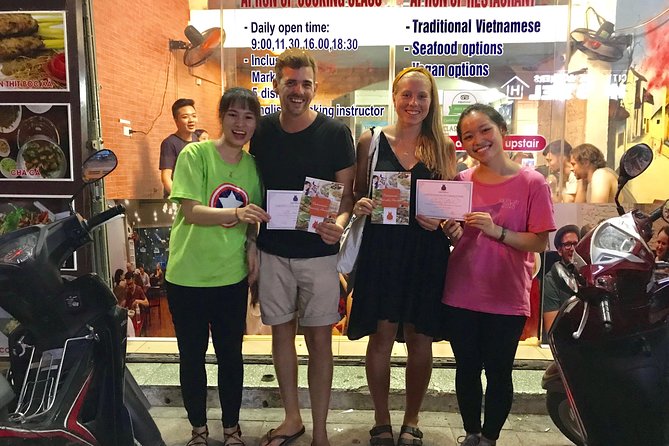
The class begins at 8 P. Gia Ngư in Hàng Bạc, within Hanoi’s Old Quarter. You return to this same meeting point at the end, and hotel pickup is not included, so plan your own way there.
This central location makes the class easy to pair with a morning in the Old Quarter. Give yourself enough time to find the address, since Hanoi’s old streets can be confusing and motorbikes move quickly around every corner. A mobile ticket is accepted, which keeps the booking simple.
The advertised duration is about three hours and 15 minutes. The class may move quickly because several recipes are prepared at once, but the small group helps the chef give people individual jobs. You might be chopping, mixing, rolling, or seasoning while another part of the meal is cooking.
That format suits you if you want to do real hands-on work without spending half a day in a professional kitchen. It is less suitable if you want a slow, highly detailed lesson devoted to just one dish.
More Market and Cooking Class Tours in Hanoi
- Hanoi Cooking Class: Culture, Local Market & Meaning CSR Impact
★ 5.0 · 5,147 reviews - Vietnamese Food Cooking Class in Hanoi with Market Experience
★ 5.0 · 778 reviews - Hanoi: 5 Local Dishes Cooking Class with Meal & Market Visit
★ 5.0 · 420 reviews
Shopping for ingredients at a Hanoi market
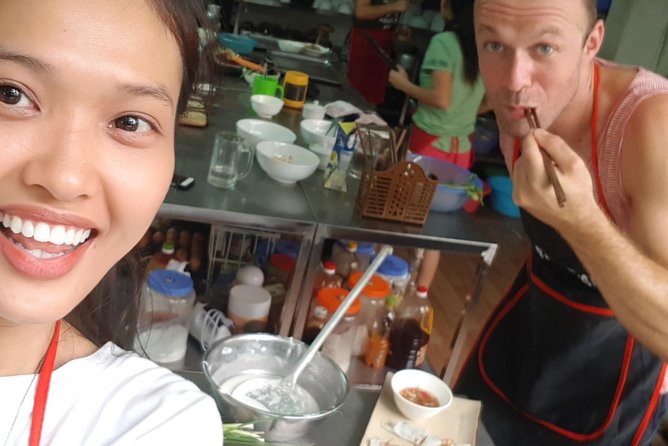
The market visit gives the class its strongest sense of place. Instead of receiving a premeasured box of ingredients, you go out with the chef to see the foods used in Vietnamese home cooking.
Your guide explains the available produce, herbs, spices, and other cooking basics, then helps you choose what the group needs. This is a small but worthwhile lesson. Vietnamese recipes often depend on balance, and seeing the raw ingredients helps you understand how freshness, aroma, and texture shape the finished dish.
The market is also where you get a closer look at everyday food culture in Hanoi. You are not simply passing through with a camera. You are shopping for lunch, asking questions, and learning what goes into the dishes you will soon prepare.
Do not expect a private market tour with unlimited time at every stall. The group has a menu to complete, so this part is focused and practical. Still, it adds something a standard cooking demonstration cannot: you see the ingredients before they are cleaned, cut, and arranged in the kitchen.
Preparing pho bo, Hanoi-style bun cha, and spring rolls
Back at the cooking space, the listed menu covers several of Hanoi’s best-known dishes. Pho bo brings beef noodle soup to the table, while bun cha features the grilled pork, noodles, herbs, and dipping flavors associated with Hanoi. You also prepare nem ran, the fried spring roll known in many parts of Vietnam as nem.
Pho is especially useful to study because its appeal depends on more than noodles and meat. The class shows you the ingredients and basic process behind the broth, along with the herbs and seasonings that give the bowl its familiar aroma. You will not become a pho specialist in one morning, but you will leave with a clearer sense of how the dish is built.
Bun cha gives you a different lesson in texture. The meal brings together pork, noodles, fresh herbs, and sauce, so preparation involves several separate elements rather than one pot. Some cooking work may be completed by the kitchen team, especially the barbecue pork, but you still take part in assembling and preparing the meal.
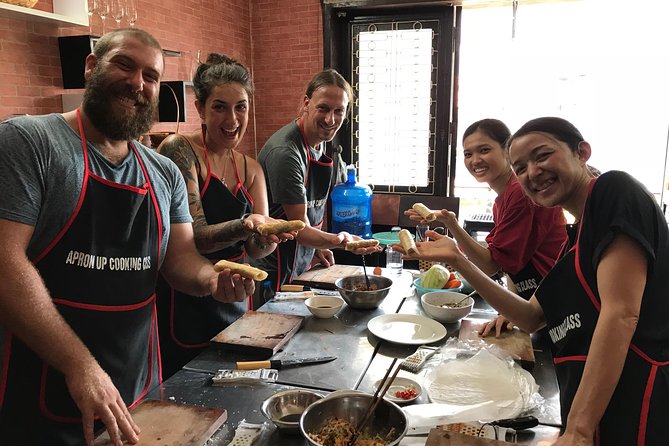
Spring rolls are a natural group activity. You work with the fillings, wrappers, and rolling technique, then fry the rolls before eating them. They are approachable for beginners, and the finished result gives you something familiar enough to enjoy while still teaching a distinctly Vietnamese preparation.
The class is designed to keep everyone working. You may not personally complete every step of every dish, but you should have a role throughout the session. That shared approach works well for couples, families, and small groups of friends.
Papaya salad and the sweet finish
The papaya salad adds a fresh, crisp counterpoint to the soup, noodles, pork, and fried rolls. It also shows how Vietnamese meals balance heavier cooked foods with raw produce, herbs, and a sharp dressing.
The final item is egg coffee or chocolate. Egg coffee is one of Hanoi’s signature drinks, made with a sweet, creamy egg mixture served with coffee. The class gives you a chance to learn the basic idea behind it rather than simply ordering one at a café.
The menu is generous for a three-hour class. You are not preparing five unrelated samples that disappear after one bite. The aim is to produce a full meal, and you eat your own work at the end. Come hungry, especially if you want to try every dish and still have room for the sweet drink.
The menu can be adjusted for vegetarians and people who do not eat red meat. The stated alternative is a vegetarian version, and individual dietary needs have been accommodated in past sessions. You should still explain your requirements when booking rather than waiting until the class starts. The more specific you are, the easier it is for the chef to plan substitutions.
More Market and Cooking Class Tours in Vietnam
- Hanoi Cooking Class and Market Tour in Ancient House
★ 5.0 · 379 reviews - Rose Kitchen Hanoi: Market, Cooking & Culture Tour + Free PickUp
★ 5.0 · 342 reviews - Hanoi: Cooking Class in a Local Villa with Market Tour
★ 4.9 · 320 reviews - Hanoi Maya Kitchen: Traditional Cooking Class & Market Tour
★ 5.0 · 287 reviews
How hands-on is the cooking?
This class is genuinely participatory, but it is not a do-everything-from-scratch workshop. The chef needs to keep five dishes moving, so some preparation and cooking may happen before or alongside your work.
You can expect demonstrations followed by specific tasks. The instructor may show the technique, divide the group into pairs, and then check your progress. You might help chop ingredients, mix fillings, roll spring rolls, prepare salad, assemble noodles, or work on the coffee.
The class works particularly well for couples because some jobs are done with a partner. Solo participants can still join, but you may find that the social format is more natural if you are comfortable sharing tasks with other people.
The pace has two sides. It keeps the session lively and makes it possible to cover a full menu in roughly three hours. At the same time, you may want more step-by-step attention if you are an experienced cook hoping to master every technique. A few people may be working on different parts of the meal at once, so listen carefully when the chef gives instructions.
The strongest guides are warm, clear, and willing to adjust their teaching style. Perla has been praised for her good English and careful explanations. Vy is known for keeping the session interactive and lighthearted, while Emmy has helped with cooking questions and dietary concerns. Other named instructors include Lynn, Coco, Sunny, Bella, Kim, and Winnie.
Because instructors can vary, the personality of the class may change from one session to another. The consistent structure remains the same: market shopping, guided preparation, shared meal, and take-home recipes.
Eating what you made with rice vodka
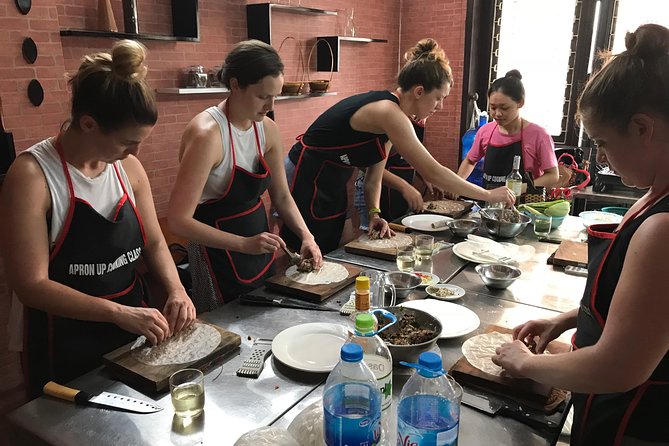
The meal is the payoff. After the cooking is finished, you sit down with the group and eat the dishes prepared during the class. Complimentary rice vodka is included, along with coffee or tea.
The rice vodka is a small cultural extra rather than a reason to book the experience. If you do not drink alcohol, you can focus on the food and other included drinks. The main value comes from sitting down to a meal you helped prepare and tasting the balance of flavors while the techniques are still fresh in your mind.
This shared meal also gives the class a social side. Sessions bring together people from different countries, and the work is divided across the group. If you enjoy meeting people while eating, this is a pleasant way to spend part of a Hanoi morning.
The meal can be substantial, so you may want to avoid booking a large lunch immediately afterward. You finish at the original meeting point, giving you an easy starting place for more Old Quarter sightseeing.
Recipe book, certificate, and practical value
The recipe book is one of the most useful extras. It gives you a chance to recreate the dishes at home, including the pho, spring rolls, egg coffee, and other recipes from the class.
Do not expect a professional culinary textbook. Think of it as a practical reminder of the ingredients, method, and basic sequence. That is enough to help you shop and cook with more confidence after returning home.
The certificate is a pleasant souvenir, especially for children or anyone who enjoys collecting activity mementos. It does not add much culinary value, but it marks the experience and makes the class feel like a complete activity rather than just a meal with instructions.
At $35.07 per person, the price is fair for what is included. You receive the market visit, instruction, ingredients, a full meal, drinks, and the recipe book, all within a small group capped at 10 people. Compared with paying separately for a market tour, a meal, and a cooking lesson, the package offers solid value.
The price is less attractive if you mainly want to watch someone cook. In that case, you would be paying for hands-on work you may not fully use. The value is best for people who will participate, eat a substantial meal, and actually try the recipes again later.
Who should book this Hanoi class?
I would recommend it to first-time visitors who want a friendly introduction to Vietnamese food without committing an entire day. It is also a good choice for food-focused couples, families, and solo visitors who enjoy shared activities.
Families should note that children can take part, but the class includes knives, hot cooking surfaces, frying, and a busy food-preparation area. An adult should stay engaged with younger children throughout.
Vegetarians and non-red-meat eaters can join because suitable versions are offered. Still, communicate your needs ahead of time. This is especially important for allergies, since the standard menu includes meat, fish-related seasonings may be present in Vietnamese cooking, and shared kitchen equipment can matter.
You should skip it if you dislike group cooking, want a private lesson, or need a very slow pace. You should also look elsewhere if your main goal is a long market tour rather than a cooking class. The market visit is valuable, but it supports the meal and does not take up the whole experience.
Cancellation is free up to 24 hours before the start time. Changes or cancellations within 24 hours are not refunded, so check your schedule before booking.
Should you book the Apron Up Cooking Class?
Yes, if you want to understand Hanoi food by preparing it yourself. The market stop, small group, broad menu, and shared meal create a well-rounded three-hour activity at a reasonable price.
Book it with realistic expectations. You will cook, but the chef may handle some steps to keep five dishes on schedule. You will learn several useful techniques, but you will not receive a private masterclass on every recipe.
For most visitors, the combination of pho, bun cha, spring rolls, papaya salad, and egg coffee makes this a strong introduction to Vietnamese cooking. Bring an appetite, arrive at the Gia Ngư meeting point on time, and tell the provider about dietary needs before the class begins.
FAQ
How long does the Hanoi cooking class last?
The experience lasts approximately three hours and 15 minutes.
Where does the class begin and end?
It begins at 8 P. Gia Ngư, Hàng Bạc, Hoàn Kiếm, Hanoi, and ends back at the same meeting point.
Is hotel pickup included?
No. Hotel pickup and drop-off are not included, so you must make your own way to the meeting point.
How many people can join the class?
The maximum group size is 10 people.
What dishes will I learn to make?
The listed menu includes pho bo, bun cha, nem ran, papaya salad, and egg coffee or chocolate.
Can vegetarians or people avoiding red meat join?
Yes. Vegetarian and non-red-meat versions are available. Tell the provider about your dietary needs when booking.
What is included in the price?
The experience includes an English-speaking chef, coffee or tea, rice vodka, the market visit, cooking instruction, ingredients, the meal you prepare, a cookbook, and a certificate.
Just added around Hanoi
- Hanoi’s Culinary: Authentic Cooking Class and Local Market★ 4.8 · 5 reviews
- Hanoi Cooking Class: Market Tour, Free Recipe & Beverages★ 5.0 · 10 reviews
- Weekend Hanoi Night Market & Street Food Tour★ 4.5 · 47 reviews
- Hanoi: Vietnamese Cooking Class- Market Tour with Local Chef★ 5.0 · 2 reviews
- Hanoi Food Adventure: Vietnamese Market Tour & Cooking Class★ 4.8 · 5 reviews
- 2 Day Sapa-Bac Ha Market: Night Train& Homestay-Bus Ha Giang★ 5.0 · 2 reviews
- Hanoi: Old Quarter Market Tour and Cooking Class with Meal★ 4.8 · 192 reviews
- Hanoi: Maya Traditional Cooking Class & Market Tour★ 4.9 · 243 reviews
Market and Cooking Class Tours, compared.

Hanoi Cooking Class: Culture, Local Market & Meaning CSR Impact
Read our review →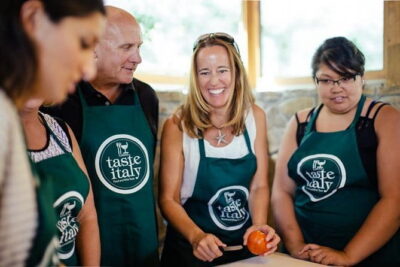
Cooking Class and Lunch at a Tuscan Farmhouse with Local Market Tour from Florence
Read our review →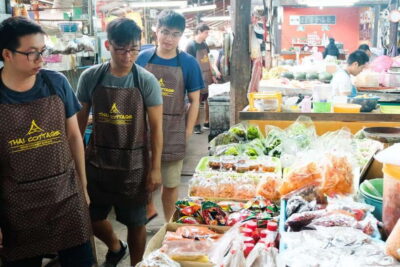
Cooking Class, Market & Thai Herbs Garden Tour
Read our review →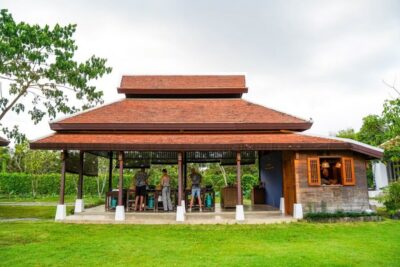
Authentic Cooking Class with Market & Farm Visit
Read our review →
Paella Cooking Experience & Boqueria Market Tour
Read our review →
Cooking Class Hoi An:Local Market, Basket Boat, Fishing & Cooking
Read our review →
Hoi An Cooking Class(Market,BasketBoat Crabfishing&Cooking Class)
Read our review →
Phuket Thai Cooking Class with Market Tour Option
Read our review →Browse the lists this tour appears in