
Review · MARKET TOURS WITH HOME COOKING
Nagoya Super Market Tour & Home Cooking Class with a Local, Akiko
Nagoya’s food culture makes more sense when you see the ingredients first, then use them at the stove. Akiko takes you through a neighborhood supermarket, explains Japanese seasonings, and brings you home to cook dishes such as Nagoya-style fried chicken and tempura-stuffed rice balls.
I like the personal scale, with room for one person or a private group of up to six. I also like that the supermarket stop lets you buy ingredients to take home, while the recipes give you a way to repeat the meal later. The main consideration is that this is a home visit, not a polished cooking school, and the meeting information refers to both Kasugai and Kachigawa stations, so confirm the exact station before setting out.
Key points to know
- A supermarket, not an outdoor market: You’ll shop at the kind of local grocery store Japanese residents use.
- Akiko hosts the full visit: She meets you at the station, leads the shopping, teaches the cooking, shares the meal, and returns with you to the meeting point.
- Nagoya flavors take center stage: Expect dishes built around red miso, pork cutlet, fried chicken, shrimp tempura, and Japanese stock.
- The cooking is hands-on: You help prepare the food, then sit down to eat what you made.
- Private groups up to six: Solo visitors and small groups can book their own session.
- Plan around the station details: The meeting point is listed as JR Kasugai Station, while one description names Kachigawa Station.
Why this Nagoya food experience feels different
Many Japanese food activities keep you in a restaurant or a formal classroom. This one gives you two useful windows into daily cooking: the supermarket aisle and a local home kitchen.
The first part helps you understand what Japanese cooking looks like before anything reaches the plate. Akiko points out ingredients and seasonings used in ordinary meals, then helps you shop for items you want to bring back to your accommodation or take home from Japan. That matters because Japanese supermarkets can be confusing at first. Labels, unfamiliar cuts of meat, regional seasonings, and several forms of miso can make a simple shopping trip feel like a puzzle.
The second part turns those ingredients into lunch or dinner. You are not simply watching Akiko cook. The class is hands-on, and the cooking lasts about an hour before you sit down to eat together. That creates a more useful memory than a quick restaurant meal: you learn what goes into the food and how the flavors fit together.
The visit is also private. That makes it a good choice if you want to ask basic questions without holding up a large class. It also lets Akiko adjust the menu for vegetarian needs, allergies, dietary restrictions, or cooking preferences, provided you explain them when booking.
More Market and Cooking Class Tours in Japan
- Tokyo: Tsukiji Market Walking Tour & Sushi Cooking Class
★ 4.6 · 122 reviews - Nishiki Market Food Tour with Cooking Class
★ 4.9 · 42 reviews - Osaka: Cooking Class & Sake Tasting with Local Market Visit
★ 4.8 · 31 reviews
Meeting Akiko near Kasugai
The stated meeting point is Kasugai Station in Aichi Prefecture, and the journey from Nagoya takes about 20 minutes by train. Akiko meets you there and takes you to the supermarket before continuing to her home kitchen.
One practical detail deserves attention. The tour information also mentions Kachigawa Station as the greeting point. Those station names should not be treated as interchangeable when you are planning a train journey. Confirm the exact station and meeting instructions after booking, especially if you are carrying shopping bags or working around a tight schedule.
There is no hotel pickup or drop-off. The experience begins and ends at the station meeting point. That arrangement keeps the visit simple, but you need to budget time for getting to Kasugai on your own and for returning to central Nagoya afterward.
The activity lasts about three hours and 30 minutes. Allow extra time around it for the train ride, finding the station exit, and any ingredients you decide to purchase. Since the experience ends back at the meeting point, it is easy to continue your day from there.
The supermarket: Japanese cooking starts in the aisles
The supermarket visit is not a street market tour, and that distinction matters. You will not be browsing outdoor stalls or meeting vendors. Instead, you will visit a local supermarket near the station, the type of place residents use for everyday groceries.
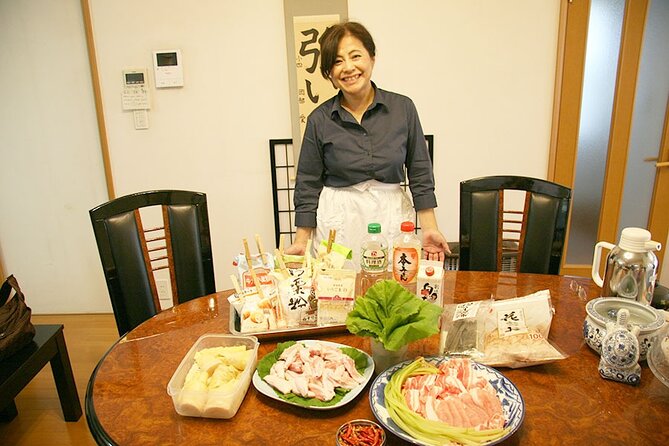
Akiko explains the ingredients and seasonings used in Japanese cooking as you walk through the store. This can include items connected to the dishes you will later prepare, along with products that give you a better feel for home cooking in Japan.
I like this part because it gives context to the class. You may see several kinds of miso, Japanese pantry staples, and ingredients that are familiar in appearance but unclear in use. With Akiko beside you, you can ask what a product is for, how it is used, and what might be worth buying.
You can also purchase local ingredients to take back with you. This is particularly useful if you want to recreate the meal after returning home. The shopping stop turns a cooking lesson into a practical food souvenir hunt, without leaving you to guess which package contains the right seasoning.
Do not expect a long sightseeing stop or a grand food hall. The appeal is ordinary local shopping. If you want a picture-perfect market setting, this may feel modest. If you want to see where people buy ingredients for home meals, it offers a more grounded look at daily life.
Cooking Nagoya dishes in Akiko’s home
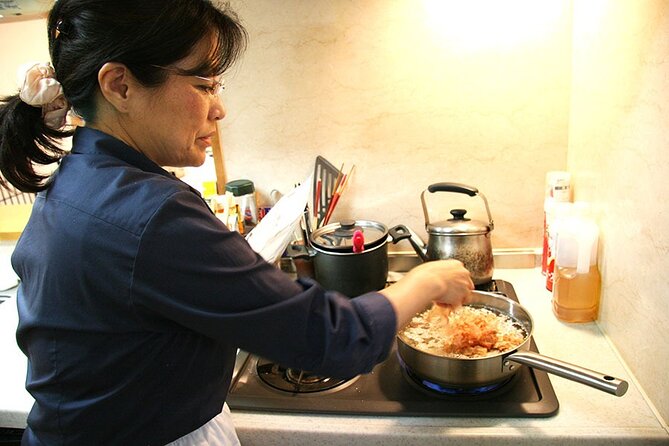
After shopping, you join Akiko in her home kitchen. The menu can change with the season, but the planned dishes draw from the flavors Nagoya is known for.
Possible dishes include:
- Red miso stew
- Shrimp tempura in a rice ball
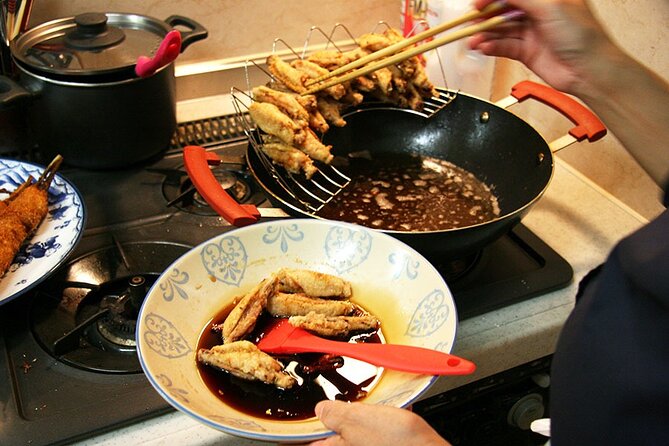
- Nagoya-style fried chicken
- Miso pork cutlet sandwiches
- Miso soup made with dashi stock from scratch
The exact combination may vary, so do not book expecting every item on this list in one sitting. The important point is the focus on Nagoya-style home cooking, especially the use of red miso and hearty, savory flavors.
Nagoya cuisine is often associated with stronger tastes than the delicate seasoning found in some other parts of Japan. Red miso gives food a darker color and a bold, salty depth. Pork cutlet, fried chicken, and shrimp tempura add the satisfying crunch and richness that make this a filling meal rather than a light demonstration.
The class runs for about an hour. You help prepare the food, which gives you a chance to learn the basic rhythm of the dishes rather than simply receiving a finished plate. The format is relaxed and personal, with time to sit down, get to know Akiko, and share the meal afterward.
Several details make the home setting worthwhile. You see how the food is organized in a real kitchen, you can ask questions as they arise, and you are not separated from the cooking by a demonstration counter. The trade-off is that a private home will not have the space, equipment, or polished setup of a commercial culinary studio.
More Market Tours with Home Cooking in Japan:
- Krakow Pierogi Cooking Class with Market Visit & Home-Cooked Meal
★ 5.0 · 212 reviews - Fez: Souk Tour and Traditional Home Cooking Class
★ 4.9 · 186 reviews - Jaipur Market Tour & Vegetarian Rajasthani Home Cooking Class
★ 5.0 · 113 reviews - Market Tour and Cooking Class with a Coffee Ceremony at a Home in Addis Ababa
★ 5.0 · 32 reviews
Learning dashi from scratch
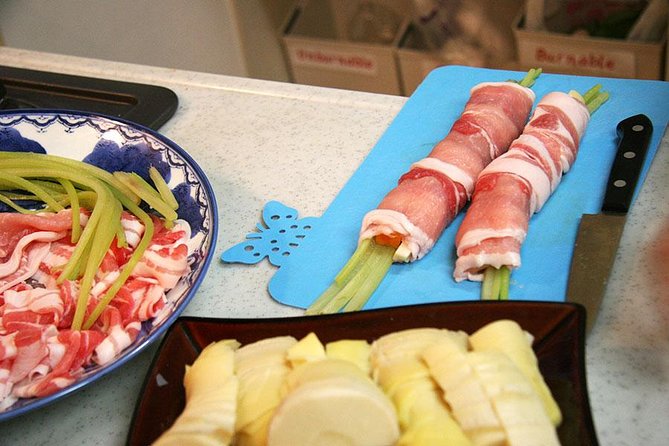
The dashi lesson may be the most useful skill to carry into your own kitchen. Dashi is a basic Japanese stock used in many soups and savory dishes, and here you learn to make it from scratch for miso soup.
That step gives the meal more depth than simply mixing miso into hot water. It also helps explain why Japanese soups can taste full and savory while remaining fairly simple. You get to see one of the building blocks behind everyday Japanese cooking.
The class does not promise a full course in regional Japanese cuisine. Its value is more focused: learn a few Nagoya favorites, understand key ingredients, and leave with recipes you can use again. The recipe handouts are especially helpful if you want to repeat the food at home rather than let the lesson fade into a holiday memory.
The meal and local alcohol
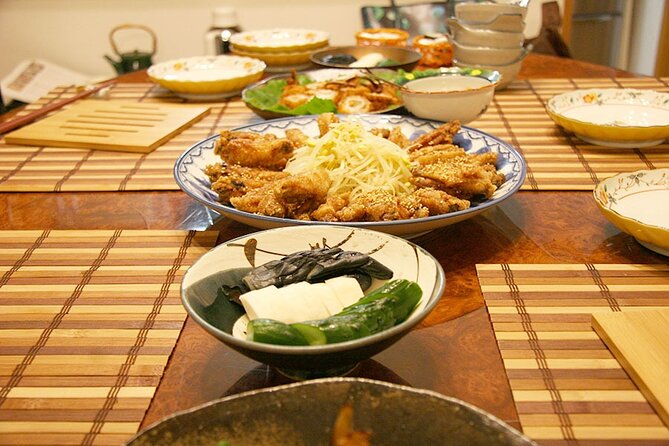
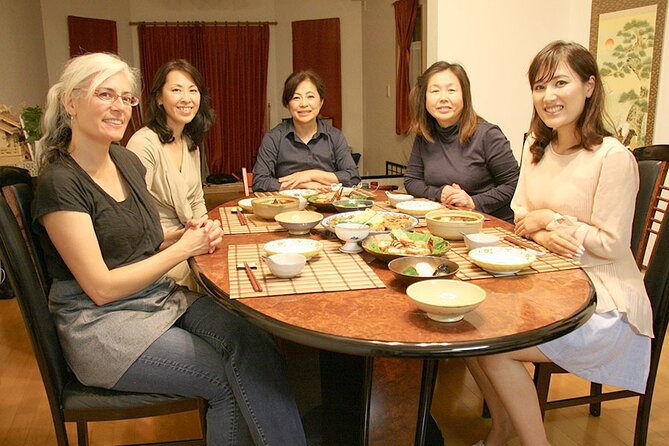
After cooking, you sit down to eat the Nagoyan-style meal you helped prepare. Local alcohol is included, giving the meal a distinctly social feel, though you should mention any preferences or restrictions when booking.
The food itself is part of the lesson. You can taste how red miso works with meat, how fried foods balance with rice, and how dashi supports miso soup. Eating immediately after cooking also lets you ask final questions while the flavors are fresh.
This is not just a meal delivery with a short demonstration attached. You take part in the preparation, then share the result with your host. That combination makes the experience better suited to people who enjoy conversation and participation than to anyone looking for a fast meal between sightseeing stops.
If you have allergies, dietary restrictions, or strong food preferences, provide the details at booking. A vegetarian option is available, but it must be requested in advance. Since the menu changes by season, early notice gives Akiko a better chance to plan a suitable meal.
What the $119 price includes
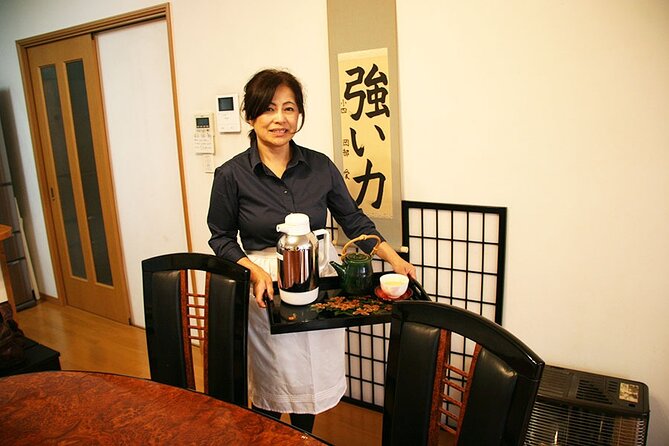
At $119 per person, this is not the cheapest way to eat in Nagoya. You could buy a good supermarket meal or restaurant lunch for much less. The price needs to be judged as a package that includes a private supermarket tour, a private cooking class, the meal, local alcohol, station pickup, and personal time with Akiko.
For a solo visitor, the cost buys a level of attention that is hard to get in a large group class. You are not paying only for ingredients. You are paying for guidance through an unfamiliar supermarket, help choosing products, instruction in several home-style dishes, and a host who spends the full visit with you.
For a group of two to six, the value becomes easier to assess because the price is charged per person but the experience remains private. Friends or family members can cook together, divide the shopping, and share the meal without being mixed with another group. Group discounts may also be available, so check the price for your party before booking.
The strongest value comes if you use the recipe copies and ingredients after the experience. If you only want to eat Nagoya food once, the price may feel high. If you want practical cooking skills, a local connection, and a better grasp of Japanese supermarket products, the cost is more reasonable.
Who will enjoy this most
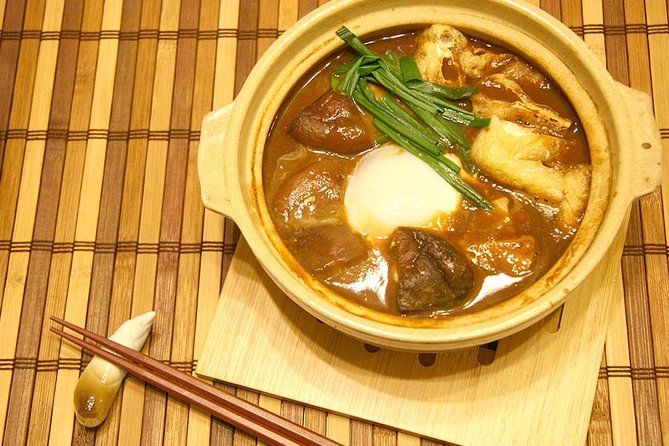
I would recommend this experience to food lovers who want more than a restaurant meal. It suits you if you enjoy asking questions, handling ingredients, and learning through a real conversation.
It is also a good fit for:
- Solo visitors who want a private cultural activity
- Couples and families who prefer a personal setting
- Small groups of up to six
- Cooks who want Japanese recipes they can repeat at home
- Visitors curious about Japanese supermarkets and pantry ingredients
- People interested in Nagoya specialties beyond the usual sightseeing route
It may be less suitable if you dislike home visits, prefer a formal cooking school, or want a fast, highly structured class. The cooking portion is only about an hour, and the wider experience depends on conversation, shopping, and sharing a meal.
The activity is private and personalized, but it is still wise to set expectations. You are visiting a local cook in her home, not entering a professional training kitchen. That is the charm, but it also means the pace and setup will feel domestic rather than staged.
Timing, booking, and small practical details
Confirmation is sent within 48 hours of booking, subject to availability. The experience is often booked about 23 days ahead, so do not leave it until the last day if it is important to your schedule.
Free cancellation is available up to 24 hours before the start time. Cancellations or changes made inside that 24-hour window are not accepted for a refund, with cut-off times based on local time.
Tell the provider about allergies, dietary restrictions, vegetarian needs, and cooking preferences when you book. Menu choices depend on the season, and advance notice is important for planning.
The experience ends at the same station meeting point. Since you will probably carry any ingredients you buy, a small reusable bag could be useful, although no special equipment is listed as required.
Should you book Akiko’s supermarket and cooking class?
Book it if you want a personal look at Japanese food from the shopping aisle to the dinner table. The combination of local supermarket guidance, hands-on cooking, dashi instruction, recipe copies, and a shared home meal gives you more substance than a standard restaurant stop.
The main reasons to hesitate are the price, the home-kitchen format, and the station-name detail that needs confirmation. You should also accept that the menu may change and that you may not prepare every listed dish.
For a solo visitor or a small group that values food, conversation, and practical skills, I think the experience earns its place in a Nagoya itinerary. Confirm the meeting station, state your dietary needs early, and come ready to cook rather than simply watch.
FAQ
Where does the experience begin?
The stated meeting point is Kasugai Station in Aichi Prefecture. Another description refers to Kachigawa Station, so confirm the exact station and meeting instructions after booking.
How long does the activity last?
The full experience lasts approximately three hours and 30 minutes. The cooking class itself lasts about one hour, followed by the shared meal.
Is transportation from my hotel included?
No. Hotel pickup and drop-off are not included. You make your own way to the station meeting point, and the activity ends there.
What happens during the supermarket tour?
Akiko takes you through a local supermarket where residents generally shop. She explains ingredients and seasonings used in Japanese cooking and can help you buy products to take home.
Is this an outdoor market visit?
No. The market portion is a tour of a local supermarket, not an outdoor market.
What dishes might I prepare?
The menu may include red miso stew, shrimp tempura in a rice ball, Nagoya-style fried chicken, and miso pork cutlet sandwiches. You also learn to make dashi stock for miso soup, and the menu may change by season.
Can vegetarian visitors take part?
Yes. A vegetarian option is available, but you need to request it when booking. You should also provide details about allergies, dietary restrictions, or cooking preferences at that time.
Is the cooking class private?
Yes. Only your group participates. The experience is available for solo visitors and groups of up to six people.
Just added around Japan
- Tokyo: Tsukiji Market Guided Tour & Sushi-Making Experience★ 4.4 · 11 reviews
- Tokyo: Private Tsukiji Street Food & Sake with Local Guide★ 5.0 · 3 reviews
- Tokyo: Tsukiji Market and Hama-rikyu Gardens Guided Tour★ 4.8 · 73 reviews
- Tokyo: Tsukiji Fish Market Culture Tour with Sashimi Tasting★ 4.6 · 54 reviews
- Tokyo: Sushi Making with Pro Chef & Tsukiji Fish Market Tour★ 4.6 · 49 reviews
- Tokyo : Tsukiji Fish Market Food Walking & Shrine Visit Tour★ 5.0 · 3 reviews
- Tokyo: Tsukiji Fish Market Foodie and Educational Tour★ 5.0 · 4 reviews
- 【Family pack】Tokyo: Tsukiji fish market food tour★ 5.0 · 3 reviews
Market Tours with Home Cooking, compared.
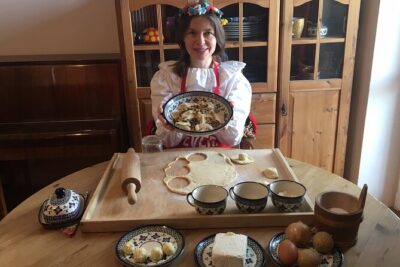
Krakow Pierogi Cooking Class with Market Visit & Home-Cooked Meal
Read our review →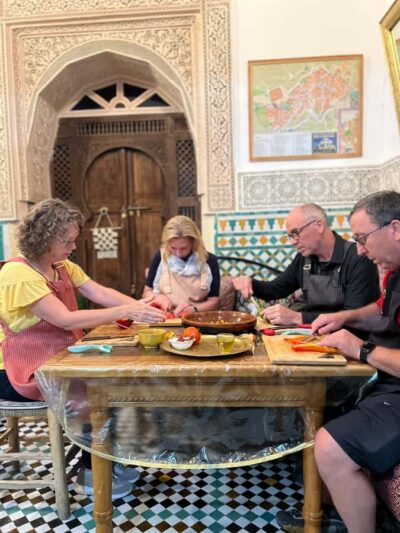
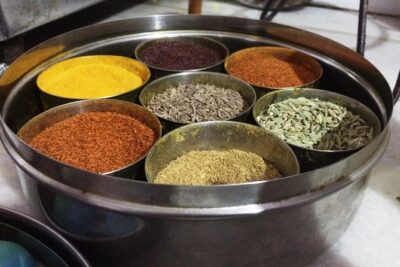
Jaipur Market Tour & Vegetarian Rajasthani Home Cooking Class
Read our review →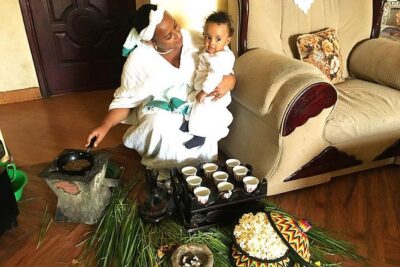
Market Tour and Cooking Class with a Coffee Ceremony at a Home in Addis Ababa
Read our review →
Budapest Market Tour & Home Cooking Class with local Chef & Guide
Read our review →
Dalat: Home Cooking Class with Central Market Tour
Read our review →
Cesarine: Market Tour & Cooking Class at Local’s Home in Bologna
Read our review →
Browse the lists this tour appears in