
Review · FOOD & DRINK
Seoul: Colonial History Tour with Prison&Palace, Market Food
Seoul’s past hits hardest at Seodaemun Prison, where the rooms and exhibits show the human cost of Japanese colonial rule and Korea’s independence movement. The tour then shifts from sorrow to beauty, taking you through Deoksugung Palace, Dilkusha, and some of the city’s best-known food streets.
I like the way the route connects political history with ordinary life. You learn about resistance, foreign support, royal modernization, and Seoul’s growth before sitting down for handmade noodles in a traditional market. I also like the guides’ personal approach: Janice is praised for her passion, while Ron is noted for answering questions about Korean culture, food, and other periods of history.
The main consideration is pace. Four hours covers several major sites, with about 80 minutes at Seodaemun Prison, an hour at Deoksugung, and a food stop at the end. Expect a moderate amount of walking, and bring comfortable shoes.
Key points to know before booking
- Seodaemun Prison sets the tone: Allow yourself time to process the difficult stories of Korean independence fighters.
- Dilkusha adds an international angle: The house tells the story of American journalist Albert W. Taylor and his support for Korea’s cause.
- Deoksugung shows old Korea meeting the modern world: Traditional palace buildings share the grounds with Western-style architecture.
- Namdaemun provides the payoff: Your final hour includes food tastings and a meal in Kalguksu Alley.
- The tour is practical and compact: Entrance fees, transport costs, an English-speaking guide, and food tastings are included.
- Plan for walking: The route can involve moderate walking, and vehicle service may change to walking depending on conditions.
Why this route explains Seoul better than a palace visit alone
Many Seoul tours stay with palaces, shopping streets, and royal costumes. This one asks a harder question: how did Korea move from foreign occupation and forced change to the modern city you see today?
That gives the day a useful shape. You begin with the independence movement, visit a house linked to overseas support, then see a royal palace that reflects Korea’s effort to modernize under pressure. After passing major civic and historic landmarks, you finish among market vendors and noodle stalls.
I like this structure because the food is not a random add-on. Namdaemun Market shows the everyday side of the same city whose political struggles you have been studying. The final bowl of noodles brings the subject back to daily life, family businesses, and familiar Korean comfort food.
The subject matter is serious. Seodaemun Prison can be emotionally difficult, especially if you prefer light sightseeing. But the tour does not leave you with tragedy alone. Deoksugung’s buildings, the city center walk, and the market meal give the experience a broader view of Korean endurance and change.
More Food and Drink Trips in Seoul:
- Seoul Street Food Market Tour
★ 5.0 · 1,226 reviews - Seoul: Night Market Food Tour with Local Guide
★ 4.9 · 943 reviews - Seoul: Guided Food & Market Tour with 8+ Tastings
★ 4.9 · 342 reviews
Meeting at Dongnimmun Station
The tour begins at Dongnimmun Station, Exit 5, near Independence Gate. Look for the guide holding a Tripper sign.
Starting here makes sense. You are not beginning in a generic hotel district or at a shopping center. The first stop is tied directly to Korea’s struggle for independence, so the route has purpose from the moment you meet the guide.
The activity lasts four hours and ends back at the meeting point. Starting times vary, so check availability before choosing your date. The tour is conducted in English, and information about the day is sent through WhatsApp one or two days before departure. Make sure your contact number can receive WhatsApp messages.
Transportation costs are included, but the vehicle route may change to a walking route because of on-site conditions. That means you should treat the day as a walking tour with transport support, not as a fully seated sightseeing ride.
Seodaemun Prison: the tour’s most serious hour
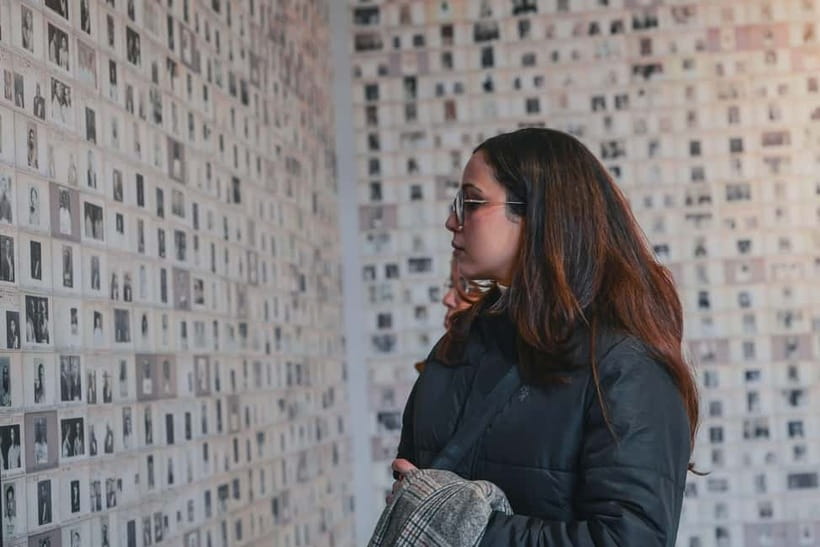
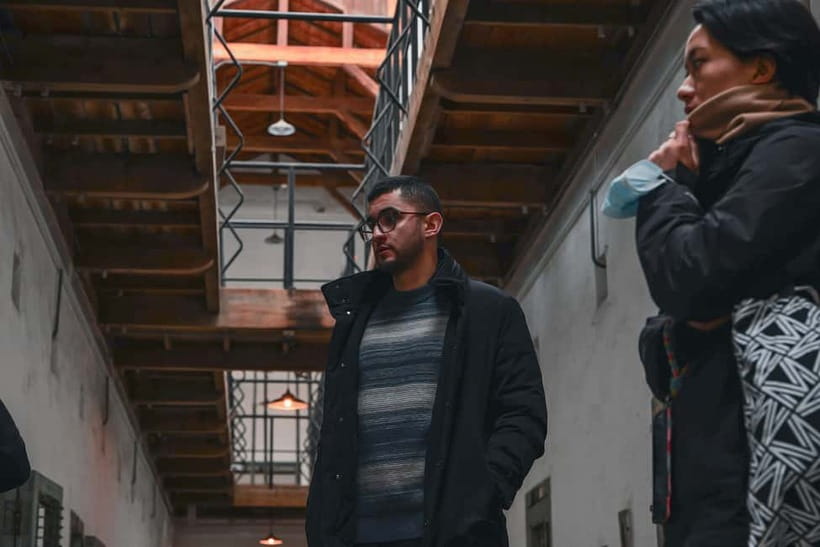
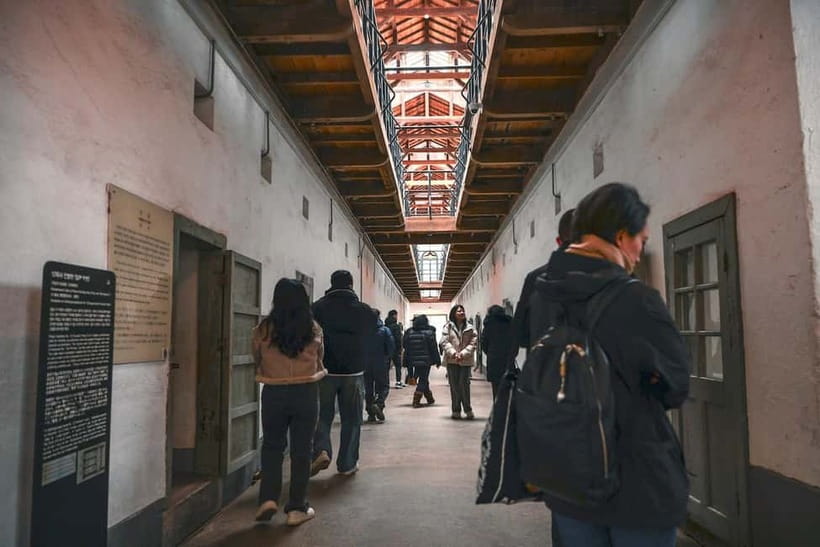
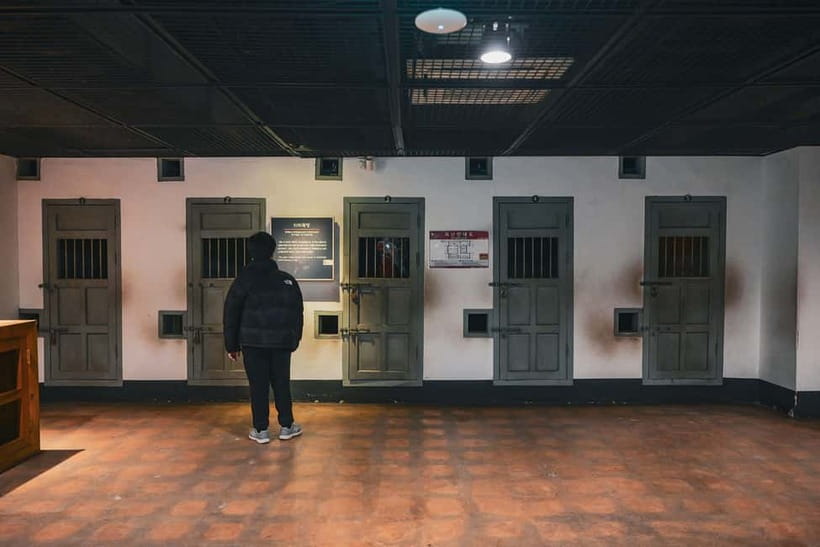
You spend about 80 minutes at Seodaemun Prison History Hall, the longest stop of the day. This former prison was used during Japanese colonial rule, and the exhibits focus on the independence fighters who were imprisoned and mistreated there.
This is not a quick photo stop. The length of the visit gives the guide room to explain what you are seeing and why it matters. You can expect a somber setting, prison-related displays, and stories of people who endured hardship for Korea’s freedom.
For me, this is the tour’s anchor. Without it, the later palace and city-center stops could feel like a collection of unrelated sights. Here, you get the political and human background first.
The prison also gives you a different view of Seoul. The city outside is busy, modern, and fast-moving. Inside, the focus is on confinement, resistance, and the price paid by people who opposed colonial rule. That contrast can make the visit more affecting.
Give yourself permission to slow down here. You do not need to rush through every display or treat the site like a standard attraction. If you are traveling with children or anyone sensitive to difficult historical subjects, explain in advance that this is a serious museum visit.
Dilkusha and Albert W. Taylor’s international connection
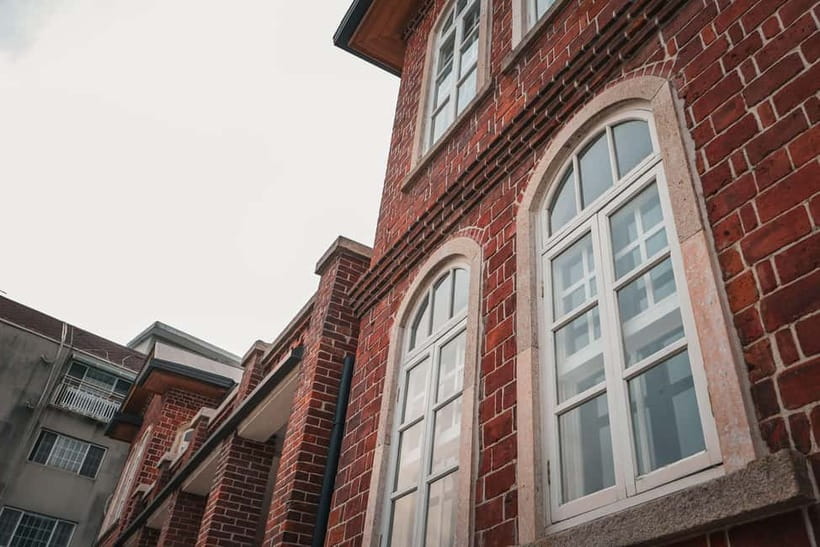
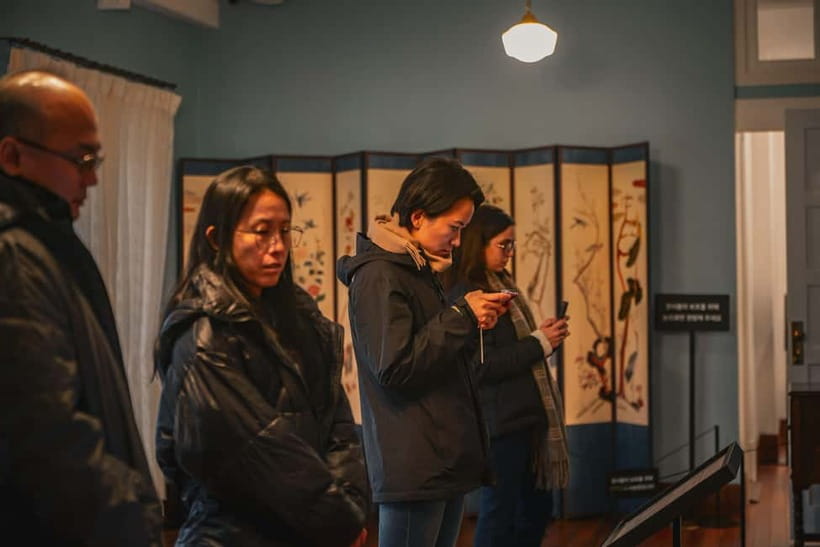
The next stop is Dilkusha, also known as the Albert W. Taylor House. The guided visit lasts about 15 minutes, so this is a compact stop rather than a long museum session.
The house belonged to Albert Taylor, an American journalist who supported Korea’s independence cause. His story shows how news of Korea’s struggle reached the outside world and how foreign individuals could help connect Korea with international attention.
This short visit works best as a link between the prison and the palace. Seodaemun shows the direct pressure of colonial rule. Dilkusha adds the international dimension, reminding you that Korea’s fight was not sealed off from the wider world.
Do not expect a long independent visit here. The time is limited, and the guide’s explanation is important. Listen closely, because the historical value comes from the context rather than the amount of time spent inside the house.
More History Tours in Seoul:
- Private Excursion to Floating Market and Ayutthaya World Heritage
★ 5.0 · 515 reviews - Palermo: Walking Tour of Historic Markets and Monuments
★ 4.9 · 478 reviews - Discover Palermo in 3 hours. Art, history, markets and street food
★ 5.0 · 352 reviews - Private Heritage Walking Tour in Jaisalmer Fort and Old Bazaar
★ 5.0 · 306 reviews
Deoksugung Palace and Korea’s changing architecture
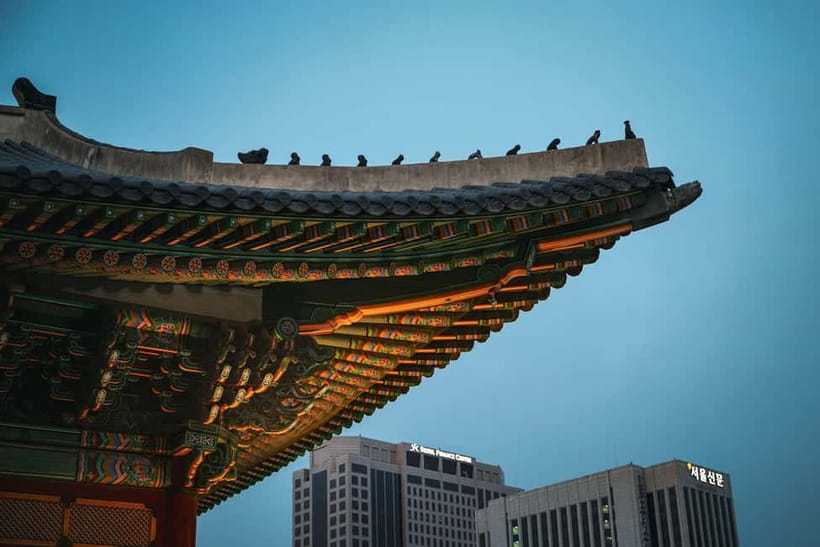
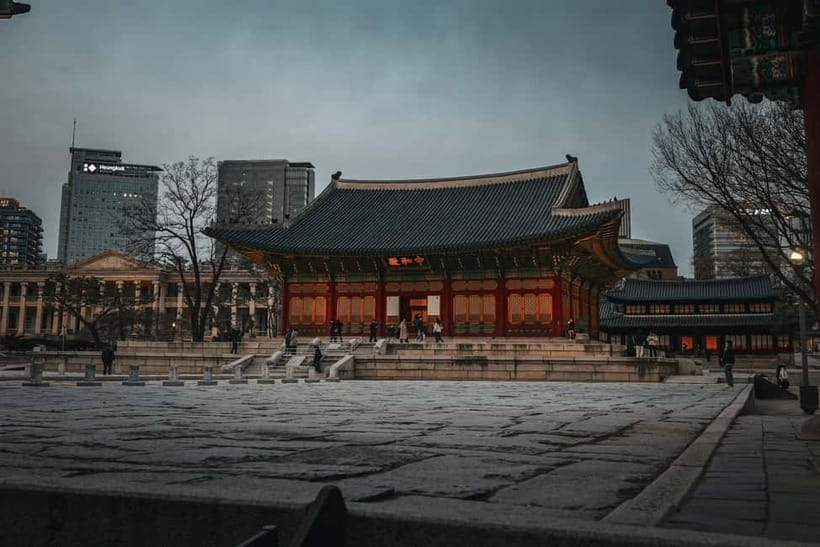
Deoksugung receives about an hour of guided exploration. The palace is known for its mixture of traditional Korean and Western architectural styles, making it one of the most useful places in Seoul for understanding modernization.
Rather than presenting the palace as a frozen royal setting, the tour uses it to discuss political turbulence and Korea’s attempt to adapt to a changing world. Traditional buildings share the grounds with Western-influenced structures, creating a visual record of a country facing new pressure from abroad.
I especially like this stop after Dilkusha. You have just heard about international reporting and foreign support. At Deoksugung, you see how contact with the outside world affected Korea’s royal and political setting.
An hour is enough for a guided overview, but it will not cover every corner of the palace grounds. If you want a slow architectural study or plenty of time for photographs, you may find the pace brisk. The benefit is that the guide keeps the visit tied to the larger story instead of leaving you to look at buildings without context.
The contrast with Seodaemun is also important. The prison shows the harsh side of power and resistance. Deoksugung shows a more formal setting where Korea tried to manage modernization and foreign influence. Together, the stops make the day feel connected.
Seoul City Hall and Sungnyemun Gate
The route also passes Seoul City Hall and visits Sungnyemun Gate, commonly called Namdaemun Gate. Each of these shorter stops lasts about 10 minutes.
City Hall represents the modern civic center and Korea’s transformation from colonial rule to a democratic state. It is a brief stop, so do not expect a long museum visit or a detailed tour of the building. Its value comes from the guide’s explanation and its place along the route.
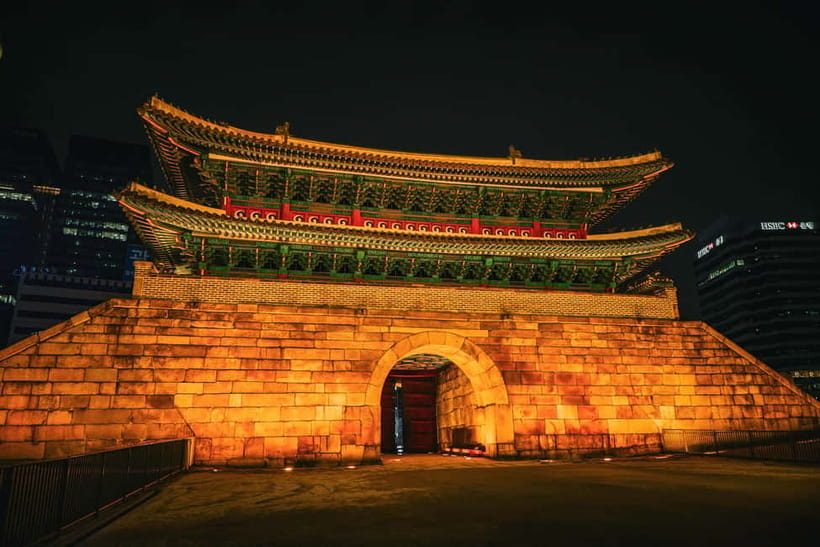
Sungnyemun Gate provides a much older reference point. This 600-year-old national treasure served as the southern entrance to Seoul during the Joseon Dynasty. After spending the morning with modern political history and colonial-era sites, the gate reminds you that the city’s story began centuries earlier.
The short timing means you will likely view the gate from the outside and hear its historical importance rather than spend a long period exploring. That is fine for a four-hour tour. These stops work as visual markers between the palace and market, giving you a sense of how Seoul’s old boundaries and modern institutions overlap.
Namdaemun Market and the final bowl of noodles
The last hour belongs to Namdaemun Market, described as Korea’s largest and oldest traditional market. Vendors have traded here for more than 600 years, and the market remains one of the best places on this route to see food culture in action.
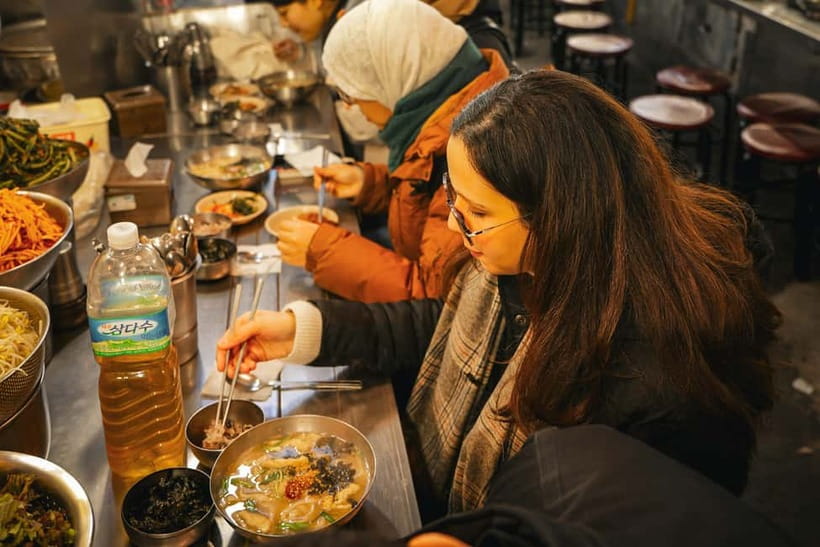
The food portion includes tastings and a meal in Kalguksu Alley. Kalguksu means handmade knife-cut noodles, usually served in a warm broth. After several hours of historical sites, this is exactly the kind of food that feels right: hot, filling, and uncomplicated.
You can also expect Korean street foods such as hotteok and gimbap. Hotteok is a sweet filled pancake, while gimbap consists of rice and fillings rolled in seaweed. The exact tastings may depend on the market visit, but these foods give you a useful introduction to familiar Korean flavors without requiring you to choose a stall on your own.
The market is not a polished food hall. Small stalls and close seating are part of the experience. You should be ready for a lively, crowded setting and a quick, local-style meal. That may be less comfortable than a restaurant, but it is also the point. You get a direct look at how people eat and shop in one of Seoul’s long-running markets.
The food stop is one of the tour’s strongest features because it turns the day from a history lesson into a cultural experience. You are not merely hearing about Korea’s past. You are ending with food that remains part of ordinary life.
What the $58 price includes
At $58 per person, the tour is not the cheapest way to see these sites independently. You are paying for a fixed route, an English-speaking guide, admission fees, transportation costs, and food tastings.
The value depends on how much context you want. If you are comfortable navigating Seoul’s subway system, reading historical displays, and choosing market food on your own, you could visit some of these locations separately for less. You would also have more control over how long you stay.
The tour earns its price through the connections between sites. Seodaemun Prison, Dilkusha, Deoksugung, City Hall, Sungnyemun, and Namdaemun are more meaningful when someone explains how they fit into Korea’s political and cultural changes.
The included food tastings also help. You do not need to budget separately for the featured market food, although extra purchases or fees are not included. For a compact four-hour introduction, the package is fair value, especially for a first visit to Seoul or for anyone who wants modern Korean history explained in plain English.
The guides and the style of the day
The tour uses certified English-speaking guides. Janice is praised for bringing passion and fascinating stories to the route. Ron is described as friendly and willing to answer questions about Korean culture, food, and other periods of history.
Guide quality matters here. The sites are not all self-explanatory, and the short visits at Dilkusha, City Hall, and Sungnyemun need clear explanations. A good guide can also help you understand why the market food belongs in the same experience as the historical sites.
You should feel free to ask questions. The route covers colonial history, independence movements, palace architecture, modern government, traditional gates, and Korean food. That gives you plenty of openings to ask about subjects beyond the exact stop in front of you.
The tone is likely to shift during the day. Seodaemun is quiet and difficult. Deoksugung is more architectural and reflective. Namdaemun is social and food-focused. The guide needs to handle those changes without making the serious parts feel rushed or the food stop feel disconnected.
Walking, access, and who should choose it
You should have a reasonable level of fitness. The tour includes a moderate amount of walking, several historic sites, and possible changes from vehicle transport to walking. Comfortable shoes are essential.
The experience is not suitable for wheelchair users, according to the activity information. It is also listed as unsuitable for people with altitude sickness, though the tour takes place in Seoul and no high-altitude section is described. If either issue affects you, confirm suitability before booking.
This tour fits you best if you:
- Want Korean colonial and modern history explained in English
- Prefer a guide to connect several sites into one story
- Enjoy traditional markets and simple local food
- Can manage moderate walking and a four-hour schedule
- Are comfortable with a serious visit to a former prison
- Want more than a standard palace photo stop
It may not suit you if you want a relaxed palace morning, a long meal, or a tour focused only on food. The food is important, but it comes after several historical stops. The route also leaves limited time for lingering at each location.
You can cancel up to 24 hours in advance for a full refund, and reserve now while paying later. Those options are useful if your Seoul schedule is still changing.
Should you book this Seoul history and food tour?
Book it if you want a clear introduction to Korea’s colonial past, independence movement, and modern identity, with a good meal at the end. The strongest parts are the 80-minute visit to Seodaemun Prison, the link to Albert W. Taylor at Dilkusha, and the way Deoksugung explains Korea’s architectural and political changes.
The tour is especially useful early in your Seoul visit. The historical context can help you understand other palaces, monuments, museums, and neighborhoods later in your trip.
Skip it if you prefer cheerful sightseeing, dislike difficult historical subjects, or want to explore Namdaemun Market at your own pace. For everyone else, $58 is a reasonable price for the guide, admissions, transport, and included food, provided you are ready to walk and give the serious parts your full attention.
FAQ
Where does the tour begin?
The tour begins at Dongnimmun, or Independence Gate, Station, Exit 5. Meet the guide holding a Tripper sign.
Where does the tour end?
The activity ends back at the starting meeting point.
How long does the tour last?
The tour lasts four hours. Starting times vary, so check availability when booking.
What language is the tour conducted in?
The tour is conducted in English with a live English-speaking guide.
What food is included?
Food tastings at Namdaemun Market are included. The experience features handmade knife-cut noodles in Kalguksu Alley and street foods such as hotteok and gimbap.
Are entrance fees included?
Yes. All entrance fees and transportation costs are included.
How much walking is involved?
The tour involves a moderate amount of walking. Comfortable shoes are recommended, and the vehicle route may change to walking depending on on-site conditions.
Can I cancel the booking?
You can cancel up to 24 hours in advance for a full refund. You can also reserve now and pay later.
Just added around Seoul
- Seoul: The Biggest Sea-food Noryangjin Market Tour★ 4.3 · 30 reviews
- Seoul: Namdaemun Market Food Tour★ 4.9 · 34 reviews
- Seoul: Sokcho beach, market, hot spring and Seorak Cable Car★ 4.8 · 5 reviews
- Seoul Gwangjang Market Foody Walking Tour★ 4.1 · 7 reviews
- Seoul: Gyeongbokgung Palace Tour & Lunch at Authentic Market★ 4.5 · 2 reviews
- Seoul: Gwangjang Market Vegan & Vegetarian Food Tour★ 5.0 · 16 reviews
- Seoul: Bukchon Village, Gyeongbokgung, Gwangjang Market★ 4.9 · 11 reviews
- Seoul Evening Tour:Gwangjang Market&Naksan Park&Eungbongsan★ 5.0 · 2 reviews
Food & Drink, compared.
Old Town, Creek, Museums, Souks, & Street Food Tour
Read our review →
Old Town, Souks, Street Food, Guided Tour & Abra Ride
Read our review →
Bangkok by Night: Temples, Markets and Food Tuk-Tuk Tour
Read our review →
Tokyo Tsukiji Fish Market Food and Culture Walking Tour
Read our review →
Markets, Temples and Food Night Tour by Tuk Tuk
Read our review →
Old Town, Souks, Street Food, Guided Tour & Abra Ride
Read our review →Browse the lists this tour appears in