
Review · MARKET AND COOKING CLASS TOURS
Local Market Tour and Traditional Meal Cooking Class
Nairobi comes into focus through food on this three-hour experience. You begin at Westlands Square, enter a local African market, shop for fresh ingredients, then head to a nearby apartment to cook and eat with your host. It is a direct way to see ordinary city life without spending the day in a formal sightseeing vehicle.
I like two things here: the market shopping is part of the lesson, and the meal is prepared in a real home rather than a restaurant kitchen. I also like the small group limit of six, which gives you a better chance to ask questions. The main consideration is the fourth-floor apartment with no lift, plus the fact that hotel transfers are not included.
Key points to know before booking

- The market visit comes first: You shop for fresh local ingredients with your guide instead of simply watching a food demonstration.
- The cooking takes place at a private apartment: You get a home-based meal and practical kitchen time, not a staged restaurant class.
- A matatu ride is available: The public transport portion is optional and gives you a closer look at how people move around Nairobi.
- Groups are capped at six people: This suits anyone who prefers a personal experience and time for conversation.
- Meals can suit different diets: Vegetarian, vegan, pescatarian, and meat-based requests are accepted, but you should discuss specific needs before the day.
- The stairs matter: The apartment is on the fourth floor, and there is no lift, so check this carefully if you have mobility concerns.
Start at Westlands Square with a local introduction
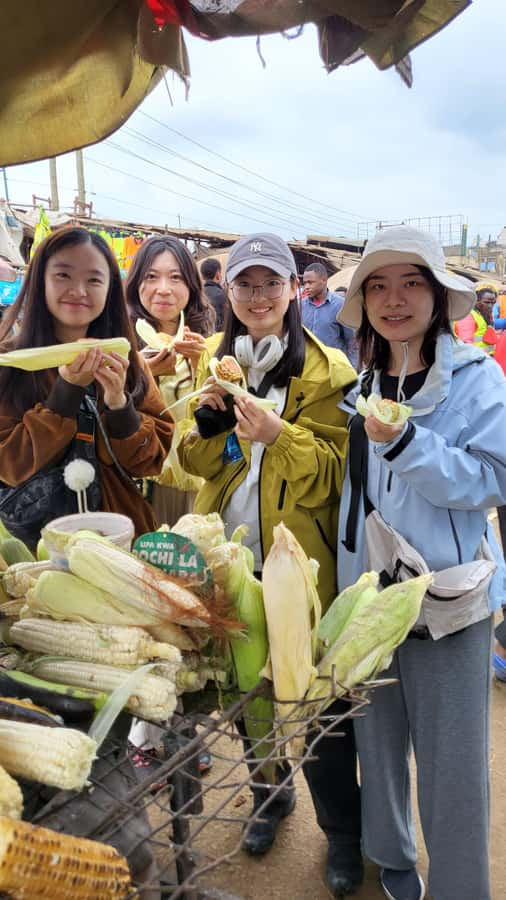
The meeting point is at Westlands Square, by the entrance to the Java café. The experience begins at either 11:30 a.m. or 5 p.m., depending on the option you choose.
This is a practical meeting place in a familiar part of Nairobi, but you are responsible for reaching it yourself. Hotel pickup and drop-off are not included, so allow time to get across the city and account for traffic. The stated activity lasts three hours, though the market, transport, and apartment visit may not run to the minute.
Your guide speaks English and Swahili. The host is named Gladys in one recent booking and Ninoh in another, so the person leading your session may vary. That is worth confirming when you book if meeting a particular host matters to you.
The first contact is important. This is not a large bus tour where you can stay quiet at the back. You will be spending time with one local host, shopping together, cooking together, and sharing a meal. If you enjoy asking about ingredients, daily routines, and Nairobi food customs, you should get more from this format than from a standard city tour.
More Farmers Market Tours in Kenya:
- Traditional Kenyan Cooking Class & Local Market Tour
★ 5.0 · 129 reviews - Nairobi Traditional Cooking Classes and Local Market Visit
★ 5.0 · 2 reviews - Hanoi Cooking Class: Culture, Local Market & Meaning CSR Impact
★ 5.0 · 5,147 reviews
Walk through a working Kenyan food market
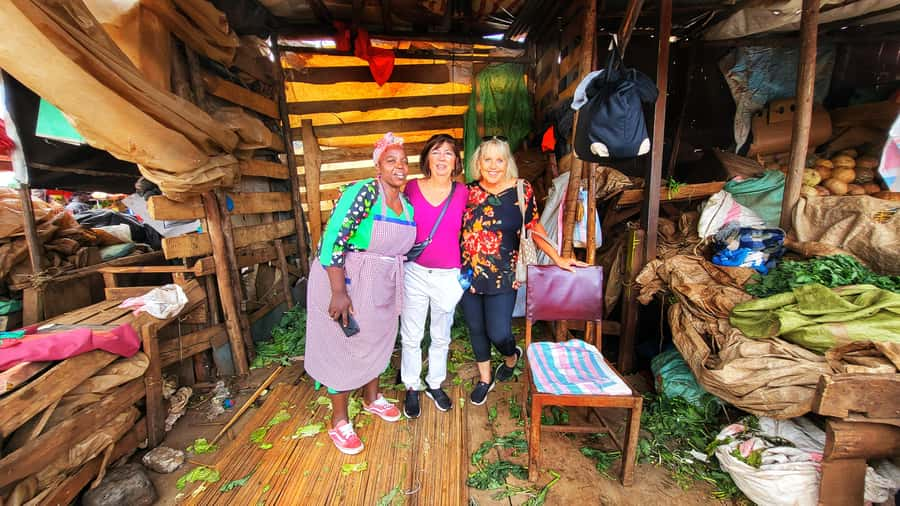
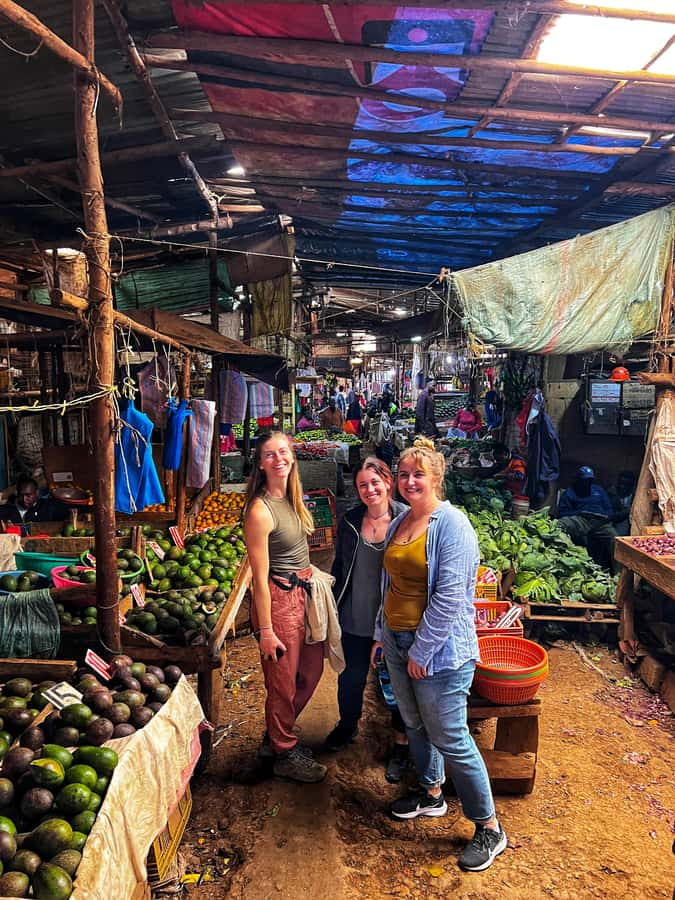
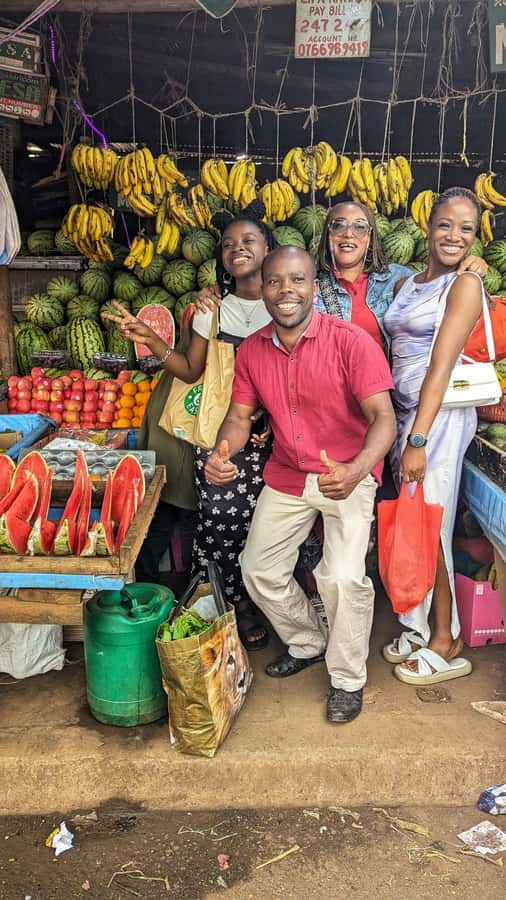
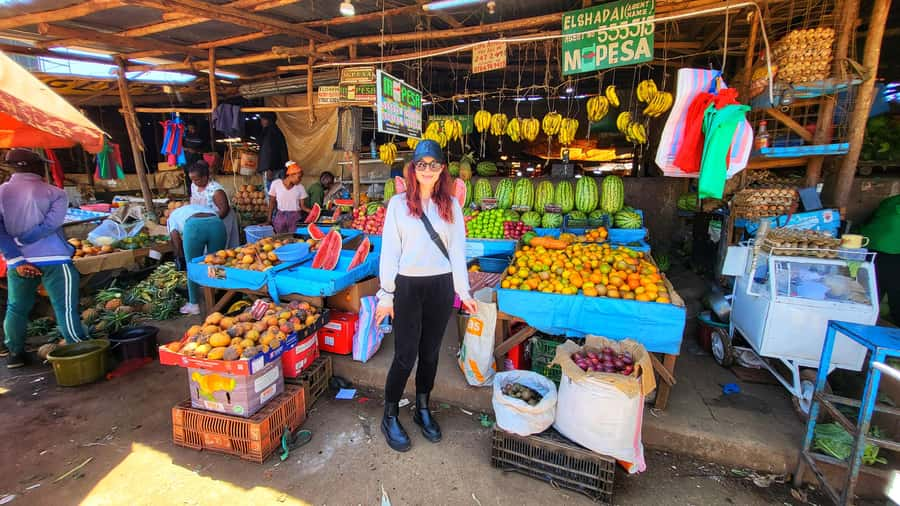
The market is the heart of the first half. You enter with your host and shop for the ingredients used in the cooking session. That simple task changes the feel of the visit. Instead of looking at stalls only as a sightseeing stop, you have a reason to notice what is being sold, how food is selected, and how a meal begins before anyone reaches the kitchen.
The activity description calls this a true African farmers market and promises fresh, organic local ingredients. Exact market stalls and dishes are not specified, so you should not book expecting a fixed menu or a named market attraction. The strength is the process: walk, look, ask questions, and buy what you will later prepare.
This is also the point where moving like a local becomes more than a slogan. You are not being shown Nairobi from behind a window. You are walking through a food market and making choices with someone who knows the setting. That gives the meal more context and makes the cooking feel connected to daily life.
Market conditions can be active and crowded, and you may be on your feet for much of the visit. Wear flat, closed shoes or sports shoes. An umbrella or raincoat is useful during the rainy season, and a light jacket can help if the weather changes.
The optional matatu ride adds city context
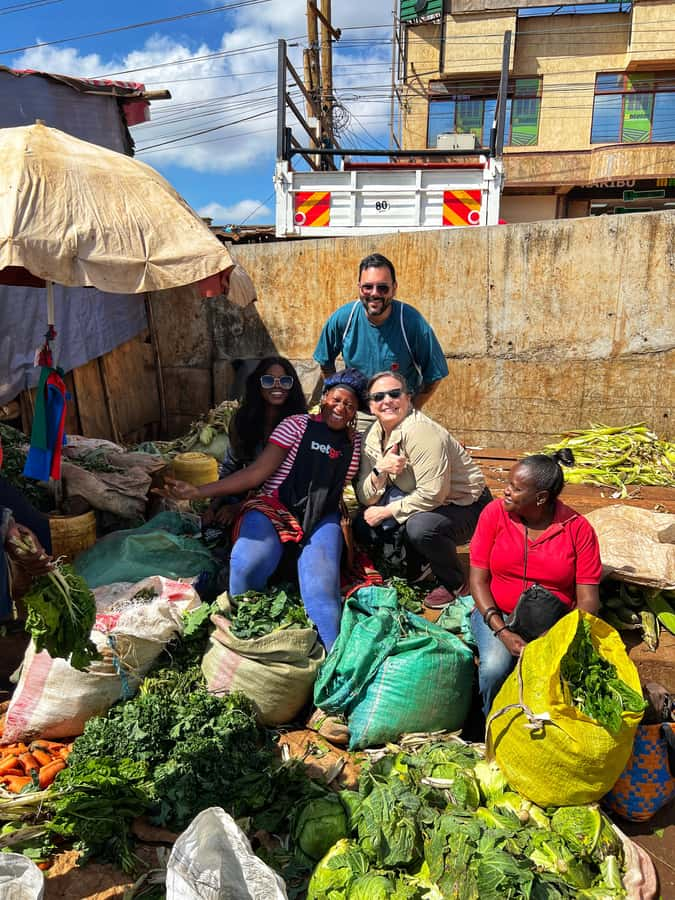
A ride on a matatu, Nairobi’s public transport, is offered as an optional part of the experience. The supplied plan describes a short trip from the market toward the host’s home, with the apartment about ten minutes away from the market depending on traffic.
You should ask the host before the start if you want to include the matatu ride. Since it is optional, the exact transport arrangement may depend on the group and the day. It is a good choice if you want a more everyday view of Nairobi and are comfortable using public transport.
The trade-off is comfort and predictability. A taxi would be simpler, but a matatu gives you a more ordinary slice of city life. The activity is designed around local routines, so this part fits the theme well. It also means you should leave room for traffic and avoid planning another fixed appointment immediately afterward.
Cook a Kenyan meal in the host’s home
After the market, you go to the host’s apartment. The stated travel time is about ten minutes from the market, though traffic can affect it. On arrival, you receive a refreshment and begin the cooking session.
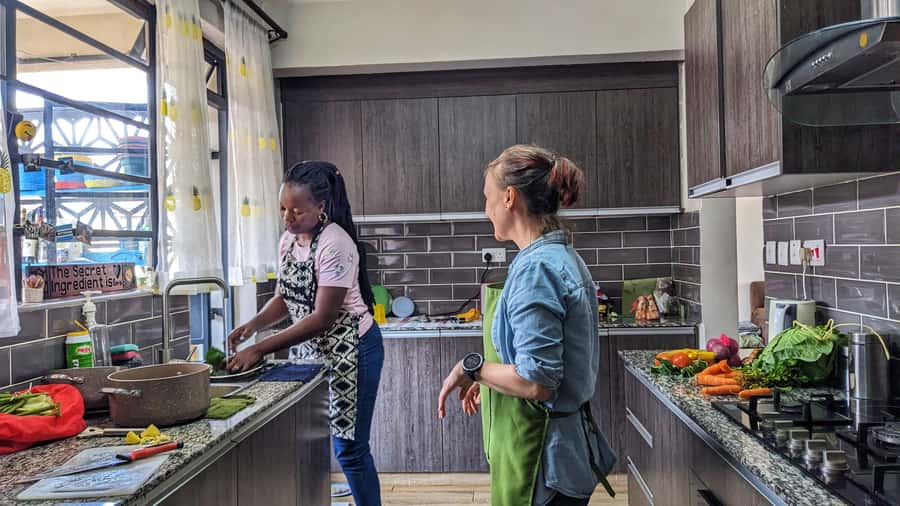
The cooking is hands-on. You are expected to help prepare the meal, not just sit and watch someone else work. The host describes the food as Kenyan traditional and national dishes, made from fresh local ingredients. The exact menu is not given, which gives the session some flexibility but means you should request a particular dish in advance if you have one in mind.
This is where the activity earns much of its $64 price. You are paying for more than a plate of food. The fee covers a market visit, guidance, transport as an optional local experience, instruction, ingredients, and a shared meal. For a three-hour private-home activity in a small group, that is a reasonable package if you value personal contact and food culture.
It is less compelling if your main goal is a long cooking school with a printed recipe book, professional kitchen equipment, or a multi-course menu. None of those features are promised. The appeal is the personal setting and the chance to get your hands involved.
The class can accommodate meat eaters, vegetarians, vegans, and pescatarians. Contact the host before booking with specific requests, especially if you need strict preparation rules. People with animal allergies are advised not to take the activity, so this is not the right choice if that warning applies to you.
More Market and Cooking Class Tours in Kenya:
- Authentic Kenyan Cooking Class & Market Tour in Nairobi
★ 5.0 · 12 reviews - Market Tour and Traditional Kenyan Cooking Class in Nairobi
★ 4.8 · 6 reviews - 5 Traditional Dishes Hanoi Cooking Class with Market Trip
★ 5.0 · 4,890 reviews - Cooking Class and Lunch at a Tuscan Farmhouse with Local Market Tour from Florence
★ 5.0 · 4,831 reviews
Eat together and talk about everyday food
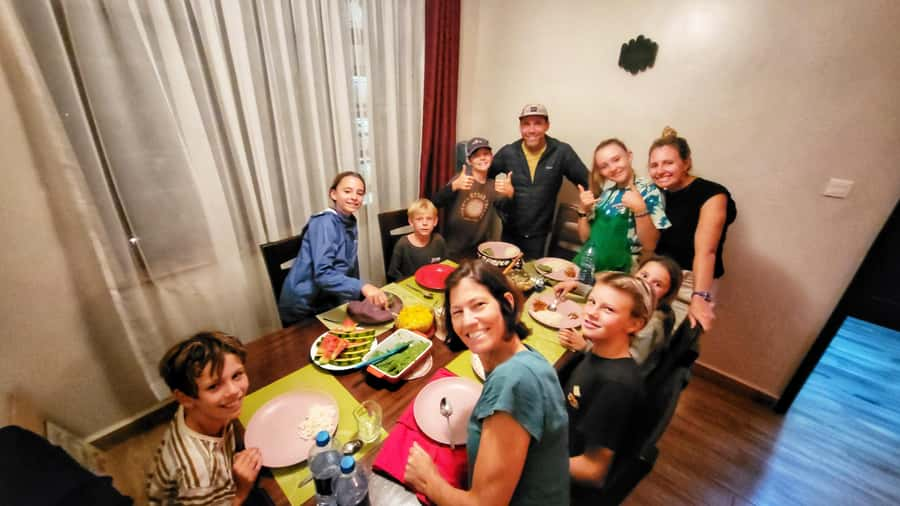
Once the cooking is finished, you sit down to sample the meal. The experience places equal weight on conversation and food. You can ask about how the ingredients are used at home, which meals are common, and how local food fits into ordinary Nairobi life.
That personal exchange is the reason to choose this over a restaurant meal. A restaurant can introduce you to Kenyan flavors, but it cannot offer the same look at how ingredients are bought and prepared in a home setting. The activity also leaves room to relax after eating, which keeps the ending from feeling rushed.
The apartment has WiFi and a clean washroom. It is on the fourth floor, however, and the building has stairs only. The description also says the activity is wheelchair accessible, but that conflicts with the clear warning about four flights of stairs. If you use a wheelchair or have trouble with stairs, ask the provider to explain exactly how access will work before paying.
Dress modestly. Trousers or a long skirt are preferred, and crop tops and shorts are not allowed. Comfortable clothing is sensible because you will walk, shop, cook, and possibly use public transport. You should expect to handle ingredients, so this is not the time for delicate clothing or uncomfortable shoes.
Timing, group size, and the end of the day
The experience is offered at 11:30 a.m. and 5 p.m. The daytime start works well if you want a meal during the afternoon and still have evening plans. The later start gives you a different rhythm, with the market and cooking class leading into the evening.
The group limit is six people. That is small enough for direct conversation and practical help in the kitchen, though the apartment may feel close if the group is full. Couples, solo visitors, and small groups who like meeting local people should find the format comfortable.
The ending point is connected with Waiyaki Real Gardens on Waiyaki Way, while the activity description says you may relax at the apartment and arrange a taxi or Uber back to your hotel at your own cost. Because those details are not perfectly aligned, confirm the final departure arrangement with the host. The host can help request an Uber, but you pay for the ride.
Do not treat the three-hour duration as a precise promise for every part of the day. Nairobi traffic, market time, cooking pace, and conversation can all affect the finish. The experience is better suited to an open schedule than to a tightly timed airport transfer or dinner reservation.
What the $64 price gives you
At $64 per person, this is not the cheapest way to eat in Nairobi. You could spend less on a restaurant meal or visit a market independently. The value comes from joining several elements into one guided session.
You receive:
- A local market walk and ingredient shopping
- A guide who speaks English or Swahili
- An optional matatu ride
- Fresh cooking ingredients
- Hands-on instruction in a Kenyan home
- A prepared traditional meal
- Time to talk with a local host
- A small group of no more than six people
That combination makes the price fair for people who want contact, context, and participation. I would not choose it solely for quantity of food or for a formal cooking certificate. I would choose it because the market and meal belong together, and because the home setting gives the experience a personal center.
The recent feedback points to the same strengths. Uwe specifically praised Gladys for her professionalism, security, meal preparation, cooking, and presentation. Another booking highlighted the personal feel of taking a bus to the market, shopping, then cooking at home. Peta described Ninoh’s market walk as a meaningful connection with the local community and praised the hands-on cooking. Those details suggest that the host’s care and the personal format are central to the experience.
Who should book this Nairobi food experience?
I would recommend it to you if you:
- Want to meet a local person rather than follow a large sightseeing group
- Enjoy cooking and do not mind getting your hands dirty
- Want to see where food is bought before learning how it is prepared
- Are curious about Nairobi’s ordinary routines
- Need vegetarian, vegan, pescatarian, or meat-based meal flexibility
- Prefer a small group limited to six people
- Have enough time for traffic and an informal meal
You may want to skip it if you dislike markets, public transport, home visits, or shared cooking. It is also a poor fit if stairs are a serious problem, if you have animal allergies, or if you need a guaranteed fixed menu and precise end time.
Free cancellation is available up to 24 hours before the start, and you can reserve now and pay later. Those terms help if your Nairobi plans are still shifting, but they do not remove the need to confirm dietary needs, mobility, and the final return arrangement.
Should you book it?
Book this if you want a personal food day built around ordinary Nairobi life. The best parts are the market shopping, the optional matatu ride, and the chance to cook and eat in a local home. The small group keeps the experience social without making it feel like a crowd.
Skip it if you want a polished culinary studio, a named menu, or hotel-to-hotel convenience. For everyone else, $64 is a sensible price for three hours of food, conversation, and local contact, especially if you arrive with curiosity and a flexible schedule.
FAQ
Where does the experience begin?
It begins at Westlands Square, at the entrance to the Java café. The guide will meet you there.
What start times are available?
The experience starts at either 11:30 a.m. or 5 p.m. You should check availability for the date you want.
How long does the activity last?
The stated duration is three hours. Traffic and the pace of the market and cooking session may affect the exact finishing time.
Is hotel pickup included?
No. Hotel pickup and drop-off are not included. At the end, the host can help request an Uber, but you pay for the ride.
What languages does the guide speak?
The guide speaks English and Swahili.
Can I request a vegetarian or vegan meal?
Yes. The meal can suit vegetarian, vegan, pescatarian, and meat-based diets. Contact the host in advance with specific meal requests.
Is the apartment accessible by lift?
No. The apartment is on the fourth floor, and the building has stairs only. If you have mobility concerns, confirm access with the provider before booking.
Just added around Kenya
- Nairobi: Maasai Market and Nairobi City Tour★ 5.0 · 4 reviews
- Nairobi Traditional Cooking Classes and Local Market Visit★ 5.0 · 2 reviews
- Nairobi: Hop on Hop off and Maasai market Collections Visit★ 3.5 · 10 reviews
- Nairobi: Explore Maasai Market for Unique Souvenirs★ 5.0 · 5 reviews
- Market Tour and Traditional Kenyan Cooking Class in Nairobi★ 4.8 · 6 reviews
- Maasai Market Souvenir Shopping★ 5.0 · 2 reviews
- Diani: Market and Street Food Walking Tour★ 4.2 · 6 reviews
- Authentic Kenyan Cooking Class & Market Tour in Nairobi★ 5.0 · 12 reviews
Market and Cooking Class Tours, compared.

Hanoi Cooking Class: Culture, Local Market & Meaning CSR Impact
Read our review →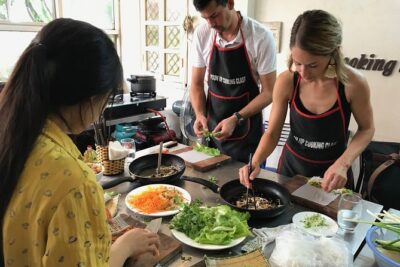
5 Traditional Dishes Hanoi Cooking Class with Market Trip
Read our review →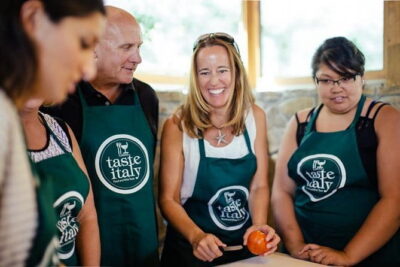
Cooking Class and Lunch at a Tuscan Farmhouse with Local Market Tour from Florence
Read our review →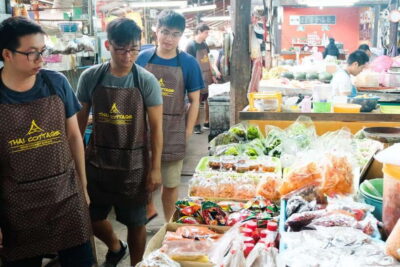
Cooking Class, Market & Thai Herbs Garden Tour
Read our review →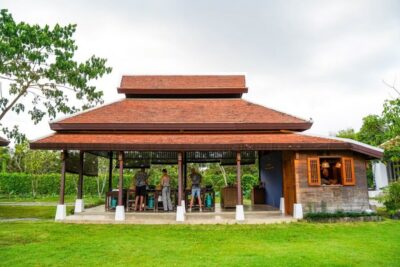
Authentic Cooking Class with Market & Farm Visit
Read our review →
Paella Cooking Experience & Boqueria Market Tour
Read our review →
Cooking Class Hoi An:Local Market, Basket Boat, Fishing & Cooking
Read our review →
Hoi An Cooking Class(Market,BasketBoat Crabfishing&Cooking Class)
Read our review →Browse the lists this tour appears in