
Review · MARKET DAY TRIPS
Golden Pavilion, Nijo Castle, & Nishiki Market Half day tour
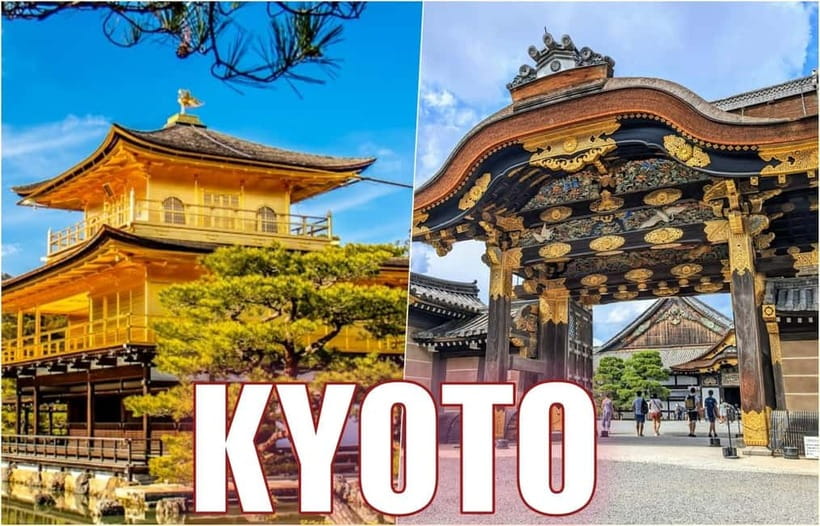
Kyoto’s story comes into focus on this four-hour private tour: glittering Kinkaku-ji, the shogun’s Nijo Castle, and Nishiki Market, Kyoto’s food corridor. Guide Roberto uses an iPad with his own images and explanations, which helps connect people, places, and dates without turning the morning into a lecture.
I like two things here. First, Roberto is a Kyoto City Certified Tourist Guide who can explain the samurai and shogun power struggle in plain terms. Second, the tour ends at Nishiki Market, so you can use his orientation to choose your own lunch instead of being led to one fixed restaurant.
The catch is pace. You pay $90 per person, then add 1,800 yen for the two admission tickets and your local transportation. With three major stops and public transit in only four hours, you need comfortable shoes, a prompt start, and reasonable walking ability.
At a glance: what makes this morning useful
- Kinkaku-ji first: See Kyoto’s famous gold-leaf pavilion reflected in its pond before the day gets too far along.
- Nijo Castle with context: Learn how the shogun controlled feudal lords, and hear why the castle floors squeak like nightingales.
- A private group: Ask questions freely and adjust the explanations to your interests.
- iPad teaching aids: Roberto uses images he created to make architecture and history easier to follow.
- Nishiki Market finish: End with practical food advice and time to select lunch for yourself.
- English or Spanish: The tour is offered in both languages, with a meeting point that is easy to identify inside Kyoto Station.
Why these three Kyoto sights work together
This is not simply a greatest-hits outing. Each stop shows a different side of Kyoto.
Kinkaku-ji presents the polished, ceremonial side of power. Nijo Castle shows how that power worked behind guarded doors. Nishiki Market brings you back to daily life, with food, kitchen tools, seafood, and local shopping.
That sequence gives you useful background for the rest of your Kyoto stay. You will hear about Ashikaga Yoshimitsu, the Edo Period, samurai authority, and the end of the samurai era before you continue exploring temples, castles, and old neighborhoods on your own.
The private format matters here. A large group can make historical sites feel like a march from plaque to plaque. With Roberto, you can ask why a building looks the way it does, request more information about samurai politics, or keep moving when a site is crowded.
More Market Day Trips in Kyoto:
- From Bangkok: Ayutthaya & Ayothaya Floating Market Day Trip
★ 4.7 · 6,084 reviews - Bangkok: Damnoen Saduak, Train Market & Mahanakhon Day Trip
★ 4.7 · 2,162 reviews - Day Trip to Bangkok Floating Market & Maeklong Railway
★ 5.0 · 1,528 reviews
Meeting Roberto at Kyoto Station at 8:30
The meeting point is in front of the 7-Eleven Heart-In at the JR Kyoto Station Central Entrance, on the Kyoto Tower side. Roberto carries an iPad and a red card marked RBRT, so you have a clear visual sign to look for.
The morning begins at 8:30 and finishes around 12:30. That timing is useful if you want to keep your afternoon open for Gion, Kiyomizu-dera, Fushimi Inari, or a slower meal.
You travel by public bus and subway, with about 35 minutes to Kinkaku-ji, 20 minutes by subway to Nijo Castle, and another 15 minutes toward Nishiki Market. These transfers are part of the Kyoto experience, but they also mean you should not treat this as a leisurely walking tour. You need to stay with the group and be ready to move through stations.
Transportation is not included in the listed price. You also pay your own entrance fees, while Roberto’s guide admission and transportation costs do not need to be covered by you.
Kinkaku-ji: Kyoto’s gold pavilion and its quiet pond
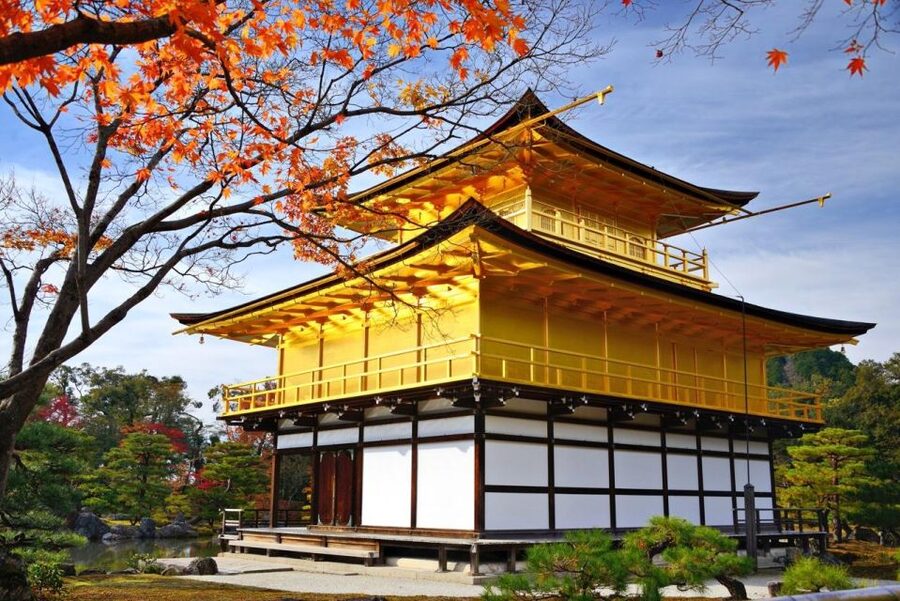
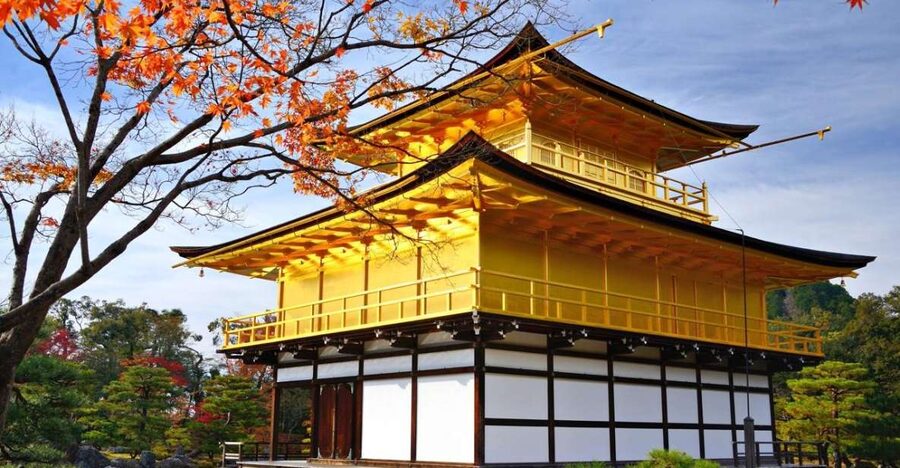
The Golden Pavilion, or Kinkaku-ji, is the visual star of the morning. The top two floors are covered in real gold leaf, and the building reflects across the pond in front of it.
That famous view can look almost too perfect, but the value of a guide is knowing what you are looking at beyond the shine. Kinkaku-ji began as a villa for the 14th-century shogun Ashikaga Yoshimitsu and later became a Zen Buddhist temple. The gold expressed wealth, authority, and religious devotion.
You spend about 90 minutes here. That gives you enough time for Roberto’s explanation, photographs, and the temple grounds, though the stop is not a private, empty visit. Kinkaku-ji is one of Kyoto’s most sought-after sights, so expect other people and a set visitor route.
The admission fee is 500 yen, about $3.10. Photography is restricted in some temple areas, so follow the signs and Roberto’s instructions rather than assuming every view is available for your camera.
I especially like this stop early in the itinerary because it gives you a strong visual introduction to Kyoto. If this is your first morning in the city, the iPad material can help you understand the difference between a shogun’s villa, a Buddhist temple, and the later castle you will see next.
Nijo Castle: where samurai power becomes architecture
Nijo Castle is the serious history stop. Its buildings and grounds show how the shogun dealt with feudal lords, protected his authority, and eventually lost control as Japan entered the modern era.
The castle is known for Edo Period design, detailed woodwork, and carefully finished interiors. Its most memorable feature is the nightingale floor. As you walk across it, the boards chirp. The sound acted as an early warning system, making it harder for an intruder to cross the castle unnoticed.
You spend about 95 minutes here, which is nearly as long as at Kinkaku-ji. That is appropriate. Nijo Castle needs explanation, because the political story is more complicated than simply samurai versus shogun. Roberto focuses on the struggles among samurai, feudal lords, and the military ruler, then connects the castle to the end of the samurai era and Japan’s modernization.
The entrance fee is 1,300 yen, approximately $8.15. Add this to the 500 yen Kinkaku-ji ticket, and your required admission total is about 1,800 yen per person. The listed $90 price is therefore not the complete out-of-pocket cost.
Nijo Castle is also where the tour’s educational approach pays off most. A photograph or diagram on an iPad can make the political relationships easier to grasp than a quick look at the buildings alone. If you enjoy history, this may be the most valuable stop. If you mainly want scenic views, it may feel slower than Kinkaku-ji.
A few more market tours around Kyoto worth a look
- Nishiki Market Brunch Walking Tour (7 Tastings + Brunch)
★ 5.0 · 1,355 reviews - Kyoto Nishiki Market Food and Culture Walking Tour
★ 5.0 · 412 reviews - Kyoto: Nishiki Market Tea Ceremony with Koto Performance
★ 4.8 · 294 reviews - Kyoto: Local Food Tasting Tour at the Nishiki Market
★ 4.7 · 135 reviews
Nishiki Market: choosing your own Kyoto lunch
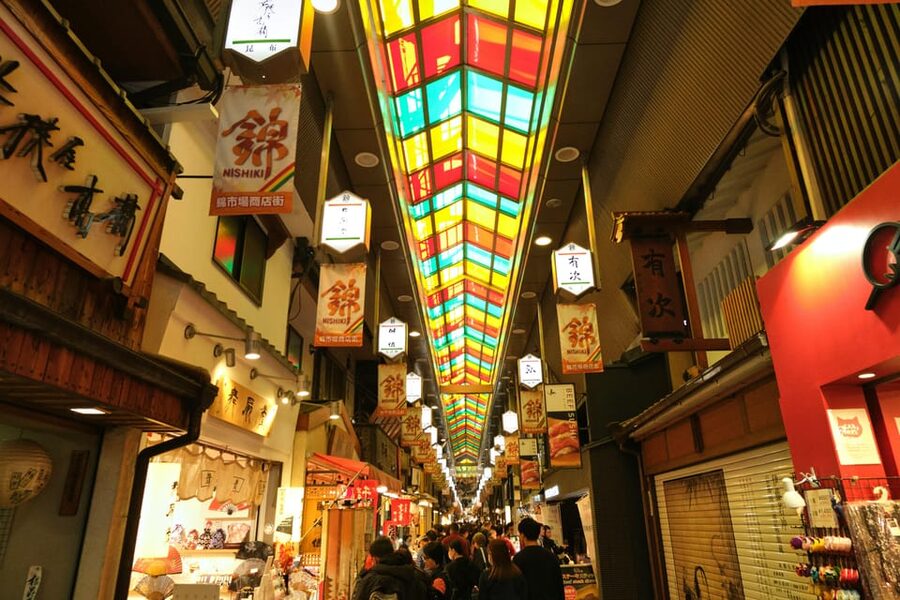
The final stop is Nishiki Market, a narrow shopping street about five blocks long and home to more than 100 shops and restaurants. It is often called Kyoto’s Kitchen for good reason.
You can find fresh seafood, produce, knives, cookware, and many food-related goods. The atmosphere is lively and crowded without being purely chaotic, though the narrow street can feel busy, especially when many people stop at once.
Roberto explains how the market began and then leaves the lunch decision to you. That is a smart ending for a half-day tour. You are not tied to a group menu or a restaurant selected in advance. You can look around, compare options, and choose what suits your appetite and budget.
Food and drinks are not included. Bring this into your planning, particularly if you want to sample several small items rather than eat one full meal.
The tour finishes at the entrance to Nishiki Market around 12:30. From there, you can continue along the market, have lunch, or make your own way to another Kyoto sight.
Roberto’s teaching style and personal attention
Roberto speaks English and Spanish and uses an iPad with explanations he created himself. This is more useful than it may sound. Kyoto’s temples and castles can look beautiful while their meaning remains vague, especially when several historical periods overlap.
The visual material gives you something concrete to look at while he explains. It also lets you ask about people, buildings, or events that interest you rather than relying only on a standard speech.
The private-group format adds flexibility. You can ask questions without worrying about holding up a large coach group, and Roberto can recommend places to visit during the rest of your time in Kyoto. He can also take as many pictures of you as you wish.
The strongest praise connected to this experience centers on Roberto’s friendly, attentive manner. One couple specifically appreciated a small video he made for their trip, and another praised a final film as an extra touch. Those details suggest a guide who pays attention to the personal side of sightseeing, not just the facts.
What the $90 price really buys you
At $90 per person, this is not a budget transit outing. You still pay for local transportation, food, and the two attraction tickets, adding roughly 1,800 yen for admission alone.
The price makes more sense if you value private guiding. You are paying for Roberto’s time, explanations, route planning, language support, and help making sense of three major Kyoto locations in one morning. You also avoid having to work out the bus and subway connections yourself.
The value is strongest for a first visit, a short stay, or anyone who wants historical context rather than a quick photo at each site. It is less compelling if you already know Kyoto well, prefer to move slowly, or want to spend a full morning at one temple.
The four-hour schedule is efficient but tight. Kinkaku-ji gets 90 minutes, Nijo Castle 95 minutes, and the remaining time includes bus, subway, and walking connections. You will see the main parts of each place, but this is not designed for long pauses, extended shopping, or unplanned detours.
Practical details before you book
Wear comfortable shoes. You will walk at the sights, through stations, and between the transit stops and market area.
The tour runs in rain or shine. Kyoto’s weather can change, so bring suitable clothing rather than assuming the morning will be dry.
Large bags and baby strollers are not allowed on this activity. Leave luggage at your accommodation or use an appropriate storage option before meeting the guide.
The tour is not suitable for wheelchair users, pregnant women, people with back problems, people with low fitness, or anyone who cannot manage regular walking. You will not climb a mountain or tackle very long stairs, but you do need to be in walking condition.
The tour permits free cancellation up to 24 hours before departure, and you can reserve now and pay later. Check the available start time when booking, since the usual schedule begins at 8:30.
Who should choose this Kyoto morning
I would recommend this tour to a first-time Kyoto visitor who wants a clear introduction to the city’s religious, political, and culinary sides. It is also a good fit for families or couples who prefer a private guide and want help with transportation.
History fans should particularly like the Nijo Castle section. People interested in food will appreciate ending at Nishiki Market with freedom to choose lunch. The tour also works well for English- or Spanish-speaking visitors who want explanations beyond the short signs at each site.
I would hesitate if you dislike public transportation, need a slow pace, or want long stretches of independent time. The route covers a lot, and the price rises once you add admissions, transit, and lunch.
Should you book this half-day tour?
Book it if you want three important Kyoto experiences explained in one focused morning, especially with a private guide who uses visual material and can suggest what to see next.
Skip it if you already have strong Kyoto knowledge or would rather spend the morning wandering at your own pace. For many first-time visitors, though, Roberto’s historical explanations, the practical route, and the Nishiki Market finish make the $90 guide fee reasonable, provided you are comfortable adding the admission and transportation costs.
FAQ
Where does the tour begin?
It begins at 8:30 AM in front of the 7-Eleven Heart-In at the JR Kyoto Station Central Entrance, on the Kyoto Tower side. Roberto holds an iPad and a red card marked RBRT.
Where does the tour finish?
The tour finishes around 12:30 PM at the entrance to Nishiki Market.
How long does the tour last?
The tour lasts approximately four hours, from 8:30 AM to 12:30 PM.
Which languages are available?
The tour is available in English and Spanish.
Are entrance fees included?
No. You pay 500 yen for Kinkaku-ji and 1,300 yen for Nijo Castle. Roberto’s guide entrance fees do not need to be paid by you.
Is transportation included?
No. You pay your own transportation fees. The route uses a public bus and subway.
What should I bring?
Bring comfortable shoes. Large bags and baby strollers are not allowed, and the tour takes place rain or shine.
Just added around Kyoto
- Taste of Nishiki Market Walking Food Tour with Local guide★ 5.0 · 17 reviews
- Kyoto: Nishiki Market Tour with a Local Foodie & Tastings★ 4.5 · 67 reviews
- Kyoto: Nishiki Market and Depachika Food Tour with a Local★ 4.7 · 76 reviews
- Kyoto: Nishiki Market Food Tour with Local Guide★ 4.6 · 5 reviews
- Kyoto: Wholesale Fish Market Walking Tour★ 5.0 · 2 reviews
- Kyoto: Enjoy Sushi & Market Tour! Best for Family & Couple!★ 4.8 · 20 reviews
- Kyoto: Nishiki Market Food Tour★ 4.9 · 21 reviews
- Nishiki Market Food Tour with Cooking Class★ 4.9 · 42 reviews
Market Day Trips, compared.
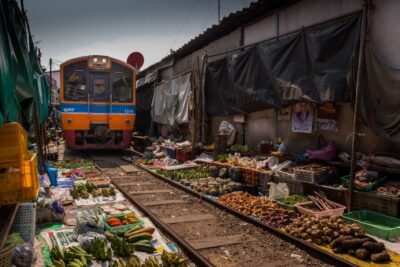
Damnoen Saduak, Train Market & Mahanakhon Day Trip
Read our review →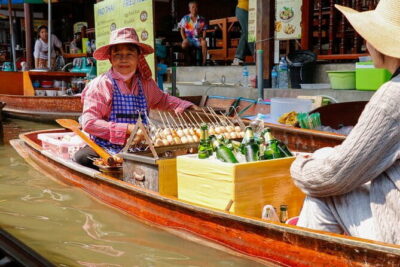
Day Trip to Bangkok Floating Market & Maeklong Railway
Read our review →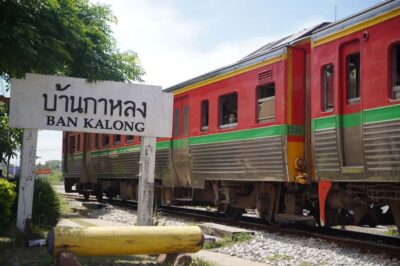
Floating Market and Ayutthaya Guided Day Tour
Read our review →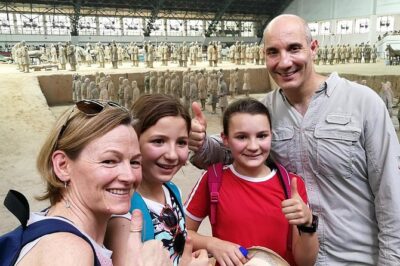
Mini Group Xian Day Tour to Terracotta Army, City Wall, Pagoda and Muslim Bazaar
Read our review →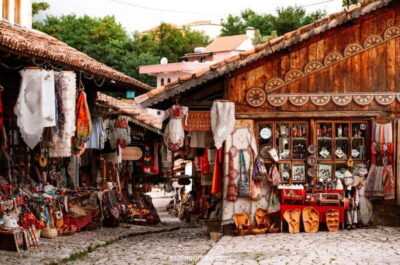
From Durres/Golem: Kruja Castle & Old Bazaar Day Tour
Read our review →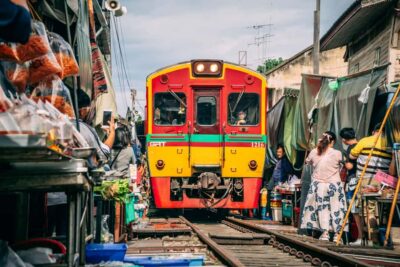
Ayutthaya, Railway & Floating Markets Full-Day Tour
Read our review →
From HCM: Mekong Delta & Cai Rang Floating Market 2-Day Tour
Read our review →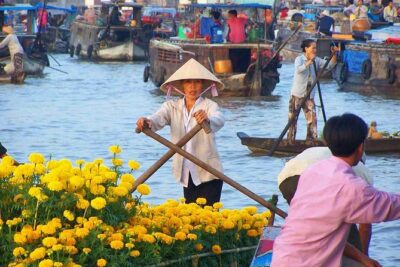
Cai Rang Floating Market & Mekong Delta 2-Day Tour from HCM City
Read our review →Browse the lists this tour appears in