
Review · KYOTO MARKET TOURS
Kyoto: Enjoy Sushi & Market Tour! Best for Family & Couple!
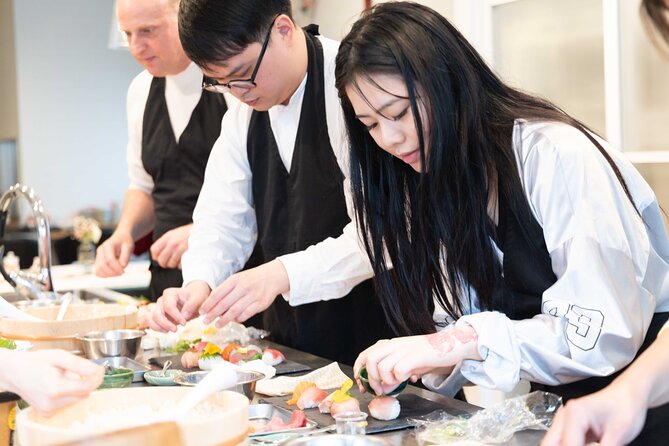
Kyoto’s sushi tradition becomes much easier to understand when you make the food yourself. This two-hour experience takes you to Nishiki Market to watch fish being cut, then puts you at the counter making vinegar rice, nigiri, temari, temaki, and miso soup.
I like the small group limit of 10, which gives the class a friendly, personal feel. I also like the practical mix of food and local advice: a Kyoto tourism expert shares seasonal sightseeing ideas while you eat.
The main caution is value. At $77 per person, this is not a bargain meal, and one participant found the instructor less engaged than expected. Your enjoyment will depend on how much you want hands-on teaching rather than simply eating sushi.
Key points at a glance
- Watch fish being prepared at Nishiki Market: The market visit adds a real food connection before the cooking begins.
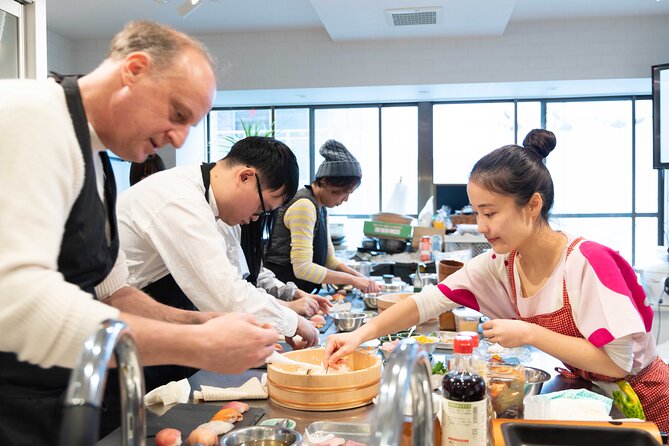
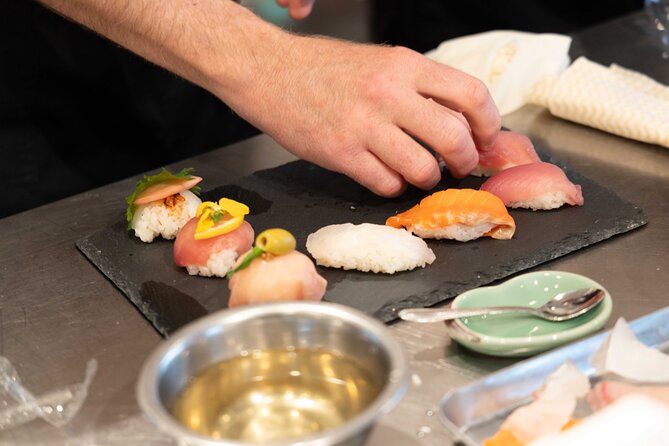
- Make three styles of sushi: You prepare nigiri, temari, and temaki, each with a different shape and technique.
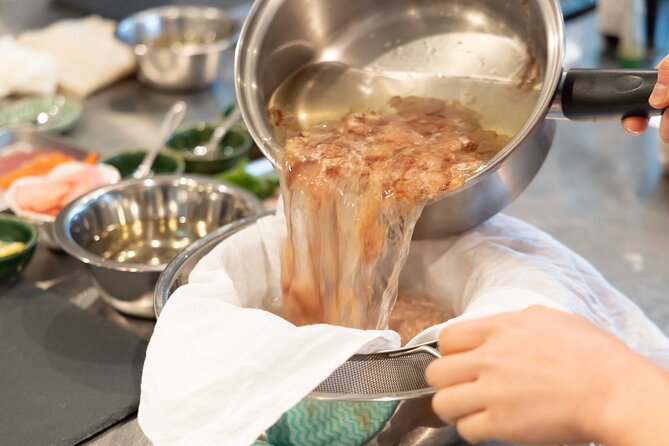
- Learn miso soup from dashi: The class includes dashi tasting and comparison, not just a quick soup demonstration.
- Eat everything you make: Sushi, miso soup, dessert, and coffee are included in the two-hour session.
- Get seasonal Kyoto advice: A local tourism expert can point you toward suitable sights for the time of year.
- Stay near central Kyoto: The meeting point is about 10 minutes from Kyoto Station and 5 minutes from Shijo Station.
Starting near Shijo, close to Kyoto’s main sights
The meeting point is in front of a building with Salon Roll hair salon on the first floor. This is a useful location for a sightseeing day because it is about 10 minutes from Kyoto Station and only 5 minutes from Shijo Station.
You can fit the class into a day around central Kyoto without spending much time getting there. It is also close to Gion and Kiyomizu-dera, though the activity itself takes place in the city center and is not a walking tour of those districts.
I would schedule this experience before or after other central sights, not at the far end of a packed day. The cooking requires attention, and the market visit gives you more when you are not rushing off to the next temple.
The activity lasts two hours. That is long enough to learn several techniques and eat a full light meal, but short enough to fit into a family itinerary. English and Japanese instruction is available.
A few more market tours around Kyoto worth a look
- Nishiki Market Brunch Walking Tour (7 Tastings + Brunch)
★ 5.0 · 1,355 reviews - Kyoto Nishiki Market Food and Culture Walking Tour
★ 5.0 · 412 reviews - Kyoto: Nishiki Market Tea Ceremony with Koto Performance
★ 4.8 · 294 reviews
Nishiki Market brings the food lesson to life
The visit to Nishiki Market is one of the most appealing parts of this experience. You go there with the guide to select fish and watch skilled vendors cut and prepare it.
That step matters because sushi can seem simple on the plate. The market visit shows the work behind the ingredients. One family described watching salmon being cut as a memorable part of the day. You are not only shaping rice in a classroom. You are also seeing how the fish reaches that stage.
The market stop is not presented as a long shopping tour. It is a focused food visit tied to the cooking session. That keeps the schedule practical, but it also means you should not expect a full guided exploration of every lane and stall in Nishiki Market.
The quality of this segment depends partly on what is being prepared that day. The information promises fresh fish selection and fish cutting, but it does not specify one fixed fish for every session. You might see salmon or another market selection.
For families, this can be the most memorable visual part of the activity. Children who are less interested in a long museum visit may pay close attention to the cutting demonstration. It also gives couples something concrete to discuss before the hands-on part begins.
Vinegar rice is the real starting point
The class teaches you how to make vinegar rice, the base of the sushi you prepare. This is more useful than simply being handed cooked rice and told to shape it.
Rice texture and seasoning affect every piece. The lesson gives you a method you can repeat at home, although the supplied information does not give exact recipes, ingredient quantities, or cooking equipment details.
You then prepare three types of sushi:
- Nigiri: Hand-shaped rice topped with fish or another ingredient.
- Temari: Small rounded sushi pieces that focus on neat shape and presentation.
- Temaki: Hand-rolled sushi with a cone-like form.
The variety makes the lesson more interesting than a single sushi craft. Nigiri asks for control and proportion. Temari gives you room to focus on appearance. Temaki is usually the most relaxed style because you can build it by hand and eat it without worrying about perfect restaurant presentation.
The activity encourages creativity. You can make attractive sushi that is realistic to repeat at home, which is especially useful if you enjoy hosting meals. One couple described the guide as careful with technique while still allowing room to explore personal flavors.
That balance is important. A rigid demonstration may look polished but teach you little. A class with no correction can leave you unsure what you did wrong. Here, the intended format combines instruction with personal choices, though one less satisfied participant felt the instructor did not interact enough with the group.
Dashi and miso soup add depth to the meal
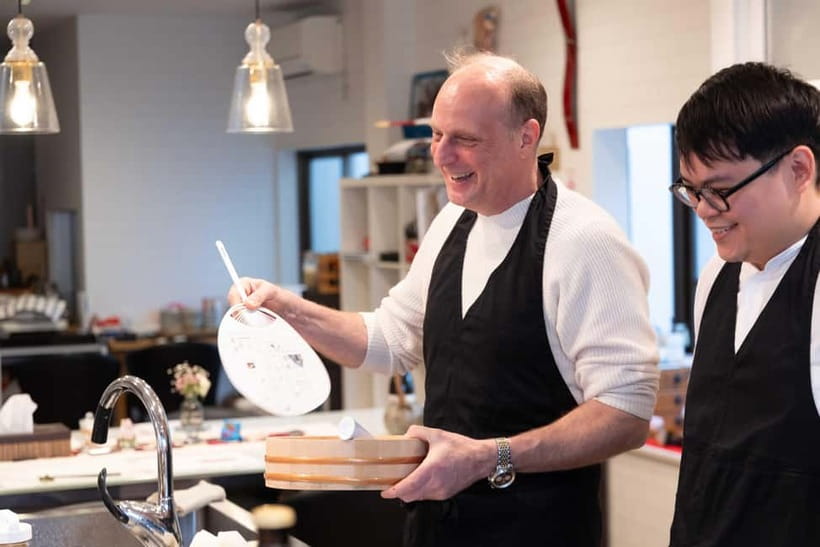
The soup portion covers how to make dashi, the stock used in many Japanese dishes. You taste and compare dashi before making miso soup.
This is a small but worthwhile detail. Miso soup is often treated as a basic side dish, yet the stock controls much of its flavor. Tasting the dashi gives you a clearer sense of what changes when the base is stronger, lighter, or different in character.
The class does not only show you how to stir miso into hot liquid. It includes preparation, tasting, comparison, and soup-making. That makes the lesson more useful for someone who wants to understand Japanese home cooking rather than simply assemble sushi.
The exact dashi ingredients are not specified, so do not book this expecting a particular recipe or regional style. You will learn the general method and take part in the tasting and preparation.
For children, soup-making may be easier than sushi shaping. For adults, it adds a useful skill you can use in other Japanese dishes. Together, the sushi and miso lesson create a more complete meal.
Same place, a different set of stalls:
- Kyoto: Local Food Tasting Tour at the Nishiki Market
★ 4.7 · 135 reviews - Kyoto: Nishiki Market and Depachika Food Tour with a Local
★ 4.7 · 76 reviews - Kyoto: Nishiki Market Tour with a Local Foodie & Tastings
★ 4.5 · 67 reviews - Nishiki Market Food Tour with Cooking Class
★ 4.9 · 42 reviews
Eating your work changes the mood
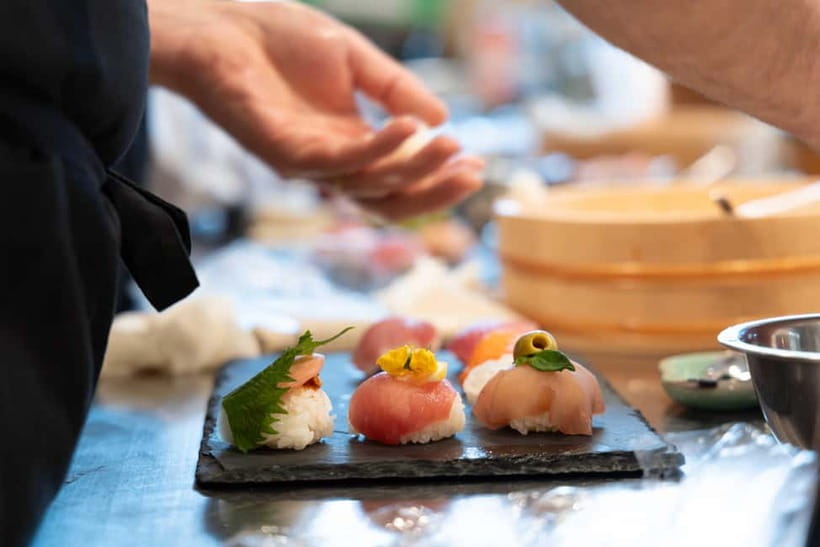
After the preparation, you sit down to enjoy the sushi and miso soup. Dessert and coffee are also provided.
That finish gives the activity a clear reward. You do not spend two hours practicing food and then leave hungry. You eat what you have made, which also lets you see how the different sushi shapes work as part of a meal.
A family booking can treat this as both a cooking class and lunch or dinner, depending on the starting time. The exact start times vary, so check availability before planning the rest of your day.
Dessert is included, and one family specifically enjoyed a homemade matcha dessert along with sake and green tea. The available information does not guarantee the same dessert or drinks at every session, so consider that an example rather than a fixed menu.
Kyoto beverages such as sake and beer are available for an extra charge. Coffee is included, but alcohol is optional. That gives couples a pleasant add-on without making it part of the basic price.
If you are booking for a mixed-age family, the included meal keeps the experience simple. Adults can add sake or beer while children and non-drinkers stick with the included food and coffee.
Seasonal Kyoto advice is a useful bonus
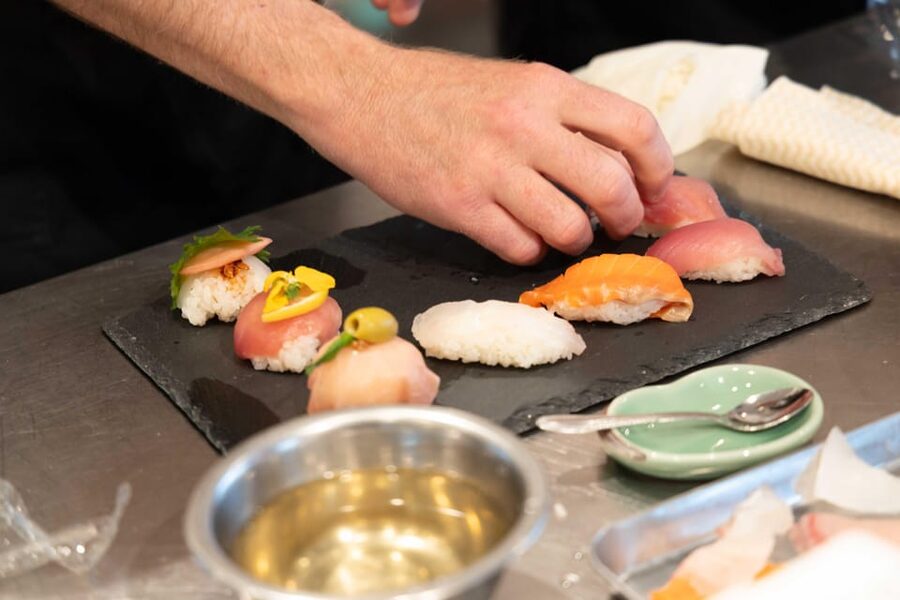
A Kyoto tourism expert shares seasonal sightseeing information during the experience. This can be valuable because Kyoto changes with the calendar.
The best plan for spring is not always the best plan for summer. Autumn crowds, winter light, and seasonal foods can all affect how you arrange your days. The activity does not promise a private itinerary consultation, but you have a chance to ask for practical ideas while you are already talking about local food and places.
I would arrive with one or two clear questions. Ask what areas suit the current season, what type of sightseeing fits your remaining time, or which nearby district works well after the class. The more specific your question, the more useful the answer is likely to be.
This local advice is a nice extra, but it should not be the main reason you book. The core product is the sushi and miso cooking session. Think of the sightseeing tips as a helpful conversation added to the meal.
Small groups make the class more personal
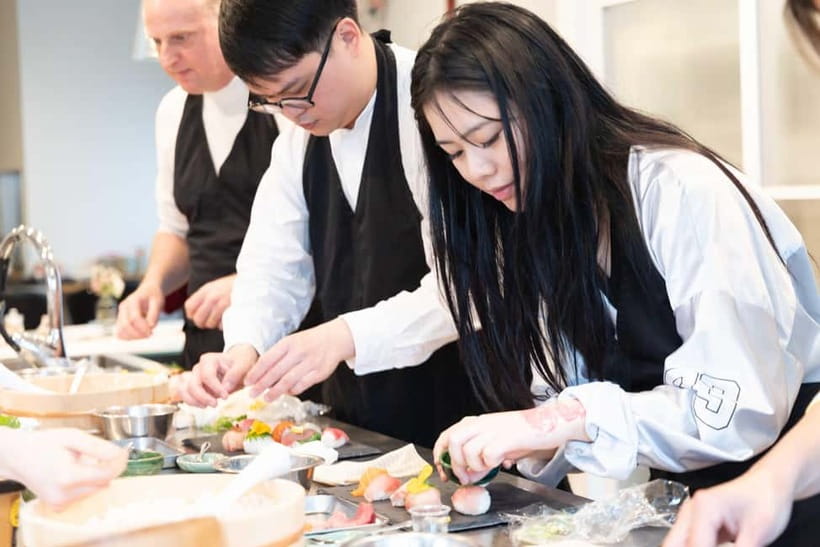
The group is limited to 10 participants. That is a good size for a practical cooking lesson, especially when several people need help shaping rice or rolling sushi.
A small group also suits couples. You can work together without feeling lost in a large demonstration. Families benefit too, since younger participants may need more help with technique.
The strongest feedback focuses on the kindness and helpfulness of the guides. One family described the teachers as excellent and said the experience became the best part of their Kyoto visit. Another couple valued the way the guide corrected technique while still allowing creative choices.
Still, small group does not automatically mean constant personal attention. One participant felt the instructor was not engaged enough and expected more hands-on interaction. That is the clearest warning in the available feedback.
If you want a high-energy class with nonstop instruction, ask questions and speak up early. If you prefer a quieter workshop where you can work at your own pace, the format may suit you well.
Is $77 a fair price?
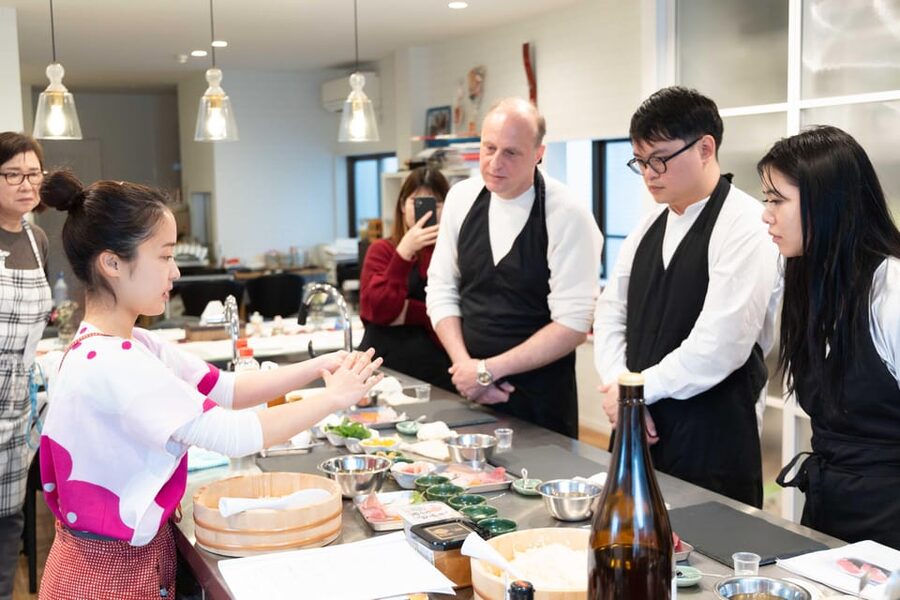
At $77 per person, this experience is priced above a simple sushi meal. You are paying for more than the food: a market visit, instruction, ingredient preparation, three sushi styles, dashi tasting, miso soup, dessert, coffee, and local sightseeing advice.
The price makes more sense if you value learning a skill you can use again. You also get a compact activity near central Kyoto, which saves time compared with combining separate food and market outings.
The value is weaker if you mainly want the cheapest way to eat sushi. A restaurant meal will cost less, and it will require no class time. The market stop is focused rather than lengthy, so you should not count this as a full Nishiki Market tour.
For a family, the price can be justified if everyone enjoys making food together. For a couple, it works best as a shared activity rather than a standard meal. If only one person in your party likes cooking, the cost may feel high.
The 4.8 rating from 20 reviews points to strong overall satisfaction, but the mixed detail matters more than the number alone. Most of the praise centers on kind teaching, family fun, professional facilities, and the chance to make several sushi styles. The main criticism concerns instructor interaction and price.
Who will enjoy this Kyoto food class?
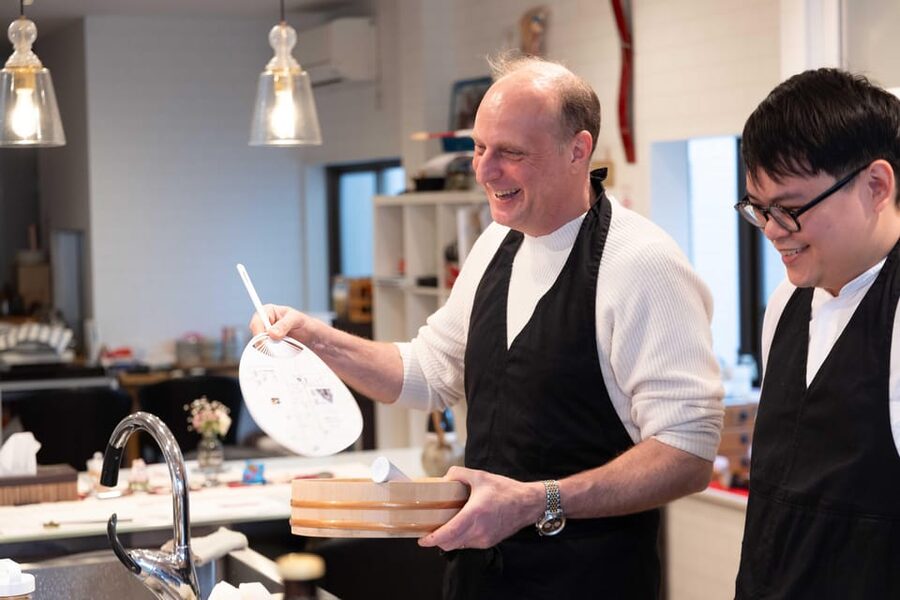
I would recommend it most to:
- Families looking for a structured activity beyond temples and shopping.
- Couples who want a meal they prepare together.
- First-time visitors curious about Japanese food culture.
- Home cooks who want simple sushi techniques to repeat later.
- People staying near Kyoto Station, Shijo, Gion, or Kiyomizu-dera.
- Visitors who appreciate a small group rather than a large food demonstration.
It may be less suitable if you want a long market tour, a specialist sushi-chef masterclass, or a very cheap meal. The class is designed for accessible participation, not advanced professional training.
Wheelchair access is provided, and smoking indoors is not allowed. The group is taught in English and Japanese. These details make it easier to judge the fit before booking, especially for a mixed-language group.
How to plan the rest of your day
Because the meeting point is near Shijo and central Kyoto, you can pair the class with nearby sightseeing. It is also close enough to Gion and Kiyomizu-dera to make the activity part of a broader central Kyoto day.
I would avoid scheduling a distant attraction immediately afterward. The class length is fixed at two hours, but transitions, eating, and city transport still take time. Leave room for the session to end without turning the next appointment into a race.
Check the available starting times before making restaurant reservations or temple plans. The activity does not list one universal departure time.
You can cancel up to 24 hours in advance for a full refund, and you can reserve now and pay later. Those terms help if your Kyoto schedule is still shifting, especially during a trip with weather-dependent sightseeing.
Should you book it?
Book this experience if you want to make your own sushi, see fish preparation at Nishiki Market, and share a relaxed food activity with family or a partner. The combination of nigiri, temari, temaki, miso soup, dessert, and seasonal advice gives the two hours plenty of variety.
I would skip it if your main goal is an inexpensive meal or a detailed market tour. At $77, the value rests on the teaching and the shared experience. For most families and couples who enjoy hands-on food, that is a fair trade, provided you are comfortable with the possibility of varying instructor interaction.
FAQ
How long does the sushi and market experience last?
The activity lasts two hours.
How much does the experience cost?
The listed price is $77 per person.
Where is the meeting point?
Meet in front of a building with a hair salon called Salon Roll on the first floor.
How close is the meeting point to Kyoto Station?
The meeting location is about 10 minutes from Kyoto Station and about 5 minutes from Shijo Station.
What types of sushi will I make?
You will learn to prepare nigiri, temari, and temaki sushi, along with vinegar rice.
Is miso soup included?
Yes. The class teaches dashi preparation, includes tasting and comparison, and shows you how to make miso soup.
Are food and drinks included?
Sushi, miso soup, dessert, and coffee are included. Kyoto sake and beer are available for an additional charge.
Is the activity available in English?
Yes. Instruction is available in English and Japanese.
Just added around Kyoto
- Taste of Nishiki Market Walking Food Tour with Local guide★ 5.0 · 17 reviews
- Kyoto: Nishiki Market Tour with a Local Foodie & Tastings★ 4.5 · 67 reviews
- Golden Pavilion, Nijo Castle, & Nishiki Market Half day tour★ 5.0 · 29 reviews
- Kyoto: Nishiki Market Food Tour with Local Guide★ 4.6 · 5 reviews
- Kyoto: Wholesale Fish Market Walking Tour★ 5.0 · 2 reviews
- Kyoto: Nishiki Market and Depachika Food Tour with a Local★ 4.7 · 76 reviews
- Kyoto: Nishiki Market Food Tour★ 4.9 · 21 reviews
- Nishiki Market Food Tour with Cooking Class★ 4.9 · 42 reviews
Kyoto Market Tours, compared.
Nishiki Market Brunch Walking Tour (7 Tastings + Brunch)
Read our review →
Kyoto Nishiki Market Food and Culture Walking Tour
Read our review →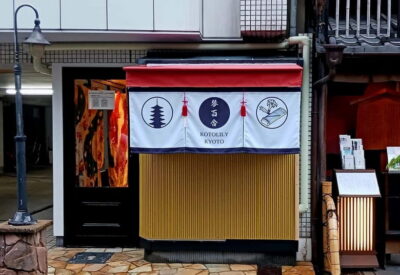
Nishiki Market Tea Ceremony with Koto Performance
Read our review →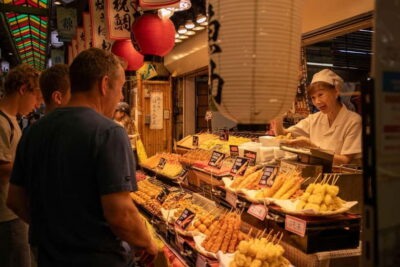
Nishiki Market and Depachika Food Tour with a Local
Read our review →
Nishiki Market Tour with a Local Foodie & Tastings
Read our review →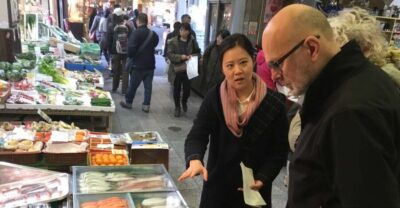
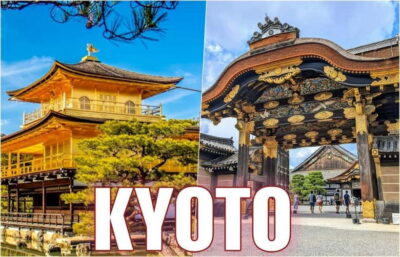
Golden Pavilion, Nijo Castle, & Nishiki Market Half day tour
Read our review →Browse the lists this tour appears in