
Review · MARKET AND COOKING CLASS TOURS
Vegan Peruvian Cooking Class Cocktails and Local Market in Cusco
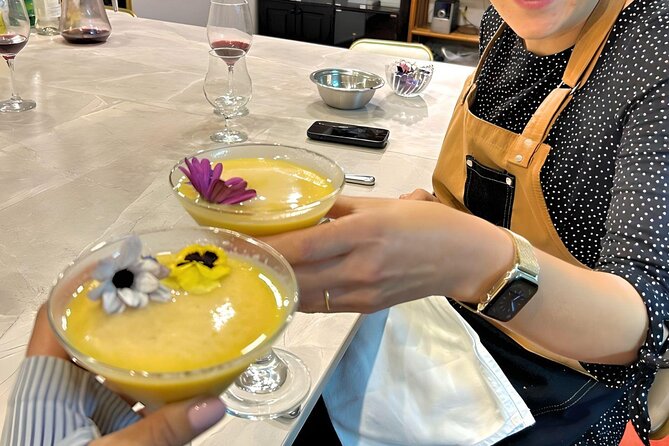
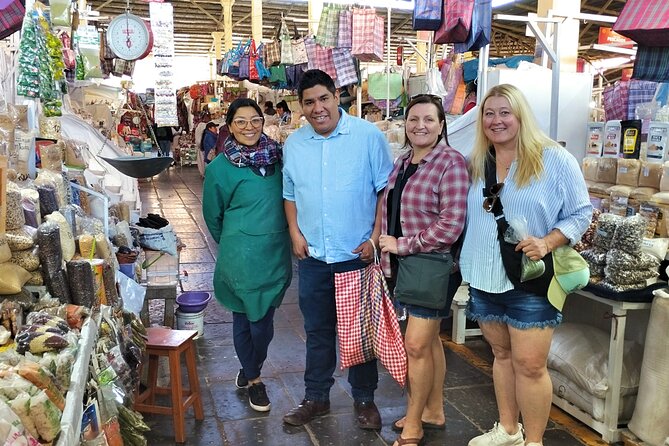
Cusco’s best food lesson may begin with a market stroll, not a cutting board. This four-hour class starts at San Pedro Market, where you’ll meet Peruvian fruits, grains, roots, breads, and famous superfoods before using them in a cooking studio near the center. You’ll make vegan ceviche, causa limeña, quinoa tamales, and two cocktails.
I like the clear connection between market ingredients and finished dishes, and I like that the class sends you recipes so the meal does not end when your flight home begins. The cocktails add fun, too: pisco drinks are included, with nonalcoholic replacements for anyone under 18.
The main thing to check is the meaning of vegan in your particular departure. One description presents the class as fully plant-based, while one detailed account says it is a general class with vegan options. Tell the chef about your dietary needs at the start, even if you booked the vegan version.
Key points to know before booking
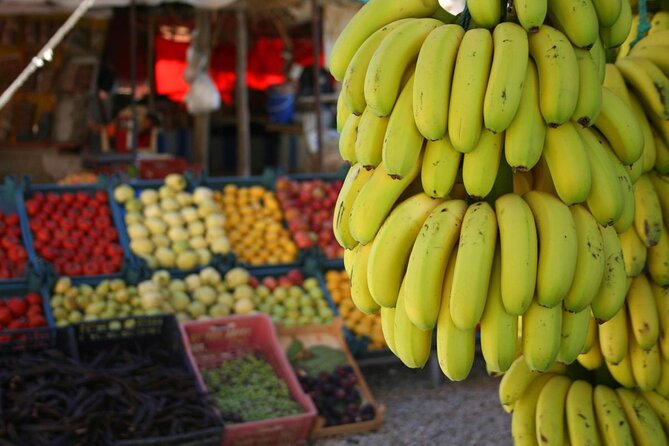
- San Pedro Market comes first: You’ll see local produce and Peruvian staples before cooking with them.
- Three classic dishes are on the menu: Vegan ceviche, causa limeña, and quinoa tamal.
- Two cocktails are included: Expect pisco-based drinks and fresh fruit, with water substituted for guests under 18.
- Chef-led instruction is the heart of the class: Chef Jesus and Chef Jorge are named in the experience material, with Alvaro also involved in some sessions.
- Small groups keep it practical: The maximum is 10 people, and every ingredient and piece of equipment is provided.
- The $69 price covers a full food experience: Market guidance, a four-hour class, a meal, drinks, ingredients, equipment, water, and recipes are all part of the fee.
Why the San Pedro Market start matters
Meet at Mercado Central de San Pedro, at Thupaq Amaru 477 in Cusco. The market is not just a place to collect supplies. It gives you a useful first look at the ingredients that shape Peruvian cooking.
You can expect an introduction to different fruits, grains, vegetables, roots, spices, and other local foods. The market visit has included tastings of several passion fruit varieties and traditional Peruvian bread. That kind of comparison is valuable because Peruvian produce can be unfamiliar even to experienced cooks.
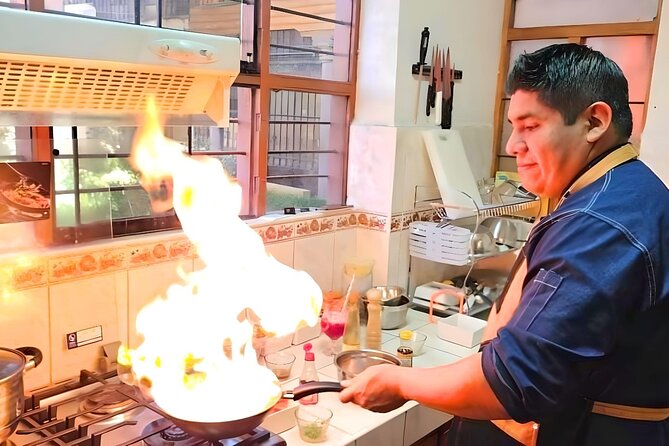
This is also the part where a guide adds real value. If your Spanish is limited, identifying ingredients and asking questions at a large local market can be difficult. Chef Jesus has led market visits in English, explaining foods and culinary traditions as you move between stands. The class material also identifies Chef Jorge as an instructor, and Alvaro has been involved in creating a friendly cooking-studio setting.
Allow a little extra attention for the meeting point. The entrance has been confusing for some people. The relevant door is marked Door Number One on the lower portion of the green main entrance, so check the full address and look for that sign rather than wandering around the market.
The market stop makes the cooking feel less like a demonstration built around anonymous ingredients. You see the raw materials first, then learn what they become. That link is one of the strongest reasons to choose this activity over a cooking class held entirely indoors.
More Farmers Market Tours in Peru:
- Cusco: Peruvian Cooking Class, Cocktails & Local Market Tour
★ 4.9 · 512 reviews - Lima: Food Tour on Local Market
★ 5.0 · 8 reviews - Full Day Lima: Local Market+ CityTour+ Barranco & Miraflores
★ 5.0 · 3 reviews
From Peruvian produce to a central cooking studio
After the market visit, you go to a cooking studio in central Cusco. The experience provides all equipment and ingredients, so you do not need to shop, carry supplies, or bring kitchen tools.
The class is hands-on. You are not simply watching a chef prepare a plate while you stand behind a counter. You help make the dishes, learn the steps, and eat the food as the class moves along. That format suits you if you want practical skills rather than a short food demonstration.
The exact pacing can change with the size of the group. With a maximum of 10 people, the chef should be able to give useful direction without the class feeling entirely private. A solo booking may also be possible to run with only one participant, but that is not guaranteed. The smaller limit is especially helpful when several people need ingredient changes.
The class is presented as a way to prepare nutritious, plant-based Peruvian food. The menu is not a random selection of international vegan dishes. It focuses on foods closely tied to Peru: potatoes and causa, quinoa and tamales, fresh produce and ceviche-style preparation.
Making vegan ceviche without fish
Ceviche is one of Peru’s signature foods, so the vegan version gives you a useful look at how the dish depends on more than seafood. The focus is on fresh ingredients, acidity, seasoning, and texture.
You will prepare a 100 percent vegan version during the class. The available information does not list every ingredient or exact technique, so do not book this expecting a fixed printed menu with precise quantities before arrival. What you do receive at the end are the recipes for the dishes and cocktails, giving you a guide for trying them at home.
This is a good lesson for cooks who want to understand the structure of a dish. You learn how familiar Peruvian flavors can work in a plant-based format, rather than simply replacing fish with a packaged substitute.
Preparing causa limeña and quinoa tamal
Causa limeña is a layered Peruvian potato dish, traditionally known for its smooth texture, bright seasoning, and colorful filling. Here, the class prepares it with vegan mayonnaise. It is a smart choice for a plant-based menu because potatoes are central to Peru’s food culture, and the dish shows how much character a simple staple can carry.
The quinoa tamal adds a different texture and technique. Making tamales takes more attention than assembling a quick salad, so this portion gives you a better sense of Peruvian home cooking. The class uses quinoa, one of the Andean ingredients most associated with modern Peruvian cuisine, in a form that feels both traditional and practical.
You eat each course after preparing it, according to the experience details. That makes the class a meal as well as a lesson. Plan to arrive hungry. The portions can be generous enough that you may not have room for dessert, though food can be taken away when available.
More Market and Cooking Class Tours in Peru:
- Cooking class and market tour with a local chef
★ 5.0 · 186 reviews - Market Tour, Tasting of 35 Fruits, and 4-Course Peruvian Cooking Class in Lima
★ 5.0 · 86 reviews - Cusco: Peruvian Cooking Class & Market Tour
★ 4.9 · 19 reviews - Lima: Market Tour, 35 Fruits Tasting & Cooking Class
★ 5.0 · 3 reviews
Two cocktails, including pisco and fresh fruit
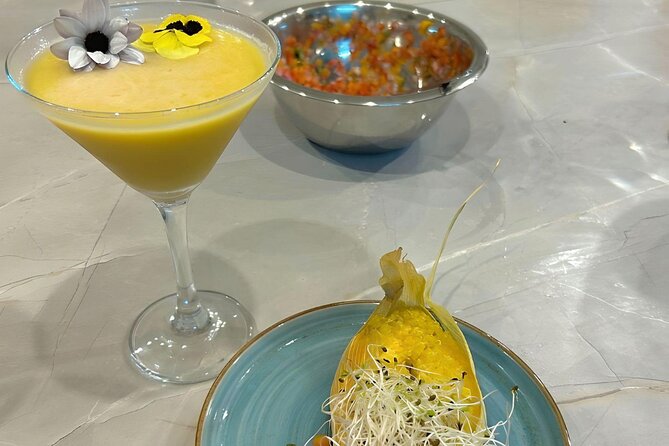
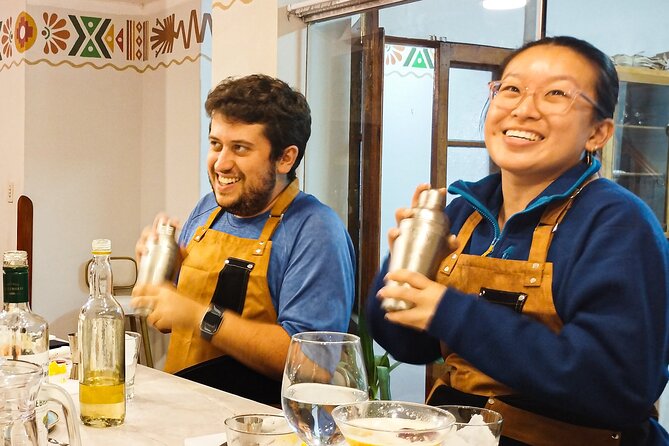
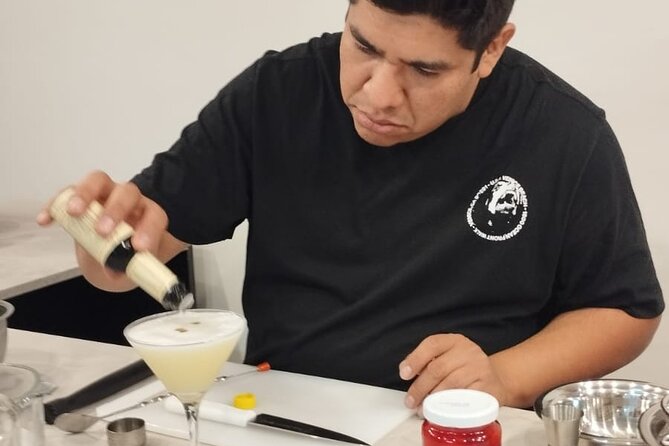
The drinks are not an afterthought. You prepare two cocktails using representative Peruvian ingredients, including pisco and fresh fruit. Pisco sour and chicha morada have both been part of the class experience, and the drinks provide a lively contrast to the cooking tasks.
The pisco sour gives you a direct introduction to Peru’s famous grape brandy. Chicha morada brings a different flavor profile and shows how Peruvian drinks can rely on local ingredients beyond spirits. The exact cocktail combination may depend on the class, so treat those examples as likely possibilities rather than a guaranteed pair.
Alcohol is served only to people aged 18 and over, in line with Peruvian law. Anyone under 18 receives bottled water instead of pisco. The class includes bottled water as well, which is useful during four hours of cooking and eating.
If you do not drink alcohol, state that clearly when you arrive. The experience includes nonalcoholic alternatives for some guests, including a whisky-sour-style drink made without alcohol. Dietary and drink restrictions can be accommodated, but the chef needs to know early.
What the $69 price really covers
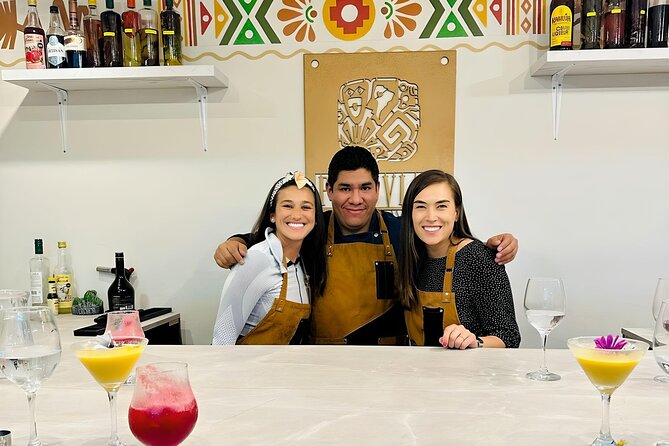
At $69 per person, this is not the cheapest way to eat lunch or dinner in Cusco. It can be good value if you use the full package: a guided market visit, four hours of instruction, three prepared dishes, two cocktails, ingredients, kitchen equipment, water, and recipes to take home.
A market tour alone gives you context but not much cooking practice. A restaurant meal gives you food but no skill to carry home. This activity combines both, which is why the price makes more sense for someone who wants a cultural lesson rather than simply a meal.
You should also consider the time. Four hours is a substantial block in a short Cusco visit. I would not place it immediately before a major excursion or a tight airport transfer. It works best on a day when you can eat slowly, ask questions, and let the market and class set the pace.
The activity is often booked about three weeks ahead, with an average advance period of 21 days. That suggests you should reserve early if your dates in Cusco are fixed, especially if you want a particular day or need dietary adjustments.
The chef makes the difference
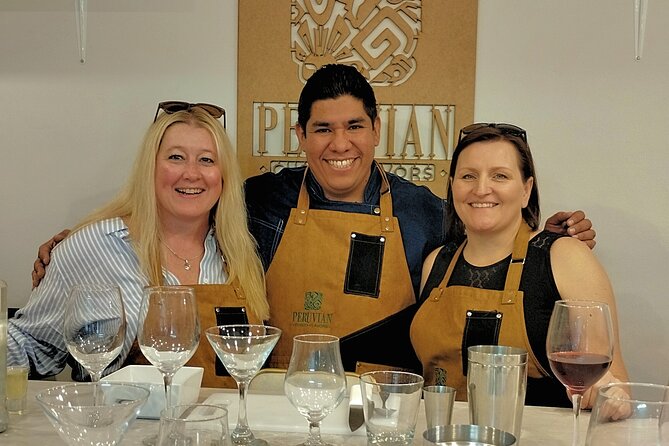
The strongest part of the experience is the instruction. Chef Jesus has been specifically praised for explaining both food and Peruvian culinary traditions in English, answering many questions, and adapting the class for a solo participant. Chef Jorge is also identified as a class chef, and one account describes him as clear and friendly during the market and cooking portions.
The teaching style matters here because the dishes are unfamiliar to many home cooks. You need more than a recipe sheet. You need to know how the ingredients should look, how the flavors fit together, and which steps are worth repeating carefully at home.
The class also has an international social side. People may attend alone, as a couple, or with friends, and the small group can make the cooking feel more like a shared meal than a formal lesson. That is a pleasant bonus, but the core value remains the food instruction and market context.
Who will enjoy this class most
I would recommend this experience to:
- Vegans who want more than a standard restaurant meal in Cusco.
- Vegetarians and curious cooks who want to learn plant-based versions of Peruvian classics.
- Solo visitors looking for a structured half-day activity with food and conversation.
- Couples who want an interactive alternative to another restaurant dinner.
- Home cooks who value recipes and want to repeat the dishes after returning home.
- Anyone interested in Peruvian produce, superfoods, pisco, and market culture.
It may be less suitable if you want a quick activity, dislike group cooking, or prefer a fully fixed menu with no possible variation. It is also worth clarifying the vegan setup before arrival if strict cross-contact rules are important to you. The class can accommodate allergies and food restrictions, but communication is essential.
Service animals are allowed, and the starting point is near public transportation. The activity ends back at the meeting point. Confirmation is provided when you book.
Simple booking and cancellation advice
Free cancellation is available if you cancel at least 24 hours before the start time. Canceling within 24 hours means no refund, and changes made inside that window are not accepted.
Because the meeting point is at San Pedro Market, check the address before leaving your hotel. Cusco’s central streets can be confusing, and finding Door Number One at the green entrance is easier when you are not rushing.
Should you book the San Pedro Market cooking class?
Book it if you want to understand Peruvian food by handling it yourself. The combination of San Pedro Market, three plant-based dishes, two cocktails, and a recipe pack gives you more than a meal and more than a sightseeing walk.
I especially like the market-to-kitchen structure and the focus on dishes you can actually repeat at home. The main caution is the vegan labeling. Tell the chef about your needs at the start and confirm how the class will handle them.
For $69, this is a strong choice for food-focused visitors who have four hours to spare and want an active Cusco experience. If you are happy to cook, taste, and ask questions, it earns a place on your itinerary.
FAQ
Where does the cooking class begin?
It begins at Mercado Central de San Pedro, at Thupaq Amaru 477, Cusco 08002, Peru.
Where does the activity end?
The activity ends back at the meeting point.
How long does the experience last?
The experience lasts approximately four hours.
What dishes will I prepare?
You will prepare vegan ceviche, causa limeña, and quinoa tamal.
Are cocktails included?
Yes. Two class cocktails are included, along with bottled water. Pisco is served only to people aged 18 and over.
Can the class accommodate allergies or food restrictions?
Yes. Options are available for allergies and food restrictions. Tell the chef about your needs at the beginning of the class.
How many people can join the class?
The maximum group size is 10 people.
More Vegan and Vegetarian Tastings in Peru
- Jaipur Market Tour & Vegetarian Rajasthani Home Cooking Class
★ 5.0 · 113 reviews - Busan Tailored Korean cooking class (Vegan OK)with market tour
★ 5.0 · 66 reviews - Seville Vegan Tapas Food and Market Walking Tour
★ 5.0 · 40 reviews - Seoul: Gwangjang Market Vegan & Vegetarian Food Tour
★ 5.0 · 16 reviews
Just added around Peru
- Lima: Market Tour, 35 Fruits Tasting & Cooking Class★ 5.0 · 3 reviews
- Lima: Market Tour and Cooking Class with Pisco Sour★ 5.0 · 3 reviews
- Lima: Peruvian cooking class and tour of Surquillo market★ 5.0 · 2 reviews
- Lima: Food Tour on Local Market★ 5.0 · 8 reviews
- Lima Food Experience with local Markets & Barranco Tour★ 5.0 · 2 reviews
- Full Day Lima: Local Market+ CityTour+ Barranco & Miraflores★ 5.0 · 3 reviews
- Cusco: Coricancha, Cathedral & San Pedro Market Walking Tour★ 5.0 · 2 reviews
- Cusco: Peruvian Cooking Class & Market Tour★ 4.9 · 19 reviews
Market and Cooking Class Tours, compared.

Hanoi Cooking Class: Culture, Local Market & Meaning CSR Impact
Read our review →
5 Traditional Dishes Hanoi Cooking Class with Market Trip
Read our review →
Cooking Class and Lunch at a Tuscan Farmhouse with Local Market Tour from Florence
Read our review →
Cooking Class, Market & Thai Herbs Garden Tour
Read our review →
Authentic Cooking Class with Market & Farm Visit
Read our review →
Paella Cooking Experience & Boqueria Market Tour
Read our review →
Cooking Class Hoi An:Local Market, Basket Boat, Fishing & Cooking
Read our review →
Hoi An Cooking Class(Market,BasketBoat Crabfishing&Cooking Class)
Read our review →Browse the lists this tour appears in