
Review · STREET FOOD MARKET TOURS
Tbilisi: Street Food & Sightseeing Tour with Local Markets
Tbilisi’s best food lesson may happen at Dezerter Bazaar, where spices, sauces, cheese, produce, and homemade treats are sold beside the daily noise of the city. This tour connects that local market with khinkali, khachapuri, Georgian wine, street art, vintage shops, and a modern food hall, so you get more than a meal.
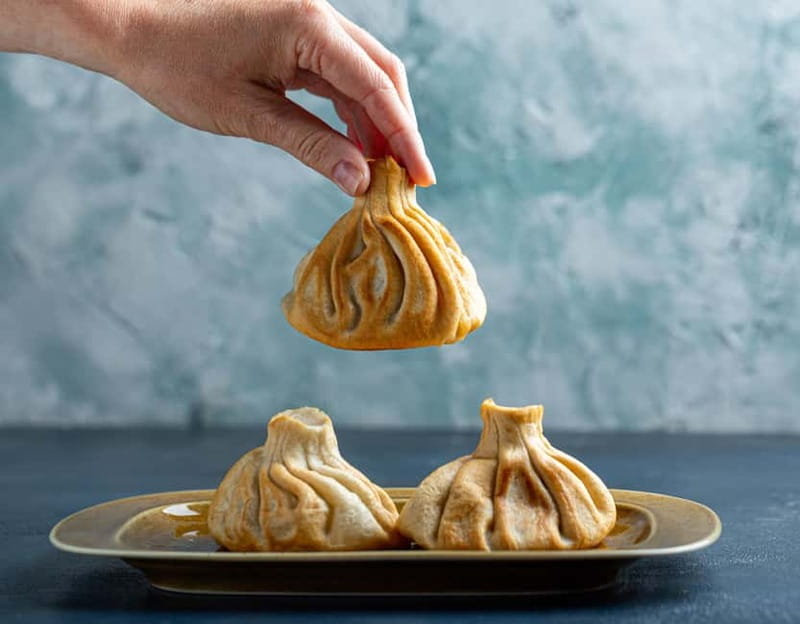
I like the four kinds of khinkali, since tasting potato, cheese, mushroom, meat, herbs, and spiced versions makes the dumpling’s range clear. I also like the hotel pickup and drop-off, plus guides such as Camilla, Giorgi, and George, who bring local stories into the walk.
The main drawback is the amount of food in a short time. One participant could not finish half the dishes, so arrive hungry and tell your guide about allergies or dietary needs before setting out. The tour is not suitable for children under 12, wheelchair users, people with food allergies, or people over 75.
Key points at a glance
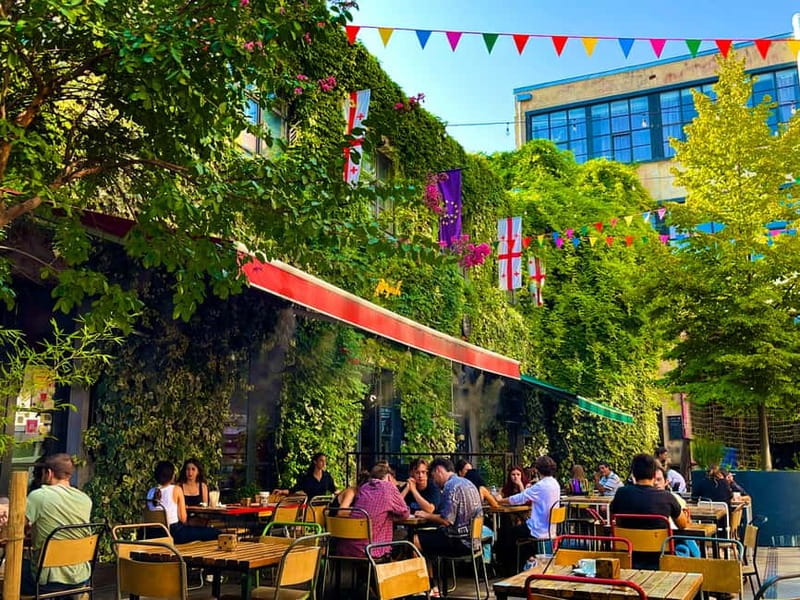
- Dezerter Bazaar first: See where local shoppers find produce, spices, sauces, cheese, and regional specialties.
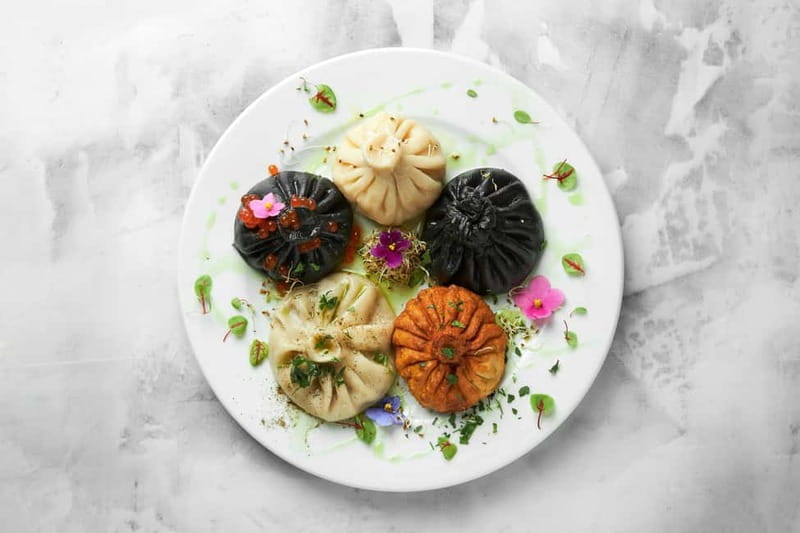
- Four khinkali styles: Compare dumplings filled with potato, cheese, mushroom, meat, herbs, and spices.
- More than food: Walk through Tbilisi’s urban center, street art areas, vintage shops, and less familiar corners.
- Old and new food scenes: Pair a traditional market and local restaurant with a modern food hall.
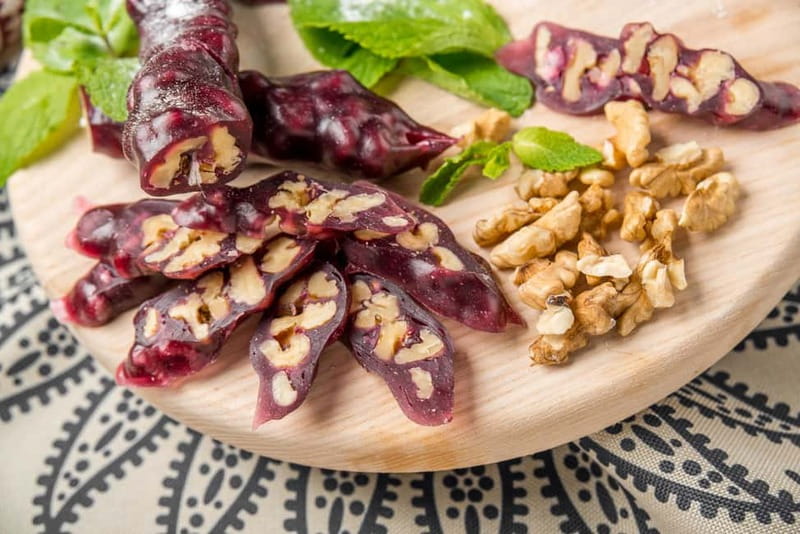
- A serious tasting load: Khachapuri, wine, sweets, sauces, churchkhela, cheese, and other treats can add up quickly.
- Small-group flexibility: Private or small groups are available, with English-speaking guides and hotel pickup and drop-off.
Starting at Dezerter Bazaar
The tour begins with one of Tbilisi’s most useful windows into ordinary food life: Dezerter Bazaar. This is not a polished display made for sightseeing. It is a working market where vendors sell the ingredients and prepared foods that shape Georgian cooking.
Your guide helps you make sense of the stalls. You might see fresh produce, colorful spices, sauces, cheese, traditional sweets, and regional specialties. The value here is context. Instead of tasting a sauce or spice as an isolated sample, you can connect it to the food you eat later in the tour.
The market is also a good place to watch how Tbilisi shops. The sounds, close-packed stalls, and direct exchanges with vendors give you a stronger feel for the city than a restaurant alone can provide. Bring a camera if you like taking pictures, but remember that this is also a place where people are doing their daily business.
The market portion may be the strongest part for you if you enjoy food culture rather than simply checking off famous dishes. It is less predictable than a fixed restaurant menu, and the guide’s explanations help turn unfamiliar ingredients into useful discoveries.
More Street Food Market Tours in the world:
- Dubai: Old Town, Creek, Museums, Souks, & Street Food Tour
★ 4.8 · 10,816 reviews - Dubai: Old Town, Souks, Street Food, Guided Tour & Abra Ride
★ 4.9 · 7,170 reviews - Chef Guided Food Tour of Pike Place Market
★ 5.0 · 3,733 reviews
Four kinds of khinkali in one sitting
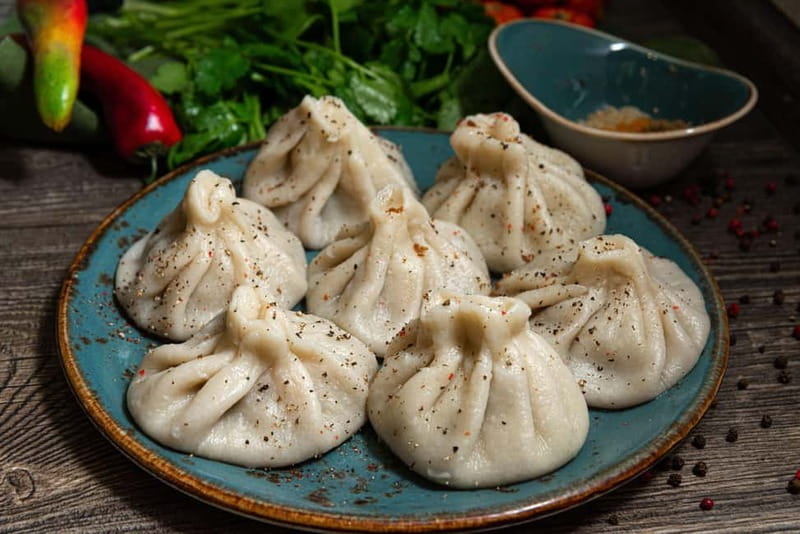
Khinkali is one of Georgia’s signature foods, but a single version only tells part of the story. This tour lets you compare four varieties, with fillings that may include potato, cheese, mushroom, meat, herbs, and spices.
That comparison matters. The dumpling changes from hearty and savory to softer, earthier, or more aromatic depending on what is inside. You get a practical lesson in Georgian taste without needing to order several full plates on your own.
Khinkali can be filling, especially when paired with the rest of the meal. If you are used to tasting menus, you may find the portions generous rather than tiny. Come with an empty stomach, but do not assume that every stop will be a quick sample.
The guide can also explain the food as you eat it. Camilla is specifically noted for making the tour friendly and adaptable, while Giorgi has been praised for shaping the walk around individual interests. George has led a route that included city history and the left bank, showing that the food is only one part of the experience.
Khachapuri, Georgian wine, and local restaurant food
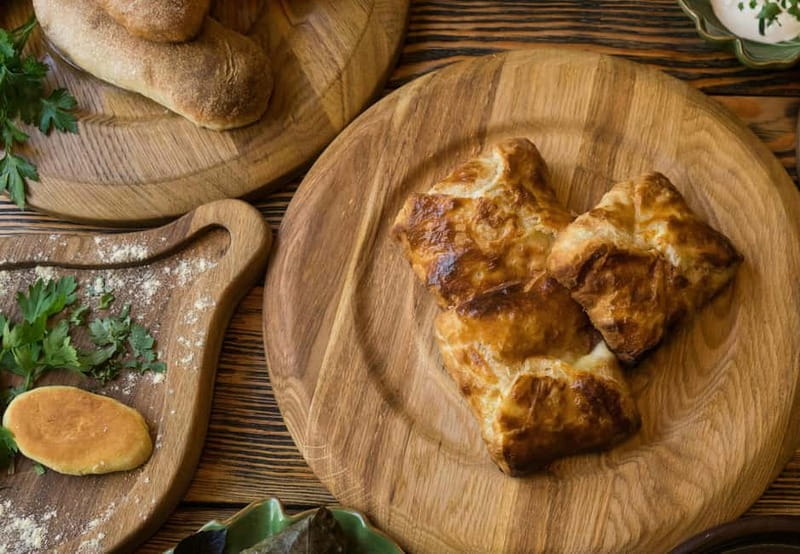
Khachapuri brings another Georgian staple to the table. This cheese-filled bread is simple in concept but substantial in practice, and it can be one of the heavier tastings on a route already loaded with dumplings and sweets.
You will also sample homemade Georgian wine. This is a useful addition because wine is closely tied to Georgian food traditions, and tasting it alongside cheese, bread, sauces, and other dishes gives you a better sense of how the flavors work together.
The restaurant stop provides a break from the market and a chance to sit with more prepared food. It also gives the guide room to explain what you are eating rather than rushing from one vendor to the next.
Food preferences can be taken into account when you share them in advance. The practical limit is important: the tour is not suitable for people with food allergies, and you should not treat a general preference note as a guarantee for a serious allergy. If you have dietary restrictions, contact the provider before booking and repeat the information to the guide at the start.
A modern food hall and Tbilisi’s newer side
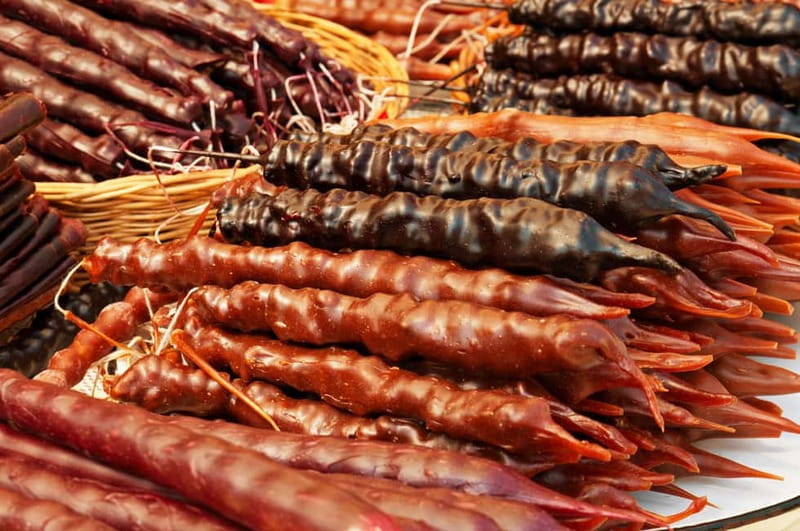
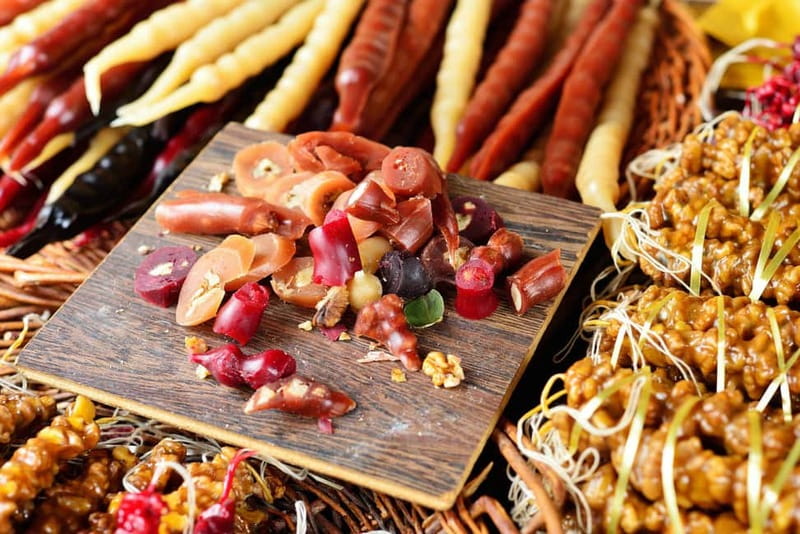
The route does not stay inside the traditional food world. You will also visit a modern food hall, where the selection shifts toward pecans, unusual spices, sauces, traditional sweets, and other local products.
This contrast gives the tour a useful shape. Dezerter Bazaar shows the older, everyday market culture, while the food hall offers a more contemporary setting for Georgian ingredients and food products. You can see how familiar flavors are presented in a newer urban space.
One particularly memorable tasting reported on the route is wine ice cream. Churchkhela, cheese, desserts, and small treats may also appear, with some items available to take home. These extras make the experience feel less like a fixed three-course meal and more like a guided tour through several parts of Tbilisi’s food culture.
The modern stop may appeal most if you want ideas for edible souvenirs. Still, the tour is not presented as a shopping trip, so the focus remains on tasting and learning rather than buying a large haul.
More Food and Drink Trips in the world:
- Bangkok by Night: Temples, Markets and Food Tuk-Tuk Tour
★ 5.0 · 3,752 reviews - Tokyo Tsukiji Fish Market Food and Culture Walking Tour
★ 5.0 · 3,184 reviews - Bangkok: Markets, Temples and Food Night Tour by Tuk Tuk
★ 4.9 · 2,371 reviews - London Bridge & Borough Market Food Tour with 7 Authentic Dishes
★ 5.0 · 1,972 reviews
Food is only half the walk
The sightseeing helps keep the tour from becoming a long series of meals. As you move through the city, you can see parts of the urban center, street art, vintage shops, and less familiar streets.
This is where the route becomes more personal. A guide can point out details you might pass without noticing, then connect them to Tbilisi’s culture and past. One route included an explanation of the left bank and several city highlights, while another included local markets, street art, vintage shops, and quieter parts of the city.
The result is not a formal monument tour. You are getting a food walk with urban exploration folded into it. If you want a complete introduction to every major sight in Tbilisi, this is not the right format. If you want food stops to lead you through the city, it works well.
Wear shoes that can handle two to three hours of walking. The route includes markets and city streets, and the activity information advises weather-appropriate clothing, a sun hat, and water. Large bags and luggage are not allowed, so leave your suitcase at your accommodation.
Guides who shape the day
The guide can make a large difference on a tour like this. The named guides connected with the experience include Camilla, Camila, Giorgi, and George. The spellings vary in the available information, so check the booking details if you need to know who is scheduled for your date.
Camilla has been described as friendly, punctual, fun to talk to, and strong on Tbilisi’s stories and food. Giorgi has offered personal recommendations and adjusted the route to suit individual interests. George has led an English-language walk that explained the city’s left bank and key sights.
The tour is available as a private experience or in a small group. A private booking should appeal to you if you want more control over the pace or food interests. A small group can offer a more social setting while keeping the walk more personal than a large coach tour.
One booking turned into a private tour because no one else had signed up. That is not something you should assume will happen, but it shows that the group format can sometimes be pleasantly intimate.
How much food should you expect?

The $40 price is reasonable if you value a guide, transport, several food stops, and a broad introduction to Tbilisi. You are not paying only for a plate of khinkali. The cost covers a guided walk, tastings at Dezerter Bazaar, a local restaurant, and a modern food hall, plus tastings of khinkali, khachapuri, wine, sauces, spices, and sweets.
Hotel pickup and drop-off add useful value, especially at the start of a trip when you are still learning the city. Taxi rides may be used for longer distances, so the day is not limited to the streets immediately around one market.
The exact value depends on what you would otherwise do. If you already know Tbilisi well and plan to eat cheaply at local places, you may prefer to explore on your own. But arranging several tastings, finding the market, understanding unfamiliar foods, and reaching different parts of the city would take time and planning.
The food quantity is the bigger issue than the price. This is not a light snack walk. Khinkali, khachapuri, wine, sweets, cheese, and sauces can become a full meal or more. Pace yourself, and ask the guide how much is coming before accepting every sample.
Timing, comfort, and practical limits
The tour lasts about two to three hours, with starting times based on availability. That is long enough to see several parts of the city without taking over your entire day.
You should bring comfortable shoes, water, a camera, a sun hat, and clothing suited to the weather. Tbilisi can feel different from one part of the walk to another, and a market visit is more enjoyable when you are not distracted by sore feet or heat.
Hotel pickup and drop-off are included, but you should confirm the pickup details when booking. The activity is conducted in English. Free cancellation is available up to 24 hours in advance, and the reserve now, pay later option lets you hold a place without paying immediately.
The restrictions are firm. Children under 12, wheelchair users, people with food allergies, and people over 75 are listed as unsuitable for this activity. The food volume, walking, and market setting explain why the tour may not fit every visitor.
Who should book this Tbilisi food tour?
I would choose this tour if you are visiting Tbilisi for the first time and want food to guide your sightseeing. It gives you an early orientation to the city while introducing dishes you might hesitate to order alone.
It also suits curious eaters who want variety. You are not limited to khinkali and khachapuri. You can try sauces, spices, wine, pecans, cheese, churchkhela, desserts, and possibly wine ice cream, with explanations along the way.
The tour is a good match for couples, solo visitors, and small groups who prefer conversation and personal attention. It is especially useful if you want local recommendations for the rest of your stay, since guides can point you toward further places to eat and explore.
I would think twice if you dislike rich food, have a strict allergy, cannot walk comfortably for two to three hours, or want a purely historical sightseeing tour. The route includes city stories, but food remains the main event.
Should you book it?
Book this tour if you want a generous tasting of Georgian food paired with a walk through real city neighborhoods. The Dezerter Bazaar, four khinkali varieties, homemade wine, and mixed old-and-new food stops give you more range than a standard restaurant meal.
Skip it if you need a fully allergy-safe menu, step-free access, or a quiet, lightly paced outing. For everyone else, $40 buys a useful first look at Tbilisi, with hotel transport and a guide who can connect what is on your plate to the city around you.
FAQ
How long does the Tbilisi food tour last?
The tour lasts approximately two to three hours. Starting times depend on availability.
What food is included?
Included tastings feature four varieties of khinkali, khachapuri, homemade Georgian wine, sauces, spices, and traditional sweets. Tastings also take place at Dezerter Bazaar, a local restaurant, and a modern food hall.
Does the tour include hotel pickup and drop-off?
Yes. Hotel pickup and drop-off are included.
Is the tour conducted in English?
Yes. The listed tour language is English.
Is this a private tour or a group tour?
You can book it as a private tour or as a small-group experience.
Can children join the tour?
The activity is not suitable for children under 12 years old.
Can someone with food allergies join?
The activity is listed as unsuitable for people with food allergies. You should notify the guide about any food allergies or dietary restrictions before the tour.
What should I bring?
Bring comfortable walking shoes, a water bottle, a camera, a sun hat, and clothing suited to the weather. Pets, luggage, and large bags are not allowed.
Just added around the world
- 3-Hour Herbal Wholesale TCM Market and a Local Wet Market Tour★ 5.0 · 4 reviews
- Half-day Dandan Noodles Cooking Class with a Local Market Visit★ 5.0 · 8 reviews
- Chania Old Town, Public Market and Chrisopigi Monastery Tour★ 4.5 · 6 reviews
- Charleston International Sweet Treats & Historic City Market Tour★ 5.0 · 22 reviews
- Chania: Old Town, Public Market, Hill of Prophet Elias, Agia Triada★ 5.0 · 35 reviews
- Food Tasting & Market Shopping: Private Guided Tour in PORT LOUIS★ 4.5 · 9 reviews
- Moroccan Cooking Class with a Local Family & Market Visit★ 5.0 · 16 reviews
- Private Market Tour & Cooking Class in Casablanca with Transfers★ 5.0 · 20 reviews
Street Food Market Tours, compared.
Old Town, Creek, Museums, Souks, & Street Food Tour
Read our review →
Old Town, Souks, Street Food, Guided Tour & Abra Ride
Read our review →
Old Town, Souks, Street Food, Guided Tour & Abra Ride
Read our review →
Small Group Cooking Class & Market Food Tour in Florence
Read our review →
Old Town, Street Food, Creek, Souks, & Emirati House
Read our review →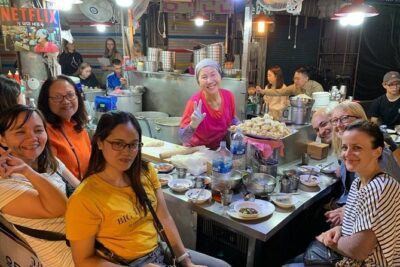

Browse the lists this tour appears in