
Review · WET & CAMEL MARKET TOURS
Singapore Market to Table Culinary Experience (Wet Market Tour included)
Singapore’s food story begins before the cooking. You walk through a local wet market, learn how ingredients connect to Singapore’s Chinese, Malay, Indian, and other communities, then sit down at a coffee shop for toast and a cup of kopi ordered to your taste. The market visit gives the cooking class a useful sense of place.
I like two things here: the small group size, capped at 10, and the chance to cook several dishes rather than watch a chef do all the work. Chefs including Denise, Colin, Vivian, and Vidhya are praised for friendly instruction and clear cultural context. The main consideration is that the market can feel quiet, and the menu may change from the one shown when you book.
Key points
- Wet market before breakfast: Learn about Singaporean ingredients while seeing an everyday neighborhood market.
- Kopi ordering lesson: Practice ordering local coffee in the traditional coffee-shop style.
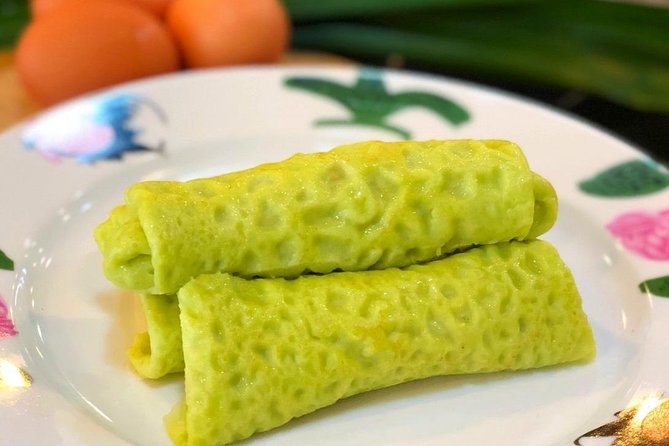
- Several dishes from scratch: Past menus have included Hainanese chicken rice, ngoh hiang, prawn rolls, and kueh dadar.
- Small class of up to 10: The limited size allows more hands-on time with the chef.
- Strong cultural focus: Food is used to explain Singapore’s mixed communities and culinary traditions.
- Allow about three to three and a half hours: The advertised duration is about three hours, but the class can run longer.
Starting at Crawford Lane at 9am
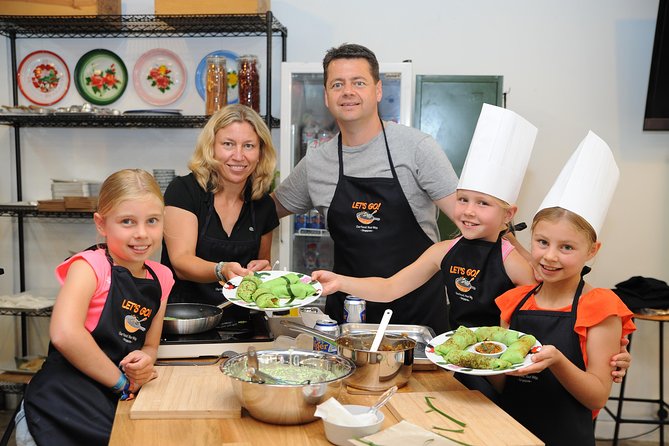
You meet at Let’s Go Cook Singapore at Crawford Lane, at Block 462, unit 01-57. The class starts at 9am and ends back at the same place, so you do not need to arrange a second pickup point.
Transportation is not included. The meeting point is near public transportation, but you will need to make your own way there. I would plan to arrive early, especially if you are crossing central Singapore during the morning rush. A late arrival could be awkward because the group may leave for the market soon after the introduction.
The setting is practical rather than polished. One piece of feedback describes the cooking location as shared with a bicycle rental shop and somewhat cluttered, with poor toilet facilities. That complaint is not reflected in the overall score, but it is worth keeping in mind if you expect a sleek demonstration kitchen.
The class is a better fit for people who care more about food, instruction, and local context than about a fancy room. The cooking equipment and ingredients are supplied, and bottled water is included.
More Wet and Camel Market Tours in the world:
- Immersive Cooking Class & Wet Market Tour by Local Chef +Cookbook
★ 5.0 · 367 reviews - Chef Samuel’s Private Malaysian Cooking Class with Wet Market Tour
★ 5.0 · 92 reviews - Cairo Unusual Day Tour Visit Camel Market in Birqash
★ 4.5 · 9 reviews
Seeing Singapore through a wet market
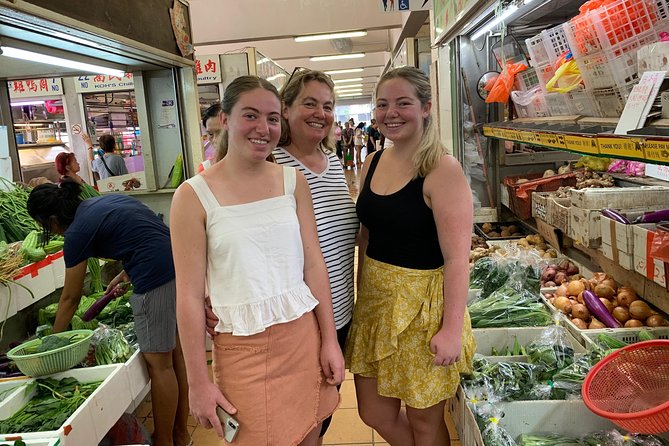
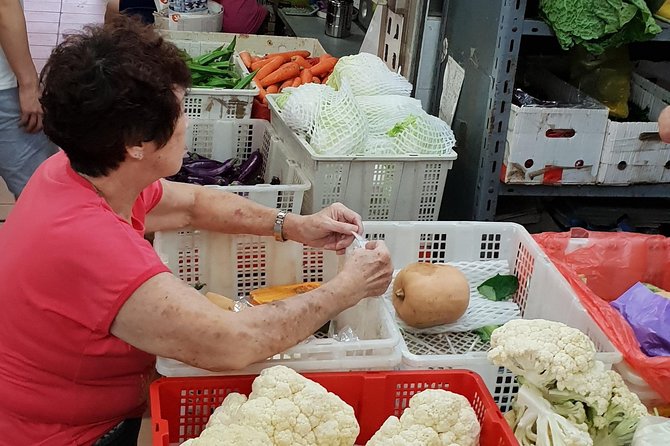
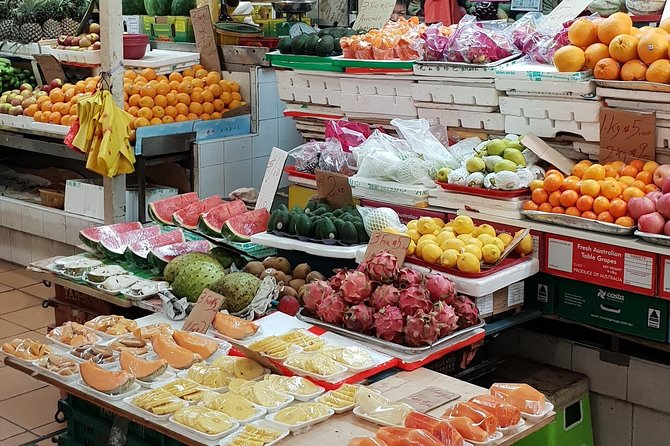
The first major part of the morning is a walk through one of Singapore’s wet markets. A licensed guide leads you through the stalls and explains the ingredients used in local cooking. This matters because Singaporean dishes often depend on details that are easy to miss in a restaurant menu: the type of rice, the cut of meat, the freshness of seafood, and the balance of herbs, sauces, and aromatics.
You are not simply shopping for lunch. The guide uses the market to explain how Singapore’s food reflects its population. Chinese, Malay, Indian, and other influences meet in the country’s kitchens, and the ingredients provide a clear way to understand that mix.
The market portion also gives you a look at an ordinary residential area, away from the polished shopping streets and major sights. One of the appealing details here is that the class connects food with daily life. You see where ingredients are bought, learn what locals look for, and then use some of those ideas in the kitchen.
Keep your expectations measured. A wet market is not guaranteed to be at its busiest in the morning. Some stalls may be closed, and one experience found the market underwhelming because it was quiet and located in an older neighborhood. If you want a large, noisy market packed with vendors, this may not deliver that every day.
Still, a quieter market has its own value. You get more time to ask questions, and the guide can focus on ingredients instead of rushing through a crowded aisle. The quality of this section depends partly on the day and on the guide leading it.
Learning to order kopi with breakfast
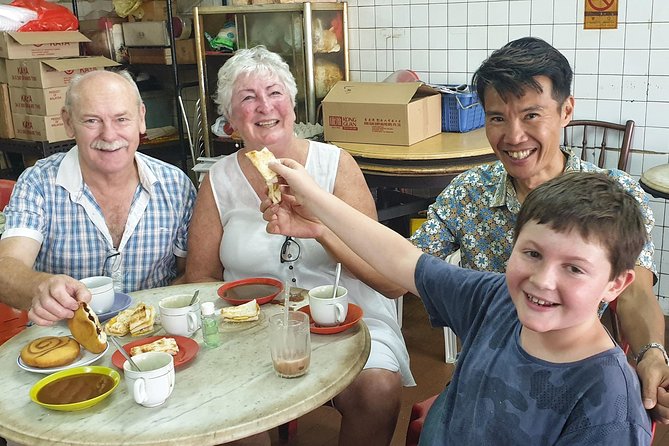
After the market walk, you stop at a local coffee shop for a simple breakfast. Toast and local snacks may be part of the spread, and the guide explains how to order coffee in the Singaporean style.
This is a small detail, but it is one of the most useful parts of the morning. Local coffee orders use short terms that can seem confusing at first, especially when you are choosing sugar, milk, or preparation style. Here, you learn the system and place the order yourself rather than simply receiving a cup.
Breakfast also gives the group a relaxed pause before cooking begins. You can try the coffee, observe how the shop works, and ask questions about food customs. It is not presented as a grand tasting menu. Think of it as a practical introduction to an everyday Singapore habit.
The exact breakfast items are not fixed in the information provided. You should expect a modest local breakfast, not a full hotel-style meal. If you need a substantial meal early in the day, keep that in mind.
Cooking Singaporean dishes from scratch
Back at the cooking school, an experienced local chef leads the hands-on class. The teachers named in the feedback include Denise, Colin, Vivian, and Vidhya. Different dates may have different chefs, but the strongest part of the instruction is the combination of cooking technique and explanation.
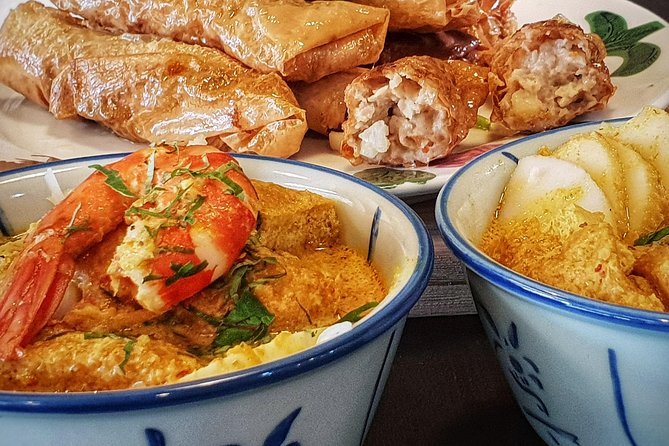
You prepare several local dishes, then sit down to eat what you have made. Past menus have included Hainanese chicken rice, ngoh hiang, prawn or shrimp rolls, and kueh dadar, a traditional dessert. The menu can change, so you should not book expecting one exact set of recipes unless the operator confirms it in advance.
Hainanese chicken rice is especially useful as a lesson because the dish looks simple but relies on careful technique. The chicken, rice, sauce, and seasoning each matter. One particularly positive experience described the homemade version as far more flavorful than the chicken rice tried elsewhere in Singapore. That is the kind of result that makes a cooking class more useful than simply ordering the finished dish.
Ngoh hiang gives you a different lesson in texture and shaping. Dessert, such as kueh dadar, adds variety and keeps the class from becoming a single savory exercise. You are not only learning a main course. You are working with different cooking methods and finishing with something sweet.
The chef demonstrates each stage and then has you take part. You might chop, mix, shape, season, or cook, depending on the dish and the way the class is organized that day. A group of 10 or fewer is small enough for the chef to give individual attention, though the amount of help you receive can vary with the group and the menu.
The class suits beginners. You do not need to arrive with professional skills, and several people described getting good results despite limited cooking experience. At the same time, experienced home cooks may appreciate the reasons behind the methods, such as why garlic is stirred or fried in a particular way.
A few more market tours around the world worth a look
- Bangkok: Damnoen Saduak Market and Maeklong Railway Market
★ 4.5 · 26,723 reviews - The Old Siam: Damnoen Saduak and Maeklong Railway Market
★ 4.5 · 10,992 reviews - Dubai: Old Town, Creek, Museums, Souks, & Street Food Tour
★ 4.8 · 10,816 reviews - Bangkok: Train Market & Floating Market with Boat Ride
★ 4.7 · 9,547 reviews
Why the chef makes or breaks the morning
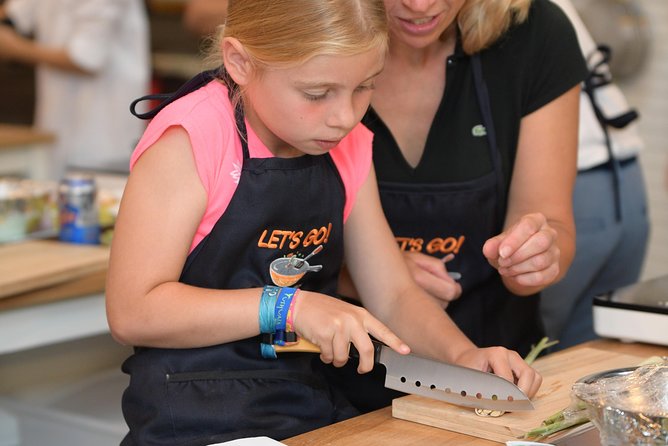
This experience depends heavily on the person leading it. The best sessions combine warm personality, clear English, cooking ability, and a good sense of timing. Denise is praised for teaching both the food and Singapore’s past. Colin receives particular credit for step-by-step demonstrations and useful suggestions for other foods and places to try in Singapore. Vivian and Vidhya are also described as friendly, informed, and capable instructors.
That personal approach is important because the class is more than a recipe lesson. You are learning why dishes developed as they did and how they fit into Singaporean life. A chef who explains the reason for a technique gives you something you can repeat at home, not just a list of steps.
The instruction is not perfect on every date. One participant felt the chef did not give enough help and that several dishes did not turn out well. Another expected recipes to be supplied and did not receive them. If you want printed instructions to take home, ask about that before booking or bring a phone to take notes, if permitted.
Food allergies need careful handling. One participant had informed the operator about a seafood allergy but still encountered prawns on the menu. If you have an allergy or strict dietary requirement, contact the operator directly and get confirmation that the planned dishes can be changed. Do not assume that a note made during booking will automatically alter the class.
How much food and time you should expect
The advertised duration is about three hours, but you should leave closer to three and a half hours free. The market walk, coffee-shop breakfast, preparation, cooking, and shared meal take time. One person specifically found that the session ran about three and a half hours and made it hard to plan something immediately afterward.
You finish by eating the dishes prepared during class. This is part of the value: you learn a recipe, practice the method, and taste the result in the same morning. Some groups make more food than they can finish, so arrive ready for a substantial meal rather than a quick snack.
Bottled water is included, but one person felt that water was not offered often enough during the three-hour activity. It is sensible to carry your own water, especially in Singapore’s heat. The morning includes walking outdoors and time in a warm cooking space, even though the exact amount of walking is not specified.
Is the $112.33 price good value?
At $112.33 per person, this is not the cheapest way to eat in Singapore. You can have a fine hawker meal for far less. The price makes more sense when you count the full morning: a guided market visit, coffee-shop breakfast, licensed guide, chef-led instruction, ingredients, equipment, and a meal you prepare yourself.
The small class helps justify the cost. With a maximum of 10 people, you have a better chance to handle ingredients and ask questions than in a large demonstration. The value is strongest if you want practical skills and cultural context, not merely lunch.
It is also useful for families and friends. A 13-year-old who enjoys cooking can take part, and the activity gives a group a shared task instead of another sightseeing stop. Couples can use it as a relaxed morning activity, while solo participants may appreciate the small group format.
The price is less convincing if you mainly want a market spectacle or a guaranteed menu. The market may be quiet, the cooking space may feel basic, and dishes can change. You are paying for the teaching and the full food experience, not for a luxury venue.
Who should book this cooking class?
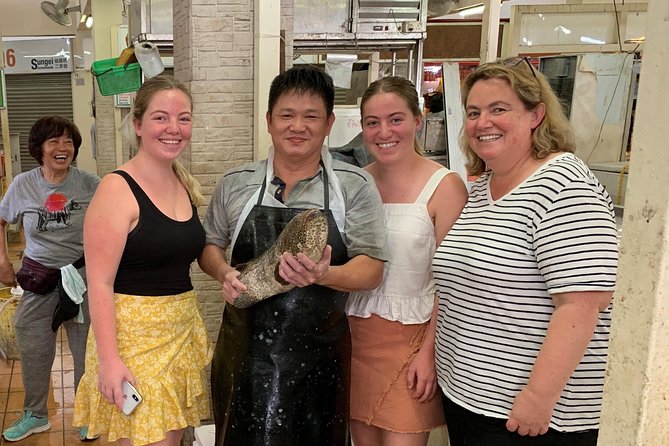
I would recommend it to first-time visitors who want a clearer understanding of Singaporean food. It is also a good choice if you plan to eat at hawker centers afterward, since you will recognize dishes such as chicken rice and understand more about the ingredients behind them.
Families with older children should find the hands-on format useful. The class is active without requiring advanced cooking skills, and the meal gives everyone a reason to stay involved. Couples and small groups who enjoy food stories will also get more from it than people who prefer a fast, tightly scheduled tour.
You should think twice if you need a spotless, spacious kitchen, a fixed menu, printed recipes, or careful accommodation for dietary restrictions. You should also avoid scheduling a major attraction immediately afterward. The morning can run longer than the stated three hours.
Free cancellation is available if you cancel at least 24 hours before the start time. Changes or cancellations made within 24 hours are not accepted for a refund, and the experience requires a minimum number of participants. If the operator cancels because that minimum is not met, you are offered another date or experience, or a full refund.
The final call
Book this if you want to understand Singapore through the food people buy, order, prepare, and eat every day. The strongest reasons are the small class, the market context, the coffee-ordering lesson, and the chance to make several dishes with chefs such as Denise or Colin.
Skip it if a quiet market would disappoint you or if you need firm guarantees about the menu and recipes. For most food-focused visitors, the combination of market, breakfast, instruction, and shared meal offers good value, provided you allow the full morning and confirm any allergy or dietary request in advance.
FAQ
Where does the Singapore cooking experience start?
It starts at Let’s Go Cook Singapore, Crawford Lane, #01-57 Block 462, Singapore 190462.
What time does the activity begin?
The start time is 9am.
Where does the activity end?
It ends back at the meeting point.
How long does the experience last?
The advertised duration is about three hours, but you should allow about three and a half hours because the market visit, cooking, and meal may take longer.
What is included in the price?
The price includes bottled water, a wet market tour with a licensed guide, cooking ingredients and equipment, and a guided hands-on class with an experienced local chef.
Is transportation included?
No. You arrange your own transportation to and from the meeting point.
How many people can join the class?
The maximum class size is 10 people.
Can I cancel for a full refund?
Yes, if you cancel at least 24 hours before the experience start time. Cancellations or changes made less than 24 hours in advance are not refunded or accepted.
Just added around the world
- Half-day Dandan Noodles Cooking Class with a Local Market Visit★ 5.0 · 8 reviews
- 3-Hour Herbal Wholesale TCM Market and a Local Wet Market Tour★ 5.0 · 4 reviews
- Chania Old Town, Public Market and Chrisopigi Monastery Tour★ 4.5 · 6 reviews
- Charleston International Sweet Treats & Historic City Market Tour★ 5.0 · 22 reviews
- Chania: Old Town, Public Market, Hill of Prophet Elias, Agia Triada★ 5.0 · 35 reviews
- Food Tasting & Market Shopping: Private Guided Tour in PORT LOUIS★ 4.5 · 9 reviews
- Moroccan Cooking Class with a Local Family & Market Visit★ 5.0 · 16 reviews
- Private Market Tour & Cooking Class in Casablanca with Transfers★ 5.0 · 20 reviews
Wet & Camel Market Tours, compared.
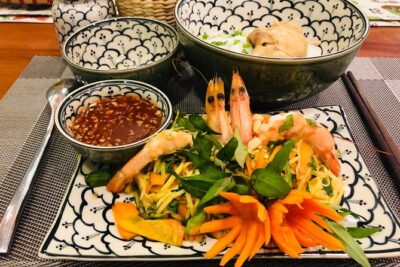
Immersive Cooking Class & Wet Market Tour by Local Chef +Cookbook
Read our review →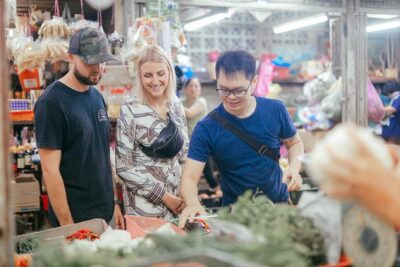
Chef Samuel’s Private Malaysian Cooking Class with Wet Market Tour
Read our review →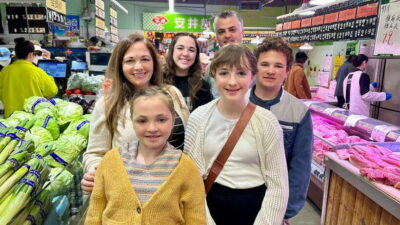
Beijing: Dumpling-Making Class with wet Market visit
Read our review →
Cairo Unusual Day Tour Visit Camel Market in Birqash
Read our review →

4-Hr Shanghai Layover Tour: Maglev, Wet Market, Food, Landmarks
Read our review →
3-Hour Herbal Wholesale TCM Market and a Local Wet Market Tour
Read our review →
Hangzhou Insider Mini-Hike: TCM, Hill Views and Wet Market
Read our review →Browse the lists this tour appears in