
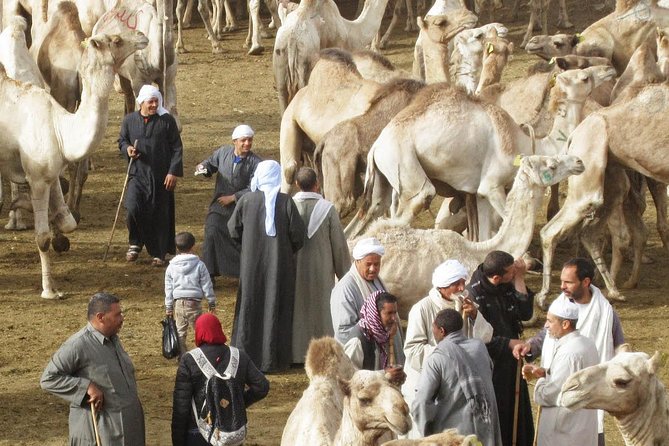
Review · WET & CAMEL MARKET TOURS
Cairo Unusual Day Tour Visit Camel Market in Birqash
Birqash Camel Market is not a polished attraction. It is a working animal market where hundreds of camels change hands, dealers bargain loudly, and animals may be led, tied, or forced into place. The best action comes early, so this 7 a.m. departure gets you there during the market’s busiest hours.
I like the private format and the included hotel transfer. You get a guide to explain the camel trade and help you move safely near the animals, rather than wandering into a crowded market alone. I also like the chance to see an everyday side of Egypt far removed from pyramids and museums. The main drawback is clear: some handling of the camels is cruel, and this visit will not suit everyone.
Key points to know before you go
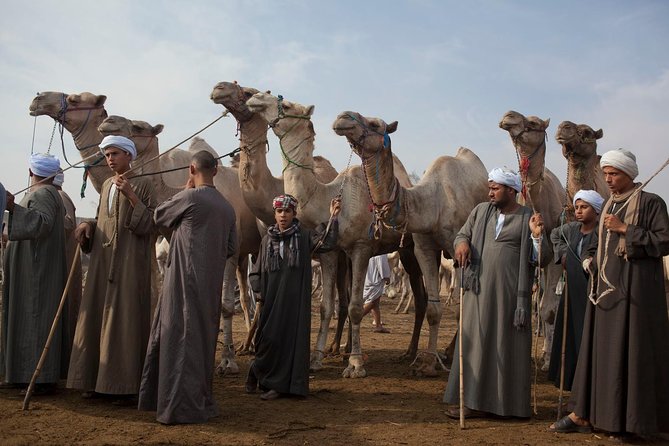
- Hundreds of camels gather near Cairo: Birqash is Egypt’s largest camel market, held in a village about 35 kilometers northwest of the city.
- Friday and Sunday are the best days: These are the regular departure days, with the strongest activity usually between 7 a.m. and 10 a.m.
- Your guide helps you read the scene: You learn how dealers and auctioneers buy, sell, and judge the animals.
- The private setup matters: Only your group takes part, with pickup and return service from a Cairo or Giza hotel.
- Photography is a major draw: Camels, merchants, auctioneers, and the crowded market create unusual subjects.
- Expect difficult scenes: Animal treatment can be rough, including camels with a leg tied while they move.
Why Birqash feels so different from Cairo’s famous sights
Most first visits to Cairo follow a familiar path: pyramids, museums, mosques, and ancient tombs. Birqash gives you something else entirely. You leave the city for a small village at the edge of the cultivated Delta, where the focus is not on monuments but on trade.
This is a real market serving the camel business. It is not arranged for tourists, and there is no polished visitor route. Dealers, merchants, and auctioneers work around the animals while buyers inspect them and prices are discussed. That lack of staging is what makes the outing unusual.
You should also set your expectations correctly. This is not a gentle camel encounter where you ride an animal for a few minutes and pose for a picture. It is a livestock market. The noise, movement, and treatment of the camels can be upsetting, especially if you care strongly about animal welfare.
For me, that honesty matters. The experience has cultural value because it shows a working part of Egyptian life that most short visits never reach. But seeing a local custom does not make every part of it comfortable or acceptable. You can find the market fascinating and still dislike what you see.
More Wet and Camel Market Tours in Cairo:
- Unusual Tour To The Camel Market Of Birqash
★ 5.0 · 2 reviews - Singapore Market to Table Culinary Experience (Wet Market Tour included)
★ 5.0 · 479 reviews - Immersive Cooking Class & Wet Market Tour by Local Chef +Cookbook
★ 5.0 · 367 reviews
The 7 a.m. pickup and drive from Cairo
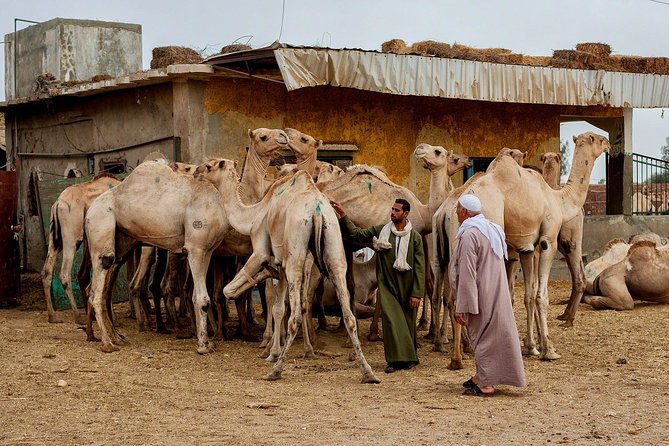
The tour begins with pickup from your hotel in Cairo or Giza at 7 a.m. Door-to-door transport is one of the most useful parts of the package. Birqash is about 35 kilometers, or 22 miles, northwest of Cairo, and the market is not in the center of the city.
The early start is important, not decorative. The liveliest market activity usually runs from 7 a.m. to 10 a.m., so leaving early gives you a better chance of seeing dealers and auctioneers at work. A later visit could miss the busiest trading period.
The tour lasts about three to four hours in total, with roughly three hours assigned to the market visit. That makes it easy to fit into a Cairo stay. You can spend the rest of the day at your hotel or plan another activity, though you should allow some flexibility around the return time.
Because the tour is private, your group does not have to wait for a busload of other people. That can make a real difference at an active animal market. You can stay with your guide, ask questions as things happen, and focus on the parts that interest you most.
One practical caution deserves attention. The transport and guide service need to be confirmed carefully before departure. One recorded experience involved the driver and guide not showing up at the hotel and not answering phone or WhatsApp messages. That appears to be an isolated but serious service failure, so I would confirm the pickup time and contact details the day before.
Entering Souq al-Gamaal in Birqash
The market is known as Souq al-Gamaal, or camel market. It takes place in Birqash, a small village near the edge of Egypt’s cultivated Delta land. As you arrive, expect a working market rather than a visitor center or formal entrance hall.
Hundreds of camels may be present on a market day. The scene changes quickly. Some animals are being led through the market, others are inspected by buyers, and auctioneers conduct sales in different parts of the area. A guide is especially useful here because there may not be one single central auction that explains everything.
Your guide explains the rules of the camel trade and helps you understand what is happening. You may learn about different camel breeds and how dealers judge the animals. One particularly positive account came from someone with a farming background who appreciated seeing how the market operated and learning about camel breeding.
That kind of explanation gives the visit more meaning. Without it, you might see only a mass of animals and shouting merchants. With context, you can begin to understand the roles of the sellers, buyers, auctioneers, and handlers.
The market is also physically active. One person described camels running through the area, including some with one leg tied. A guide stayed close and helped prevent a dangerous encounter with an animal. This is a useful reminder that the tour is not just a sightseeing walk. You need to pay attention to where you stand and follow the guide’s instructions.
What you will see, hear, and photograph
The strongest feature of Birqash is its visual variety. You have the camels themselves, merchants in conversation, dealers inspecting animals, and auctioneers working across the market. The setting gives you photographs that look very different from the standard Cairo images.
A professional photographer guide is included, which should help with both timing and composition. That does not mean you will receive a formal photography lesson or a set of finished photographs. It means your guide can help you notice useful scenes and position yourself with greater care.
Bring patience. The best image may not be the largest camel or the closest portrait. It might be a dealer negotiating with a buyer, a group of camels moving through the market, or a wide view showing the scale of the trading ground.
You should ask before photographing people at close range. The tour information promises opportunities to photograph camels, merchants, and dealers, but respectful behavior still matters. Your guide can help you judge when a picture is appropriate.
The light should also be better early in the morning than later in the day, but the tour data does not promise particular weather or photography conditions. Treat the photo opportunity as a strong possibility, not a guaranteed professional shoot.
More Market Day Trips in Cairo:
- Day Tour to Giza Pyramids Complex, Egyptian Museum & Bazaar
★ 5.0 · 530 reviews - Old Cairo and Khan El Khalili Bazaar: Private Half-Day Tour
★ 4.6 · 251 reviews - Full Day Tour To Giza Pyramids Egyptian Museum and Khan Khalili Bazaar
★ 5.0 · 96 reviews - Best Full-Day Tour to Giza Pyramids Egyptian Museum and Bazaar
★ 5.0 · 93 reviews
The hard part: animal treatment at the market
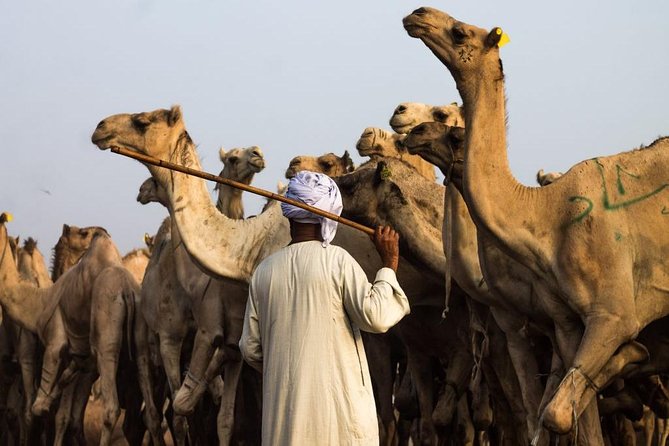
This is the section you should read before booking. The market is described as not being for the faint of heart because some traders treat the camels with intense cruelty. That is not a minor footnote. It is central to deciding if the tour is right for you.
You may see animals being pushed, pulled, or restrained as they are brought to buyers. One account described camels running with one leg tied. Even if you have visited farms or livestock markets before, this setting can feel severe.
The guide can explain the trade and help keep you safe, but the guide cannot turn the market into an animal-friendly attraction. You should not book this experience expecting a soft cultural encounter or a simple chance to admire camels.
I see two fair ways to approach the visit. You might consider it a difficult but valuable look at a real trade, taken with open eyes and without pretending the conditions are pleasant. Or you might decide that watching animals handled this way is not something you want to support or witness. Both responses are reasonable.
Families should think carefully before booking, especially if children are sensitive to animal suffering. The supplied information says most people can participate, but that is a general statement about physical participation, not a promise that the content will suit every age or temperament.
Why the private guide is worth having
The private format is more than a comfort feature. In a market with hundreds of animals and many separate sales, a guide helps you understand the action before it disappears.
You are not simply driven to a site and left to walk around. The guide explains the trade, points out what dealers are doing, and keeps a close watch as camels move nearby. That safety role is important. A camel is large, quick, and unpredictable, particularly in a crowded market.
The guide can also help bridge the gap between observation and understanding. You may learn why certain animals attract attention, how the buying process works, and how different breeds are viewed. The exact amount of detail will depend on the guide assigned to your group, since no guide names or fixed script are provided.
A private tour also lets you ask direct questions. If you want to understand breeding, pricing, or auction customs, this is a better setup than a large group where the guide must keep moving. If you prefer to watch quietly and take photographs, you have more room to do that too.
Is $50 a fair price?
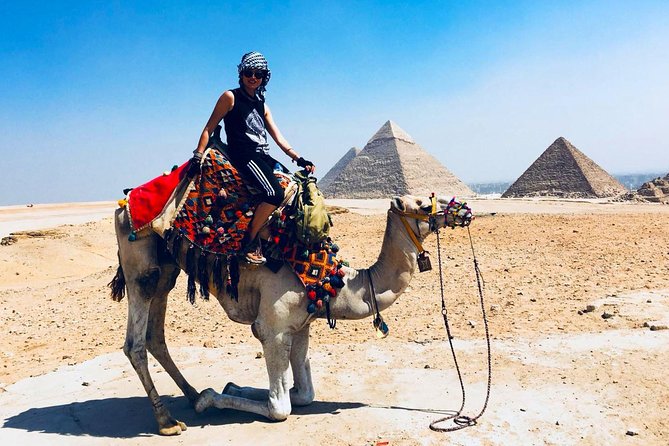
At $50 per person, the tour offers reasonable value if you want a private, unusual half-day outing. The price includes hotel pickup and drop-off, a tour guide, a professional photographer guide, bottled water, and taxes and handling charges.
The value is strongest for people who would not feel comfortable finding Birqash alone. You are paying for transport out of Cairo, a guide who explains the market, and help staying safe around the animals. Since the market is about 35 kilometers from the city, those practical services matter.
Entrance fees may depend on the option chosen, so check the exact package before paying. The basic price should not be treated as proof that every possible admission charge is included.
Group discounts may be available, which can lower the per-person cost for a small party. Since the activity is private, the price may make more sense when shared by several people who all want to see the market.
I would not choose this tour only because it is inexpensive. Its real value is access and interpretation. If you have already seen Cairo’s main attractions and want a working local setting, $50 is a fair rate. If you are looking for comfort, polished organization, or a lighthearted animal activity, the price will not solve the mismatch.
Who should book this unusual Cairo tour?
This outing suits repeat visitors who have already covered the main sights and want a different side of Egypt. It also fits photographers, people interested in farming and animal trade, and anyone curious about how a large local market functions.
You are likely to enjoy it if you:
- Prefer working places to staged attractions
- Want a private guide rather than a large group
- Like photographing people, animals, and market activity
- Can handle noise, crowds, and difficult scenes
- Want an early half-day activity outside central Cairo
You should think twice if you are very sensitive to animal cruelty, want a calm morning, or expect to ride camels. This is a buying and selling market, not a camel-riding excursion.
The tour is also a good choice if you want a short activity with a clear start and finish. It begins at 7 a.m. and ends back at your Cairo or Giza hotel, so it does not consume a full day of sightseeing.
Booking, cancellation, and practical details
Confirmation is provided at booking. Pickup is offered from hotels in Cairo or Giza, and the activity ends back at the meeting point, with hotel return included in the tour details.
The experience is private, so only your group takes part. It is near public transportation, though the included pickup is likely the simpler choice for visitors staying in Cairo or Giza.
Most people can participate. The tour includes bottled water, but the supplied details do not specify advice about clothing, footwear, or camera equipment. Use sensible judgment for a working market, and keep your belongings secure while moving around animals and crowds.
Free cancellation is available if you cancel at least 24 hours before the local start time. Cancellations or changes made less than 24 hours before departure are not accepted for a refund.
Should you book the Birqash Camel Market tour?
Book it if you want a direct look at local commerce and you understand that the visit may be uncomfortable. The private guide, early timing, transport, and photo opportunities make this one of Cairo’s more unusual half-day choices.
I would especially recommend it to repeat visitors, photographers, and people interested in agriculture or animal trading. I would not recommend it to anyone expecting a cheerful camel encounter or who knows that scenes of animal mistreatment will ruin the day.
The one practical warning is to confirm your pickup in advance, given the reported no-show experience. If the operator confirms the details and you are prepared for what you may see, Birqash can show you a side of Egypt that museums and monuments cannot.
FAQ
Where is Birqash Camel Market?
Birqash Camel Market is in the village of Birqash, about 35 kilometers, or 22 miles, northwest of Cairo near the edge of the cultivated Delta area.
What time does the tour start?
The tour starts at 7 a.m. This early departure matches the market’s busiest period, which is usually between 7 a.m. and 10 a.m.
How long does the tour last?
The experience lasts approximately three to four hours. The market visit itself is listed as about three hours.
Are hotel transfers included?
Yes. Pickup and drop-off are included for hotels in Cairo or Giza.
Is this a private tour?
Yes. Only your group participates in the activity.
Which days are best for visiting?
Friday and Sunday are the best days to visit according to the tour details.
What is included in the price?
The price includes taxes, fees, handling charges, bottled water, a tour guide, a professional photographer guide, and hotel pickup and drop-off.
Are entrance fees included?
Entrance fees depend on the tour option selected, so check the package details before booking.
Can most people take part?
Yes. The additional information states that most people can participate. The market can still be difficult to watch because some animals may be handled cruelly.
Can I cancel for a full refund?
Yes, if you cancel at least 24 hours before the experience start time. Cancellations or changes made less than 24 hours before the start time are not accepted for a refund.
Just added around Cairo
- Cairo layover tour Giza pyramids Egyptian museum local bazaars Camel ride Lunch★ 4.5 · 2 reviews
- Private Tour Giza Pyramids ,Egyptian Museum and Local Market★ 5.0 · 3 reviews
- Unusual Tour To The Camel Market Of Birqash★ 5.0 · 2 reviews
- VIP guided Tour Khan El Kahili Market Private Tour and Shopping★ 5.0 · 4 reviews
- Shopping tour In Governmental Bazaars include guide’s advisor★ 5.0 · 8 reviews
- Private tour to the Pharaonic Village and Khan El Khalili Market★ 4.5 · 9 reviews
- Private Walking Tour in ElMoez Street & Khan Elkhalili Market★ 5.0 · 15 reviews
- Private Cairo City Tour: Giza Pyramids, Egyptian Museum and Khan Khalili Bazaar★ 4.5 · 30 reviews
Wet & Camel Market Tours, compared.

Singapore Market to Table Culinary Experience (Wet Market Tour included)
Read our review →
Immersive Cooking Class & Wet Market Tour by Local Chef +Cookbook
Read our review →
Chef Samuel’s Private Malaysian Cooking Class with Wet Market Tour
Read our review →
Beijing: Dumpling-Making Class with wet Market visit
Read our review →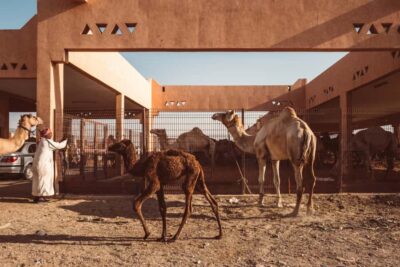

4-Hr Shanghai Layover Tour: Maglev, Wet Market, Food, Landmarks
Read our review →
3-Hour Herbal Wholesale TCM Market and a Local Wet Market Tour
Read our review →
Hangzhou Insider Mini-Hike: TCM, Hill Views and Wet Market
Read our review →Browse the lists this tour appears in