
Review · FOOD & DRINK
Shared Tour Cali’s Local Food at Alameda Market
Cali’s Alameda Market is more than a place to grab lunch. It is where regional food, family recipes, Pacific traditions, fresh produce, household goods, and daily survival meet under one roof. This tour gives you a practical way to understand Valle del Cauca through what people cook and sell.
I like the focus on small, authentic market stops rather than a polished restaurant menu, and I like the chance to taste less familiar items such as champús, cucas, borojó juice, and viche. The main drawback is the walking: you may cover about 8 kilometers, and food, drinks, and souvenirs are not included in the $13 price.
Key points
- Alameda Market is the heart of the tour, with food stalls, produce sellers, clothing, crafts, and household goods.
- Tastings introduce Valle del Cauca specialties, including champús, cucas, Pacific dishes, exotic fruit drinks, and viche.
- The guide explains food as culture and work, not simply as a list of dishes.
- Fernando is one of the named guides, praised for his humor, warmth, and clear explanations.
- The tour is conducted in English and lasts about 150 minutes, though the description also advises allowing close to three hours.
- Bring comfortable shoes and an open mind, since the market can be crowded and some flavors are unfamiliar.
Why Alameda Market is the right place to start
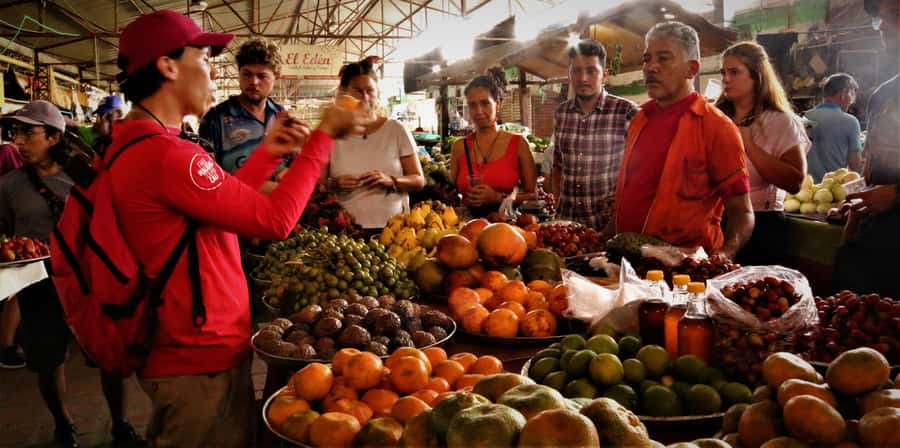
If you want to understand Cali’s food culture, Alameda Market is a better starting point than a standard restaurant. You see ingredients before they become dishes, meet the setting where local cooks and sellers earn their living, and get a look at the everyday trade that keeps the neighborhood moving.
The market is described as a center of economic survival. That matters. A food tour here is not only about tasting something new and taking a photo. It also shows how food connects families, vendors, farmers, cooks, and customers. The market sells much more than meals. You may pass stalls with fresh produce, clothing, crafts, and household goods, giving the walk a wider view of local life.
I especially like that the tour places Valle del Cauca at the center. The region draws on its geography and biological variety, as well as its Afro-Colombian and European influences. Those forces help explain why the food can move from sweet to salty, oily to spicy, and light fruit drinks to strong local alcohol in the same afternoon.
More Food and Drink Trips in Colombia:
- PALOQUEMAO MARKET FOOD TOUR. EXOTIC FRUIT. LOCAL SNACKS. /Min 2 pax
★ 5.0 · 70 reviews - Cartagena Bazurto Market: Authentic Food & Culture Tour
★ 4.5 · 13 reviews - Flavors of Cali: Food tour at the local market
★ 5.0 · 5 reviews
Meeting at Parque Alameda and setting out
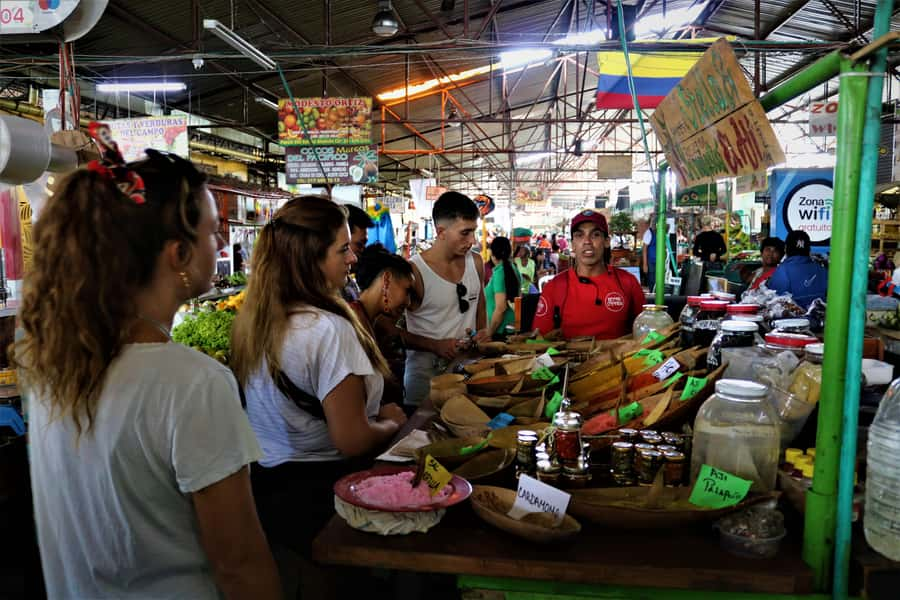
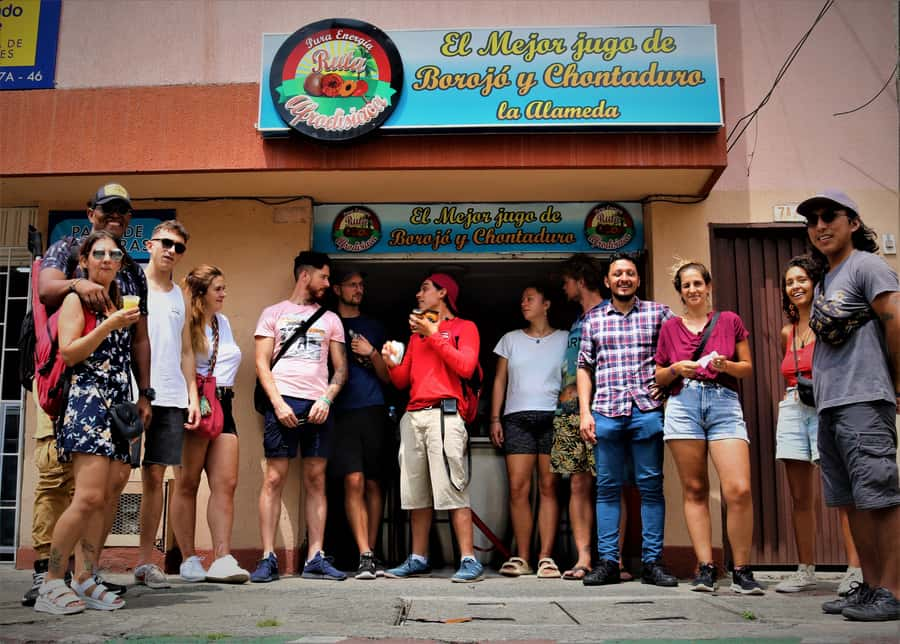
You meet the guide at Parque Alameda, looking for the red Beyond Colombia umbrellas. This is a simple meeting point, but give yourself enough time to find the group and settle in before walking into the market.
The experience is shared, not private. That keeps the price low and gives you the chance to meet other people, but it also means the pace and conversation will depend partly on the group. You will not have a private guide shaping every stop around your personal interests.
The walk includes resting stops, but it is still a serious outing on foot. The practical advice is clear: wear comfortable shoes, light and comfortable clothing, and bring water. A sun hat, biodegradable sunscreen, and insect repellent are also recommended. Cali’s weather can change, so pack a rainproof coat or umbrella. You do not want a sudden shower turning a food tour into a wet-shoe endurance test.
Tasting Cali through homemade recipes
One of the tour’s most useful features is its attention to homemade food. You are not just shown finished dishes. The guide discusses preparations, ingredients, traditional methods, and the reasons certain foods matter to local families.
Champús is one of the key tastes. This traditional drink is associated with the region and gives you a way to think about the use of corn, fruit, and sweet spices in local cooking. Cucas, a traditional sweet, provide a different side of the table. Together, these foods show how Valle del Cauca’s cuisine can be both nourishing and celebratory.
The food program also points toward well-known specialties such as tamal valluno, pandebono, manjar, viche, and fruit juices made from ingredients such as borojó. Not every item is necessarily served during every tour, so you should treat this as a guide to the regional food vocabulary rather than a fixed restaurant-style tasting menu.
That distinction is important. The experience promises visits to authentic places inside the market, but it does not promise an unlimited tasting platter. Food and drinks are extra, with a stated total of up to 40,000 COP if you try everything offered. Carry some Colombian pesos so you can make your own choices without having to skip a dish that catches your eye.
From Pacific cooking to European influence
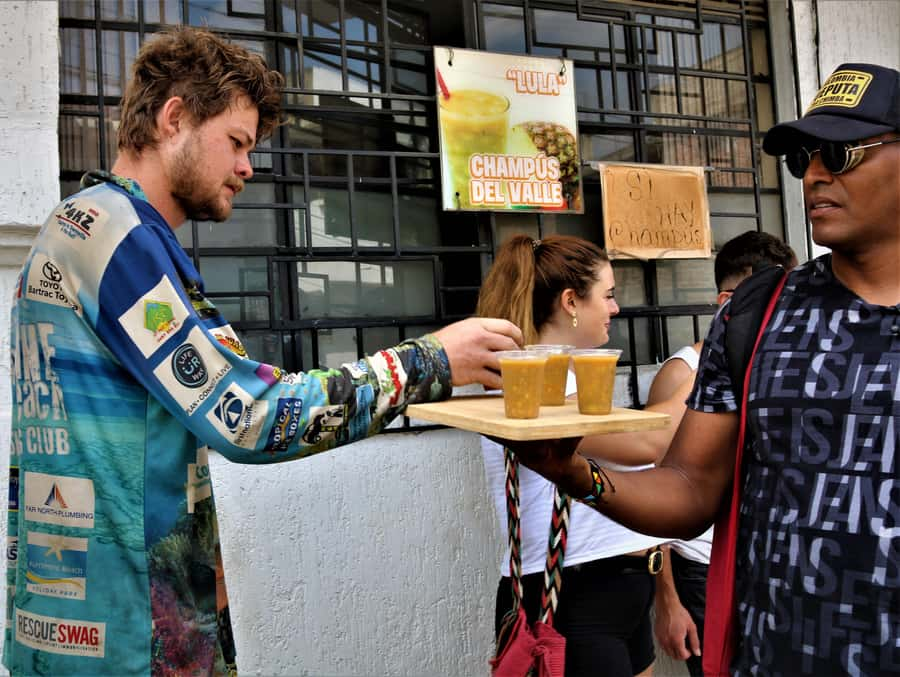
Valle del Cauca’s food cannot be reduced to one tradition. The tour explains the meeting of Afro-Colombian preparations and European flavors, along with the regional ingredients and techniques passed down through families.
The Pacific influence is especially important. You will taste traditional food from the Pacific and have the chance to toast with viche, a local alcoholic drink made within the region’s cultural traditions. Viche is not simply another spirit to sample. It opens a conversation about Afro-Colombian heritage, local production, and the way drinks can carry memory and identity.
The tour also looks at how local people use the environment. Valle del Cauca’s biological and geographic variety helps account for the wide range of fruit, grains, herbs, and other ingredients found in the food stalls. You may find unusual combinations or flavors that do not fit neatly into the sweet or savory categories familiar from home.
An open mind helps here. The organizers specifically ask you to be ready for new flavors and unexpected combinations. If you have a narrow diet or strong dislikes, the experience may feel less rewarding. If you enjoy asking what something is, how it is made, and why people eat it, you will get more from the walk.
A few more market tours around Colombia worth a look
- Medellín Multi-sensory Tour in the market, +15 Exotic Fruits
★ 5.0 · 113 reviews - Bazurto Public Market
★ 5.0 · 81 reviews - Fruit Tour at the World’s sweetest Market
★ 5.0 · 67 reviews - VIP Bogota City Tour: Farmers Market, Monserrate, Candelaria, 9hr
★ 5.0 · 66 reviews
The market as a working neighborhood
A good market tour should not make the people selling food feel like scenery. This experience gives the market an economic role, which makes the visit more meaningful.
The stalls represent income for hundreds of sellers and families. A purchase, even a small one, is part of that working system. You see how food is tied to household budgets, local commerce, and daily routines. The guide also connects recipes to social relationships and popular beliefs, showing that cooking can tell you who people are and how they relate to the place around them.
This is where the tour offers more than a checklist of regional dishes. It explains why a preparation exists, how it may have been handed down, and what it says about the people who make it. The result is a more grounded look at Cali than you would get by visiting only restaurants aimed at tourists.
Alameda Market can also be crowded. Keep your belongings close, especially around busy areas. The local phrase don’t give papaya is useful advice here: do not make it easy for someone to take advantage of you. Stay aware, follow the guide, and avoid carrying valuables in an exposed pocket.
What the 150-minute route feels like
The stated duration is 150 minutes, or two and a half hours. The tour description also says to expect approximately three hours, so I would set aside the longer window. Market conversations, tastings, and group movement can take time.
The route is on foot, with no tour transportation. You should expect a sequence of short walks, explanations, food stops, and pauses rather than a fast march from one stall to another. The distance may reach about 8 kilometers, which is more than many visitors expect from a food experience.
That distance changes who will enjoy the tour. You need to be comfortable standing and walking for several hours. The activity is not suitable for wheelchair users, and the operator says it is not suitable for people with food allergies. Vegetarian visitors can take part, but you should still explain your preferences to the guide before tasting anything.
The walking also has a benefit. You have time to see how the market changes from one area to the next, notice the range of goods for sale, and work up an appetite between tastings. Just do not book this immediately after another demanding walking tour unless your feet are ready for a second round.
The guide makes the difference
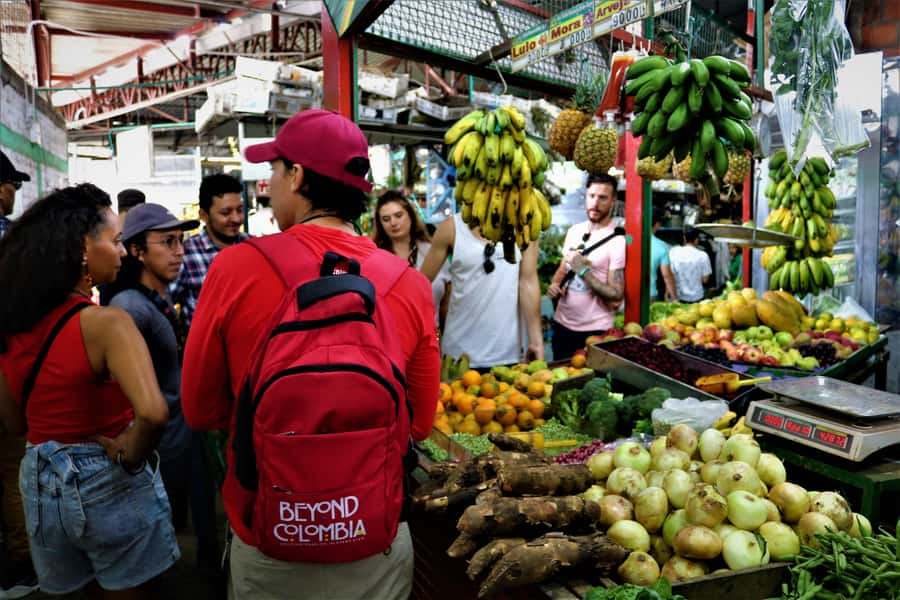
The experience is led in English by a professional Beyond Colombia guide. Fernando is the guide most clearly associated with the positive feedback supplied for this tour. He is described as funny, friendly, and good at showing people new things, which suits a market walk where personality matters.
A good guide here needs to do more than translate food names. You want someone who can explain ingredients in plain terms, keep the group together in crowded lanes, and connect a dish to local history and family practice. Fernando’s reported style, warm and humorous, should help make unfamiliar food feel less intimidating.
The company has operated local tours in Colombia since 2013 and offers several experiences in Cali and other cities. That does not guarantee that every guide or every group will feel identical, but it does suggest that the route has been developed as a proper cultural walk rather than assembled as a quick list of food stops.
Because this is a shared tour, guide quality and group chemistry remain part of the equation. You may get a lively, talkative group or a quieter one. The $13 base price is attractive partly because you share the guide rather than paying for an exclusive experience.
Is $13 good value?
At $13 per person, the tour is inexpensive for a guided cultural walk lasting around two and a half hours. The price includes the guide, explanations of regional gastronomy, market visits, and recommendations for places to eat, buy coffee, and shop for souvenirs later.
You should calculate the real cost as $13 plus your tasting budget. Food and drinks are not included, and trying everything can cost up to 40,000 COP. That is still a reasonable total for an afternoon of guided tasting, but it is not a fully prepaid food tour.
I see the strongest value in the context and local orientation. You are paying to understand the ingredients, traditions, and people behind the food, then receiving practical suggestions for returning to the market on your own. If you only want a large meal, you may get better value by choosing a restaurant. If you want a guide to explain what you are seeing and eating, the tour makes more sense.
The activity also offers free cancellation up to 24 hours before the start and a reserve-now, pay-later option. Those policies make it easier to fit into a changing Cali schedule, but remember that availability and starting times need to be checked when you book.
Who should book this Alameda Market walk?
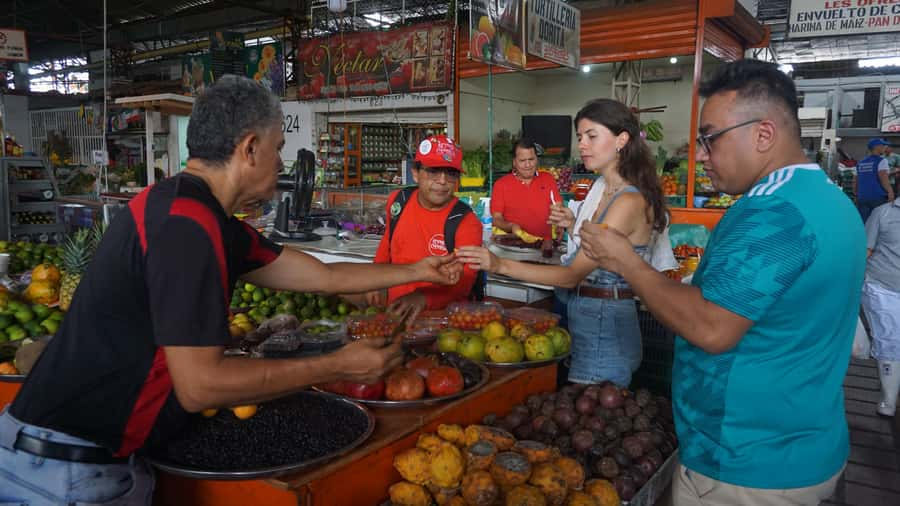
I would recommend it to first-time visitors who want a quick introduction to Cali’s food culture without spending a large amount. It suits curious eaters, solo visitors who want company, and anyone who likes markets more than formal dining rooms.
It is also a good choice if you are interested in Afro-Colombian and Pacific influences, traditional family recipes, or the relationship between food and local work. The tour gives you a foundation for ordering more confidently later in your trip.
You should think twice if you have food allergies, dislike unfamiliar textures, or want a private and carefully controlled tasting. You should also skip it if walking 8 kilometers in warm weather would be difficult. Wheelchair users will need to choose another activity.
For vegetarians, the tour is listed as suitable, but food choices may vary from stop to stop. Tell the guide about your diet at the beginning and ask before sampling anything.
What to bring and how to prepare
Wear shoes made for walking, not your nicest pair of city shoes. Bring water, sun protection, insect repellent, and a rainproof layer. You will be outdoors and in a market setting, so practical clothing is more useful than dressing up.
Bring Colombian pesos for food, drinks, and any purchases. The tour cost does not cover tastings or souvenirs, and small vendors may be easier to deal with using local cash.
Do not smoke, litter, or bring alcohol or drugs. Most important, protect your belongings in crowded areas. Keep your phone and wallet secure, and avoid displaying large amounts of cash.
Should you book Cali’s Local Food at Alameda Market?
Book it if you want a low-cost, local introduction to Cali through food, especially if you are happy walking, tasting unfamiliar items, and listening to the stories behind them. The combination of homemade recipes, Pacific flavors, fruit drinks, viche, and market commerce gives the experience more substance than a simple snack crawl.
Skip it if you need wheelchair access, have food allergies, want all tastings included, or prefer a short seated meal. For everyone else, the $13 price is a fair entry point, provided you budget extra for food and allow close to three hours. If Fernando is leading, expect a friendly guide with plenty of humor, but the real reward is leaving Alameda Market with a better sense of how Valle del Cauca eats, works, and remembers its past.
FAQ
Where does the tour meet?
Meet at Parque Alameda, near the red Beyond Colombia umbrellas.
How long does the experience last?
The listed duration is 150 minutes. The tour description also advises allowing approximately three hours, so plan for the longer time.
Is the tour conducted in English?
Yes. The activity includes a live English-speaking guide.
Are food and drinks included in the price?
No. Food, drinks, and souvenirs cost extra. The stated total can reach up to 40,000 COP if you try everything offered.
Is the tour suitable for vegetarians?
Yes. The activity is listed as suitable for vegetarians, though you should tell the guide about your diet before tasting.
Is the tour accessible to wheelchair users or people with food allergies?
No. The activity is not suitable for wheelchair users or people with food allergies.
Just added around Colombia
- VIP Bogota City Tour: Farmers Market, Monserrate, Candelaria, 9hr★ 5.0 · 66 reviews
- Shared Tour of Colombian Exotic Fruit at Paloquemao Market★ 4.7 · 20 reviews
- Get to know the real Cartagena: Bazurto Market gastronomic & cultural tour★ 5.0 · 2 reviews
- Flavors of Cali: Food tour at the local market★ 5.0 · 5 reviews
- Cartagena Bazurto Market: Authentic Food & Culture Tour★ 4.5 · 13 reviews
- Cali: Fruit Market Walking Tour with Tastings★ 4.6 · 7 reviews
- Bogotá: Colombian Cooking Class with Market Visit★ 4.0 · 2 reviews
- Cartagena: Bazurto Market & La Popa Convent Tour with Lunch★ 4.1 · 7 reviews
Food & Drink, compared.
Old Town, Creek, Museums, Souks, & Street Food Tour
Read our review →
Old Town, Souks, Street Food, Guided Tour & Abra Ride
Read our review →
Bangkok by Night: Temples, Markets and Food Tuk-Tuk Tour
Read our review →
Tokyo Tsukiji Fish Market Food and Culture Walking Tour
Read our review →
Markets, Temples and Food Night Tour by Tuk Tuk
Read our review →
Old Town, Souks, Street Food, Guided Tour & Abra Ride
Read our review →Browse the lists this tour appears in