
Review · BIKE & TUK-TUK MARKET TOURS
Santiago: Markets Bike Tour
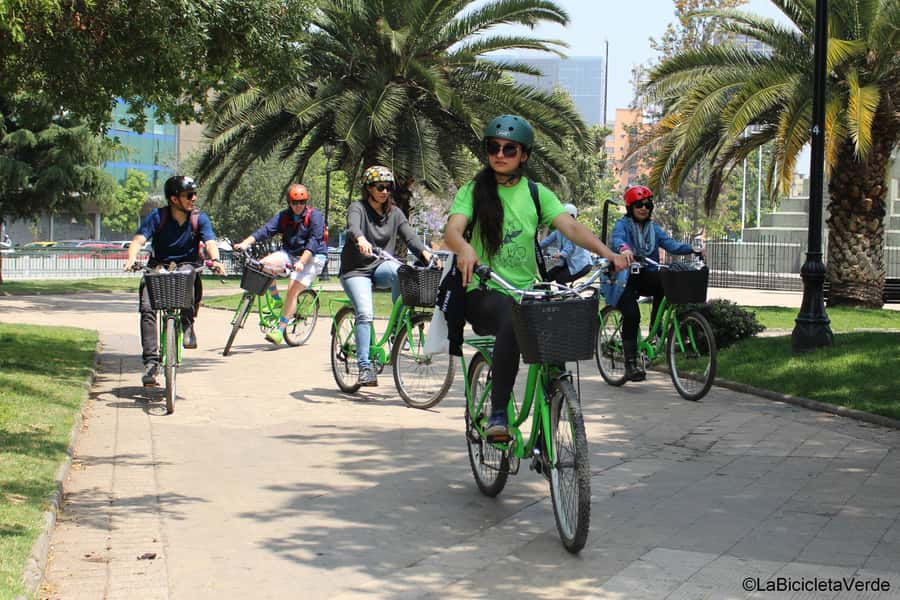
Santiago’s best introduction may be found between the famous sights: Bellavista’s murals, the Mapocho River, leafy Parque Forestal, and the city markets where Chileans shop and eat. This three-hour outing links those places by bicycle, then slows down for food, stories, and local advice.
I like the gentle pace and the market time. You get a practical first look at Santiago without spending three hours in the saddle, and guides such as Isabella, Marti, Diego, and Adrin have been praised for their warmth, history knowledge, and care at crossings. The catch is simple: if you want a full-on cycling workout, this tour may feel short, since a good part of the route is walked through the markets.
Key points at a glance
- Bellavista by bicycle: Ride through cobbled streets, colorful murals, and a neighborhood known for its night life and bohemian character.
- La Chascona stop: Learn about Pablo Neruda and his Santiago home, one of the city’s most distinctive cultural stops.
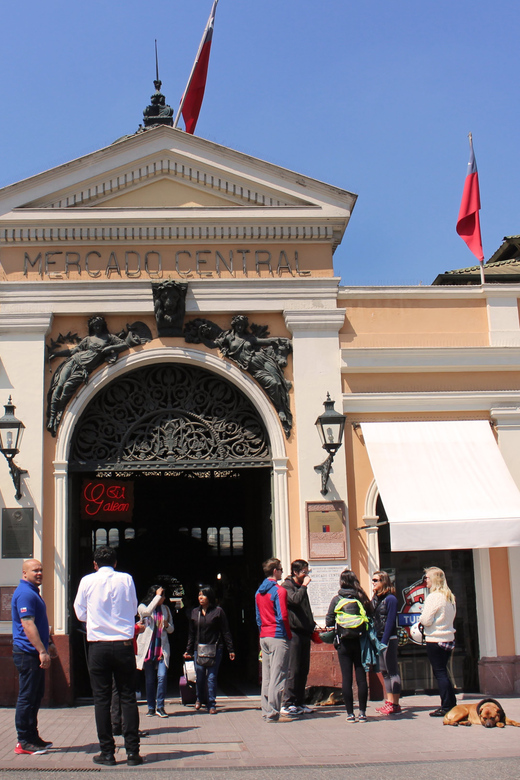
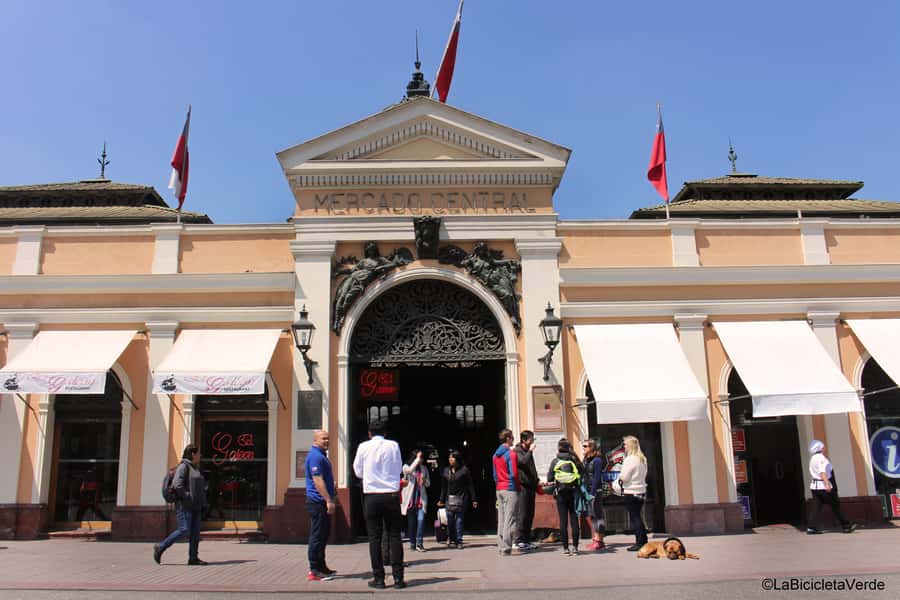
- Two very different markets: Visit La Vega Central for produce and Chilean food, then cross the Mapocho River to Mercado Central’s seafood stalls.
- Easy urban route: The ride is described as gentle and mostly flat, with time in bike lanes, parks, and city streets.
- Food included: Try a traditional sopaipilla and fresh natural juice, with recommendations for dishes and market purchases.
- Small-group feel: Groups are limited to 10 people, with English or Spanish guiding, bikes, helmets, water, and sunscreen included.
Why this three-hour ride works so well in Santiago
A first city tour often forces you to choose between monuments, neighborhoods, and food. This one gives you a little of each. You are moving enough to cover ground, but stopping often enough to hear the story behind the places you pass.
The route also gives you a useful sense of how central Santiago fits together. You begin near Plaza Mori in Bellavista, ride toward La Chascona, continue through Parque Forestal, cross the Mapocho River, and finish among the city’s central markets. That makes the tour more than a simple bike rental with a guide attached.
I especially like the mix of polished sights and everyday places. La Chascona draws visitors because of Neruda. La Vega and Mercado Central show how food remains part of daily city life. You may remember the markets more clearly than a formal monument, particularly if you are planning several meals in Santiago.
The $45 price is reasonable for three hours if you value a guide and local orientation. A bike, helmet, bottled water, sunscreen, a sopaipilla, and fresh juice are included. You are also paying for someone to lead the route, explain the neighborhoods, help with market choices, and keep a small group together.
It is less compelling if your main goal is distance. Several stops are on foot, especially in the markets, and one rider wished the tour lasted longer. Think of it as a half-day city introduction with a bicycle at its center, not as a long recreational ride.
More Bike and Tuk-Tuk Market Tours in the world:
- Bangkok by Night: Temples, Markets and Food Tuk-Tuk Tour
★ 5.0 · 3,752 reviews - Versailles Palace Bike Tour with Market & Marie-Antoinette hamlet
★ 5.0 · 2,680 reviews - Bangkok: Markets, Temples and Food Night Tour by Tuk Tuk
★ 4.9 · 2,371 reviews
Starting in Bellavista, where Santiago gets colorful
The meeting point is Constitución 153, beside Plaza Mori and near Baquedano Metro Station. That location puts you right at the edge of Barrio Bellavista, a handy place to begin because the neighborhood gives you instant visual clues about Santiago’s creative side.
Bellavista is known here through its cobbled streets, colorful murals, and connection to the city’s evening life. As you pedal, your guide explains the street art and the neighborhood’s nocturnal character. This is a better way to understand Bellavista than simply walking past a few painted walls, since the guide can connect the art to the area’s wider identity.
The route is intended for a broad range of riding abilities. It is described as gentle, and several riders found it easy, mostly flat, and comfortable for different skill levels. You may ride on bike lanes and through parks, with some time on city streets. Guides have been praised for watching the group carefully and helping at crossings and intersections.
That attention matters in a small urban group. You are not left to navigate Santiago’s streets on your own, and the guide can help the group stay together. The tour is limited to 10 people, which should make questions and conversation easier than on a large coach excursion.
The included beach cruiser is designed for relaxed city riding rather than speed. Bikes have been noted as having small baskets, useful for light personal items. One rider found the gears somewhat rusty, so do not book this expecting high-end cycling equipment. The bikes are described as adequate for the route, but the attraction is the itinerary and the guiding, not the machinery.
Helmets are mandatory under Chilean law and are included. Water and sunscreen are also provided. Still, bring comfortable clothes, secure footwear, and a camera. The organizers specifically recommend local currency if you want to buy food or produce at the markets.
La Chascona and the story of Pablo Neruda
The ride to La Chascona adds a literary stop to an otherwise food-focused morning. La Chascona was the Santiago home of Pablo Neruda, the Chilean poet who received the Nobel Prize in Literature. The tour uses the stop to introduce Neruda and his connection to the city.
You should be clear about what is promised here. The tour takes you to La Chascona and explains its importance, but the supplied details do not say that an interior visit or admission is included. Treat this as a stop connected to Neruda’s life, not as a guaranteed house museum tour.
That distinction helps you set expectations. If you already plan to visit La Chascona separately, this cycling tour may give you useful context without replacing a dedicated museum visit. If you know little about Neruda, the stop adds a welcome cultural layer before the food and market portion of the morning.
The route also passes near the entrance to Parque Metropolitano and includes views of the city’s public spaces. The emphasis is on seeing how neighborhoods connect, rather than ticking off every major attraction.
Parque Forestal, a calm stretch between neighborhoods
Parque Forestal is one of the pleasantest parts of the route. After Bellavista and La Chascona, the park gives you a more relaxed place to ride and take in Santiago at a slower pace.
The park is especially useful on a bike tour because it breaks up the city streets. You get a chance to pedal without the route feeling like a constant series of intersections. One rider singled out the sculpture garden as a highlight, while others enjoyed the parks, bridges, and river views along the way.
I like this part because it keeps the tour from becoming a checklist. You are not simply being transported from one market to another. The ride through Parque Forestal helps you notice the spaces in between, including the Mapocho River and the bridges that connect central parts of Santiago.
The route is not presented as a demanding athletic challenge. It is a gentle ride with stops for explanation and walking. If you want to maximize every minute on two wheels, this may feel slow. If you want to see several districts without wearing yourself out, the balance makes sense.
More Bike Rides in the world:
- Versailles Bike Tour with Market, Gardens & Guided Palace Tour
★ 5.0 · 1,121 reviews - Frida Kahlo VIP [Museum Tickets Included] Bike, Markets & Churros
★ 5.0 · 1,072 reviews - Bangkok: Night Bike Tour with Temples & Flower Market Visit
★ 4.8 · 751 reviews - London E-Bike tour & Borough market
★ 4.5 · 316 reviews
La Vega Central, where food becomes a lesson
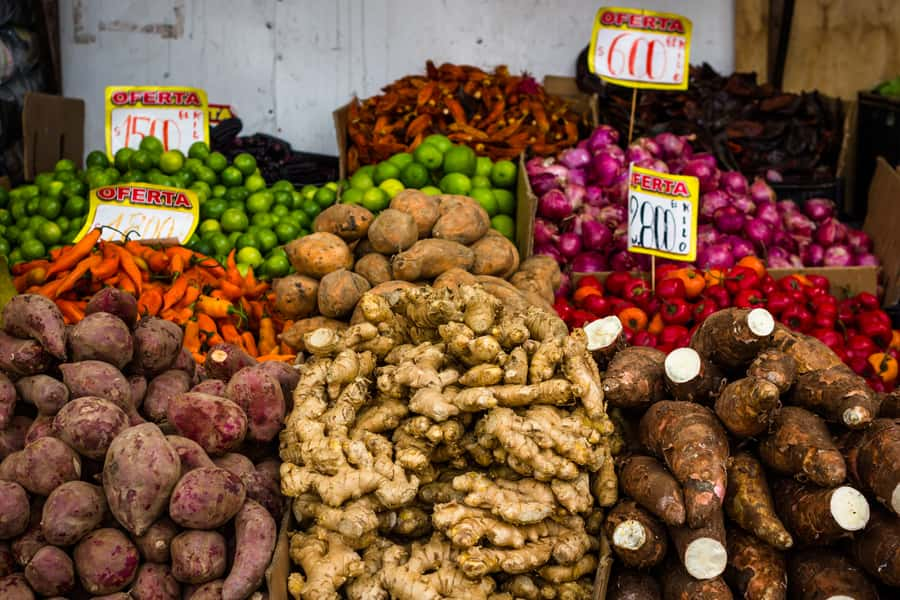
La Vega Central is Santiago’s largest local market and the first major food stop. This is where the tour shifts from street art and city geography to Chilean ingredients, customs, and eating habits.
Your guide explains traditional foods and can offer ideas about what to try during the rest of your stay. The practical value is high. Instead of guessing at unfamiliar fruit, snacks, or dishes, you can ask what is typical and which foods deserve your attention.
The market is also a place to use your eyes and your common sense. Bring Chilean pesos if you want to purchase something, since buying goods is not included in the price. Guides have helped participants find particular stalls and even assisted with negotiating for good fruit, which is useful when you are unsure how the market works.
You may spend much of this section on foot. That is worth knowing before you book. Bikes are useful for reaching the market, but small aisles and crowded areas are easier to handle without them. One rider felt that having a bicycle in parts of the market was inconvenient, while another said the market alone could have filled several hours.
The included snack and drink usually arrive toward the end of the food portion. You receive a traditional Chilean sopaipilla and fresh natural juice. The sopaipilla is a simple, satisfying way to sample a familiar local snack without committing to a full meal. The juice adds a fresh pause after riding and walking.
Do not treat the tasting as lunch. It is a sample and a useful introduction, not a full market feast. Your guide’s recommendations are one of the stronger reasons to pay for the tour, since they can shape where you eat later.
Crossing the Mapocho to Mercado Central
After La Vega, the route heads across the Mapocho River to Mercado Central, Santiago’s well-known seafood market. Chile has more than 6,000 kilometers of coastline, so seafood is an essential part of the country’s food culture. This stop gives the tour a different market mood from La Vega.
La Vega is associated with produce and everyday shopping. Mercado Central focuses more on seafood and the way Chileans share coastal foods and customs. Seeing both markets in one morning makes the contrast useful. You are not just visiting a market because it is listed among the sights. You are learning how different parts of the food system appear in the city.
The river crossing also gives the route a clear sense of movement. You begin on the Bellavista side, pass through parks and central streets, and end across the water among seafood stalls. That simple geography helps you remember Santiago after the tour.
Market visits are where the guide’s role matters most. You can ask about products, local dishes, and what is worth ordering later. The guides are bilingual in English and Spanish, and the strongest feedback has focused on clear explanations, friendly conversation, and an ability to make the markets feel approachable.
Keep your expectations practical. This is not a private food tour with a long series of tastings. The included food is limited to sopaipilla and juice, while additional purchases are your responsibility. The tour gives you ideas and context, then leaves you free to return to the markets on your own.
The guides make the difference
The route is appealing, but the guide can shape the whole morning. Guides named Isabella, Marti, Diego, Adrin, Joanna, Matilda, Felipe, Valentina, Nico, Tammy, Stefano, and Karla have all led versions of this experience. Their particular style may vary, but the repeated strengths are clear: friendly conversation, strong city context, and close attention to safety.
Isabella was praised for clear English, a steady pace, and help choosing fruit. Adrin was described as engaging and hospitable, especially for a first visit to Chile. Marti and Joanna were associated with easy pacing and useful explanations. Diego received praise for helping riders feel safe on streets and for making the markets easier to explore.
That range matters if you are deciding between a self-guided rental and a guided outing. A map can show you Bellavista, the river, and the markets. It cannot easily explain why a neighborhood feels the way it does, point you toward a particular stall, or help you understand the food in front of you.
The tour is also social without being large. With no more than 10 participants, you have a better chance to speak with the guide and meet the other riders. That can be a plus for solo visitors and couples who want conversation during their first morning in Santiago.
What to bring and how to plan the morning
The meeting point is near Baquedano Metro Station, so public transport access is straightforward from the information provided. Hotel pickup and drop-off are not included, so you need to make your own way to Constitución 153.
Wear clothes suited to a gentle ride and walking through markets. Bring a camera, some local currency, and any personal items you want to carry in the bike basket. Water, sunscreen, a helmet, and the bike are supplied, though bringing extra sun protection is sensible if you are sensitive to strong light.
The tour runs for three hours, but the exact starting time depends on availability. The experience is offered in English or Spanish. Free cancellation is available up to 24 hours before departure, and you can reserve now and pay later, which helps if your Santiago schedule is still taking shape.
This outing is not suitable for wheelchair users. It is described as inclusive for everybody in terms of riding ability, but that should not be confused with wheelchair accessibility.
Who should book this Santiago bike tour?
I would choose this for a first or second day in Santiago. It gives you a working map of several central neighborhoods, introduces Chilean foods, and leaves you with ideas for later meals and independent exploring.
It suits you if you want an easy ride, local explanation, and a small group. It is also a good choice if markets interest you more than a long list of formal monuments. The combination of Bellavista murals, La Chascona, Parque Forestal, the Mapocho River, La Vega, and Mercado Central covers a lot of ground without turning the morning into a race.
Families and mixed-ability groups may appreciate the gentle pace, though wheelchair users should choose another activity. Solo visitors can expect a social setting, while couples get a relaxed way to see the city together.
I would look elsewhere if you want three continuous hours of cycling, advanced bikes, or a dedicated Neruda house tour. The tour includes walking and market time, and the bikes are practical city cruisers rather than performance equipment.
Should you book it?
Book this tour if you want a friendly, useful first look at Santiago that combines neighborhoods, food, and light exercise. The $45 cost makes sense for the guide, small group, equipment, tastings, and local market advice, especially if you use the recommendations for the rest of your visit.
Skip it if you already know central Santiago well or want a long-distance ride. For most first-time visitors, though, the gentle route and market focus offer something a standard sightseeing circuit often misses: a feel for how the city eats, moves, and lives.
FAQ
How long is the Santiago Markets Bike Tour?
The tour lasts three hours. Starting times vary, so you should check availability when booking.
What language is the tour offered in?
The live guide speaks English or Spanish.
Where does the tour meet?
You meet at Constitución 153, next to Plaza Mori and near Baquedano Metro Station.
Is the bike ride difficult?
The ride is described as gentle and mostly flat. It includes city streets, bike lanes, parks, and walking through the markets. It is not designed as a demanding cycling workout.
What is included in the price?
You receive a beach cruiser city bike, helmet, bottled water, sunscreen, a traditional sopaipilla, fresh natural juice, and a professional bilingual guide.
Do I need money for the markets?
Bring local currency if you want to buy food, fruit, seafood, or other goods. Market purchases are not included.
Is the tour accessible for wheelchair users?
No. The activity is not suitable for wheelchair users.
Just added around the world
- 3-Hour Herbal Wholesale TCM Market and a Local Wet Market Tour★ 5.0 · 4 reviews
- Half-day Dandan Noodles Cooking Class with a Local Market Visit★ 5.0 · 8 reviews
- Charleston International Sweet Treats & Historic City Market Tour★ 5.0 · 22 reviews
- Chania: Old Town, Public Market, Hill of Prophet Elias, Agia Triada★ 5.0 · 35 reviews
- Chania Old Town, Public Market and Chrisopigi Monastery Tour★ 4.5 · 6 reviews
- Food Tasting & Market Shopping: Private Guided Tour in PORT LOUIS★ 4.5 · 9 reviews
- Moroccan Cooking Class with a Local Family & Market Visit★ 5.0 · 16 reviews
- Private Market Tour & Cooking Class in Casablanca with Transfers★ 5.0 · 20 reviews
Bike & Tuk-Tuk Market Tours, compared.
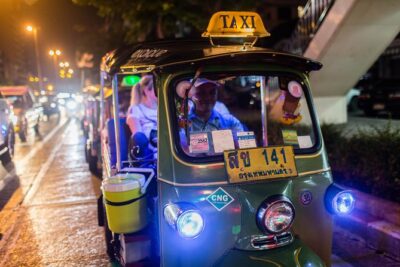
Bangkok by Night: Temples, Markets and Food Tuk-Tuk Tour
Read our review →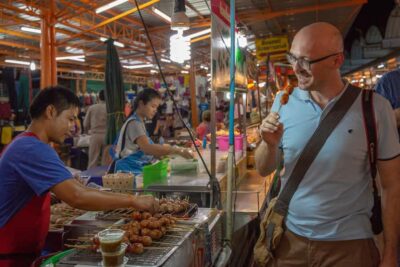
Markets, Temples and Food Night Tour by Tuk Tuk
Read our review →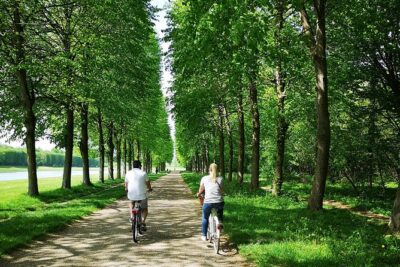
Versailles Bike Tour with Market, Gardens & Guided Palace Tour
Read our review →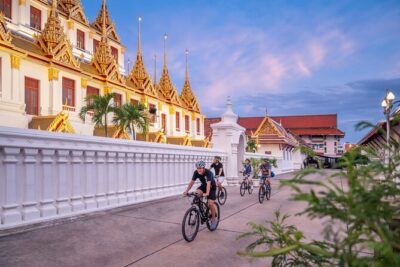
Night Bike Tour with Temples & Flower Market Visit
Read our review →
Chef Vu Cooking Class Plus Market Trip in Saigon Center (Pick up by Cyclo)
Read our review →
Bike / E-bike tour : Plateau, Mile-End, Jean-Talon Market by Fitz
Read our review →
Versailles Full-Day Electric Bike Tour : Market, Picnic & Palace
Read our review →Browse the lists this tour appears in