
Review · SEOUL MARKET TOURS
North Korean Border+Real battleship+submarine & Market Tour
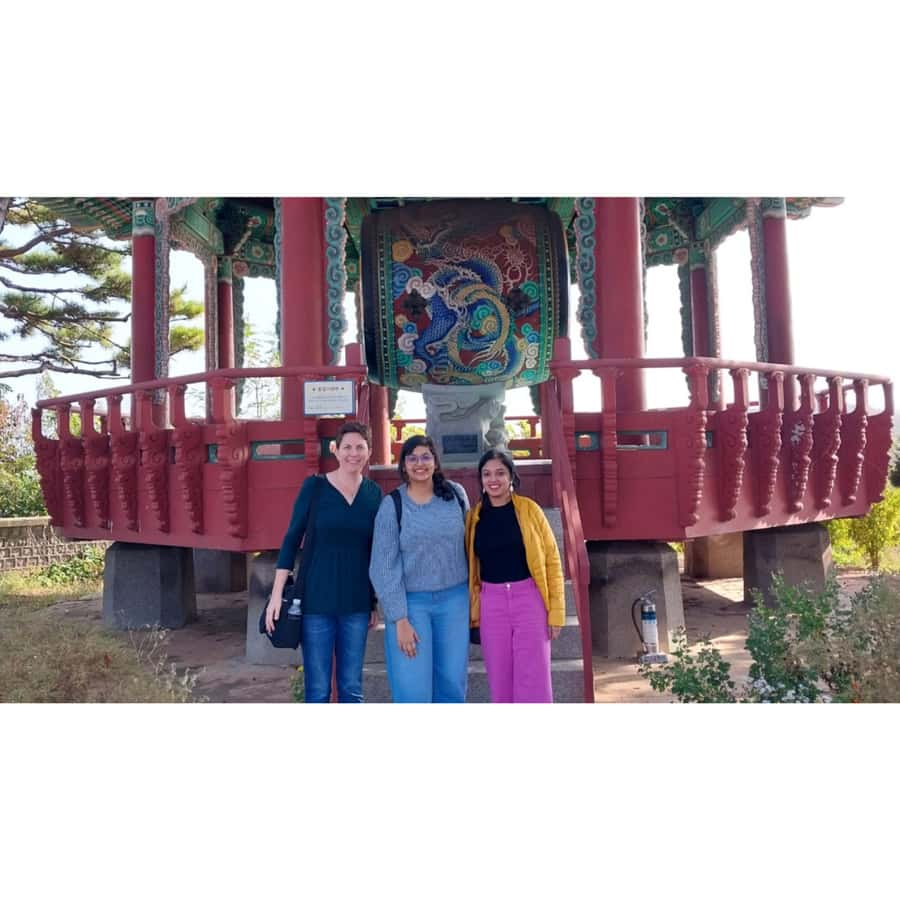
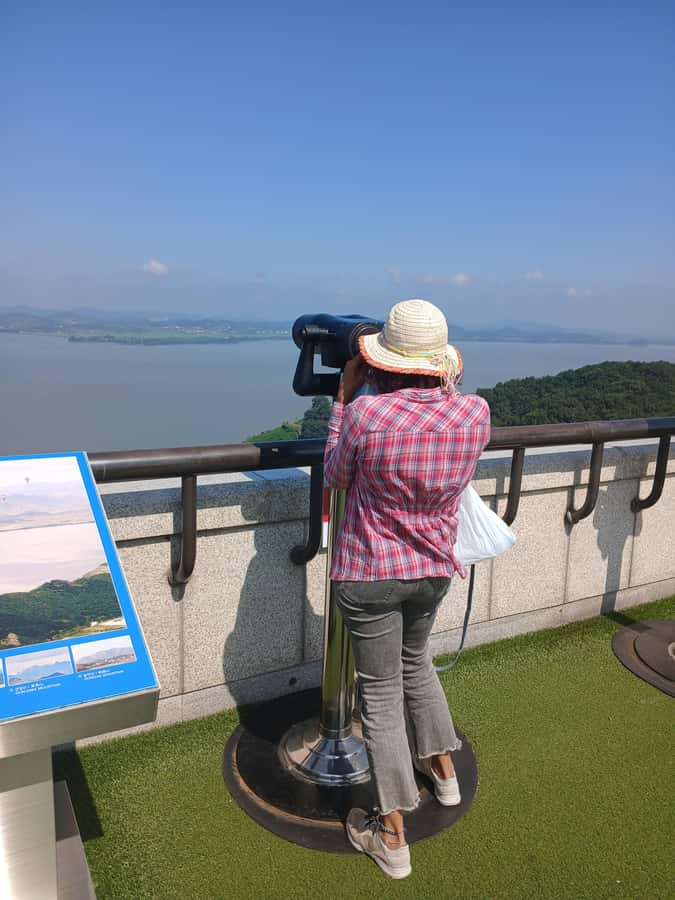
At Odusan Unification Observatory, you can look through a telescope and see North Korean villages across the Imjin River. That close, quiet view of ordinary life beyond one of the world’s most guarded borders is the heart of this day. I like the mix of serious modern history and everyday Korean culture, especially the market lunch with gimbap and tteokbokki.
I also like that the tour does not stop at a viewing platform. You board a real naval destroyer, walk inside a submarine, and see military exhibits beside the Han River. The main drawback is that Monday is closed, and the booking requires a minimum of two people, so solo visitors need to pay for two places.
Key Points at a Glance
- See North Korea across the Imjin River: Use the observatory telescopes to view villages and daily life from South Korea.
- Learn about the divided peninsula: Exhibits explain Korean division and reunification efforts.
- Eat at a local market: Lunch and drinks are included, with Korean favorites such as gimbap and tteokbokki available during the market stop.
- Board a real destroyer: Seoul Battleship Park lets you explore a retired naval ship at close range.
- Walk through a submarine: The submarine gives you a tight, hands-on look at naval life.
- Start and finish at your Seoul hotel: Pickup, drop-off, admission, parking, guide service, lunch, and drinks are covered in the $95 price.
Looking Across the Imjin River at Odusan

The day begins with hotel pickup in Seoul and heads north toward Odusan Unification Observatory. This is not a distant museum display. The observatory sits near the border, with the Imjin River separating you from North Korean territory.
The most striking part is the act of looking. You use telescopes to see North Korean villages on the opposite side. The view can feel strange because the scene is made up of familiar things: homes, fields, roads, and people going about daily routines. Yet the river and the border turn an ordinary view into something tense and unforgettable.
I like this stop because it gives you a physical sense of the peninsula’s division. Maps and news reports can make the border feel abstract. Here, you see the distance for yourself. You are standing in South Korea, looking directly toward North Korea, with the river marking a separation that has shaped millions of lives.
The observatory also has exhibitions about the division of Korea and efforts toward reunification. These displays add context before or after you look through the telescopes. You are not simply checking off a border viewpoint. You are given a basic framework for understanding why the border exists and why reunification remains such a serious subject.
Bring patience to this stop. Your view depends on weather and visibility, and the telescopes may make the distant villages easier to see than the naked eye. The experience is strongest when you take time to look, rather than treating the observatory as a quick photo stop.
A few more market tours around Seoul worth a look
- Seoul Street Food Market Tour
★ 5.0 · 1,226 reviews - Local Home Korean Cooking Class & Market Adventure in Seoul
★ 5.0 · 1,024 reviews - Seoul: Night Market Food Tour with Local Guide
★ 4.9 · 943 reviews
What the North Korean View Can and Cannot Show You
It is important to keep expectations in check. You are not entering the Demilitarized Zone, and this is not a military patrol or a close encounter with North Korea. You remain at a public observatory in South Korea, looking across the Imjin River.
That distance is part of the point. You see North Korean territory without the tour turning the border into a spectacle. The view offers a glimpse of villages and daily life, but it cannot explain everything about the people or places you see. The exhibitions and guide help give the scene meaning.
For me, this is the most thoughtful part of the tour. The observatory combines a real physical view with a chance to consider the human cost of division. If you are interested in Korean history, current affairs, or the way borders shape ordinary lives, give this stop your full attention.
If you mainly want dramatic military hardware, the later battleship park may be more immediately entertaining. If you want the most unusual experience, though, the telescope view is hard to match. Few city excursions let you look across an international border at actual villages on the other side.
A Korean Lunch at a Traditional Market
After the observatory, the tour moves to a local traditional Korean market for lunch and a walk. This changes the pace in a useful way. The border stop is quiet and weighty, while the market offers food, movement, color, and the ordinary rhythm of local shopping.
Lunch and drinks are included in the tour price. The food mentioned for this stop includes gimbap and tteokbokki, two familiar Korean favorites. Gimbap gives you rice and fillings rolled in seaweed, while tteokbokki brings chewy rice cakes in a spicy sauce. Together, they make a simple, recognizable introduction to Korean market food.
I like the market because it puts the day’s history into a present-day setting. Instead of only looking at Korea through museums and military sites, you get to walk through a place where people shop and eat. You can pay attention to the food, the stalls, and the daily routine around you.
Do not expect this stop to feel like a polished food attraction. A traditional market is valuable because it feels practical and local, not because every corner has been arranged for visitors. The tour includes lunch, but personal purchases are not covered, so bring money if you want additional snacks or market items.
The market also gives you a chance to slow down. The itinerary has two substantial sightseeing stops, and the food break keeps the day from becoming a nonstop series of exhibits. I would use this time to ask your English-speaking guide about the dishes and about daily life in Seoul and the surrounding area.
Boarding the Destroyer at Seoul Battleship Park
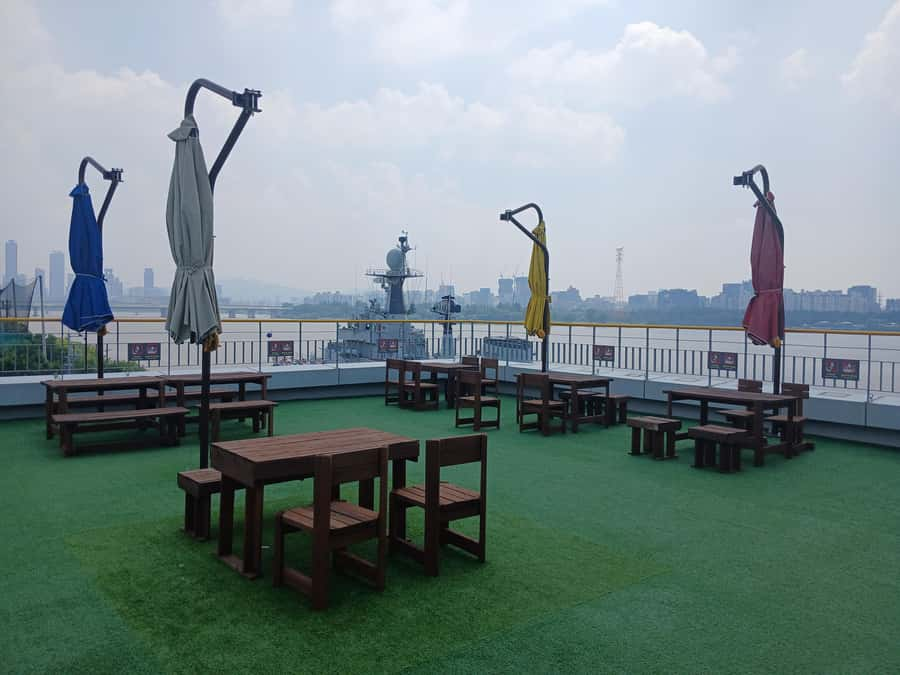
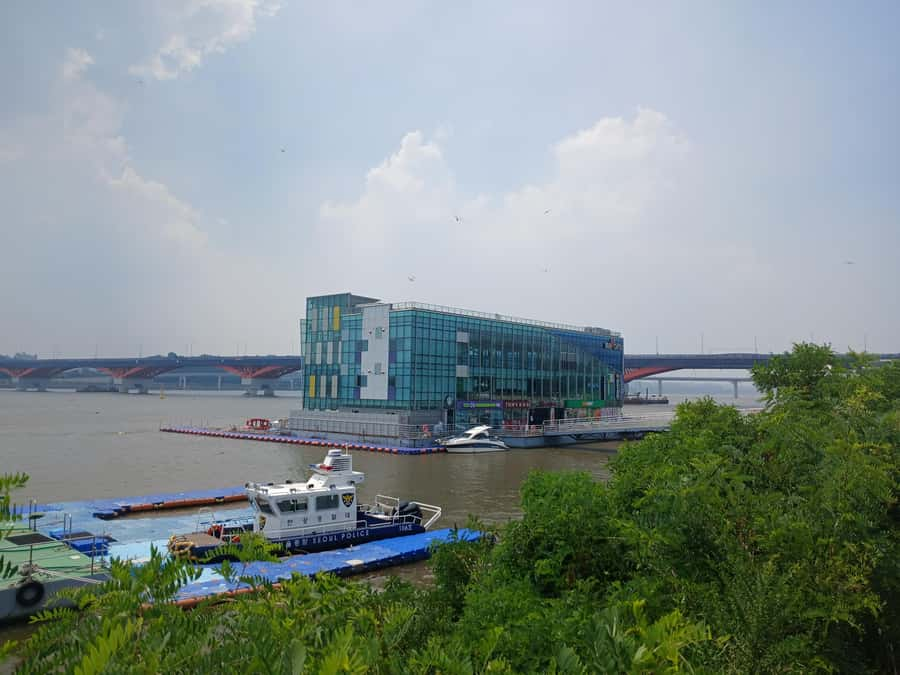
The final major stop is Seoul Battleship Park along the Han River. Here, the subject shifts from the peninsula’s division to South Korea’s naval past.
The park lets you explore retired military ships up close. The main attraction is a large naval destroyer that you can board. Walking through a real ship gives you a better sense of its size and function than viewing a model behind glass. You see the vessel as a working piece of military equipment, now preserved for public access.
I like the physical nature of this visit. You are not just reading about naval history. You move through the ship and see the spaces for yourself. The scale can help you understand how much equipment, labor, and organization are required to operate a warship.
The ship is also a useful counterpoint to the observatory. At Odusan, you look toward a political division. At the park, you examine one of the institutions built to protect South Korea. Placing those two stops on the same day gives the tour a clear theme without making every stop feel alike.
The park has interactive exhibits about South Korea’s naval history. These are worth taking time with if you want more than a quick walk across the deck. The exhibits should help connect the ship to the wider story of the country’s defense and maritime forces.
The park has also been used as a filming location for Running Man and The Iron Squad. That detail may appeal to fans of Korean television, but the real reason to visit is the chance to board the ship itself.
Same place, a different set of stalls:
- Seoul: Palace, Temple and Market Guided Foodie Tour at Night
★ 4.9 · 750 reviews - Seoul: Korean Cooking Class at a Local Home and Market Tour
★ 5.0 · 348 reviews - Seoul: Guided Food & Market Tour with 8+ Tastings
★ 4.9 · 342 reviews - Seoul Night Palace & Market Food Tour with Vehicle
★ 5.0 · 275 reviews
Inside a Real Submarine
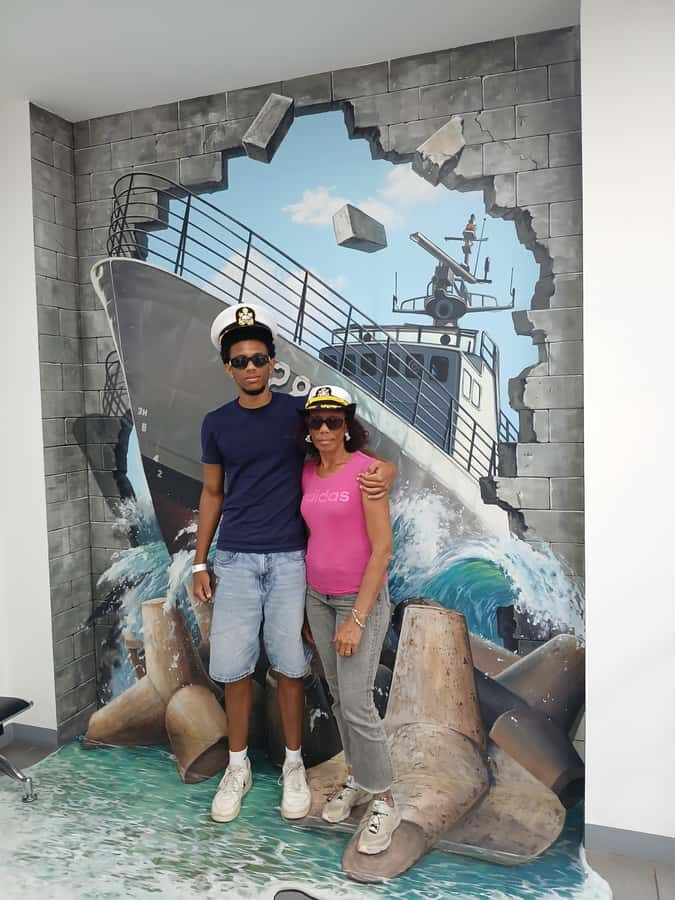
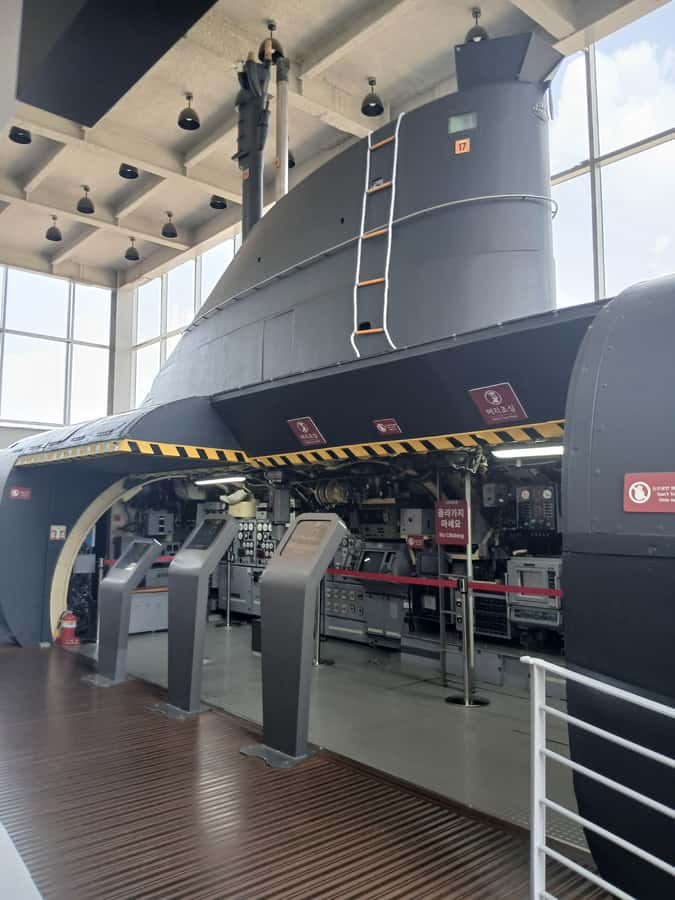
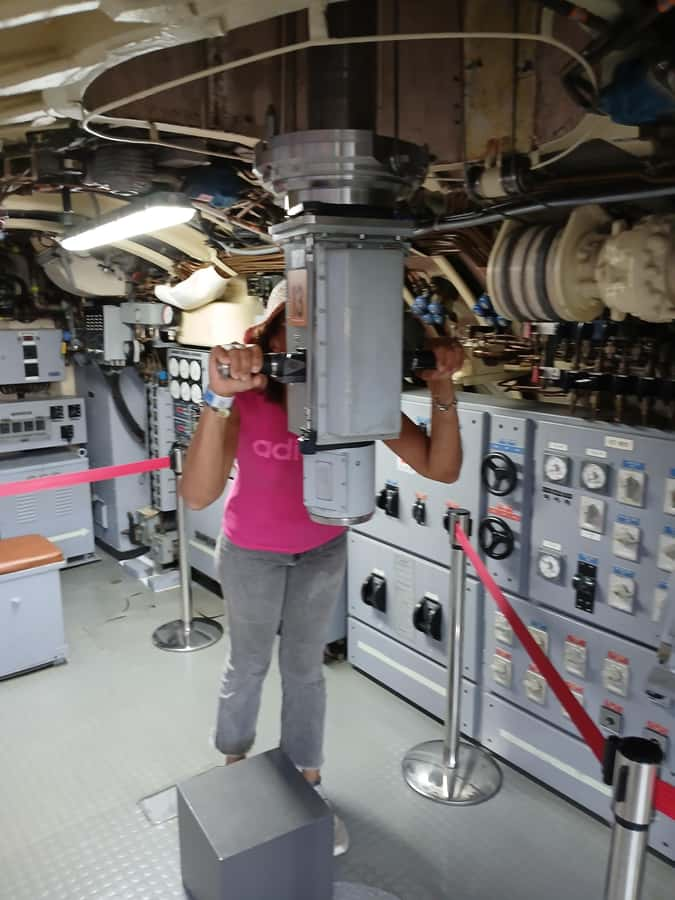
The submarine is the most unusual part of the park. You can walk inside a genuine submarine and get a close look at a very different kind of naval environment.
A submarine is compact by design, and entering one makes that clear. You move through a confined interior rather than an open deck. The experience helps you imagine how different submarine operations are from life aboard a surface ship.
This stop works well for families, military-history fans, and anyone who enjoys seeing real machines from the inside. It also adds variety to the destroyer visit. The destroyer gives you scale and open views, while the submarine gives you tight corridors and a more enclosed setting.
The available information does not specify how much time you spend on each vessel, so I would not plan a separate schedule around the park. Let the guide set the pace. You will get more from the visit if you look at the construction and layout rather than rushing through for a few pictures.
What the $95 Price Covers
At $95 per person, this tour is priced as an all-day sightseeing package rather than a simple admission ticket. The cost includes hotel pickup and drop-off in Seoul, an English-speaking guide, lunch, drinks, admission fees, and parking.
That bundle matters. Transport to the northern border area would otherwise require separate planning, and you would need to arrange admission at both the observatory and Battleship Park. Lunch is also handled during the day, which makes the price easier to judge.
I see the strongest value in the combination of sites. A border observatory, a Korean market, a destroyer, and a submarine would make an awkward set of separate visits. Together, they form a day with a clear balance of history, food, and hands-on sightseeing.
The price is less appealing if you only want a short border visit or a single military museum. You are paying for the full route and the convenience of guided transport. If you are already planning to visit the observatory on your own, compare the cost and effort before booking.
Personal expenses are not included. Lunch and drinks are covered, but extra market purchases and other personal spending are yours to pay for.
Who Will Get the Most From This Day
I would recommend this experience to you if you want to see a side of South Korea beyond central Seoul. The itinerary reaches a border observatory, a local market, and a riverside naval park, so it covers more ground than a standard city sightseeing day.
It is especially well suited to:
- People interested in the division of Korea and reunification efforts
- Visitors who want to see North Korean villages from South Korea
- Families and children who enjoy ships, submarines, and hands-on exhibits
- Fans of Korean food who want a market lunch
- Visitors who prefer guided transport instead of organizing several out-of-town stops
- Fans of Running Man or The Iron Squad who recognize the Battleship Park setting
The tour may be less suitable if you want a slow food-focused day, a long museum visit, or a detailed military tour in one location. It combines several subjects, so no single stop receives the entire day.
You should also consider the emotional tone. The border stop can feel solemn, while the market and ship park are more relaxed. That contrast is useful, but it means the day moves between serious history and ordinary sightseeing.
Practical Details Before You Reserve
The tour operates in English and includes hotel pickup and drop-off in Seoul. Confirm that your hotel falls within the pickup area when booking, since the supplied information only specifies Seoul hotels in general.
Monday is a closed day, so choose another day of the week. The minimum booking is two people. A reservation paid for two can still be used by one person, which solves the solo booking issue but means the minimum cost is effectively $190 for a lone participant.
You can reserve now and pay later, which helps if your Seoul plans are still shifting. Cancellation is allowed up to 24 hours before the tour for a full refund.
Wear comfortable clothing and shoes for walking through the market, destroyer, and submarine. The tour includes several different settings, and the ships are meant to be explored on foot rather than viewed from outside.
Should You Book This North Korean Border and Battleship Tour?
Book it if you want one guided day that connects Korea’s divided past with its everyday present. The telescope view toward North Korean villages is the rarest part, while the market lunch and real naval vessels keep the experience varied and approachable.
The strongest reasons to go are the English guide, included transport and meals, and access to both a destroyer and a submarine. The main cautions are the Monday closure, two-person minimum, and the fact that the day covers several sites rather than giving you a long, unhurried visit at one place.
For $95, I think the package offers solid value if you are curious about the border and would enjoy real military ships. It is a practical choice for a first visit to Seoul when you want history, Korean food, and something a little outside the usual palace-and-shopping route.
FAQ
Where does this tour take place?
The tour takes place in South Korea. It includes Odusan Unification Observatory near the North Korean border, a local traditional market, and Seoul Battleship Park along the Han River.
Can I see North Korea on this tour?
Yes. At Odusan Unification Observatory, you can use telescopes to view North Korean villages across the Imjin River.
Does the tour enter North Korea?
No. The tour remains in South Korea and views North Korean territory from the observatory.
Is lunch included?
Yes. Lunch and drinks are included in the $95 tour price. The market stop includes Korean foods such as gimbap and tteokbokki.
Can I board a real warship?
Yes. At Seoul Battleship Park, you can board a retired naval destroyer.
Can I enter a submarine?
Yes. The tour includes the chance to walk inside a real submarine at Seoul Battleship Park.
Is a guide included?
Yes. An English-speaking tour guide is included.
Is hotel transportation included?
Yes. Hotel pickup at the start and drop-off at the end are included for hotels in Seoul.
Does the tour operate on Monday?
No. Monday is the tour’s closed day.
Can one person book the tour alone?
The minimum booking is for two people. A reservation paid for two people can be used by one person.
Just added around Seoul
- Seoul: The Biggest Sea-food Noryangjin Market Tour★ 4.3 · 30 reviews
- Seoul: Namdaemun Market Food Tour★ 4.9 · 34 reviews
- Seoul: Sokcho beach, market, hot spring and Seorak Cable Car★ 4.8 · 5 reviews
- Seoul Gwangjang Market Foody Walking Tour★ 4.1 · 7 reviews
- Seoul: Gyeongbokgung Palace Tour & Lunch at Authentic Market★ 4.5 · 2 reviews
- Seoul: Gwangjang Market Vegan & Vegetarian Food Tour★ 5.0 · 16 reviews
- Seoul: Bukchon Village, Gyeongbokgung, Gwangjang Market★ 4.9 · 11 reviews
- Seoul Evening Tour:Gwangjang Market&Naksan Park&Eungbongsan★ 5.0 · 2 reviews
Seoul Market Tours, compared.

Local Home Korean Cooking Class & Market Adventure in Seoul
Read our review →

Palace, Temple and Market Guided Foodie Tour at Night
Read our review →
Korean Cooking Class at a Local Home and Market Tour
Read our review →

Seoul Night Palace & Market Food Tour with Vehicle
Read our review →
Cook 3 Authentic Korean Dishes with Local Market Tour
Read our review →Browse the lists this tour appears in