
Review · MARKET AND COOKING CLASS TOURS
Kuala Lumpur: Malaysian Cooking Class with Market Tour
The best part of this Kuala Lumpur experience is that it starts before the cooking. At TTDI Wet Market, you learn what Malaysian cooks actually buy, how local ingredients are used, and how the market fits into daily life. Then you cook a full three-course lunch at LaZat Cooking, using traditional tools and recipes linked to family memories. The market visit and the hands-on cooking are the two features I like most.
I also like the personal touch. Each participant gets an individual burner, utensils, and mortar and pestle, so you are not simply watching a chef work. The main consideration is the early start and the price of $149 per person. You must arrange your own transport to the market, and the half-day schedule may feel long if you want only a quick cooking demonstration.
Key points at a glance
- TTDI Wet Market comes first: Meet at 8:30 AM at the entrance facing Jalan Wan Kadir and learn about ingredients before cooking.
- A full three-course lunch: You prepare an appetizer, main course, and dessert, with the daily menu changing by ethnic tradition.
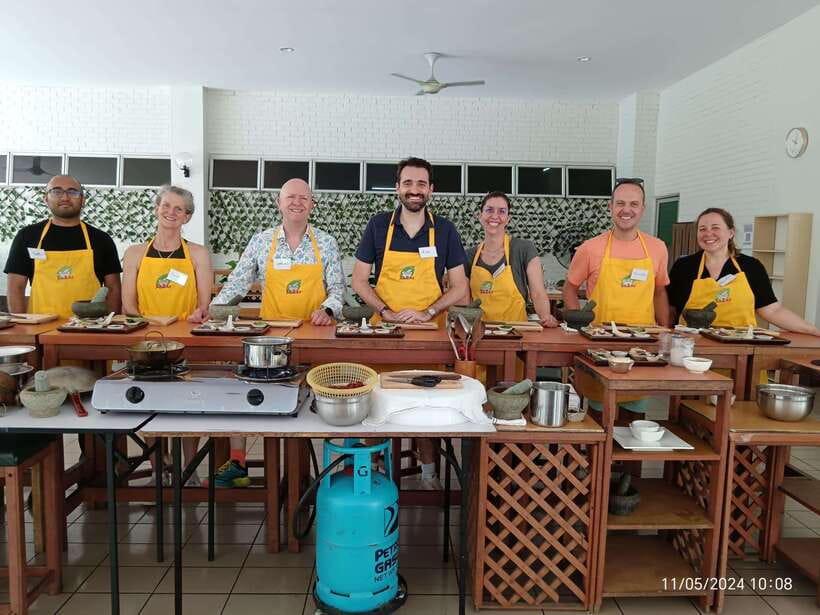
- Real hands-on equipment: Your station includes a gas burner, cooking utensils, traditional tools, and a mortar and pestle.
- Saadiah is a memorable teacher: Her Saturday classes may include Nasi Lemak, Chicken Rendang, personal stories, and cultural context.
- Market-to-kitchen transport is included: After the market tour, you are taken to LaZat Cooking School.
- Plan your own arrival and departure: Transport to the market and transport after class are not included.
Start with Malaysian ingredients at TTDI Wet Market
Your morning begins at TTDI Wet Market, also known as Pasar Besar TTDI. The meeting point is at the entrance facing Jalan Wan Kadir, where a representative waits for the group. You need to get there on your own, so allow enough time for Kuala Lumpur traffic and do not treat the 8:30 AM start as a loose suggestion.
The market tour gives the class useful context. Instead of meeting a chef in a kitchen and hearing a list of ingredients, you first see the raw materials in their everyday setting. You can learn how fresh herbs, spices, and other local produce are selected before they are chopped, pounded, fried, or simmered.
That order matters. Malaysian food can look simple on the plate, but much of its character comes from the way ingredients are handled. The school’s cooking approach places special value on fresh herbs and spices from its garden and local farms. At the market, you begin to understand why freshness and preparation make such a difference.
The market also adds a social side that a cooking studio alone cannot provide. One guide had a good relationship with the stall holders, which made the visit feel connected to the neighborhood rather than staged for a class. You might also have time to try something at the market. Roti canai was a particular favorite for one participant, so it is worth arriving hungry enough for a small bite if the schedule allows.
More Market and Cooking Class Tours in the world:
- Hanoi Cooking Class: Culture, Local Market & Meaning CSR Impact
★ 5.0 · 5,147 reviews - 5 Traditional Dishes Hanoi Cooking Class with Market Trip
★ 5.0 · 4,890 reviews - Cooking Class and Lunch at a Tuscan Farmhouse with Local Market Tour from Florence
★ 5.0 · 4,831 reviews
From the market to LaZat Cooking
After the market tour, transport to LaZat Cooking School is included. This is a useful detail because it removes the need to work out a second trip across Kuala Lumpur while carrying your morning purchases or keeping track of a group.
The activity lasts 330 minutes, or five and a half hours. That makes it a substantial morning and early afternoon outing, not a quick lesson squeezed between sightseeing stops. I would keep the rest of your day light. After eating a meal you prepared yourself, you may not want to rush straight into another demanding activity.
You can also skip the market tour and join the class later if you prefer. The market is the part that gives the experience its local setting, so I would include it if you can manage the early start. Skipping it may suit you if you have already spent several mornings at Kuala Lumpur markets or if your schedule makes 8:30 AM difficult.
Cook at your own station, not just watch
LaZat Cooking gives each participant an individual equipment set. You get a gas burner stove, countertop cooking utensils, traditional utensils, and a mortar and pestle. This arrangement matters because you can take part in the actual work instead of standing behind a demonstration table.
The mortar and pestle are especially useful for understanding texture and flavor. Pounding ingredients by hand shows you how a paste changes as it comes together. It also gives you a better feel for the preparation than simply seeing a finished spice mixture added to a pot.
The class is designed around guidance rather than pressure. Local instructors lead you through the techniques, and the small-group setting allows you to ask questions as you cook. The available teaching languages are English, Malay, and Chinese.
You should expect a practical lesson, not professional kitchen training. You will be handling ingredients, following directions, and building a meal with help from the instructor. That makes this a good choice if you want recipes and methods you can remember, rather than a polished performance where someone else does the difficult parts.
A different ethnic menu each day
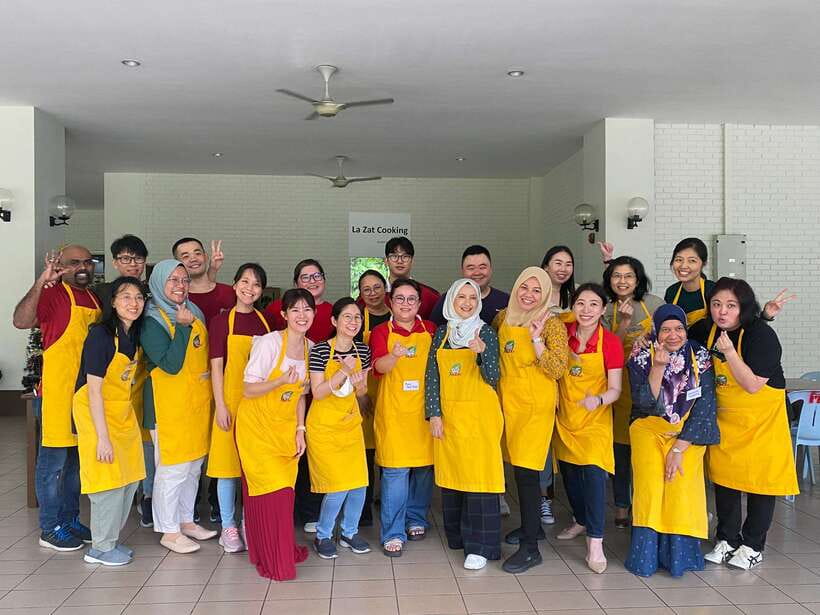
One of the more useful details is that the menu changes by day and highlights a different ethnic tradition. Malaysian food is not one narrow style, and this format gives the class room to show that variety.
The exact menu for your date is not specified, so check the selected day if a particular dish matters to you. One Saturday class featured Nasi Lemak and Chicken Rendang, two famous Malaysian dishes that make a satisfying meal together. Nasi Lemak brings together fragrant rice and accompaniments, while rendang depends on patient cooking and layered seasoning.
Saadiah was praised as a warm and engaging teacher in that class. She shared stories about her life, history, and culture while teaching, which is exactly the sort of connection that can turn a recipe into a memory. Her Saturday sessions may be especially appealing if you want more than technical instructions.
The daily menu may also reflect Malaysia’s mix of food traditions. You are not simply learning one generic Southeast Asian menu. You are getting a focused introduction to a particular Malaysian cooking tradition, with the chance to ask why the dishes are made in a certain way.
A few more market tours around the world worth a look
- Bangkok: Damnoen Saduak Market and Maeklong Railway Market
★ 4.5 · 26,723 reviews - The Old Siam: Damnoen Saduak and Maeklong Railway Market
★ 4.5 · 10,992 reviews - Dubai: Old Town, Creek, Museums, Souks, & Street Food Tour
★ 4.8 · 10,816 reviews - Bangkok: Train Market & Floating Market with Boat Ride
★ 4.7 · 9,547 reviews
Build a three-course Malaysian lunch
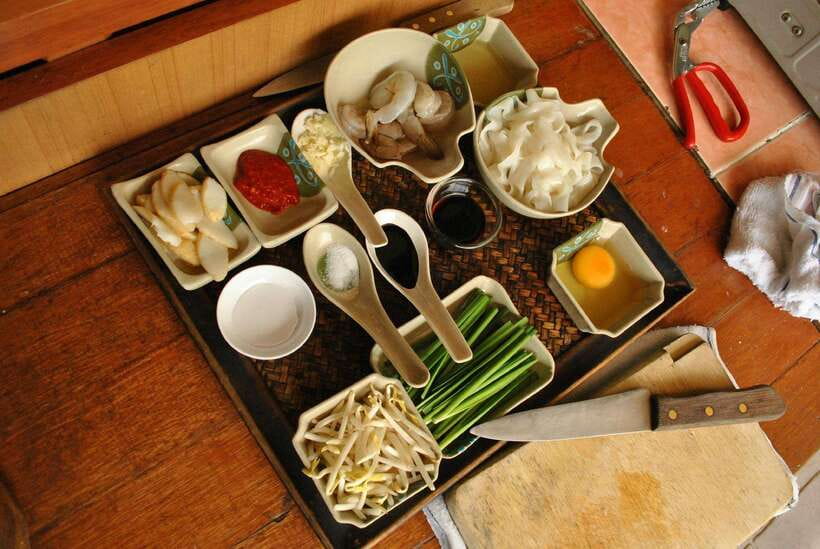
The meal includes an appetizer, main course, and dessert. Preparing all three gives the class a natural rhythm and helps you see how a Malaysian meal is put together from start to finish.
The appetizer usually gets you working with lighter preparations and basic flavor building. The main course is where the central cooking techniques come into play. Dessert rounds out the lesson and gives you a look at the sweeter side of the menu, which can be overlooked when visitors focus only on curries, rice, and noodles.
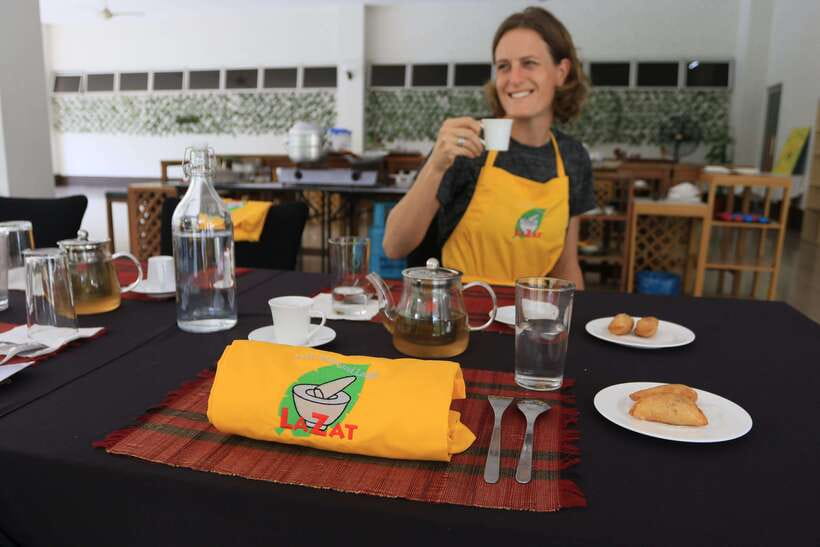
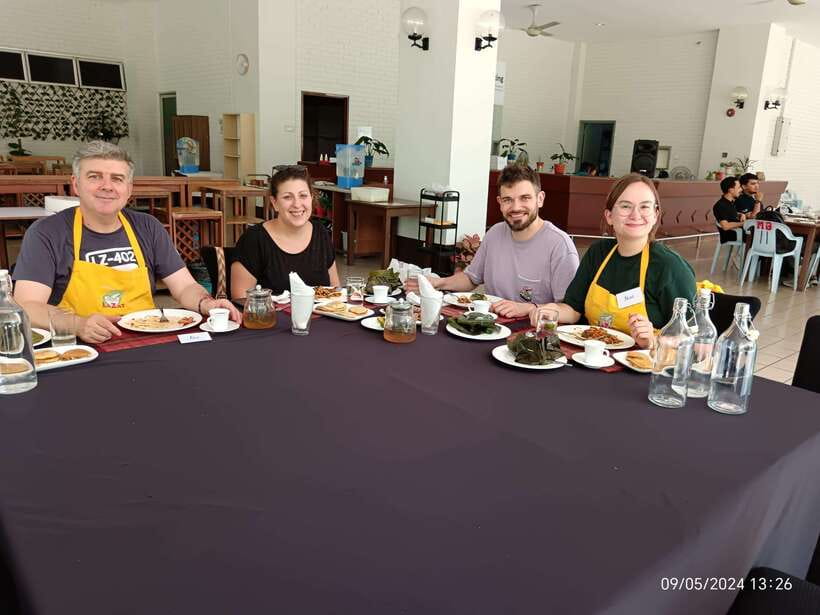
Once everything is ready, you sit down and eat the lunch together. That shared meal is part of the value. You can compare your results with the other participants, talk through the process, and enjoy food that required real effort from the group.
Snacks, coffee, and tea are included. Alcohol is not included, so do not expect wine or beer with the meal. The focus stays on the food, the cooking, and the conversation.
Family recipes with a personal story
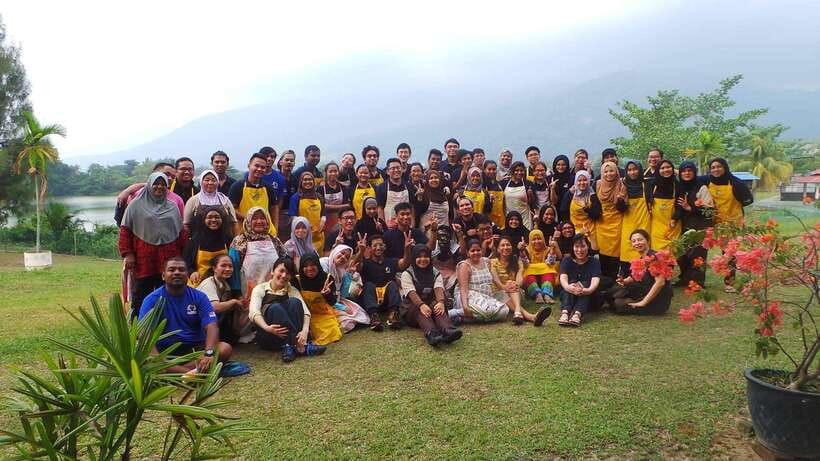
LaZat Cooking presents its food as more than a set of restaurant instructions. The recipes are family recipes passed down through generations, and the teaching connects cooking with stories and memories.
That approach is reflected in the school’s guiding idea that you should treat ingredients with care and affection. You do not need to adopt the phrase as a cooking rule, but the point is clear: the class values patience, attention, and respect for traditional methods.
This personal angle is where the experience can go beyond a standard food activity. A recipe tells you what to add. A family story can tell you why a dish matters, when it is served, and what kind of memory it carries.
The exact amount of storytelling depends on the instructor and the group. Saadiah’s classes appear especially strong in this area, with explanations about Malaysian culture woven into the cooking. If cultural background is important to you, ask about the instructor schedule before booking, though the available information does not guarantee a particular teacher.
Dietary needs and group style
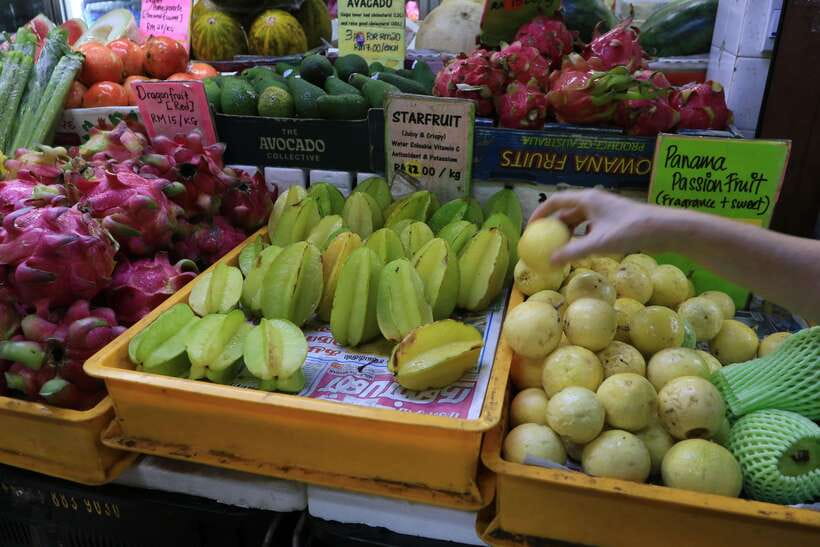
LaZat Cooking welcomes people with different dietary needs. You should provide those details when booking or before the class so the instructors can plan appropriately. The supplied information does not list specific substitutions, so do not assume every dish can be changed without advance notice.
The small-group format is another strength. You get room to work at your station, but you are still cooking alongside other participants. That balance works well for solo visitors, couples, and small groups who want a social activity without being lost in a large crowd.
The class is also suitable for people with different levels of cooking experience. Beginners can follow step-by-step guidance, while confident cooks can ask about ingredients and technique. Since you prepare the meal yourself, the pace may depend partly on the group, so bring patience and a willingness to share the kitchen.
Is $149 good value?
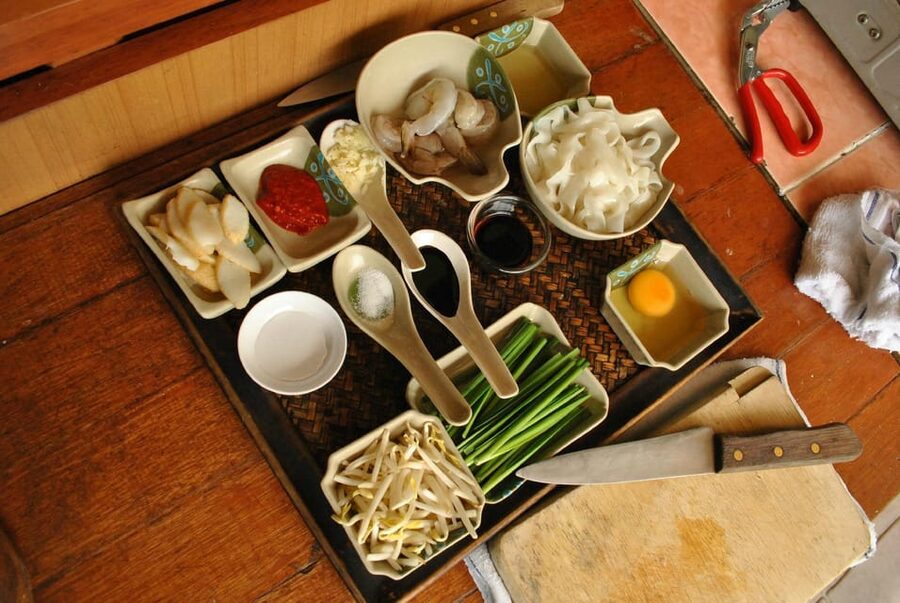
At $149 per person, this is not a budget market tour or a cheap lunch. The price makes more sense when you count what is included: a market visit, a five-and-a-half-hour activity, transport from the market to the cooking school, snacks, coffee or tea, a three-course meal, an instructor, and your own equipment for the lesson.
You are also paying for access to local recipes and teaching that would be hard to reproduce from a restaurant meal. The value is strongest if you care about food, want to cook during your trip, and will use the recipes or techniques later.
The price is less appealing if you mainly want to eat Malaysian food without doing the preparation. Kuala Lumpur offers cheaper market meals and restaurant lunches. You should book this class for the learning and personal contact, not simply for the quantity of food.
Remember to budget for your ride to TTDI Wet Market and your transport after the class. Those costs are separate. The transfer between the market and LaZat Cooking is included, which keeps the middle of the day simple.
Timing, meeting point, and practical planning
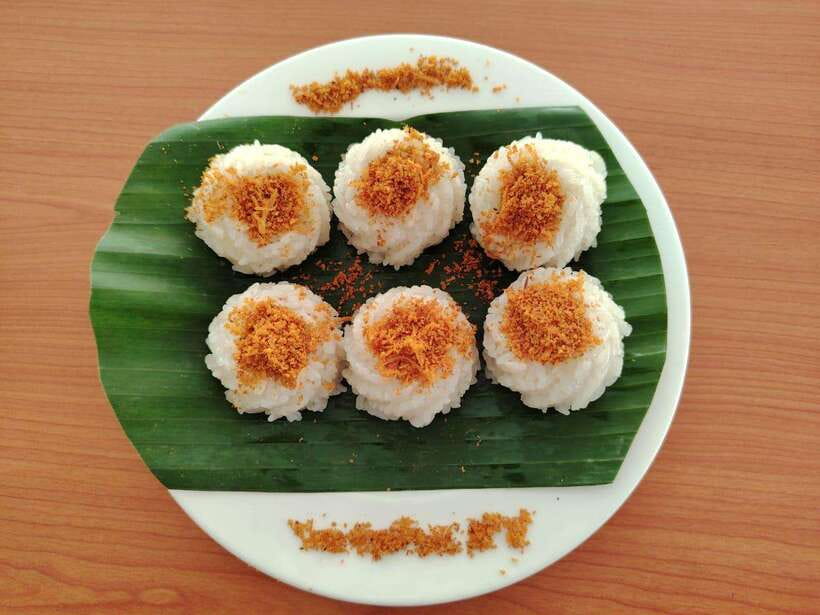
The class begins at 8:30 AM with the market tour. Meet at TTDI Wet Market, at the entrance facing Jalan Wan Kadir. The activity lasts 330 minutes, but check the available starting time for your chosen date before making other plans.
Wear something comfortable for cooking and expect to spend much of the session standing or working at a counter. The supplied information does not specify dress requirements, so choose practical clothes that you do not mind wearing around food and cooking equipment.
You arrange transport to the market and after the class. Plan the return before lunch ends, especially if you have an airport transfer, timed attraction, or evening train to catch. The class is best treated as the main activity of the day rather than a short stop between fixed appointments.
Free cancellation is available up to 24 hours before the activity for a full refund. You can also reserve now and pay later, which helps if your Kuala Lumpur schedule is still shifting.
Who should book this class?
I would choose this for a food-focused visitor who wants contact with local cooking rather than a polished tourist show. It suits couples, solo visitors, small groups, and anyone who enjoys learning by doing.
It is also a strong choice if you want cultural context. The market, changing ethnic menu, traditional equipment, and family recipes give you several ways to understand Malaysian food.
I would think twice if you dislike early mornings, have only a few hours in Kuala Lumpur, or want complete control over the menu. You also need to be comfortable with a group setting and a long session.
Should you book LaZat Cooking?
Book it if you want to understand Malaysian food from market stall to shared table. The combination of TTDI Wet Market, individual cooking stations, a three-course lunch, and local instruction gives the day a clear purpose.
If you can attend a Saturday session with Saadiah, that may add a particularly personal layer through her stories about food and culture. Still, the changing daily menu means the dish list and teaching style can vary.
The early start and $149 price are the main hurdles. For someone who wants a relaxed, useful food experience and plans to remember the cooking after returning home, the cost is reasonable. For someone seeking only an inexpensive meal, it is not the right fit.
FAQ
Where does the Malaysian cooking class meet?
Meet at TTDI Wet Market, also called Pasar Besar TTDI. The representative waits at the entrance facing Jalan Wan Kadir.
What time does the market tour begin?
The market tour starts at 8:30 AM. Check availability for the exact starting time on your chosen date.
Is transport to the market included?
No. You must arrange your own transport to TTDI Wet Market.
Is transport from the market to the cooking school included?
Yes. Transfer from the wet market to LaZat Cooking School is included after the market tour.
Is transport after the class included?
No. You are responsible for arranging transport after the class finishes.
What does each participant receive for cooking?
Each participant receives an individual gas burner stove, countertop cooking utensils, traditional utensils, and a mortar and pestle.
What food will I prepare?
You will prepare a three-course lunch with an appetizer, main course, and dessert. The menu changes each day and features a different ethnic menu.
What languages are available?
The instructors teach in English, Malay, and Chinese.
Can I cancel the activity for a refund?
Yes. You can cancel up to 24 hours in advance for a full refund. Reserve now and pay later is also available.
Just added around the world
- 3-Hour Herbal Wholesale TCM Market and a Local Wet Market Tour★ 5.0 · 4 reviews
- Half-day Dandan Noodles Cooking Class with a Local Market Visit★ 5.0 · 8 reviews
- Chania Old Town, Public Market and Chrisopigi Monastery Tour★ 4.5 · 6 reviews
- Charleston International Sweet Treats & Historic City Market Tour★ 5.0 · 22 reviews
- Chania: Old Town, Public Market, Hill of Prophet Elias, Agia Triada★ 5.0 · 35 reviews
- Food Tasting & Market Shopping: Private Guided Tour in PORT LOUIS★ 4.5 · 9 reviews
- Moroccan Cooking Class with a Local Family & Market Visit★ 5.0 · 16 reviews
- Private Market Tour & Cooking Class in Casablanca with Transfers★ 5.0 · 20 reviews
Market and Cooking Class Tours, compared.

Hanoi Cooking Class: Culture, Local Market & Meaning CSR Impact
Read our review →
5 Traditional Dishes Hanoi Cooking Class with Market Trip
Read our review →
Cooking Class and Lunch at a Tuscan Farmhouse with Local Market Tour from Florence
Read our review →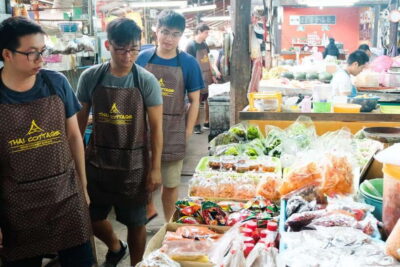
Cooking Class, Market & Thai Herbs Garden Tour
Read our review →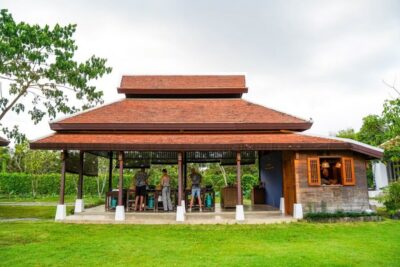
Authentic Cooking Class with Market & Farm Visit
Read our review →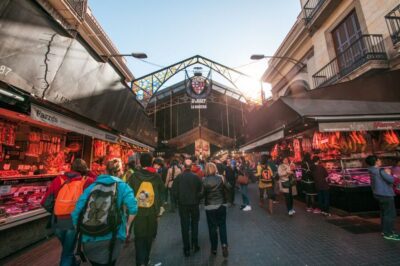
Paella Cooking Experience & Boqueria Market Tour
Read our review →
Cooking Class Hoi An:Local Market, Basket Boat, Fishing & Cooking
Read our review →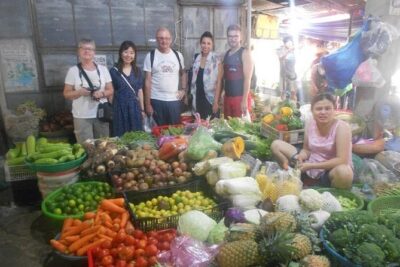
Hoi An Cooking Class(Market,BasketBoat Crabfishing&Cooking Class)
Read our review →Browse the lists this tour appears in