
Review · STREET FOOD MARKET TOURS
Chiang Rai: Night Walking Tour – Local Market & Food Tasting
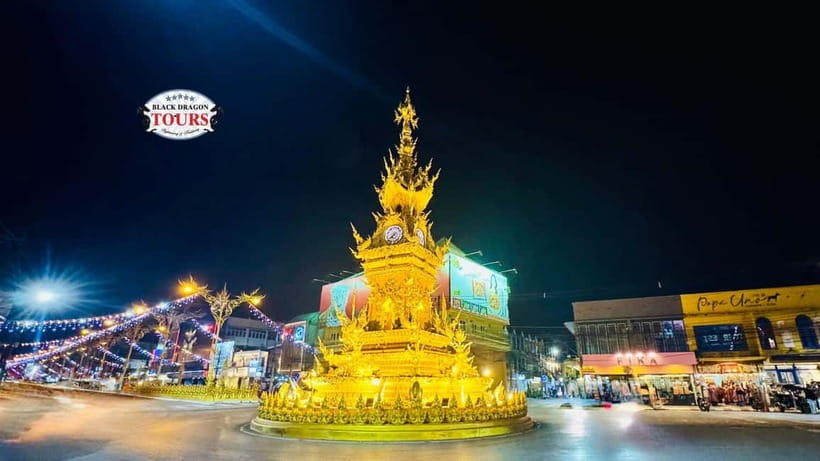
Chiang Rai’s best evening surprise is the change of pace: first, two beautifully lit temples, then the ordinary food markets where local families shop for dinner. The contrast gives you both the city’s spiritual side and its everyday rhythm in one four-hour outing.
I like the private-guide format, especially for explaining Buddhist symbols and helping you try unfamiliar snacks. I also like the practical hotel pickup and the chance to visit both a fresh market and the Chiang Rai Night Bazaar. The main consideration is mobility: there is walking, temple access may involve steps, and the tour is not suitable for wheelchair users.
Key points to know before booking
- Blue Temple after dark: Wat Rong Suea Ten takes on a cool, theatrical look when its blue interior and exterior details are lit.
- A giant Guanyin statue: Wat Huay Pla Kang offers a peaceful night visit beside its towering white Goddess of Mercy.
- Food beyond the standard tourist menu: The market tasting can include Northern Thai snacks, tropical fruit, and unusual bites such as silkworm.
- Guides who add context: Bank and Poppy have been praised for clear English, temple explanations, photos, and careful driving.
- A real local-market stop: The fresh market is where residents buy food for the evening, not just a display made for sightseeing.
- Small-group convenience: The tour lasts four hours, includes hotel-lobby pickup in Mueang Chiang Rai, and accepts up to nine people.
Why Chiang Rai works so well after sunset
Many temple visits in Thailand happen under hard afternoon sun, when white walls glare and everyone is thinking about water. This tour moves the sightseeing into the evening, when the temples feel calmer and the lighting brings out details that can be missed during the day.
The night setting also lets you see two different sides of Chiang Rai. Wat Huay Pla Kang and Wat Rong Suea Ten offer ceremony, sculpture, and quiet contemplation. The food markets bring you back to ordinary life, with shopping, snacking, and small vendors serving local customers.
I like that this is not just a temple crawl. You get a look at how the city feels after work, when families shop for food and the night market becomes a social meeting place. The food portion is short at about 30 minutes, but it gives the evening a useful local focus rather than ending with photographs at a monument.
The tour costs $64 per person. That is not the cheapest way to visit Chiang Rai’s temples, especially if you are comfortable arranging transport yourself. The value comes from the combination of hotel pickup, a private local guide, English explanations, several stops, and help choosing food at markets where menus may not be aimed at visitors.
More Farmers Market Tours in Thailand
- Phuket: Half Day Easy Thai Cooking Class & Local Market Tour
★ 4.9 · 725 reviews - Chiang Mai: Evening Cooking Class and Local Market Visit
★ 4.9 · 648 reviews - Evening Cooking Class in Organic Farm with Local Market Tour
★ 5.0 · 394 reviews
Wat Huay Pla Kang and the white Goddess of Mercy
The first major temple stop is Wat Huay Pla Kang, scheduled for about an hour with a guided visit. Its most striking feature is the towering white statue of Guanyin, the Goddess of Mercy, which overlooks the city.
At night, the statue and surrounding temple buildings take on a softer mood. You can focus on the scale and the feeling of the site without the glare of midday. The guide can also explain the Buddhist meaning of the temple and its imagery, which is useful if you want more than a quick stop for pictures.
Poppy was specifically praised for giving a proper introduction to Buddhism, while Bank was praised for explaining the sites with passion. Those details matter here. A large statue can be impressive on its own, but a guide helps you understand why Guanyin is important and how the site fits into local religious life.
Allow for walking and possibly uneven or stepped access. The tour does not suit wheelchair users, and non-folding wheelchairs, electric wheelchairs, baby strollers, and non-folding strollers are not allowed. Wear shoes you can comfortably walk in, and bring long pants or a long skirt for temple visits.
The Blue Temple under evening lights
Wat Rong Suea Ten, usually called the Blue Temple, receives about 105 minutes on the scheduled route. That is generous time for a guided look, photographs, and a slower examination of the interior.
The temple is famous for its strong sapphire-blue color and mystical atmosphere. The evening lighting makes the blue surfaces especially dramatic, while the quieter setting can help you notice painted details, statues, and patterns without rushing from one room to the next.
This is the tour’s most visually distinctive stop. If you have already seen several Thai temples, the color scheme gives this one a very different identity. If you have not visited many temples, it is also a good place to learn basic etiquette and understand how decoration, religious images, and architecture work together.
Photography is allowed, but you should be respectful in temple areas. That means keeping your voice low, dressing appropriately, and following any local instructions about where to stand or what to photograph. The guide can help you avoid the common mistake of treating an active religious place like a photo studio.
The scheduled time at the two temples adds up to nearly two hours and 45 minutes, while the whole experience lasts four hours. The remaining time covers hotel pickup, drives between sites, and the market visits. That makes the timing feel full without trying to cram in a third major temple.
From sacred sites to the fresh market
After the temples, the evening changes character at a local fresh market. This is not simply a food court. It is a place where local people come to buy ingredients and ready-to-eat food for the night.
That distinction is important. You might see produce, prepared dishes, snacks, and regional products arranged for daily use rather than packaged as souvenirs. Even a short visit can tell you more about local eating habits than a restaurant meal ordered from a familiar menu.
The guide is especially useful here. You can ask what a snack is, how it is usually eaten, and whether it contains ingredients you avoid. The tour includes traditional snacks and street food, along with seasonal tropical fruit. Personal expenses are not included, so carry a small amount of cash if you want to buy something beyond the included tasting.
Be ready for flavors and textures you may not meet at home. One food tasting included silkworm, which gives you an idea of the tour’s approach. You do not have to pretend to like everything, but it helps to arrive curious and willing to try a small portion.
The food stop lasts about 30 minutes, so think of it as a guided introduction rather than a long dinner. If you have a large appetite, the evening also includes the Chiang Rai Night Bazaar, where you may have the chance to buy a small meal or additional snacks.
More Street Food Market Tours in Thailand
- Chiang Mai: Evening Local Street Food Market Tour
★ 4.8 · 604 reviews - From Bangkok: Maeklong Railway and Floating Market Food Tour
★ 4.9 · 224 reviews - Fresh Local Market Tour – Food tour in Chiang Mai
★ 5.0 · 113 reviews - Bangkok Street Food and Night Lights by Tuk Tuk
★ 4.6 · 49 reviews
Chiang Rai Night Bazaar and ordinary evening life
The Chiang Rai Night Bazaar adds a more social finish to the tour. Here, local food vendors, craft sellers, and small businesses share space with people shopping and eating after dark.
You can look for handmade crafts, regional products, snacks, and tropical fruit. The guide can point out foods that are common in Northern Thailand and help you decide what to taste. This is one of the better reasons to choose a local guide rather than simply walking through the market alone.
The experience also gives you a chance to watch daily life without turning it into a staged show. Families may be choosing dinner, vendors may be serving regular customers, and monks may be collecting offerings. You are seeing a working part of the city, so a little patience and polite observation go a long way.
The two markets serve different purposes. The fresh market shows the practical shopping side of local food culture. The Night Bazaar is more suited to browsing, eating, and picking up a small regional item. Visiting both makes the evening feel more rounded.
What the guide adds to the evening
This experience depends heavily on the quality of the guide. The route itself is appealing, but the temples and markets become much more useful when someone can explain what you are seeing and help you move between very different settings.
Bank has been praised for excellent communication, answering questions, taking photographs, and driving carefully in a clean car. Poppy has been praised for explaining temple meanings and giving a clear introduction to Buddhism. Guide assignments can change, so you should not assume one particular person is guaranteed, but those names give you a useful sense of the service style offered.
The language is English, and the group is limited to nine participants. The booking information describes the experience as a private local guide service while also identifying the group as small, so confirm the exact group arrangement when booking if exclusivity matters to you.
Hotel-lobby pickup is included in Mueang Chiang Rai. That saves you from arranging a taxi at night and makes the route easier to manage, particularly if you are unfamiliar with the city. Alcoholic drinks are not allowed in the vehicle, and personal expenses are separate from the tour price.
Is $64 a fair price?
At $64, this is best judged as a convenience-and-context tour rather than a simple transport service. You could likely visit the temples and market for less if you arranged your own ride, paid individual entrance costs where required, and felt comfortable navigating food stalls alone.
You would not get the same practical help. The price includes an English-speaking guide, hotel pickup, the two main temple visits, local-market access, and food tastings. You are also paying for the guide’s help with timing, translation, temple etiquette, photography, and food choices.
I think the price makes the most sense for a first visit to Chiang Rai, a solo visitor who wants company, or anyone who prefers not to negotiate evening transport. It is less compelling for a confident budget traveler who already has a scooter, knows the city, and mainly wants to browse the Night Bazaar independently.
Because personal spending is not included, bring a little cash for extra food or crafts. The exact amount depends on your appetite and shopping plans, and the supplied information does not specify a required food budget.
Walking, clothing, and who should skip it
You should wear comfortable walking shoes. The evening includes temple grounds, market aisles, and movement between several stops, so flip-flops may be less comfortable than a secure pair of shoes.
Temple clothing matters. Bring long pants or a long skirt. Photography is allowed, but keep it respectful, particularly around worshippers and religious ceremonies.
The activity is not suitable for people with heart problems, altitude sickness, babies under one year, people over 95, or anyone weighing more than 309 pounds, or 140 kilograms. It is also not suitable for wheelchair users, and the listed equipment restrictions make it a poor fit for visitors who need a non-folding mobility aid or stroller.
Free cancellation is available up to 24 hours before the start, and you can reserve now and pay later. Starting times depend on availability, so check the evening slot before you commit to other plans.
Should you book this Chiang Rai night tour?
Book it if you want Chiang Rai explained, not just photographed. The combination of the Blue Temple, Wat Huay Pla Kang, a genuine fresh market, and the Night Bazaar gives you a good four-hour introduction to the city after dark.
I would choose it for the guide support, especially if Bank or Poppy is available, and for the chance to try food with someone who can explain what is on the plate. I would skip it if you want a long, unhurried market dinner, need wheelchair access, or prefer to explore independently at the lowest possible cost.
For most visitors staying in Mueang Chiang Rai, the tour offers a practical first evening: two memorable temples, local food, simple transport, and a guide who can connect the sights to daily life.
FAQ
How long does the Chiang Rai night tour last?
The tour lasts four hours, including hotel pickup, temple visits, transport, and the market stops.
What temples are included?
The tour includes Wat Huay Pla Kang and Wat Rong Suea Ten, also known as the Blue Temple.
Is hotel pickup included?
Yes. Pickup is included from your hotel lobby in Mueang Chiang Rai at the scheduled time.
Is the tour conducted in English?
Yes. The live tour guide speaks English.
How large is the group?
The experience is limited to nine participants and is described as a small-group tour with a private local guide.
Does the price include food?
Traditional snacks and street-food tastings are included. Personal expenses, such as extra food or purchases at the markets, are not included.
Should I bring cash?
Yes. A small amount of cash is recommended for personal expenses at the night market.
What should I wear to the temples?
Wear comfortable walking shoes and bring long pants or a long skirt for temple visits.
Can wheelchair users or strollers join?
No. The activity is not suitable for wheelchair users, and non-folding wheelchairs, electric wheelchairs, non-folding strollers, baby carriages, and baby strollers are not allowed.
More Food and Drink Trips in Thailand
- Bangkok by Night: Temples, Markets and Food Tuk-Tuk Tour
★ 5.0 · 3,752 reviews - Bangkok: Markets, Temples and Food Night Tour by Tuk Tuk
★ 4.9 · 2,371 reviews - Takua Pa: Food Market, Tsunami Museum, Temple, & Old Town
★ 4.9 · 165 reviews - Train & Floating Market Food Adventure + Scenic train ride
★ 5.0 · 102 reviews
More Market Market Walking Tours in Thailand
- Bangkok: City Highlights Temple and Market Walking Tour
★ 4.5 · 3,990 reviews - Chiang Mai: Local Food and Markets Guided Walking Tour
★ 4.3 · 175 reviews - Bangkok Wat Pho and Flower Market Historical Walking Tour
★ 5.0 · 28 reviews - Hua Hin: Thai Street Food & Market Walking Tour
★ 4.9 · 8 reviews
Just added around Thailand
- Morning Buddhist Almsgiving, Grand Palace and Flower Market Tour in Bangkok★ 3.5 · 9 reviews
- Bangkok Udomsuk Thai Cooking Class with local market tour★ 5.0 · 5 reviews
- Floating & Railway Markets and Erawan Waterfall [Optional Luxury]★ 5.0 · 43 reviews
- Floating Market & Railway Market near Bangkok★ 4.0 · 5 reviews
- Private 4 days : Bangkok, Floating market and Ayutthaya★ 5.0 · 2 reviews
- Silom Thai Cooking School with Fresh Market Tour★ 5.0 · 73 reviews
- Ayutthaya Floating Market Admission Ticket with Transfer★ 5.0 · 2 reviews
- Train & Floating Market Food Adventure + Scenic train ride★ 5.0 · 102 reviews
Street Food Market Tours, compared.
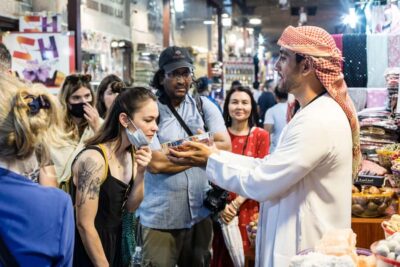
Old Town, Creek, Museums, Souks, & Street Food Tour
Read our review →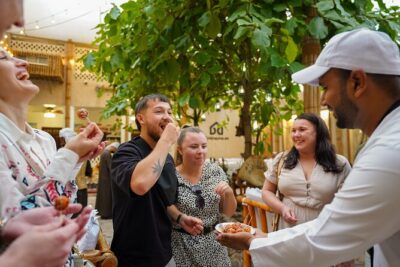
Old Town, Souks, Street Food, Guided Tour & Abra Ride
Read our review →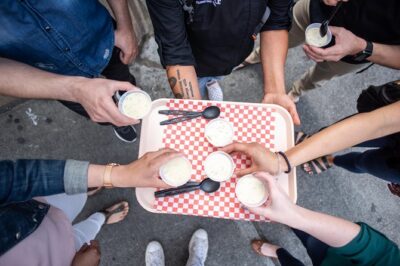
Old Town, Souks, Street Food, Guided Tour & Abra Ride
Read our review →
Small Group Cooking Class & Market Food Tour in Florence
Read our review →
Old Town, Street Food, Creek, Souks, & Emirati House
Read our review →
Browse the lists this tour appears in