
Review · STREET FOOD MARKET TOURS
Chiang Mai: Evening Local Street Food Market Tour
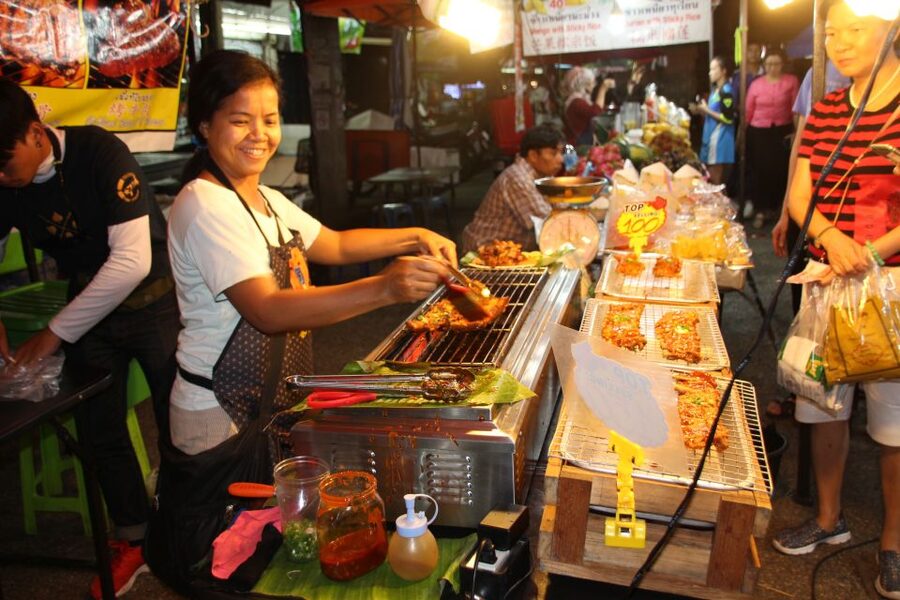
Chiang Mai’s best street food is not always easy to spot, especially when every stall looks busy and the menu is written in Thai. This tour solves that problem by taking you to two or more evening markets, where your guide chooses dishes, explains what you are eating, and shows you how to order for yourself later.
I like the small maximum group of 10, which gives you room to ask about unfamiliar ingredients. I also like the practical language lesson and the little food leaflet, useful tools when you return to the markets alone. The main drawback is important: this tour cannot accommodate vegetarians or pescatarians, and the large amount of food may overwhelm anyone with a small appetite.
Key points at a glance
- A generous tasting menu: Expect far more than one or two sample bites, with noodles, curries, salads, Northern Thai specialties, pork, and desserts.
- Two or more market stops: The exact route changes, and some evenings include three or four food stops.
- Guides who make ordering easy: Guides such as Jay, Mr. Goal, Chai, T, and Nop explain dishes and teach basic Thai phrases.
- Hotel transfers included: Pick-up and drop-off cover accommodations in central Chiang Mai.
- A useful first-night activity: You learn what to look for before exploring Chiang Mai’s food stalls on your own.
- Not for vegetarians: Meat and seafood are part of the food selection, and substitutions are not guaranteed.
Why this Chiang Mai food tour works
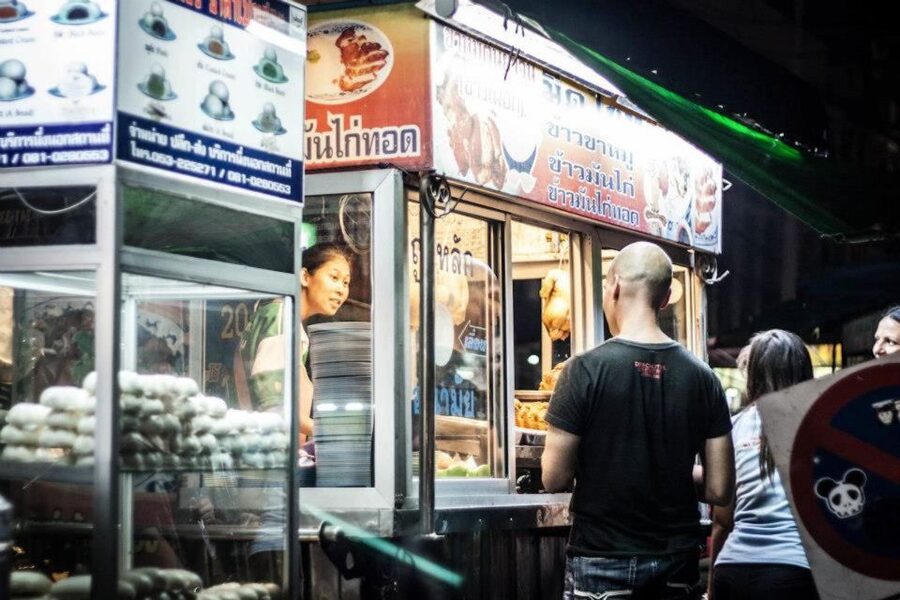
Chiang Mai is a terrific city for eating, but its evening markets can feel like a test you did not study for. You may recognize noodles or grilled meat, then find yourself facing unfamiliar sauces, herbs, soups, sweets, and dishes with no clear English explanation.
This tour gives you a friendly guide at your side. You are picked up at your accommodation, introduced to the group, and taken into the evening food scene without having to work out transport or choose every dish yourself. That matters in Chiang Mai, where the best meal may be served from a modest stall with no English menu.
The format is social but not unwieldy. With no more than 10 people, you can hear the guide, share dishes, and ask questions without being lost in a large crowd. It is also a good way to meet other people over food, particularly if you are traveling alone.
At 150 minutes, the outing is long enough to build a proper meal and a basic understanding of local cuisine, but short enough to fit around an evening walk or other plans. I would place it near the start of a Chiang Mai stay. The guide can point out dishes you will recognize later, and the printed food list gives you a useful reference for the rest of your trip.
More Street Food Market Tours in Thailand
- Fresh Local Market Tour – Food tour in Chiang Mai
★ 5.0 · 113 reviews - From Bangkok: Maeklong Railway and Floating Market Food Tour
★ 4.9 · 224 reviews - Bangkok Street Food and Night Lights by Tuk Tuk
★ 4.6 · 49 reviews
Meeting your guide and getting oriented
The evening begins with hotel pick-up in central Chiang Mai. Be ready in the lobby 10 minutes before the scheduled time. The included transport is a real convenience, particularly if you are staying away from the main market areas or do not want to arrive hungry by tuk-tuk.
Your guide introduces the food and the plan for the night. Guides named in the feedback include Jay, Mr. Goal, Chai, Tienchai, Tee, and Nop. The strongest pattern is their friendly, relaxed way of handling a mixed group. Several are praised for clear English, humor, and the ability to explain both food and local customs.
The guide also teaches simple Thai words and phrases for ordering. This is more useful than a formal language lesson because it is tied to the food in front of you. You can practice saying what you want, asking about dishes, and recognizing names you may see again.
That small booklet or leaflet is worth keeping. It lists foods you try and includes basic Thai phrases, so you can use it when you return to a market without a guide.
The first market: noodles and Northern Thai flavors
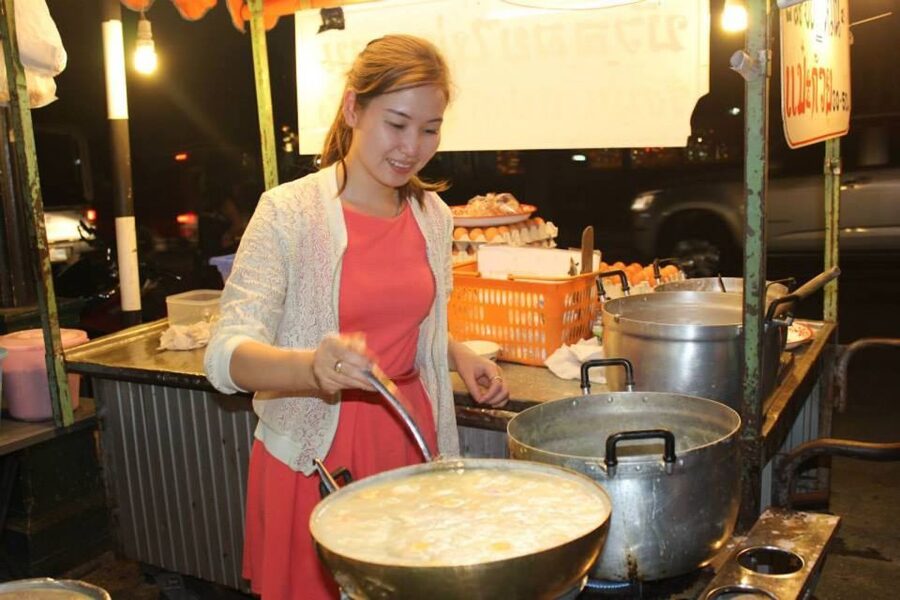
The first stop introduces the range of food available after dark. One featured dish is kanom jeen, sometimes written as khanom chin, soft fermented rice noodles served with a flavorful curry or sauce. It is a good example of why guided tasting helps: the dish may look simple, but the accompanying sauce, vegetables, and condiments shape the experience.
You may also try Northern Thai specialties, which help distinguish Chiang Mai food from the better-known dishes of central Thailand. Expect a mixture of soups, curries, salads, and other savory dishes. The exact selection changes from night to night, so you should treat the advertised foods as likely highlights rather than a fixed menu.
Your guide explains ingredients, regional roots, and the proper way to eat each item. This is especially useful when a dish arrives with several condiments or when the flavor is much hotter than it first appears. Guides also help balance the order, so the meal includes both spicy and milder choices.
Do not expect a quiet sit-down restaurant meal. You are moving through market areas and eating food chosen for variety. That gives you a better sense of how local evening food works, but it may be less comfortable for someone who prefers a slow dinner at a table.
The second market: pork, sweets, and plenty of food
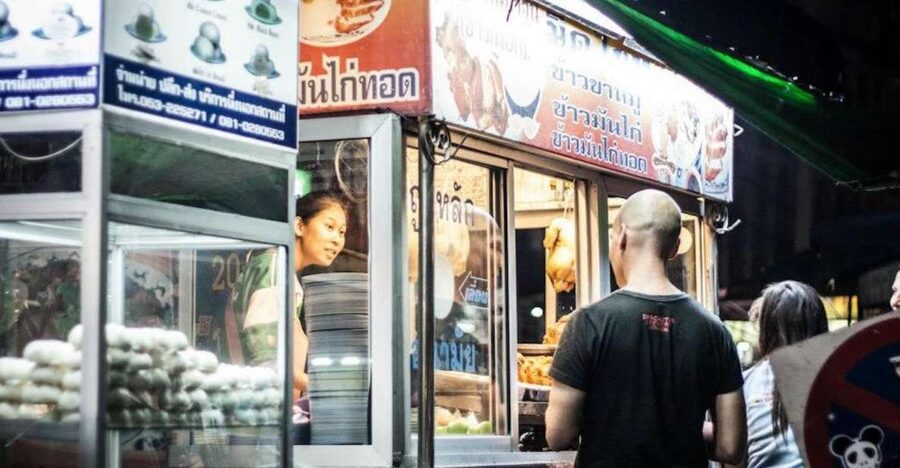
The next stop broadens the meal. Stewed pork leg is one of the named specialties, offering a softer, richer contrast to noodles and spicy dishes. You may also encounter more regional savory foods, salads, soups, or curries, depending on what is available that evening.
The portion count is generous. People have described tasting more than 10 dishes, with one evening including 14 savory items followed by four desserts. That does not mean every tour follows the same exact number, but it gives you a realistic idea of the scale. You are not paying for a single snack and a short walk.
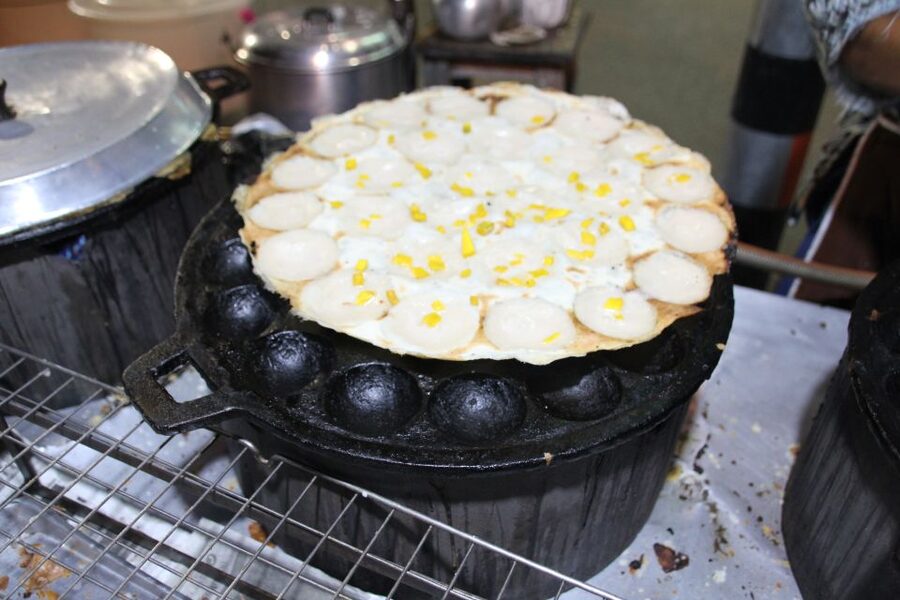
Coconut dumplings bring a sweet, chewy finish to the savory food. Thailand’s desserts can be easy to overlook when you are focused on noodles and grilled foods, so having a guide point them out is helpful. Other sweets may appear as the final course if you still have room.
The main practical tip is simple: eat lightly beforehand. This tour is built around a full evening of tasting. Some people finish extremely full, and one diner had to stop partway through because there was simply too much food to continue. The abundance is good value, but it is not ideal if you prefer small portions.
More Street Food Market Tours in Chiang Mai:
- Dubai: Old Town, Creek, Museums, Souks, & Street Food Tour
★ 4.8 · 10,816 reviews - Dubai: Old Town, Souks, Street Food, Guided Tour & Abra Ride
★ 4.9 · 7,170 reviews - Chef Guided Food Tour of Pike Place Market
★ 5.0 · 3,733 reviews - London Bridge & Borough Market Food Tour with 7 Authentic Dishes
★ 5.0 · 1,972 reviews
Why the food explanations matter
A good food tour should do more than hand you samples. Here, the guide explains where dishes come from, how Thai regions influence one another, and how ingredients fit into local cooking. You also learn about Thai food etiquette and the role certain dishes play in everyday life.
That background makes each stop easier to remember. Instead of seeing a bowl of noodles as just another meal, you begin to notice the noodles, curry, herbs, condiments, and regional style. You also become more confident about pointing to something unfamiliar at a market later.
Guides are especially useful with foods you might not order alone. The selection can include dishes that are difficult to identify from appearance, and the group setting lets you taste without committing to a full portion yourself. If you are cautious with chili, tell the guide early. The food selection includes both spicy and milder choices, but the tour is still centered on Thai cuisine rather than a toned-down international menu.
This is also a practical lesson in ordering. You see how your guide speaks with vendors, learn food-related Thai phrases, and receive a list of dishes to recognize later. For a first or second night in Chiang Mai, that skill may be more valuable than another generic sightseeing stop.
Market variety and changing routes
The route is not rigid. The plan promises at least two evening street food markets, but some outings visit three or four markets or food stops. The food tried also changes from night to night.
That variation is a strength if you want a real market experience rather than a scripted meal. It also means you should not book this expecting every named dish to appear in a fixed order. Weather, availability, and the evening’s market selection can affect what you eat.
You may visit food areas on different sides of the city, and traffic can add time in the vehicle. One evening included a long drive because of heavy traffic. The transport keeps the route practical, but this is not a walking-only food crawl, and some of the 150 minutes may be spent moving between areas.
The reward is access to a broader selection than you would get by staying beside one market. The tradeoff is less time standing in one place and more time in the vehicle. I would consider that worthwhile if your priority is tasting across several parts of Chiang Mai rather than settling into one market for the evening.
Transport, timing, and what to bring
Round-trip hotel transport is included for accommodations in Chiang Mai city center. For hotels outside the city area, a transfer can be arranged for a small additional charge, but you need to contact the operator about it.
Wear comfortable shoes. You will be visiting markets and moving between food stops, so practical footwear is more useful than anything dressy. Bring an appetite, but do not arrive dehydrated. Water is included, while soft drinks, other beverages, and alcohol cost extra.
The tour is conducted in Thai and English. If you have food allergies or serious dietary restrictions, ask about them before booking. The supplied information specifically says that vegetarians and pescatarians cannot be accommodated, so this is not a suitable choice for those diets.
Children under 8 are not permitted. Older children may enjoy the variety, especially if they are open to spice and unfamiliar textures, but parents should know that this is a food-heavy evening rather than a child-focused activity.
Is $40 a good value?
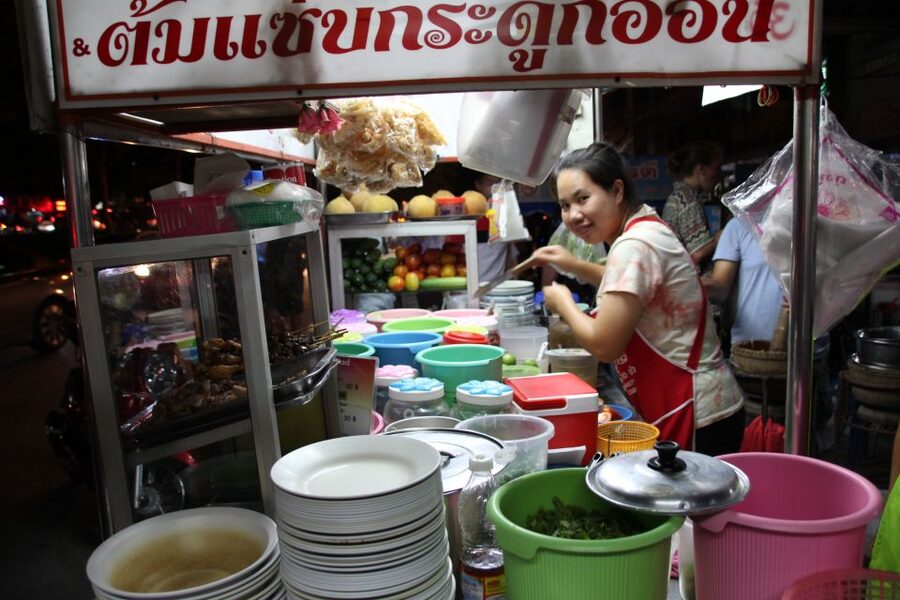
At $40 per person, the price includes all food, water, an experienced local guide, central hotel transfers, and the printed food and language guide. The value becomes clear if you count the number of dishes and the transport between markets.
Ordering the same variety alone could be difficult. You would need to identify the stalls, decide how much to buy, handle the language barrier, and risk ordering a full portion of something you do not enjoy. In a small group, the food is shared and the guide can select a broad spread.
The price is less compelling if you are already confident ordering Thai food, dislike group activities, or have a limited appetite. You may spend less by eating one meal at a market on your own, but you will also get less explanation and far less variety.
For most omnivorous visitors, I see the price as fair to strong value. The combination of food, instruction, and transport makes it more than a simple dinner. The 4.8 rating from 604 reviews also points to a consistently well-received experience, with guide quality appearing to be a major part of that result.
Who should book it?
I would recommend this tour to first-time visitors who want a clear introduction to Chiang Mai cuisine without spending an hour guessing at menus. It is also a good choice for solo visitors, couples, and small groups who want to share many dishes instead of ordering several full meals.
Food lovers should come hungry. The menu can stretch from noodles and Northern Thai specialties to pork, salads, curries, coconut dumplings, and several desserts. You will probably leave with a better sense of what to seek out later.
I would skip it if you are vegetarian, pescatarian, under 8, or looking for a quiet restaurant dinner. I would also think twice if you dislike spicy food, though the guide can offer milder options and explain what to expect. The tour is generous and social, but its strength is variety, not control over every ingredient or portion.
Should you book this Chiang Mai night market tour?
Book it if you want to eat widely, learn what you are ordering, and get comfortable with Chiang Mai’s market food in one evening. The small group, included city-center transfers, Thai language help, and large selection make it a smart early-trip activity.
Skip it for strict vegetarian needs or if you prefer to explore at your own pace. For everyone else, this is a practical way to turn Chiang Mai’s food markets from a confusing display into a menu you can understand and revisit.
FAQ
How long does the Chiang Mai street food tour last?
The tour lasts 150 minutes, or two and a half hours.
How many markets will the tour visit?
You will visit at least two evening street food markets. The route can include more, with some outings visiting three or four markets or food stops.
What food will I try?
Named dishes and specialties include kanom jeen, Northern Thai foods, stewed pork leg, coconut dumplings, and Thai desserts. The exact dishes vary from night to night.
Is hotel pick-up included?
Yes. Round-trip pick-up and drop-off are included for accommodations in Chiang Mai city center. Pick-up from outside the city area may be arranged for a small surcharge.
How large is the group?
The group is limited to a maximum of 10 participants.
What languages does the guide speak?
The tour is available in Thai and English.
Can vegetarians or pescatarians join?
No. The tour cannot accommodate vegetarians or pescatarians, so it is not suitable for those diets.
Can I cancel the booking?
You can cancel up to 24 hours in advance for a full refund. Reserve now and pay later is also available.
More Food and Drink Trips in Chiang Mai
- Chiang Mai: Local Food and Markets Guided Walking Tour
★ 4.3 · 175 reviews - Bangkok by Night: Temples, Markets and Food Tuk-Tuk Tour
★ 5.0 · 3,752 reviews - Tokyo Tsukiji Fish Market Food and Culture Walking Tour
★ 5.0 · 3,184 reviews - Bangkok: Markets, Temples and Food Night Tour by Tuk Tuk
★ 4.9 · 2,371 reviews
Just added around Chiang Mai
- Chiang Mai: Half Day Morning Cooking Class with Market Tour★ 4.9 · 10 reviews
- Full Day Thai Cooking Class in Organic Farm and Market★ 5.0 · 3 reviews
- Chiang Mai: Morning Cooking Class with Market Visit★ 4.9 · 81 reviews
- Chiang Mai: Traditional Thai-Akha Cooking Class& Market Tour★ 5.0 · 25 reviews
- Chiang Mai: Sticky Waterfall by Local Truck with Market Stop★ 4.8 · 26 reviews
- Chiang Mai: Half Day Evening Cooking Class with Market Tour★ 4.9 · 19 reviews
- Chiang Mai Light: Tuk Tuk Night Tour with Temples & Markets★ 5.0 · 7 reviews
- Chiang Mai: Buddhist Almsgiving and Market Tour with Meal★ 5.0 · 2 reviews
Street Food Market Tours, compared.
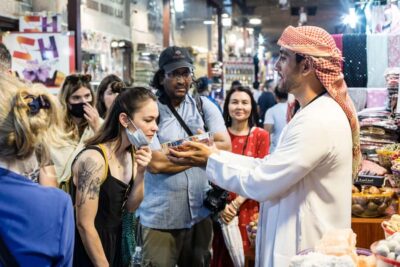
Old Town, Creek, Museums, Souks, & Street Food Tour
Read our review →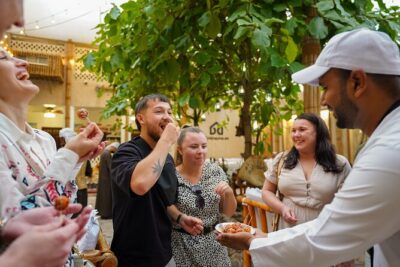
Old Town, Souks, Street Food, Guided Tour & Abra Ride
Read our review →
Old Town, Souks, Street Food, Guided Tour & Abra Ride
Read our review →
Small Group Cooking Class & Market Food Tour in Florence
Read our review →
Old Town, Street Food, Creek, Souks, & Emirati House
Read our review →
Browse the lists this tour appears in