
Review · MARKET AND COOKING CLASS TOURS
Cooking class and market tour with a local chef
Cusco’s food culture makes more sense after you have walked through San Pedro Market with a local chef. You taste fruits, cheese, and other ingredients before using them in a hands-on class led by Cusco-born chef Ronal. I especially like the link between market and kitchen, and the chance to choose your main dish and cocktail.
I also like the practical touch. Ronal teaches basic cutting and cooking skills, explains local ingredients, and sends recipes by email so you can try the dishes at home. The main consideration is that $57 is not the cheapest market visit or cooking class in Cusco, and transportation to the meeting point is not included.
Key points
- San Pedro Market first: Taste local fruits and cheese while learning how Cusco cooks and shops.
- Chef Ronal leads the class: He teaches in English or Spanish and explains both technique and local food culture.
- Three substantial preparations: Make rocoto relleno, causa rellena, and either lomo saltado or ceviche.
- Your choice of drink: Prepare a classic pisco sour, passion fruit sour, or a nonalcoholic fruit and honey drink.
- Dietary flexibility: Vegetarian dishes and adaptations for allergies, intolerances, and other dietary needs are available.
- A useful four-hour format: The tour includes the guide, ingredients, equipment, apron, water, cocktail, starter, and main course.
San Pedro Market turns a cooking class into a Cusco food lesson
The best part of this experience is that the cooking does not begin with a printed recipe and a pile of anonymous ingredients. It begins in the market, where Chef Ronal introduces you to the food of the Cusco region.
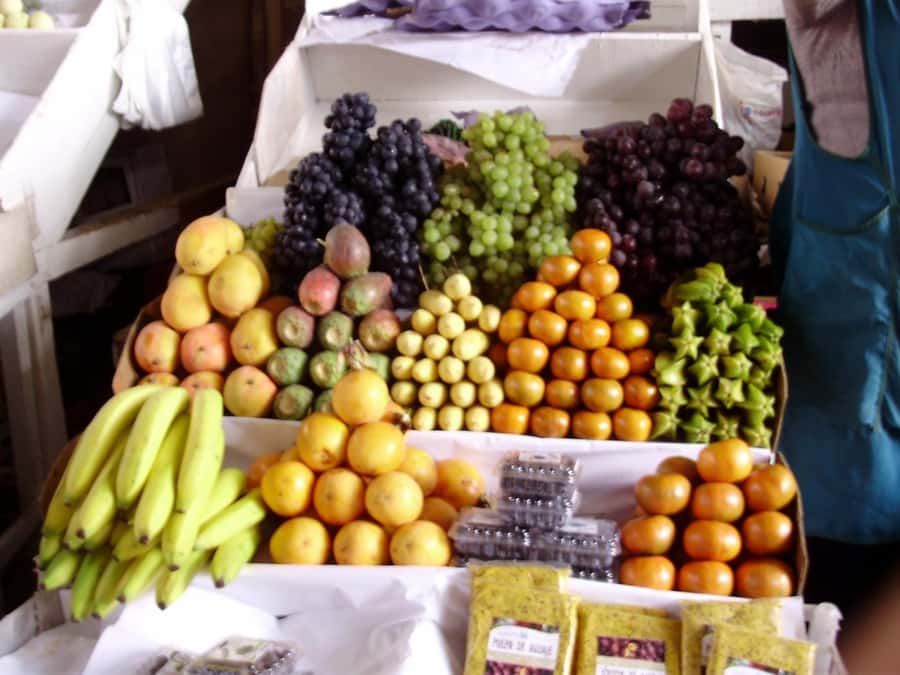
You can expect to see fruit, vegetables, meat, cheese, herbs, and other local products. The market visit is not just a shopping errand. Ronal explains what you are seeing, offers tastings of local fruit and cheese, and connects ingredients to Peruvian cooking and Cusco culture.
That makes a difference. You may have eaten ceviche or lomo saltado in a restaurant without thinking much about the potatoes, peppers, herbs, or sauces on the plate. Here, you see the ingredients before they are chopped and cooked. The famous Peruvian potato varieties are a good example of why this setting matters. Peru is associated with thousands of potato varieties, and the market gives that fact a real face.
The market can be busy and visually intense, so this is not the polished, quiet version of food tourism. That is part of its value, but it may feel less comfortable if you prefer a tidy food demonstration with no crowds or unfamiliar ingredients. Go with an open mind, and let Ronal explain what you are seeing.
More Market and Cooking Class Tours in Peru:
- Cusco: Peruvian Cooking Class, Cocktails & Local Market Tour
★ 4.9 · 512 reviews - Market Tour, Tasting of 35 Fruits, and 4-Course Peruvian Cooking Class in Lima
★ 5.0 · 86 reviews - Cusco: Peruvian Cooking Class & Market Tour
★ 4.9 · 19 reviews
At Calle San Juan de Dios 264, the class gets hands-on
The meeting point is at 264 San Juan de Dios Street, in front of the Aranwa Boutique Hotel. Look for a glass and wooden door across the street from the hotel. There are no ads on the door, so the address matters more than a bright sign.
The workshop is set up with kitchen and bar utensils, aprons, and fresh ingredients. The location has been described as clean and cozy, with good-quality equipment. You are not expected to bring cooking tools or ingredients. Water is included, along with the food and drink you prepare.
The class works for beginners, but it is not only for people who rarely cook. Ronal demonstrates how to cut ingredients and guides you through each step. If you already cook at home, you can still pick up useful ideas about Peruvian flavor combinations, sauces, and local produce.
The group format adds a social side. You cook alongside other participants, share the work, and sit down to eat what you have made. Solo visitors can meet people without needing to organize a separate food outing, while couples and families get a shared activity that is more engaging than simply ordering another restaurant meal.
Rocoto relleno and causa rellena begin the meal
The starter is the same for everyone: rocoto relleno. This traditional dish uses a stuffed chili filled with meat, onions, peas, carrots, peanuts, and raisins. It is topped with local cheese and baked.
Rocoto has a reputation for serious heat, but the class gives you a chance to understand the pepper as an ingredient rather than treating it as a dare. The filling brings sweetness, salt, texture, and spice together. If your diet does not include meat, the dish can be adapted.
You also prepare causa rellena, a potato cake mixed with yellow chili sauce and filled with avocado, fish tartare, mayonnaise, and spices. Causa is one of the most useful dishes to learn because it shows how Peruvian cooks turn potatoes into something cool, layered, and carefully seasoned.
The starter menu is clearly substantial. You are not making one small sample and then leaving hungry. With a main course and drink still to come, plan for a full meal at the end of the session.
Choose your pisco drink before sitting down to eat
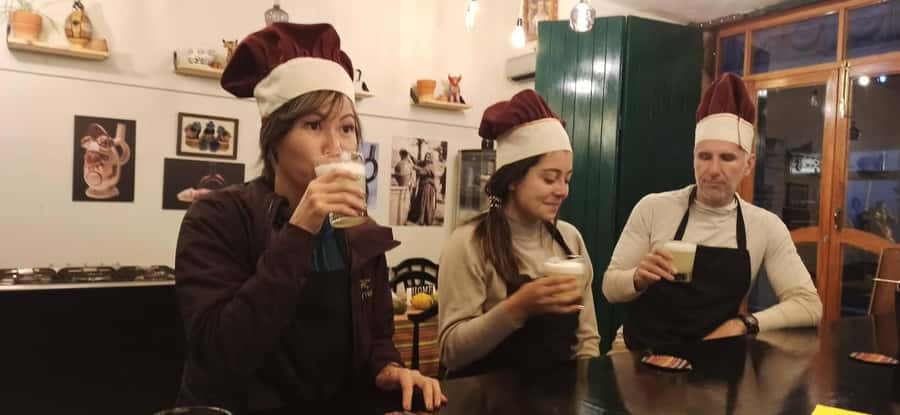
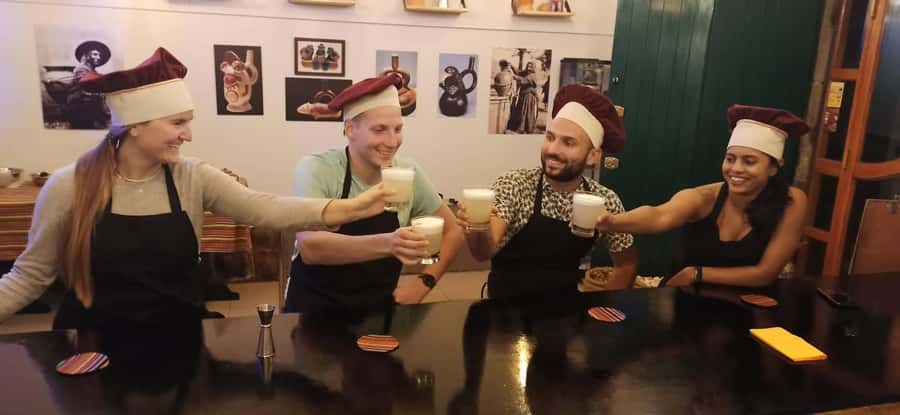
The drink is made with pisco, Peru’s grape-based national spirit. You choose from a classic pisco sour with lime, syrup, and egg white, or a passion fruit sour made with fresh passion fruit juice. A nonalcoholic drink made with Peruvian fruit and honey is also available.
This is a fun part of the class because it adds bar technique without taking over the food lesson. The passion fruit version is a good choice if you prefer a sweeter, fruitier drink. If you do not drink alcohol, you still receive a proper beverage rather than being left with plain water.
The class includes one cocktail. That is worth noting when you compare the price with other food activities. One participant felt a second pisco sour would have made the value stronger, so you should not book this expecting an open bar. The focus is the cooking, not extended drinking.
Alcohol and drugs are not allowed outside the included preparation. Anyone with a relevant dietary or health concern should explain it before the class begins.
A few more market tours around Peru worth a look
- Pisac Indian Market and Ollantaytambo Fortress with Lunch
★ 4.5 · 395 reviews - Lima: Historic Center Street Food, Market, and Eateries Tour
★ 4.9 · 216 reviews - Cusco City Sightseeing, San Pedro Market, Cathedral and Qorikancha Temple
★ 4.5 · 139 reviews - Belen Market & Floating City 2-3 Hour Private Tour
★ 4.9 · 38 reviews
Lomo saltado or ceviche: pick the main course
You choose your main dish before the cooking starts. The two standard options are lomo saltado and ceviche.
Lomo saltado combines beef tenderloin with rice, onions, tomatoes, soy sauce, oyster sauce, vinegar, and native potato fries. It is a classic example of Peru’s blended food culture, with Chinese-Peruvian influence showing up in the wok-style preparation and savory sauces.
This is a satisfying choice if you want a hot meal. You learn how several strong flavors work together, and the potato fries make it especially filling. The dish also gives the class a chance to show how a familiar beef stir-fry becomes distinctly Peruvian through its sauces and potatoes.
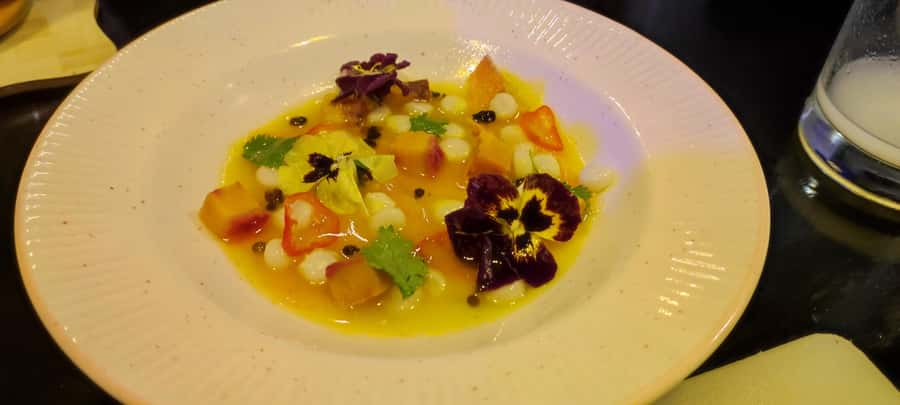
Ceviche uses trout, mango, avocado, lime juice, onions, celery, ginger, corn, and sweet potato. Trout is a sensible Cusco-region choice, and the fruit and vegetables give the dish more range than fish and lime alone.
Ceviche requires attention to freshness, cutting, and timing. It is not cooked by heat, so the lime and preparation matter. If you have been eating heavy food during your time in Cusco, ceviche can feel lighter, though the potato, corn, and avocado still make it a complete plate.
The class can adapt the dishes for vegetarian diets and other restrictions. Past participants with allergies, gluten intolerance, dairy-free diets, and vegetarian preferences were accommodated. Still, I would tell the operator about your needs when booking and repeat them at the start, especially because the published menu contains meat, fish, dairy, mayonnaise, peanuts, egg white, soy, and oyster sauce.
Chef Ronal adds culture, cooking tips, and altitude advice
Chef Ronal is the central reason this experience feels more personal than a standard demonstration. He was born in Cusco and brings local knowledge to the market and kitchen. His role is not limited to showing you where to place a knife. He explains the food, answers questions, and connects dishes with Cusco life.
The practical teaching is useful. You get help with cutting, seasoning, and preparation, and Ronal tastes the food during the process to keep the final dishes on track. That is reassuring if you are new to cooking or nervous about handling unfamiliar ingredients.
He also shares simple advice about herbs, digestion, and altitude. Natural medicine for altitude sickness and digestive teas are available if necessary. This is a thoughtful extra, but it is not a substitute for medical care, and the activity is not suitable for people currently suffering from altitude sickness.
I would schedule the class early in your Cusco stay if you want a gentle cultural activity while getting used to the elevation. That suggestion comes from the pace of the experience, not from any promise that the class will solve altitude problems. You should still follow your doctor’s advice and take altitude symptoms seriously.
Four hours is enough time for a real meal
The stated duration is four hours. That gives the market tour and cooking session room to breathe, though the exact balance can vary with the group and the pace of preparation.
The class is more than a quick demonstration. You visit the market, taste ingredients, prepare multiple dishes, make a drink, and eat the finished food. The time also allows Ronal to answer questions and adjust recipes for the people in the group.
A longer activity can be tiring at altitude, especially if you have just arrived in Cusco. Wear comfortable clothes and shoes, and avoid booking it when you need to rush to another fixed appointment. The reward is a proper meal and a better understanding of what you saw in the market.
Transportation is not included. You need to reach Calle San Juan de Dios 264 on your own. The central meeting point makes this manageable if you are already staying in Cusco, but you should allow time to find the unmarked glass and wooden door.
Is $57 a fair price for the Cusco experience?
At $57 per person, this is not a bargain meal. It is also not simply a meal. The price includes a professional chef and guide, a market tour, fresh ingredients, kitchen and bar equipment, an apron, water, a cocktail or nonalcoholic drink, the shared starter, and your selected main course.
The value is strongest if you want several experiences in one booking. A market visit alone may show you local products without teaching you how to use them. A cooking class without the market may give you recipes without much context. This activity links the two and ends with food you helped prepare.
The value is weaker if you mainly want a cheap lunch, dislike group cooking, or already have a full food itinerary. The class also includes only one cocktail, and transportation costs are yours to cover.
For me, the price makes sense for food-focused visitors, solo visitors who want a social activity, and anyone who likes returning home with recipes rather than only photographs. The recipe email is a small but useful extra. It gives the class a life beyond your four hours in Cusco.
Who should book this class?
I would recommend it to first-time visitors who want an introduction to Peruvian cuisine without committing to a formal culinary school. It is beginner-friendly, yet experienced home cooks can still enjoy the local ingredients and the chef’s approach.
Families can also consider it. The activity has worked for families with children aged 11 and 13, but the published restrictions exclude very young children and list several different minimum-age limits. Because those age details are inconsistent, confirm the current rule before booking with children.
This is less suitable for anyone with serious altitude sickness, anyone who cannot comfortably manage a four-hour food activity, or anyone uncomfortable seeing meat and other ingredients used in local cooking. The activity is also not designed for babies or strollers.
English and Spanish instruction is available. Tell the operator about food restrictions in advance. The class can adapt, but clear communication is the key to making sure you receive a meal you can safely enjoy.
Should you book the Cusco market and cooking class?
Book it if you want market access, local food context, and a full hands-on meal in one four-hour experience. Chef Ronal’s personal connection to Cusco, the fresh tastings, and the choice between lomo saltado and ceviche give the class more substance than a basic recipe lesson.
Skip it if you want the lowest-cost way to eat lunch, need included transportation, or have a serious altitude problem. For most food-focused visitors, $57 is a fair price for the amount of food, instruction, equipment, and local context included. I would book it near the start of your Cusco stay, tell the operator your dietary needs, and arrive ready to taste something unfamiliar.
FAQ
Where does the cooking class meet?
The meeting point is at 264 San Juan de Dios Street in Cusco, in front of the Aranwa Boutique Hotel. Look for a glass and wooden door across the street from the hotel with no advertisements.
How long does the experience last?
The activity lasts four hours.
What languages are available?
Instruction is available in English and Spanish.
What food do I prepare?
The class includes rocoto relleno as the starter, causa rellena, and your choice of lomo saltado or ceviche as the main dish.
What drinks can I make?
You can choose a classic pisco sour, a passion fruit sour, or a nonalcoholic drink made with Peruvian fruits and honey.
Can the menu accommodate vegetarians?
Yes. Vegetarian options are available, and the class can adapt to dietary restrictions.
Is transportation included?
No. You must arrange your own transportation to and from the meeting point.
What is included in the price?
The price includes a professional chef and guide, the cooking workshop, fresh ingredients, kitchen and bar utensils, an apron, water, one cocktail or nonalcoholic drink, a starter, and a main course.
Can I cancel for a full refund?
You can cancel up to 24 hours in advance for a full refund.
Can I reserve now and pay later?
Yes. The booking option allows you to reserve your place and pay later.
Just added around Peru
- Lima: Market Tour, 35 Fruits Tasting & Cooking Class★ 5.0 · 3 reviews
- Lima: Market Tour and Cooking Class with Pisco Sour★ 5.0 · 3 reviews
- Lima: Peruvian cooking class and tour of Surquillo market★ 5.0 · 2 reviews
- Lima: Food Tour on Local Market★ 5.0 · 8 reviews
- Lima Food Experience with local Markets & Barranco Tour★ 5.0 · 2 reviews
- Full Day Lima: Local Market+ CityTour+ Barranco & Miraflores★ 5.0 · 3 reviews
- Cusco: Coricancha, Cathedral & San Pedro Market Walking Tour★ 5.0 · 2 reviews
- Cusco: Peruvian Cooking Class & Market Tour★ 4.9 · 19 reviews
Market and Cooking Class Tours, compared.

Hanoi Cooking Class: Culture, Local Market & Meaning CSR Impact
Read our review →
5 Traditional Dishes Hanoi Cooking Class with Market Trip
Read our review →
Cooking Class and Lunch at a Tuscan Farmhouse with Local Market Tour from Florence
Read our review →
Cooking Class, Market & Thai Herbs Garden Tour
Read our review →
Authentic Cooking Class with Market & Farm Visit
Read our review →
Paella Cooking Experience & Boqueria Market Tour
Read our review →
Cooking Class Hoi An:Local Market, Basket Boat, Fishing & Cooking
Read our review →
Hoi An Cooking Class(Market,BasketBoat Crabfishing&Cooking Class)
Read our review →Browse the lists this tour appears in