
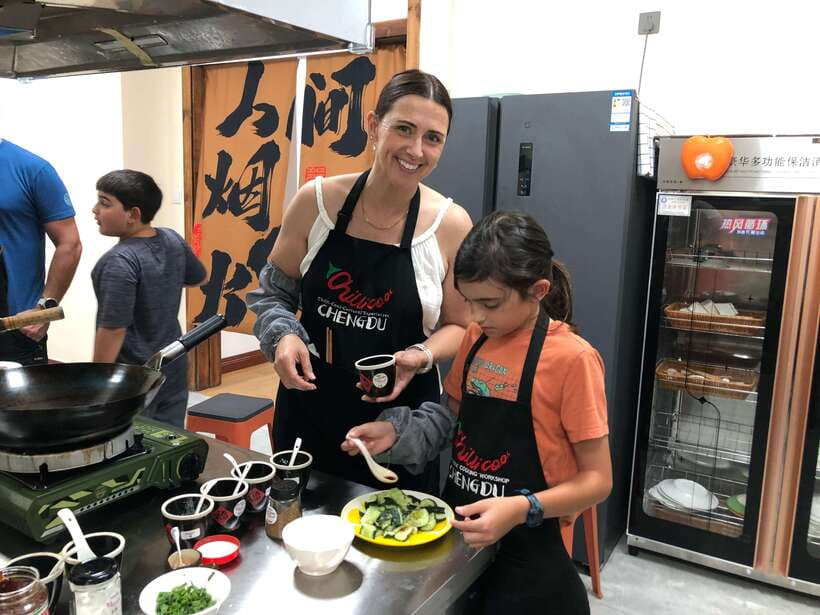
Review · MARKET AND COOKING CLASS TOURS
Chengdu: Cooking Class with Fresh Market Half Day Experience
Chengdu’s best food lesson may begin before you touch a wok. This half-day experience takes you through a local spice market, where your guide explains Sichuan pepper, dried chilies, fresh produce, and other ingredients before you use them in the kitchen. I like that the market is not just a quick stop for photos. It gives you a practical map of the flavors you are about to cook.
I also like the friendly, small-group feel and the patient help at the cooking stations. Guides such as Lance and Jerry translate between you and the chef, while the kitchen staff keep the cooking moving. The main consideration is price: at $82 per person, this costs more than simply eating a Sichuan lunch, though the market visit, food, drinks, instruction, and recipes make it a stronger value for anyone who wants to learn.
Key points to know before booking
- The market comes first: Learn to recognize the spices and ingredients used later in the class.
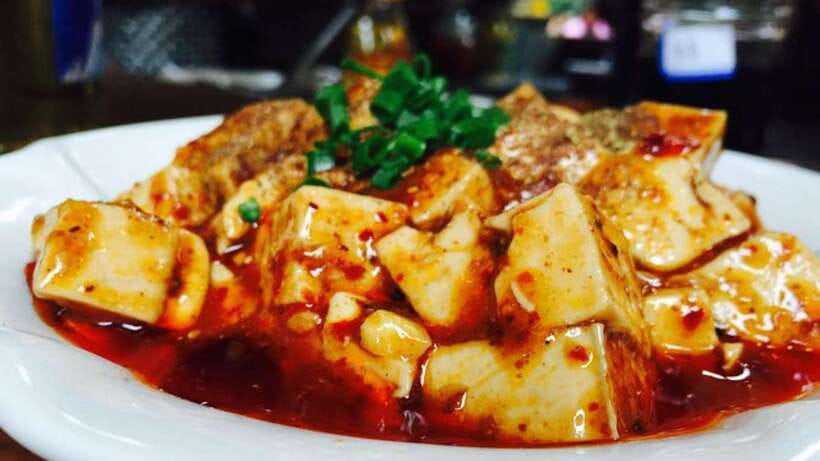
- Several dishes are prepared: You do the chopping and cooking, then sit down to eat what you made.
- Lance and Jerry are frequently involved: Both guides are described as friendly, clear English speakers who explain local food well.
- The chef works alongside you: Staff provide close help at the wok stations, useful when Sichuan cooking speeds up.
- Vegetarian and vegan menus are possible: Tell the operator about dietary needs when booking.
- The meeting point is on Metro Line 6: Meet at Liang Jia Xiang Station, Exit D, at 8:50 a.m. or 1:50 p.m., with another listed afternoon start at 4:50 p.m.
Why the market makes the class better
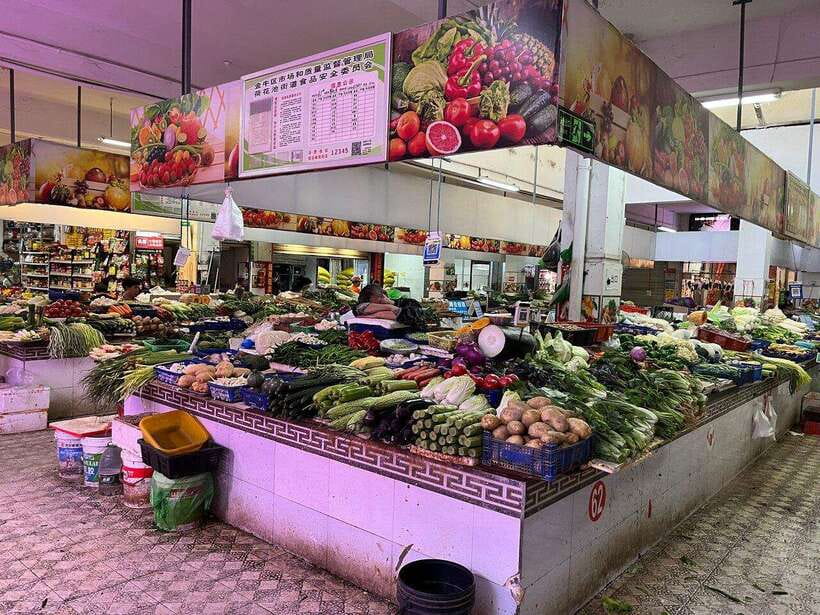
A cooking class can feel detached from local life if all the ingredients are already lined up in neat bowls. This one starts in a working market, so you first see the raw materials in their everyday setting. Your guide introduces Sichuan spices and ingredients, then sets you small challenges to help remember what you are seeing.
That matters in Chengdu. Sichuan food is not simply about making food hot. The balance can include heat from dried chili, the citrusy tingle of Sichuan pepper, savory bean-based seasonings, fresh aromatics, and different textures. A market walk gives you a chance to smell and handle the ingredients before you cook with them.
The walk also gives you room to ask questions. Lance and Jerry are both praised for clear English and patient explanations, and other guides may lead the same session. One useful touch is the chance to try unfamiliar fruits and foods purchased at the market. That makes the visit more than a guided shopping list.
You should wear comfortable walking shoes. The market portion is on foot, and the activity operates in all weather, so a light rain layer or sun protection may be sensible depending on the forecast. The market is part of the lesson, not just a prelude, so give it your full attention.
More Market and Cooking Class Tours in China
- Half-Day Chengdu Cooking Class with a Local Market Visit
★ 5.0 · 465 reviews - Half-Day Xi’an Biang Biang Noodles Cooking with a Market Visit
★ 5.0 · 48 reviews - Half-Day steamed Buns Cooking Class with a Local Market Visit
★ 5.0 · 26 reviews
A calm cup of Sichuan tea before the heat begins
After the market, the group moves to the workshop kitchen. You are offered Sichuan tea, presented as the local way of welcoming friends and visitors. This pause is useful. It gives you time to settle in, meet the rest of the group, and shift from looking at food to preparing it.
The kitchen is described as cozy and well equipped. It is not presented as a grand culinary school, and that is part of the appeal. The atmosphere is informal and personal, with the guide helping translate and the chef showing you how the dishes come together.
The exact menu is not specified in advance, so you should not book expecting a particular dish by name. You can expect several Sichuan dishes, with the menu adjusted when vegetarian or vegan cooking is requested ahead of time. One participant had a fully vegan menu prepared, while another described making three dishes. A larger group prepared five dishes together, so the number may depend on the class setup and group size.
Cooking at the wok stations
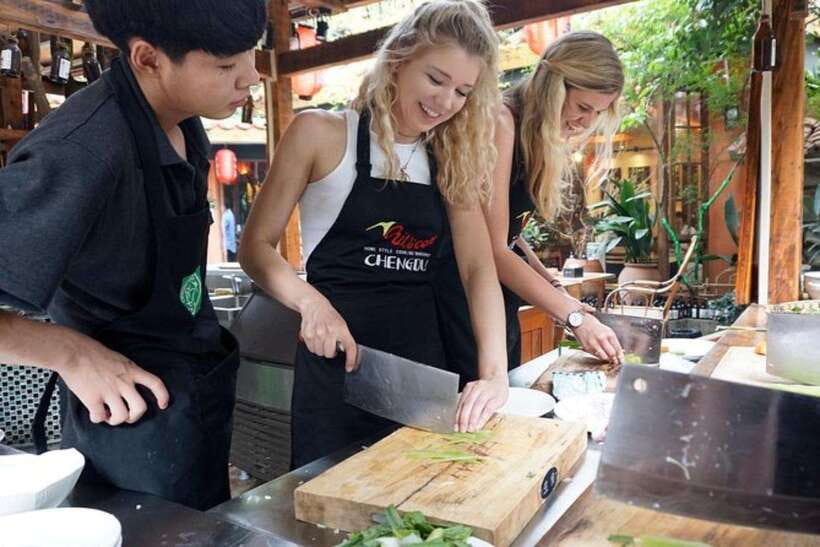
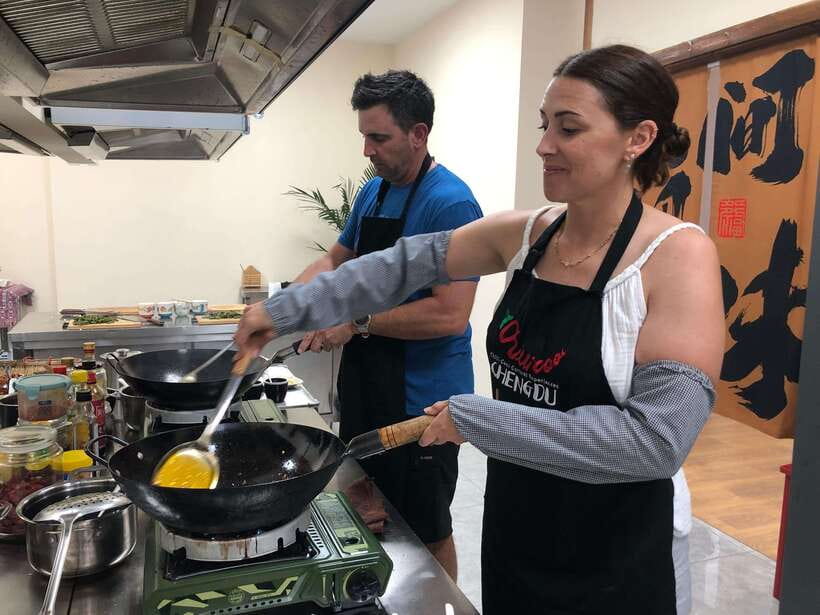
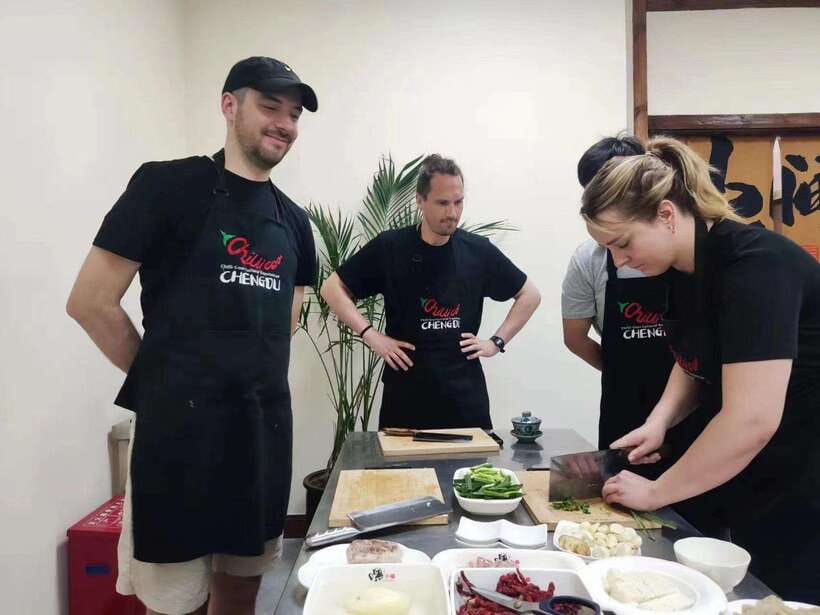
This is a hands-on class, not a demonstration where you sit and watch a chef do everything. You will help prepare the ingredients and then cook with guidance from the chef and staff. The early preparation gives you time to understand the process, but the wok stage moves quickly.
That change of pace is worth knowing. Sichuan cooking often depends on timing, and ingredients can go into the wok in rapid order. The staff stay close enough to prevent mistakes and keep each station on track. You may work with classmates at shared stations, which makes the session social but means you will not necessarily have complete control over every single step.
I like this format for beginners. You get real work to do, but you are not abandoned with a knife and a smoking wok. The chef can show you the technique, while the English-speaking guide explains what is happening when the chef does not speak English. The result is a class that teaches useful ideas without demanding professional kitchen skills.
You should expect some hands-on chopping, seasoning, and wok work. Wear practical clothes and shoes. The information provided does not specify protective clothing or private stations, so anyone seeking a highly formal or individual cooking lesson should ask for details before booking.
Sitting down to eat what you made
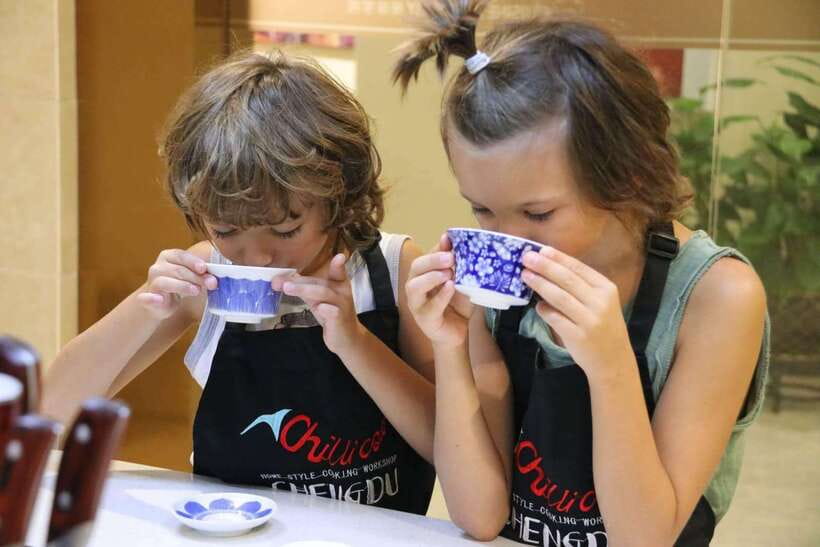
The reward comes at the end, when the group gathers around the food. Lunch or dinner is included, depending on the class schedule, along with beverages or beer and light refreshments. Eating the dishes immediately after cooking lets you connect each flavor to the technique that produced it.
This shared meal is also a social part of the experience. A solo participant described feeling comfortable despite arriving alone, and the group format gives you a natural way to meet other people. Couples, families, and solo visitors can all fit the format, with a minimum age of five.
The meal is not simply an extra included item. It is where the lesson becomes practical. You can taste the balance of spice, salt, aroma, and texture, then ask the chef or guide what you might change at home. The recipes are provided, so the class has value after you leave Chengdu.
Do not expect the recipes to turn you into a Sichuan chef overnight. Some ingredients may be less familiar outside China, and the pace of a commercial kitchen can be faster than cooking at home. Still, the recipes give you a useful starting point, especially if you want to recreate the dishes for friends.
Same place, a different set of stalls:
- Mini Group Xian Day Tour to Terracotta Army, City Wall, Pagoda and Muslim Bazaar
★ 5.0 · 1,320 reviews - Shanghai Day Tour to Zhujiajiao Water Town, Yu Garden, Bazaar, Bund
★ 5.0 · 162 reviews - Organic Chinese Dumpling Class with Market Walk
★ 5.0 · 88 reviews - Flavors of Beijing: Eat Like A Real Chinese
★ 5.0 · 78 reviews
What the guide adds to the experience
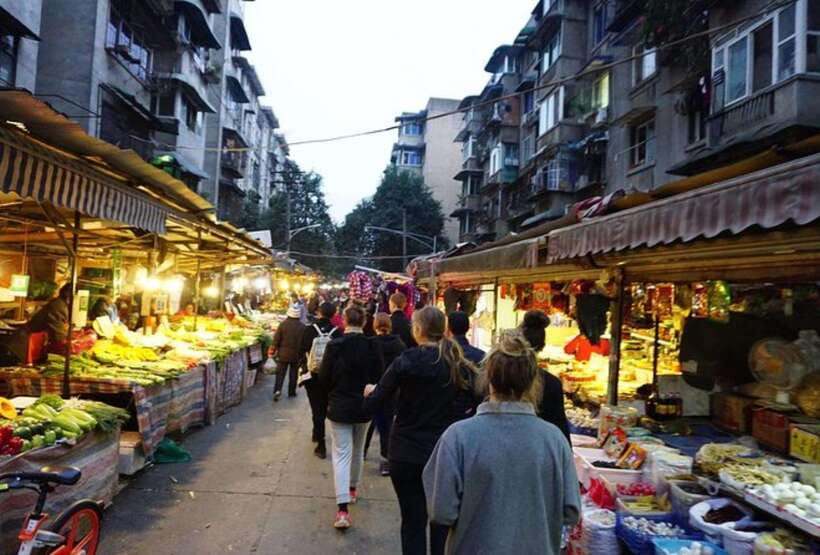
The quality of the guide matters here because the experience crosses two language settings: an English-speaking market explanation and a kitchen where the chef may not speak English. Lance is repeatedly singled out for his clear explanations, good humor, and willingness to answer questions. Jerry is also described as attentive and helpful, with one-on-one guidance when the group was very small.
That personal help is one of the strongest reasons to book this instead of following a recipe online. Your guide can explain not only what an ingredient is, but how it fits into local cooking and food culture. One guide even helped a participant find a tailor to repair a jacket zipper, a small example of the practical assistance that can make a half-day in a new city easier.
The experience is capped at 15 people. That is small enough to keep the class manageable, though the exact feel will depend on how many people book your session. A solo visitor might get unusually close instruction on a quiet day. A full group will be livelier, but you may share cooking stations and attention.
Vegetarian, vegan, and family considerations
Vegetarians can join, but you need to request the option at booking. Vegan cooking has also been arranged, so it is worth stating your needs clearly rather than assuming a standard vegetarian menu will meet them.
The operator asks for specific dietary requirements in advance. This is especially important in Sichuan cooking, where sauces and seasoning mixes may contain ingredients that are not obvious from their appearance. The supplied information does not list allergy protocols or a fixed menu, so contact the operator if your needs are serious or medically important.
The minimum age is five, and infant seats are available. That makes the experience workable for families, but parents should remember that the market involves walking and the kitchen includes hot cooking equipment. Young children may enjoy tasting ingredients and helping with simple tasks, while older children are more likely to appreciate the full cooking lesson.
Timing, meeting point, and daily planning
The meeting point is Liang Jia Xiang Metro Station, Exit D, on Metro Line 6. The morning class meets at 8:50 a.m. The listed afternoon meeting times are 1:50 p.m. and 4:50 p.m., but you should confirm the exact starting time when checking availability.
The stated duration is 4.5 hours. That is long enough to include the market, tea, preparation, cooking, and the meal without turning the day into a rushed sprint. Plan your schedule around it rather than trying to squeeze in a major attraction immediately afterward.
Because you meet at a metro station, you do not need to arrange a separate hotel transfer for the start. The information does not promise hotel pickup, so make your own way to Exit D and arrive with time to spare. Confirmation is provided at booking, and the activity runs in all weather.
The morning session starts early, but that timing places you close to the market at the beginning of the day. The afternoon option may suit anyone who prefers a slower morning. One afternoon participant found the market visit worthwhile, so choosing later does not automatically mean missing the best part.
Is $82 a fair price in Chengdu?
At $82 per person, this is not the budget way to eat in Chengdu. You can find a filling local meal for far less. The price makes more sense when you count what is included: an English-speaking guide, a market tour, all ingredients, instruction from a chef, tea, refreshments, beer or other beverages, a full meal, and recipes.
You are also paying for translation and organization. Without a guide, a market visit can be interesting but hard to interpret, and a cooking class can become difficult if you cannot communicate with the chef. Here, the guide links the two parts and keeps the cooking moving.
I would call it good value for a food-focused visitor, especially if you want a skill to take home rather than another restaurant meal. It is less appealing if your main goal is simply to eat cheaply, or if you already cook Sichuan food confidently and would prefer a more advanced lesson.
The five-star rating and repeated praise for the market walk, guides, chef, and food point to a consistently strong experience. Still, value is personal. I would spend the money for a first visit to Chengdu, but I would compare menus and group sizes if I were booking several cooking classes during the same trip.
Who should book this Chengdu cooking class?
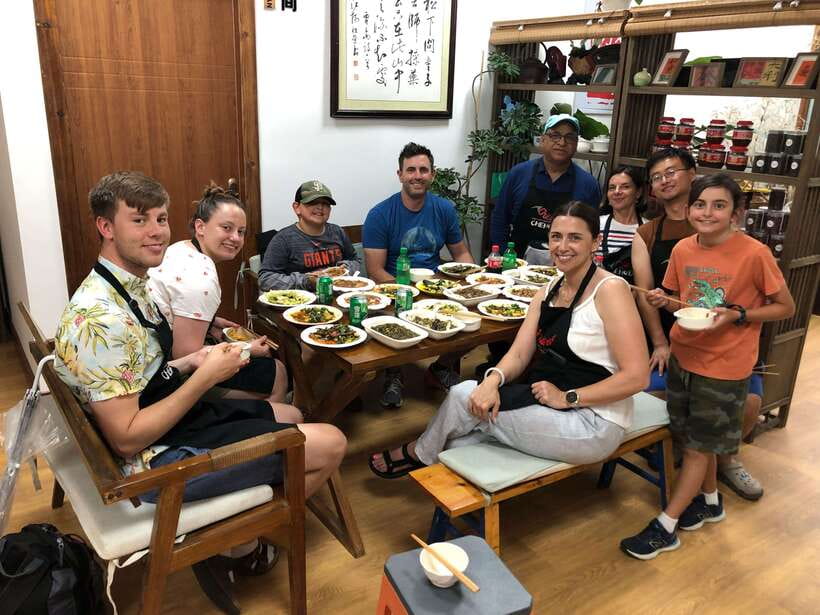
I recommend it most strongly to food lovers who want context with their meal. You will learn what the spices look and smell like, see how local ingredients are sold, then use them under the chef’s direction. That combination is more useful than a class that begins with premeasured ingredients.
It also suits solo visitors. The class gives you a built-in group and a shared meal, while the guide can provide extra help if the group is small. Couples and families can enjoy it too, provided children are comfortable walking through a market and spending time near a working kitchen.
Vegetarians and vegans should consider it, but only after giving advance notice. The operator has shown flexibility, yet the menu is not fixed in the information provided.
I would skip it if you dislike group activities, want a private chef lesson guaranteed, or need a fully specified menu before booking. The group can reach 15 people, and the number of dishes and exact cooking tasks may change with the session.
Should you book it?
Yes, if you want to understand Chengdu food instead of only eating it. The market walk, Sichuan tea, friendly English-speaking guides, close kitchen help, shared meal, and take-home recipes form a well-rounded half-day.
The $82 cost is the main hesitation, but the class includes much more than lunch. Book it early in your Chengdu stay if possible, so you can use the new spice knowledge during later restaurant meals. Tell the operator about vegetarian, vegan, or other dietary needs when booking, wear comfortable shoes, and arrive at Liang Jia Xiang Station, Exit D, ready for both walking and wok work.
FAQ
How long does the Chengdu cooking class last?
The activity lasts about 4.5 hours, including the market tour, tea, cooking lesson, and shared meal.
Where is the meeting point?
Meet your guide at Liang Jia Xiang Station, Exit D, on Metro Line 6.
What time does the tour start?
The morning class meets at 8:50 a.m. Listed afternoon meeting times are 1:50 p.m. and 4:50 p.m. Check availability for the exact session you want.
Is the experience available in English?
Yes. Live guiding is available in English and Chinese. Guides such as Lance and Jerry help explain the market and translate during the cooking class.
Is food and drink included?
Yes. Ingredients, food tasting, lunch or dinner depending on the schedule, light refreshments, and beer or other beverages are included.
Can vegetarians and vegans join?
Yes. Vegetarian options are available, and vegan menus have also been arranged. Tell the operator about your dietary requirements when booking.
What is the minimum age and group size?
The minimum age is five. The activity can include a maximum of 15 people, and infant seats are available.
Just added around China
- 3-Hour Herbal Wholesale TCM Market and a Local Wet Market Tour★ 5.0 · 4 reviews
- Half-day Dandan Noodles Cooking Class with a Local Market Visit★ 5.0 · 8 reviews
- Small Group Beijing Temple of heaven and Summer Palace with Pearl market★ 5.0 · 3 reviews
- Private Distinctive Market Tour with Shaomai Lunch and Full Massage in Beijing★ 5.0 · 2 reviews
- Private Tour to Pearl Market Acrobatic Show & Peking Duck Dinner★ 5.0 · 5 reviews
- Half Day Tour:Market Shopping Acrobatic Show & Peking Duck dinner★ 5.0 · 2 reviews
- Beijing Culture Tour to Antique Market and Cloisonné Workshop★ 5.0 · 2 reviews
- Full-Day Private Tour Panjiayuan Antique Market and Beijing Capital Museum★ 5.0 · 3 reviews
Market and Cooking Class Tours, compared.

Hanoi Cooking Class: Culture, Local Market & Meaning CSR Impact
Read our review →
5 Traditional Dishes Hanoi Cooking Class with Market Trip
Read our review →
Cooking Class and Lunch at a Tuscan Farmhouse with Local Market Tour from Florence
Read our review →
Cooking Class, Market & Thai Herbs Garden Tour
Read our review →
Authentic Cooking Class with Market & Farm Visit
Read our review →
Paella Cooking Experience & Boqueria Market Tour
Read our review →
Cooking Class Hoi An:Local Market, Basket Boat, Fishing & Cooking
Read our review →
Hoi An Cooking Class(Market,BasketBoat Crabfishing&Cooking Class)
Read our review →Browse the lists this tour appears in