
Review · MARKET AND COOKING CLASS TOURS
Thai Herbal Cooking Class & Market Tour in Bangkok
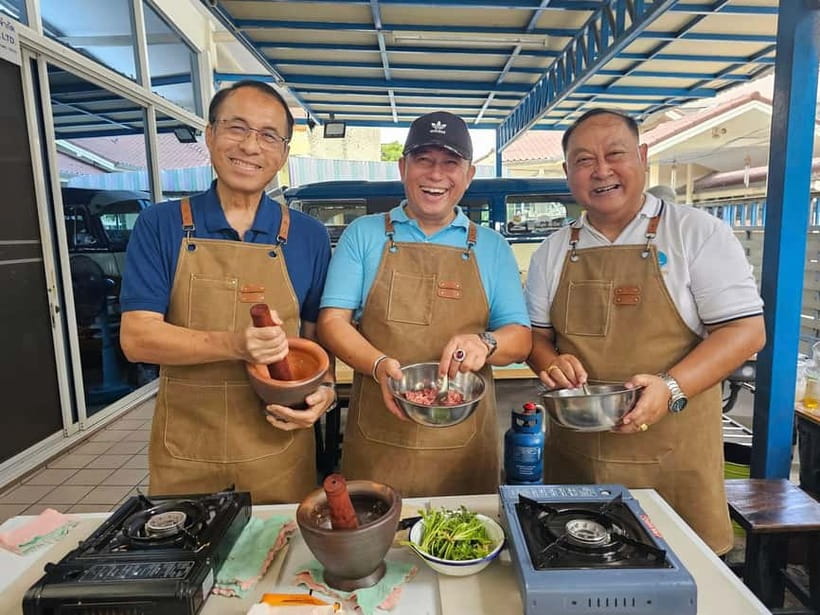
Thai cooking makes more sense when you see the ingredients before they reach the wok. This Bangkok class starts at a local market, then moves to Sunee’s family cooking house for hands-on work with Thai herbs, curry paste, coconut milk, and fresh vegetables. It feels more personal than a large demonstration class.
I like the maximum group size of eight, which gives you room to ask questions and get help at the stove. I also like the family setting, herbal garden, and the chance to make your own chili paste. The main consideration is the fixed weekday menu, since you may not choose every dish unless the group is very small.
Key points at a glance
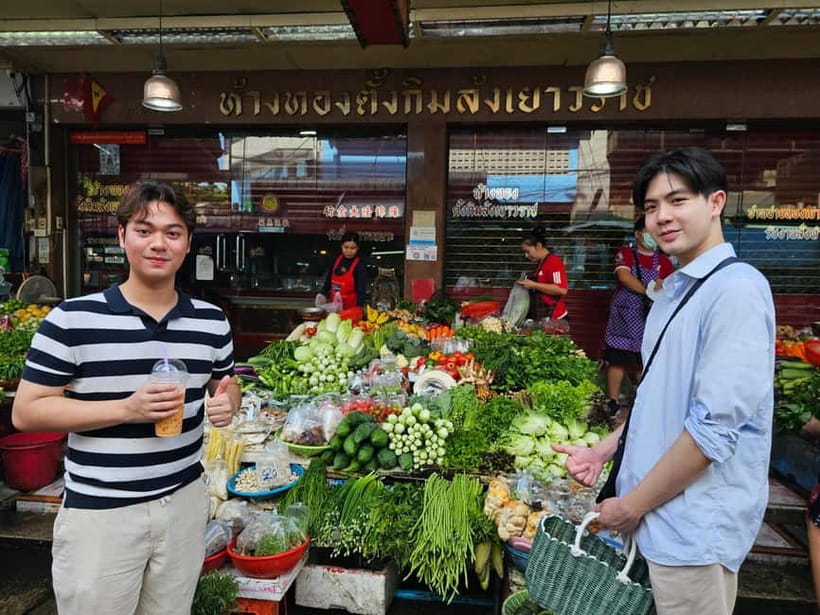
- Start with a real market walk: Meet at MRT Huai Khwang Station and shop for ingredients with your guide.
- Cook in Sunee’s family home: The class takes place in a quiet Bangkok neighborhood, not a formal culinary school.
- Herbs are the main lesson: Learn how Thai cooks use herbs for flavor, aroma, and traditional wellness practices.
- Menus change each day: Your dishes depend on the day of the week, from green curry and som tum to tom yum and banana in coconut milk.
- Small groups keep it practical: Up to eight people means more direct instruction and less waiting.
- You leave with useful extras: Digital recipes, cooking photos, a completion certificate, and transport back to the meeting point are included.
Why this Bangkok class feels different
Many cooking classes in Bangkok begin with pre-measured ingredients and a quick demonstration. This one gives you a better sense of how Thai food fits into daily life. You start by looking at ingredients in a local market, then carry that knowledge into a home kitchen.
The herbal focus is the real point of difference. Thai cooking uses herbs not just as decoration, but as core ingredients. Galangal, lemongrass, holy basil, pandan, banana leaves, lotus flowers, and other plants can shape the taste, scent, texture, and appearance of a dish.
You will hear about their traditional wellness uses as well. Keep in mind that this is a cooking and cultural experience, not medical advice. The value is in seeing how food, plants, and household habits connect in Thai culture.
The tone is informal and friendly. Sunee leads the experience, with help from her family and staff. The cooking house gives the class a warm, home-based feel, and the meal is eaten together at the end rather than packed into separate takeaway boxes.
More Market and Cooking Class Tours in Bangkok
- Bangkok: Hands-on Thai Cooking Class and Market Tour
★ 4.9 · 1,614 reviews - Bangkok: Maliwan Thai Cooking Class with Market Tour
★ 4.9 · 1,133 reviews - Hands on Thai Cooking Class and Market Tour
★ 5.0 · 660 reviews
8:00 AM at Huai Khwang: begin with the market
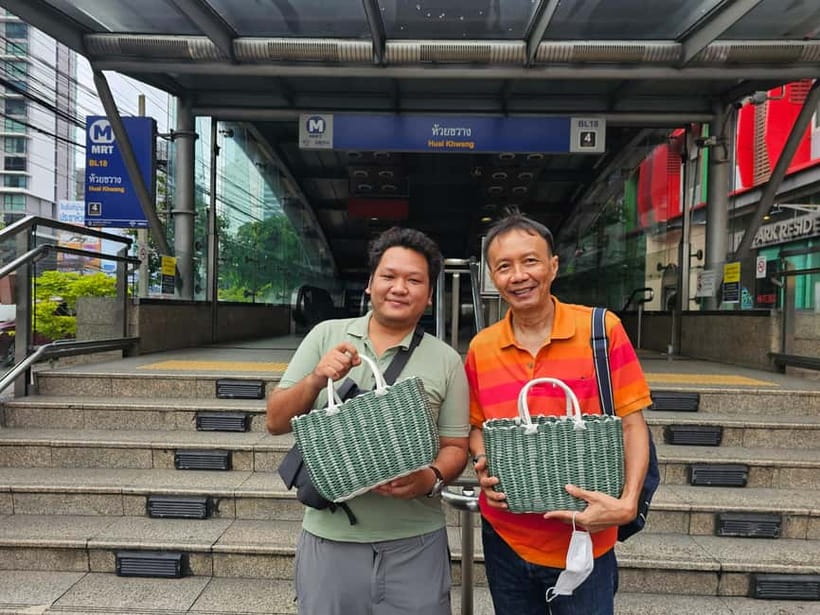
Your day starts at MRT Huai Khwang Station, Exit 4, at 8:00 AM. The guide will be waiting there, so arrive early enough to find the exit and get settled. You are responsible for reaching the station yourself by MRT or other transport.
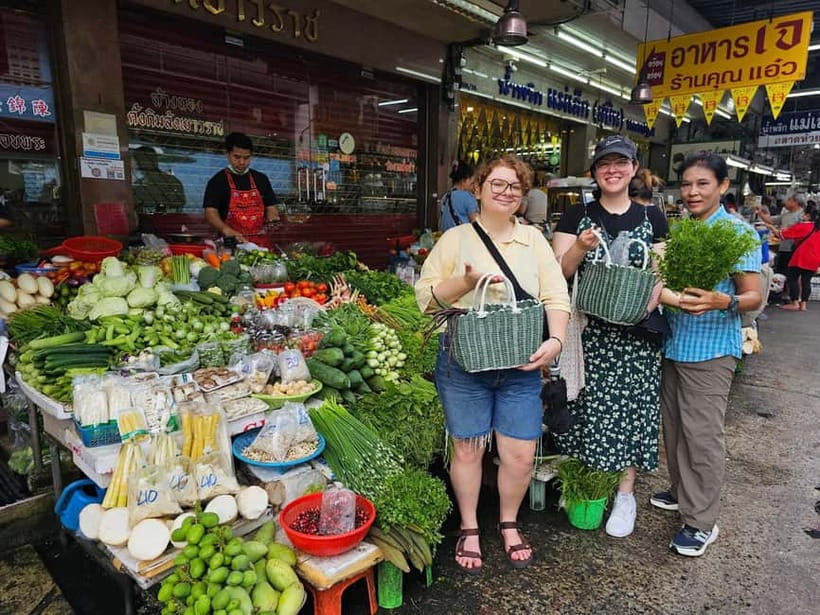
From there, you walk through a local market with the guide. This is not simply a shopping stop. You get to see the herbs, vegetables, fruit, and other ingredients used in the day’s cooking, while learning how Thai cooks select fresh produce.
That matters because many Thai ingredients are unfamiliar at first glance. A market visit helps you connect the finished dish with its raw materials. You can ask what an herb is used for, how it is prepared, and why it belongs in one recipe rather than another.
The walking is moderate, and you will also spend a fair amount of the day standing. Comfortable shoes are a must. Bring a passport or ID card as requested, though the experience does not require you to carry much else.
The market can also be the most unpredictable part of the morning. Produce changes with the season, and the pace depends on the group and the market activity. If you prefer a polished, quiet start, this may feel a little rough around the edges. If you want to see the everyday side of Bangkok food shopping, it is a useful beginning.
The short ride to Sunee’s cooking house
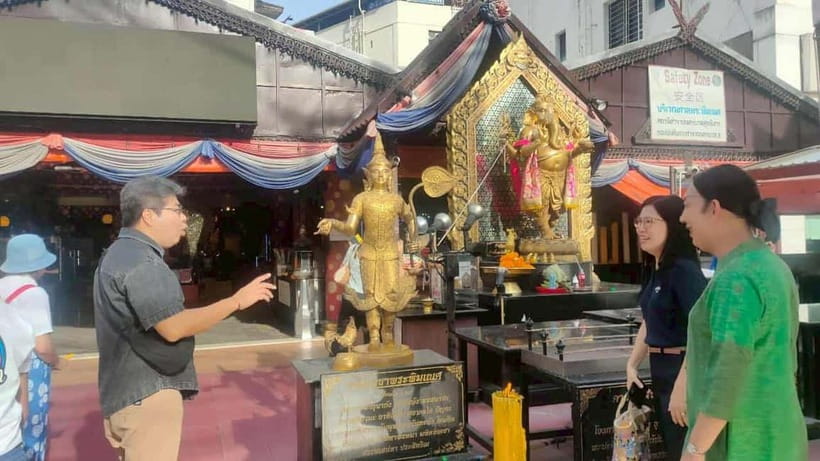
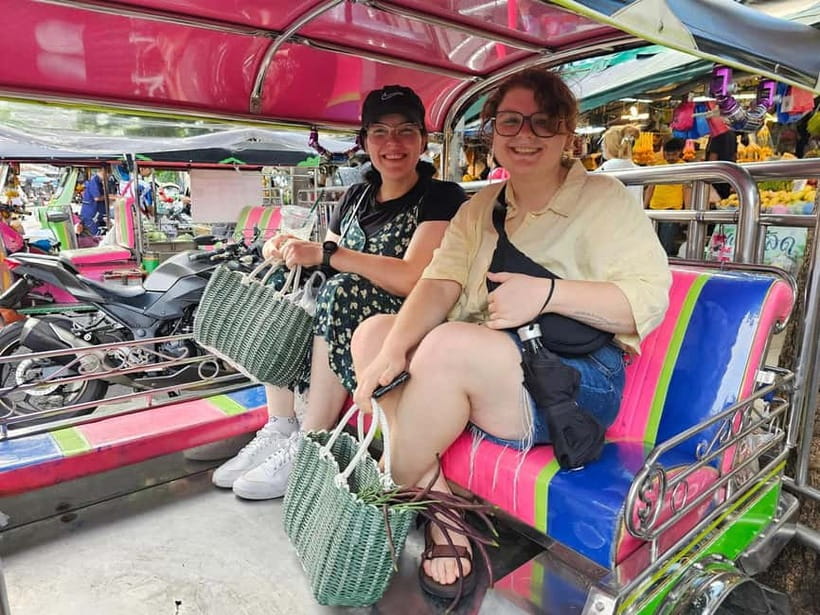
After the market, transport to the cooking venue is included. One participant described taking a tuk-tuk to Sunee’s home, which adds a small Bangkok touch to the transfer. The exact vehicle may vary, but the important point is that you do not need to arrange your own ride from the market.
The cooking house is in a quieter part of Bangkok and has a family feel. That setting is one of the strongest parts of the experience. You are not just following a chef in a commercial kitchen. You are learning in a home environment where cooking, family, and hospitality overlap.
Before cooking begins, you get an introduction to the ingredients. The morning schedule also includes a look at coconut milk and curry paste. This is useful context because these two ingredients appear in many Thai dishes, but their flavor depends heavily on how they are prepared and balanced.
You may also make your own chili paste. That hands-on step is more useful than watching someone blend a prepared mixture. You get to see how herbs, spices, and chilies become the base of a dish, and you can ask questions while the paste is being prepared.
A rotating menu that rewards a careful booking
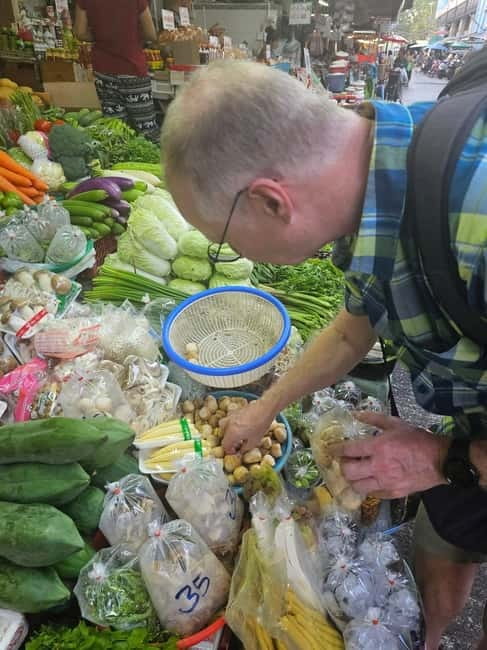
The class prepares four Thai dishes and one dessert, with the menu changing by day. This is worth checking before you book, especially if you have a favorite Thai dish in mind.
Monday features beef Panang curry, stir-fried morning glory with red chili, poached eggs, fried chicken with Thai herbs, and Khanom Tom, a coconut sweet. Tuesday brings tom kha gai, tofu with bean sprouts, deep-fried pork with herbs, fried rice, and steamed pandan layer cake.
Wednesday includes hot and sour shrimp soup with mixed vegetables, chicken with holy basil, a Thai omelet, Thai-style fried noodles, and Kanom Tuay, a steamed coconut milk custard. Thursday moves to bamboo shoot with curry paste, clear tofu soup, pork belly with herbs, Chinese-style fried noodles, and steamed banana cake.
Friday is a particularly varied menu: chicken green curry, kale with salted fish, fried chicken with garlic and pepper, stir-fried rice noodles with soy sauce, and a soft mung bean crepe. Saturday focuses on Thai salads and spicy food, including som tum, spicy minced meat salad, hot and spicy soup, fried chicken with herbs, and banana in coconut milk.
Sunday offers tom yum gai, napa cabbage, beef with red curry paste, fried rice noodles with chicken, and poached pumpkin in coconut milk.
Some of the menu names are translated in slightly different ways, so do not expect every recipe to match a restaurant menu word for word. The core promise is clear: you will prepare several savory dishes and a traditional sweet, with herbs playing a visible role.
A very small group may have more flexibility. One participant who attended with only one other person was able to choose dishes and cooked five dishes plus dessert. That should not be treated as the standard arrangement, but it shows that the experience can adapt when the group is tiny.
More Market and Cooking Class Tours in Thailand
- Tingly Thai Cooking Class with Morning Market Tour
★ 5.0 · 589 reviews - Hands-on Thai Cooking Class & Market Tour in Sukhumvit
★ 5.0 · 571 reviews - Pink Chili – Thai Cooking Class and Market Tour in Bangkok
★ 5.0 · 416 reviews - Authentic Thai Cooking with the Largest market visit &TukTuk ride
★ 5.0 · 350 reviews
From soup and stir-fry to dessert
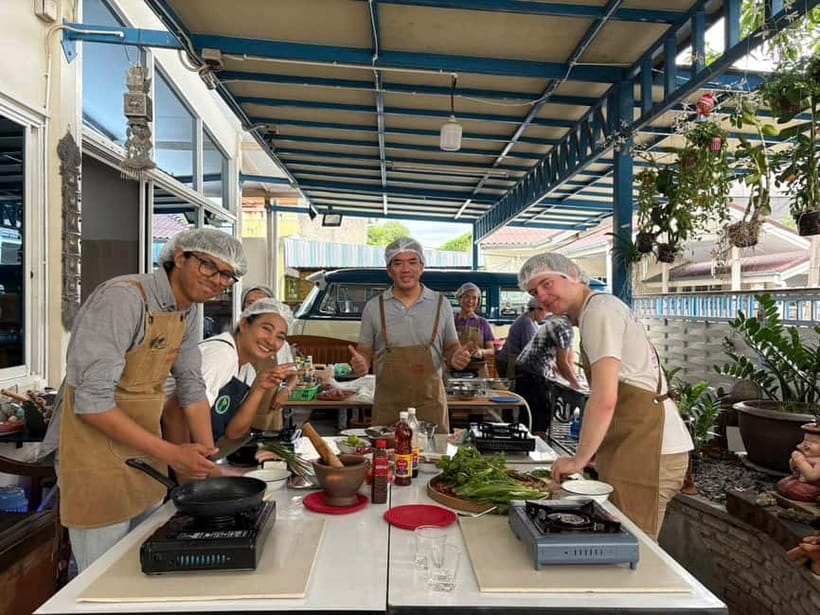
The cooking session begins at about 10:00 AM. The work is divided into sections covering soup or stir-fry, salad, curry, and dessert. You are not left to watch from the side. The class is built around doing the work under supervision.
That format suits beginners. Thai recipes can look complicated because several ingredients enter the pan in quick succession. Step-by-step instruction makes the order easier to follow, and the small group gives you a better chance to ask for help with chopping, seasoning, or heat control.
You will prepare four dishes, while the dessert may receive extra help from Sunee or the cooking team. This is practical rather than a drawback. Desserts can require timing, steaming, shaping, or special handling, and the class still gives you a chance to take part.
The range of dishes also gives you a better feel for Thai cooking than a class focused on one curry. You may work with coconut milk, fresh herbs, noodles, eggs, vegetables, meat, seafood, or chili-based sauces, depending on the day.
Do not expect a restaurant-style kitchen or a polished chef’s demonstration. The appeal is the home setting and direct participation. You may share workstations and wait briefly for instructions, especially when the group is full.
The herbal garden and tea lesson
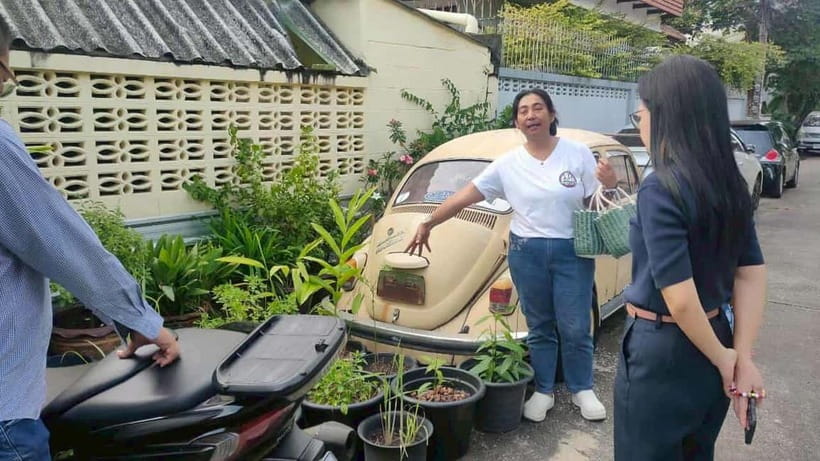
A guided garden visit is included, featuring herbs and plants used in cooking. This connects neatly with the market walk. At the market, you see ingredients for sale. At the garden, you see some of the plants in a growing setting.
The class also includes a herbal welcome drink and a session on Thai herbal teas. You learn about the role of these drinks in Thai wellness traditions and how they can balance a meal.
This part should be approached with sensible expectations. You are getting a cultural introduction to herbal drinks, not a clinical lesson. The benefit is that you leave with a wider view of Thai food culture, where a meal may include fragrant plants and drinks chosen for more than taste alone.
The tea tasting also provides a calmer pause after the cooking. By midday, you will have been walking, chopping, stirring, and standing. Sitting down with a warm herbal drink gives the morning a natural finish.
Noon meal: eat what you made
At around 12:00 PM, you sit down to eat the food prepared during the class. The meal is served in a family-style setting, which makes it easy to compare dishes and talk about the ingredients.
This is where the experience earns much of its value. You get the satisfaction of eating food you helped prepare, but you also get a chance to taste the balance you were working toward. Thai cooking often depends on contrast, such as spicy and creamy, salty and sweet, or sour and aromatic.
The class is especially appealing if you enjoy food as a social activity. The group size is limited to eight, and the home setting encourages conversation. If you prefer a quiet or highly structured meal, the shared format may feel less formal than expected.
Vegetarian, allergy, and dietary requests need to be given at least 48 hours ahead. Do not wait until the market visit to mention an allergy. The cooking plan changes by day, and advance notice gives the team a fair chance to respond.
Alcohol is not included, and alcoholic drinks are not allowed. Personal snacks and souvenirs are also your responsibility.
What the $77 price includes
At $77 per person, this is not the cheapest way to eat in Bangkok. You can buy an excellent local meal for far less. The comparison changes when you count the amount of guided activity included.
Your price covers the market tour, transport from the market to the cooking house, the small-group cooking class, all food ingredients, equipment, the herbal welcome drink, garden visit, tea tasting, the prepared meal, English instruction, digital recipes, a completion certificate, and transport back to the first meeting point.
You are paying for about five hours of organized time, from 8:00 AM until the return around 1:00 PM. More important, you get several experiences in one: food shopping, ingredient education, hands-on cooking, a home visit, a garden tour, and a shared lunch.
I see the strongest value for people who will actually use the recipes at home. The digital recipes make the class more useful after Bangkok, especially if you take notes and ask about substitutes for hard-to-find ingredients.
The value is weaker if you mainly want a quick meal or a professional culinary credential. The certificate is a nice souvenir, but it is not a formal qualification.
Who should book this experience
I would choose this class if you want a personal introduction to Thai food and prefer small groups to large cooking schools. It suits couples, solo visitors, families with older children, and anyone who likes to ask questions while working.
It is also a good fit for repeat Bangkok visitors who have already seen the major sights and want time in a residential part of the city. The market and family kitchen provide a more ordinary view of local food life.
The class may not suit you if you dislike early starts, market walking, standing, or shared cooking spaces. It is also less ideal if you need a fully customized menu and are joining a larger group. Check the daily menu first, then send dietary details at least 48 hours in advance.
English is the stated language of instruction. The small group helps, but the class still involves practical work, so arrive on time and be ready to participate.
Practical details before you book
The full schedule runs as follows:
- 8:00 AM: Meet at MRT Huai Khwang Exit 4 and visit the market
- 9:00 AM: Learn about ingredients, coconut milk, and curry paste
- 10:00 AM: Cook soup or stir-fry, salad, curry, and dessert
- 12:00 PM: Eat together and learn about herbal teas
- 1:00 PM: Return to MRT Huai Khwang Exit 4
Wear comfortable clothes and shoes that work for both walking and cooking. Bring your passport or ID card. Pets, alcohol, and drugs are not allowed.
The experience includes travel insurance, and you can cancel up to 24 hours ahead for a full refund. A reserve-now, pay-later option is also available, which helps if you are still arranging your Bangkok plans.
Should you book the Thai Herbal Cooking Class?
Book it if you want more than a recipe card and a plate of food. The market walk, herb garden, home kitchen, and tea lesson give the class a clear sense of place, while the small group keeps the cooking personal.
The best booking choice depends on the day’s menu. Pick Friday for a broad mix of curry, stir-fry, noodles, and dessert, or choose a day featuring a dish you especially want to learn. If your group is very small, you may get extra flexibility.
At $77, this is a full half-day experience rather than a budget meal. For a visitor who values direct instruction, local ingredients, and a friendly family setting, I think the price is fair. For anyone seeking a quick, formal chef-led class, another format may serve you better.
FAQ
Where does the cooking class begin?
You meet your guide at MRT Huai Khwang Station, Exit 4, at 8:00 AM.
How large is the group?
The experience is designed for a maximum of eight people.
What dishes will I cook?
You prepare four Thai dishes and one dessert. The menu rotates by day of the week, so the dishes depend on your booking date.
Is the menu the same every day?
No. Monday through Sunday each have different menus, including dishes such as green curry, tom yum, som tum, fried noodles, Thai omelets, and traditional coconut desserts.
Is transport included?
Transport from the market to the cooking venue and from the cooking venue back to MRT Huai Khwang Exit 4 is included. You must arrange your own transport to the initial meeting point.
Is the class taught in English?
Yes. Step-by-step instruction is provided in English.
Can I tell the cooking team about allergies or dietary restrictions?
Yes. You should provide this information at least 48 hours before the experience.
What do I receive after the class?
You receive digital recipes and a certificate of completion. Ingredients, equipment, a herbal welcome drink, the garden visit, tea tasting, and the prepared meal are also included.
Just added around Bangkok
- Morning Buddhist Almsgiving, Grand Palace and Flower Market Tour in Bangkok★ 3.5 · 9 reviews
- Bangkok Udomsuk Thai Cooking Class with local market tour★ 5.0 · 5 reviews
- Floating & Railway Markets and Erawan Waterfall [Optional Luxury]★ 5.0 · 43 reviews
- Floating Market & Railway Market near Bangkok★ 4.0 · 5 reviews
- Private 4 days : Bangkok, Floating market and Ayutthaya★ 5.0 · 2 reviews
- Silom Thai Cooking School with Fresh Market Tour★ 5.0 · 73 reviews
- Ayutthaya Floating Market Admission Ticket with Transfer★ 5.0 · 2 reviews
- Train & Floating Market Food Adventure + Scenic train ride★ 5.0 · 102 reviews
Market and Cooking Class Tours, compared.

Hanoi Cooking Class: Culture, Local Market & Meaning CSR Impact
Read our review →
5 Traditional Dishes Hanoi Cooking Class with Market Trip
Read our review →
Cooking Class and Lunch at a Tuscan Farmhouse with Local Market Tour from Florence
Read our review →
Cooking Class, Market & Thai Herbs Garden Tour
Read our review →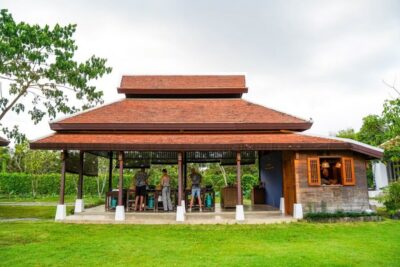
Authentic Cooking Class with Market & Farm Visit
Read our review →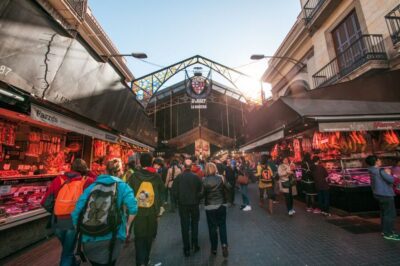
Paella Cooking Experience & Boqueria Market Tour
Read our review →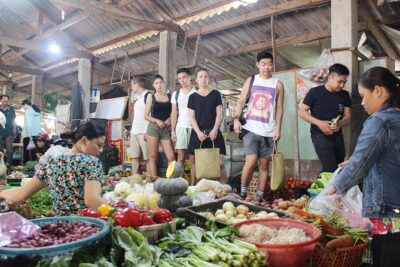
Cooking Class Hoi An:Local Market, Basket Boat, Fishing & Cooking
Read our review →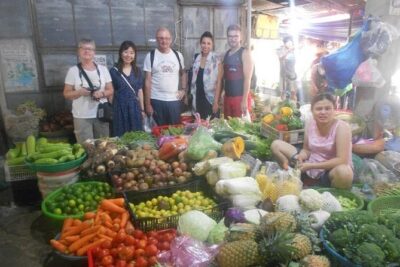
Hoi An Cooking Class(Market,BasketBoat Crabfishing&Cooking Class)
Read our review →Browse the lists this tour appears in