
Review · SEOUL MARKET TOURS
Seoul: Bukchon Village, Gyeongbokgung, Gwangjang Market
Seoul’s past comes into focus on this compact half-day tour, from the tiled roofs of Bukchon Hanok Village to the drums, uniforms, and careful movements of the Royal Guard Changing Ceremony. I like the smart route: it links several major sights without making you puzzle out Seoul’s subway system. I also like the finish at Gwangjang Market, where you can trade palace courtyards for bindaetteok, mayak gimbap, and tteokbokki.
The $30 price is strong for a 210-minute guided outing that includes transport between stops and palace visits. The tradeoff is pace. Bukchon, the palace, ginseng center, and market each deserve more time than this schedule allows, and the ginseng stop has a shopping element, even though buying is optional. Tuesdays also change the experience, since Gyeongbokgung and its guard ceremony are closed.
Key points at a glance
- Bukchon’s steep lanes and hanok roofs: A fine first look at traditional Seoul, with photo stops and views toward the modern city.
- Royal ceremony at Gyeongbokgung: The colorful guard change is the tour’s most timed event, so arriving with a guide helps.
- A useful Tuesday alternative: Changdeokgung Palace and Insadong replace Gyeongbokgung and the ceremony.
- Ginseng with no required purchase: You get herbal tea and an explanation of Korean ginseng, then may browse.
- Street food finale: Gwangjang Market gives you time to look, shop, and buy local snacks.
- Good for a short stay: The route works especially well during a first day in Seoul or a long layover.
What this $30 Seoul tour actually covers
At $30 per person, this is less a slow cultural walk and more a well-packed introduction to central Seoul. You get an English-speaking guide, travel between the main stops by bus, guided sightseeing, and time to explore at Gwangjang Market. Meals are not included, so keep cash handy for snacks.
The total duration is 210 minutes, or three and a half hours. That is enough to see the major sights and get useful orientation, but not enough for long museum visits, extended shopping, or a leisurely meal. I would think of this as a sampler that helps you decide where to return later.
The tour begins and ends near Myeongdong. The stated meeting point is Myeongdong Subway Station Exit 8, while the pickup information lists Myeongdong Station Exit 9 at 8:50. Check the exact meeting instructions after booking, since a one-exit difference matters when you are standing in a busy Seoul station.
Pickup is also listed at Itaewon Station Exit 1 at 8:20 and City Hall Station Exit 6 at 9:00. If your group has five or more people, hotel pickup within Seoul may be arranged on request. The tour ends at Myeongdong Station for everyone.
A few more market tours around Seoul worth a look
- Seoul Street Food Market Tour
★ 5.0 · 1,226 reviews - Local Home Korean Cooking Class & Market Adventure in Seoul
★ 5.0 · 1,024 reviews - Seoul: Night Market Food Tour with Local Guide
★ 4.9 · 943 reviews
Bukchon Hanok Village, Seoul’s best first glimpse of old neighborhoods
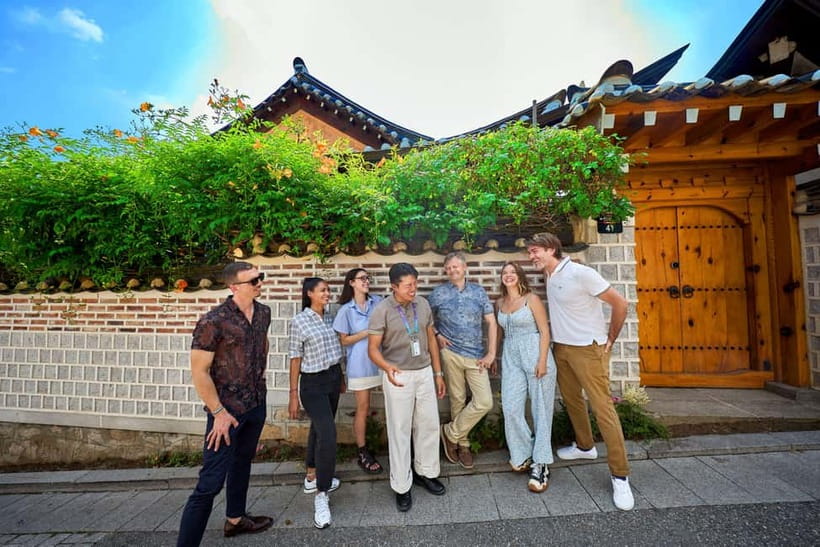
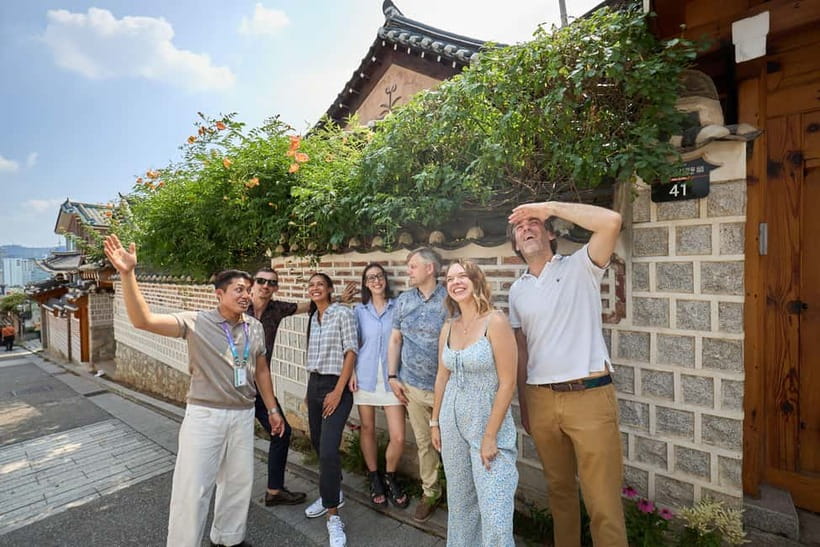
Bukchon Hanok Village sits between two royal palaces and is made up of narrow lanes lined with traditional Korean houses, known as hanok. Their dark tiled roofs, wooden details, and compact courtyards give you a clear sense of how older Seoul looked before the city filled with towers and traffic.
This is a walking stop with a photo focus. You can expect sloping streets, tight passages, roofline views, and glimpses of the modern skyline beyond the traditional homes. The contrast is the point: one turn shows old-style walls, and the next can frame the contemporary city.
Wear shoes with good grip. The route includes walking through lanes rather than simply stepping off a bus for a quick photograph. The supplied schedule gives Bukchon about an hour, which is enough for a guided look but not enough to inspect every lane or stop for tea.
Bukchon is also a residential neighborhood, not an open-air theme park. Keep your voice down, avoid blocking doorways, and follow the guide’s route. If you want detailed photographs or time in small shops, plan to return on your own.
The guides can make a major difference here. Alice, Eva, Kelly, Claire, Judy, Lina, and Alex have led this route at different times, and the strongest comments about the experience focus on clear explanations, patience, and help with photographs. Judy, for example, was praised for taking pictures at scenic spots, while Alex was noted for finding shade during a hot palace visit.
Gyeongbokgung and the guard change
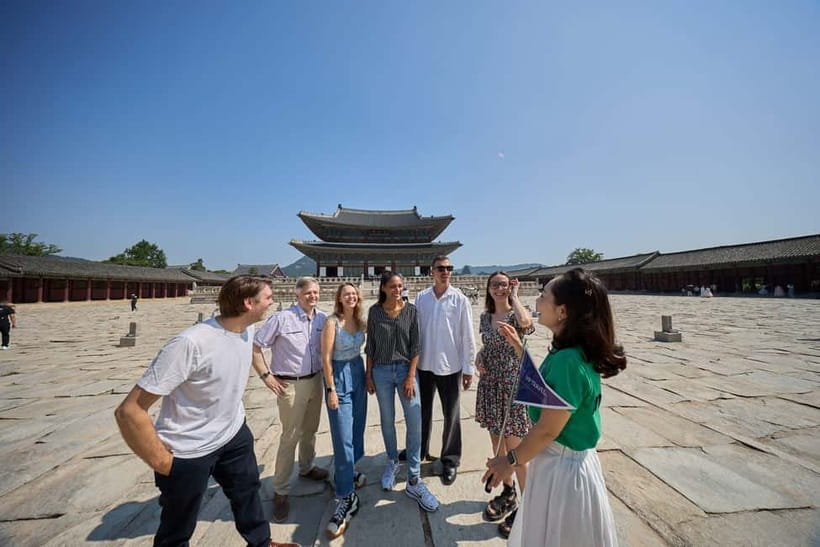
Gyeongbokgung is the largest and most famous of Seoul’s five grand palaces. Built in 1395 during the Joseon Dynasty, it gives the tour its broadest sense of royal scale. Expect large gates, open courtyards, formal buildings, and quieter garden areas with lotus ponds.
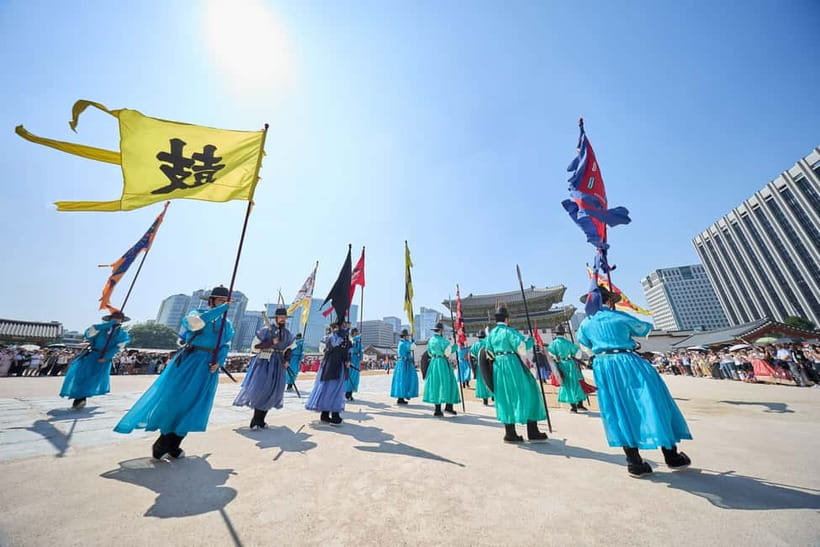
The Royal Guard Changing Ceremony is a separate highlight. Traditional uniforms, ceremonial instruments, and strict movements turn a simple palace visit into a short public performance. It is colorful and easy to appreciate even if you know little about Korean history.
Timing matters here. The ceremony happens at a set time, so the group cannot linger wherever it likes before moving into the palace. That is a fair trade for seeing the event, especially if this is your first visit to Seoul.
The palace portion is scheduled for about an hour. You will hear about the Joseon Dynasty and the buildings you pass, but you should not expect a detailed tour of every hall. If the palace is a major reason for your trip, return later with more time.
The guide’s role is particularly useful at Gyeongbokgung. Alice was praised for explaining the Joseon period, while other guides were described as friendly, patient, and attentive to the group. On a busy day, having someone lead you to the ceremony and explain what you are seeing can save both time and confusion.
Tuesdays bring Changdeokgung and Insadong
Gyeongbokgung Palace and the Royal Guard Changing Ceremony are closed on Tuesdays. The tour does not simply remove those stops. Instead, it visits Changdeokgung Palace and Insadong.
Changdeokgung is a UNESCO World Heritage site known for its traditional architecture and calm setting. Many people consider it Seoul’s most beautiful palace because its buildings work closely with the surrounding natural areas. The emphasis here is less on a large ceremonial scale and more on harmony, design, and quiet spaces.
The Secret Garden is one of Changdeokgung’s best-known features, but the supplied tour information does not promise a specific garden entry or extended garden visit. Ask the guide what the Tuesday route includes if the garden is important to you.
Insadong adds a different kind of stop. Its streets are known for traditional tea houses, antique shops, art galleries, craft stores, and souvenir shopping. You may find more time for browsing here than at Bukchon, though the overall tour still keeps moving.
The Tuesday version may suit you especially well if you prefer architecture, crafts, and small shops to a public ceremony. It is not an inferior substitute, but it is a different day. Check the operating day before booking if the guard change is your main goal.
Same place, a different set of stalls:
- Seoul: Palace, Temple and Market Guided Foodie Tour at Night
★ 4.9 · 750 reviews - Seoul: Korean Cooking Class at a Local Home and Market Tour
★ 5.0 · 348 reviews - Seoul: Guided Food & Market Tour with 8+ Tastings
★ 4.9 · 342 reviews - Seoul Night Palace & Market Food Tour with Vehicle
★ 5.0 · 275 reviews
Passing the Blue House
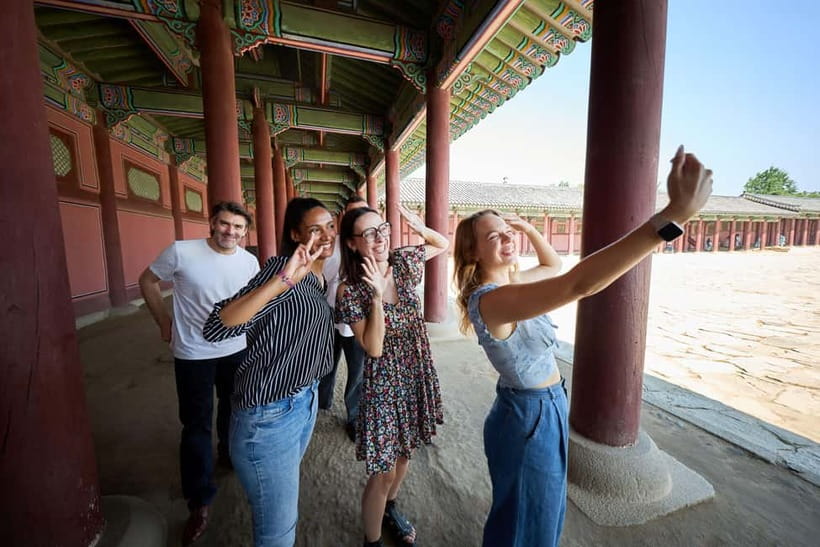
After the palace, the bus passes Cheongwadae, better known as the Blue House. It served as South Korea’s presidential residence and executive office.
This is a pass-by, not a full stop. The schedule allows about five minutes for guided sightseeing from the vehicle, so you should treat it as a brief point of orientation rather than a visit. Your guide can place the building within Seoul’s political story while you continue toward the next stop.
It is a small part of the tour, but the change of subject works well. You move from royal government in the Joseon period to the country’s modern government, then on to Korean wellness traditions.
The ginseng center: useful context, optional shopping
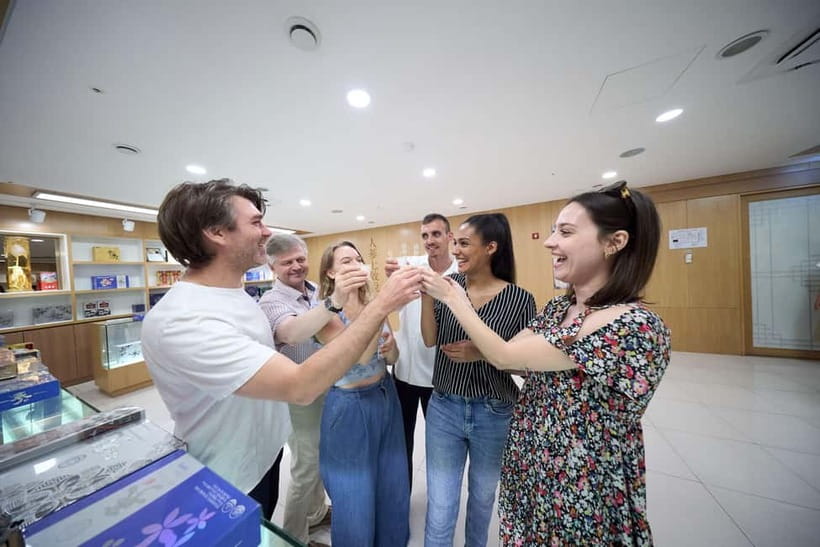
At the Cheongha Korean Ginseng Museum, you get a break of about 30 minutes. The visit includes traditional herbal tea and an explanation of ginseng’s history, health claims, and place in Korean wellness culture.
This is the most commercial-feeling stop on the route. You can browse or buy ginseng products, but there is no obligation to purchase. That distinction matters, especially if you prefer tours with no shopping component.
The stop can be useful if you are curious about why Korean ginseng appears in so many health products and gifts. One guide also allowed the group to try some ginseng, adding a small tasting element to the explanation. Still, if you are eager to spend every minute at palaces and markets, this half hour may feel less essential.
I would keep an open mind and set a simple boundary before you arrive: enjoy the tea and talk, ask questions, and buy only if you genuinely want something. The tour information makes clear that purchase is optional.
Gwangjang Market and Seoul street food
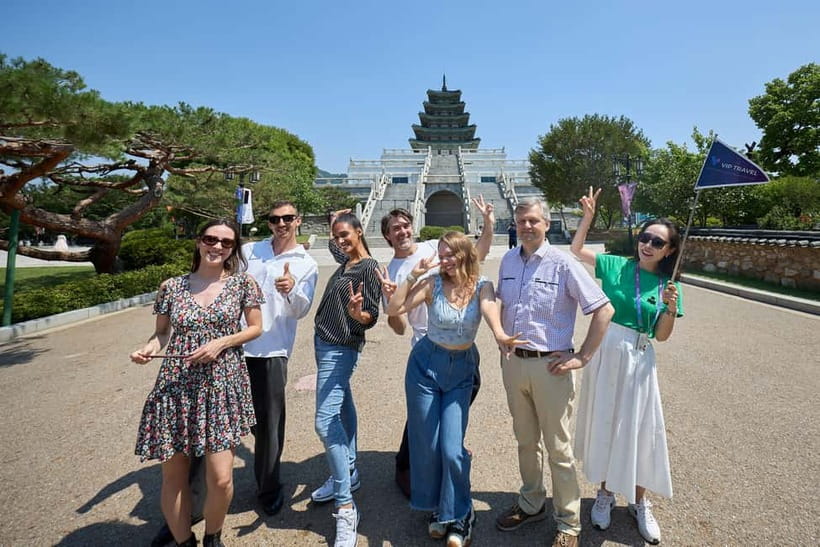
Gwangjang Market is the final major stop, and it is a good choice. This is one of Seoul’s oldest and best-known traditional markets, with food stalls, shopping, and a lively local atmosphere.
The food is not included, so bring cash. The tour highlights three classic choices:
- Bindaetteok: A savory mung bean pancake, usually cooked on a hot griddle.
- Mayak gimbap: Small seaweed rice rolls that are easy to eat while walking.
- Tteokbokki: Chewy rice cakes in a spicy sauce.
You get about an hour here, including a guided introduction and free time. That gives you enough room to look at the stalls, choose a snack, and browse, but it may not allow a long sit-down meal. Prices and portions are not specified, so keep your food budget flexible.
Gwangjang is also the place where the tour becomes less structured. At Bukchon and the palace, you follow a historical route. Here, you can choose what catches your eye. I would ask the guide for help with ordering if you are unfamiliar with the food, then save your appetite for several small portions rather than one large dish.
The market is a strong finish because it connects history with ordinary city life. You leave the formal palace grounds and see food being prepared, sold, and eaten in a traditional market setting.
How the transport and pace affect the day
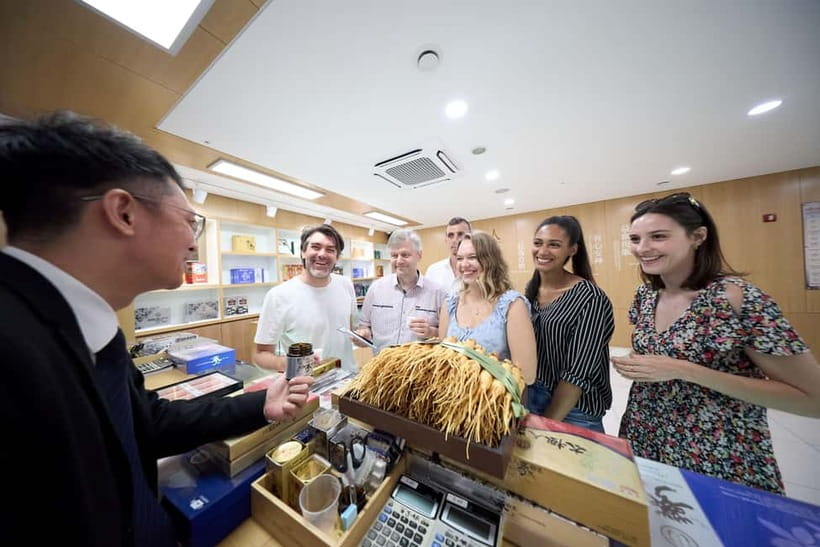
The bus links the main locations, which saves you from changing subway lines several times. That is valuable in Seoul, especially if you are still learning the city’s layout or arriving after a long flight.
You will still walk quite a bit. Bukchon has lanes and slopes, the palace involves open courtyards, and Gwangjang Market requires movement through busy aisles. Comfortable shoes are more important than dressy ones.
The compact timing is both the main benefit and the main limitation. You can see several major areas in one morning or afternoon, but you will not have much freedom to stop wherever you want. At each site, listen for the meeting time and stay close to the guide.
If you are coming from the airport, do not underestimate the journey to the meeting point. One participant on a 23-hour layover advised allowing at least two and a half hours from the airport by train and subway. That is practical advice. Leave a generous margin, especially if you must collect luggage or navigate Seoul for the first time.
The guides are a major part of the value
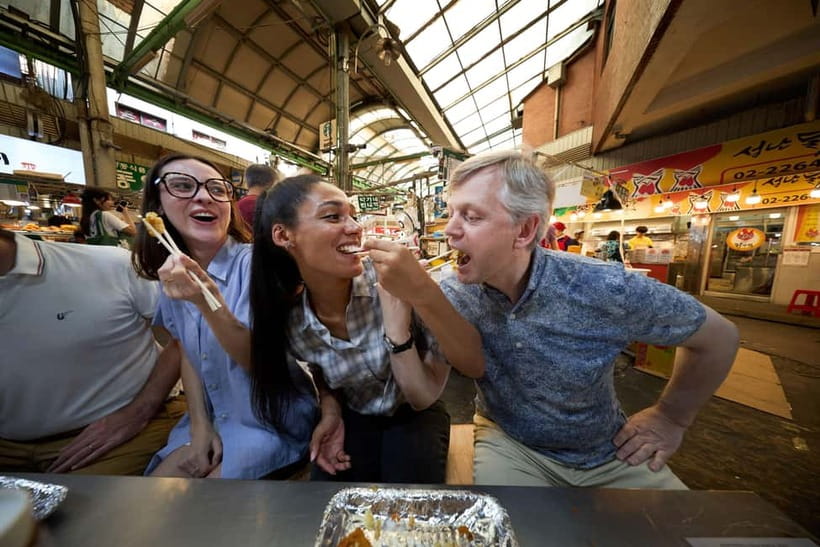
The guide quality appears to be one of the strongest parts of this experience. Different departures have been led by Alice, Kelly, Eva, Claire, Judy, Lina, and Alex. The useful traits to expect are historical explanation, patience, group coordination, and help with photographs.
Alice was praised for her explanation of the Joseon Dynasty and for making the route easy to follow. Eva was noted for explaining both Seoul’s past and everyday life. Kelly was described as patient and well organized, while Lina brought palace stories to life and helped with photographs at scenic points.
These details matter because the itinerary covers a lot in a short time. A guide who simply points at buildings would leave you with a string of photo stops. A guide who explains why the palace layout matters, how Bukchon fits into the city, and what to try at the market gives the day a clear shape.
You should not assume you will have a private tour. One departure happened to feel private because of the group size, but that will not be guaranteed. Ask questions early, stay with the group, and tell the guide if you need a moment to catch up.
Who should book this experience
I would recommend it to a first-time Seoul visitor who wants a quick, guided introduction to royal Seoul, traditional neighborhoods, and Korean food. It is also a smart option for a short stay or a long layover, provided you leave enough time to reach Myeongdong.
It suits you if you want:
- A fixed route with transport between major stops
- An English-speaking guide
- A first look at Bukchon and a Joseon palace
- Help understanding the guard ceremony
- A short introduction to ginseng culture
- Guided access to Gwangjang Market and its food stalls
I would hesitate if you want a slow photography walk, a long palace visit, or several hours of independent market shopping. The tour gives you a useful overview, not a deep study of any single place.
The Tuesday version is a good choice for people interested in Changdeokgung’s architecture and Insadong’s shops. If Gyeongbokgung and the guard ceremony are must-sees, choose another day.
Practical tips before you go
Wear comfortable shoes and bring a camera. Cash is useful for Gwangjang Market and for any optional purchases at the ginseng center.
Bring water, especially in warm weather. The route includes outdoor walking, and one guide made a point of finding shade during a hot day. In cooler months, the open palace courtyards can feel colder than expected.
Arrive early at the correct station exit. The information gives both Exit 8 and Exit 9 for Myeongdong, so confirm which one applies to your departure. If you are joining at Itaewon or City Hall, use the stated exit and time.
The activity offers free cancellation up to 24 hours before departure and allows you to reserve now and pay later. Those terms are helpful if your Seoul schedule is still changing.
Should you book it?
Book this tour if you want to cover several classic Seoul sights for $30 without planning every transfer yourself. The combination of Bukchon, a palace, a short Blue House pass-by, ginseng culture, and Gwangjang Market gives you a solid first-day framework.
Go in knowing that the schedule is brisk and the ginseng center includes shopping time. For the best experience, choose a non-Tuesday departure if the guard ceremony matters, arrive well ahead of time, wear walking shoes, and save room for market food. Then use the stops you like best as a guide for what to explore more slowly later.
FAQ
How long does the tour last?
The tour lasts 210 minutes, or three and a half hours.
Where does the tour start?
The stated meeting point is Myeongdong Subway Station Exit 8. Pickup information also lists Myeongdong Station Exit 9 at 8:50, so confirm the exact exit after booking.
Where does the tour end?
The tour ends at Myeongdong Station for all participants.
What happens on Tuesdays?
Gyeongbokgung Palace and the Royal Guard Changing Ceremony are closed on Tuesdays. The tour visits Changdeokgung Palace and Insadong instead.
Is the Royal Guard Changing Ceremony included every day?
It is included on days when Gyeongbokgung and the ceremony are open. It is not available on Tuesdays.
Is food included at Gwangjang Market?
Meals are not specified as included. You can buy street food at your own expense, including bindaetteok, mayak gimbap, and tteokbokki.
Do I have to buy anything at the ginseng center?
No. You can enjoy the herbal tea and learn about ginseng, then browse or purchase products only if you wish.
What language is the tour conducted in?
The tour has a live English-speaking guide.
Just added around Seoul
- Seoul: The Biggest Sea-food Noryangjin Market Tour★ 4.3 · 30 reviews
- Seoul: Namdaemun Market Food Tour★ 4.9 · 34 reviews
- Seoul: Sokcho beach, market, hot spring and Seorak Cable Car★ 4.8 · 5 reviews
- Seoul: Gwangjang Market Vegan & Vegetarian Food Tour★ 5.0 · 16 reviews
- Seoul Gwangjang Market Foody Walking Tour★ 4.1 · 7 reviews
- Seoul: Gyeongbokgung Palace Tour & Lunch at Authentic Market★ 4.5 · 2 reviews
- Seoul Evening Tour:Gwangjang Market&Naksan Park&Eungbongsan★ 5.0 · 2 reviews
- Seoul: Guided Street Food Tour at Namdaemun Market★ 5.0 · 10 reviews
Seoul Market Tours, compared.
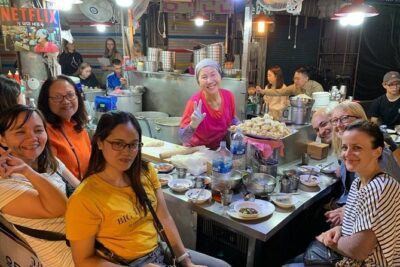
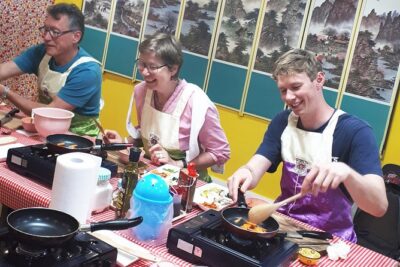
Local Home Korean Cooking Class & Market Adventure in Seoul
Read our review →
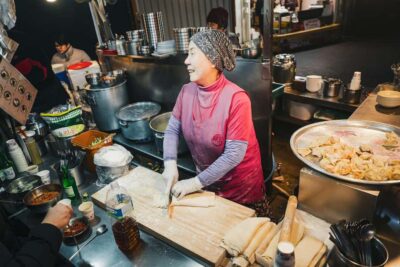
Palace, Temple and Market Guided Foodie Tour at Night
Read our review →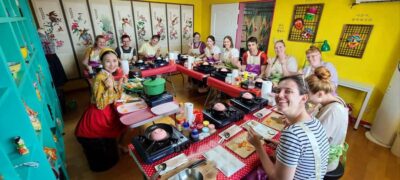
Korean Cooking Class at a Local Home and Market Tour
Read our review →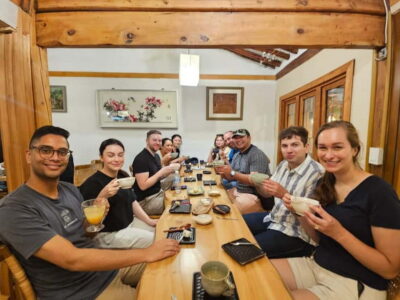
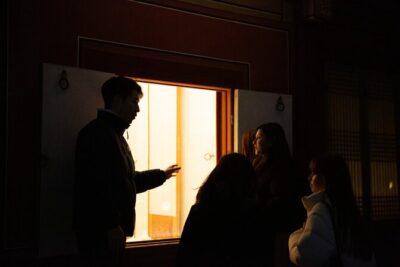
Seoul Night Palace & Market Food Tour with Vehicle
Read our review →
Cook 3 Authentic Korean Dishes with Local Market Tour
Read our review →Browse the lists this tour appears in