
Review · PHNOM PENH MARKET TOURS
Phnom Penh: Morning Market & Guided Breakfast Tour by Tuktuk
Phnom Penh’s best breakfast food is often found on a plastic chair beside a busy street, not on a hotel buffet. This three-hour tuk-tuk tour takes you into local neighborhoods for noodle soup, grilled pork and rice, turmeric crepes, market tastings, and coffee.
I like the way the experience connects food with daily life, especially the visit to Sister Mao, who makes curry paste from fresh herbs. I also like that all food and drinks are included, with enough stops to leave you properly full. The main consideration is the sheer amount of food, so arrive hungry and do not plan a large lunch afterward.
Key points
- Six food and drink stops cover sit-down restaurants, street stalls, a wet market, and a café.
- Private tuk-tuk transportation links local neighborhoods without making you find each place yourself.
- Breakfast comes first, with noodle soup, local coffee, pork and rice, soup, pickles, and more.
- The wet market visit feels personal, including a meeting with Sister Mao and a handmade souvenir.
- Small groups are limited to eight, making it easier to ask questions and keep up with the guide.
- The tour ends near the Russian Market, useful if you want to continue exploring on your own.
A breakfast tour built around local routines
This is not a quick walk through a market followed by one token snack. You make six stops and eat at several kinds of places, from a long-running neighborhood breakfast shop to a family-run street-side restaurant and a modern café.
That mix matters. You get to see how breakfast works in Phnom Penh, how food is sold in a wet market, and how Cambodian dishes can appear in both humble and polished settings. The tuk-tuk rides also give the morning a sense of movement. You are not fixed in one tourist district.
The experience runs for three hours and costs $49 per person. That is not the cheapest way to eat breakfast in Phnom Penh, but the price covers private tuk-tuk transport, an English-speaking guide, all food and drinks, and a handmade market souvenir. If you would otherwise pay for several separate meals and hire transport between neighborhoods, the cost becomes easier to justify.
You should also think of this as a full food outing, not a tasting with tiny samples. The tour description says a lot of food is provided, and one participant finished feeling completely stuffed and happy. That is useful warning and a selling point at the same time.
More Guided Market Trips in Cambodia:
- 3-Hour Siem Reap Guided Cooking Class and Market with Pick up
★ 4.5 · 26 reviews - Dubai: Old Town, Souks, Street Food, Guided Tour & Abra Ride
★ 4.9 · 7,170 reviews - Dubai: Frame Tickets, Creek, Souks & Blue Mosque Guided Tour
★ 4.8 · 5,980 reviews
Starting with coffee and a bowl of noodles
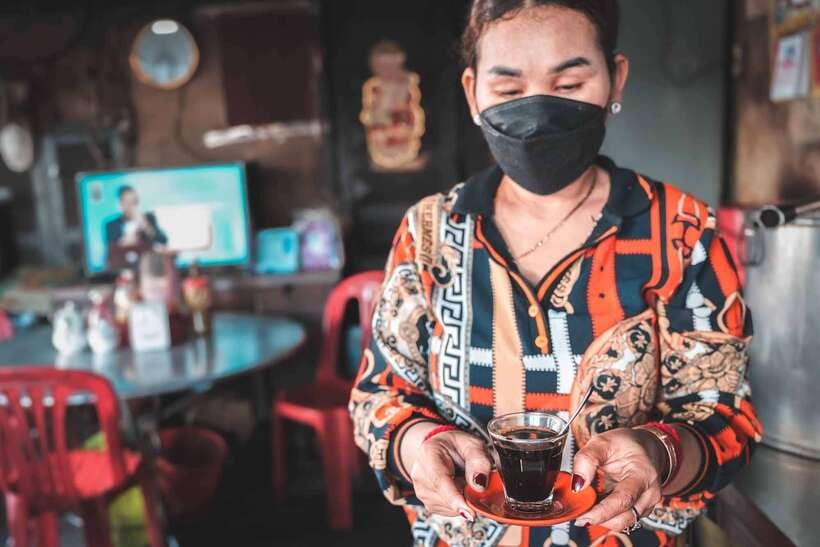
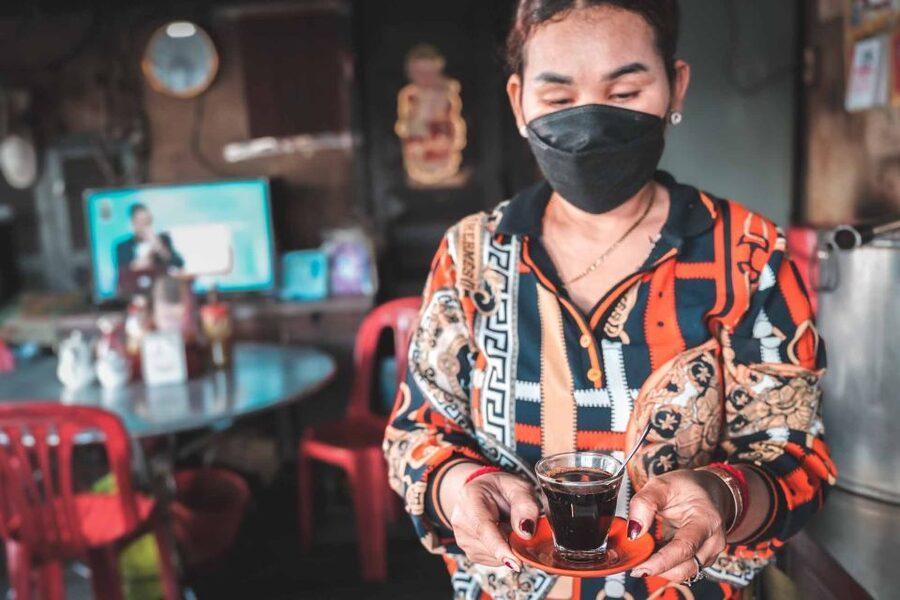
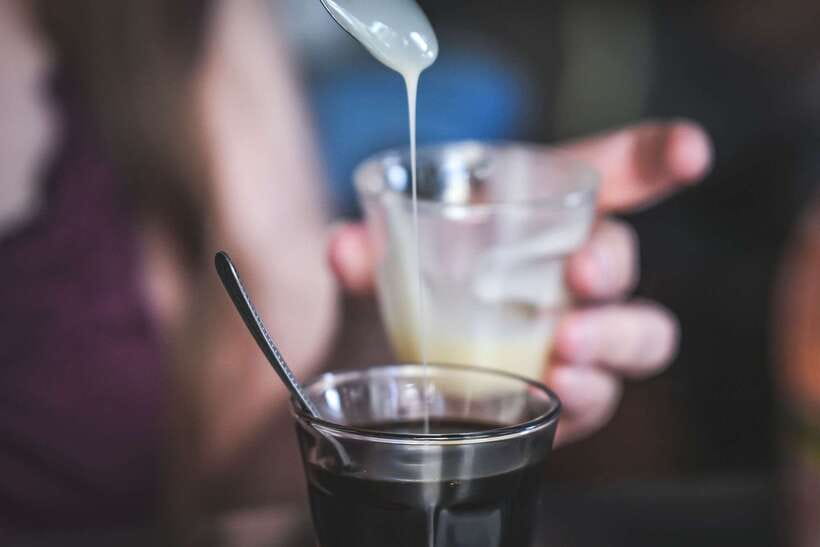
The first stop puts you in the right frame of mind: breakfast at a local hangout that has served its neighborhood for more than 15 years. You sip local coffee and eat a bowl of savory noodle soup.
This is a strong opening because it begins with a proper Cambodian meal. You are not standing around waiting for a sample to be handed over. You sit down, eat, and get a sense of how an ordinary morning might begin for local residents.
The coffee is part of the experience rather than an afterthought. You can expect a selection of local coffee, followed by more coffee later in the morning. If you usually need a gentle start, keep that in mind. The food is substantial, and the caffeine appears at more than one stop.
Your guide can explain what you are eating and how the stop fits into neighborhood life. Guides who have led this tour, including Vy, Ena, and Neara, have been praised for their warmth, humor, and ability to explain Phnom Penh. Since the assigned guide can vary, you should not book on the assumption that one particular person will lead your group.
Seeing a wet market through food, not just photos
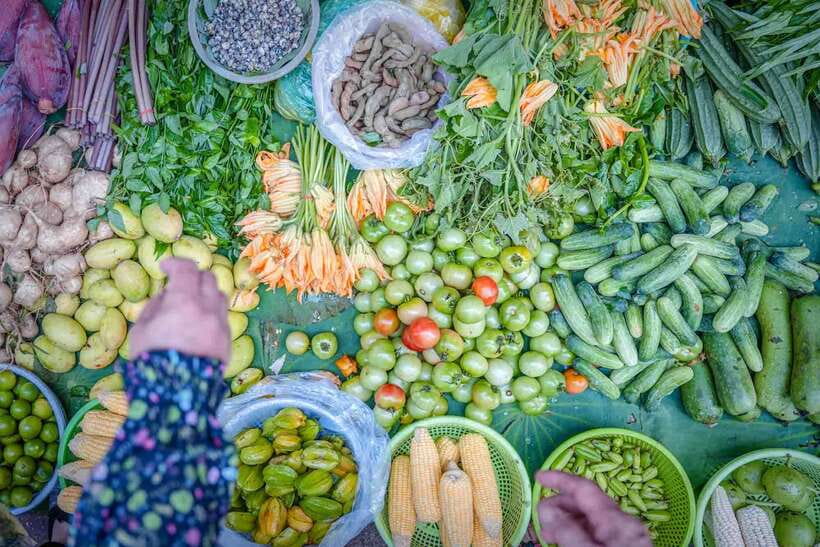
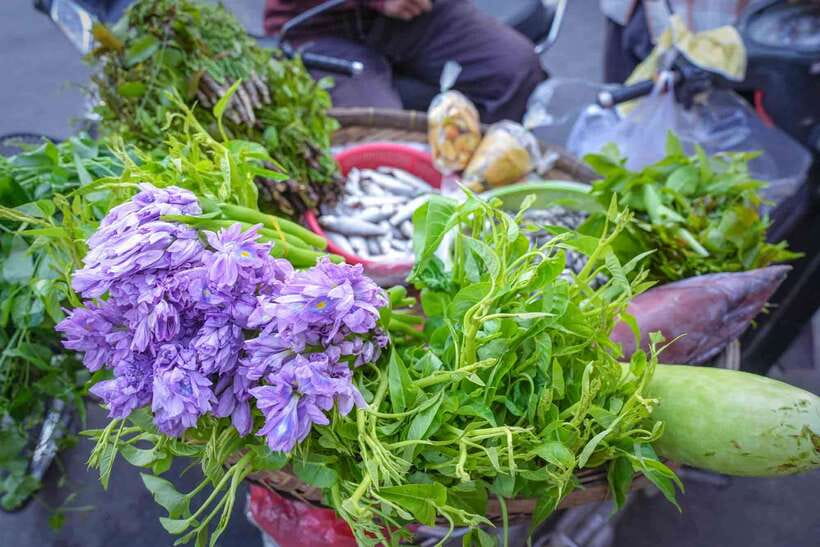
The local wet market is the tour’s most hands-on stop. You stroll through an open-air market, try seasonal items, and receive a handmade souvenir.
A market can be easy to visit badly. You walk in, take a few photographs, and leave without understanding what you saw. Here, the food focus gives the visit a purpose. You can pay attention to the ingredients that appear in Cambodian cooking and notice how fresh produce, herbs, and prepared foods fit together.
One especially personal meeting is with Sister Mao, who sources fresh herbs to make her own curry paste. That detail brings the market to life. Instead of treating it as a backdrop, the tour introduces you to someone who uses its ingredients in her own food work.
The market may feel crowded and active, and it is not designed like a quiet museum. You will need to stay with the group and pay attention as you walk. That is part of the point, but anyone who prefers a calm, slow-paced breakfast may find the morning energetic.
The handmade souvenir is a small but thoughtful extra. It gives you something connected to the market rather than another generic item from a hotel shop.
Pork, rice, pickles, and a family-run shop
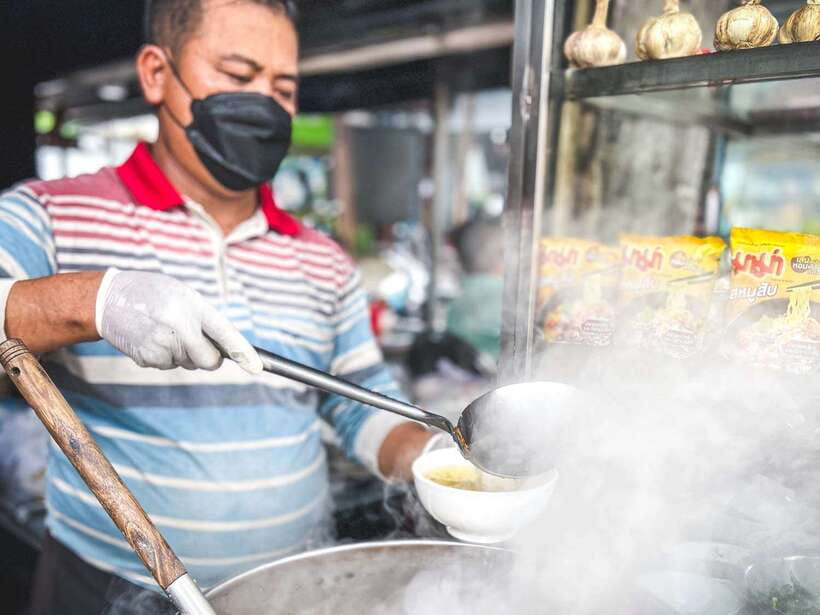
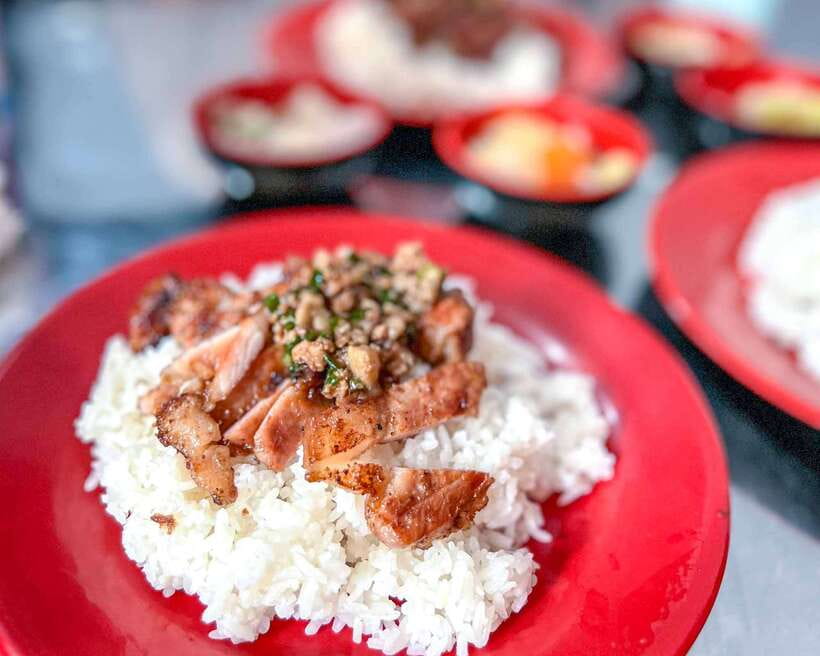
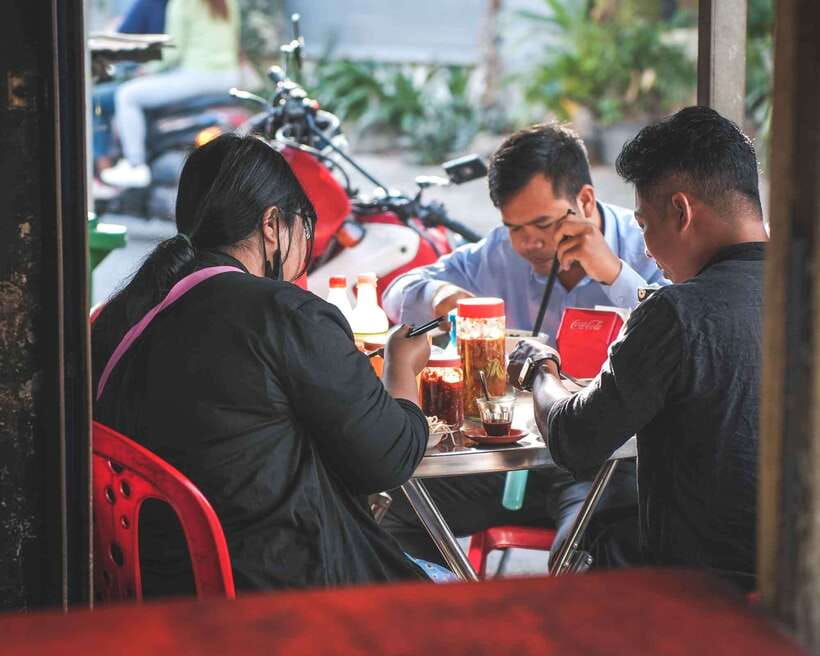
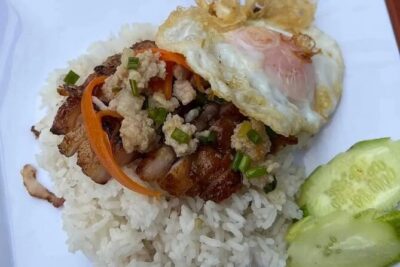
Next comes a classic Khmer breakfast at Brother Salin’s family-run shop. You sit on a plastic chair at the roadside for freshly grilled pork and rice, homemade pickles, and a bowl of soup.
This stop captures the plain, useful pleasure of local food. The setting is simple, and the meal is not dressed up for tourists. You get the kind of combination that makes sense for breakfast: rice for substance, grilled pork for flavor, pickles for sharpness, and soup to round it out.
The family connection adds context. You are not simply being brought to a random stall for a fast bite. The stop has a human face, and the guide can help you understand why this style of meal is a familiar part of Cambodian mornings.
The plastic-chair setting is worth noting before you book. You are eating street-side, not in a formal dining room. That is a strength for anyone seeking an ordinary local setting, but less appealing if you want polished surroundings or a long, leisurely meal.
The portions across the whole tour are the bigger issue here. Pace yourself. It is easy to treat each stop as a separate meal, but the food keeps coming.
A few more market tours around Cambodia worth a look
- Kampot: Tuk Tuk Trip to Pepper Farm, Kep, Crab Market & More
★ 4.9 · 143 reviews - Phnom Penh’s Morning Market and Street Art Tour by Tuk tuk
★ 5.0 · 128 reviews - Phnom Penh Morning Market & Food Tour by Tuktuk – Includes All Food & Drinks!
★ 5.0 · 99 reviews - KAMPOT TRAVEL-Pepper farm. Cave.Secret lake-Crab market & Salt…
★ 5.0 · 87 reviews
Yellow turmeric crepes wrapped by hand
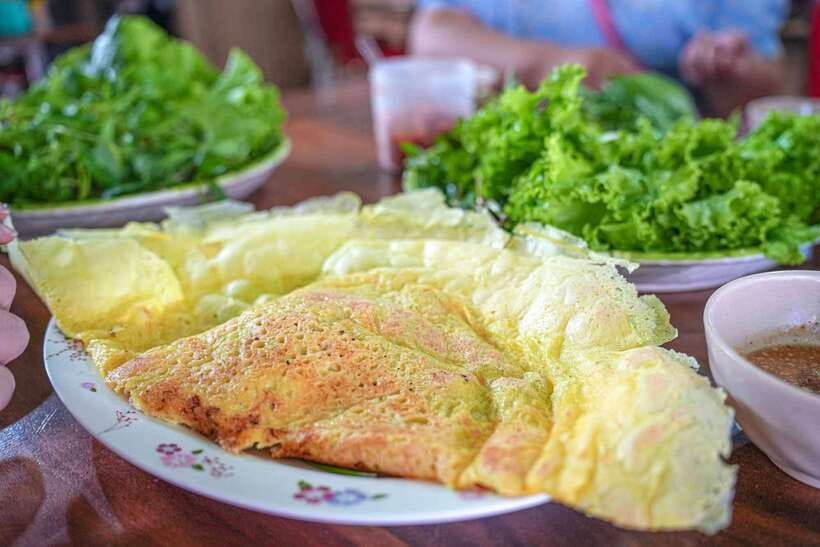
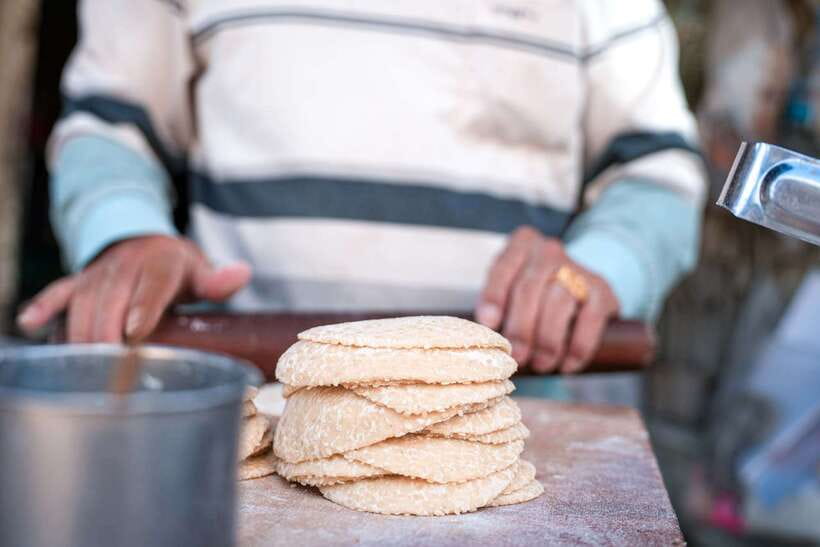
The savory turmeric crepes offer the most visually distinctive dish of the morning. Rice milk and turmeric give the crepes their yellow color, and the filling includes ground pork, bean sprouts, and dried shrimp.
The crepe is wrapped by hand with lettuce and local herbs, then served with homemade dipping sauce. That final combination gives you several textures at once: crisp vegetables, soft crepe, savory filling, fresh herbs, and a sauce with its own flavor.
This is also a useful stop for anyone who wants to understand the work behind Cambodian street food. The dish involves more than pouring batter into a pan. There is the filling, the wrapping, the herbs, and the sauce, all assembled into one easy-to-eat package.
Your guide can help you identify the ingredients and explain how to eat the crepe. Do not expect a single standardized version of a dish you might see elsewhere. The appeal is in trying the food as it is served at this local stop.
If you have strong dislikes around shrimp, pork, or herbs, ask the guide before eating. The stated filling includes ground pork and dried shrimp, so this is not the place to assume every dish will suit every diet.
Finishing with coffee near the Russian Market
The final stop is a café with a signature coffee recipe that won Cambodia’s National Barista Gold Medal. The tour ends here, within walking distance of the Russian Market.
This gives the morning a clear finish. You have already had local coffee with noodles, and now you can compare that earlier drink with a more specialized café preparation. It is a nice way to show two sides of Phnom Penh’s coffee culture without making the whole tour about cafés.
The ending point is practical. If the Russian Market is on your plans, you can continue there after the tour. Your guide can also suggest how to reach your next destination, which helps if you are still learning the city’s layout.
The café may feel more modern than the earlier food stops, and that contrast is deliberate. You begin with a neighborhood breakfast and finish with a nationally recognized coffee recipe. The result is broader than a simple street-food crawl.
Why the tuk-tuk makes a difference
The private tuk-tuk is not just a fun way to move between meals. Phnom Penh’s food stops are spread through local neighborhoods, and the vehicle keeps the morning flowing.
You are picked up at your centrally located hotel, then taken to the first stop. The guide and driver meet you in the hotel lobby, with the exact pickup time sent one to two days beforehand.
A tuk-tuk also lets you see more of the city between stops. You get passing views of streets and neighborhoods rather than spending the whole morning inside one market or restaurant. The ride itself is part of the Phnom Penh experience.
There is a practical limit. Tuk-tuks are open to the street, so traffic noise and city air are part of the ride. The tour details do not promise pickup from every location, only centrally located hotels, so confirm your accommodation qualifies when booking.
A small group with room for questions
The group is limited to eight people. That is a useful size for a food tour because the guide can explain dishes, answer questions, and keep the group moving without the stop feeling like a large procession.
English is the tour language. Guides such as Vy have been described as funny and charming, while Ena and Neara have also led especially warm, informative mornings. The strongest feature shared by these guides is the human connection they bring to the food. They do more than point to a plate and name it.
Still, the quality of a food tour depends partly on the individual guide’s style. The provider assigns the guide, so you should expect a local English-speaking guide rather than a guaranteed named person.
Who will get the most from this morning
I would choose this experience if you want to eat local food but do not want to spend your first days in Phnom Penh guessing which stalls are worth trying. It removes much of the uncertainty while keeping the settings informal.
It is also a good fit if you enjoy learning through food. The market visit, curry paste maker, family-run shop, and café give you different ways to see the city. You are not only tasting dishes. You are meeting the people and places connected to them.
The tour suits first-time visitors especially well because it combines transport, food, neighborhood orientation, and practical local advice. Ending near the Russian Market gives you an easy next stop.
You may want something else if you eat very little at breakfast, avoid pork or dried shrimp, prefer a quiet sit-down tour, or want to choose every dish yourself. The food is plentiful, and the experience includes several set stops.
Is $49 good value?
At $49, this is a midrange food experience rather than a budget breakfast. The important question is what you receive for that price.
You get hotel pickup from a central location, private tuk-tuk transportation, an English-speaking local guide, six food and drink stops, all meals and coffee, and a handmade souvenir. You also avoid paying separate fares while trying to locate several food spots across the city.
For a solo visitor or couple, that combination can be good value, particularly during a short stay. You are paying for access and organization as much as for the food. The guide helps you order, explains the stops, and links the meals into one clear morning.
If you already know Phnom Penh well and are comfortable finding local stalls, you could eat more cheaply on your own. But you would not be buying the same service. The tour makes the most financial sense when you value local guidance, transport, and a full meal trail over the lowest possible cost.
Booking details worth knowing
The tour lasts three hours, with starting times depending on availability. Pickup is included for centrally located hotels, and the exact time is provided one to two days before departure.
You can reserve without paying immediately, which helps if your Phnom Penh plans are still shifting. Cancellation is free up to 24 hours in advance for a full refund.
Wear something comfortable for walking through the market and moving between food stops. Most importantly, arrive hungry. The morning includes several complete dishes, not just a few decorative bites.
Should you book this Phnom Penh breakfast tour?
Book it if you want a friendly, food-heavy introduction to Phnom Penh that reaches beyond the usual sightseeing route. The combination of tuk-tuk rides, six stops, market shopping, local coffee, and generous portions gives you a practical first look at the city.
I especially recommend it for first-time visitors, curious eaters, and anyone who wants a guide to handle the hard part of finding good local food. Skip it if you need a light breakfast, have strict food restrictions, or prefer to explore independently at the lowest cost.
For most people, the best plan is to book it early in your Phnom Penh stay. You will finish near the Russian Market, full of food and armed with a few ideas for where to eat next.
FAQ
How long does the tour last?
The tour lasts three hours.
How much does the tour cost?
The price is $49 per person.
Is hotel pickup included?
Yes. Pickup is provided from centrally located hotels. Your guide and driver meet you in the hotel lobby.
How many people are in the group?
The small group is limited to eight participants.
What language does the guide speak?
The live guide speaks English.
How many stops are included?
The tour includes six stops at a mix of sit-down restaurants, street-food stalls, a local market, and a café.
Is food included in the price?
Yes. All food and drinks are included, including coffee. The tour provides a large amount of food.
Does the tour include tuk-tuk transportation?
Yes. Private tuk-tuk transportation is included between the hotel and the food stops.
Is a market souvenir included?
Yes. You receive a handmade souvenir from the local market.
Where does the tour finish?
The tour ends at the café, which is within walking distance of the Russian Market. Your guide can suggest how to reach your next destination.
Can I cancel the booking?
Yes. You can cancel up to 24 hours in advance for a full refund.
Do I have to pay when I reserve?
No. Reserve now and pay later is available, so you can hold your place without paying immediately.
Just added around Cambodia
- Siem Reap Morning Market & Food Tour by Tuk Tuk★ 5.0 · 2 reviews
- Siem Reap: Morning Cooking Class & Market Tour★ 5.0 · 7 reviews
- Phnom Penh: Morning Foodie, Market Walking & Street Art Tour★ 5.0 · 3 reviews
- Siem Reap: FREE Market & Local Temple Tour★ 4.8 · 3 reviews
- Siem Reap Khmer Cooking Class and Local Market Tour★ 4.1 · 4 reviews
- Siem Reap: Angkor Wat Sunrise and Market Tour by Jeep★ 5.0 · 5 reviews
- Siem Reap Cambodian Buddhist Water Blessing and Local Market★ 4.8 · 3 reviews
- Phnom Phnom: Local Market & Culture Walking of City Tour★ 5.0 · 3 reviews
Phnom Penh Market Tours, compared.
Phnom Penh’s Morning Market and Street Art Tour by Tuk tuk
Read our review →
Phnom Penh Morning Market & Food Tour by Tuktuk – Includes All Food & Drinks!
Read our review →
Phnom Penh Local Market & Morning Food Tour Include Drinks
Read our review →
Phnom Penh Morning Foodie & Market Tour by Tuk Tuk
Read our review →
Phnom Phnom: Local Market & Culture Walking of City Tour
Read our review →Browse the lists this tour appears in