
Review · LOCAL & FARMERS MARKET TOURS
Siem Reap Cambodian Buddhist Water Blessing and Local Market
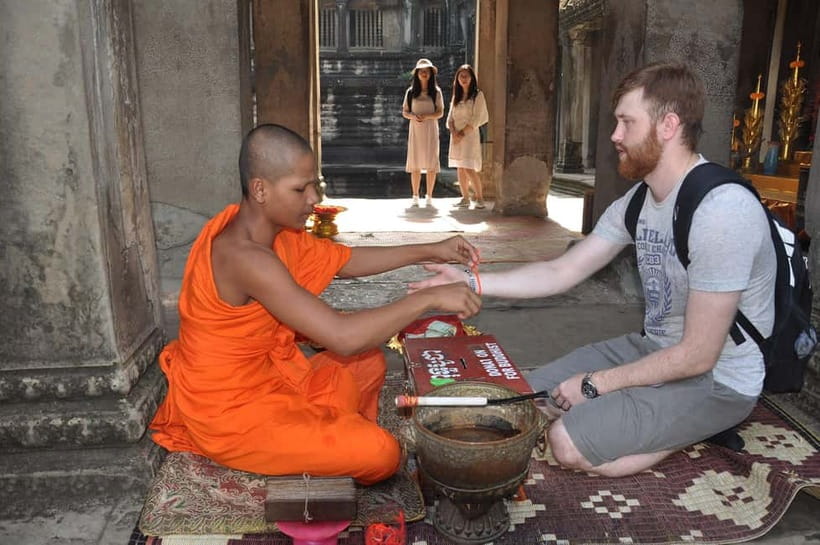
A Cambodian water blessing is not a staged temple show. It is a living ritual, carried out by monks in a countryside pagoda south of Siem Reap. You may receive a short chant and light sprinkling, or choose the longer blessing, in which blessed water is poured over your head while the monks chant. I like the direct contact with Cambodian Buddhist tradition, and I like that the experience ends with red wrist ties, a simple sign of the blessing.
The second strong point is the English-speaking guide. Mia Jorge is named in the tour information, and his clear explanations of history, spirituality, culture, and local life were especially helpful. The main consideration is the short two-hour schedule: you get a meaningful introduction, but not a long temple visit or a slow, extended market exploration.
Key points to know before you book
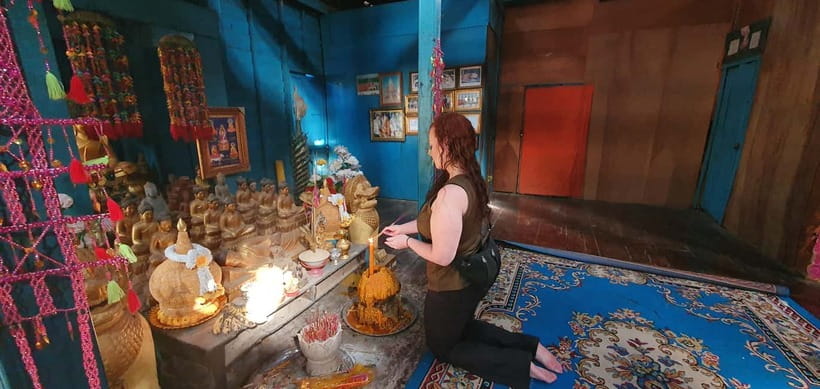
- Choose between two blessings: a short chant with light sprinkling, or a longer ceremony with water poured over your head.
- Expect a real ritual: monks chant for good luck, safe travel, and long life rather than simply posing for photographs.
- A sarong is supplied: use it for the longer blessing so your own clothing stays dry.
- The countryside setting matters: the pagoda visit takes you beyond Siem Reap’s central hotel area.
- The market adds local context: you have time for a guided visit, photographs, and a look at everyday commerce.
- Budget $45 for two hours: the price covers a guide, tuk-tuk transport, sarong, pagoda donation, and market visit.
Why the water blessing is the heart of this Siem Reap outing
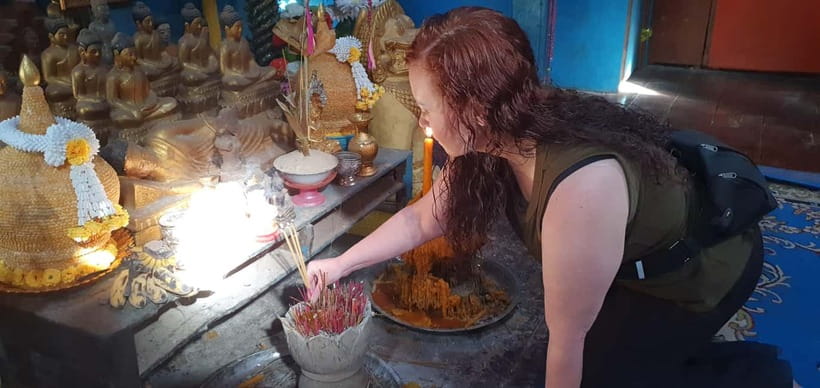
The most valuable part of this experience is the ritual itself. Cambodian water blessings have roots reaching back to ancient times, and the ceremony gives you a chance to take part rather than simply look at a monument from a distance.
At the pagoda, monks chant together while offering wishes for good luck, safe travel, and a long life. The first option is brief and fairly easy to fit into a busy Siem Reap schedule. Water is sprinkled lightly as the chanting continues.
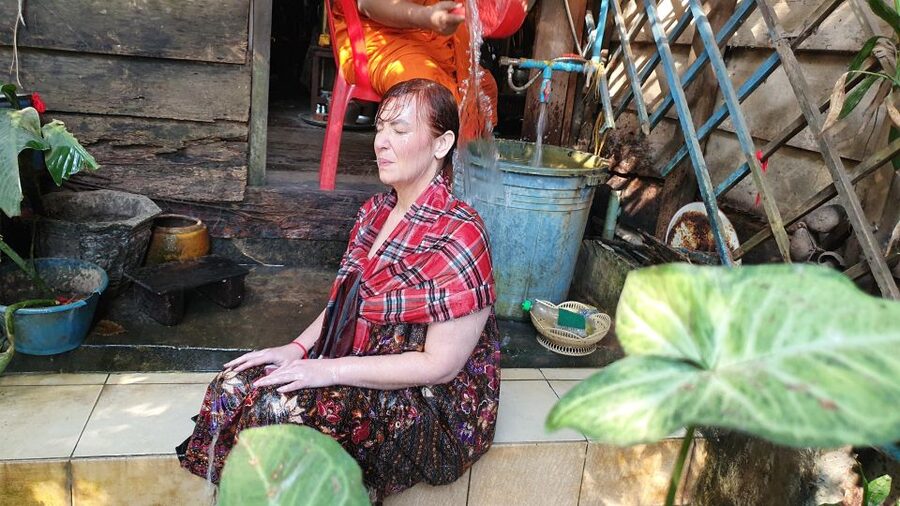
The second option is more involved. Blessed water is poured over your head while the monks chant, and you change into a supplied sarong beforehand. If you want the fuller ritual, choose this version and allow for wet hair and a change of clothing afterward.
At the end, red ties are placed around your wrist. They mark the blessing and give you a small physical reminder of the ceremony. I appreciate that this detail is not just decoration. It connects the ritual to something you carry with you after leaving the pagoda.
You should approach the blessing with respect. This is a religious practice, not a theatrical performance arranged only for visitors. Listen to the guide’s instructions, follow the pagoda’s expectations, and treat the monks and the setting with quiet attention.
More Farmers Market Tours in Cambodia
- Siem Reap: Morning Bike Tours with Local Market & Lunch
★ 5.0 · 52 reviews - Siem Reap Cambodian Buddhist Water Blessing and Local Market
★ 5.0 · 13 reviews - Siem Reap Cambodian Buddhist Water Blessing and Local Market
★ 4.8 · 11 reviews
The tuk-tuk ride south from Siem Reap
Pickup is from your hotel area in Krong Siem Reap, with instructions to wait in the lobby 10 minutes before the scheduled time. The first tuk-tuk ride takes about 15 minutes.
That short ride is useful in two ways. It gets you from the town center to the pagoda, and it creates a clear change of scene. You leave the familiar hotel zone and head toward a countryside religious site. The ride is part of the local feel, though a tuk-tuk is open to the air and may be less comfortable for anyone who prefers a quiet, enclosed vehicle.
The tour information uses two names in connection with the temple portion: Wat Arang Pagoda is identified as the site of the water blessing, while the route lists Wat Athvear Temple. Since the names do not fully match, I would confirm the exact pagoda name and meeting details with Angkor Focus Travel before departure. That small check can prevent confusion, especially if you are arranging several temple visits in the same day.
One hour at the pagoda
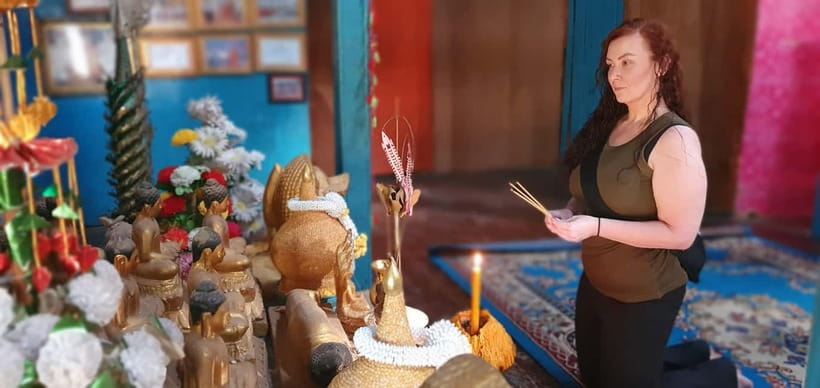
The pagoda visit is scheduled for about one hour. That is enough time to hear the guide’s explanation, observe the setting, take part in the blessing, and change into the sarong if you select the longer ritual.
The guide is important here. The ceremony itself may be quiet and easy to misunderstand if you do not know what is happening. A good explanation helps you see the purpose behind the chanting, water, and red wrist ties. Mia Jorge is specifically named as an English-speaking guide who explained Buddhist ideas, history, and local life clearly.
The supplied information does not promise a particular group size, so do not book this expecting a private ceremony unless the provider confirms it. It also does not spell out how much time is spent inside the pagoda before and after the blessing. If you care about a slower visit, ask before booking.
The pagoda stop will suit you best if you want a spiritual and cultural activity rather than another standard Angkor photo stop. It is less suitable if you dislike religious participation, do not want to get wet, or want a long, detailed temple tour.
Selecting the short or long blessing
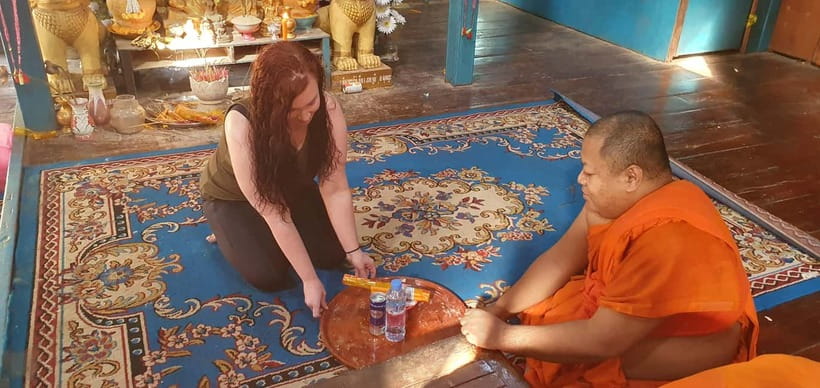
The two choices make this experience more flexible than a single fixed ceremony.
The short blessing involves chanting and a light sprinkling of water. Choose it if you want the symbolic part of the ritual without changing clothes or dealing with wet hair. It also works well if you have another appointment soon after the tour.
The longer blessing involves water being poured over your head while the monks chant. The tour provides a sarong, which helps protect your clothing. Even so, plan sensibly. You may want to wear clothing that is easy to change and avoid scheduling an important activity immediately afterward.
The description does not state how much time you have to decide between the two options, so ask the guide when you arrive. You should also follow any instructions about where to sit, how to dress, and when to approach the monks.
Same place, a different set of stalls:
- Kampot: Tuk Tuk Trip to Pepper Farm, Kep, Crab Market & More
★ 4.9 · 143 reviews - Phnom Penh’s Morning Market and Street Art Tour by Tuk tuk
★ 5.0 · 128 reviews - Phnom Penh Morning Market & Food Tour by Tuktuk – Includes All Food & Drinks!
★ 5.0 · 99 reviews - KAMPOT TRAVEL-Pepper farm. Cave.Secret lake-Crab market & Salt…
★ 5.0 · 87 reviews
The market stop after the ceremony
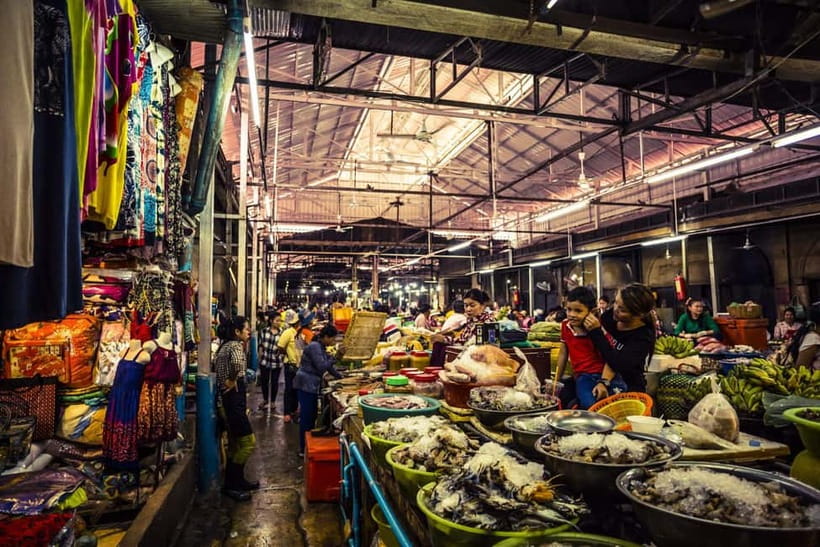
After the pagoda, another tuk-tuk ride takes about 10 minutes to a local market. The market portion lasts around 40 minutes and includes a guided visit and time for photographs.
This is a good counterpoint to the formal religious setting. At the pagoda, the focus is chanting, ritual, and Buddhist belief. At the market, the focus shifts to ordinary local life. You can look around, ask questions, and see how the guide connects daily activity with Cambodian culture.
Forty minutes is enough for an introduction, but it is not a long shopping session. The package includes the market visit, but personal expenses are not included. You should therefore treat purchases, snacks, or other spending as extra. The information does not say which market you will visit or what products will be available, so avoid booking this part with a specific shopping list in mind.
I like the balance of the route. The market keeps the tour from being only a religious ceremony, while the pagoda keeps it from becoming just another drive-and-shop outing. Together, the stops offer two kinds of Cambodian experience within a compact schedule.
What $45 includes, and what it does not
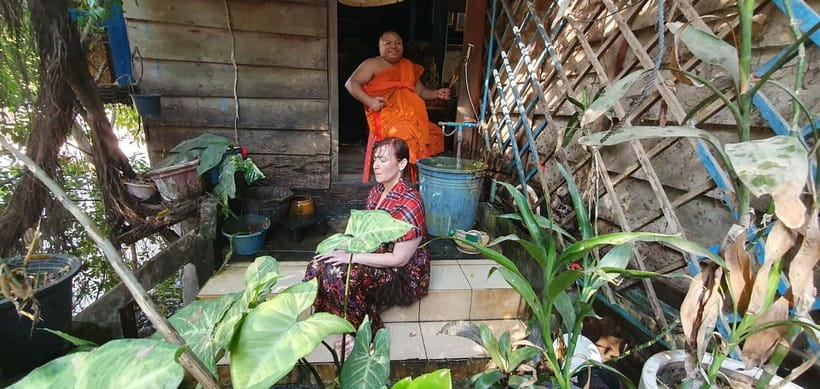
The price is $45 per person. For a two-hour activity, that is not the cheapest way to visit a local market, but the value depends on what you want from the morning or afternoon.
Your payment includes:
- An English-speaking guide
- Tuk-tuk transfers
- A sarong for the longer blessing
- A donation to the pagoda
- The market visit
The pagoda donation is worth noting. It means the religious site receives a contribution as part of the experience rather than leaving you to work out a donation on your own.
You are paying for interpretation as well as transport. Without a guide, you could visit a pagoda and watch a blessing without understanding its meaning. The guide makes the difference by explaining the Buddhist beliefs and local customs in English.
Personal expenses are not included. The available information does not list food, drinks, souvenirs, or market purchases as covered, so budget separately for anything you buy.
The strongest value comes if you want a short cultural activity that fits around other Siem Reap plans. If you only want transport to a market, $45 may feel high. If you want a guided religious ceremony, a countryside ride, and market context, the package is more reasonable.
How the timing works in a busy Siem Reap visit
The total duration is two hours. The route breaks down into approximately:
- 15 minutes by tuk-tuk from Siem Reap
- 1 hour at the pagoda
- 10 minutes by tuk-tuk to the market
- 40 minutes at the market
- 10 minutes back to Siem Reap
The listed times add up to the full two hours. That leaves little spare time for delays, extended shopping, or a longer conversation with the monks.
I would place this activity on a day when you want a focused cultural stop, not on a schedule already packed with several distant temples. The short format is one of its strengths, but it also means you need to respect the timetable.
Pickup is included, and you should wait in your hotel lobby 10 minutes before the planned departure. Starting times depend on availability. The provider also allows cancellation up to 24 hours in advance for a full refund and offers a reserve-now, pay-later option, which is useful when your Siem Reap schedule is still changing.
The guide can make or break the experience
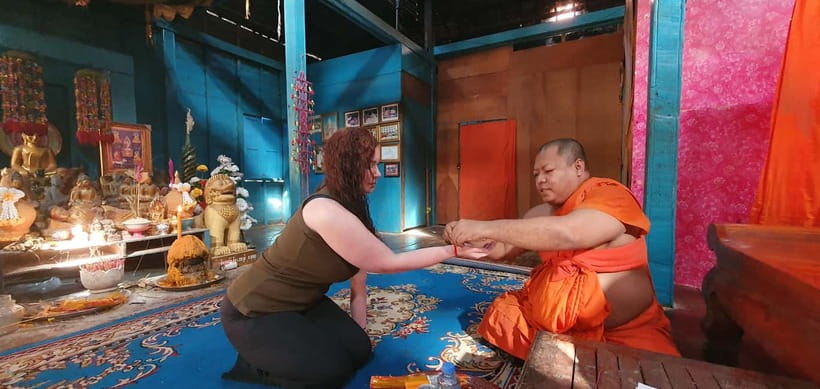
The written feedback points to the guide as one of the most praised parts of the activity. Francine described the experience as fabulous, interesting, and informative. Caroline highlighted the history and spirituality and gave particular credit to Mia Jorge’s English and ability to explain the ideas clearly. Lorelay also praised the guide’s preparation and explanations of culture and local life.
That pattern matters. A water blessing can be meaningful even without much explanation, but the guide helps you understand what you are seeing and doing. Clear English is especially useful when discussing Buddhist beliefs, since small details of a ritual can carry more meaning than they first appear to.
The rating is 4.8 from three reviews, with two five-star ratings and one four-star rating. That is a strong result, but the sample is small. I would treat it as encouraging evidence about the guide and the format, not as a guarantee that every departure will feel identical.
Who should book this experience
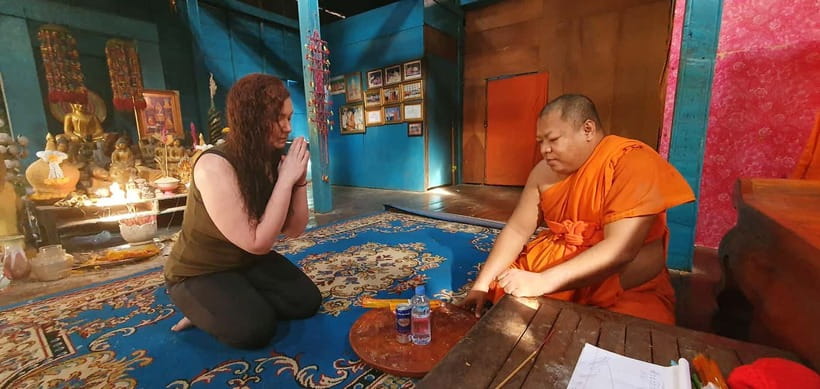
I would recommend this outing if you want a personal cultural activity between larger Angkor visits. It suits first-time visitors who want an introduction to Cambodian Buddhist practice and anyone who values explanation over simply taking photographs.
It also works well for you if:
- You have only two hours free
- You want a countryside pagoda visit
- You are comfortable taking part in a religious ritual
- You would like a guided market visit
- You prefer tuk-tuk transport
- You want the choice of a dry, short blessing or a longer wet blessing
Think twice if you want a detailed architectural study of a temple. The pagoda portion is built around the blessing, not an extended examination of carvings or buildings. You may also prefer another activity if wet clothing, religious participation, or an open tuk-tuk ride would be uncomfortable.
Should you book the Siem Reap water blessing?
Book it if you want a compact, respectful introduction to Cambodian Buddhist practice, especially with an English-speaking guide who can explain the ritual and its place in local life. The red wrist ties, the choice of blessing, and the shift from pagoda to market give the two-hour outing a clear sense of purpose.
Skip it if you want a long market visit, a major Angkor temple tour, or a completely passive sightseeing experience. Before paying, confirm whether the blessing takes place at Wat Arang Pagoda or the Wat Athvear location named in the route details. With that point clarified, the $45 price is fair for a guided ceremony, tuk-tuk transport, sarong, pagoda donation, and market visit.
FAQ
How long does the experience last?
The experience lasts two hours, including tuk-tuk transfers, the pagoda visit, the water blessing, and the local market visit.
Where does pickup take place?
Pickup is included from Krong Siem Reap. You should wait in your hotel lobby 10 minutes before the scheduled pickup time.
What happens during the water blessing?
Monks chant while wishing you good luck, safe travel, and a long life. You can receive a light sprinkling of water or choose a longer ritual in which blessed water is poured over your head.
Do I need to bring a sarong?
No. A sarong is included for the longer blessing so your clothing remains dry.
What do the red wrist ties mean?
The red ties are placed around your wrist at the end of the blessing and signify that the ritual has been performed.
Is the guide English-speaking?
Yes. The activity includes an English-speaking guide. Mia Jorge is named as one guide associated with the experience.
Is the local market visit included?
Yes. The market visit, guided tour, and photo stop are included. Personal expenses, including anything you buy, are not included.
Can I cancel the booking?
Yes. You can cancel up to 24 hours in advance for a full refund. A reserve-now, pay-later option is also available.
Just added around Cambodia
- Siem Reap Morning Market & Food Tour by Tuk Tuk★ 5.0 · 2 reviews
- Siem Reap: Morning Cooking Class & Market Tour★ 5.0 · 7 reviews
- Phnom Penh: Morning Foodie, Market Walking & Street Art Tour★ 5.0 · 3 reviews
- Siem Reap: FREE Market & Local Temple Tour★ 4.8 · 3 reviews
- Siem Reap Khmer Cooking Class and Local Market Tour★ 4.1 · 4 reviews
- Siem Reap: Angkor Wat Sunrise and Market Tour by Jeep★ 5.0 · 5 reviews
- Phnom Penh: Morning Market & Guided Breakfast Tour by Tuktuk★ 5.0 · 7 reviews
- Phnom Phnom: Local Market & Culture Walking of City Tour★ 5.0 · 3 reviews
Local & Farmers Market Tours, compared.
Hanoi Cooking Class: Culture, Local Market & Meaning CSR Impact
Read our review →
Cooking Class and Lunch at a Tuscan Farmhouse with Local Market Tour from Florence
Read our review →
Cooking Class Hoi An:Local Market, Basket Boat, Fishing & Cooking
Read our review →
Hoi An Cooking Class(Local market,Basket Boat,Fishing & Cooking)
Read our review →
Paella Cooking Class, Wine Tasting & Central Market in Valencia
Read our review →
Seattle: Pike Place Market Chef-Guided Food Tour
Read our review →Browse the lists this tour appears in