
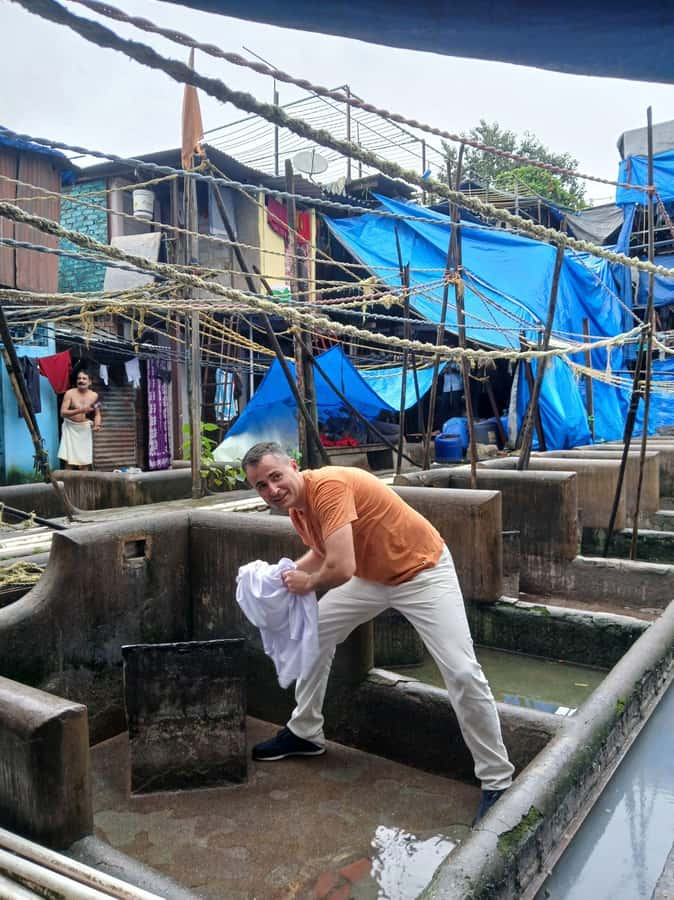
Review · 2-HOUR EXPERIENCES
Mumbai: 2 Hours Markets And Temple Tour
Mumbai’s market lanes tell you more about daily life than a polished sightseeing stop ever could. This two-hour tour takes you through Crawford Market, Mangaldas textile market, an old Hindu temple, and a cow shelter, with plenty of noise, color, religious activity, and local trade along the way.
I like the small price of $6, especially since taxi fare, bottled water, and chai are included. I also like the practical human touch: guides such as Shivam and Balajin help you make sense of places that can feel confusing on your own, and the experience includes time to feed cows at a sanctuary.
The main drawback is the meeting point. One large station proved difficult to navigate, and one guide moved too quickly for part of the tour. You should allow extra time to find the starting place and speak up if you need a slower explanation.
Key points at a glance

- Crawford Market’s old indoor halls: See one of Mumbai’s historic trading centers, with fruit, spices, chocolates, and dry goods.
- Mangaldas textile lanes: Browse the city’s oldest large textile market, where narrow lanes lead past fabric sellers and old buildings.
- Temple and cow shelter visit: Learn about Hindu customs, see devotees at prayer, and feed cows as a local act of good karma.
- Guides with a personal touch: Shivam and Balajin are named guides associated with the experience, both praised for kindness and clear local explanations.
- A short, low-cost introduction: Two hours gives you a useful taste of old Mumbai without taking over your whole day.
- Practical extras included: Taxi fare, bottled water, and a chai stop add value to the $6 cost.
Why these Mumbai markets are worth your time
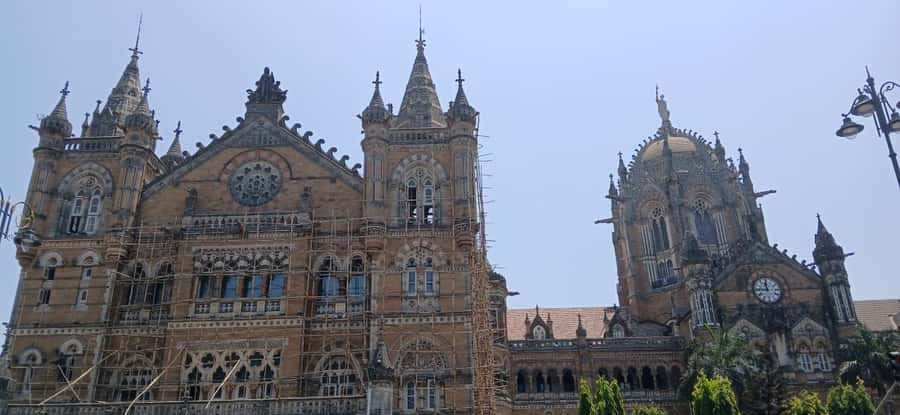
Mumbai’s old markets are not arranged like a tidy open-air attraction. They are working commercial districts, with shops packed close together and lanes full of people, goods, shrines, and passing traffic. That is exactly what makes this outing useful.
You get a direct look at how shopping works in the older part of the city. Vendors sell fruit, spices, dry fruits, chocolates, flowers, food, fabric, and traditional clothing. The markets are not just places to take pictures. They are places where Mumbai residents buy ordinary goods, conduct business, and maintain long-standing trade traditions.
I like that the tour focuses on narrow lanes rather than only pointing out famous buildings from a vehicle. Your guide can explain what you are seeing as you go, which matters when the surroundings seem crowded and fast-moving. Without context, a market visit can become a blur of stalls. With a guide, the small details have a better chance of making sense.
The experience is also short enough to fit around major Mumbai sights. If you have already visited the city’s best-known attractions, this offers a different view of Mumbai. If you are arriving for a brief stay, it gives you a compact introduction to local commerce and Hindu religious life.
More Two-Hour Tours in Mumbai:
- 2 Hour Historic Market Food Tour and Hands-On Biscuit Class
★ 5.0 · 251 reviews - 2-Hour Food, History and Street Art Tour of Ponce City Market
★ 5.0 · 159 reviews - Palermo in 2 hours Main monuments and historic markets
★ 5.0 · 136 reviews
Inside Crawford Market
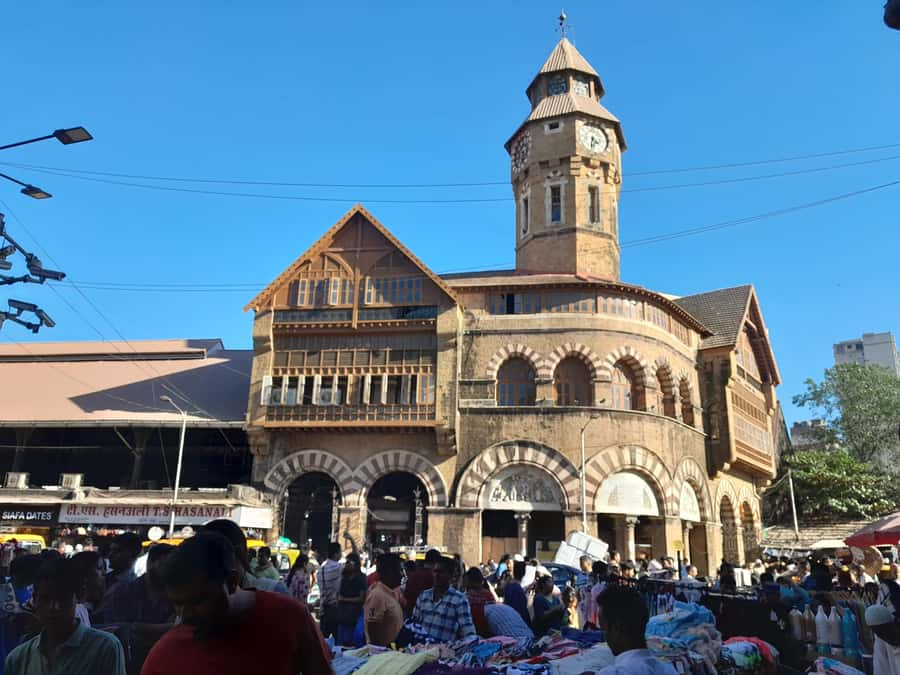
Crawford Market is described as Mumbai’s first indoor historical wholesale market. Its location in the center of the city puts you right into the pressure and movement of old Mumbai, rather than at a quiet cultural exhibit removed from daily life.
Expect to see stalls connected with fruit, spices, dry fruits, chocolates, and other food products. The market’s appeal is its working character. Goods move through the building, sellers call out from their stalls, and shoppers follow their own routines. You will likely find the setting crowded and noisy, so keep your belongings close and stay with the group.
Your guide’s explanation is especially useful here. The market is part of Mumbai’s story as a trading city, and the tour connects the physical stalls with the growth of the surrounding neighborhoods. You are not simply being shown where to shop. You are being shown why this area matters.
Do not expect a calm, slow stroll. Crawford Market can be hectic, and the two-hour schedule means the guide has to keep the group moving. If you want to stop for detailed shopping or photography, ask before falling behind. Personal purchases are not included, so any goods you buy are at your own cost.
Through Mangaldas textile market
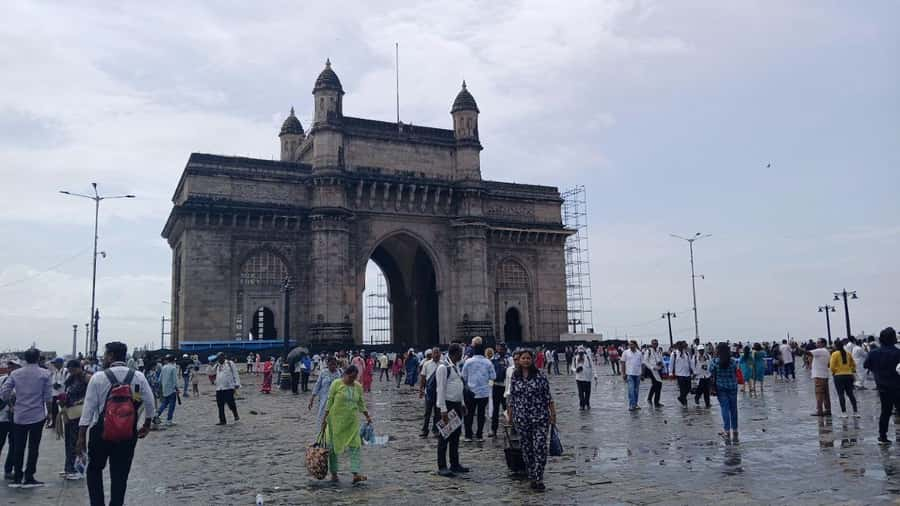
Mangaldas is the textile portion of the outing, and it changes the focus from food and household goods to fabric. It is described as Mumbai’s oldest and largest indoor textile market, with a strong reputation for its wide selection of cloth.
The route takes you through narrow lanes where shops sit beside old buildings and temples. Fabric is the main attraction, but the setting is just as interesting as the products. This is the kind of market where the city’s commercial life and religious life share the same few streets.
I would treat this stop as a chance to observe first, shop second. The tour is not designed as a private buying appointment, and the guide’s role is to help you understand the market. You may see traditional Indian clothing and colorful fabric, but you should not assume that every stall is set up for casual browsing.
One particularly useful detail is the absence of sales pressure. The experience is not presented as a shopping circuit, and there is no stated requirement to buy anything. That is important in a market district where a visitor may worry about inflated prices or commission-based stops. You can look, ask questions, and move on.
Hindu culture beside the market lanes
The temple visit adds a different layer to the market route. The tour takes you to one of Mumbai’s oldest Hindu temples, where you can learn about Hindu culture, the gods and goddesses represented in local religious life, and the role of devotees who come to pray.
The setting matters. These temples are not isolated from the city around them. They appear beside old buildings, shopfronts, market lanes, and everyday street activity. You may see flowers for sale, traditional clothing, food stalls, and people making their way to worship.
Your guide can help explain the symbols and customs, but remember that this is an active place of worship. Keep your voice low, follow any instructions given at the temple, and be considerate around people who are praying. The supplied information does not state a required dress code or photography rule, so ask before taking pictures inside.
I like this part of the tour because it prevents the market visit from becoming only a shopping story. Mumbai’s streets show commerce and faith operating side by side. In a short period, you see what people buy, what they offer, and how religious practice fits into ordinary city life.
A few more market tours around Mumbai worth a look
- Mumbai: Street Food and Night Markets Tour
★ 4.9 · 719 reviews - Mumbai Street Food & Night Markets
★ 5.0 · 225 reviews - Mumbai Street Food and Evening Bazaar Tour
★ 5.0 · 172 reviews - Mumbai Morning Market Tour of Flowers, Fish, and More
★ 5.0 · 100 reviews
Feeding cows at the sanctuary
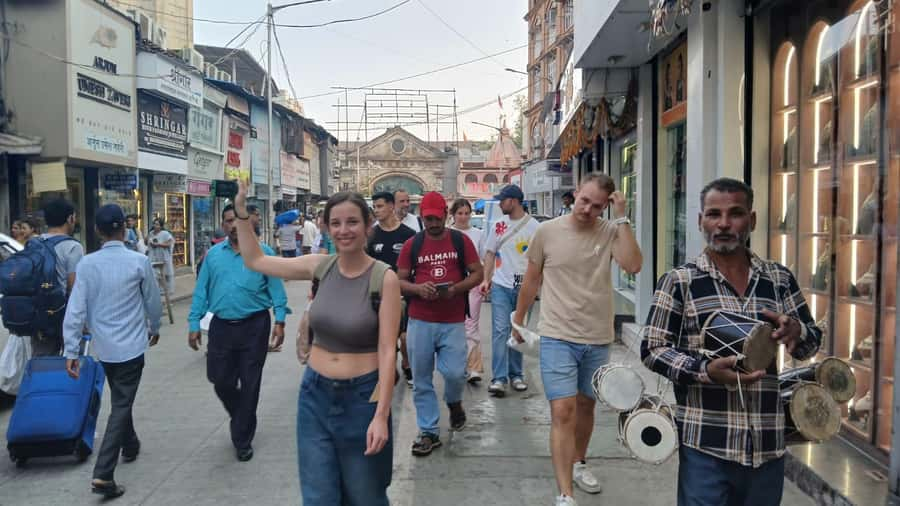
The cow shelter is the most unusual stop and probably the one you are least likely to find on your own. Here, you can join local people in feeding cows, an act connected with the idea of gaining good karma.
This is not a wildlife encounter or a farm visit. It is a cultural stop tied to Hindu beliefs and local religious practice. Your guide can explain why cows are treated with respect and how the shelter fits into that tradition.
For many people, this will be the most memorable part of the experience because it is hands-on without being a staged performance. You are not simply watching a ceremony from the edge. You have the chance to take part in a small custom under local guidance.
Use common sense around the animals. Follow the shelter’s instructions, approach carefully, and wash or sanitize your hands afterward if possible. The tour information does not provide details about the food supplied or the exact conditions at the shelter, so let the guide direct you.
How the guides shape the experience
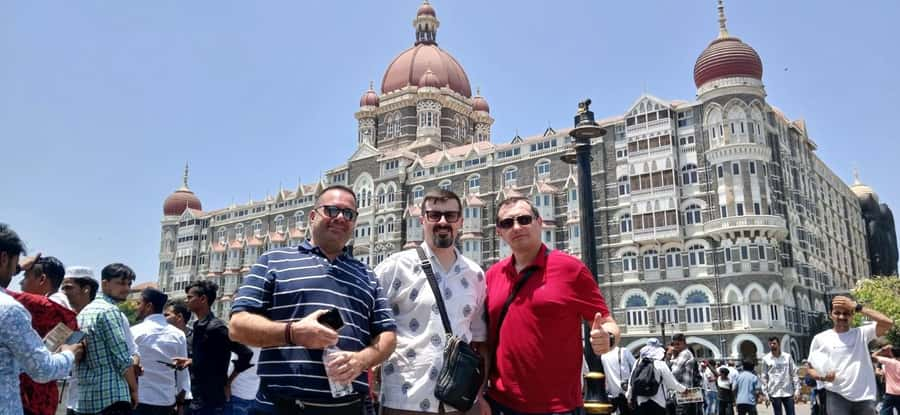
The guide can make or break a tour through markets. The streets are crowded, the meeting point may be unclear, and the route includes several different kinds of places. A good guide keeps the group together and explains what you are seeing without turning every stop into a lecture.
Shivam is specifically associated with this experience, and his work was praised for friendly service, local explanations, and avoiding pressure to buy. That last point matters. In commercial parts of Mumbai, you want a guide who shows you the markets without treating you as a sales opportunity.
Balajin is another named guide connected with the experience. His approach was described as kind and unhurried, with extra places and explanations added along the way. Your actual guide may vary, but these names give you a sense of the service style to look for.
There is one important qualification. One participant found the guide hard to locate at the starting station and felt that some explanations came too quickly. If you are unsure where to wait, contact the guide or activity provider as soon as you arrive. Once the tour begins, tell the guide if you need more time for a translation, photograph, or explanation.
Getting around during the two hours
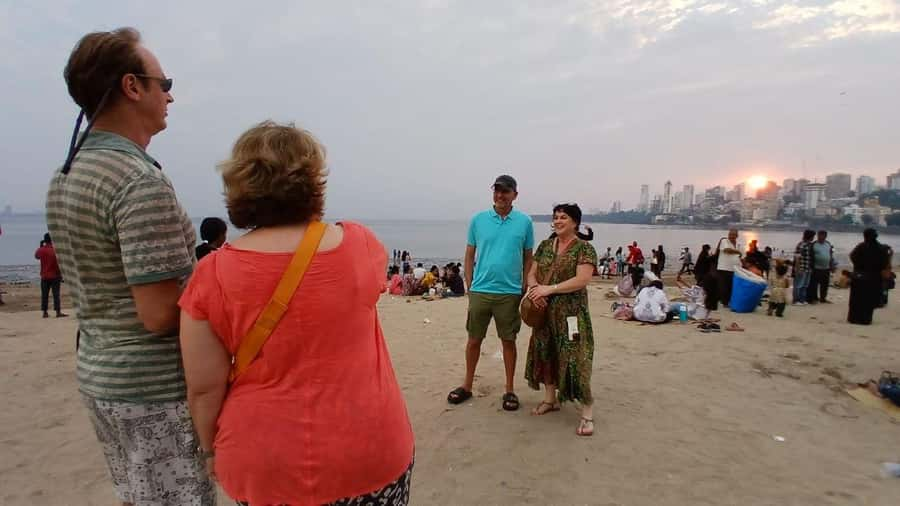
The exact meeting point can vary according to the option you book, and the activity ends back at the meeting point. That return arrangement makes the outing easier to fit into a day of sightseeing, but you still need to check the start details carefully before setting out.
Taxi fare is included in the tour details. One account of the route describes taking a public bus to Crawford Market, so the transport used may depend on the guide, traffic, or the selected option. Either way, transport is part of the experience rather than something you have to arrange for each segment.
A large station can be confusing, especially if you are unfamiliar with Mumbai. Do not arrive at the last second. Give yourself extra time, look for the guide, and keep the guide’s contact details available if provided during booking.
The route involves market lanes and active streets, so comfortable footwear is sensible. A hat, sunscreen, water, and a camera are recommended. Bottled water is included, but carrying your own water is still useful in warm weather.
What the $6 price really buys you
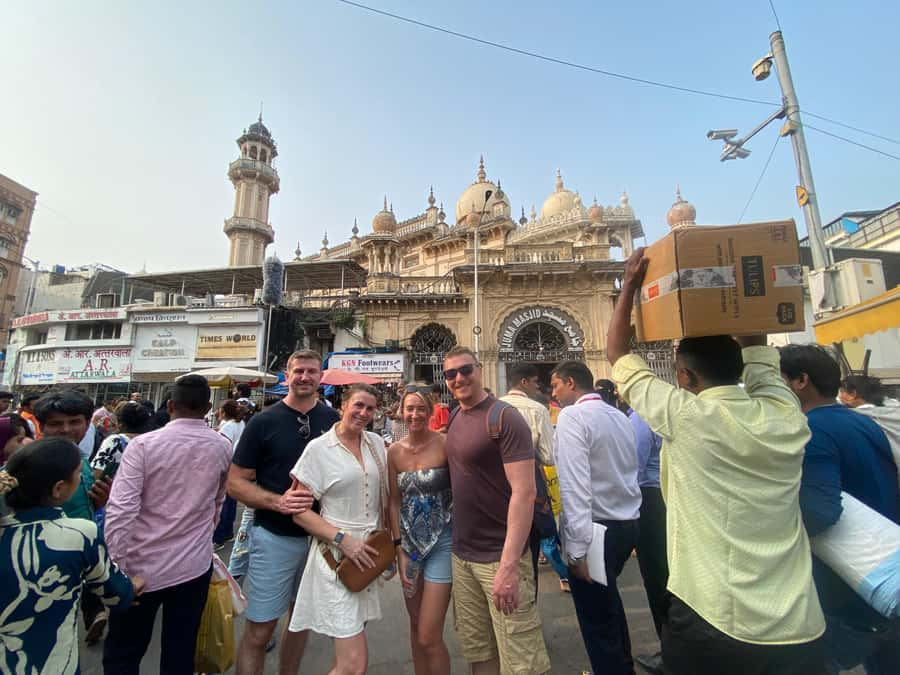
At $6 per person, this is one of the more affordable guided cultural outings you can add to a Mumbai schedule. The value is not in a long list of formal attractions. It comes from having someone lead you through places that can be difficult to interpret independently.
You receive an English-speaking guide, taxi fare, bottled water, and a stop for chai. The drink stop is a small feature, but it gives the two-hour route a useful pause and lets you experience one of India’s everyday habits rather than rushing from landmark to landmark.
Personal purchases and a tip are not included. You should also remember that the tour is an introduction, not a full market-shopping day. If you want to compare fabric prices, purchase spices, or spend time bargaining, you will need to return on your own or set aside another part of your itinerary.
The low price also means you should keep expectations realistic. Group pacing may be brisk, and the route may not pause at every stall. For a short orientation to the markets, temples, and cow shelter, the cost is strong. For a private, slow-paced shopping tour, it may not be the right format.
Who should book this market and temple tour?

I would choose this experience if you want to see ordinary city life and have only a short window. It suits first-time visitors who want help with the older market districts, as well as repeat visitors looking for a less polished side of Mumbai.
It is a good match for people interested in Hindu customs, food markets, textiles, and street-level history. The cow shelter also makes it appealing if you want a cultural activity that involves participation rather than only sightseeing.
You may want to skip it if you dislike crowds, narrow lanes, quick walking, or active religious settings. It is also not ideal if your main goal is serious shopping, since the tour gives you an overview rather than dedicated buying time.
The experience is offered in English. The cancellation terms allow a full refund when you cancel at least 24 hours ahead, and the reserve-now, pay-later option can help if your Mumbai plans are still shifting.
Should you book it?
Book this tour if you want a cheap, guided introduction to old Mumbai’s markets and Hindu culture. The strongest reasons are the helpful local route, the lack of shopping pressure, the temple and cow shelter visits, and the useful extras included in the price.
Before booking, confirm the exact meeting point and leave extra time for a large station. Once you meet the guide, ask for a slower pace if needed. With those precautions, this short outing gives you a genuine look at Mumbai’s working markets and religious life for very little money.
FAQ
How long does the Mumbai markets and temple tour last?
The tour lasts two hours.
What places are included?
The experience includes Crawford Market, Mangaldas textile market, an old Hindu temple, and a cow shelter.
Can I feed the cows?
Yes. The tour includes the opportunity to feed cows at the shelter as part of a local custom associated with good karma.
Is transportation included?
Yes. Taxi fare is included in the tour details. One described route used a public bus to Crawford Market, so the transport arrangement may vary.
Is chai included?
Yes. The tour includes a stop for chai, or tea.
Is bottled water provided?
Yes. Bottled water is included.
Is shopping required?
No. Personal purchases are not included, and you are not required to buy anything. The tour is intended to show you the markets and explain their role in Mumbai.
What language is the tour offered in?
The tour is offered in English.
Where does the tour finish?
The activity ends back at the meeting point. The exact starting point may vary according to the option booked.
Just added around Mumbai
- Mumbai: Local Markets & Temples Tour★ 4.6 · 45 reviews
- Night Tour: Mumbai’s Nights & Buzzing Bazaars★ 5.0 · 7 reviews
- Mumbai Market Tour★ 4.6 · 12 reviews
- Mumbai Market and Temple Tour With Cow Shelter Visit★ 4.3 · 3 reviews
- Mumbai Morning Market Tour of Flowers, Fish, and More★ 5.0 · 100 reviews
- Mumbai: Magical Markets Tour★ 4.5 · 23 reviews
- Mumbai: Evening Street Food Tasting & Cultural Market Tour★ 4.7 · 11 reviews
- Mumbai:Dhobi Ghat Laundry,Dharavi Slum & Flower market Tour★ 5.0 · 12 reviews
2-Hour Experiences, compared.
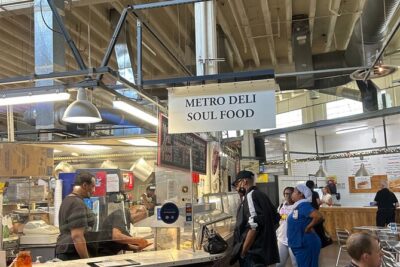
2 Hour Historic Market Food Tour and Hands-On Biscuit Class
Read our review →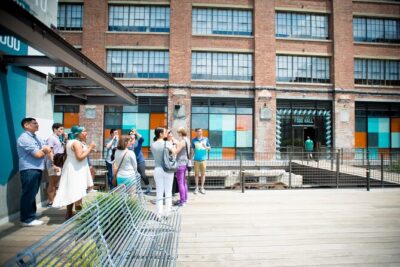
2-Hour Food, History and Street Art Tour of Ponce City Market
Read our review →
Palermo in 2 hours Main monuments and historic markets
Read our review →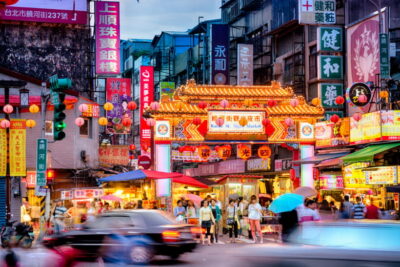
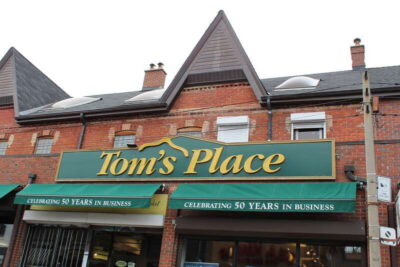
Toronto: 2-Hour Kensington Market Chinatown Walking Tour
Read our review →
Memorable Daily KIBERA Slums/Toi Market Tour with Locals (2 hours)
Read our review →
Tel Aviv: 2-Hour Carmel Market Tour in English with Lunch
Read our review →
2-Hour Aligre Market Walking Food Tour & Tasting
Read our review →Browse the lists this tour appears in