
Review · MARRAKECH MARKET TOURS
Marrakech Guided Souks Tour with a Local Insider
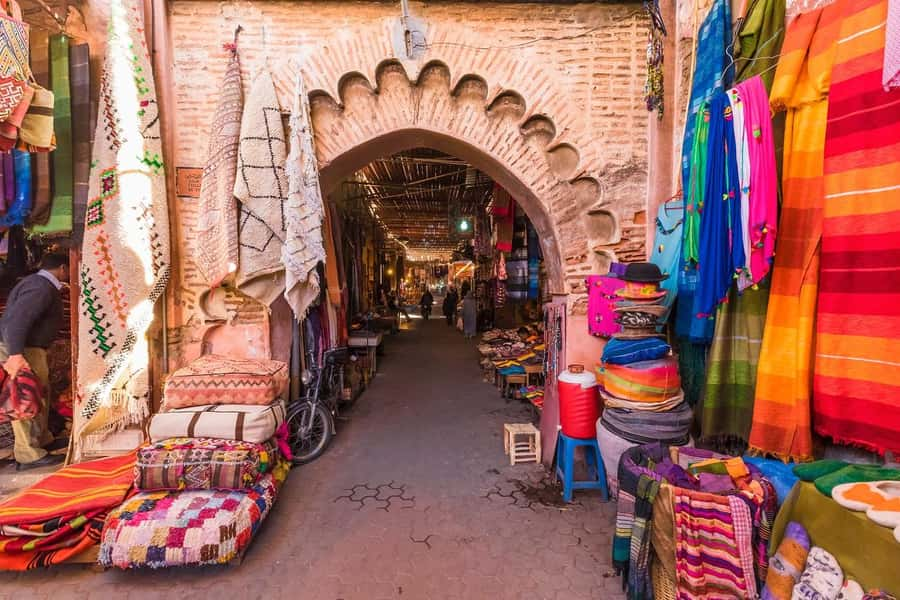
Marrakech’s souks are easier to enjoy once you understand their logic. This three-hour walk takes you beyond the obvious shopping lanes into foundouks, former merchant inns, and workshops where leather, wool, metal, wood, spices, and textiles are still part of daily trade. Guides such as Mohammed, Mo, Abdel, and Charif are known for explaining the medina from personal experience, including how to move through it without losing your bearings.
I like the tour’s practical side: you learn how to bargain without being rude, and you get help judging where to shop for leather, carpets, copper, silver, clothes, and spices. I also like the access to lesser-known craft areas, where you can see artisans at work instead of simply passing rows of finished goods.
The main caution is that shopping is woven into the route. That is useful if you want to buy something, but the stops can feel sales-oriented if you are determined to leave the souks empty-handed.
Key points to know before you book
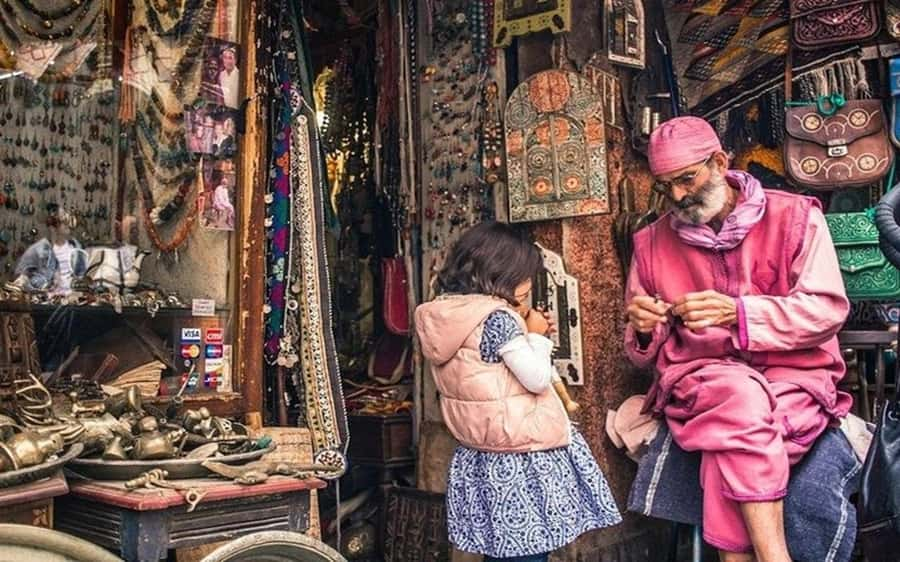
- Three hours in the medina: A useful first look at Marrakech’s souks, craft quarters, alleys, and historic foundouks.
- Local guides with personal ties: Some guides grew up inside the medina and can explain ordinary life as well as the city’s past.
- Strong shopping help: You get advice on bargaining, craftsmanship, and where to look for leather, wool, metalwork, wood, textiles, and spices.
- Private or shared options: A private group gives you more control over pace, questions, and shopping interests.
- Café de France meeting point: The tour begins in front of the café on Jemaa el-Fnaa, making it easy to locate in the old city.
- A good first-day activity: The orientation can make later solo wandering much less confusing.
Why a guide helps in Marrakech’s souks
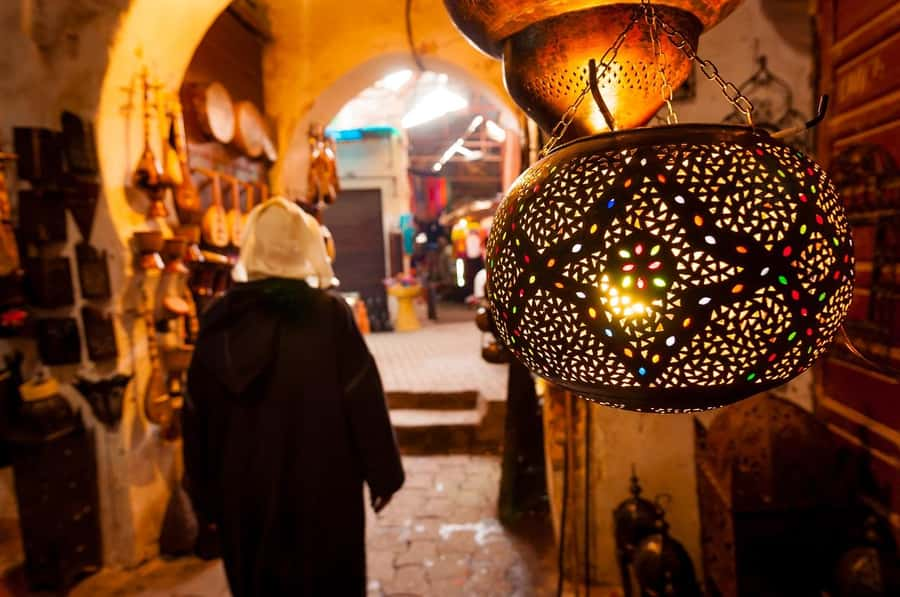
The Marrakech medina is not a simple market street. It is a working town with lanes devoted to particular trades, small workshops tucked behind plain doors, storage areas, food stalls, old homes, and passageways that can look almost identical to a newcomer.
A guide gives you a map in your head. You learn that the souks are organized by craft, with different sections linked by narrow lanes and busier shopping routes. Instead of seeing an endless blur of lamps, rugs, slippers, spices, and sales pitches, you begin to understand how the market functions.
That context matters. The value of this tour is not only finding a shop. It is learning why one lane smells of leather, why another is filled with metalwork, and how traditional trades fit into life in the medina.
The strongest guides also add a human layer. Mohammed, who grew up in the medina, has been praised for explaining local life from firsthand experience. Abdel has been described as especially helpful for showing how to navigate the souks, while Charif has taken visitors through areas connected with leather trading and wool dyeing.
Guide assignments can vary, so you should not book on the assumption that one particular person will lead your walk. Still, the repeated pattern is clear: this tour works best when the guide treats the souks as a living neighborhood rather than a string of shops.
More Guided Market Trips in Marrakesh:
- Marrakech: Colorful Medina Souks Guided Walking Tour
★ 4.7 · 2,470 reviews - Marrakech: Monuments, Souks and Medina Guided Walking Tour
★ 4.8 · 208 reviews - Marrakech: Hidden Souks Shopping Tour with Private Guide
★ 4.1 · 53 reviews
Starting at Café de France and Jemaa el-Fnaa
The meeting point is in front of Café de France, on the main square of Jemaa el-Fnaa. This is a practical place to begin because the square is one of the easiest landmarks to find in the medina.
Your guide introduces the route before leading you away from the open square and into the tighter lanes. The change is quick. Jemaa el-Fnaa gives you room to orient yourself, while the souks soon demand more attention as scooters, handcarts, shoppers, and sellers share the same narrow space.
The meeting point is also useful if you are staying near the central medina. If you select an option with hotel pickup, pickup may be available, but it is not included in every booking. Check the selected option carefully, since hotel pickup and drop-off can carry separate conditions.
Souk Semmarine and the craft quarters
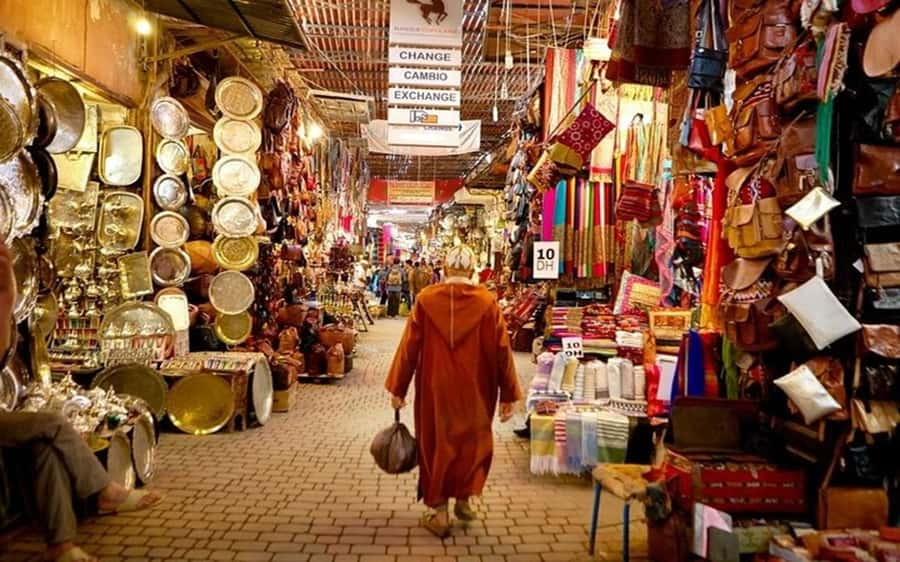
Souk Semmarine is the main shopping spine of the route. It is where you will see the classic Marrakech market scene: tightly packed shops, colorful goods, constant movement, and plenty of opportunities to stop and browse.
This is the part of the tour most likely to appeal to you if you are shopping. The guide can explain where to look for particular goods and help you compare workmanship. You may be shown areas connected with leather, wool, wood, copper, silver, clothing, spices, and traditional tools.
The useful distinction is between seeing an item and understanding what you are buying. A guide can point out the difference between handmade and more heavily processed goods, explain common bargaining customs, and suggest how to approach a purchase without rushing into it.
You should still make your own decisions. The guide’s help is valuable, but this is not an independent shopping service or a guarantee that every recommended shop will suit your taste or budget. Take your time, ask questions, and compare before agreeing to a price.
The souks are active workplaces, not just a display for visitors. Watch where you step, leave room for people carrying goods, and keep your attention on the traffic around you. Comfortable shoes and a willingness to walk slowly will make the route easier.
Foundouks and the older commercial city
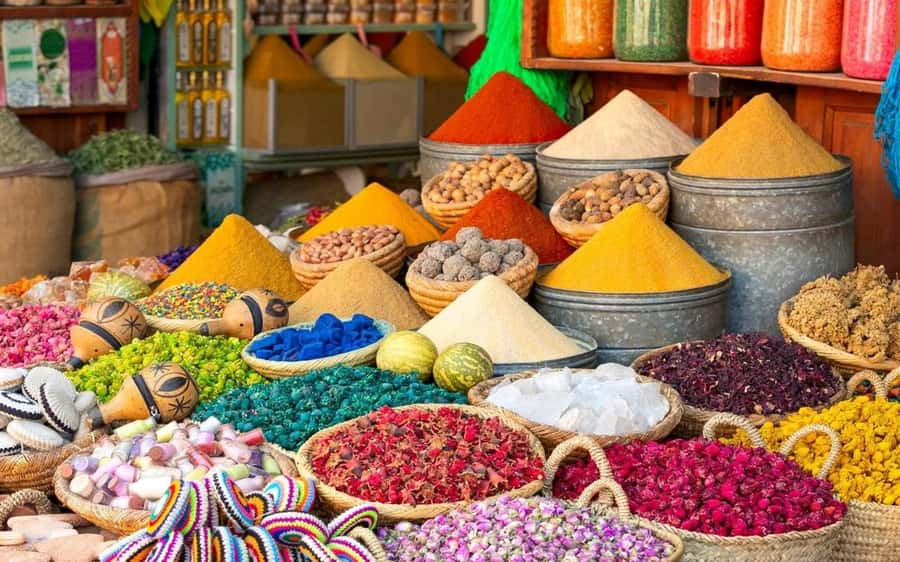
One of the most worthwhile parts of the walk is the visit to historic foundouks. These buildings once offered lodging and storage for merchants arriving from other regions. They help explain how Marrakech connected traders, craftspeople, and customers long before modern hotels or delivery systems.
Foundouks can be easy to miss if you are wandering alone. From the street, an entrance may look ordinary. Inside, the layout gives you a sense of the old commercial system, with spaces arranged around shared areas for merchants, animals, goods, and trade.
This is where the tour moves beyond shopping. You begin to see the medina as a place shaped by movement and work. Goods came in, materials were transformed, and finished products moved back out through the same network of lanes.
The exact foundouk or craft space can depend on the guide and the day’s route. That flexibility is useful because the guide can respond to your interests, but it also means the experience is not a fixed museum-style tour with a guaranteed list of rooms.
A few more market tours around Marrakesh worth a look
- Marrakech: Bahia Palace, Saadian Tombs, Souk and Medina Tour
★ 4.7 · 4,974 reviews - Marrakech: Ben Youssef, Secret Garden, & Souks Walking Tour
★ 4.6 · 2,802 reviews - Marrakech: Traditional Moroccan Cooking Class & Market Visit
★ 4.8 · 1,861 reviews - Marrakech Monuments & Souks 3-Hour Tour
★ 3.8 · 1,540 reviews
Souk Cherifia and quieter corners
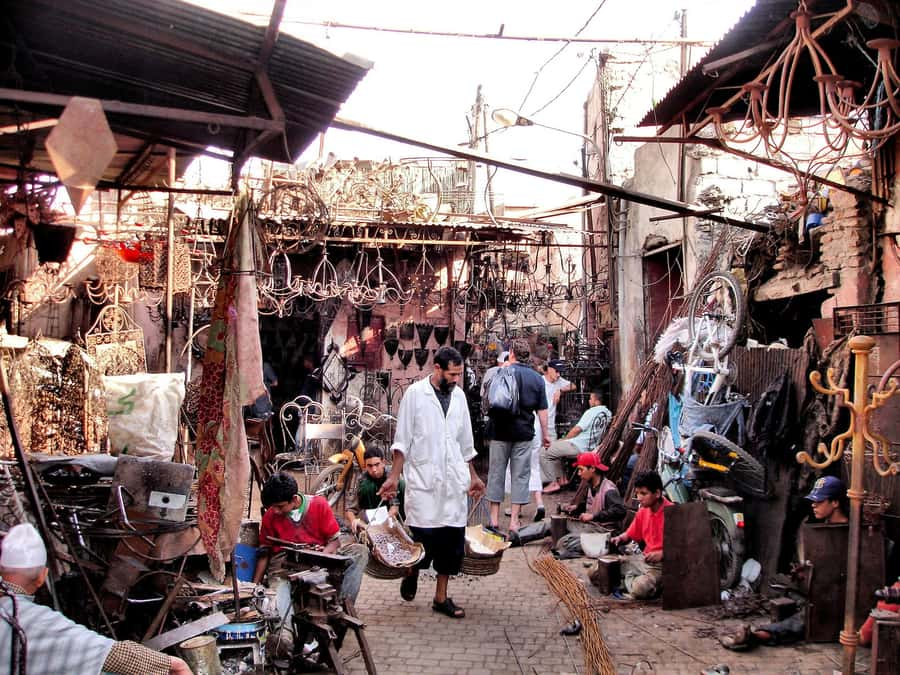
The route also includes Souk Cherifia, another place to see craft and commerce away from the main flow of Souk Semmarine. Here, the pace may feel less compressed, giving you more room to look at workshops and ask questions.
Several guides have taken groups into lanes that are difficult to locate without local help. That is a major reason to book this early in your Marrakech stay. Once you learn the basic layout, you can return to the areas that interest you and spend less time circling the same few streets.
The quieter passages can also reveal a different side of the medina. You may see artisans working with leather, wool, wood, or metal, rather than only finished goods arranged for sale. Some visitors have also been introduced to merchants who were more interested in showing their craft than pushing a purchase.
That said, you should expect commercial stops. If you are not buying, say so clearly and politely. One direct account of the tour found the repeated sales suggestions tiring, even though the guide accepted a firm refusal. This is an important distinction: the shopping element is not necessarily aggressive, but it is part of the structure.
History, food, and daily life in the medina
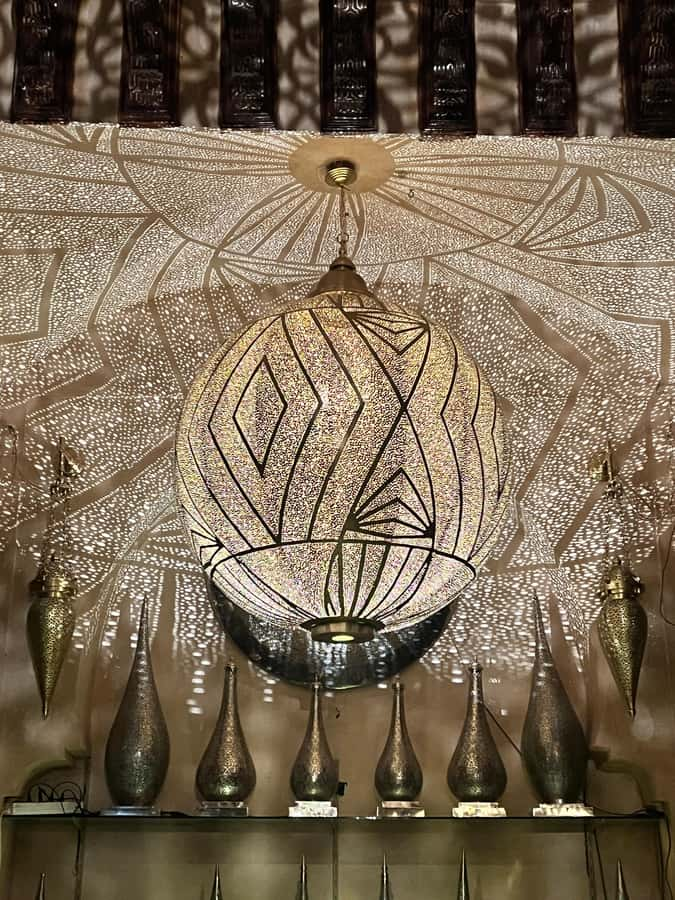
The guide’s commentary is not limited to products. You can ask about Marrakech’s development from the 12th century onward, local customs, Berber culture, and daily life inside the old city.
The route can also touch on food. Depending on the guide and your interests, you might stop at places associated with local snacks or traditional drinks. Some groups have sampled olives, tea, or coffee prepared with heated sand, and one private outing included lamb kebabs, bread, and beans.
These food moments are not guaranteed inclusions, and food and drinks are not part of the tour price. Treat them as possible extras rather than promised stops. If you want to eat, bring money and ask your guide what is available and how much it costs before ordering.
This flexible approach is one of the tour’s strengths. Mohammed, Mo, and other guides have adapted routes for people interested in food, carpets, architecture, or specific crafts. A private group gives you the clearest chance to shape the walk around those interests.
How the shopping advice works
The souks are a place for bargaining, but the process is easier when you understand the tone. Your guide can explain when bargaining is expected, how to make a reasonable opening offer, and when to stop negotiating.
You can also ask for help locating a particular item. One guide helped a visitor find a carpet, while others assisted with leather, wood, copper, silver, clothing, and spices. This is especially useful if you have limited time and do not want to inspect every shop in the medina.
Still, do not confuse guidance with a price guarantee. The tour can help you avoid obvious mistakes and make more informed choices, but you remain responsible for checking quality, agreeing on the final price, and deciding if an item is right for you.
I would tell you to make a short list before the tour. If you want a leather bag, rug, spice set, or piece of metalwork, say so at the start. If you only want to understand the souks, say that too. Clear expectations make it easier for the guide to balance craft visits, history, and shopping.
Private or shared: which option fits you?
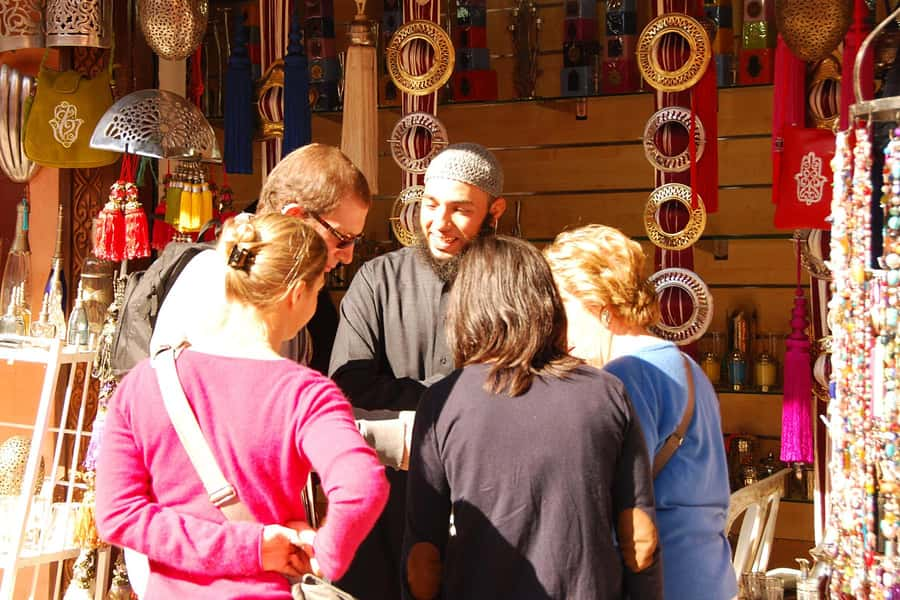
The private option is the better choice if you have a clear shopping list, want to ask many questions, or prefer to set the pace. Private groups have more room to adjust the route and spend extra time in areas that interest you.
A private walk can also be useful for families or small groups with mixed goals. One person can focus on architecture, another on food, and another on shopping without forcing the whole group into a fixed pattern.
The shared option is the better value if you mainly want orientation and a general introduction. At $19 per person, the tour is inexpensive for three hours with a local guide, especially if you use the advice later to explore on your own.
The tradeoff is flexibility. A shared group may spend time on stops that do not match your priorities. If you already know you want a carpet, leather, or metalwork focus, the private option may save time even if it costs more.
Timing, language, and practical details
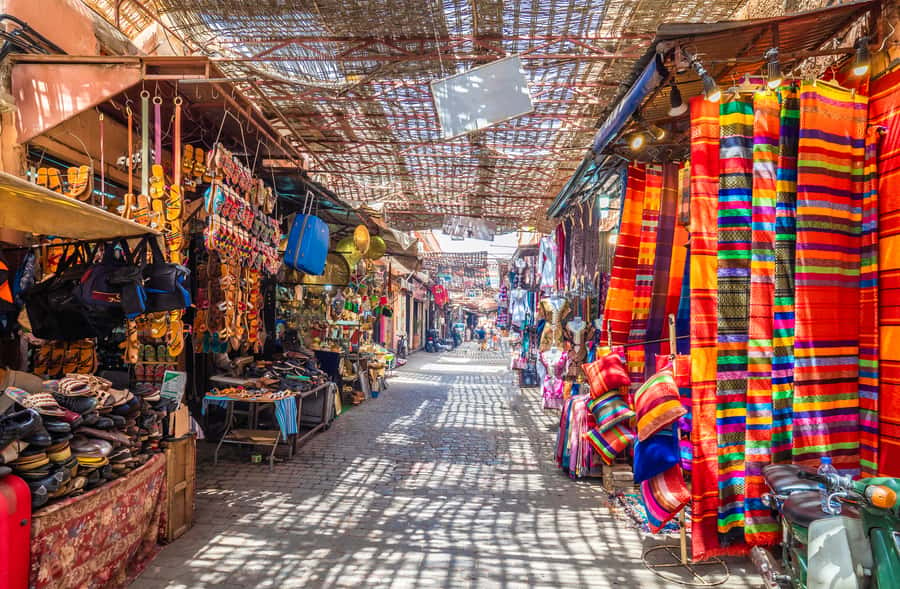
The advertised duration is three hours. That is enough for a solid introduction, but not enough to understand every quarter of the medina or shop at leisure in every craft area.
The tour is conducted in English or French. Confirm your preferred language when booking. The route is on foot, with time in narrow lanes and market areas, so wear shoes suited to walking and keep your hands free where possible.
The tour does not include food or drinks. Hotel pickup and drop-off are available only if you select an option that includes them. Otherwise, meet at Café de France and return arrangements are handled around the central medina, with drop-off listed at Marrakesh or Hôtel Restaurant Café de France.
You can cancel up to 24 hours before the activity for a full refund, and the reserve-now, pay-later option lets you hold a place without paying immediately. Starting times depend on availability.
The overall rating is 4.6 from 109 reviews, which fits the experience’s main strength: clear orientation, personal local insight, and useful shopping help. The one recurring concern to keep in mind is the commercial side of the route.
Who will get the most from this tour?
I would recommend it early in your stay, especially if the medina feels confusing or if you plan to shop. The guide can help you understand the street pattern before you return alone, and the bargaining advice is more useful when you still have several days left to browse.
It suits first-time visitors, shoppers who want help judging crafts, and anyone interested in how the old city works. It is also a good match for people who prefer local stories and working neighborhoods over a formal museum visit.
You may want to skip it if you strongly dislike entering shops or do not want any sales discussion. The tour is not only a history walk. Shopping and artisan visits are part of its appeal, and they may not suit someone who wants to keep moving without commercial stops.
Should you book the Marrakech souks tour?
Book it if you want a practical introduction to the medina and plan to return to the souks on your own. The $19 price is strong value for three hours of orientation, local context, and shopping advice, particularly if you choose the shared option and use the walk as a first-day lesson.
Choose the private version if you want a carpet, leather, spice, metalwork, or food-focused route, or if you want more time with the guide. If you are not shopping, state that at the beginning and ask for more history, foundouks, architecture, and daily-life stories.
This is not a quiet stroll. It is a working market walk with sales pitches, tight lanes, and plenty of movement. If you accept that tradeoff, the tour can turn Marrakech’s confusing souks into a place you can read, understand, and enjoy.
FAQ
Where does the tour meet?
The meeting point is in front of Café de France on Jemaa el-Fnaa, in the heart of the Marrakech medina.
How long does the tour last?
The advertised duration is three hours.
What languages are available?
The live guide is available in English or French.
Is the tour private or shared?
You can choose a shared group or a private group, depending on the option selected when booking.
Is hotel pickup included?
Hotel pickup is available only with selected options. Hotel pickup and drop-off are not included in every booking, so check the option details.
What does the tour include?
The tour includes an expert local guide and a walking route through the souks, medina, craft areas, and historic foundouks. Food and drinks are not included.
Can I get help with shopping?
Yes. The guide can offer advice on bargaining, local customs, authentic handmade goods, and where to look for items such as leather, carpets, wood, copper, silver, clothes, and spices.
Can I cancel the booking?
Yes. You can cancel up to 24 hours in advance for a full refund. The reserve-now, pay-later option is also available.
Just added around Marrakesh
- Souks tour of Marrakech ( 3 hours )★ 5.0 · 5 reviews
- Marrakech: Hidden Souks Shopping Tour with Private Guide★ 4.1 · 53 reviews
- Edgy 8 Dish Private, Fusion Cooking Class, Menu Plan, Market★ 4.9 · 31 reviews
- Marrakech: Half-Day Medina Markets Tour★ 4.5 · 11 reviews
- Marrakech: Private Souks Tour with Tea and Traditional Snack★ 4.6 · 33 reviews
- Marrakech: Vibrant Souks, Local Artisans & Medina Experience★ 4.5 · 66 reviews
- Marrakesh: Private Cooking Class & Local Market Shopping★ 4.7 · 15 reviews
- Marrakech Private Souks Shopping Tour★ 4.4 · 4 reviews
Marrakech Market Tours, compared.
Bahia Palace, Saadian Tombs, Souk and Medina Tour
Read our review →
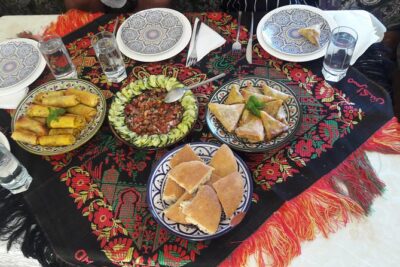
Moroccan Cooking Class & Marrakech Market Visit with Chef Khmisa
Read our review →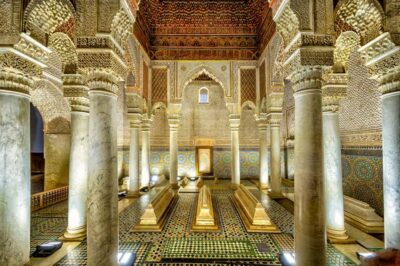
Saadian Tombs, Bahia Palace, Medina and Souk Tour
Read our review →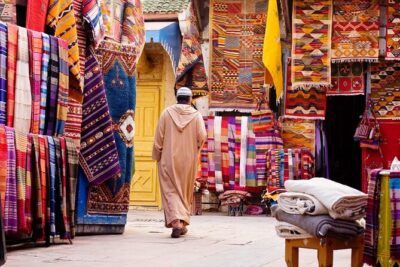
Shopping in the Souks of Marrakech Private Tour
Read our review →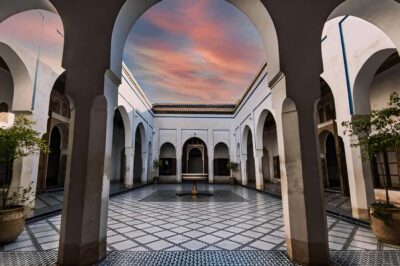
Bahia Palace, Ben Youssef Medersa, & Souks Tour
Read our review →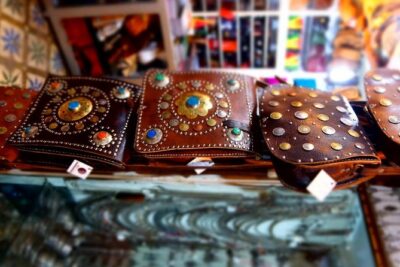
Browse the lists this tour appears in