
Review · STREET FOOD MARKET TOURS
Lima: Food Tour on Local Market
Lima’s best introduction may come one bite at a time. This three-hour walk starts at Jr. Cusco 400 and threads through Barrios Altos, Chinatown, Central Market, and several local food stops. You taste nine Peruvian snacks, from ceviche and papa rellena to anticuchos, picarones, and lucuma juice.
I like the way the tour links food with Lima’s Chinese-Peruvian culture, rather than treating each snack as an isolated sample. I also like the generous variety: fish, potatoes, grilled meat, fruit, sweets, and drinks all make an appearance. The main drawback is that the route involves walking through busy central-city streets, and the three-hour schedule can feel full if you want a slow look at every market stall.
Key points at a glance
- Nine tastings in one morning or afternoon: Try a wide range of Peruvian food without ordering full meals at each stop.
- Barrios Altos sets the scene: Begin with local snacks such as choclo con queso and papa rellena before moving into the market district.
- Chinatown adds the cultural link: Taste siu mai and min pao while learning how Chinese cooking shaped Peruvian food.
- Central Market brings the ingredients to life: Look for spices, produce, fruit drinks, anticuchos, and picarones in one compact food-focused visit.
- A guide makes the difference: Guides speak English or Spanish, and Giovanna is specifically noted for her warm manner and clear explanations.
- Good value for dedicated food explorers: At $75, the price makes the most sense if you plan to sample broadly and want the food, guide, and cultural context handled together.
Starting in Barrios Altos with choclo con queso
Meet at Jr. Cusco 400, then set off through Barrios Altos. This is a useful starting point because the tour begins with ordinary local food rather than a polished restaurant setting. You get an early look at how snacks fit into daily life in central Lima.
The first tastes include choclo con queso, corn with cheese, and papa rellena, a stuffed potato preparation. These are filling foods, so take small bites and pace yourself. You have plenty more ahead.
The walk through Barrios Altos also gives your guide room to explain the older streets and the way food sellers serve people moving through the city. The route is not only a chain of tastings. It is meant to show you the connection between markets, sidewalks, neighborhood routines, and Lima’s appetite.
You should wear comfortable shoes. The tour covers several areas on foot, and the value comes partly from moving between them rather than sitting in one restaurant. If you prefer a short, seated tasting menu, this is not that kind of outing.
More Farmers Market Tours in Peru:
- Cusco: Peruvian Cooking Class, Cocktails & Local Market Tour
★ 4.9 · 512 reviews - Full Day Lima: Local Market+ CityTour+ Barranco & Miraflores
★ 5.0 · 3 reviews - Hanoi Cooking Class: Culture, Local Market & Meaning CSR Impact
★ 5.0 · 5,147 reviews
Ceviche in the middle of Lima
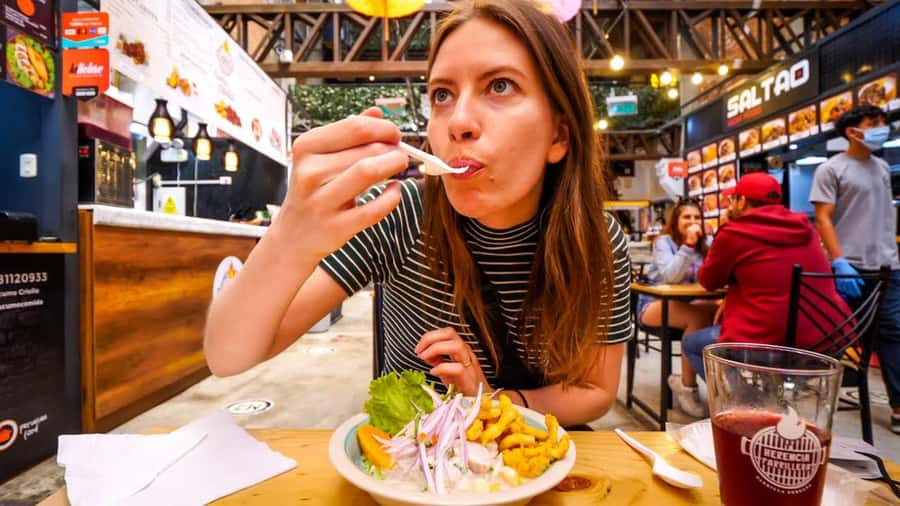
A stop for fresh ceviche follows the Barrios Altos walk. Ceviche is one of Peru’s best-known dishes, but tasting it in this setting helps you understand it as a normal part of local food culture, not just a dish reserved for high-end dining rooms.
Expect a fresh, sharp preparation. Since the tour description does not specify the exact fish or recipe used that day, the dish may reflect what the vendor has available. That is part of the appeal of a market visit, but it also means the menu can be less predictable than a fixed restaurant meal.
If you have seafood concerns, ask before booking and remind the guide when the tour begins. The operator requests advance notice of dietary restrictions, but the available information does not promise substitutions for every requirement. The tour includes food, so this is not merely a walk past stalls with optional purchases.
Chinatown and Lima’s Chinese-Peruvian connection
The route continues into Lima’s Chinatown, where the food story broadens. Here, you taste siu mai and min pao while learning about Chinese influence on Peruvian society and cooking.
This is one of the tour’s most useful sections. Peru’s food culture is often presented through ceviche, potatoes, corn, and pisco, but Chinese-Peruvian cooking adds another important layer. The Chinatown stop helps you see that Lima’s cuisine grew through contact between different communities.
The samples are small, which matters because the tour keeps adding food. You are not choosing between a Chinese snack and a Peruvian one. You get both, then compare their flavors and ingredients as the guide explains the cultural exchange behind them.
For me, the Chinatown portion gives the tour more purpose than a simple market crawl. You are learning why Lima tastes the way it does. The guide’s explanations are central here, so this experience is best for you if you enjoy asking questions and making connections between food and history.
Central Market: fruit, spices, and street food
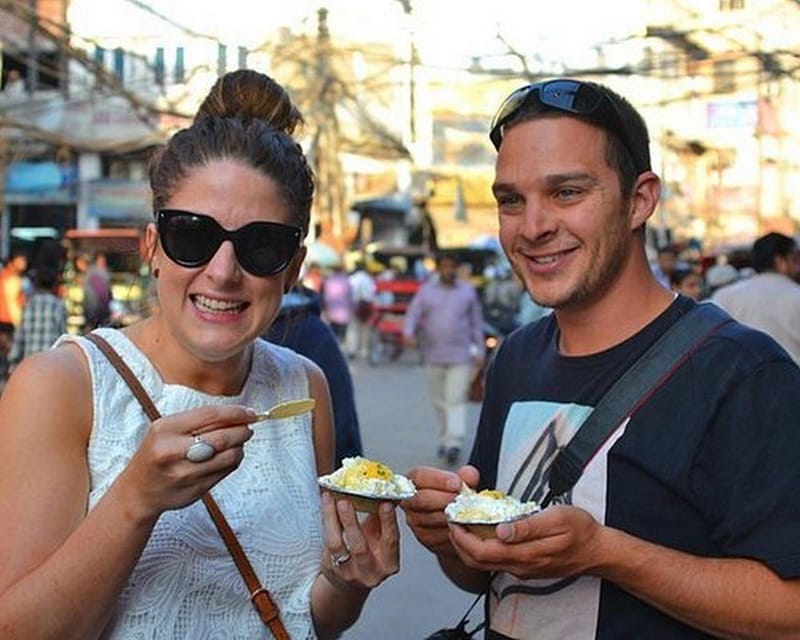
At Central Market, the setting changes from neighborhood streets to a concentrated food market. You can expect the smells of spices, produce, and prepared food, with the guide pointing out traditional ingredients and explaining how they are used.
A lucuma juice is one of the featured tastings. Lucuma is a Peruvian fruit with a distinctive sweet flavor, and the juice gives you a quick introduction without asking you to commit to a full serving of something unfamiliar. The tour also includes seasonal exotic fruits later in the route, so fruit lovers have plenty to look forward to.
Central Market is also where the tour turns toward some of Peru’s more recognizable street foods. You sample anticuchos and picarones, two very different bites. Anticuchos are grilled skewers, while picarones are a traditional sweet. The contrast keeps the tasting lively and prevents the food from becoming one long parade of similar flavors.
You may also help prepare your own anticuchos. That small hands-on detail gives the stop more character than simply receiving a sample. It lets you see part of the preparation process, though the supplied information does not specify how much cooking you will do or how long the activity lasts.
A market can be noisy and crowded, and the pace may be brisk. Keep your belongings secure and stay close to the guide when crossing between stops. The tour is designed to keep moving, not to give you unlimited time at every vendor.
More Street Food Market Tours in Peru:
- Lima: Historic Center Street Food, Market, and Eateries Tour
★ 4.9 · 216 reviews - Lima Street Food Tour Beyond Netflix
★ 5.0 · 117 reviews - Dubai: Old Town, Creek, Museums, Souks, & Street Food Tour
★ 4.8 · 10,816 reviews - Dubai: Old Town, Souks, Street Food, Guided Tour & Abra Ride
★ 4.9 · 7,170 reviews
Pan con chicharrón and an emoliente at Chinitos
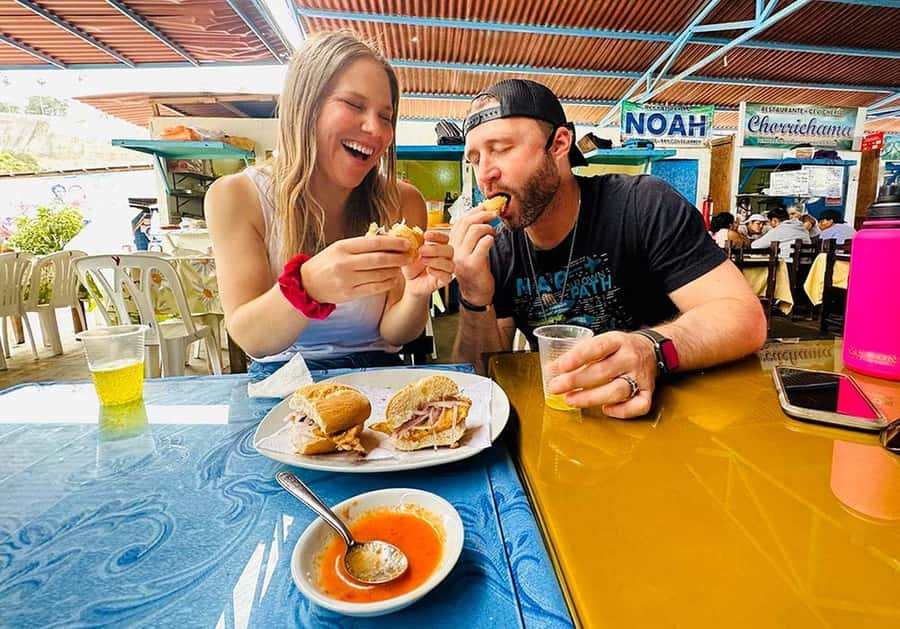
The food walk continues with a stop at Chinitos restaurant for pan con chicharrón and emoliente. This pairing is a good example of how the tour mixes well-known dishes with everyday drinks.
Pan con chicharrón is a substantial sandwich, so by this point you may be glad that the earlier portions are tasting-sized. Emoliente is a traditional warm drink often associated with street vendors. Together, they offer a filling and distinctly local pause in the route.
This stop also gives you a change of setting. The market samples are quick and informal, while Chinitos provides a more defined restaurant stop. The tour does not promise a long sit-down meal, so think of it as another tasting station rather than lunch with a menu.
If you plan to eat a large breakfast beforehand, reconsider. The operator specifically advises you not to eat much before the tour. That is practical advice, not a sales pitch. Nine tastings over three hours can add up quickly, especially with bread, grilled food, fruit drinks, sweets, and possible alcoholic drinks.
Ending at Bolivarsito with fruit and optional pisco
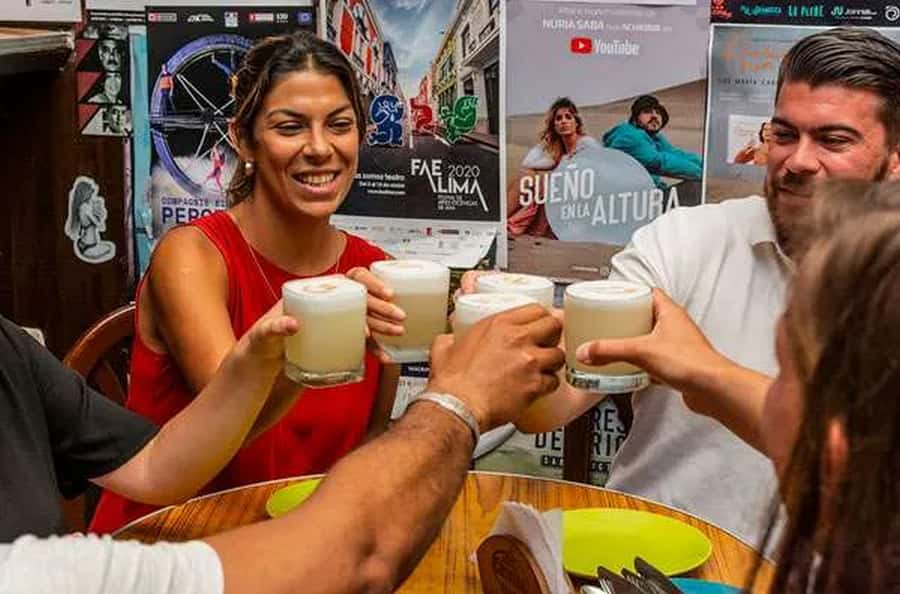
The final stop is Bolivarsito. Here, you can try seasonal exotic fruits and, if you choose, a Pisco Sour. The fruit tasting is part of the food route, while the Pisco Sour is optional and not included in the $75 price.
That extra charge is worth noting when you compare this tour with other food walks. The price covers the listed food tastings and a certified guide in English or Spanish, but not the Pisco Sour or transfers. You should bring a little extra if trying Peru’s signature cocktail is part of your plan.
The tour finishes back at Jr. Cusco 400. Returning to the starting point makes it easier to continue exploring central Lima afterward, although the supplied information does not state how close the meeting point is to your hotel or next destination. Plan your own transport to and from the meeting point.
The park stop gives the ending a more relaxed feel. You can enjoy fruit, listen to popular Peruvian music, and take in a little local city life after the concentrated food stops. It is a pleasant way to finish, but do not expect a major sightseeing stop or a long cultural performance. The focus remains food and everyday Lima.
What the guide adds to the food
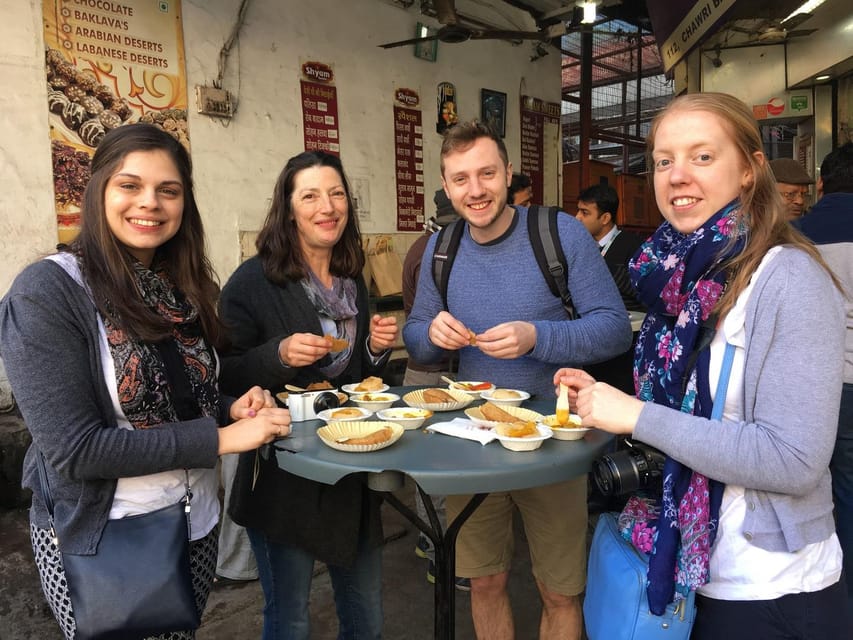
The food is the hook, but the guide is what turns the outing into a useful introduction to Lima. The tour includes a certified guide who speaks English or Spanish. The strongest guide feedback centers on clear explanations of food, history, and the stories behind the dishes.
Giovanna is specifically praised for being friendly, prepared, and eager to share what she knows. A guide with that approach can help you understand what you are tasting instead of leaving you to guess. One useful detail from the guide service is practical flexibility: you can take photos and videos during the experience when appropriate.
Your guide may also help you manage unfamiliar foods. That matters with lucuma, emoliente, anticuchos, and picarones, all of which may be new to first-time visitors. Ask questions about ingredients, preparation, and spice levels. The tour is short enough that a few good questions can improve the whole experience.
The group size is not stated, so do not book expecting a guaranteed private tour. The experience may sometimes operate with a small group, but that is not promised. One outing became private, which can happen when bookings are light, but you should treat that as a possibility rather than a feature included in the price.
Is $75 a fair price?
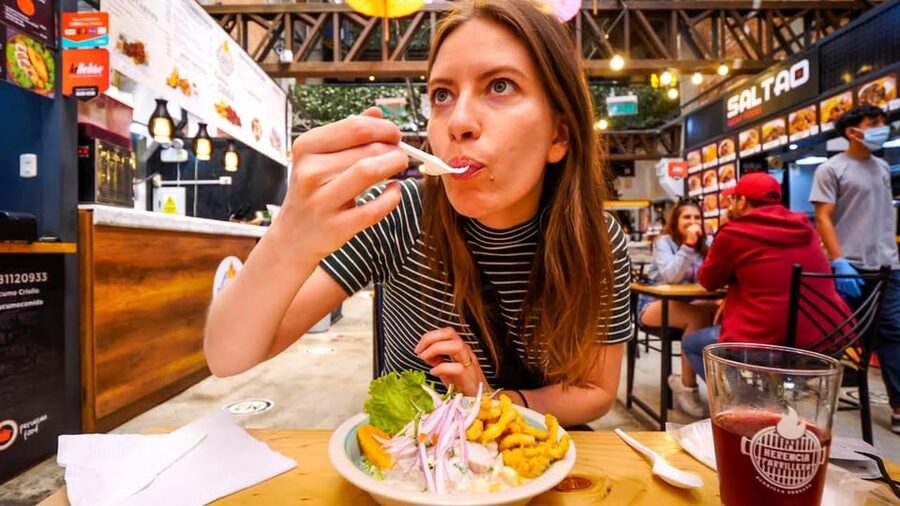
At $75 per person, this is not the cheapest way to eat in Lima. You could buy individual snacks for much less if you already know where to go and speak enough Spanish to order comfortably.
The price becomes more reasonable when you count what is bundled together: a three-hour guided route, nine food tastings, visits to Barrios Altos, Chinatown, and Central Market, and explanations of Peruvian and Chinese-Peruvian food culture. You are paying for access, organization, and context, not just calories.
I think the value is strongest on your first visit to Lima, especially if you want a broad taste of the city in a single outing. It can also be useful early in your trip because you may discover dishes and ingredients worth seeking out later.
The value is weaker if you are already an experienced Lima food explorer, have a tight budget, or prefer to spend three hours at one market. It is also less appealing if you do not eat seafood, meat, dairy, or gluten and cannot confirm suitable alternatives before booking.
Free cancellation up to 24 hours before the tour and the option to reserve now and pay later make planning easier. The tour is listed as wheelchair accessible, though the route moves through central streets and markets. Ask the operator about the exact route if you need details on surfaces, crossings, or access between food stops.
Who should book this Lima food walk?
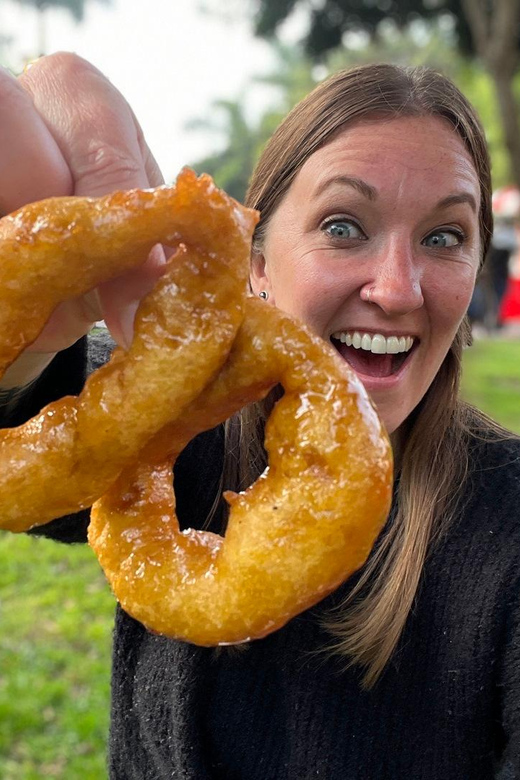
This tour suits you if you want a wide first taste of Lima without spending days researching vendors. It is especially helpful for curious eaters who want a guide to explain why the city’s food includes Indigenous, Spanish, Chinese, and local street-food influences.
It also works well for visitors who enjoy walking between tastings. The route is active, social, and varied. You will not simply sit while plates arrive.
Families and mixed-age groups may appreciate the range of flavors, but the operator does not provide age guidance, and some foods may not appeal to young children. If you are traveling with children, tell the guide about restrictions in advance and plan for the walking pace.
You should think twice if you need a carefully controlled meal, dislike markets, or want a quiet culinary class. The experience is built around local vendors and city streets, so a little noise, movement, and uncertainty are part of the deal.
The practical details that matter
The advertised duration is three hours, with starting times dependent on availability. Food is included, but the Pisco Sour is not. Transfers are also not included, so you need to arrange your own way to and from Jr. Cusco 400.
The tour operates in English and Spanish. Tell the operator about dietary restrictions when booking, then repeat the information to your guide at the start. Do not eat much beforehand, but do bring water and wear comfortable shoes.
You will want room for photographs, but also keep the group moving. At a market, stopping in the middle of a passage can block vendors and other shoppers. Listen for the guide’s instructions, especially when moving between Barrios Altos, Chinatown, and Central Market.
Should you book it?
Book this tour if you want an efficient, food-first introduction to central Lima and value explanation as much as tasting. The combination of nine snacks, Chinese-Peruvian food, local markets, and a friendly English or Spanish speaking guide gives you a useful starting point for the city.
Skip it if your priority is the lowest possible food cost, a private custom menu, or a slow restaurant meal. For most first-time visitors who can handle a full three-hour tasting walk, the $75 price is fair, and the broad mix of ceviche, fruit, grilled food, sweets, sandwiches, and drinks makes it a practical way to get oriented.
FAQ
How long does the Lima Market Food Tour last?
The tour lasts three hours. Starting times depend on availability.
Where does the tour begin and end?
It begins and ends at Jr. Cusco 400.
What food is included?
The tour includes nine Peruvian snacks and tastings. These can include choclo con queso, papa rellena, ceviche, siu mai, min pao, lucuma juice, anticuchos, picarones, pan con chicharrón, emoliente, and seasonal fruits.
Is a Pisco Sour included?
No. The Pisco Sour at Bolivarsito is optional and costs extra.
Is transportation included?
No. Transfers are not included, so you must arrange your own transportation to and from Jr. Cusco 400.
What languages does the guide speak?
The tour is available with a live guide in English or Spanish.
Can I request help with dietary restrictions?
Yes. You should notify the operator about dietary restrictions when booking. The available information does not guarantee that every restriction can be accommodated, so confirm before paying.
More Food and Drink Trips in Peru
- Market Tour, Tasting of 35 Fruits, and 4-Course Peruvian Cooking Class in Lima
★ 5.0 · 86 reviews - Lima: Market Tour, 35 Fruits Tasting & Cooking Class
★ 5.0 · 3 reviews - Lima Food Experience with local Markets & Barranco Tour
★ 5.0 · 2 reviews - Bangkok by Night: Temples, Markets and Food Tuk-Tuk Tour
★ 5.0 · 3,752 reviews
Just added around Peru
- Lima: Market Tour, 35 Fruits Tasting & Cooking Class★ 5.0 · 3 reviews
- Lima: Market Tour and Cooking Class with Pisco Sour★ 5.0 · 3 reviews
- Lima: Peruvian cooking class and tour of Surquillo market★ 5.0 · 2 reviews
- Lima Food Experience with local Markets & Barranco Tour★ 5.0 · 2 reviews
- Full Day Lima: Local Market+ CityTour+ Barranco & Miraflores★ 5.0 · 3 reviews
- Cusco: Coricancha, Cathedral & San Pedro Market Walking Tour★ 5.0 · 2 reviews
- Cusco: Peruvian Cooking Class & Market Tour★ 4.9 · 19 reviews
- Belen Market & Floating City 2-3 Hour Private Tour★ 4.9 · 38 reviews
Street Food Market Tours, compared.
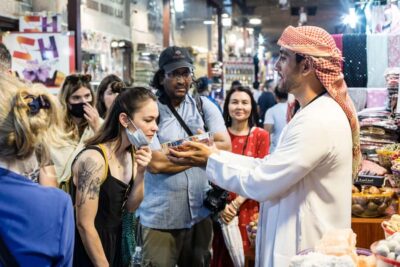
Old Town, Creek, Museums, Souks, & Street Food Tour
Read our review →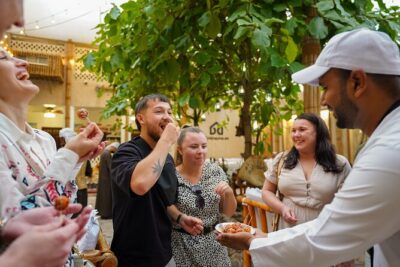
Old Town, Souks, Street Food, Guided Tour & Abra Ride
Read our review →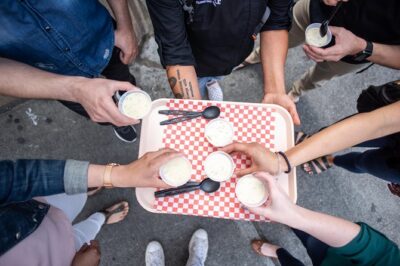
Old Town, Souks, Street Food, Guided Tour & Abra Ride
Read our review →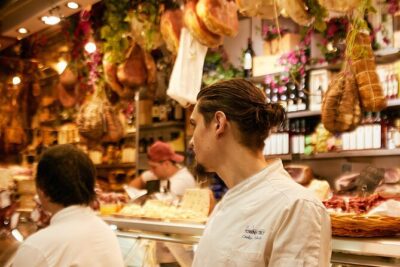
Small Group Cooking Class & Market Food Tour in Florence
Read our review →
Old Town, Street Food, Creek, Souks, & Emirati House
Read our review →
Browse the lists this tour appears in