
Review · CAMBODIA MARKET TOURS
Kampot Pepper & Kep/Crab Market Tours: Salt, Secret lake
Kampot’s best stories are found outside town, where salt workers, pepper farmers, fishermen, and rice growers shape daily life. This eight-hour tuk tuk tour links those working places with Secret Lake and the seafood stalls of Kep.
I like the chance to taste several pepper varieties at La Plantation, and I like the easygoing help from guides such as Ali and Micky. You also get a useful slice of coastal Cambodia in one day. The catch is that the schedule can feel compressed, and some advertised stops may need a gentle reminder, especially the crab market.
Key points at a glance
- Taste pepper at La Plantation: A guided walking tour explains the farm’s work, followed by samples of different pepper types.
- See Cambodia’s salt-making country: The salt fields offer a short photo stop, though sea salt production stops during the wet season.
- Visit Secret Lake: Brateak Krola Lake, also called Secret Lake, is a quiet spot for photos and a walk.
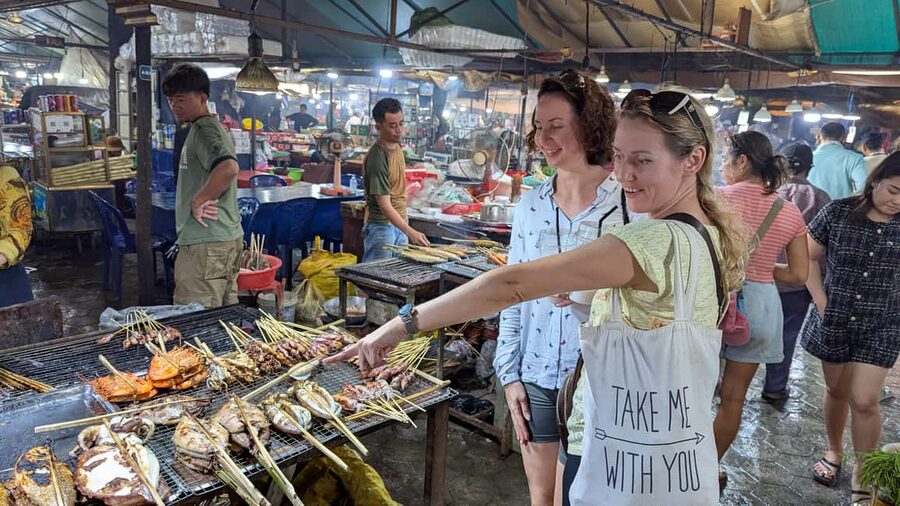
- Eat around Kep’s Crab Market: The guide takes you to the market area and can recommend a place for Kampot pepper crab, though lunch costs extra.
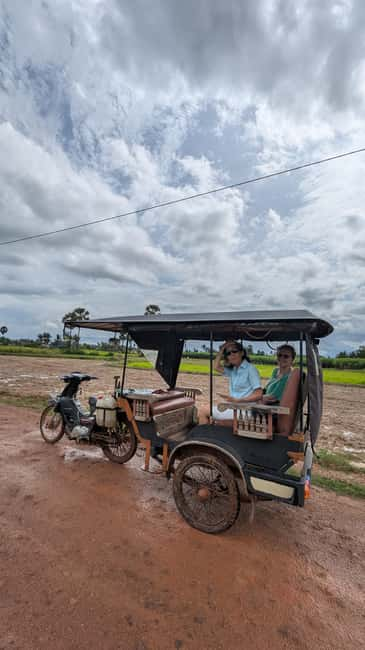
- Travel by tuk tuk: You see villages, rice fields, vegetable farms, and roadside life from an open-sided vehicle.
- Good value at $23: Transport, bottled water, and entrance fees are included, but meals and some distant hotel pickups cost more.
A working day in Kampot Province
This tour is not just a string of scenic stops. Its real value is the way it connects the famous local products with the people who make them.
You leave Kampot by tuk tuk and pass through traditional Khmer villages, rice fields, vegetable plots, and countryside roads. The open vehicle gives you a better view than a closed van, though it also means dust, sun, and bumps are part of the deal.
The day usually runs for about eight hours. That is long enough to reach Kep and return to Kampot without turning the trip into an overnight outing. It is also a full day in the heat, so bring water, sunglasses, biodegradable sunscreen, and shoes that can handle uneven ground.
A few more market tours around Cambodia worth a look
- Kampot: Tuk Tuk Trip to Pepper Farm, Kep, Crab Market & More
★ 4.9 · 143 reviews - Phnom Penh’s Morning Market and Street Art Tour by Tuk tuk
★ 5.0 · 128 reviews - Phnom Penh Morning Market & Food Tour by Tuktuk – Includes All Food & Drinks!
★ 5.0 · 99 reviews
Salt fields and the coastal trade
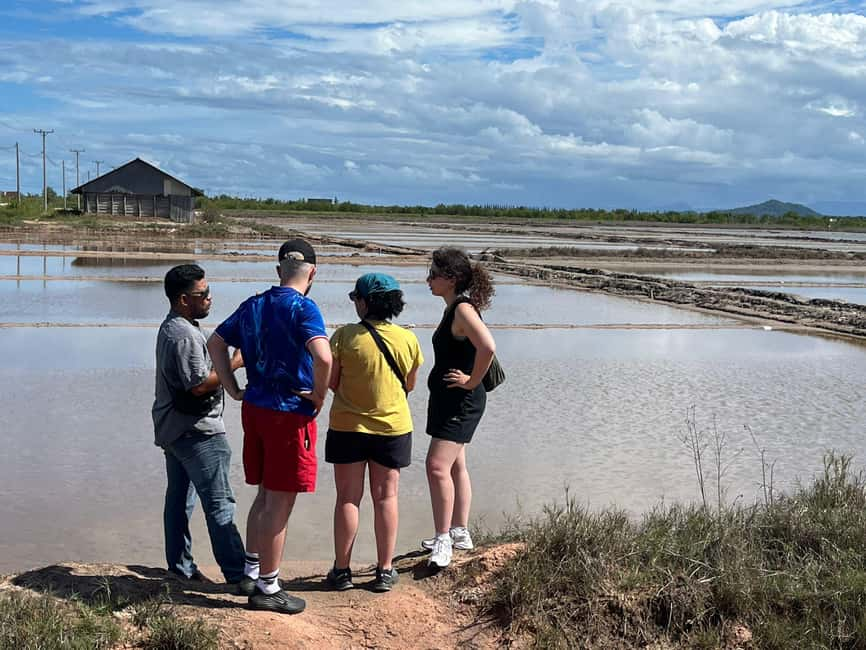
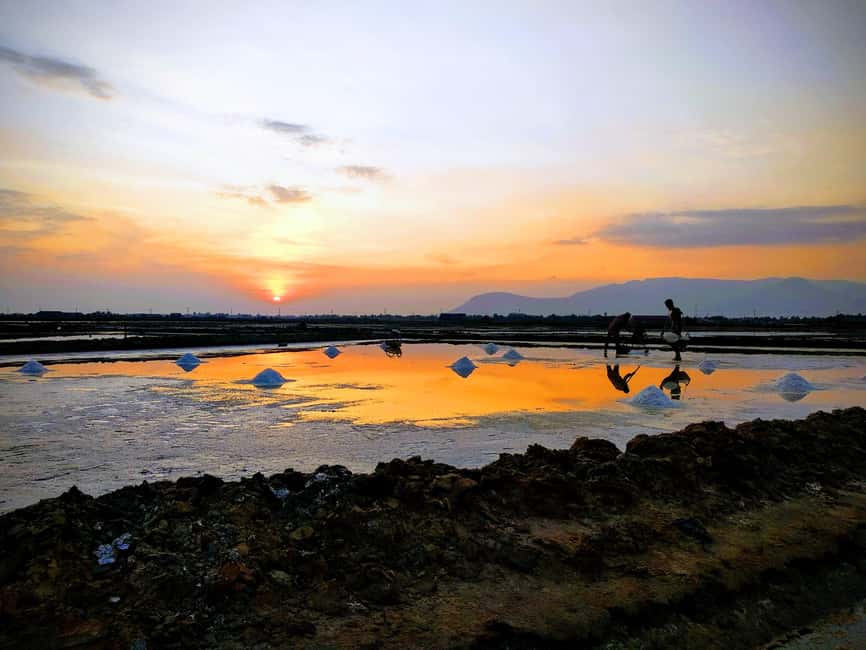
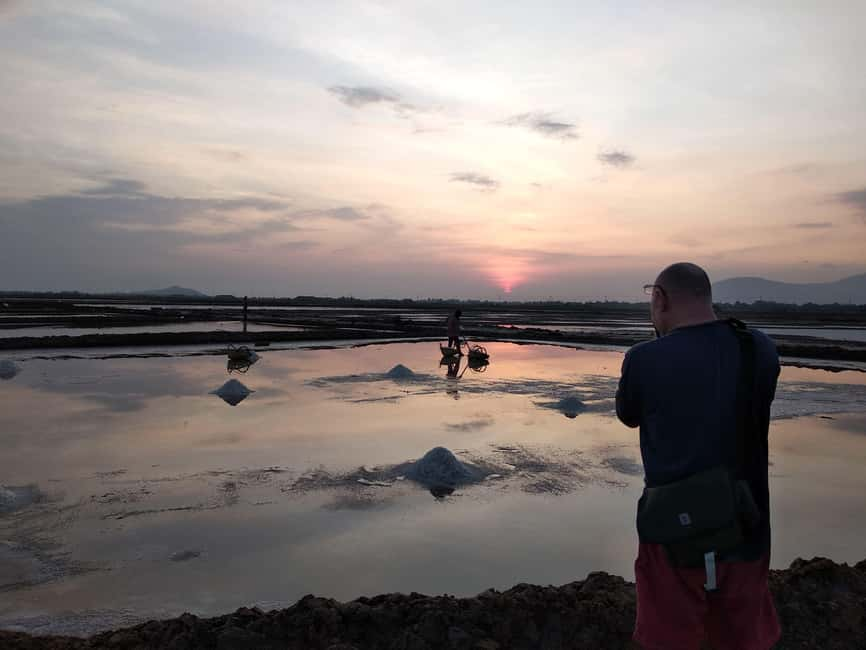
The first major stop is a natural salt field, reached after pickup and roughly 15 minutes by tuk tuk. You have about 30 minutes for a short visit, photos, and an explanation of the work.
Salt is one of the defining products of Cambodia’s coast. Here, seawater is spread across broad fields and left to evaporate under the sun. The process is simple in principle, but it depends heavily on weather. During the wet season, there is no sea salt production, so you may see the fields without seeing workers actively harvesting salt.
That seasonal detail matters. If you are visiting in the dry months, this stop gives you a clearer look at a working industry. In the wet season, treat it more as a countryside photo stop and a chance to learn about local work rather than a live demonstration.
The visit is brief, which suits the pace of the day. You will not spend hours studying salt production, but you will get a useful picture of how the coast supports itself beyond beaches and seafood.
Villages, rice fields, and a slower view
After the salt fields, the tuk tuk continues through traditional villages and farming country. The route includes scenic driving and short views from the road rather than a formal village activity.
This section is easy to underestimate. Kampot town has cafés, guesthouses, and a relaxed riverfront, but the surrounding province gives you a more grounded sense of daily life. You see homes, rice fields, vegetable farms, and the roads used by local workers. The guide can add context as you go, and the countryside itself becomes part of the lesson.
Do not expect a staged cultural performance or a long walk through a single village. This is a moving view of rural life. If you enjoy watching ordinary routines and taking photos from the road, it is worthwhile. If you prefer every stop to have a formal presentation, this part may feel light.
Secret Lake and the story behind the dam
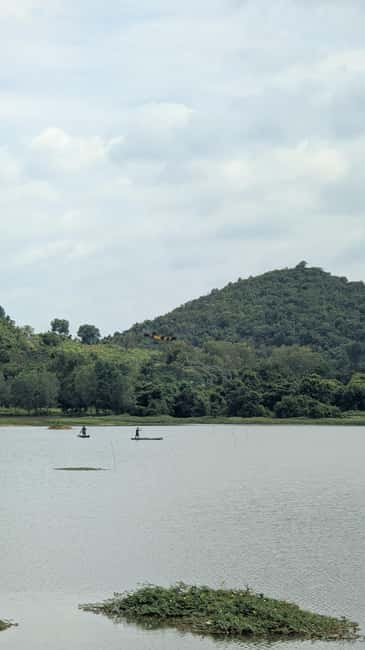
Brateak Krola Lake, commonly called Secret Lake, comes next. The transfer takes about 15 minutes, followed by roughly 30 minutes for a guided visit, a walk, and photos.
The lake is linked to a water dam and is known for its story as much as its setting. Greenery around the water gives the stop a calm feel, and it is one of the easier places on the route to pause without a busy market or sales pitch.
You get time to walk and take pictures, but this is not a major swimming or boating stop. Beachwear is listed among the recommended items, yet the provided schedule describes a walk and photo visit rather than water activities. Pack it if you want flexibility, but do not book the tour expecting a full lake outing.
This is a good place to slow down. The first part of the day introduces working countryside, while Secret Lake offers a quieter break before the pepper farm.
Same place, a different set of stalls:
- KAMPOT TRAVEL-Pepper farm. Cave.Secret lake-Crab market & Salt…
★ 5.0 · 87 reviews - Battambang: Cooking Class and Market Touring
★ 4.8 · 80 reviews - Siem Reap: Morning Bike Tours with Local Market & Lunch
★ 5.0 · 52 reviews - 3 Hour Morning Market and Art Tour
★ 5.0 · 45 reviews
La Plantation: the strongest stop of the day
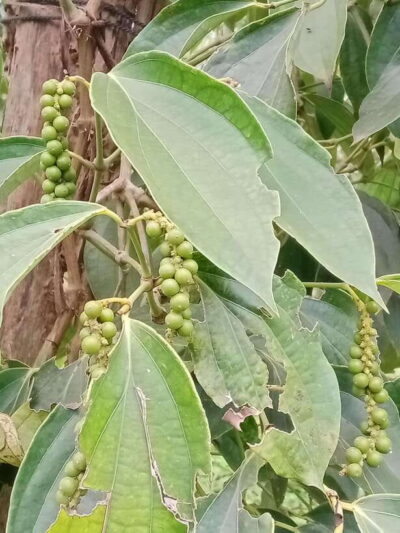
The visit to La Plantation lasts about 90 minutes and is the tour’s most developed experience. You walk through the organic pepper plantation, hear how the farm operates, and taste several types of Kampot pepper.
The tasting is especially useful because it lets you compare varieties instead of simply buying a packet with a famous label. You can work out which pepper suits your taste while the differences are fresh in your mind. The farm also includes time for photos, free time, and shopping.
The guided walk is offered in English or French at the plantation. The main tour guide is listed as English-speaking, so French-speaking visitors should understand that the language arrangement may differ between the countryside tour and the plantation visit. Recent trips were handled by guides including Ali and Micky, with Ali receiving particular praise for being attentive and Micky for his humor and helpful information.
I would allow yourself enough time to ask questions here. The tour does not only present pepper as a souvenir. It ties the product to farming, soil, drying, grading, and the work needed before pepper reaches a kitchen. The exact level of detail can depend on the guide and the group, but this is the stop that gives the day its clearest educational value.
The main limitation is that La Plantation is a commercial operation. One visitor felt a small local farm might offer a more purely local experience. That is a fair point. La Plantation provides a polished, organized visit with tastings and shopping, while a small farm could feel more personal and less prepared for tourism. For a first visit to Kampot pepper country, the plantation is still the more predictable choice.
Kep’s Crab Market and the cost of lunch
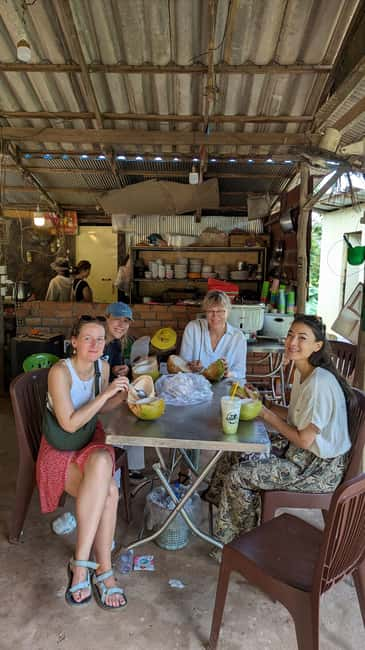
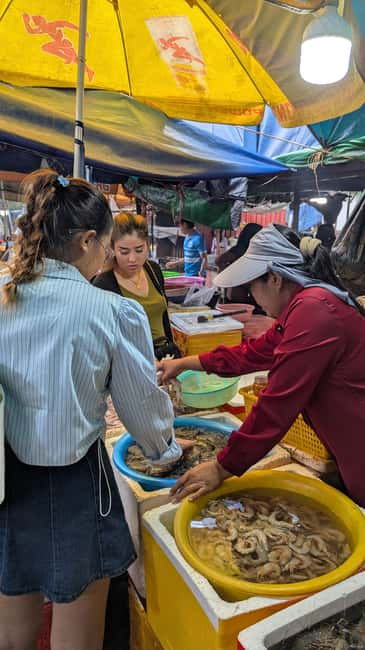
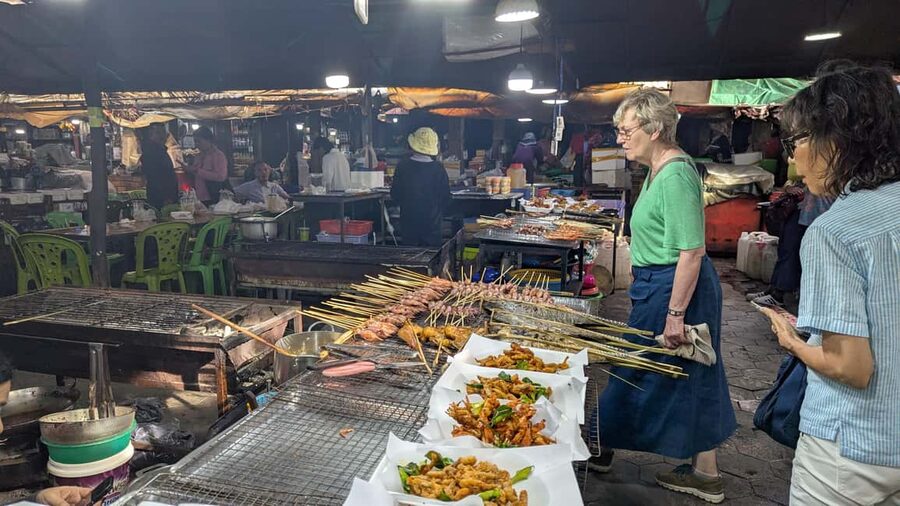
After the plantation, the tuk tuk ride to Kep takes about 40 minutes. The schedule allows around 90 minutes at the visitor center and market area for a walk, food tasting, local snacks, a barbecue-style meal, and a visit to the food market.
The main attraction is Kep’s Crab Market. The setting connects directly to the seafood trade, and the coastal specialty to look for is crab prepared with Kampot pepper. Your guide can help you choose a restaurant, and one guide specifically recommended a good place for lunch.
There is an important practical point here: lunch is not included in the $23 price. You pay for the seafood or other meal yourself. That gives you control over what you order, but you should budget beyond the advertised tour price if you want a proper crab lunch.
The market stop may require some attention. One account found that the group had to insist on visiting the crab market, even though the guide was friendly and shared his own story. If this stop matters to you, say so clearly at the beginning and again when you reach Kep. The tour description includes the market, but the actual flow of the day can vary.
The food portion is also not a formal cooking class. You can expect tasting, a market visit, and lunch time rather than a long lesson in seafood preparation. That is fine for most people. You are there to eat and look around, not spend the afternoon in a kitchen.
Kep beach and old town
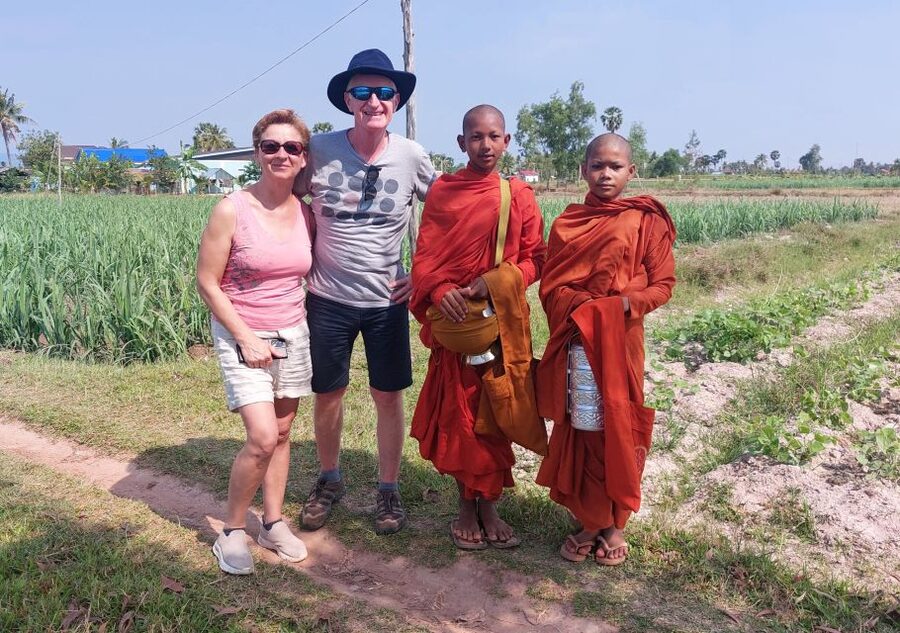
After the market and meal, the route includes a walk by the beach and a visit to Kep’s old town before returning to Kampot. The beach stop is short, about 30 minutes according to the schedule.
This gives the day a pleasant change of scene. You begin among salt fields and farms, visit pepper-growing land, then finish beside the coast. The beach walk is best viewed as a brief seaside pause rather than a dedicated beach day. Bring suitable clothing if you want to walk near the water, but do not expect long swimming time.
The old town adds another layer to Kep, though the schedule gives only a short visit. It is enough to get your bearings and take photos, not enough for a detailed historical tour. The day works better as a broad introduction to the Kampot and Kep area than as a specialist visit to either town.
What the $23 price really covers
At $23 per person, this is a strong-value day if you want several sights without arranging separate transport. The price includes hotel pickup and drop-off within three kilometers of central Kampot, bottled water, and entrance fees.
You are paying mainly for the tuk tuk, driver-guide, route planning, and access to the plantation and other stops. Since Kep is far enough from Kampot to make a separate taxi or tuk tuk arrangement less convenient, the transport alone adds real value.
Meals are extra. Pickup and drop-off beyond three kilometers from Kampot’s center also cost more. If you stay outside the included area, you can meet at the Kampot Tourist Information Center or request hotel pickup for an additional fee, listed as $2 or more.
The transport is basic. A tuk tuk is open to the weather and road dust, and an eight-hour ride can be tiring if you want air conditioning and padded seats. On the other hand, the open view makes the countryside part of the experience. You see and hear more than you would from behind tinted windows.
Timing, guide service, and what may change
The tour includes a live English-speaking guide, with pickup at your hotel lobby. You are asked to be ready about 10 minutes before departure, and the driver waits no longer than 10 minutes.
Guides named in trip feedback include Ali and Micky. Ali was praised for being courteous and attentive, while Micky was described as informative, humorous, and helpful with restaurant suggestions. These details matter because the day involves several short transfers and informal stops. A friendly driver who explains what you are seeing makes the road time much more useful.
Still, you should keep some flexibility in your expectations. The schedule is busy, and not every activity may receive the same amount of time. The crab market in particular should be confirmed with your guide. Seasonal salt production can also change what you see.
The tour has a 4.7 rating from 33 reviews, with especially strong praise for the guides, the La Plantation visit, the pace, and the pepper crab recommendation. One account rated the experience lower because some promised activities were not completed and the pepper farm felt more commercial than local. That balance is worth keeping in mind.
Who should book this tour?
I would choose this trip if you want a broad first look at Kampot Province and do not want to organize separate transport to Kep. It suits couples, solo visitors, and small groups who enjoy food, farming, countryside views, and short walks.
It is also a good choice if pepper is high on your list. The plantation tasting is the most structured part of the day, and you can buy the type you prefer after trying it.
I would think twice if you want a slow, deeply local farm visit, a long beach session, or a carefully timed photography tour. The day covers a lot of ground, and the plantation is an established visitor site rather than a tiny family farm.
The tour is not suitable for wheelchair users, people with heart problems, people over 110 kilograms, or people over 70 years old. Baby strollers, bicycles, alcohol, drugs, and electric wheelchairs are not allowed. Closed-toe shoes are the safest choice.
Should you book it?
Book it if you want good coverage for a low price: salt fields, villages, Secret Lake, pepper tasting, Kep seafood, beach, and old-town stops in one day. The guide can make the difference, and Ali and Micky have both been singled out for helpful, personable service.
Before departure, confirm that the salt fields, La Plantation, and Crab Market are all on the day’s route. Bring extra money for lunch, ask for the crab market directly, and remember that salt harvesting depends on the season. With those expectations set, this is a practical and flavorful way to connect Kampot’s countryside with Kep’s coast.
FAQ
How long does the tour last?
The tour lasts eight hours, including countryside visits, the pepper plantation, Kep, and the return to Kampot.
Where does pickup take place?
Pickup is available from hotels within three kilometers of central Kampot. The driver comes to the hotel lobby, and you should be ready about 10 minutes before departure.
Is hotel pickup outside central Kampot available?
Yes, but pickup and drop-off beyond three kilometers from Kampot city center require an extra fee. You can also meet at the Kampot Tourist Information Center.
What language is the tour in?
The live tour guide speaks English. The guided visit at La Plantation is available in English or French.
Is lunch included in the price?
No. Meals are not included. You should pay separately for lunch at or near Kep’s Crab Market.
Does the $23 price include entrance fees?
Yes. Entrance fees and bottled water are included.
Will I see salt being harvested?
That depends on the season. Sea salt is not produced during the wet season, so the salt fields may be a viewing and photo stop rather than an active work site.
What happens at La Plantation?
You take a guided walking tour of the organic pepper plantation, taste different pepper types, have free time, and may shop for pepper.
Can I swim at Secret Lake or Kep beach?
The schedule provides time for walking and photos at Secret Lake and a beach walk in Kep. It does not specifically include swimming or water activities.
What should I bring?
Bring sunglasses, biodegradable sunscreen, beachwear if desired, and closed-toe shoes. You should also plan for extra money to buy lunch.
Just added around Cambodia
- Siem Reap Morning Market & Food Tour by Tuk Tuk★ 5.0 · 2 reviews
- Siem Reap: Morning Cooking Class & Market Tour★ 5.0 · 7 reviews
- Phnom Penh: Morning Foodie, Market Walking & Street Art Tour★ 5.0 · 3 reviews
- Siem Reap: FREE Market & Local Temple Tour★ 4.8 · 3 reviews
- Siem Reap: Angkor Wat Sunrise and Market Tour by Jeep★ 5.0 · 5 reviews
- Siem Reap Khmer Cooking Class and Local Market Tour★ 4.1 · 4 reviews
- Siem Reap Cambodian Buddhist Water Blessing and Local Market★ 4.8 · 3 reviews
- Phnom Penh: Morning Market & Guided Breakfast Tour by Tuktuk★ 5.0 · 7 reviews
Cambodia Market Tours, compared.
Kampot: Tuk Tuk Trip to Pepper Farm, Kep, Crab Market & More
Read our review →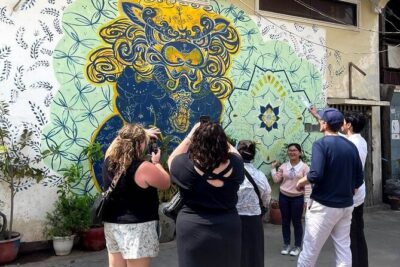
Phnom Penh’s Morning Market and Street Art Tour by Tuk tuk
Read our review →
Phnom Penh Morning Market & Food Tour by Tuktuk – Includes All Food & Drinks!
Read our review →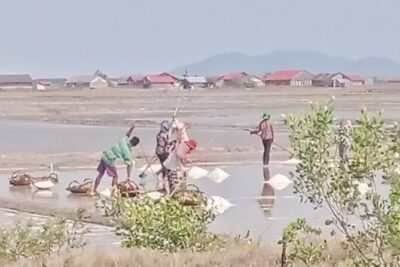
KAMPOT TRAVEL-Pepper farm. Cave.Secret lake-Crab market & Salt…
Read our review →
Browse the lists this tour appears in