Review · GRAND BAZAAR & SPICE MARKET TOURS
Jaipur: Spice Market and Street Food Walking Tour
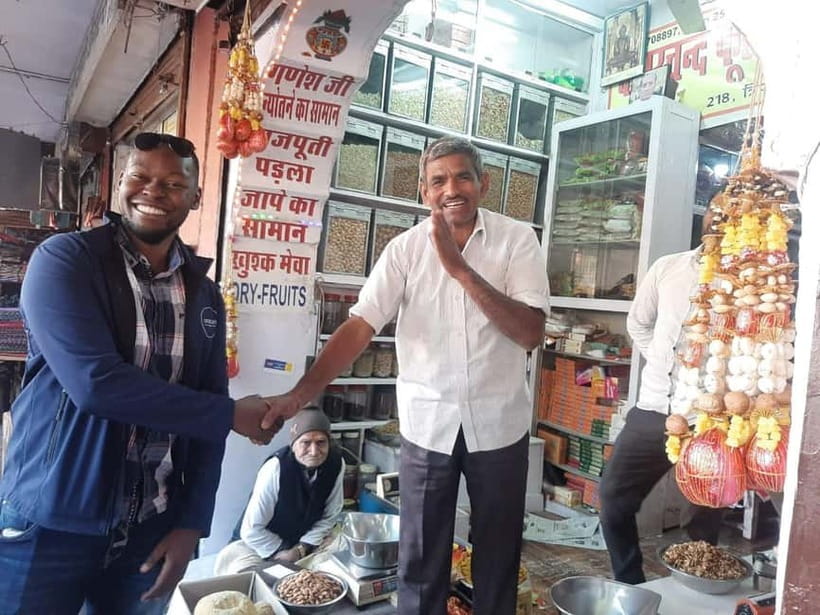
Jaipur’s spice market is the star here. You walk through sacks, grinders, food stalls, shrines, and narrow lanes where the smells change every few steps. Spices are ground by local workers, so this is not just a market photo stop. It is a close look at how ingredients reach Jaipur’s kitchens.
I like the mix of market life and street food, and I like that the tour uses short tuk-tuk rides instead of keeping you on foot the whole time. The main things to consider are the crowds, uneven walking, and the fact that this is not suitable for wheelchair users or people with mobility limits.
Key Points
- See spices being ground by hand in Jaipur’s oldest and biggest spice market.
- Taste food at 5 to 6 local shops, including chai and vegetarian snacks.
- Take two short tuk-tuk rides through the Pink City.
- Start at Shri Chandpol Hanuman Ji Temple and walk through the old city.
- Learn about spice use, cooking, and Ayurveda from an English-speaking guide.
- Expect a crowded, sensory walk, with comfortable shoes and respectful photography essential.
Jaipur’s spice market is the real reason to go
This 2.5-hour experience gives you a useful first look at Jaipur through food. You are not simply shown a market and then sent to a restaurant. The route connects spices, old-city streets, tuk-tuk travel, chai, and small food stops into one compact morning or afternoon.
You begin outside Shri Chandpol Hanuman Ji Temple in the Pink City. The guide meets you just outside the temple, so allow enough time to find the correct entrance and meeting point. From there, the walk heads into Jaipur’s oldest and biggest spice market.
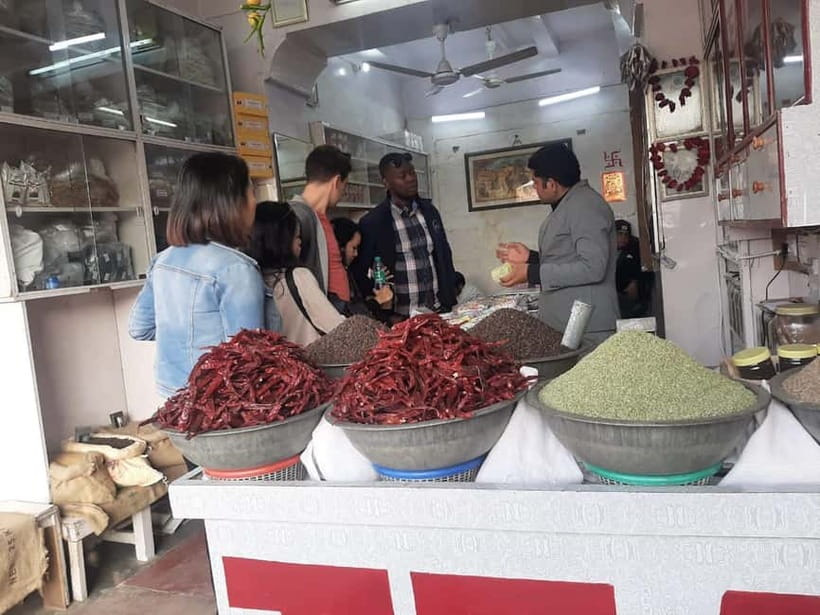
The market is a full-sensory experience. You will hear vendors, traffic, conversation, and the steady movement of people around you. You will smell dry spices, freshly ground powders, cooking food, and chai. Bright colors come from the spices themselves, shop displays, clothing, painted buildings, and the daily activity of the old city.
The grinding is especially useful to see. You can watch local workers prepare spices rather than only seeing neatly packed packets in a shop. Your guide can explain what different spices are used for, how they fit into Indian cooking, and, depending on the guide, their links to health and Ayurveda.
Guide assignments can change. Harshit and Harshita are among the guides associated with the experience, and Lacey has also led it. The strongest descriptions of the tour point to guides who explain ingredients clearly, speak good English, stay punctual, and make solo visitors feel comfortable. You should still expect the exact personality and depth of the tour to depend on who leads your group.
More Market Walking Tours in India
- Private Heritage Walking Tour in Jaisalmer Fort and Old Bazaar
★ 5.0 · 306 reviews - Jaipur Bazaar & Food Walking Tour
★ 5.0 · 281 reviews - Old Delhi: Spices, Heritage and Bazaars Walking Tour
★ 5.0 · 173 reviews
Walking from Shri Chandpol Hanuman Ji Temple
Starting at the temple places you in the old city right away. This is not a hotel pickup tour, so you must make your own way to Shri Chandpol Hanuman Ji Temple. That small bit of planning matters in Jaipur, where traffic and crowded streets can make a short distance take longer than expected.
The first section is a guided walk lasting about two hours, including the market and food stops. It is a good choice if you want orientation through local streets rather than a polished sightseeing route. You pass historic sites and get a feel for the Pink City’s organized chaos as you move between shops and lanes.
Do not expect a quiet walk. Crowds are part of the setting, and the tour information specifically warns you to prepare for crowded places. Keep your belongings close, stay near the guide, and follow instructions when crossing or moving through tight spaces.
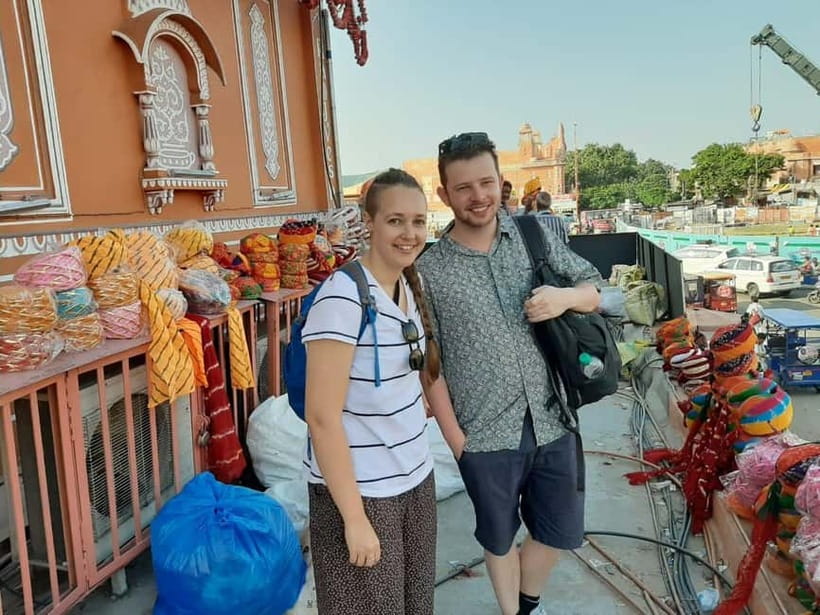
Photography is encouraged, which suits the market’s colors and activity. Still, point your camera with care. Ask before photographing people at close range, especially workers preparing food or grinding spices. The best photos here often come from details such as piles of spices, old shop fronts, hands at work, and the changing colors of the market.
What the spice market teaches you
A good guide turns a row of sacks into a lesson about daily cooking. You may learn how different spices are used, how they are combined, and why the same ingredient can appear in both food and traditional health practices.
The available guide information points to several useful topics:
- Different Indian spices and their cooking uses
- Spice preparation and grinding
- Medicinal and Ayurvedic associations
- Varieties of rice, including the fact that India has more than five types
- The connection between market ingredients and Rajasthan’s food
That detail about rice gives you an idea of the tour’s wider approach. It is not limited to the most familiar curry spices. You are encouraged to look at the range of ingredients used in Indian cooking and to notice how much variety sits behind everyday dishes.
I would pay close attention during this section and ask questions. The market can be overwhelming, and it is easy to take photos without learning much. A guide such as Harshit, who has been praised for explaining spice use and medicinal properties, can help you understand what you are seeing.
Two short tuk-tuk rides through the Pink City
After the market walk, you take a short tuk-tuk ride, listed as about 10 minutes, toward Tripolia Gate. The experience includes two short tuk-tuk rides in total. These rides are brief, but they break up the walking and give you a quick taste of local transport.
A tuk-tuk ride is also a practical part of the route. Jaipur’s old city is busy, and moving between areas on foot can be tiring in heat or heavy crowds. The rides are not sightseeing drives with long stops, so keep your expectations in check. Their purpose is to connect parts of the experience and add a local transport experience.
The tuk-tuk section may be less comfortable if you dislike traffic, noise, or tight seating. That is part of the setting, not a flaw unique to this tour. If you want a calm, spacious ride, this will not provide it. If you want to experience how people move through the Pink City, even a short ride adds useful context.
More Spice Market and Bazaar Tours in India
- Old Delhi Food-Spice Market-Temples Tour Soon Featured on NETFLIX
★ 5.0 · 304 reviews - Old Delhi Odyssey: A Tour of Religion, Spice Market, & Best Food
★ 5.0 · 284 reviews - Agra: Street Food Walking Tour, Spice Market, & Tuk-tuk Ride
★ 4.9 · 102 reviews - Old Delhi & Spice Market Tour
★ 5.0 · 98 reviews
Five or six food stops in the old city
The food section is where the tour becomes especially practical. You stop at five to six authentic food shops and stalls, tasting vegetarian food in the old city. The exact dishes are not specified, so you should treat the food selection as a guide-led introduction rather than a fixed tasting menu.
That flexibility can work in your favor. Local food changes by shop, time, and what is being prepared that day. Your guide can direct you toward places that are easy to miss if you are walking alone. The supplied information highlights chai and snacks at a famous street food stall, followed by a chance to sit and talk.
You should expect small portions and several tastes rather than a single large meal. That makes sense for a walking tour. It lets you try more than one kind of vegetarian food without committing to a full plate at every stop.
The food stops are also a good way to ask questions. You can ask what an ingredient is, how a snack is prepared, and which flavors come from the spices you saw earlier. This link between the market and the plate is the tour’s best idea. You first see the raw ingredients, then taste the kind of food they help create.
Chai is part of the final food experience. The stop at a well-known chai place gives you time to sit, eat snacks, and talk with the guide. That pause matters after the noise and movement of the market. It also makes the ending feel less rushed.
Food safety is a personal consideration. The tour is designed around local food stalls and cafes, not international restaurants. If you have allergies, dietary restrictions, or a sensitive stomach, tell the guide before tasting anything. The available information confirms vegetarian food, but it does not provide a full ingredient list or allergy policy.
The finish near Tripolia Gate and Raj Mandir Cinema
The route information gives two descriptions of the ending. The itinerary lists Raj Mandir Cinema as the finish, while the fuller tour description places the end at Chaura Rasta Street near Tripolia Gate. These locations are in the same broad old-city area, but you should confirm the exact final point with your guide on the day.
That matters if you are booking a taxi, meeting someone, or planning a later activity. Do not schedule a tight connection immediately afterward. Jaipur traffic can be slow, and the tour itself moves through crowded streets.
Raj Mandir Cinema is a useful landmark for orientation, while Chaura Rasta and Tripolia Gate place you near the old city’s shopping and street activity. The tour does not include hotel drop-off, so you will arrange your own onward transport.
Is $21 a fair price?
At $21 per person, the tour offers solid value if you plan to eat and use local transport during your time in Jaipur. The price includes a live English-speaking guide, the walking tour, tastings at five to six food stops, two short tuk-tuk rides, and a water bottle.
The value is not only in the amount of food. A visitor walking alone might find a spice market and a chai stall, but would have a harder time knowing which shops to choose or how to understand what is being sold. The guide adds translation, context, and route planning.
You should budget separately for personal expenses. Hotel pickup and drop-off are not included, and the food tasting is the included part of the experience. Extra drinks, shopping, souvenirs, or additional food purchases are your responsibility.
The tour also includes free cancellation up to 24 hours before the start time, plus a reserve-now and pay-later option. Those terms are useful if your Jaipur schedule is still shifting.
Who will enjoy this Jaipur food walk?
I would recommend this experience to first-time visitors who want an introduction to Jaipur’s food culture without spending a full day on a large sightseeing tour. It also suits photographers, food writers, chefs, bloggers, and anyone who wants to study ingredients and market life.
It is a strong fit if you:
- Like walking through working markets
- Enjoy trying vegetarian street food
- Want to learn about spices rather than only taste them
- Prefer a local guide to help with food choices
- Are comfortable with crowds and noisy streets
- Want short tuk-tuk rides included in the route
It is less suitable if you need step-free access, avoid crowded areas, or want a quiet and private food tasting. The experience is not suitable for wheelchair users or people with mobility impairments. Comfortable walking shoes are essential.
The tour is also better for curious eaters than for people who want a carefully controlled meal. You will be moving between several shops, and the food selection can vary. That is part of the local feel, but it means the experience is not as predictable as a restaurant meal.
Practical tips for getting more from the walk
Wear shoes that can handle uneven streets and several hours of walking. Sandals may be less useful in crowded market lanes, especially if you want stable footing.
Bring a small amount of water even though a bottle is included. Keep your hands free for walking and photography, and avoid carrying a large bag through tight spaces.
Start with an open mind about spice smells and food textures. The market can be strong and intense, especially if you are not used to fresh-ground spices. Give yourself time to adjust instead of rushing from one stop to the next.
Ask the guide about the spices you do not recognize. This is where the experience becomes more than a succession of tastes. Guides such as Harshit have been praised for explaining cooking uses and Ayurvedic associations, while Harshita has been described as friendly and helpful. Lacey has also received praise for being a warm guide. The exact guide will affect the tone, but the core route remains focused on food and market life.
Arrive early at the temple meeting point. The guide has to find you among the old city’s movement, and a punctual arrival makes the start easier. This is especially important during festivals or busy periods, when the area can become even more crowded.
Should you book the spice market and street food walk?
Book it if you want to understand Jaipur through ingredients, snacks, and local streets rather than only through major monuments. The strongest parts are the spice grinding, the explanations of cooking and Ayurvedic uses, the five to six tasting stops, and the chance to finish with chai.
The $21 price is reasonable for a 2.5-hour guided route that includes food, two tuk-tuk rides, and a water bottle. You should skip it if mobility is a concern, if you dislike crowded markets, or if you want a fixed menu and a relaxed restaurant setting.
For most able-bodied visitors who enjoy food and photography, this is a lively first taste of the Pink City. Just wear good shoes, leave room in your schedule after the tour, and confirm the precise finishing point before you go.
FAQ
Where does the Jaipur spice market tour start?
The tour starts outside Shri Chandpole Hanuman Ji Temple in Jaipur’s Pink City.
How long does the experience last?
The tour lasts 2.5 hours. The guided walking portion is about two hours, and one tuk-tuk ride is listed as approximately 10 minutes.
What food is included?
You receive food tastings at five to six authentic food shops or stalls. The experience includes chai and vegetarian street food in Jaipur’s old city.
Is the tour conducted in English?
Yes. The tour includes a live English-speaking guide.
Are tuk-tuk rides included?
Yes. The experience includes two short tuk-tuk rides.
Is the tour suitable for wheelchair users?
No. It is not suitable for wheelchair users or people with mobility impairments. You should also wear comfortable walking shoes and be ready for crowded places.
More Market Market Walking Tours in India
- Bengaluru Pete City Market Half-Day Walking Tour
★ 5.0 · 163 reviews - Bangalore: Palace, Temples, Fort & Markets Walking Tour
★ 4.9 · 97 reviews - Private Bazaar Trail Walking Tour in George Town
★ 5.0 · 66 reviews - Spice Knight (Cooking Class -> Meal -> Local Market walk)
★ 5.0 · 59 reviews
More Street Food Market Tours in India
- Mumbai: Street Food and Night Markets Tour
★ 4.9 · 719 reviews - Mumbai Street Food & Night Markets
★ 5.0 · 225 reviews - Mumbai Street Food and Evening Bazaar Tour
★ 5.0 · 172 reviews - Mumbai Street Food Tour with Evening Bazaar Walk
★ 4.9 · 79 reviews
Just added around India
- Bangalore: Walk in Historic Ulsoor – Landmarks, Bazaar & Culture★ 5.0 · 9 reviews
- Experience Bangalore Evening City Walk Tour and Market Visit★ 5.0 · 9 reviews
- Shopping and Bazaar Trail in Bangalore★ 4.5 · 5 reviews
- Old Bangalore Historical Walk thro Palace, Temples, Fort & Market★ 5.0 · 60 reviews
- KR Market Photo Walk★ 5.0 · 12 reviews
- Lalbagh+Bull Temple+Tipu Palace+Market+Lunch=Bangalore City Tour★ 5.0 · 9 reviews
- Bangalore Evening Food Street Walk and Market Visit★ 5.0 · 32 reviews
- Private Walking Tour into the Oldest Local Market in Bengaluru★ 5.0 · 5 reviews
Grand Bazaar & Spice Market Tours, compared.

Dubai Half-Day City Tour with Visit to Dubai Gold Souk
Read our review →
Local Markets & Khan el Khalili Private Shopping Tour
Read our review →
Cairo VIP Guided Tour to Khan El-Khalili Market with Lunch
Read our review →
Istanbul Grand Bazaar: From Rooftops to the Secret Passages
Read our review →
Old Delhi Food-Spice Market-Temples Tour Soon Featured on NETFLIX
Read our review →Old Delhi Odyssey: A Tour of Religion, Spice Market, & Best Food
Read our review →
Old Cairo and Khan El Khalili Bazaar: Private Half-Day Tour
Read our review →