
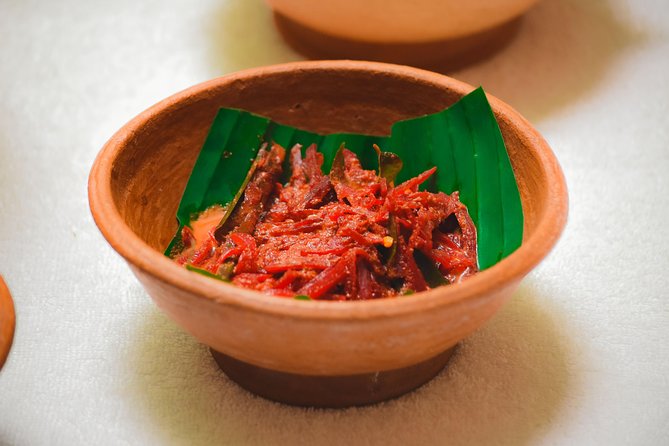
Review · MARKET AND COOKING CLASS TOURS
Vegan Cooking Class Colombo with Market Tour
Sri Lankan cooking becomes much clearer when you start at the market, not at the stove. This private Colombo experience takes you from fresh vegetables and spices to a clay-pot meal prepared with your own hands, with the chef guiding you throughout.
I like the market lesson, where you learn how locals judge vegetables and other ingredients, and the fully hands-on cooking. You are not simply watching a demonstration. One point needs checking before you pay: the menu lists chicken curry alongside vegan dishes, so confirm exactly which recipes will be prepared for your group.
- Five private hours give you one-to-one instruction rather than a crowded demonstration.
- A local market visit explains how to select vegetables, spices, and other cooking ingredients.
- Clay-pot cooking adds a traditional method and helps with slow, tender dishes.
- A flexible menu may include rice, dhal, sambol, potato curry, mushrooms, leafy mallum, papadum, fruit, and buffalo curd.
- The villa setting is near Diyawanna Lake, about 9 kilometers from central Colombo.
- The $80 price is strongest for people who value private teaching, a market visit, and a complete meal.
From Colombo Market to a Clay-Pot Kitchen
This is not just a recipe lesson. It is a short look at how Sri Lankan food begins, from choosing produce to grinding or combining the ingredients that give each curry its character.
The day starts at the villa with fresh fruit juice or a herbal drink. You have time to refresh yourself before heading to the market, which is useful in Colombo’s heat and gives the visit a calmer start.
The market is an important part of the experience. Sri Lankan cooking depends on the quality and freshness of vegetables, herbs, leaves, coconut, and spices, yet a recipe rarely tells you how to select them. The guide can help you understand what to look for, which is the sort of small practical lesson you can use after returning home.
The setting is described as similar to a European eco-shop, though you should expect a local food-shopping experience rather than a polished cooking studio market. The exact market name and transport arrangements are not stated, so confirm the meeting details before the day begins.
What the Five-Hour Schedule Feels Like
The advertised hours are 9:30 a.m. to 3:30 p.m., while the activity itself takes about five hours. That leaves some room for transfers, settling in, and the market visit.
You will meet at Travel Footprint in the Colombo area, with the activity ending back at the meeting point. The address is given as Travel Footprint, SrilankaKollupitiya, Colombo, Western Province, with a location reference in Sri Jayawardenepura Kotte. Because the wording combines several Colombo-area place names, ask for a clear pin and transport plan before setting out.
The description refers to pickup being offered, but the included and excluded details say hotel pickup and hotel drop-off are not included. That is a real planning point. Do not assume a complimentary hotel transfer. Ask the operator, Ceylon Rustic Guide, whether pickup can be arranged and what it costs.
Traffic can affect transfer times. If you are coming from a cruise ship, provide the ship name, docking time, disembarkation time, and the time you must be back on board. This is especially important for a five-hour activity with a market stop and cooking session.
More Market and Cooking Class Tours in the world:
- Hanoi Cooking Class: Culture, Local Market & Meaning CSR Impact
★ 5.0 · 5,147 reviews - 5 Traditional Dishes Hanoi Cooking Class with Market Trip
★ 5.0 · 4,890 reviews - Cooking Class and Lunch at a Tuscan Farmhouse with Local Market Tour from Florence
★ 5.0 · 4,831 reviews
Picking Ingredients Like a Sri Lankan Home Cook
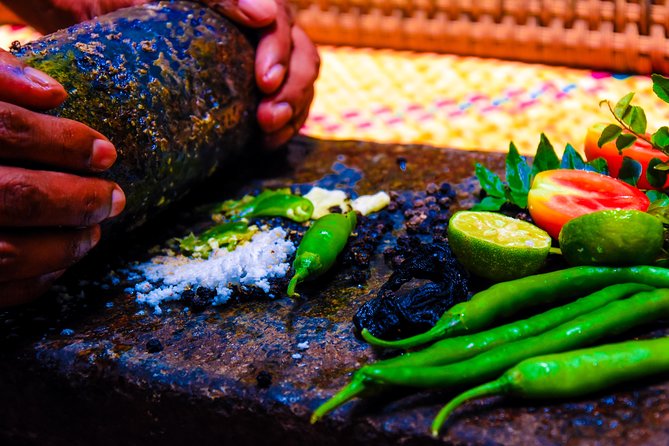
The market visit gives the class its local angle. You are not simply handed a basket of premeasured ingredients. You can see how vegetables, leafy greens, spices, and other cooking items are chosen before they reach the kitchen.
The guide can help you judge the right vegetables for cooking. That matters with dishes such as potato curry, fried mushrooms, and mallum, where freshness and texture affect the final result.
Leafy mallum is particularly useful to learn in person. The choices listed include gotukola, mugunuanna, gova, kankun, and aguna kola. Some of these greens may be unfamiliar outside Sri Lanka, and the market lesson helps connect the name of the leaf with its appearance and use.
I like this part because it gives you a way to read Sri Lankan food beyond the menu. You begin to see that a curry is not one fixed formula. Small changes in leaves, vegetables, coconut, spice, and cooking time can create a different dish.
The market can also be busy and sensory, and it may not suit someone who wants a quiet, highly polished food tour. Wear smart-casual clothing, as requested, and practical shoes. The experience takes place partly outdoors, and good weather is required.
The Clay Pot Is More Than a Photo Prop
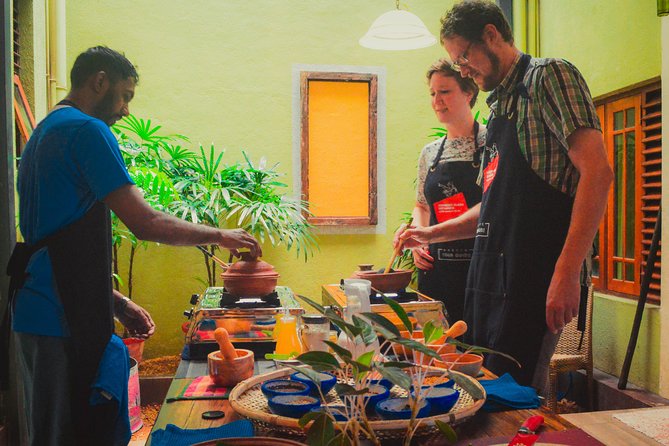
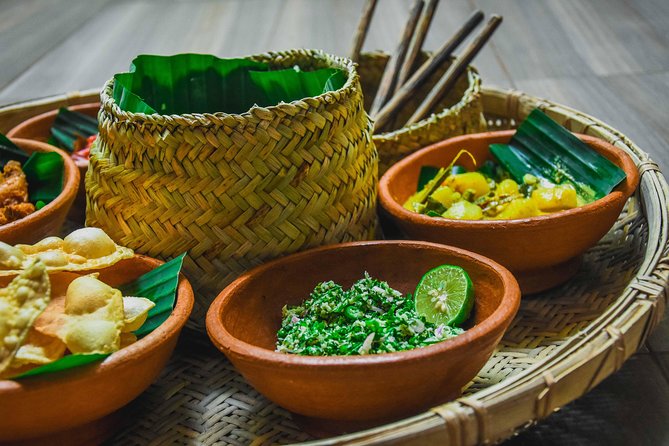
Cooking in clay pots is one of the more distinctive features here. Clay pottery has long been used in Sri Lanka, and a well-made, seasoned pot can hold heat for slow cooking.
The porous walls help retain moisture, which is useful for curries that need time to soften and develop flavor. The cooking method also changes the feel of the class. You are learning not only what to add, but how the vessel affects the food.
You should expect some care around the clay pots. They are not the same as metal cookware, and the chef will need to manage heat and timing. That means the pace may be slower than a fast home-kitchen lesson, but the method is part of the point.
The class presents clay cooking as a way to keep food tender and flavorful. Claims about long preservation or antibacterial effects should not be the main reason you book. The practical value is learning an older cooking method and seeing how a traditional pot works with Sri Lankan curries.
Choosing Rice, Curries, Greens, and Extras
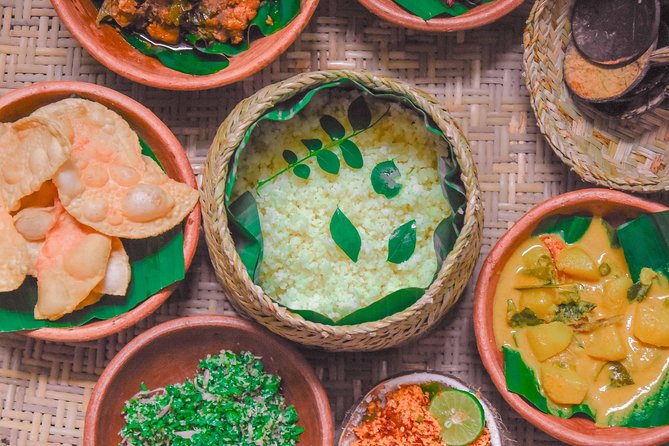
The menu gives you room to shape the meal, though the choices should be confirmed when booking. For rice, you can choose white rice, yellow rice, or brown rice.
The curry list includes Sri Lankan dhal, coconut sambol, potato curry, fried mushroom, and Sri Lankan chicken curry. Since the experience is sold as vegan, the chicken dish is clearly the item that needs clarification. You can request a fully plant-based menu, but do so in advance and repeat the request when you arrive.
A possible vegan spread could include rice, dhal, coconut sambol, potato curry, fried mushroom, and leafy mallum. Papadum is listed as an enhancer, and the chef may adjust the combination to fit your tastes.
The cooking is described as from scratch, including sauces, pastes, fillings, and appetizers. That is valuable if you want to understand the building blocks of the food rather than simply copy a finished recipe.
Sri Lanka has many styles of curry, and the same broad category can vary in color, aroma, texture, and technique. The chef can explain why one dish is cooked slowly while another is fried or mixed fresh. This is where private instruction earns its keep: you can ask why each step matters instead of waiting for a group demonstration to catch up.
More Vegan and Vegetarian Tastings in the world:
- Jaipur Market Tour & Vegetarian Rajasthani Home Cooking Class
★ 5.0 · 113 reviews - Busan Tailored Korean cooking class (Vegan OK)with market tour
★ 5.0 · 66 reviews - Seville Vegan Tapas Food and Market Walking Tour
★ 5.0 · 40 reviews - Seoul: Gwangjang Market Vegan & Vegetarian Food Tour
★ 5.0 · 16 reviews
A Truly Hands-On Lesson
The strongest feature is the private format. Only your group participates, so the chef can adapt the pace and menu to your interests.
The class is intended to put you into the work. You might prepare vegetables, mix spices, work on sambol, handle leafy greens, and follow the cooking process from early preparation to serving. The exact tasks are not fixed in the supplied information, but the experience is designed as hands-on rather than a show from the sidelines.
That distinction matters. Some cooking classes give you one small job while the instructor completes the meal. Here, the private setup makes it easier to ask for more responsibility, especially if you already cook and want to understand technique.
The class also suits beginners. The cooking teacher is described as explaining things clearly and answering questions about the food, methods, and local ingredients. You can ask for recipe notes and tips to help recreate the dishes at home.
I would still ask how many dishes your group will actively prepare. The menu includes several possible items, but the five-hour schedule must cover market shopping, preparation, cooking, eating, and transfers. A flexible menu is useful, yet not every listed dish will necessarily appear on one table.
Eating the Meal at the Villa
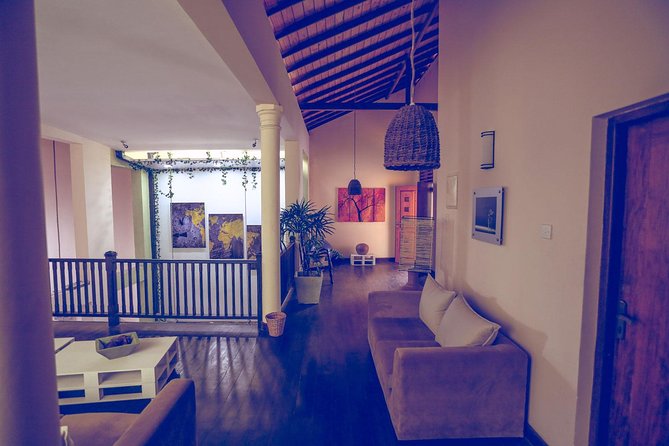
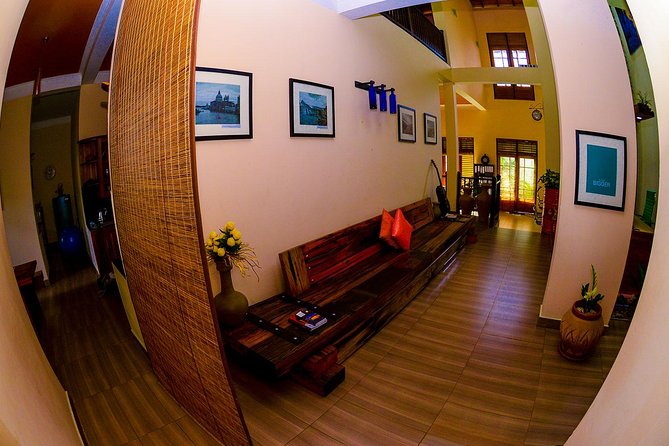
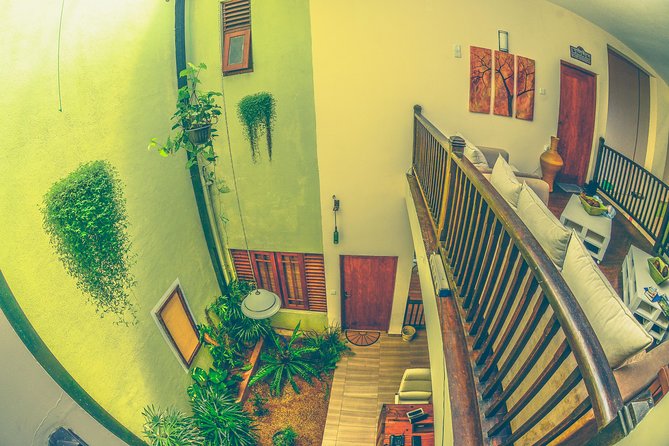
After the cooking, you sit down to eat what you helped prepare. The villa is in a quieter green area near Sri Lanka’s Parliament, Diyawanna Lake, and the immigration office. It is about 9 kilometers from central Colombo and near the expressway exit toward the airport.
That location may be a plus if you want a break from central Colombo traffic. You may hear birds rather than city noise, and the villa setting gives the class a more personal feel than a large commercial kitchen.
The meal is not limited to curries. The listed finish includes local beer, mineral water, tea or coffee, tropical fruit, and buffalo curd with honey. Beer is specifically not included, so budget for it if you want one.
Buffalo curd is a classic Sri Lankan-style dessert ingredient, with a thick texture and mild tang. Honey adds sweetness, while tropical fruit keeps the ending light after a meal built around rice and curry.
If you are strictly vegan, ask about the buffalo curd, honey, and any drink or garnish before the class. The activity is presented as vegan, but the dessert and drink details do not all fit a strict plant-based diet.
The description also mentions an overnight stay with free breakfast at the villa. It is not clear from the supplied price and inclusions whether accommodation is part of this cooking experience or a separate arrangement. Confirm this directly rather than assuming the $80 includes a room.
Is $80 a Fair Price?
At $80 per person, this is not the cheapest way to eat Sri Lankan food. You are paying for more than lunch: a private guide, market instruction, ingredient selection, a hands-on cooking session, the use of clay pots, and a meal.
The value is strongest for couples, families, or small groups who want personal attention. If four people share the class, the chef can still work with the group while each person takes part. A solo visitor may find the price harder to justify, but private teaching can be useful if you want detailed answers or have specific dietary needs.
Taxes, local taxes, handling charges, bottled water, light refreshments, tea or coffee, and a professional guide are included. Alcohol is not included. Hotel transfers and hotel drop-off are also listed as exclusions, despite the general note that pickup may be offered.
The price also makes sense if you plan to cook Sri Lankan food after the trip. Learning how to choose vegetables and how to build a curry from basic ingredients has more lasting value than a meal alone. If you only want to taste several dishes, a restaurant meal will cost less and take less time.
Who Will Enjoy This Most?
This class is a good fit if you want to participate, ask questions, and leave with techniques you can use at home. It suits people who enjoy markets, home-style food, and learning by doing.
It also works well for a birthday or family occasion. The private structure allows different ages and skill levels to take part without being lost in a large group.
Vegetarians should advise the operator at booking. Vegans should be especially precise and request a completely plant-based menu, including dessert and drinks. The word vegan does not fully match every item in the listed menu, so clarification is essential.
You may want to skip it if you dislike market visits, have limited time in Colombo, or prefer a fixed menu with exact transport included. The class needs several hours, and traffic can make the day feel longer.
The experience is also weather dependent. If poor weather forces cancellation, you will be offered another date or a full refund.
Booking Details That Matter
You receive confirmation when you book. Tell Ceylon Rustic Guide about dietary requirements at that time, including vegetarian or vegan needs.
The experience runs Monday through Sunday from 9:30 a.m. to 3:30 p.m. The activity ends at the meeting point, not automatically at your hotel.
Free cancellation is available up to 24 hours before the start time. Changes or cancellations inside that 24-hour window are not accepted for a refund, and the cutoff uses local Sri Lankan time.
Ask these questions before booking:
- Is hotel pickup available from your exact address, and is it extra?
- Is the villa overnight stay included or separate?
- Will the entire menu be vegan, including dessert?
- Which dishes will your group prepare?
- Can you receive the recipes afterward?
- What is the exact market meeting point and vehicle plan?
Should You Book This Colombo Cooking Class?
Book it if you want a private, hands-on introduction to Sri Lankan food rather than a quick demonstration. The market visit, clay pots, flexible menu, and from-scratch cooking give the experience real substance, and the quieter villa setting offers a change from central Colombo.
I would book only after confirming the vegan menu and transport. Those two details affect the experience more than the listed price. With those points settled, $80 is a reasonable spend for a five-hour private lesson, especially for a small group that wants practical cooking skills and a meal made together.
FAQ
How long does the cooking class and market tour take?
The experience lasts approximately five hours. The listed operating hours are 9:30 a.m. to 3:30 p.m., Monday through Sunday.
Is the cooking class private?
Yes. Only your group participates, and the class is designed to provide one-to-one instruction from the chef.
Is hotel pickup included?
Hotel pickup and hotel drop-off are listed as not included. Pickup is also described as being offered, so you should confirm availability and any extra cost with Ceylon Rustic Guide before booking.
Is the menu fully vegan?
The experience is presented as vegan, but the menu also lists Sri Lankan chicken curry, buffalo curd with honey, and beer. Advise the operator of your requirements at booking and confirm that every dish, dessert, and drink fits a strict vegan diet.
What food can I learn to prepare?
Choices include white, yellow, or brown rice; dhal curry; coconut sambol; potato curry; fried mushroom; leafy mallum such as gotukola or gova; and papadum. The listed menu also includes chicken curry, which should be excluded if you want a vegan meal.
Where does the experience end?
The activity ends back at the meeting point. It does not automatically include transport to your hotel.
Can I cancel for a full refund?
Yes, if you cancel at least 24 hours before the experience starts. Cancellations or changes made less than 24 hours before the start time are not refunded, and poor-weather cancellations offer a different date or a full refund.
Just added around the world
- Small-Group Gourmet Evening Walking Tour of Copenhagen with Market Visit and Dinner★ 4.5 · 40 reviews
- Discover Cologne’s Christmas Market Magic with a Local★ 4.5 · 4 reviews
- Discover Colmar’s Christmas Market Magic with a Local★ 3.5 · 4 reviews
- Cologne Christmas Market and Kölsch Beer Small-Group Tour★ 5.0 · 29 reviews
- Offbeat Fulton Market Graffiti and Murals Street Art Tour★ 3.0 · 2 reviews
- West Side Market Food Tour★ 4.0 · 31 reviews
- Sunday Brunch at Findlay Market Tour with Riverside Food Tours★ 5.0 · 65 reviews
- Small Group : Trekking Trip in Chiang Mai (Doi Suthep Area) with Market Tour★ 5.0 · 4 reviews
Market and Cooking Class Tours, compared.

Hanoi Cooking Class: Culture, Local Market & Meaning CSR Impact
Read our review →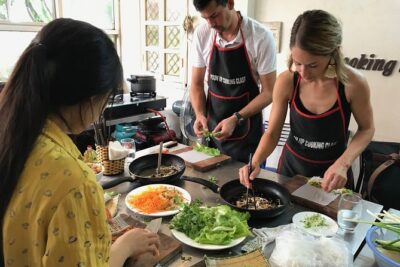
5 Traditional Dishes Hanoi Cooking Class with Market Trip
Read our review →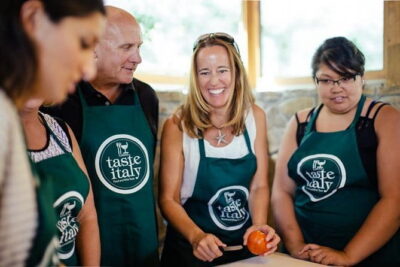
Cooking Class and Lunch at a Tuscan Farmhouse with Local Market Tour from Florence
Read our review →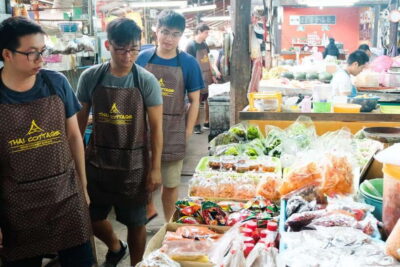
Cooking Class, Market & Thai Herbs Garden Tour
Read our review →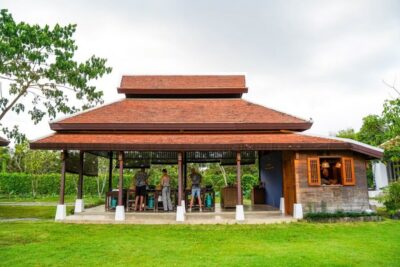
Authentic Cooking Class with Market & Farm Visit
Read our review →
Paella Cooking Experience & Boqueria Market Tour
Read our review →
Cooking Class Hoi An:Local Market, Basket Boat, Fishing & Cooking
Read our review →
Hoi An Cooking Class(Market,BasketBoat Crabfishing&Cooking Class)
Read our review →Browse the lists this tour appears in