
Review · MARKET AND COOKING CLASS TOURS
Syracuse: Traditional Cooking Class & Ancient Market Visit
Syracuse’s best cooking lesson begins before anyone turns on a stove. Chef Ettore takes you through Ortigia’s ancient market, greeting vendors, tasting ingredients, and choosing what looks best that day. You may work with fresh seafood, pistachios, vegetables, pasta, tuna, or other local products, then turn the haul into lunch.
I like the small group of no more than eight, which gives you a real chance to chop, mix, shape, and ask questions. I also like the flexible menu: Ettore can build the meal around your tastes, including less seafood if fish is not your thing. The main consideration is that the market is closed on Sundays, and the meeting instructions at Bar Cristina could be clearer than they are.
Key points at a glance
- Ortigia market first: Shop for ingredients among fish sellers, produce stalls, and familiar local vendors.
- Chef Ettore leads many sessions: His market relationships and professional pasta background add real depth to the class.
- Menus can change with the day: Your meal is shaped by the best ingredients available and your food preferences.
- Hands-on cooking: Expect to help prepare pasta, sauces, seafood, vegetables, desserts, or other Sicilian dishes.
- Lunch is part of the lesson: Sit down to eat what you helped make, with some sessions including wine or limoncello arranged by the chef.
- Four hours, eight people maximum: This is a half-day activity, not a quick demonstration.
Starting in Piazza Pancali with a market walk
The class begins at Bar Cristina, at Piazza Pancali 24 in Syracuse. This is on Ortigia, the historic island at the heart of the city, and it puts you close to the market streets.
The meeting point deserves a practical note. Bar Cristina is a sizable place, so look for the chef or greeter rather than assuming someone will immediately recognize you. It would help if the organizer gave you a clearer description of the meeting arrangement. If you are early, stay close to the stated address and keep your phone available.
From there, you walk into the Ortigia street market with your chef. This is not simply a shopping stop before the class. It is the part that gives the cooking a sense of place.
You will see stalls filled with seafood, produce, cured foods, cheese, fruit, and other local products. The market’s colors and smells matter because Sicilian cooking begins with what is fresh and appealing that morning. The vendors’ calls and conversations add a bit of theatre, but the useful part is watching the chef judge quality and decide what belongs on the menu.
Ettore is especially well connected in the market. He knows many of the sellers, and that makes the walk more personal than a standard food tour. Depending on the day and the menu, you might taste red prawns, mortadella, pistachio spread, fresh fruit, or other products before buying the ingredients.
The chef may also ask what you like to eat. That matters. One group might choose a seafood meal with shrimp, mussels, squid, and tuna. Another might prefer pasta, meat, vegetables, or dishes with less fish. This flexibility is one of the strongest features of the experience, but it also means you should not expect one fixed menu printed in advance.
More Market and Cooking Class Tours in Italy
- Cooking Class and Lunch at a Tuscan Farmhouse with Local Market Tour from Florence
★ 5.0 · 4,831 reviews - Small Group Cooking Class & Market Food Tour in Florence
★ 5.0 · 1,574 reviews - Pasta and Tiramisu Cooking Class with optional Local Market Tour
★ 5.0 · 515 reviews
Choosing ingredients that become your lunch
The shopping works best if you treat it as part of the cooking lesson. You are not just collecting ingredients. You are seeing how a Sicilian cook builds a meal from what is available.
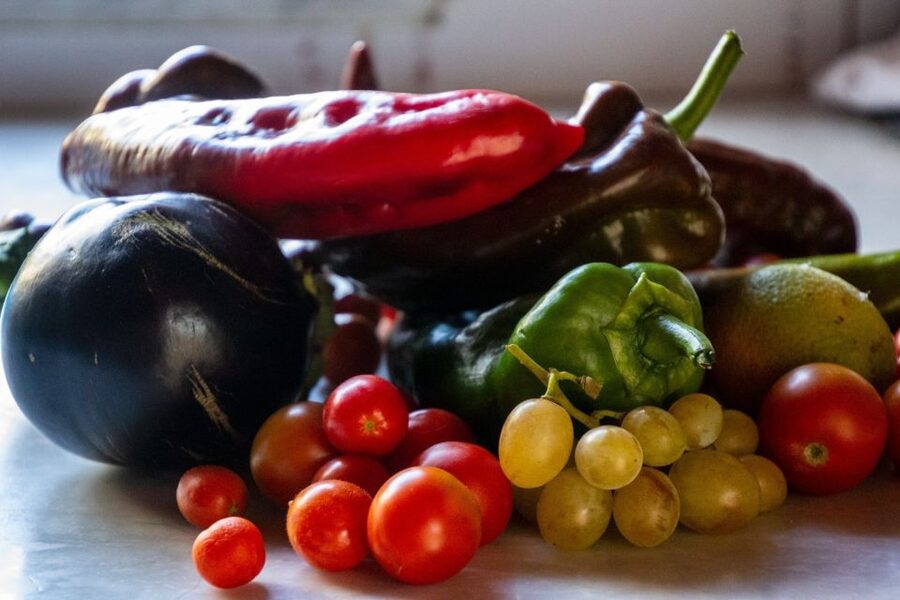
Several meals described from this class included fresh pasta, seafood sauces, tuna with peppers and onions, pistachio pesto, sardines, eggplant, tomatoes, cheese, arancini, veal involtini, bread, fruit salad, and cannoli. That is a wide range, so your exact dishes will depend on the chef, the season, the market, and your group’s preferences.
You might learn why shrimp shells and olive oil make a useful base for a seafood sauce. You might prepare a pistachio pesto, work with cuttlefish ink, or pair tuna with sweet peppers, onions, olives, garlic, capers, and tomatoes. These are practical ideas you can reuse at home, rather than decorative tricks meant only for a class.
The market also gives you a better sense of Sicilian flavor combinations. Pistachios, citrus, seafood, tomatoes, eggplant, fresh herbs, and sweet onions all appear in different forms across the island’s cooking. Seeing those ingredients before you cook helps connect the finished dish to the place.
Because the chef purchases the ingredients during the outing, the menu can be spontaneous. I consider that a plus for an adventurous eater. If you have allergies, strong dislikes, or a firm preference for seafood or no seafood, make that clear at the start.
Moving from the market to the kitchen
After shopping, you go to the cooking location. A transfer from the market is arranged if the kitchen is not within walking distance. The activity ends back at the original meeting point, so you do not need to plan a separate return route from the class.
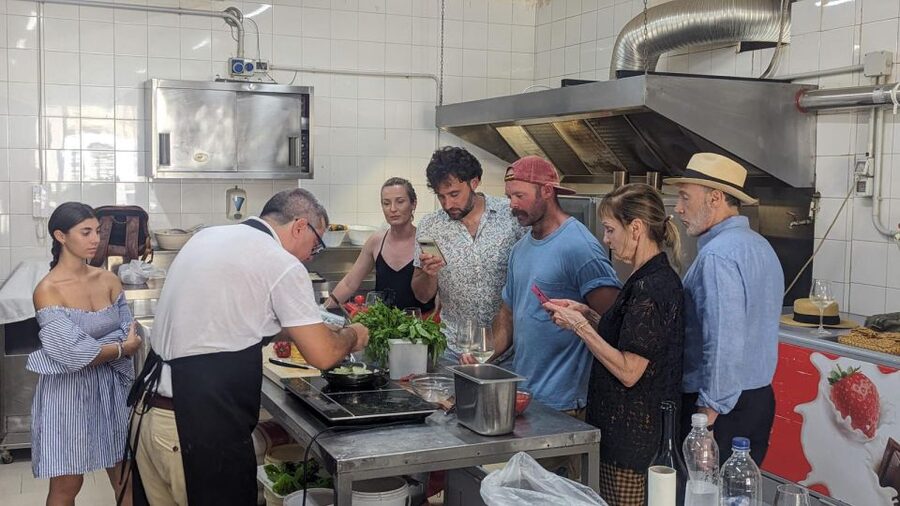
The kitchens can vary by session. The cooking has taken place in a restaurant kitchen, including a location identified as Cortile Di Bacco, and one class was held at a rugby club. That variety is worth understanding. This is not necessarily a polished culinary school with identical workstations and a fixed classroom layout.
Instead, you are entering a working local food setting. That can feel more genuine and give you a glimpse of how a restaurant kitchen operates. It may also mean the surroundings are less standardized than a purpose-built teaching kitchen. If perfect presentation and a formal school setup matter most to you, this may not be your ideal class.
The group limit of eight helps here. You are less likely to be lost at the back of the room, and you can take an active role. You may knead or shape pasta, prepare sauces, handle vegetables, work with seafood, or help assemble dessert. The chef demonstrates the method, then gives you a chance to take part.
Cooking with a chef who teaches through the food
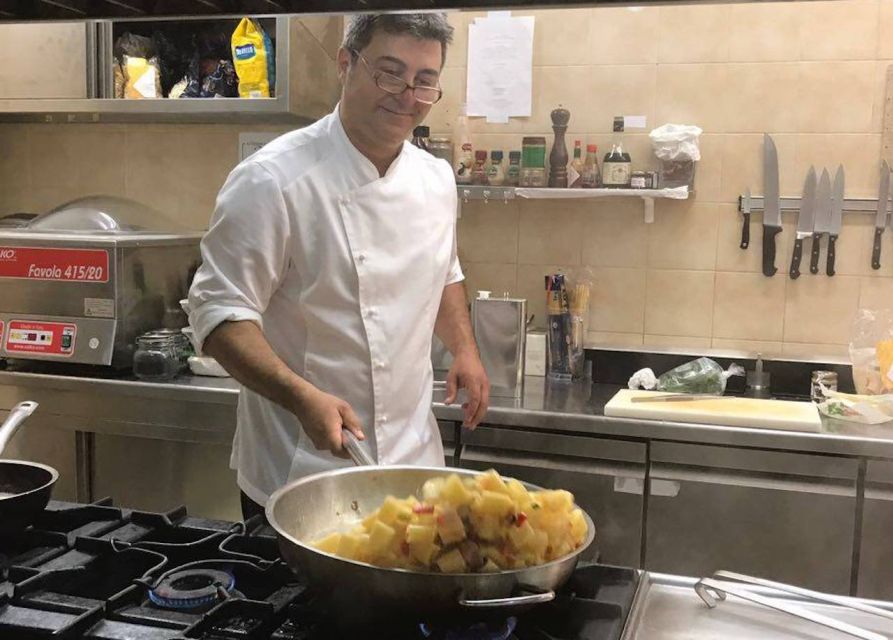
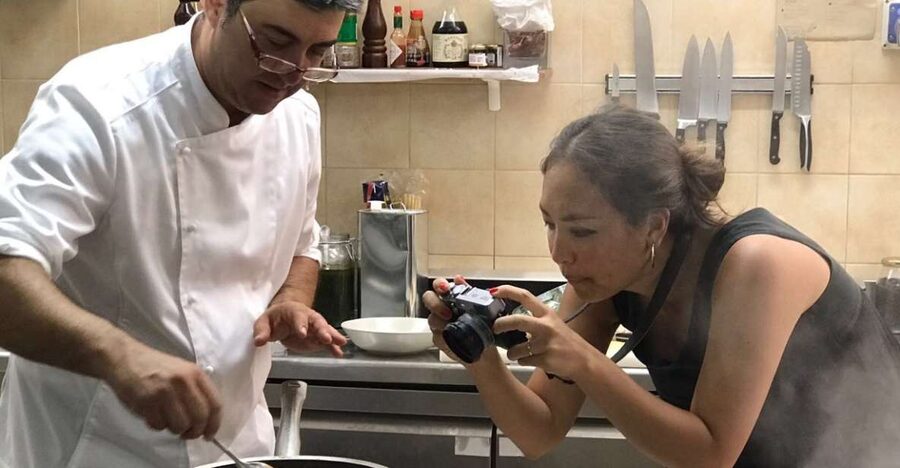
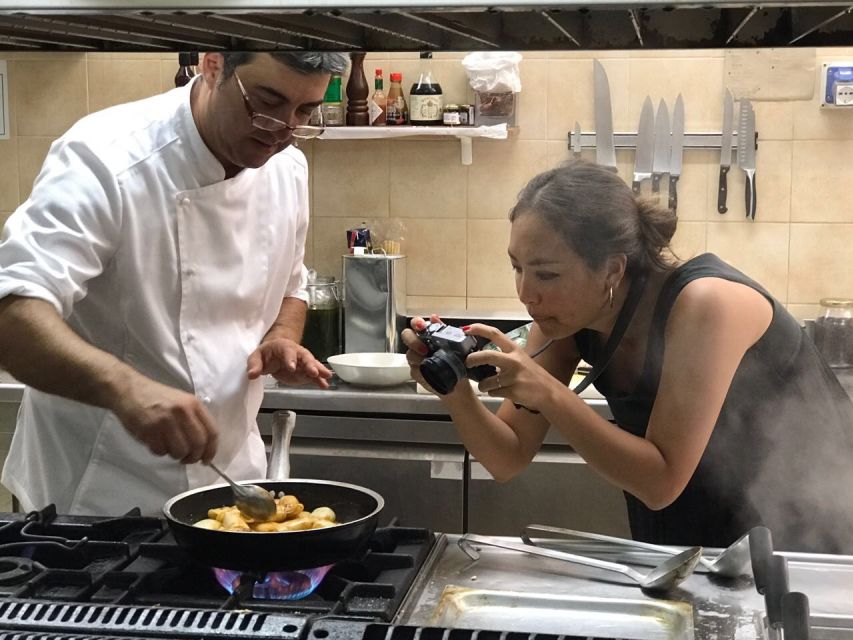
Ettore is frequently named as the chef leading the class. He has described experience as a pasta chef at a two-star Michelin restaurant, and that background shows in the range of techniques covered. The tone is not simply professional and formal. The class is also built around conversation, good humor, and sharing food.
His English is described as good, and the experience is offered in Italian and English. That makes it easier to ask why a sauce is prepared a certain way or how to repeat a technique at home.
The most useful teaching happens when a dish has several steps. A seafood pasta, for example, can show you how to build flavor from shells, olive oil, aromatics, and cooking liquid. Fresh pasta can teach you how quickly dough comes together and how texture changes with handling. A tuna dish can show how vegetables, olives, and capers balance a firm fish.
Some sessions include making fresh pasta in only a few minutes, while others feature cavatelli or two separate pasta dishes. The point is not to master every Sicilian recipe in one afternoon. It is to leave with a handful of methods you understand well enough to use again.
The chef may also adjust the work to match the group. If one person dislikes fish, the menu can shift. If the group wants seafood, the market stop can shape the whole lunch. This makes the class more personal, though it also means your cooking experience may differ greatly from another date.
Same place, a different set of stalls:
- Rome: Colosseum, Roman Forum & Trajan’s Market Exterior Tour
★ 4.3 · 2,038 reviews - Taste of Testaccio: Special 15 Year Anniversary Edition
★ 5.0 · 1,658 reviews - Bologna Food & Market Tour with 6 Tastings, Pasta, Wines & More
★ 5.0 · 1,328 reviews - Venice Street Food Tour with Local Guide with Local Food Market Visit
★ 5.0 · 822 reviews
Sitting down to a Sicilian lunch
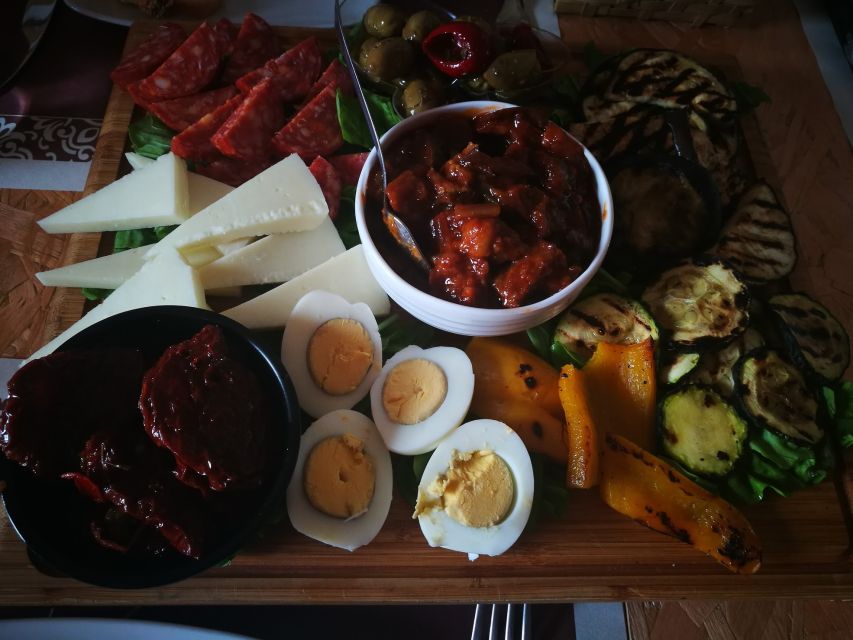
After the practical work, you eat the dishes you have prepared. That meal is the payoff, but it is also part of the teaching. You can taste the effect of fresh ingredients and compare the finished food with what you sampled in the market.
The meals can be generous. Past menus have included several courses, such as a starter or charcuterie board, two pastas, a fish or meat dish, salad, bread, and dessert. Examples include strawberry salad, fruit salad, cannoli, brioche with ricotta, and arancini. Do not assume every item will appear on your day, but do arrive ready for a substantial lunch.
Wine and limoncello have been served during some sessions, but the official details say food and drinks outside the planned menu are not included. In practical terms, ask the chef what is covered if you want to know about drinks or extras. The included lunch is the meal you prepare, not an open-ended restaurant bill.
The meal also creates time to talk. Cooking beside the chef, then eating at the same table, gives the class a friendly rhythm. You are not rushed out after a short demonstration. Some participants have even taken leftovers with them, though you should treat that as dependent on the day and the amount prepared.
Is $134.81 a fair price?
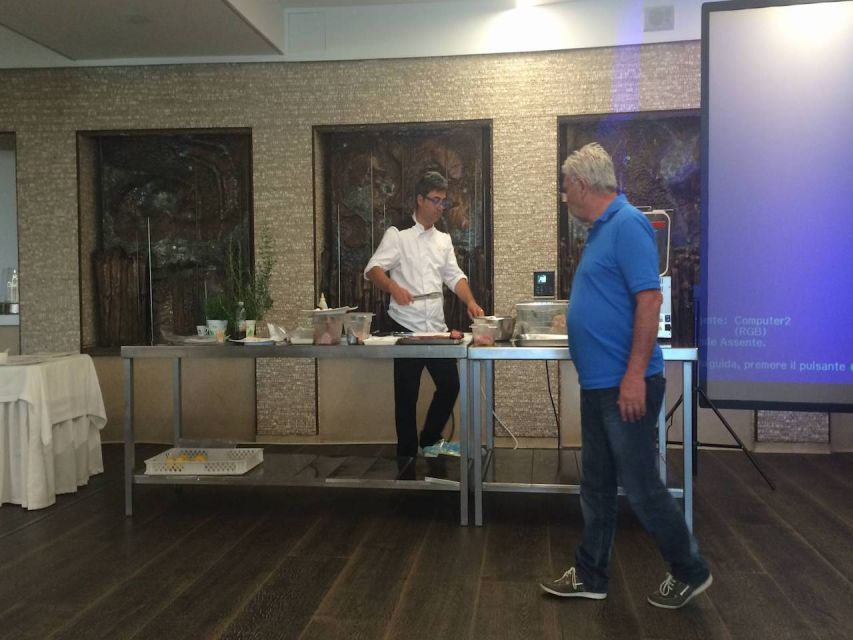
At $134.81 per person, this is not a budget lunch. But the price covers about four hours, the market walk, the chef, ingredients for the class, hands-on instruction, lunch, and a transfer if one is needed between the market and kitchen.
The value depends on what you want from a food activity. If you only want to eat Sicilian food, a market lunch or restaurant meal will cost less. If you want a personal guide through Ortigia’s food stalls, a flexible menu, cooking instruction, and a meal built around your own work, the price is easier to justify.
The small group is important to that calculation. Eight people is still enough for a social outing, but it is not a large demonstration where you simply watch. You are paying for access to the chef’s time and for ingredients chosen during the outing.
I would book this for a special occasion, a food-focused day in Syracuse, or the middle of a longer Sicily trip when you want a slower local activity. It may be too much if your schedule is tight or if you are not interested in cooking.
Sunday planning and other useful details
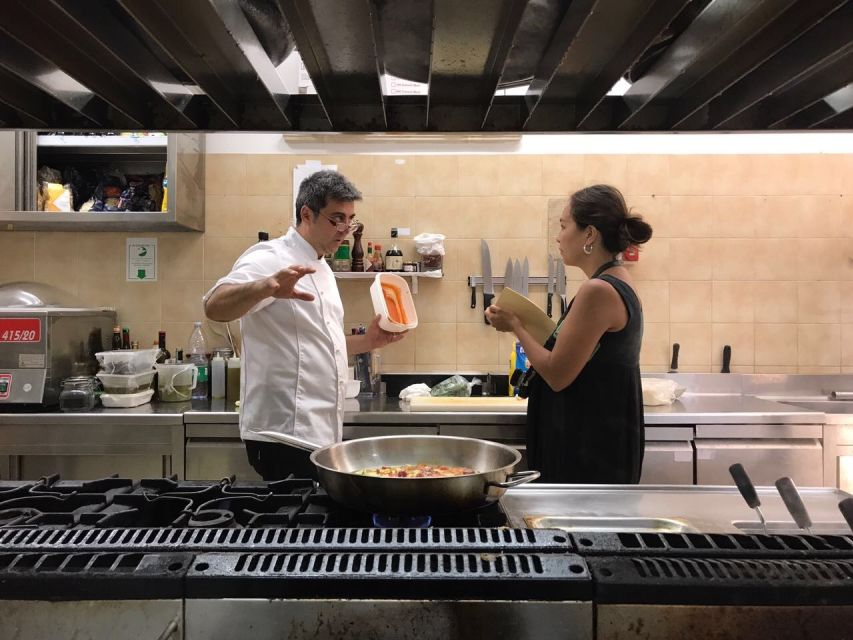
The Ortigia market is closed on Sundays. On that day, the chef guides you through the island’s streets to buy local products instead. That preserves the shopping element, but you should not expect the full market scene.
The activity lasts four hours, with starting times shown according to availability. Keep the rest of your day reasonably open. A market visit can take time, and a meal with several dishes is not something to squeeze between two fixed attractions.
The class uses a small group of up to eight people, and the host or greeter speaks Italian and English. You can cancel up to 24 hours before the activity for a full refund, and the reserve-now, pay-later option lets you hold a place without paying immediately.
Monument entrance fees are not part of this activity, but that is not a serious drawback. The focus is food, market life, and cooking rather than sightseeing inside churches or museums.
Who should book this class?
I would recommend it most to people who enjoy eating local food and want to understand how it is made. Couples celebrating an anniversary, families with older children, and friends who like a shared meal should find the format easy to enjoy.
It is also a good fit if you want a guide who can adjust the menu. Seafood lovers may have a particularly good time, since several menus have featured shrimp, mussels, squid, sardines, tuna, and fish sauces. If you dislike seafood, say so early and ask for the menu to be adapted.
This is less suitable for anyone who wants a tightly scripted class with a guaranteed recipe list. It is also not the right choice if you prefer to avoid walking through a food market or spending several hours around a meal.
Should you book it?
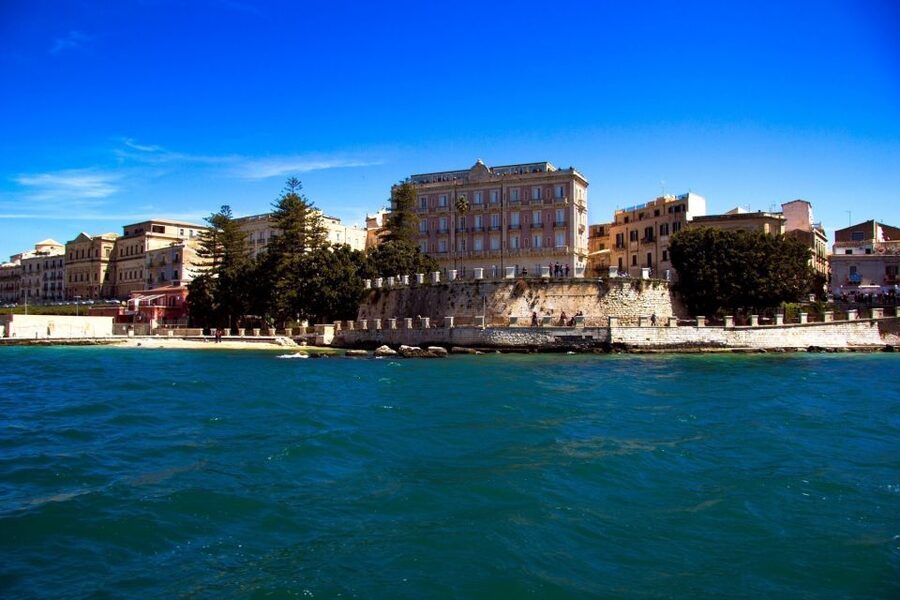
Book this class if you want a market-to-table day in Syracuse, not just a cooking demonstration. The strongest reasons are the market relationships, the chef’s flexibility, the small group, and the chance to eat a meal you helped prepare.
Before booking, check the day of the week, confirm the starting time, and make sure the meeting instructions are clear at Bar Cristina. If you are comfortable with a changing menu and a local kitchen rather than a formal school, this is a fine use of four hours and a memorable way to taste Ortigia.
FAQ
Where does the cooking class begin?
Meet the chef at Bar Cristina, Piazza Pancali 24, in Syracuse.
How long does the activity last?
The class and market experience last four hours. Starting times depend on availability.
Is the Ortigia market visited every day?
No. The Ortigia Market is closed on Sundays. On Sundays, the chef guides you through the streets of the island to purchase local products instead.
What languages are available?
The host or greeter is available in Italian and English.
How many people can join the class?
The experience is limited to eight participants.
Is lunch included?
Yes. Lunch made during the class is included. Food and drinks outside the planned menu are not included, and any additional arrangements should be confirmed with the local chef.
Just added around Italy
- Cesarine: Market Tour & Home Cooking Class in Catania★ 4.0 · 6 reviews
- Small Group Market tour and Dining Experience at a Cesarina’s home in Brindisi★ 4.5 · 6 reviews
- Small Group Market tour and Cooking class in Brindisi★ 4.5 · 8 reviews
- One day tour Christmas markets Innsbruck – Bressanone – Vipiteno★ 4.5 · 11 reviews
- Private Market Tour and Cooking Class in Bologna with Giovanna C★ 5.0 · 20 reviews
- Food markets tour with a local!★ 4.5 · 39 reviews
- Cesarine: Market Tour & Cooking Class at Local’s Home in Bologna★ 5.0 · 19 reviews
- Cesarine: Small Group Market tour and Dining in Altamura★ 3.0 · 2 reviews
Market and Cooking Class Tours, compared.

Hanoi Cooking Class: Culture, Local Market & Meaning CSR Impact
Read our review →
5 Traditional Dishes Hanoi Cooking Class with Market Trip
Read our review →
Cooking Class and Lunch at a Tuscan Farmhouse with Local Market Tour from Florence
Read our review →
Cooking Class, Market & Thai Herbs Garden Tour
Read our review →
Authentic Cooking Class with Market & Farm Visit
Read our review →
Paella Cooking Experience & Boqueria Market Tour
Read our review →
Cooking Class Hoi An:Local Market, Basket Boat, Fishing & Cooking
Read our review →
Hoi An Cooking Class(Market,BasketBoat Crabfishing&Cooking Class)
Read our review →Browse the lists this tour appears in