
Review · MARKET AND COOKING CLASS TOURS
Porto: Coastal Villages Market & Seafood Cooking Tour
Porto’s coast is best understood at the fish counter, not from behind a museum rope. You’ll start early with Marco, choosing sardines, clams, octopus, seabass, or whatever the boats have brought in, then follow the ingredients toward a home-cooked meal.
I like the small group limit of six, which keeps market visits and cooking personal. I also like the link between the coastal villages and the meal: Afurada, Miramar, Aguda, Granja, and Espinho give the seafood a human setting. The main consideration is the early start and moving schedule, with several van rides and roughly four to five hours on your feet or in the kitchen.
Key points at a glance
- Choose fish with local guidance: Learn how season, tides, and freshness shape Portuguese cooking.
- See five coastal communities: Afurada, Miramar, Aguda, Granja, and Espinho each offer a different look at life by the sea.
- Cook with market ingredients: Depending on the season, you might prepare seafood rice, shrimp bread stew, or grilled fish.
- Meet Marco and his family’s food world: His organic farm and family-run coastal setting add a personal touch to the meal.
- Expect a long shared lunch: Local wines, bread, olives, vegetables, and conversation are part of the experience.
- Plan for transport and walking: Pickup and drop-off are available in Porto, Vila Nova de Gaia, and Espinho, but comfortable shoes matter.
Why this Porto food tour feels different
Many food activities in Porto keep you in the city center, moving from one tasting counter to another. This one heads south along the coast, where fishing, small-scale farming, and home cooking still fit together in a practical way.
That connection is the real reason to book. You do not simply eat a Portuguese dish. You see the fish before it reaches the pan, choose produce for the meal, hear how the coast shaped local customs, and then help turn those ingredients into lunch.
The tour costs $106 per person. That is not a cheap market visit, but the price includes transport, market visits, ingredients, cooking materials, local wine, and a guided meal experience. With a maximum of six people, it offers more personal attention than a large coach excursion. Check the final cost details carefully, since the activity information says a restaurant bill is not included, even though the planned meal takes place in a private coastal setting rather than a standard restaurant.
The schedule lasts about four to five hours, though the advertised duration can range from four to six hours. That flexibility matters because market visits, village stops, and lunch do not always run like a railway timetable.
More Market and Cooking Class Tours in Portugal
- Porto Local Market Visit & Cooking Class / Showcooking
★ 5.0 · 206 reviews - Lisbon Market and Food Tour with Cooking Class and Lunch
★ 5.0 · 117 reviews - Private Lisbon Market Tour & Portuguese Cooking Class with Paula
★ 5.0 · 89 reviews
Starting in São Pedro da Afurada
Pickup is available in Porto, Vila Nova de Gaia, or Espinho. The exact pickup point is in front of your hotel, hostel, or Airbnb, so you should be ready outside at the agreed time. The initial van ride is short, about five minutes, and brings you to São Pedro da Afurada.
Afurada is a fishing community with a strong working character. You may see clothes drying in the sea air and fishermen repairing nets, details that tell you more about local life than a polished waterfront promenade does.
The first food stop is a traditional fish market, scheduled for about 45 minutes. This is not simply a place to take photographs. Marco helps you judge freshness and explains how the day’s catch depends on the season and the tides.
You might find sardines, octopus, clams, seabass, or another fish brought in that morning. The selection changes, which is part of the point. Portuguese cooking often begins with what the sea provides, not with a fixed recipe chosen weeks ahead.
This is also where Marco’s background adds value. He has experience with the fishing industry and can explain how that work is changing. For you, the practical benefit is a better understanding of why one fish appears at one time of year, why shellfish prices shift, and how local cooks make decisions at the market.
A second market for the land-based ingredients
After the fish market, you’ll ride for about 20 minutes before the sightseeing portion of the day. The route then leads to a farmers’ market, where you can look for vegetables, herbs, fruit, olives, cheese, and bread from nearby villages.
The shopping stop lasts about 30 minutes. That is enough time to gather ingredients for the meal without turning the morning into a full grocery expedition. I like this part because it shows that seafood is only one piece of a Portuguese table. Olive oil, potatoes, peppers, bread, herbs, and simple vegetables help make the meal feel complete.
You’ll have a hand in selecting what gets served later. That gives the lunch a sense of purpose. Instead of receiving a plate designed for a tour group, you can see the raw materials and watch them change through cooking.
The pace may feel a little stop-and-start. There are several van transfers, and the markets may be busy or crowded at the time of your visit. Still, those short movements are useful because the tour covers several communities rather than staying in one market district.
Five coastal villages, five different rhythms
The sightseeing section lasts about 45 minutes and includes a short walk through coastal fishing and farming villages. The route names Afurada, Miramar, Aguda, Granja, and Espinho, though the exact walking pattern may depend on the day’s timing.
Afurada gives you the clearest fishing-community setting, with nets, working boats, and daily chores close to the water. It feels lived in rather than arranged for visitors.
Miramar and Aguda are known for wooden boats resting on the sand. These boats are a useful reminder that the coast’s traditions developed around practical fishing, not only leisure and beach views.
Granja and Espinho add more context to the region’s coastal development. Along the way, Marco explains how the ocean influences festivals, food, and customs in northern Portugal. This is the part of the tour where the dishes begin to make cultural sense.
Do not expect a long, formal sightseeing walk through each village. You are getting a compact introduction, not a full architectural tour. The reward is the variety of settings and the chance to connect what you see outside with what you later cook inside.
Bring comfortable shoes. The day includes market floors, village paths, and time standing during food preparation. Sunscreen and a camera are also sensible, especially if the weather is clear.
Same place, a different set of stalls:
- Chef Led Porto Market Tour and Portuguese Tapas Class with Wine
★ 5.0 · 92 reviews - Arrábida Jeep Tour – Incredible Market & Hidden Gems
★ 5.0 · 61 reviews - Lisbon: Local Market, Food, and Culture Walking Tour
★ 4.7 · 40 reviews - Authentic Market & Food Tour in Portimão, Algarve
★ 5.0 · 38 reviews
Inside the cooking session in Espinho
After the village visits, another van ride of about 15 minutes brings you toward the shopping stop, followed by a 10-minute ride to Espinho for lunch. The meal and cooking session take around two and a half hours, making this the heart of the experience.
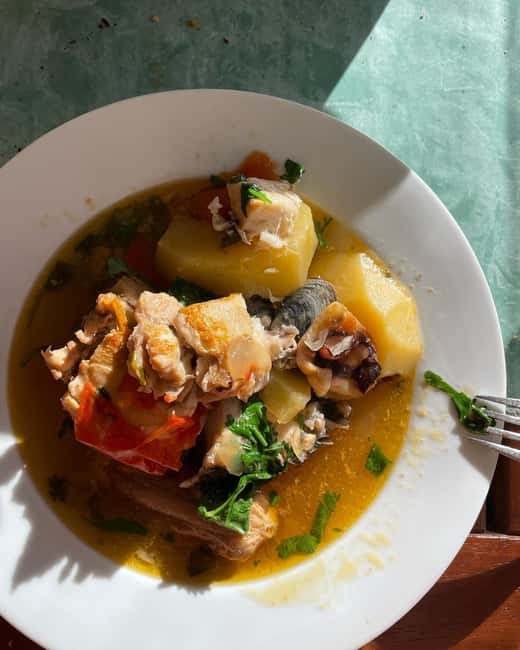
The kitchen becomes a working classroom. You help prepare a traditional seafood dish using the ingredients purchased earlier. Seasonal options may include arroz de marisco, a seafood rice; açorda de camarão, a garlic and shrimp bread stew; or freshly grilled fish with olive oil, garlic, and herbs.
The menu is not fixed, and that is a strength. If the market has a good selection of clams and sardines, the meal can follow those ingredients. If another catch is better that day, the cooking may shift.
Marco leads the preparation, and the available information also identifies his wife’s organic farm as part of the food story. One account of the day describes produce being collected from the farm before lunch. That gives you an unusual link between the coast and the inland work needed to support it.
You’ll learn practical methods rather than restaurant-style tricks. The focus is on balancing sea flavors, using basic ingredients well, and understanding the stories behind familiar recipes. Portuguese seafood cooking often depends on freshness, garlic, olive oil, bread, potatoes, and herbs rather than elaborate equipment.
The setting is informal. There may be music in the background and Portuguese wine available while you cook. This suits people who enjoy conversation and participation more than a quiet demonstration where you simply watch someone else work.
What the long lunch includes
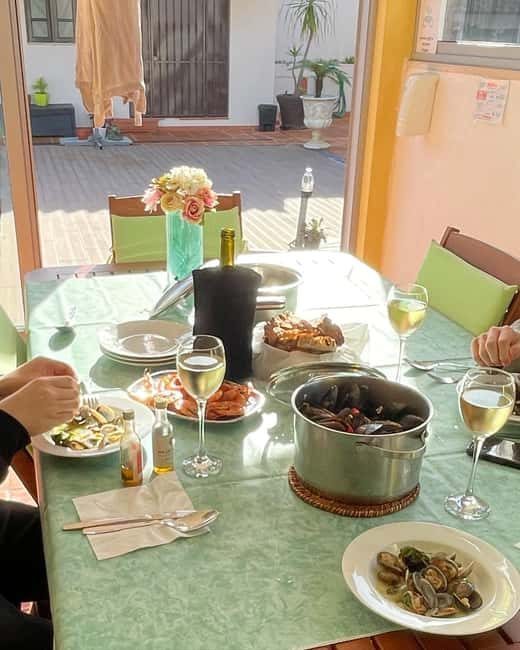
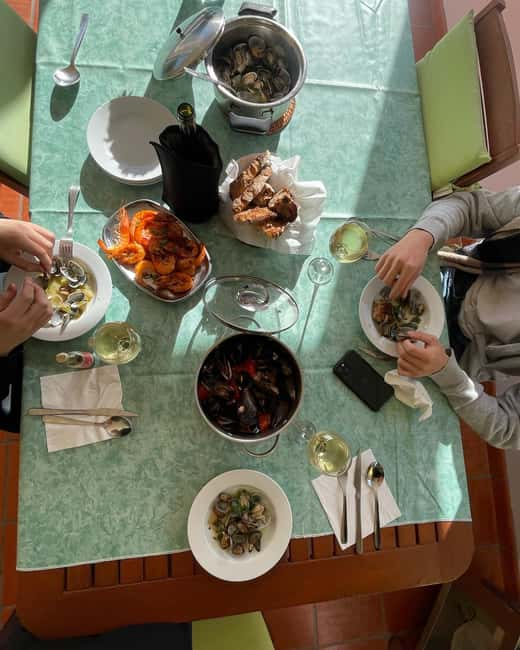
The meal is served after the preparation, with time to sit and talk rather than rush through a tasting menu. Local white and red wines may include Vinho Verde, Alvarinho, or wines from the Douro region.
The food can include clams, squid, sardines, bread, olive oil, olives, potatoes, and roasted peppers, depending on the season and the market. The precise menu will change, so you should not book expecting one guaranteed dish.
I like the generous length of the lunch. Two and a half hours allows the food to become a social occasion, not just the final item on a schedule. You can ask about the ingredients, compare cooking methods, and talk with Marco and the other people in your group.
The meal is held in a coastal home or family-connected setting. One account describes lunch at a bed-and-breakfast run by Marco’s in-laws in the coastal area identified as Aspamia. The itinerary places lunch in Espinho, so confirm the exact venue and route when booking if this detail matters to you.
There is one financial point to clarify before you reserve. The activity information includes ingredients, local wines, and cooking materials, but also says the restaurant bill is not included. Since the described meal is not presented as a conventional restaurant stop, ask the provider what, if anything, you will pay separately for lunch. Clear information here will help you judge the $106 price fairly.
Transport, group size, and timing
You are driven between the main stops, with pickup and drop-off in Porto, Vila Nova de Gaia, or Espinho. The short van rides total several transfers, so the tour works best if you prefer a guided route to arranging coastal trains, buses, and market visits yourself.
A private option or small-group format is available, with the stated maximum of six guests. That is important in a market and home kitchen. Six people can gather around ingredients and cooking tasks without the session becoming impersonal.
The guide speaks English, Portuguese, and Spanish. The English is conducted with a Portuguese accent, so you should be comfortable asking for a point to be repeated if needed. Marco’s knowledge of fishing and food gives the tour a clear local focus.
The day starts early because fish markets are best visited near the beginning of the trading day. Do not schedule a demanding afternoon activity immediately afterward. The advertised duration is four to six hours, and the practical estimate is around four to five hours, but lunch and conversation can extend the pace.
Free cancellation is available up to 24 hours before the activity, and you can reserve now and pay later. Those policies are useful if your Porto plans are still shifting.
Who will enjoy this most
I would choose this for someone who wants food, local contact, and a look at ordinary coastal communities. It suits couples, families with older children, and small groups of friends who enjoy cooking together.
It is also a good choice if you have already seen Porto’s central sights and want to understand the nearby coast. You will get more from it if you like asking questions, trying unfamiliar seafood, and sharing a table with people you have just met.
This is less suitable if you want a fast sightseeing loop with a strict timetable. It may also disappoint you if you prefer a polished restaurant meal, a fixed menu, or a tour built around major monuments.
Babies under one year old are not accepted, and the activity is not suitable for people over 95. The walking and standing make comfortable shoes important, though the available information does not specify special accessibility arrangements.
Should you book the seafood tour?
Book it if you want to meet Portugal through its markets, coast, and kitchen rather than through landmarks alone. The strongest parts are the small group size, Marco’s insight into fishing, the changing market menu, and the long shared meal with wine.
Think twice if you dislike early starts, van transfers, or meals that depend on the day’s catch. Also confirm the lunch charge before paying, since the information about the restaurant bill is not fully clear.
For the right person, $106 buys far more than seafood. It buys a guided look at the coast, ingredients chosen with local help, a hands-on cooking session, transport, and time around a family table. That is a fair price for a personal food day, provided you value conversation and participation as much as the meal itself.
FAQ
Where does the tour start?
Pickup is available in Porto, Vila Nova de Gaia, or Espinho. You should wait in front of your hotel, hostel, or Airbnb.
Where does the tour finish?
Drop-off is available in Porto, Vila Nova de Gaia, or Espinho.
How long does the experience last?
The stated duration is four to six hours, with the practical estimate given as around four to five hours.
What languages does the guide speak?
The guide can conduct the experience in English, Portuguese, or Spanish. The English is spoken with a Portuguese accent.
How many people can join the tour?
The experience is available as a private activity or a small group, with a maximum of six guests.
What food might I cook?
Depending on the season, you might prepare arroz de marisco, açorda de camarão, or grilled fish with olive oil, garlic, and herbs.
Are drinks and ingredients included?
Ingredients, local wines, and cooking materials are included in the activity information.
What should I bring?
Bring comfortable shoes, sunscreen, and a camera.
Just added around Portugal
- From Market to Table with Paula (Loulé) – Private Cookery Class★ 5.0 · 21 reviews
- Quarteira Town & Gypsy Market Tour with Beach Bliss★ 3.5 · 14 reviews
- West Algarve Tour Visit Tavira Olhão Market and Ayamonte in Spain★ 5.0 · 2 reviews
- Loulé Market and Town Half-Day Bus Round Trip from Albufeira★ 4.5 · 14 reviews
- Loule Traditional Market Tour★ 4.5 · 17 reviews
- Quarteira Market & Town Bus Trip from Albufeira★ 4.0 · 13 reviews
- Algarve Wines Tasting Shared Experience at Mercado Municipal de Silves★ 5.0 · 11 reviews
- Authentic Algarve: Loulé Town Tour and Markets★ 4.0 · 19 reviews
Market and Cooking Class Tours, compared.

Hanoi Cooking Class: Culture, Local Market & Meaning CSR Impact
Read our review →
5 Traditional Dishes Hanoi Cooking Class with Market Trip
Read our review →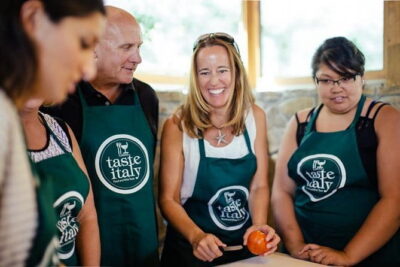
Cooking Class and Lunch at a Tuscan Farmhouse with Local Market Tour from Florence
Read our review →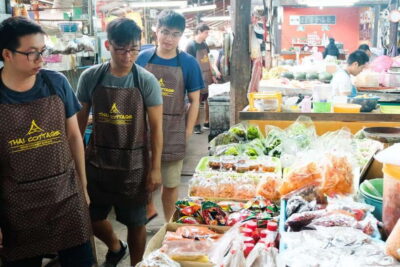
Cooking Class, Market & Thai Herbs Garden Tour
Read our review →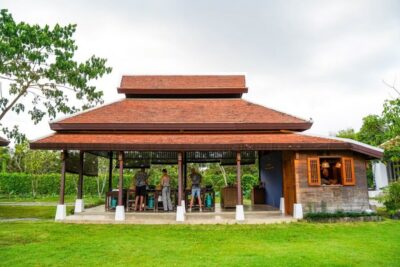
Authentic Cooking Class with Market & Farm Visit
Read our review →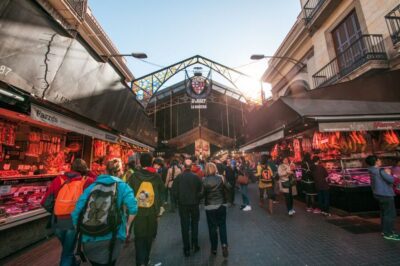
Paella Cooking Experience & Boqueria Market Tour
Read our review →
Cooking Class Hoi An:Local Market, Basket Boat, Fishing & Cooking
Read our review →
Hoi An Cooking Class(Market,BasketBoat Crabfishing&Cooking Class)
Read our review →Browse the lists this tour appears in