
Review · PALERMO MARKET TOURS
Palermo: Sunday Markets Walk with sweet break
Palermo’s Sunday markets give you a look at the city that museums cannot. In two hours, you move from the symbolic Vucciria to antique stalls at Piazza Marina, the food-filled lanes of Ballarò, the rough-edged alleys of Albergheria, and a pastry shop prized by locals. The route is not locked in place, so special markets and seasonal events can change the morning.
I like the mix of neighborhoods and market styles, from collectors’ tables to street food and old objects spilling into narrow lanes. I also like the pastry break, which adds a clear local pleasure to the walk rather than making the experience all talk. The main drawback is that a flexible route means you cannot count on every listed stop each Sunday.
- Vucciria on a quiet Sunday morning offers a useful look at how Palermo’s famous market district has changed.
- Piazza Marina brings antique sellers, craftsmen, and collectors together in an easy browsing stop.
- Ballarò and Albergheria show Palermo at its most colorful, noisy, and unpolished.
- A pastry stop includes morning coffee plus a cannolo or slice of cake.
- Corso Alberto Amedeo adds furniture, books, art, and curious old objects to the route.
- Flexible planning allows the guide to include seasonal markets or the Zagara fair when timing allows.
Why Sunday is the right time for Palermo’s markets
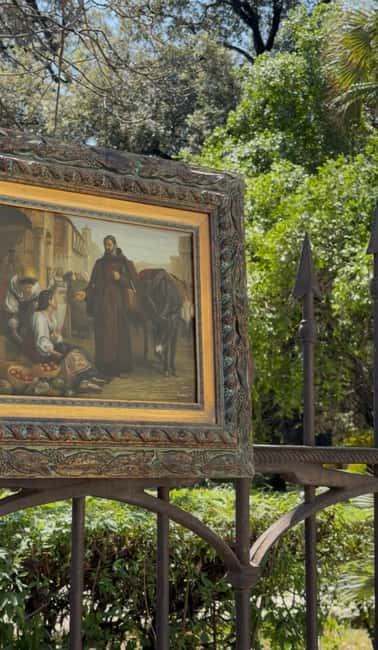
This is not a checklist walk through famous sights. It is a morning spent watching Palermo use its public spaces. Sunday changes the mood, giving you time to notice how market squares serve as meeting places, shopping areas, stages, and reminders of the city’s past.
The experience lasts two hours and costs $41 per person. That is a fair price if you want a guide to connect several central districts and explain what you are seeing. It is less compelling if you only want time to browse stalls on your own, since the markets themselves are free to enter.
The route can change from week to week. A special seasonal market or the Zagara fair at Palermo’s Botanical Garden may replace part of the regular path. That uncertainty is useful if you enjoy local events, but it also means you should treat the classic route as a guide, not a promise.
Starting at Vucciria and Piazza Marina
Meet at the Epic Sicily information point in Vucciria. The host begins by introducing you to Palermo’s Sunday rhythm, which gives the walk a clear starting point before you move through several different parts of the city.
Vucciria is an interesting first stop because it is full of contrasts. Once known as one of Palermo’s major markets, the area has changed over time. On Sunday morning, its quieter pace helps you consider what a market means after its busiest years, and how a neighborhood can carry old symbols even as its daily use shifts.
I would not come here expecting a nonstop food market. The value is in the explanation and the setting. You see how a square can reflect changes in the city, from commerce and local routines to nightlife and cultural memory.
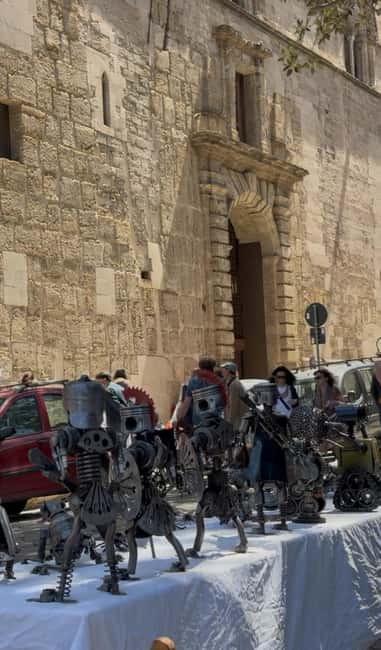
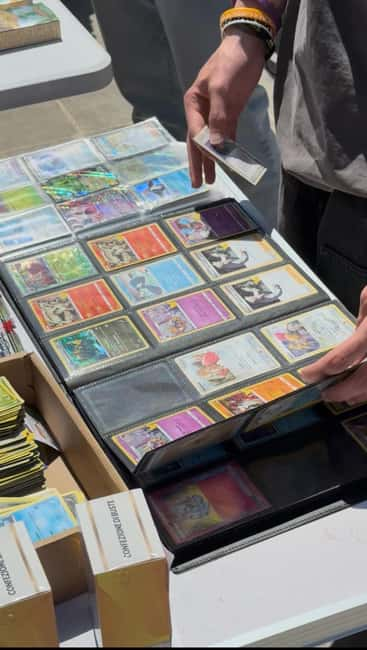
From Vucciria, the walk continues toward Piazza Marina. This is the place to look for antique stands, handmade work, and small objects with an older story attached to them. Collectors and craftspeople give the square a different feel from the food markets later in the morning.
If you enjoy browsing, bring cash and leave room in your bag. The experience includes shopping time, but personal purchases are not covered in the price. You might find a small object, book, or decorative piece worth taking home, though the route is not designed around guaranteed shopping finds.
A few more market tours around Italy worth a look
- Cooking Class and Lunch at a Tuscan Farmhouse with Local Market Tour from Florence
★ 5.0 · 4,831 reviews - Rome: Colosseum, Roman Forum & Trajan’s Market Exterior Tour
★ 4.3 · 2,038 reviews - Small Group Cooking Class & Market Food Tour in Florence
★ 5.0 · 1,574 reviews
Ballarò brings the strongest street energy
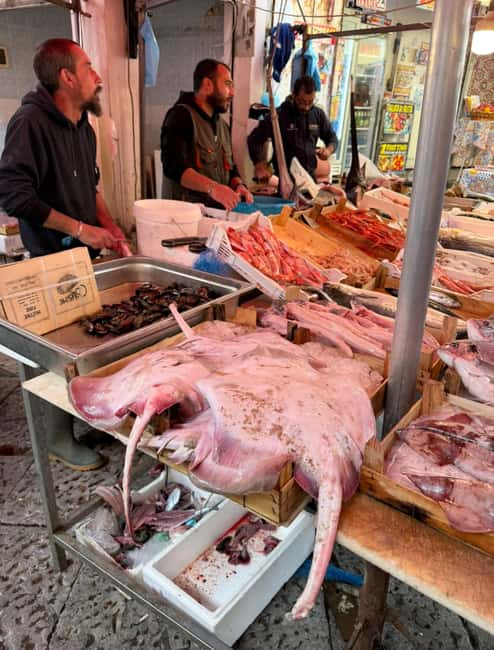
Ballarò changes the pace. Here, you encounter colors, voices, and street food in a market known for its busy, mixed character. The guide helps you read the scene as part of Palermo’s multicultural identity rather than treating it as a simple photo stop.
This is likely the most sensory part of the morning. You may see vendors arranging goods, hear conversations from several directions, and find food being prepared or sold along the route. The description does not promise a full meal, so plan to treat the street food as part of the atmosphere unless you arrange additional purchases yourself.
The market can feel intense, especially if you prefer quiet sightseeing. That is part of its appeal, but it is also a reason to wear comfortable shoes and stay aware of your belongings. You will be moving through active market streets, not polished exhibition halls.
I like that Ballarò is paired with the more reflective opening at Vucciria. Together, the two stops show different sides of Palermo’s market life. One encourages you to think about change and symbolism. The other puts you close to daily buying, selling, eating, and conversation.
Albergheria turns the market into a neighborhood
The walk then enters Albergheria, where the market spreads into side streets and alleys. This is less about a single organized row of stalls and more about seeing commerce blend into ordinary city life.
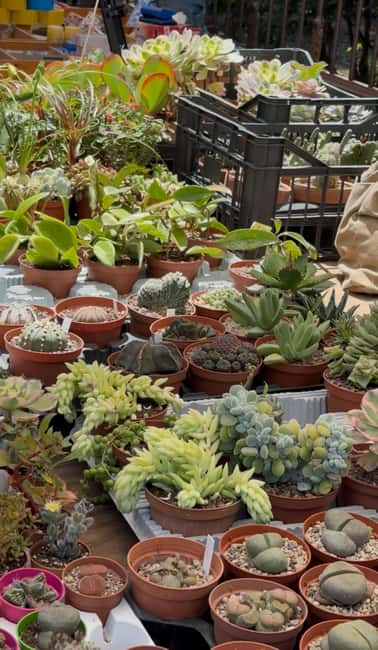
Old objects, vintage pieces, and local characters help give the area its direct, unpolished feel. You might find the setting more memorable than any individual item for sale, since the market seems to continue wherever the neighborhood allows it to continue.
This part is especially useful if you want to see Palermo beyond its best-known monuments. One verified booking described the experience as varied and praised the chance to visit districts the participant would never have entered alone. That is a strong clue about the tour’s purpose: it takes you into areas you could easily miss if you followed only the main sightseeing map.
The trade-off is that the atmosphere may not feel tidy or predictable. Alleys and informal stalls are part of the point. If you need a carefully arranged market with fixed displays and clear paths, this may not be your ideal morning. If you prefer places that show real daily routines, Albergheria is a good reason to book.
The cannolo and cake break
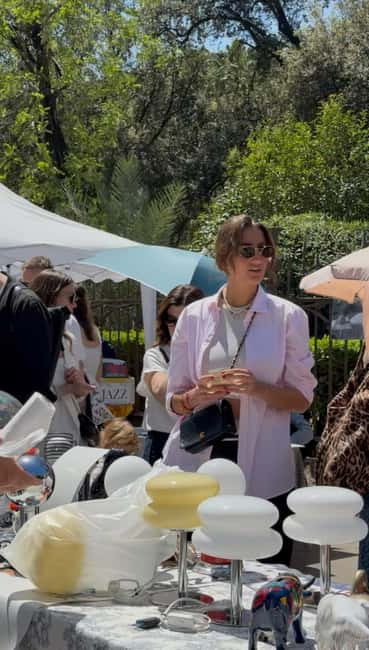
Midway through the walk, you make a short detour to a pastry shop away from the main tourist routes. The stop includes a sweet tasting, with a cannolo or chocolate cake among the possibilities, plus morning coffee included in the experience.
This is more than a snack added to fill time. Palermo’s pastry culture is one of the pleasures of the city, and a break gives you a chance to sit with what you have seen before continuing. It also creates a welcome pause in a walking route that moves through several busy districts.
The exact pastry is not guaranteed. You may receive a cannolo, cake, or another local sweet depending on what is offered that day. That is worth knowing if you have a specific food preference. The tour also does not state that special dietary needs can be accommodated, so ask before booking if that matters to you.
I like the choice to use a local pastry shop rather than a generic café. The stop is presented as a place many locals consider one of Palermo’s best, and it sits away from the main sightseeing path. You get a taste of the city’s everyday pleasures without turning the morning into a formal food tour.
Same place, a different set of stalls:
- Taste of Testaccio: Special 15 Year Anniversary Edition
★ 5.0 · 1,658 reviews - Bologna Food & Market Tour with 6 Tastings, Pasta, Wines & More
★ 5.0 · 1,328 reviews - Venice Street Food Tour with Local Guide with Local Food Market Visit
★ 5.0 · 822 reviews - Palermo: Street Food and Local Market Tasting Tour
★ 4.9 · 540 reviews
Corso Alberto Amedeo adds antiques with a different feel
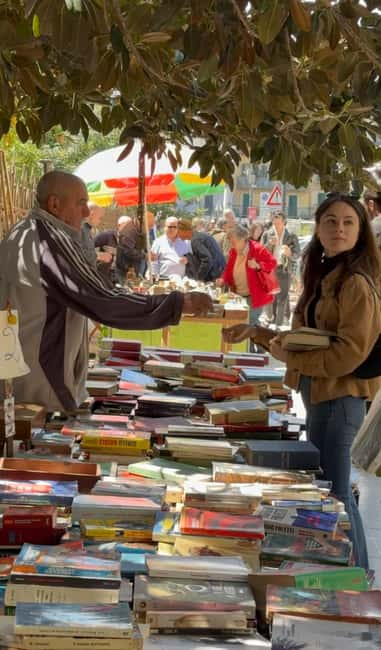
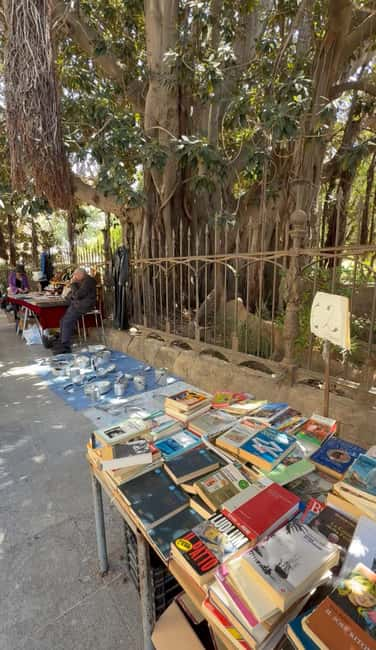
The final market area is along Corso Alberto Amedeo. Its antique market has a different character from Piazza Marina, with furniture, rare books, art pieces, and unusual memorabilia.
This gives the walk a strong ending because you finish with objects that point to Palermo’s layered past. A piece of furniture, an old book, or a curious keepsake can prompt questions about the homes, collections, and people that once used it. The guide can help you see these stalls as fragments of the city’s identity, not simply merchandise.
You should keep your expectations practical. The two-hour schedule allows for browsing, but not for a long negotiation session at every table. If you find something you want, bring cash and make your decision without assuming the group will wait indefinitely.
The variety also helps justify the price. You are not paying for one market visit. You are paying for a short, guided link between several market districts, plus context and a pastry stop. For a first morning in Palermo, that can save you time and help you decide which areas deserve a later return.
What $41 includes, and what it does not
The $41 price includes the guided walk, morning coffee, visits to several markets, and the pastry break. Personal expenses are not included, so set aside extra cash for food, vintage items, antiques, or anything else that catches your eye.
The value depends on how you travel. I would consider it worthwhile if you want local orientation, enjoy asking questions, and prefer a guide to connect neighborhoods that may feel unrelated at first. The price is harder to defend if you already know Palermo well or mainly want to shop without a set pace.
The tour is offered with a live guide in English, Italian, Spanish, German, or Russian. No guide’s personal name is provided, so you should choose the language that lets you follow market explanations easily. A live guide matters here because the meaning of Vucciria, the mix of Ballarò, and the informal shape of Albergheria are not always obvious from a quick walk-through.
The experience has a 5 out of 5 rating based on two verified bookings. That is encouraging, but it is a small sample. One booking from Belgium specifically praised the variety and the chance to reach neighborhoods the participant would not otherwise have visited. I would treat that as a useful sign about the route’s strength, not as proof that every Sunday will feel identical.
Practical tips for getting the most from the morning
Wear comfortable shoes. The route covers several market districts and includes streets and alleys, so this is not the time for stiff footwear.
Bring cash. It is useful for personal purchases and for any food or market item you decide to buy beyond what is included. A camera is also suggested, although ask before photographing people closely or focusing on individual stalls.
Keep your schedule loose after the walk. The itinerary can shift to include a special market or the Zagara fair at the Botanical Garden. The changing route is one of the experience’s most distinctive features, but it makes precise planning difficult.
Do not arrive expecting a formal cooking class or a full breakfast. The tour includes coffee and a sweet break, with the main focus on markets, neighborhoods, and local life. If you want a larger meal, plan one separately.
The walk is designed to be relaxed, with time for shopping. That means you should not expect a rapid survey of every Palermo market. The pace gives you space to look, but the two-hour limit still requires the group to keep moving between districts.
Who will enjoy this Palermo market walk
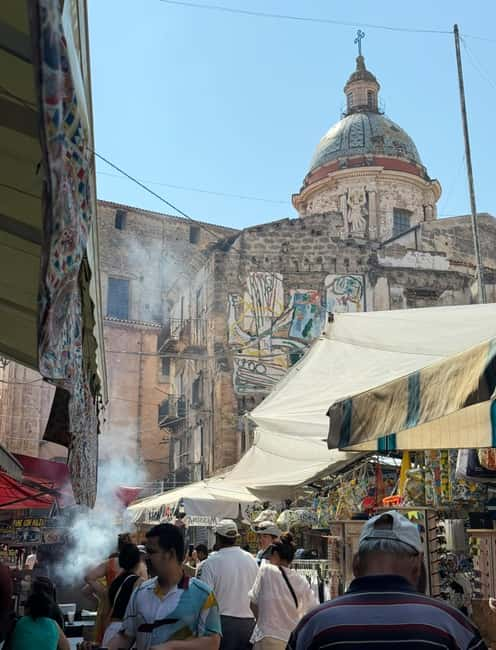
I would recommend this experience to first-time visitors who want a quick sense of how Palermo works beyond its major monuments. It is also a good fit for anyone interested in vintage objects, antiques, street food, photography, and ordinary neighborhood scenes.
You will likely get the most from it if you are comfortable with changing plans. The best Sunday for you may include an event that is not part of the classic route, and the guide may adjust the walk to follow what the city is offering that morning.
Families, couples, and solo visitors can all use the walk as a gentle introduction to central Palermo. The relaxed approach and sweet stop make it less demanding than a full-day food or history tour. Still, the active markets may feel noisy or crowded at points, and the informal streets of Albergheria will not suit everyone.
I would skip it if your only goal is a guaranteed visit to every named market. I would also skip it if you dislike shopping stops or prefer a tightly timed sightseeing route. The appeal lies in the connections between places and in the chance to see a less polished side of Palermo.
Should you book the Sunday market walk?
Book it if you want variety in a short time, especially if you are new to Palermo. Vucciria, Piazza Marina, Ballarò, Albergheria, and Corso Alberto Amedeo each offer a different view of the city, while coffee and a pastry keep the morning pleasant.
The strongest reason to choose it is the route’s flexibility. You may see a seasonal market or the Zagara fair instead of following the regular path exactly. The main caution is that the two-hour format cannot guarantee long browsing at every stop, and personal purchases cost extra.
At $41, this is a sensible guided introduction for curious visitors who want neighborhood context, market atmosphere, and a local pastry break. Canceling is free up to 24 hours before the start, and you can reserve now and pay later, which helps if your Sunday plans are still moving.
FAQ
How long does the Palermo Sunday Markets Walk last?
The experience lasts two hours.
What is the price?
The price is $41 per person.
Where is the meeting point?
Meet at the Epic Sicily information point in Vucciria.
What markets are included?
The classic route includes Vucciria, Piazza Marina, Ballarò, Albergheria, and the antique market along Corso Alberto Amedeo.
Does the route always follow the same itinerary?
No. The itinerary can change according to local events, seasonal markets, and special occasions such as the Zagara fair at the Botanical Garden.
Is a pastry included?
Yes. The experience includes a pastry break with a sweet such as a cannolo or cake.
Is morning coffee included?
Yes. Morning coffee is included.
Which languages are available?
The live guide service is available in English, Italian, Spanish, German, and Russian.
What should I bring?
Bring comfortable shoes, a camera, and cash.
Can I cancel the booking?
Yes. You can cancel up to 24 hours in advance for a full refund. You can also reserve and pay later.
Just added around Italy
- Cesarine: Market Tour & Home Cooking Class in Catania★ 4.0 · 6 reviews
- Small Group Market tour and Cooking class in Brindisi★ 4.5 · 8 reviews
- Small Group Market tour and Dining Experience at a Cesarina’s home in Brindisi★ 4.5 · 6 reviews
- One day tour Christmas markets Innsbruck – Bressanone – Vipiteno★ 4.5 · 11 reviews
- Private Market Tour and Cooking Class in Bologna with Giovanna C★ 5.0 · 20 reviews
- Food markets tour with a local!★ 4.5 · 39 reviews
- Cesarine: Market Tour & Cooking Class at Local’s Home in Bologna★ 5.0 · 19 reviews
- Cesarine: Small Group Market tour and Dining in Altamura★ 3.0 · 2 reviews
Palermo Market Tours, compared.
Discover Palermo in 3 hours. Art, history, markets and street food
Read our review →
Market Tour and Sicilian Cooking Class with Lunch
Read our review →
Wanna be Sicilian: Palermo Cooking Class and Market Tour
Read our review →
Browse the lists this tour appears in