
Review · MARKET AND COOKING CLASS TOURS
Ko Lanta: Thai Cooking Class with Market Tour and Dinner
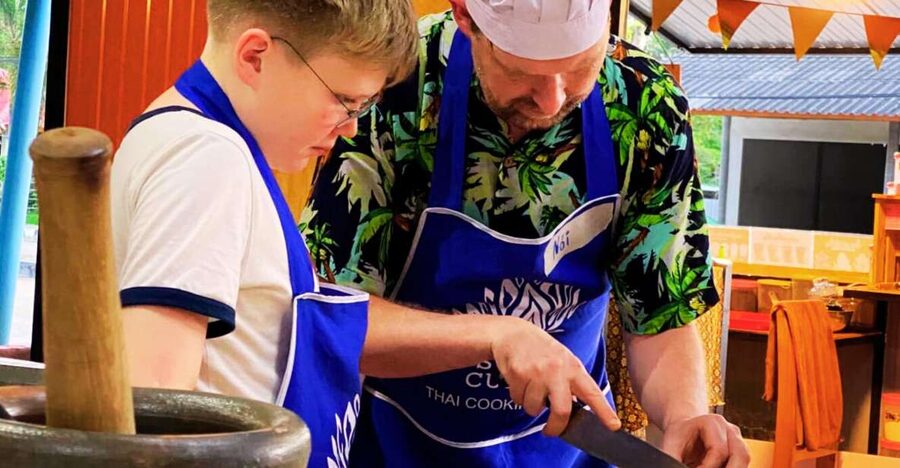
The best part of this Ko Lanta experience is the local market visit, where you learn what the herbs, spices, vegetables, and other ingredients actually look like before cooking with them. Chef Pak turns the lesson into a relaxed, hands-on class, with plenty of patience and humor along the way.
I like the market-to-table connection, and I like that you prepare four traditional dishes rather than watching a short demonstration. The included apron, recipe book, drinks, and hotel transfers also add real value to the $80 price.
The main consideration is the schedule. The morning and evening classes follow different menus and run on different days, so you need to choose carefully. One student also left without the promised certificate, although this appears to have been an isolated problem.
Key points to know before booking
- Chef Pak leads a patient, funny class: You learn preparation methods, ingredients, and cooking steps in a friendly setting.
- The morning course begins at a local market: Pickup is at 8:30 a.m., followed by cooking from 9 a.m. to 2:30 p.m.
- The evening course is built around dinner: Pickup is at 3 p.m., with cooking from 4 p.m. to 9 p.m.
- Four dishes are prepared in each cooking class: The format includes one appetizer, one soup, and two main dishes, usually with homemade curry paste.
- Fruit carving is a separate option: Classes run from 3 p.m. to 6 p.m. Monday through Saturday and include carving equipment, drinks, and a certificate.
- You take useful items home: The package includes an apron, recipe book, pen, certificate of cooking, and the food you prepare.
A market visit before the cooking begins
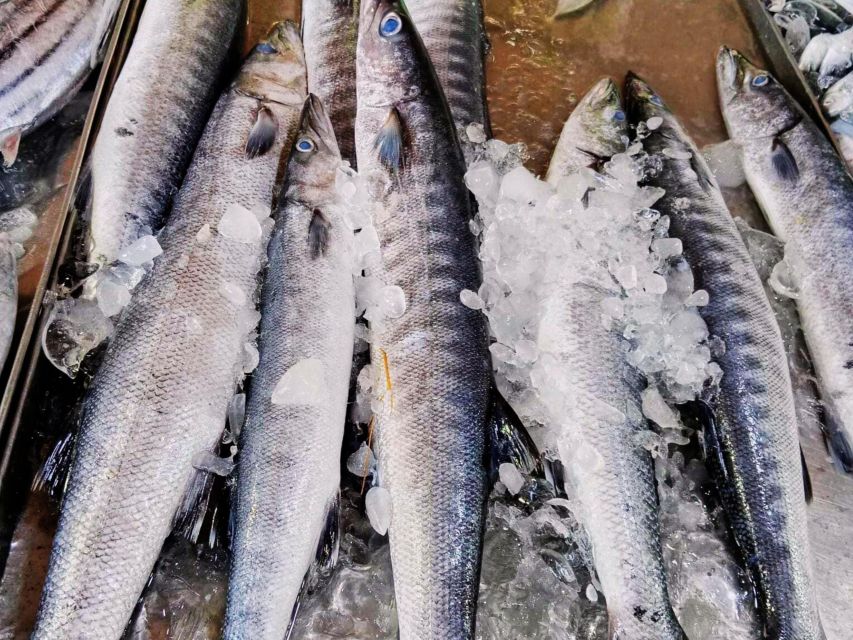
The morning class gives you a useful start to the day on Ko Lanta. Your resort pickup is scheduled for 8:30 a.m., and the program begins at 9 a.m. The market visit comes first, so you see local produce and learn about ingredients before they reach your chopping board.
This is more than a quick shopping stop. You get an introduction to the herbs, spices, vegetables, and products used in Lanta cooking. That matters because Thai recipes often depend on small differences in aroma and freshness. Seeing the ingredients whole makes the finished dishes easier to understand.
The market also connects the class with daily life on the island. You are not simply working from a prepared tourist menu in an anonymous kitchen. You are looking at the food that supports local cooking, then using those ideas during the lesson.
Allow yourself to pay attention during this section. Ask about ingredients you do not recognize, especially if you plan to repeat the recipes at home. The market portion is one of the strongest reasons to pick the morning program instead of treating the class as only a meal.
More Market and Cooking Class Tours in Thailand
- Chiang Mai: Cooking Class, Market & Thai Herbs Garden Tour
★ 4.9 · 4,824 reviews - Chiang Mai: Authentic Cooking Class with Market & Farm Visit
★ 4.9 · 4,546 reviews - Phuket Thai Cooking Class with Market Tour Option
★ 5.0 · 2,665 reviews
What you cook in the morning class
The morning program runs on Monday, Wednesday, and Saturday. Each day has its own menu, so the day you choose affects what you will learn.
On Monday, the dishes are Pad Thai, Goong Hom Sabi, Tom Kha, homemade Pad Thai sauce, and mango sticky rice. The menu gives you a familiar Thai favorite, a soup, a main dish, a sauce, and a dessert.
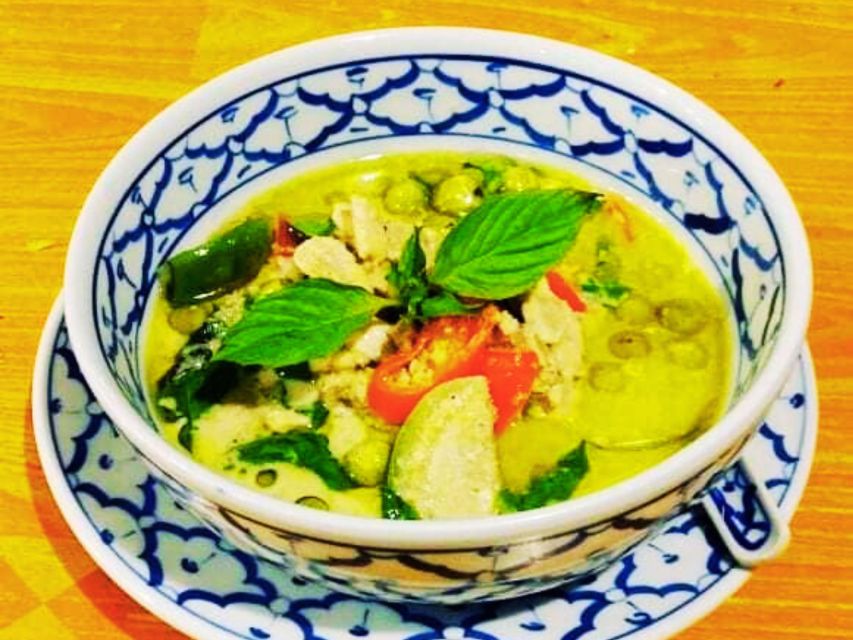
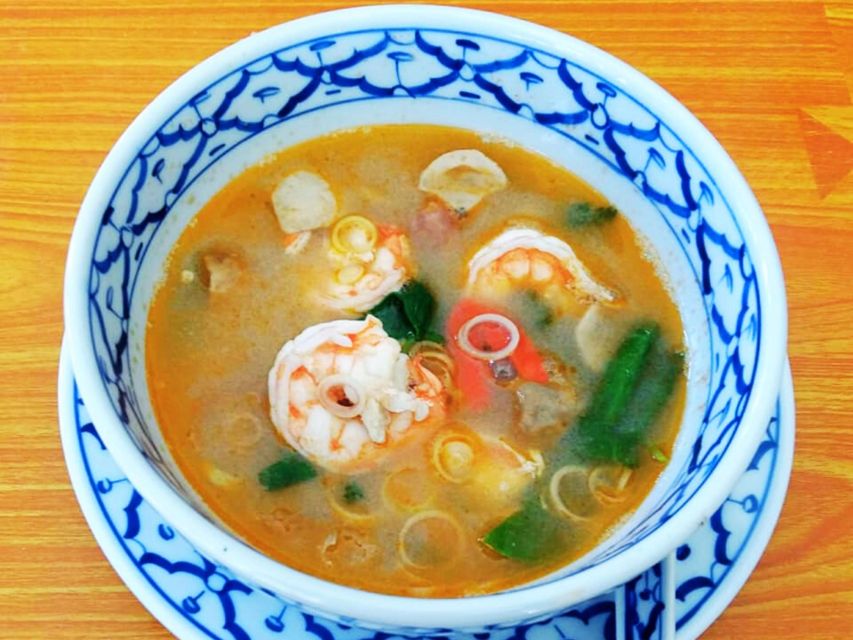
Wednesday focuses on green curry. You prepare homemade green curry paste, Gaeng Kiew Wan, Kanom Pang Na Gai, Tom Yam Goong, and Tub Tim Grob. This is a good choice if curry paste is your main reason for taking the class.
Saturday returns to Pad Thai, with Wihok Non Rang, Tom Jiw Gai, homemade Pad Thai sauce, and mango sticky rice. The day-specific menu means you should check the listing carefully before booking. Do not assume every morning class teaches the same recipes.
The class format includes one appetizer, one soup, and two main dishes, with homemade curry paste included in the work. You are not just copying a finished plate. You learn preparation methods and how local spices and ingredients fit together.
The program ends at about 2:30 p.m. You eat the food you have prepared, and you can bring it back to share with family or friends. That makes the long morning feel worthwhile, especially if you enjoy cooking more than simply sitting down to a restaurant lunch.
The evening class turns cooking into dinner
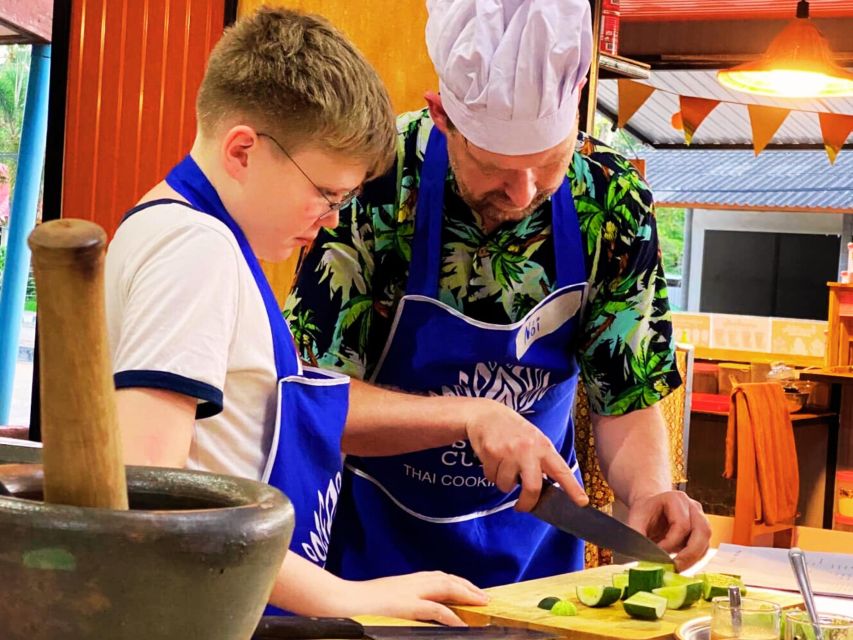
The dinner program has pickup at 3 p.m. and runs from 4 p.m. until 9 p.m. It is offered Tuesday, Thursday, and Friday. This timing works well if you want your morning free, though it uses most of the evening.
The class begins with an explanation of the history of the foods, along with the herbs, spices, and ingredients used in the recipes. You learn how to use each item correctly rather than throwing everything into a pan and hoping for the best.
Tuesday includes homemade Panang curry paste, Poh Pia Puk Tod, pineapple fried rice, Gaeng Panang, and Bue Loy Kai Wan. Thursday centers on homemade red curry paste, Pad Kra Pao Gai, Toong Tong, Tom Kha, and Gaeng Dang.
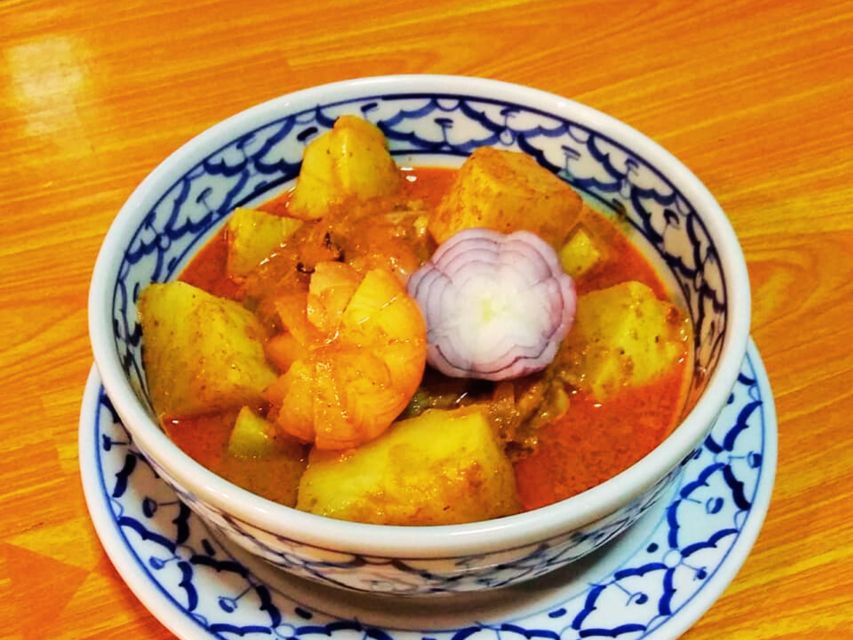
Friday features homemade Massaman curry paste, Som Tum Thai, Gaeng Massaman, Tom Yum Goong, and Tub Tim Grob. This is a particularly useful day if you want to learn several well-known dishes with different flavor profiles.
As with the morning program, the class includes one appetizer, one soup, and two main dishes. The evening meal gives you a natural finish to the lesson, since you can sit down and enjoy what you have made rather than rushing off to find dinner elsewhere.
The evening schedule is also the better fit for anyone who dislikes early starts. You still need to check the day and menu, but the later pickup gives you more time before class. The tradeoff is simple: you give up your evening and finish at 9 p.m.
Chef Pak makes the class approachable
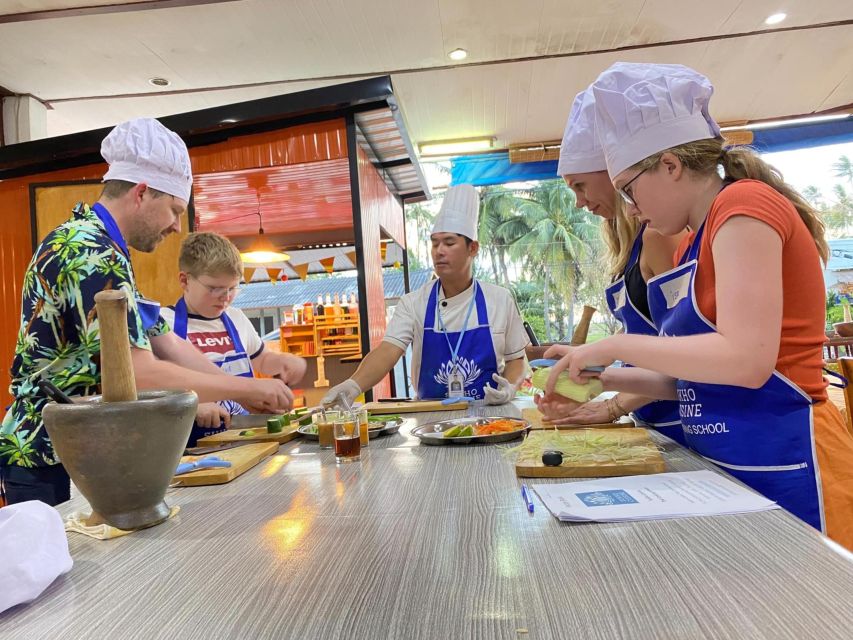
A cooking class is only as good as its teacher, and Chef Pak is an important part of this experience. The teaching style is described as patient, funny, and clear. You begin with basic preparation methods, then move into details about each dish.
That approach helps if you are not confident in the kitchen. You are shown what to do, given time to practice, and guided through the tricky parts. The class is not presented as a test of your cooking ability.
The teaching also covers more than measurements. You learn how herbs and spices work in Thai food and how to use them in the right way. That kind of explanation is more useful than a recipe card alone because it helps you make sense of the dish when you cook it later.
One of the strongest details from the experience is the teacher’s patience. The comments about clear instruction and a calm approach suggest that Chef Pak does not rush people through the steps. That is especially valuable during fruit carving, where small movements matter.
The class is suitable for Thai participants and foreigners who enjoy cooking Thai food. You do not need to arrive as an expert. A willingness to listen, chop, mix, and taste is more important.
Same place, a different set of stalls:
- Bangkok: Damnoen Saduak Market and Maeklong Railway Market
★ 4.5 · 26,723 reviews - The Old Siam: Damnoen Saduak and Maeklong Railway Market
★ 4.5 · 10,992 reviews - Bangkok: Train Market & Floating Market with Boat Ride
★ 4.7 · 9,547 reviews - From Bangkok: Ayutthaya & Ayothaya Floating Market Day Trip
★ 4.7 · 6,084 reviews
Fruit and vegetable carving is a different kind of class
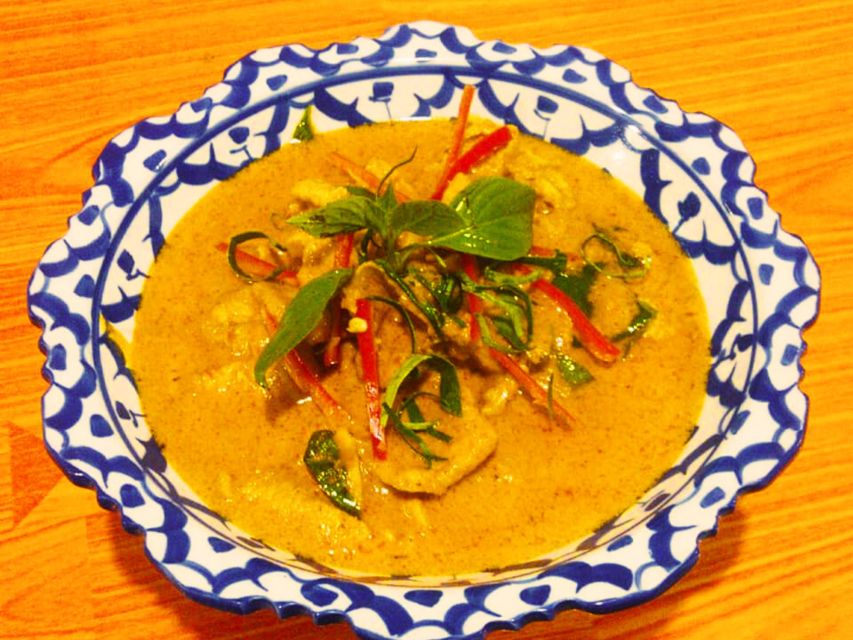
The carving program runs Monday through Saturday from 3 p.m. to 6 p.m. It is separate from the morning market-and-lunch course and the evening dinner course, so check exactly what you are reserving.
You learn how to use carving equipment, practice basic fruit and vegetable carving, and turn the results into food decoration. Coffee, tea, and water are included throughout the program.
This class asks for more patience than the cooking sessions. The aim is not only to produce an attractive shape. You learn the technique, control, and steady hand needed to make flowers and leaves from delicate vegetables.
That slower pace may suit you if you like crafts, presentation, or quiet hands-on work. It may not be the best choice if you want a full meal or a broad introduction to Thai recipes. The carving course includes a certificate, and you can bring your carved fruit and vegetables back to show friends and family.
It is also an appealing add-on for someone who has already taken a cooking class. The skill is practical for anyone interested in Thai food presentation, though the supplied details do not say that it is combined automatically with the cooking programs.
What the $80 price includes
At $80 per person, this is not the cheapest meal on Ko Lanta. It is also more than a short cooking demonstration. You are paying for a half-day or evening program, instruction, food, drinks, hotel transfers, and practical items to take home.
The included hotel pickup and drop-off remove one common source of hassle. You do not need to arrange separate transport to the school, though the exact pickup area is not stated here, so confirm that your resort is covered when booking.
Welcome drinks, snacks, coffee, tea, and drinking water are included. These small details matter during a class that can last from four and a half to five hours, depending on the program.
You also receive a Sukho Cuisine apron, a recipe book, and a pen. The recipes give the class value beyond the holiday itself. If you use them at home, the experience becomes more than one meal in Thailand.
A cooking certificate is included as well. One participant did not receive the promised certificate, so I would check for it before leaving. That is a minor practical point, but it is worth remembering since the certificate is part of the advertised package.
The food you prepare can be taken back to share with friends or family. This is useful if you are staying somewhere with a refrigerator or returning to your resort soon after class. The information does not specify packaging or storage arrangements, so ask the staff if you plan to keep the food for later.
Choosing the right day and menu
The menu is the biggest booking decision. The morning course is available Monday, Wednesday, and Saturday, while the dinner course runs Tuesday, Thursday, and Friday.
Choose Monday morning if Pad Thai, Tom Kha, and mango sticky rice appeal to you. Choose Wednesday morning if homemade green curry paste and Tom Yam Goong are the priority. Saturday gives you another Pad Thai-focused option with mango sticky rice.
For evening classes, Tuesday teaches Panang curry and pineapple fried rice. Thursday is built around red curry and Pad Kra Pao Gai. Friday includes Massaman curry, Som Tum Thai, and Tom Yum Goong.
I recommend writing down your preferred menu before booking. The experience is not a single fixed class, and the menu changes by day. A little planning prevents disappointment.
If you want market time, select the morning program. If you want a dinner-centered experience and a slower start to the day, select the evening program. If your main interest is decoration rather than cooking, choose the carving session.
Who will get the most from this experience
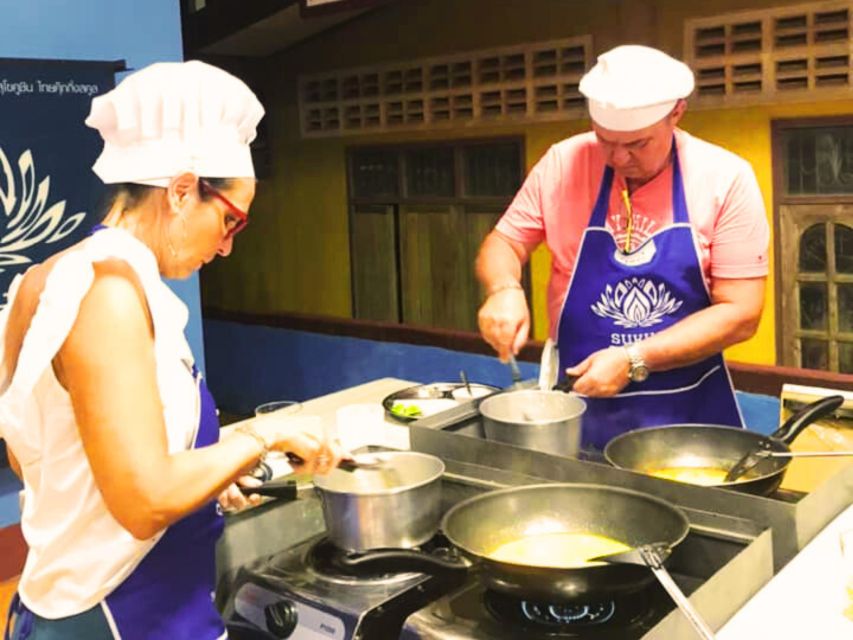
This class suits people who want more contact with Thai food than a restaurant meal provides. You learn where ingredients fit into the cooking process, then prepare the dishes yourself.
It is also a good choice for families and friends who want an activity they can share. The food can be brought back for others, and the recipe book gives everyone a way to repeat the dishes later.
Beginners should feel comfortable here because the teaching starts with basic preparation methods. The patient instruction is useful if you are unsure about curry paste, herbs, spices, or knife work.
Experienced home cooks may prefer the class for its local ingredients and menu choices. The value for you will come from learning Thai methods and flavor combinations rather than mastering basic kitchen skills.
The carving course suits a different interest. Pick it if you want careful handwork, food decoration, and a certificate rather than a full cooking meal. Coffee, tea, and water are included, but the supplied details do not list a lunch or dinner for this program.
Practical details before you reserve
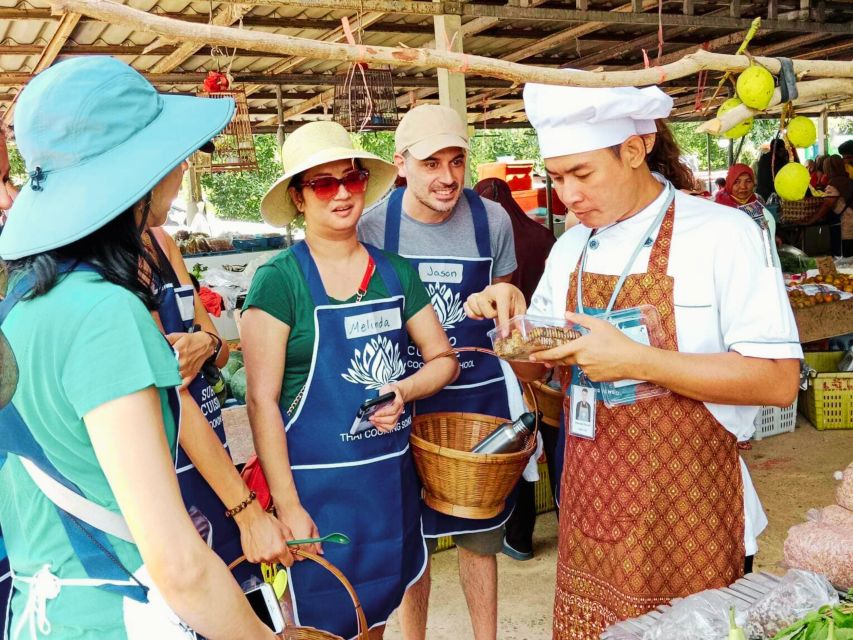
The cooking classes are offered in English and Thai. That makes the program accessible to international visitors, while the local setting keeps the focus on Thai food and daily life.
Hotel pickup and drop-off are included. Morning pickup is at 8:30 a.m., evening pickup at 3 p.m. The morning cooking program finishes at 2:30 p.m., and the evening program ends at 9 p.m.
You can reserve and pay later, which helps if your Ko Lanta schedule is still changing. Cancellation is allowed up to 24 hours in advance for a full refund.
The overall rating is 4.9 from 12 ratings, with the strongest praise focused on Chef Pak’s teaching, the market visit, the quality of the food, and the relaxed humor in the class. Those are the parts I would value most, since they shape the experience more than the certificate or apron.
Should you book the Ko Lanta cooking class?
Book it if you want a hands-on Thai food lesson with a local market visit, a named chef, four dishes, and enough time to ask questions. The market walk and patient instruction make it more useful than a basic demonstration, while the recipe book and apron help justify the $80 cost.
Pick the morning class for market time and lunch. Pick the evening class for a later start and a full dinner. Check the menu by day before paying, and confirm your resort pickup and certificate at the start or end of the program.
Skip it if you only want a quick meal or if a five-hour cooking session sounds tiring. For most food lovers on Ko Lanta, though, this offers a practical way to understand Thai ingredients and take a little of the island’s cooking culture home.
FAQ
How much does the Ko Lanta Thai cooking class cost?
The experience costs $80 per person.
Who provides the cooking class?
The experience provider is Lanta Tourist Center, and the cooking school is Sukho Cuisine Thai Cooking School.
Who teaches the class?
Chef Pak is identified as the chef and teacher for the experience.
What languages are available?
The class is available in English and Thai.
What does the morning program include?
The morning program includes hotel pickup, a local market visit, cooking four traditional Thai dishes, lunch, drinks, an apron, a recipe book and pen, a cooking certificate, and food to take back and share.
What time does the morning class run?
Pickup is at 8:30 a.m. The program runs from 9 a.m. until 2:30 p.m.
Which days offer the morning market and lunch program?
The morning program runs on Monday, Wednesday, and Saturday.
What time does the evening dinner class run?
Pickup is at 3 p.m. The dinner cooking program runs from 4 p.m. until 9 p.m.
Which days offer the evening dinner program?
The evening program runs on Tuesday, Thursday, and Friday.
Is fruit carving available?
Yes. Fruit and vegetable carving runs from 3 p.m. to 6 p.m., Monday through Saturday. It includes carving equipment instruction, basic carving practice, coffee, tea, water, a certificate, and carved fruit or vegetables to take back.
More Meals Out in Thailand
- Busan Seafood Tour : Jagalchi market Seafood Tour & Dinner
★ 5.0 · 74 reviews - Naples Street Food Experience with local guide – Small Group Tour
★ 4.5 · 64 reviews - Semi-Private Venice Market and Cicchetti Food Experience
★ 5.0 · 62 reviews - Private Guangzhou Food Tour Michelin Restaurant&Local Food Market
★ 5.0 · 32 reviews
More Dinner Trips in Thailand
- Bangkok Night Market Tour Dinner and Vintage Find
★ 5.0 · 9 reviews - Phuket: Sunset View and Seafood Market Dinner Guided Tour
★ 5.0 · 4 reviews - Dinner from cooking class & enjoy local night market
★ 5.0 · 2 reviews - Paris Evening Cooking Class French Dinner and Market Visit Option
★ 5.0 · 430 reviews
Just added around Thailand
- Morning Buddhist Almsgiving, Grand Palace and Flower Market Tour in Bangkok★ 3.5 · 9 reviews
- Bangkok Udomsuk Thai Cooking Class with local market tour★ 5.0 · 5 reviews
- Floating & Railway Markets and Erawan Waterfall [Optional Luxury]★ 5.0 · 43 reviews
- Floating Market & Railway Market near Bangkok★ 4.0 · 5 reviews
- Private 4 days : Bangkok, Floating market and Ayutthaya★ 5.0 · 2 reviews
- Silom Thai Cooking School with Fresh Market Tour★ 5.0 · 73 reviews
- Ayutthaya Floating Market Admission Ticket with Transfer★ 5.0 · 2 reviews
- Train & Floating Market Food Adventure + Scenic train ride★ 5.0 · 102 reviews
Market and Cooking Class Tours, compared.
Hanoi Cooking Class: Culture, Local Market & Meaning CSR Impact
Read our review →
5 Traditional Dishes Hanoi Cooking Class with Market Trip
Read our review →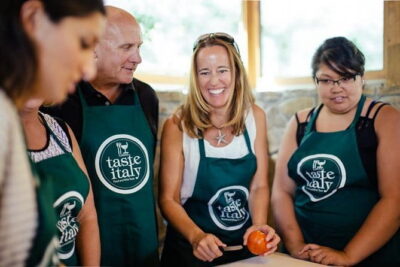
Cooking Class and Lunch at a Tuscan Farmhouse with Local Market Tour from Florence
Read our review →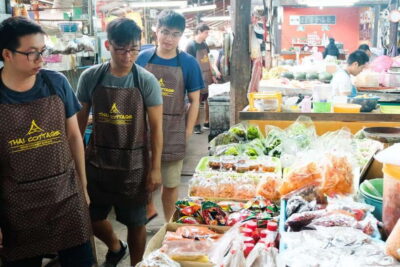
Cooking Class, Market & Thai Herbs Garden Tour
Read our review →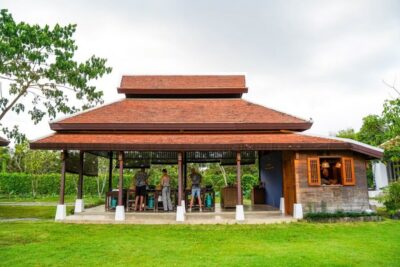
Authentic Cooking Class with Market & Farm Visit
Read our review →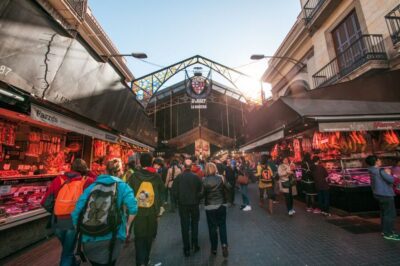
Paella Cooking Experience & Boqueria Market Tour
Read our review →
Cooking Class Hoi An:Local Market, Basket Boat, Fishing & Cooking
Read our review →
Hoi An Cooking Class(Market,BasketBoat Crabfishing&Cooking Class)
Read our review →Browse the lists this tour appears in