
Review · MARKET AND COOKING CLASS TOURS
Hungarian Cooking and optional Local Market Tour
Hungarian food makes the most sense when you cook it slowly, season it boldly, and sit down to eat it with a glass of wine. This class takes you from the Central Market Hall to a hands-on kitchen, where you prepare dishes such as goulash, chicken paprikash, nokedli, and apple strudel.
I like two things here: you do real preparation rather than simply watching a chef, and the instructors, including Vesna, Bernadette, Brigitte, and Sylvia, explain the food as part of Hungarian life. The possible snag is the optional market tour and return transport, which have not always been explained clearly at booking.
Key points
- Three dishes from scratch: Expect a soup or starter, a Hungarian main course with nokedli, and a dessert such as apple strudel.
- The market adds useful context: You can taste paprika, cheese, meats, pastries, and other local foods before cooking.
- Small groups help: The class is capped at 15 people, with several accounts describing especially personal instruction.
- Local drinks are part of the lesson: Wine, snacks, pálinka, and sometimes Unicum accompany the cooking.
- Recipes go home with you: You can recreate the meal and buy items such as paprika, condiments, or a cookbook.
- Check the end point: The class finishes at the cooking school, not necessarily back at Central Market Hall, so confirm transport before you arrive.
Why this cooking class works in Budapest
The strongest part of this experience is the connection between shopping, cooking, and eating. Hungarian cuisine can look simple on a menu, but paprika, onions, stock, slow cooking, and fresh dough make a major difference. Here, you get to see those choices up close.
The class runs about four hours. That gives you enough time to cook, eat, and talk without turning the morning into a rushed demonstration. The exact menu can vary, but the focus remains firmly Hungarian.
You may prepare goulash soup, chicken paprikash with nokedli, and apple strudel. A vegetarian option, often mushroom paprikash, is available upon request. Another recorded menu included creamy potato soup and palacsinta, so you should treat the sample menu as a guide rather than a fixed promise.
At $126.98 per person, this is not the cheapest meal in Budapest. It can still be good value if you want instruction, several dishes, drinks, cultural background, and recipes to take home. You are paying for a meal and a lesson, not just lunch.
More Farmers Market Tours in Budapest:
- German tour: Central Market Hall of Budapest with tastings
★ 4.9 · 164 reviews - Budapest: Kickstart the City – Local Market Tasting Tour
★ 5.0 · 10 reviews - Budapest: Cooking School – Hungarian Menu & Local Market
★ 5.0 · 7 reviews
Starting at Central Market Hall
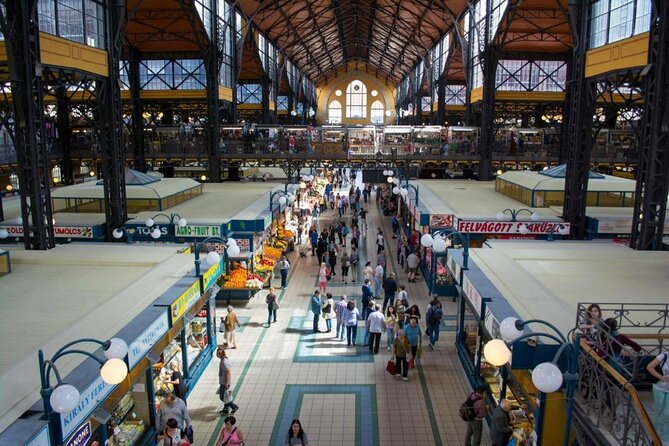
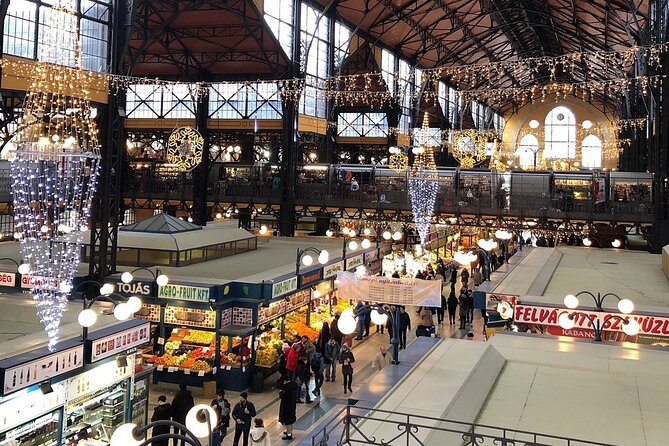
If you add the market option, you meet at Central Market Hall in Budapest. The building gives you a useful introduction to the ingredients that shape Hungarian cooking: paprika, cured meats, cheeses, pastries, vegetables, and local specialties.
The guide does more than point out stalls. You can taste products and learn that similar-looking goods may differ in quality and flavor. Paprika receives special attention, and that matters. Hungarian cooking uses it as a central flavor, not simply as a red garnish.
The market visit usually takes less than an hour. That is enough for an overview, samples, and some shopping, but it may not be enough for a relaxed browse. If you want to buy gifts or ingredients, keep your shopping list short and move promptly.
This is one place where expectations matter. The market tour is designed to teach you how the market works, not to give you a long free-shopping period. Some people have found the visit rushed, especially when the guide spends time warning about products rather than helping with purchases.
I would add the market tour if you want help choosing Hungarian ingredients. If you mainly want to cook, skip it and use the extra time to explore the hall independently on another visit.
From market ingredients to a working kitchen
After the market, the group goes to the Chefparade cooking school. The supplied information lists two possible school locations: Páva Street 13 on the Pest side or Bécsi Street 27 on the Buda side. That difference matters, especially if you are arranging another activity afterward.
One account describes a taxi ride of about 20 minutes from the market to the cooking location. Transport arrangements can vary, so do not assume the market and school are next door. Confirm the exact kitchen address and ask how you will return to central Budapest.
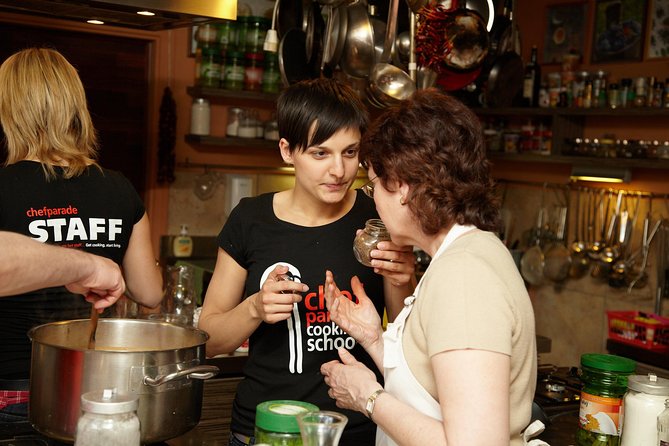
The school is set up for hands-on work. You may chop vegetables, prepare stock, stir sauces, make nokedli, and assemble strudel. The class is not simply a chef preparing food while you watch from a distance.
The group limit is 15 people. That is small enough for questions, although the amount of individual work can depend on the group and the instructor. Some classes have been private or nearly private, while others involve several people sharing the preparation.
Cooking goulash, paprikash, and nokedli
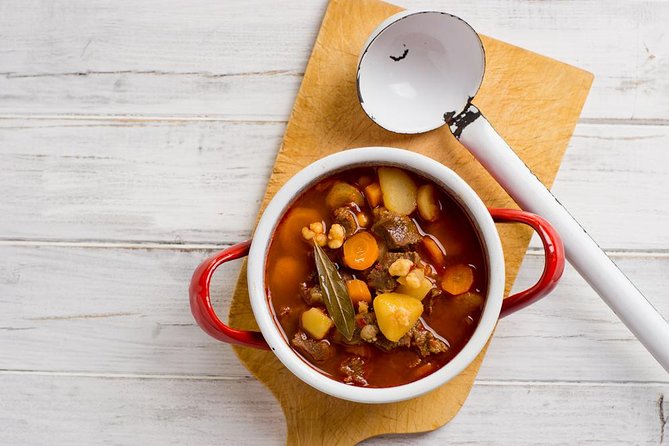
Goulash soup is often the first taste of the class. It is a hearty beef and vegetable soup, seasoned with paprika and built around a proper base rather than a quick pour from a packet.
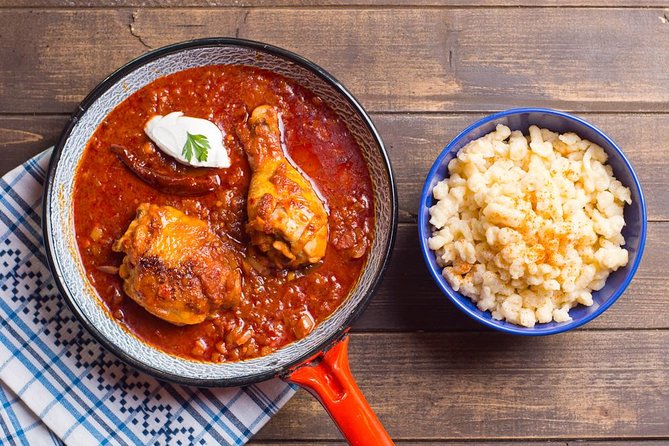
Chicken paprikash is the star for many people. You cook chicken in a creamy paprika sauce and serve it with fresh nokedli, the Hungarian version of small, soft dumplings similar to spätzle.
The useful lesson is not just which ingredients to add. You learn how long the chicken needs, how to keep the sauce from overcooking, and why the order of preparation matters. One account describes the chicken and sauce cooking for about an hour, with regular stirring and attention.
The quality of the chicken may not always match the recipe exactly. One class used boneless, skinless chicken instead of the cut shown in the recipe, which changed the result. That appears to have been an isolated problem, but it is worth remembering that group classes sometimes work with ingredients prepared in advance or adjusted for the day.
If you prefer not to eat meat, ask for the vegetarian menu when booking. Mushroom paprikash with nokedli is listed as an alternative. Dietary changes are possible, but allergy and religious-diet restrictions may have limited options, so be precise when you reserve.
More Market and Cooking Class Tours in Budapest:
- Budapest Cooking Class & Market Tour with Local Guide & Wines
★ 5.0 · 553 reviews - Budapest: Small-Group Cooking Class & Market Tour with Local
★ 5.0 · 138 reviews - Easy Cooking Class Budapest – with Market Walk (local wine & pálinka included)
★ 5.0 · 62 reviews - Budapest Market Tour & Home Cooking Class with local Chef & Guide
★ 5.0 · 23 reviews
Making strudel instead of just eating it
Apple strudel gives the class a welcome change of pace. The traditional version uses thin pastry and a filling of apple and cinnamon. Preparing it helps you understand why the dessert tastes lighter and more delicate than a thick apple pie.
You may also encounter palacsinta, Hungarian pancakes, depending on the menu. The class provides recipes, and some people have brought home extra strudel or purchased a cookbook to continue cooking after the trip.
This is one of the better reasons to take a class instead of ordering the dishes in a restaurant. You learn small techniques that can transfer to other recipes, such as handling pastry, balancing paprika, and preparing homemade dumplings.
Wine, pálinka, and the social side of lunch
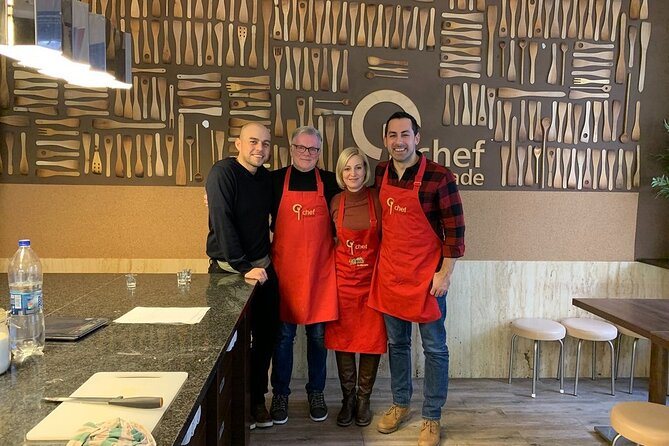
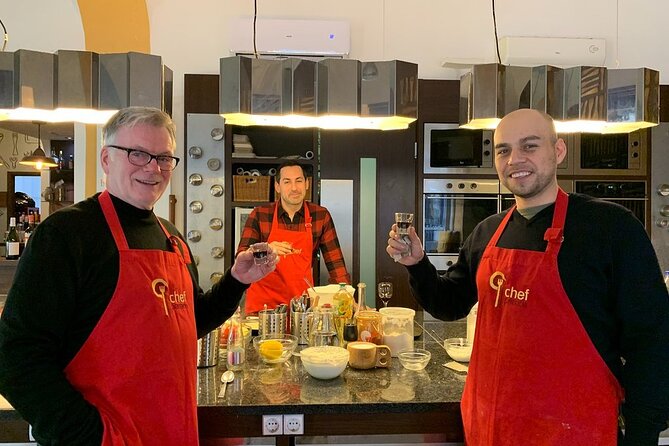
The cooking is paired with Hungarian wines, snacks, and local drinks. A small pálinka tasting is part of the spirit of the experience, and Unicum has also been served as an after-meal digestif in at least one class.
You do not need to be an expert cook or a serious drinker to enjoy this part. The drinks help explain how Hungarians eat and socialize, but you can focus on the food if spirits are not your preference.
Once the dishes are ready, the group sits down to eat together. That shared meal is important. You taste the soup, main course, and dessert after spending time preparing them, and you can compare how each person handled the work.
The tone is casual rather than formal. People cook portions of the meal, help with larger pots, and eat together. That can be fun if you like meeting people, but it also means you may not personally perform every single step of every dish.
The instructors make the difference
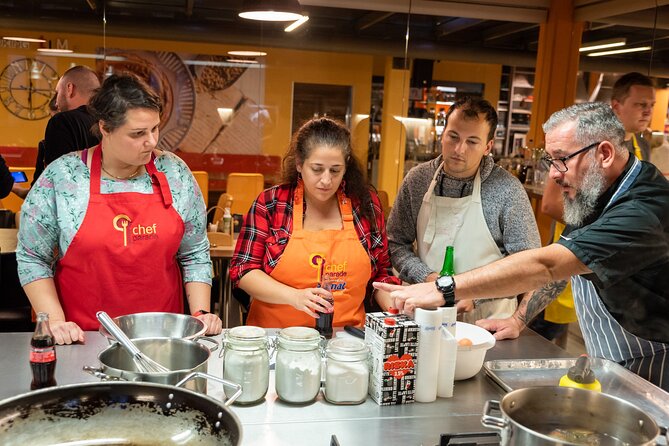
The most consistently praised feature is the teaching. Vesna is described as patient, approachable, and strong at explaining both food and Hungarian life. Bernadette and Brigitte receive similar praise for clear instruction and a relaxed manner, while Sylvia has led both the market walk and the cooking class.
English is the working language. The instructors explain techniques, answer questions, and add stories about customs and ingredients. Their personalities will shape the experience, as they do in any small cooking class.
I would pay attention to the difference between a recipe demonstration and an actual lesson. This class aims for the latter. You receive instructions, handle ingredients, eat the finished food, and take recipes home.
Still, the pace can change. If a large group arrives or the next class is waiting for the room, the final meal may feel hurried. One poor experience included shared large pots, limited individual cooking, and a quick meal before the room had to be cleared. That is not the dominant pattern, but it is a fair reason to avoid scheduling an important appointment immediately afterward.
What the $126.98 price includes
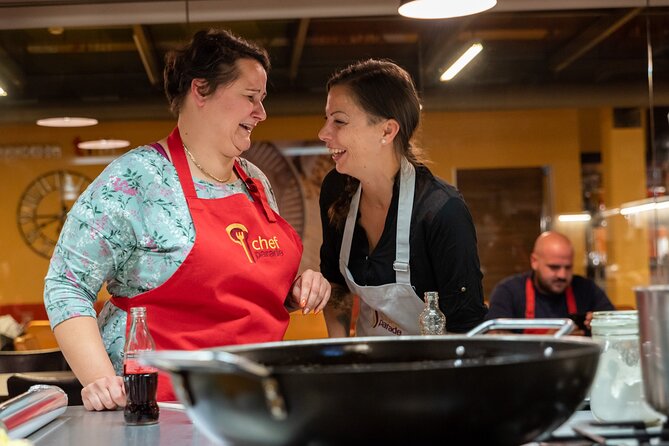
The price includes the cooking experience and the meal you prepare. The class also includes local drinks, and recipes are provided. If you choose the market option, you receive the guided market visit and tastings before cooking.
The price does not automatically include every extra package. A separate premium option has included items such as an apron, cookbook, and taxi transportation. Do not assume those extras are part of the basic booking.
Return transport deserves special attention. The activity details have at times suggested an end at the original meeting point, while the cooking school information says the class ends at the school. In practice, a taxi back to the market or city may be arranged, but you should confirm whether you pay for it.
For me, the value depends on your goal. If you want a practical food lesson and a substantial lunch, the price is defensible. If you only want to eat Hungarian dishes, you can spend far less at a restaurant. If you want the market tour, recipes, instruction, tastings, and cultural conversation in one morning, the package makes more sense.
Who should book this experience
I would recommend it to people who enjoy learning by doing. You do not need much kitchen experience. Several classes have worked well for non-cooks, couples, families with adult children, and people who already take cooking classes abroad.
It suits you especially well if chicken paprikash, goulash, or Hungarian pastry already interests you. The recipes are familiar enough to follow but distinctive enough to teach you something new.
It is also a good choice near the end of a Budapest visit. You can use the class to pull together flavors you have encountered around the city, then take the recipes home.
I would hesitate if you have strict dietary needs, need a guaranteed private class, or cannot tolerate unclear transport plans. Tell the provider about allergies and restrictions when booking, and confirm the school address and return plan.
The activity is offered in English, uses a mobile ticket, and is generally booked well ahead, about 44 days in advance on average. Free cancellation is available until 24 hours before the start time. Changes or cancellations inside that window are not accepted for a refund.
Should you book the market tour too?
I would add the market tour if you want to understand Hungarian ingredients and make a few informed purchases. The tastings and explanations of paprika, meats, cheeses, and pastries give the cooking class a useful beginning.
I would skip the add-on if you want a relaxed market morning or plenty of time to shop. The visit is fairly short, and the group then needs to reach the cooking school.
The cooking class itself is the safer choice. It delivers the main promise: a three-course Hungarian meal, hands-on preparation, local drinks, recipes, and an instructor who connects food with everyday culture. Just confirm what is included in your package so the transport and extras do not surprise you.
FAQ
How long does the Hungarian cooking class last?
The experience lasts approximately four hours, including the cooking and meal. The optional market visit takes place before the class.
Where does the experience start?
The listed meeting point is Central Market Hall in Budapest, Hungary. This applies especially to the option that includes the market tour.
Where does the experience finish?
The cooking portion ends at the Chefparade cooking school. The supplied details list possible school locations at Páva Street 13 in Pest or Bécsi Street 27 in Buda, so confirm the exact address before the day.
What dishes might I prepare?
A sample menu includes goulash soup, chicken paprikash with nokedli, and apple strudel. Mushroom paprikash with nokedli is available as a vegetarian alternative, and menus may sometimes include potato soup, porkolt, or palacsinta.
Is a vegetarian menu available?
Yes. A vegetarian menu is available upon request. You should provide dietary requirements when booking, since options for allergies and religious dietary restrictions may be limited.
Are drinks included?
The class includes local snacks and drinks, with Hungarian wines and a little pálinka tasting described as part of the experience. Unicum may also be served as a digestif.
How many people can join the class?
The maximum group size is 15 people. Some classes may be smaller, but the exact group size can vary.
Can I cancel for a refund?
You can cancel at least 24 hours before the experience for a full refund. Cancellations or changes made less than 24 hours before the start time are not accepted for a refund.
Just added around Budapest
- Antiques and Curios – Private Flea Market Treasure Hunt★ 4.5 · 10 reviews
- Budapest’s Central Market Hall And Hosok Tere With A Local Host★ 5.0 · 2 reviews
- Private Budapest Christmas Market Tour with Chimney Cake & Mulled Wine★ 5.0 · 6 reviews
- Great Market Hall & Local Treats★ 4.5 · 11 reviews
- Gourmet Market Walk at the Great Market Hall of Budapest★ 4.5 · 18 reviews
- Exclusive Market Tour Budapest -Private Food Experience & Tasting★ 5.0 · 16 reviews
- Budapest Market Tour & Home Cooking Class with local Chef & Guide★ 5.0 · 23 reviews
- Budapest Christmas Market Tour with Basilica visit & Chimney cake★ 5.0 · 18 reviews
Market and Cooking Class Tours, compared.

Hanoi Cooking Class: Culture, Local Market & Meaning CSR Impact
Read our review →
5 Traditional Dishes Hanoi Cooking Class with Market Trip
Read our review →
Cooking Class and Lunch at a Tuscan Farmhouse with Local Market Tour from Florence
Read our review →
Cooking Class, Market & Thai Herbs Garden Tour
Read our review →
Authentic Cooking Class with Market & Farm Visit
Read our review →
Paella Cooking Experience & Boqueria Market Tour
Read our review →
Cooking Class Hoi An:Local Market, Basket Boat, Fishing & Cooking
Read our review →
Hoi An Cooking Class(Market,BasketBoat Crabfishing&Cooking Class)
Read our review →Browse the lists this tour appears in