
Review · MARKET AND COOKING CLASS TOURS
Budapest: Small-Group Cooking Class & Market Tour with Local
Budapest’s best food lesson begins before the first onion is chopped. You start at Central Market Hall, tasting Hungarian cold cuts, cheeses, pickles, and spirits with a local guide before carrying fresh ingredients to a Budapest apartment kitchen. I like that the market gives the meal a clear sense of place, and I like the family recipes, especially the chicken paprikash learned in a grandmother’s kitchen. The main consideration is that the dish can be mild, so tell your host if you want more paprika or heat.
The experience works because it feels social rather than formal. Hosts such as Kinga, George, Mesi, Marcell, Ben, and Emese explain food and customs while keeping everyone involved at the cutting board. The four-hour format leaves room for wine, conversation, and a proper meal, but it may feel long if you want a quick demonstration instead of hands-on cooking.
Key points
- Central Market Hall comes first: Taste Hungarian produce and learn how locals shop before cooking.
- Family recipes shape the class: Chicken paprikash, goulash, or stuffed cabbage rolls are prepared in a home-style setting.
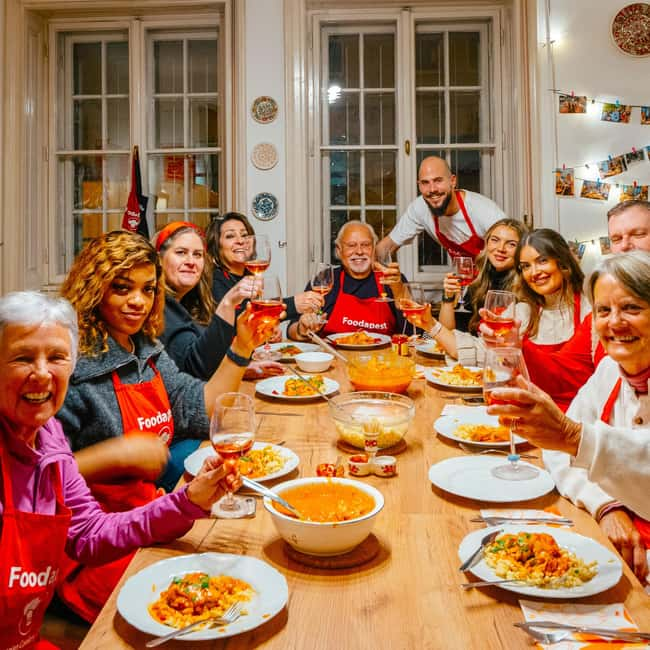
- The social side is central: Small groups cook, eat, and talk together around a shared table.
- Dietary needs can be accommodated: Vegetarian, vegan, and gluten-free options are available when arranged ahead.
- Wine and local spirits are included: Expect Hungarian wine, cold cuts, cheeses, pickles, and a pálinka tasting.
- You leave with something useful: A recipe booklet and handwritten vintage postcard make the experience easier to remember and repeat at home.
Why the market tour makes the cooking class better
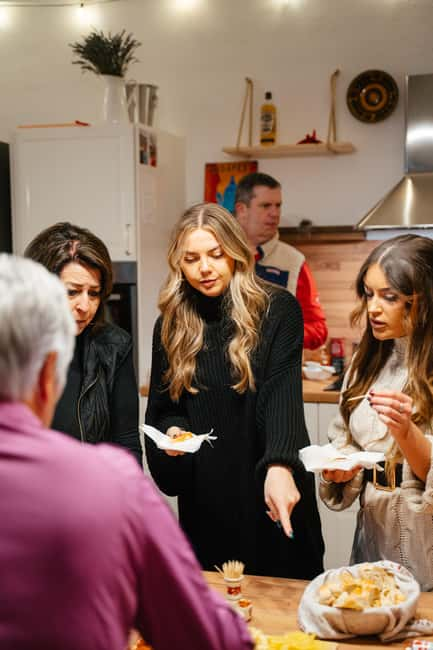
A cooking class can teach technique, but it cannot always explain why a dish belongs to a place. This one begins at Budapest’s Central Market Hall, where your guide connects the ingredients to Hungarian eating habits before you cook them.
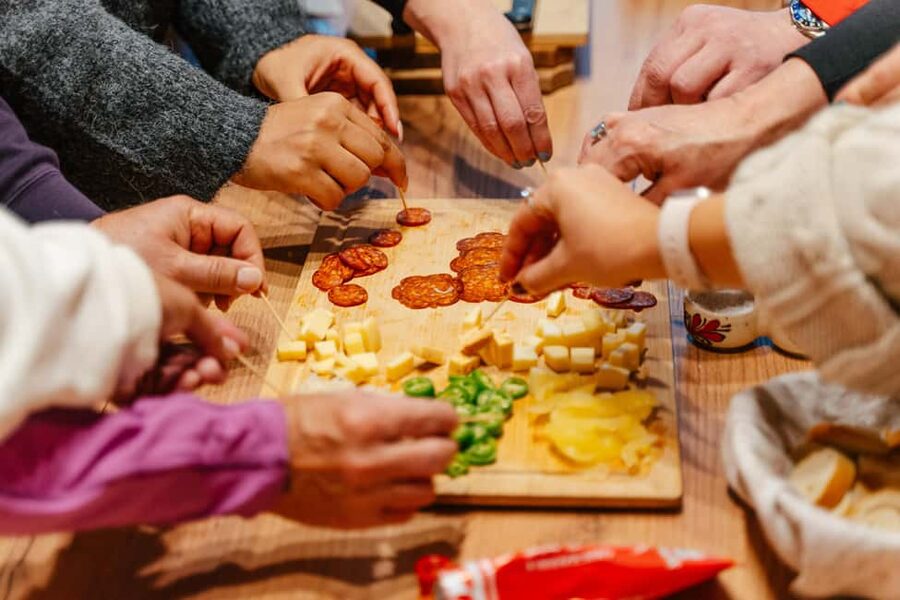
You might taste cured meats, local cheeses, pickled vegetables, and other Hungarian specialties. Pálinka, the country’s fruit brandy, is also part of the tasting. The point is not to fill you up before lunch or dinner. It is to give you a working introduction to the flavors you will handle later.
The market also adds useful shopping context. You can see the produce, meats, preserved foods, and paprika varieties that shape everyday Hungarian cooking. One particularly good part of the visit is the chance to compare smoky, sweet, and spicy paprika. That small lesson helps explain why paprika is not a single uniform flavor.
The hall is a serious food market, but it is also a popular sight. It can feel busy, and the tour is not designed for lingering at every stall. Your guide keeps the route moving while stopping for tastings and bits of culinary history. That balance matters. You get more than a quick photo, but you do not lose the afternoon wandering without direction.
Some hosts have special relationships with vendors, which can make the market feel more personal. George, for example, has been described as taking participants to less obvious parts of the hall, including a lower level with pickled produce and a relief map. Your exact route depends on the host and the day, so treat this as a possible extra rather than a guaranteed stop.
More Market and Cooking Class Tours in Budapest:
- Budapest Cooking Class & Market Tour with Local Guide & Wines
★ 5.0 · 553 reviews - Hungarian Cooking and optional Local Market Tour
★ 4.5 · 98 reviews - Easy Cooking Class Budapest – with Market Walk (local wine & pálinka included)
★ 5.0 · 62 reviews
From Central Market Hall to a Budapest apartment
After the market, the experience shifts from public food hall to private-style cooking space. The meeting point for the evening class is directly at the apartment at Kinizsi u. 22-6/B, in Budapest’s ninth district. For other sessions, you may meet at the market first, so check the starting instructions carefully when booking.
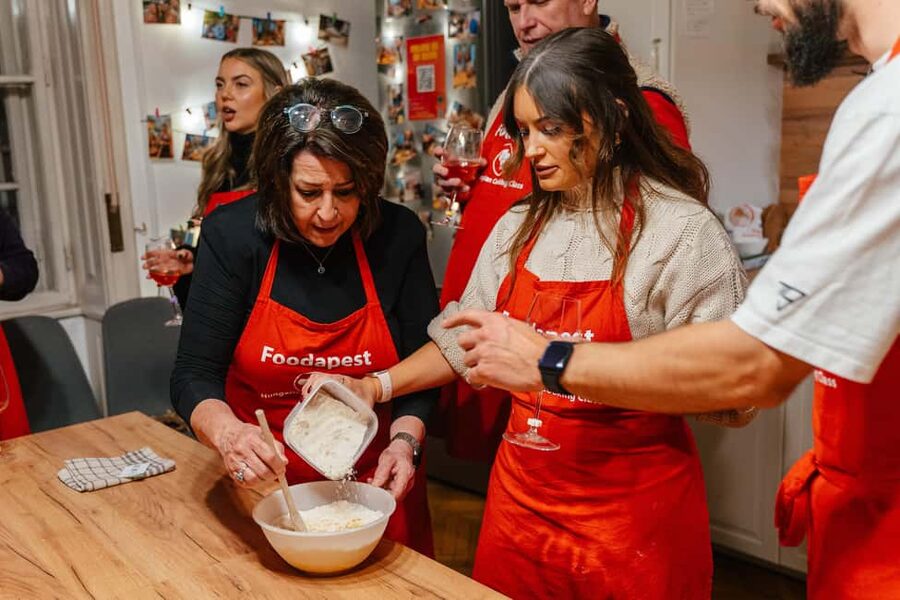
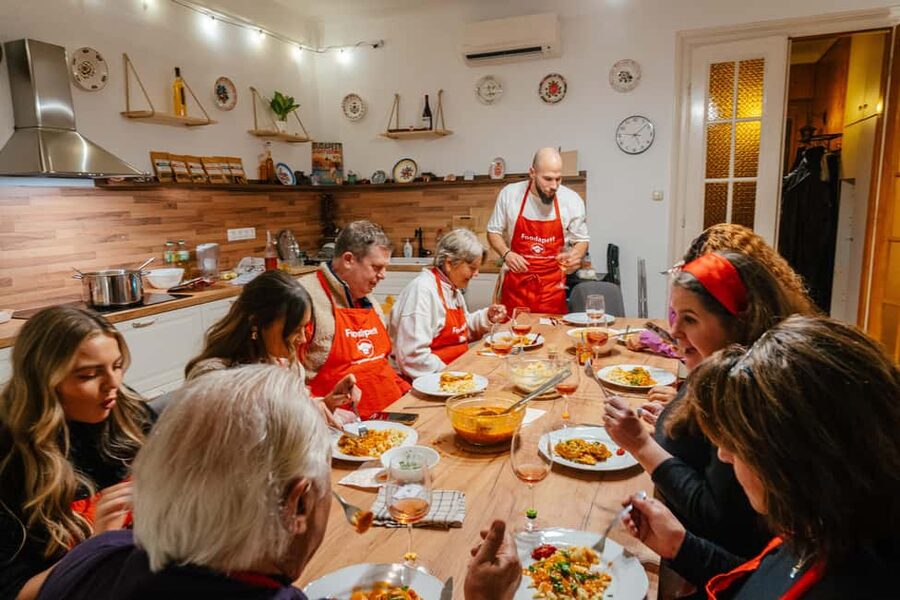
The apartment setting is one of the strongest reasons to choose this experience. You are not watching a chef work behind a counter while standing at a distance. You help prepare the meal, sit down with the group, and see how a Hungarian dish comes together in a home kitchen.
That setting also gives the class a relaxed rhythm. Hosts explain basic cutting skills, guide the preparation, answer questions, and keep the work shared across the group. You do not need advanced cooking ability. The class is meant to be useful for beginners, while still offering practical tips for people who already cook at home.
The social format is just as important as the food. You may arrive alone, with a partner, or with family, then end up sharing tasks and conversation with people from several countries. The hosts are praised for managing group dynamics, making sure no one is left standing around while one person does all the work.
This is a good choice if you want a cultural activity that does not feel like a lecture. Food gives everyone an easy way into conversation, and the shared meal provides a natural finish. It is also a smart option for solo visitors who want a social evening without committing to a large group tour.
Choosing between paprikash, goulash, and stuffed cabbage rolls
You are asked to state your meal preference in advance. The choices are chicken paprikash, goulash, or stuffed cabbage rolls. The exact preparation can vary, and some sessions have included dumplings alongside the main dish.
Chicken paprikash is the dish most often associated with this class. It is a paprika-seasoned chicken dish served with a creamy sauce and, in some sessions, small dumplings. The class uses a family recipe, including one connected with George’s grandmother. That detail gives the dish a personal connection rather than presenting it as a generic restaurant version.
The flavor may be gentler than you expect. One participant found the paprikash bland, while others found it excellent and better than versions served in restaurants. That is not necessarily a contradiction. Hungarian home cooking does not always aim for fiery heat, and paprika can be sweet and fragrant rather than hot.
If you prefer stronger seasoning, say so early. You can ask about the paprika being used and how much spice can be added. The class is about learning a method you can repeat, so you can adjust the final dish to suit your own kitchen.
Goulash offers a different lesson in Hungarian cooking, with a heartier profile and a clear connection to the country’s best-known comfort foods. Stuffed cabbage rolls show another side of the cuisine, built around careful preparation and a traditional filling. The supplied details do not promise that every dish is offered at every session, so confirm the current choices before you arrive.
Dessert is listed as part of the experience, along with the main course. However, the final menu may vary by session, so I would confirm the dessert plan if that part matters to you. The food is prepared during class, not simply brought out at the end, which makes the final meal feel earned.
Wine, cold cuts, pickles, and pálinka
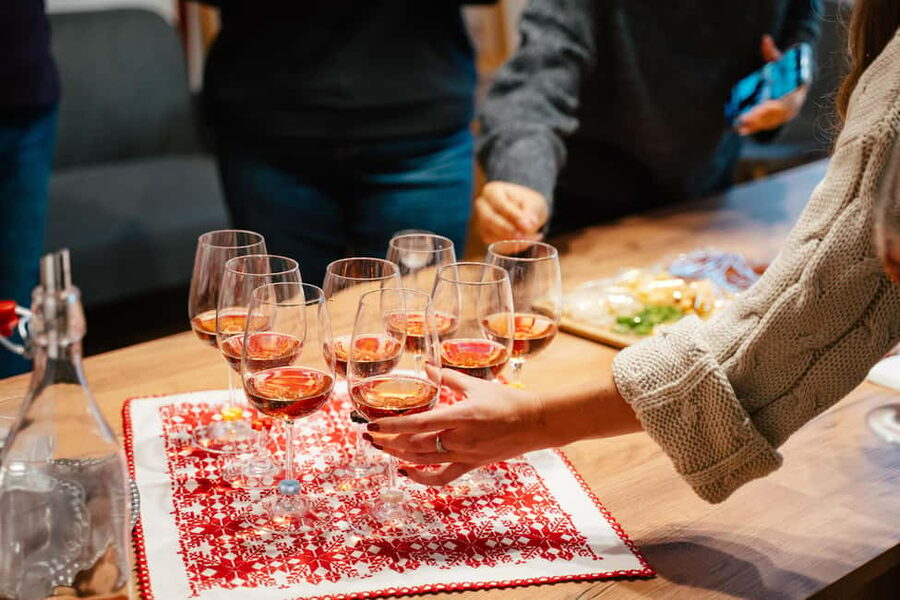
The included tastings make this more than a recipe lesson. You receive Hungarian cold cuts, cheeses, pickles, wine, soft drinks, and water. A Hungarian spirit tasting is also included, usually centered on pálinka.
The drinks help create the communal mood, but they are worth treating with care. Pálinka is strong, and the class includes several food tastings before the cooking begins. If you do not drink alcohol, soft drinks and water are available, and the value of the experience does not depend on drinking.
Wine is served during the class and meal. Several participants specifically enjoyed the easy conversation that developed around the table, with glasses being kept filled as the cooking progressed. If you are attending with children, a nonalcoholic experience is possible, but you should tell the provider about your group and preferences in advance.
The cold cuts and pickles also serve a practical purpose. They introduce the salty, sour, smoky, and creamy flavors that often balance Hungarian dishes. You are not only learning a recipe. You are learning how a meal is built around it.
A few more market tours around Budapest worth a look
- Budapest Food Tour: Market to Tavern with 14+ Tasters & Wines
★ 5.0 · 434 reviews - Budapest: Food Tour Market to Tavern: 14+ Tasters & Wines
★ 4.9 · 375 reviews - German tour: Central Market Hall of Budapest with tastings
★ 4.9 · 164 reviews - German tour in the Market Hall of Budapest with tastings
★ 4.9 · 84 reviews
What the four hours feel like
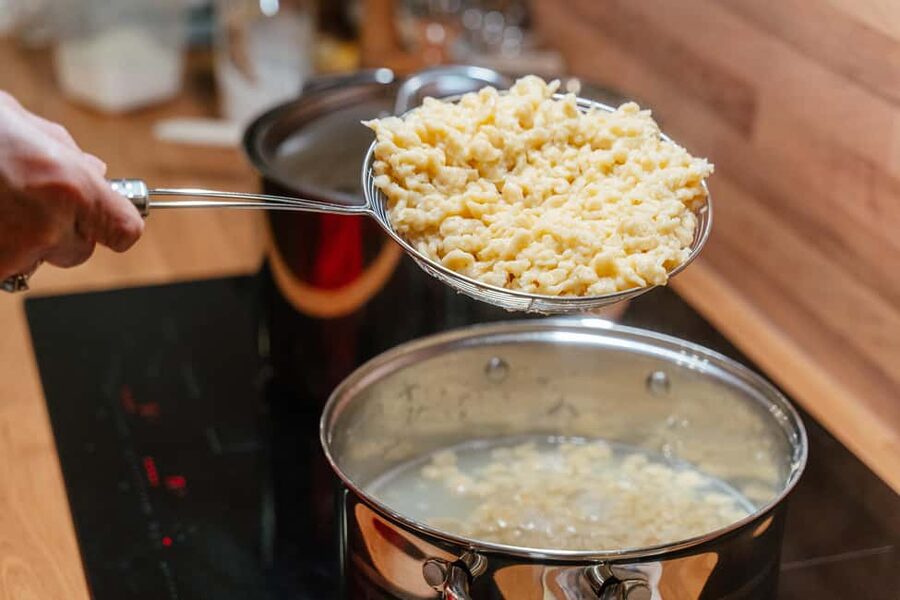
Four hours is enough time for the experience to feel complete, but it is not a quick stop between Budapest sights. Allow the whole afternoon or evening. The session includes the market visit, tastings, travel to the cooking venue when applicable, preparation, eating, and conversation.
A typical flow looks like this:
- Meet your English-speaking host at Central Market Hall, unless you have booked an evening session that meets at the apartment.
- Walk through the market and taste local specialties.
- Learn about Hungarian ingredients, paprika, customs, and food traditions.
- Prepare the selected main course and any accompanying dumplings or dessert.
- Eat the meal together with wine and other drinks.
- Receive a recipe booklet and a handwritten vintage postcard.
The pace depends on the group. A smaller group can ask more questions and share the work more evenly. A larger small-group session may have more energy and conversation, but you may spend less time at each task.
Air conditioning is a real practical benefit in summer. Budapest can be hot, and cooking over a stove in a warm apartment would quickly become uncomfortable. The air-conditioned venue lets you focus on the food instead of watching the clock for relief.
The class is also a useful rainy-day plan. Much of the activity takes place indoors, and the market visit gives you a cultural stop that does not depend on good weather. You still walk between locations in some sessions, so bring ordinary city shoes rather than treating this as a fully stationary activity.
The hosts make the difference
The host is important here because the class depends on conversation as much as instruction. The named hosts include Kinga, George, Mesi, Marcell, Ben, Emese, Leila, and others. Your host will depend on the date and session.
Kinga is repeatedly praised for making people feel included, explaining techniques clearly, and keeping the atmosphere lively. Mesi and Emese are associated with careful explanations and strong market guidance. George is especially linked with family recipes, home-kitchen hospitality, Hungarian customs, and detailed food knowledge. Marcell has led both the market tour and the apartment cooking session, while Ben has been praised for explaining cuisine and customs with an easy manner.
That variety can be a strength, but it also means the experience is not identical every time. The host’s personality shapes how much history, cooking instruction, and social conversation you receive. You should expect a friendly English-speaking local, but not a fixed script delivered word for word.
The teaching is practical. You may learn basic knife handling, cutting technique, the use of different paprika styles, and ways to improve your cooking at home. Do not expect professional culinary-school training. Expect a welcoming introduction to a few Hungarian dishes that you can reasonably recreate.
Dietary needs and family suitability
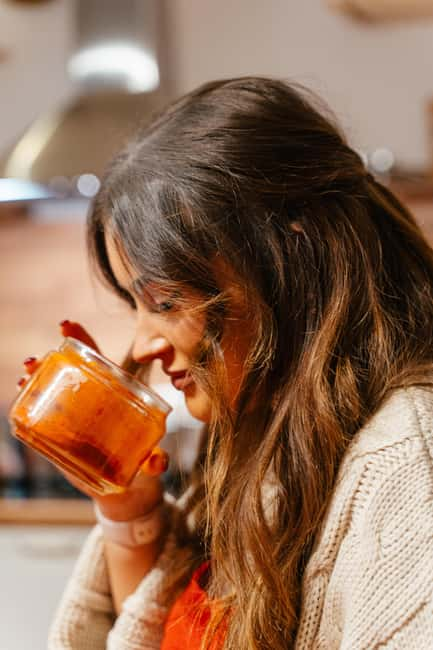
Vegetarian, vegan, and gluten-free options are available, but advance notice is essential. State your restrictions when booking and repeat them to the host at the start. Do not assume that a standard dish can be changed at the last minute.
The experience can suit families. Children around the early teenage years have taken part, and the shared tasks give younger cooks a clear role. Alcohol is part of the adult social setting, so families should clarify how nonalcoholic drinks and meal choices will be handled.
It also suits couples, solo visitors, and friends who want an activity with a meal built in. It may not suit you if you dislike group dining, need a strictly timed schedule, or prefer to eat privately after a short demonstration.
Is $100 a fair price?
At $100 per person, this is not the cheapest way to eat Hungarian food. You could order paprikash in a restaurant for less, and you could visit Central Market Hall without booking a guide.
The value comes from combining several separate activities into one four-hour session. You receive a guided market tour, tastings, fresh ingredients, cooking instruction, a full meal, wine, a spirit tasting, recipes, and a postcard. You also get direct contact with a local host and the chance to meet other people around a shared table.
For me, the strongest value is the market-to-kitchen connection. Buying ingredients at the market, then using them in the apartment, gives the day a clear story. The meal is not an isolated cooking demonstration. It begins with Hungarian food in public life and ends with a home-style table.
The price makes more sense for someone who wants a cultural experience rather than simple dinner. It is also good value if you plan to cook the recipe again. The booklet lets you take the lesson home, and the family-recipe approach gives you more than a tourist menu.
Small details that improve the experience
Tell the provider your preferred main dish and dietary needs before the day. If you care strongly about dessert, ask what is planned for your session, since the advertised inclusion and individual meal descriptions may differ.
Wear comfortable clothes suitable for cooking and walking through the market. You do not need special equipment, since ingredients and cooking tools are supplied.
The meeting point needs attention. Evening classes meet at the apartment at Kinizsi u. 22-6/B, while market-based sessions may begin at Central Market Hall. Check the specific start time and location rather than assuming every class follows the same route.
Cancellation is flexible up to 24 hours before the activity for a full refund, and you can reserve now and pay later. That helps if your Budapest schedule is still shifting.
Should you book Foodapest?
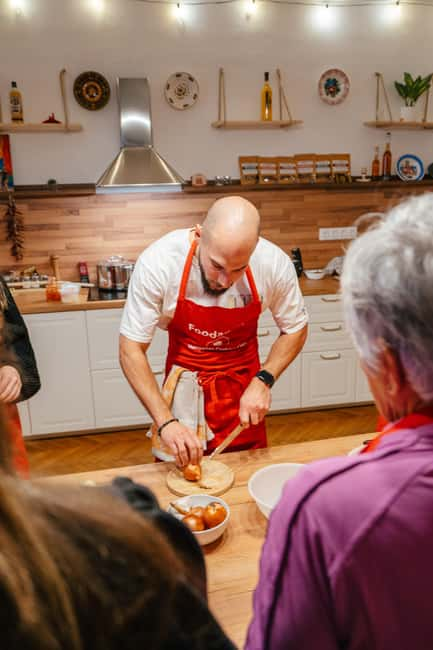
Book it if you want to understand Hungarian food through people, ingredients, and shared cooking. It is particularly well suited to food-focused visitors, solo visitors, couples, families with older children, and anyone who likes learning by doing.
Think twice if you want a quiet meal, a short activity, or a highly technical cooking course. The class is social, and the pace includes plenty of conversation and wine.
For the best match, choose the dish you most want to learn, tell the host about dietary needs, and ask about the dessert and meeting point before you pay. If you enjoy the idea of tasting at Central Market Hall, cooking a family-style dish, and leaving with recipes for your own kitchen, the $100 cost is reasonable. This is one of Budapest’s more useful food experiences because it sends you home with both a meal memory and a practical way to repeat it.
FAQ
How long does the Budapest cooking class and market tour last?
The experience lasts four hours. That time includes the Central Market Hall tour, tastings, cooking instruction, the shared meal, and drinks.
Where does the evening cooking class meet?
The evening class meets directly at the apartment at Kinizsi u. 22-6/B, 1092 Budapest. Search for Foodapest Hungarian Cooking Class to find the location.
Which Hungarian dishes can I learn to prepare?
You can state a preference among chicken paprikash, goulash, and stuffed cabbage rolls. Some sessions also include dumplings. Confirm the current menu when booking if one dish is especially important to you.
Are vegetarian, vegan, and gluten-free options available?
Yes. Vegetarian, vegan, and gluten-free options are available, but you need to provide your dietary information in advance.
What is included in the price?
The price includes the market tour, fresh ingredients, cooking equipment, an English-speaking local host, cold cuts, cheeses, pickles, the prepared main course and dessert, wine, a Hungarian spirit tasting, soft drinks, water, a recipe booklet, and a handwritten vintage postcard.
Can I cancel or pay later?
You can cancel up to 24 hours in advance for a full refund. A reserve-now, pay-later option is also available.
Just added around Budapest
- Antiques and Curios – Private Flea Market Treasure Hunt★ 4.5 · 10 reviews
- Budapest’s Central Market Hall And Hosok Tere With A Local Host★ 5.0 · 2 reviews
- Private Budapest Christmas Market Tour with Chimney Cake & Mulled Wine★ 5.0 · 6 reviews
- Great Market Hall & Local Treats★ 4.5 · 11 reviews
- Gourmet Market Walk at the Great Market Hall of Budapest★ 4.5 · 18 reviews
- Exclusive Market Tour Budapest -Private Food Experience & Tasting★ 5.0 · 16 reviews
- Budapest Market Tour & Home Cooking Class with local Chef & Guide★ 5.0 · 23 reviews
- Budapest Christmas Market Tour with Basilica visit & Chimney cake★ 5.0 · 18 reviews
Market and Cooking Class Tours, compared.

Hanoi Cooking Class: Culture, Local Market & Meaning CSR Impact
Read our review →
5 Traditional Dishes Hanoi Cooking Class with Market Trip
Read our review →
Cooking Class and Lunch at a Tuscan Farmhouse with Local Market Tour from Florence
Read our review →
Cooking Class, Market & Thai Herbs Garden Tour
Read our review →
Authentic Cooking Class with Market & Farm Visit
Read our review →
Paella Cooking Experience & Boqueria Market Tour
Read our review →
Cooking Class Hoi An:Local Market, Basket Boat, Fishing & Cooking
Read our review →
Hoi An Cooking Class(Market,BasketBoat Crabfishing&Cooking Class)
Read our review →Browse the lists this tour appears in