
Review · MARKET AND COOKING CLASS TOURS
Arusha: Traditional Tanzania Cooking class& Food Market Tour
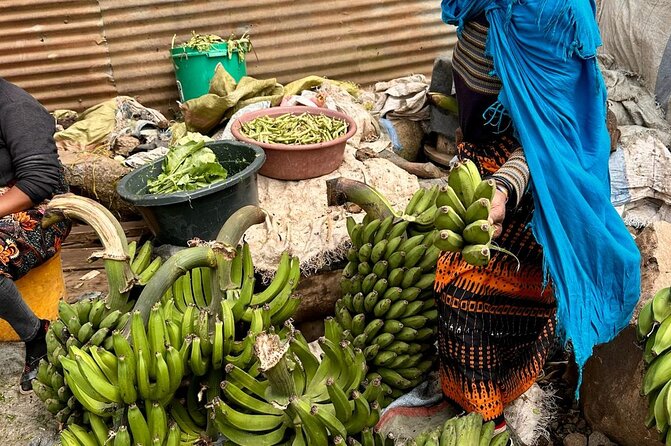
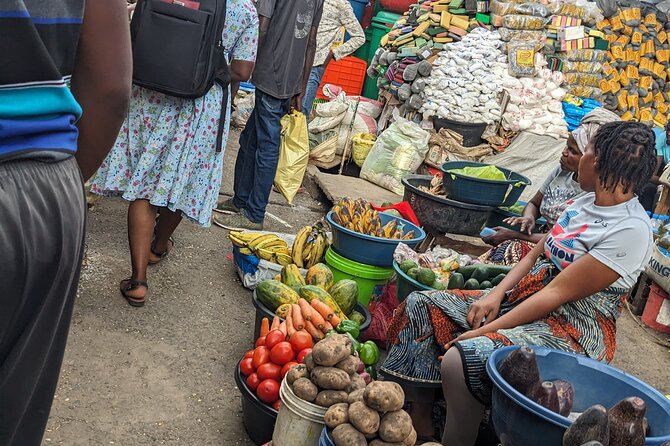
Arusha’s food market is the real doorway into this cooking class. With guides such as Liroy and Israel, you shop for ingredients among sellers of fruit, meat, dry goods, and vegetables, then carry those ingredients to a local home and cook with Neema, an experienced chef. It feels far more personal than a restaurant demonstration.
I like the chance to choose from several familiar Tanzanian dishes, and I like that the market visit explains what you are buying before you cook it. The main drawback is that the class can run long, and drinks are not included. Bring water, or ask your guide to help you buy some.
Key points at a glance
- A real market visit comes first: Spend roughly 30 to 50 minutes seeing Arusha’s Central Market and possibly another smaller market.
- You cook, not just watch: The chef demonstrates each step, then gives you practical tasks to finish yourself.
- The menu is genuinely Tanzanian: Prepare plantain banana, chapati, ugali, vegetables, and possibly a stewed or barbecued meat dish.
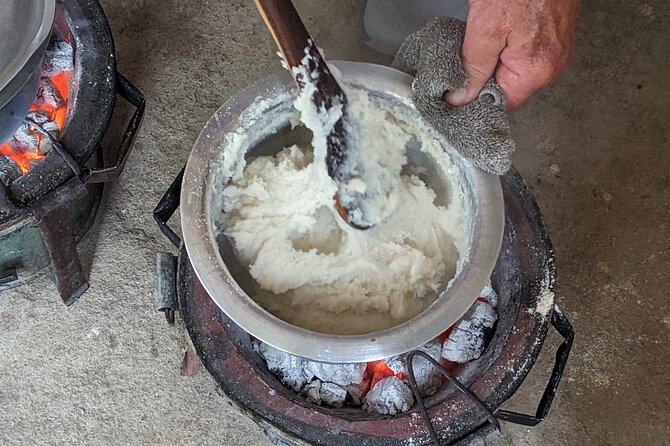
- The setting is simple and local: Cooking takes place in a small local home, using charcoal and propane stoves.
- The meal is part of the lesson: Sit down with the guides and cook to eat what you made.
- The price is strong for a half-day: At $45 per person, transport, market visits, ingredients, instruction, and lunch are included.
Why the market is the best place to begin
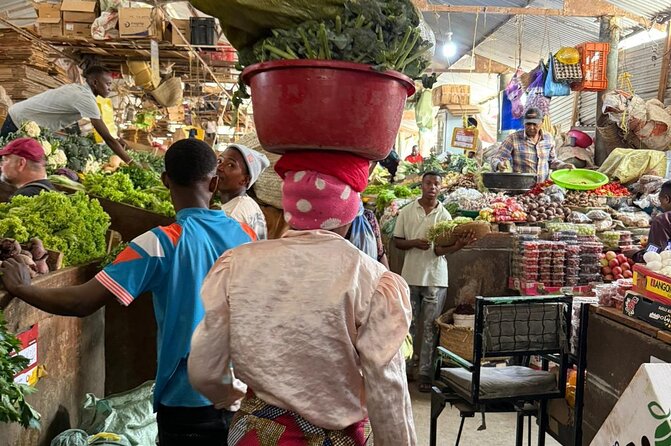
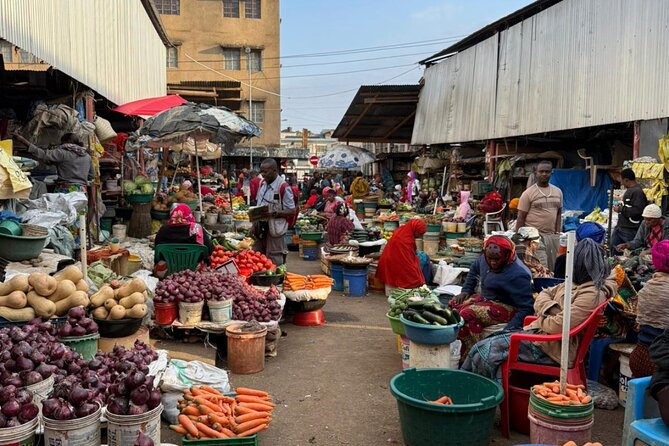
The tour starts with pickup from your hotel in Arusha town, generally near the city center. From there, you head to a central food market for about 30 to 50 minutes. This is not a quick photo stop. You have time to look at the produce, see how goods are sold, ask questions, and help select ingredients for the meal.
The market handles the practical side of Tanzanian cooking. You might see dry foods, meats, fruit, vegetables, and other everyday staples. Your guide explains the products and the people selling them, which gives the later cooking session some useful context. When you chop or stir an ingredient at the class, you already know where it came from and why it belongs in the meal.
You can take photos during the visit, but a market requires a little care. Follow your guide’s lead when photographing vendors or people at work. Workers may carry heavy loads through narrow areas, so stay alert and let your guide move you aside when needed.
Some outings include a second stop at a smaller market to buy the exact ingredients for the selected dishes. That extra stop makes the shopping feel practical rather than staged, though it can also add time. If you have a tight schedule later in the day, ask about the expected finish time before setting off.
More Market and Cooking Class Tours in the world:
- Hanoi Cooking Class: Culture, Local Market & Meaning CSR Impact
★ 5.0 · 5,147 reviews - 5 Traditional Dishes Hanoi Cooking Class with Market Trip
★ 5.0 · 4,890 reviews - Cooking Class and Lunch at a Tuscan Farmhouse with Local Market Tour from Florence
★ 5.0 · 4,831 reviews
Choosing four dishes for your cooking lesson
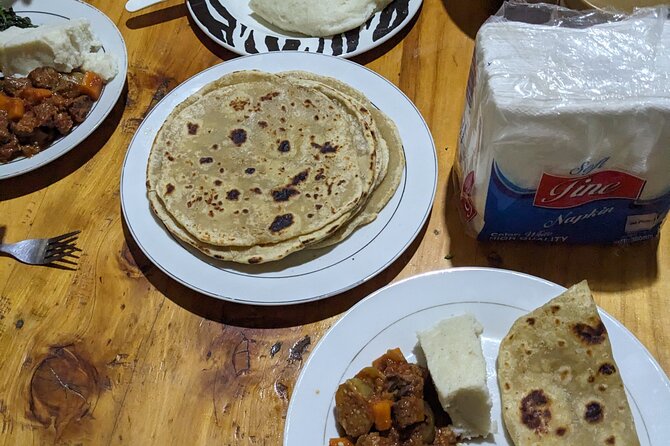
The class focuses on common Tanzanian foods rather than complicated restaurant recipes. The menu includes plantain banana, chapati, ugali, and vegetables, with an option for stewed or barbecued meat if you prefer a meal with meat.
One useful feature is the chance to select three dishes from four common local choices. This gives you some control over the lesson. If you already know you want to learn chapati, for example, you can make sure it is part of your menu rather than accepting a fixed list.
Chapati is the hands-on favorite for many people. You work with the dough and learn how it is prepared before cooking. Ugali is a basic staple made from a stiff maize mixture, and its simple ingredients make the technique especially important. Plantain and vegetables bring different textures and cooking methods to the plate.
The meat option adds another layer, but it also requires sensible food handling. One participant noted that the cooking area had soap and water, though the cleaning routine was less thorough than in a typical American kitchen. The meat was fully cooked, but you should still wash your hands carefully and use your own judgment around food preparation. If you have a sensitive stomach, choose fully cooked food and avoid anything that seems questionable.
Cooking in a small local home
After shopping, you head to the cooking location. The class takes place in a small local house with a washroom, rather than in a polished culinary school. That setting is central to the appeal. You are learning how an everyday meal is prepared in a home, with the tools and cooking surfaces used in that setting.
The class itself lasts between one and three hours. The broad time range matters. A small group that moves quickly may finish closer to the shorter end, while a slower class with several dishes can take much longer. One reported experience found that the cooking took a while, but the final meal made the extra time worthwhile.
Expect a mix of charcoal and propane stoves. The chef demonstrates a step, then has you carry out part of the task while she handles another preparation. This approach gives you real practice without leaving you to guess what to do next.
Neema is the chef named most often in the tour details. She cooks with the group, answers questions, and helps keep the process moving. Liroy and Israel may also be involved in the shopping and meal. The exact guide team can vary, but English is the stated tour language.
This is not the place to expect spotless stainless-steel counters or a timed restaurant kitchen. You may see a basic home setup and simple washing arrangements. In exchange, you get a closer look at ordinary cooking methods. Wear clothes and shoes you can work in, and bring long pants as requested.
What the food lesson teaches you
The value here is not only the finished meal. You learn the sequence behind the food. That matters in Tanzanian cooking, where a short ingredient list can still produce a dish with a clear method and distinct flavor.
Chapati teaches you about dough, shaping, and cooking on a hot surface. Ugali shows how a staple is prepared and served. Plantain gives you a chance to work with a familiar fruit in a different form, while the vegetable dish rounds out the plate.
You should expect to help with preparation rather than stand at the edge taking notes. The guide and chef explain what to do, then let you take over parts of the work. If you enjoy cooking, this is the strongest part of the experience. If you prefer a quick demonstration with little participation, the one to three hour lesson may feel slow.
Ask questions as you work. The guides are prepared to discuss the ingredients, the market, and daily life in Tanzania. English is available throughout the experience, so you can ask about substitutions, cooking order, or how to recreate a dish at home.
Recipes and cooking skills are intended to go home with you. Exact written recipe details are not specified, so bring a phone or small notebook if you want to record quantities and methods. It is also worth taking photos of the ingredients and your finished plate.
More Food and Drink Trips in the world:
- Dubai: Old Town, Creek, Museums, Souks, & Street Food Tour
★ 4.8 · 10,816 reviews - Dubai: Old Town, Souks, Street Food, Guided Tour & Abra Ride
★ 4.9 · 7,170 reviews - Bangkok by Night: Temples, Markets and Food Tuk-Tuk Tour
★ 5.0 · 3,752 reviews - Chef Guided Food Tour of Pike Place Market
★ 5.0 · 3,733 reviews
Sitting down to eat what you prepared
Once the cooking is finished, everyone sits down to share the food. This is a simple but important part of the experience. You are not just handed a meal prepared by someone else. You have helped shop for it, prepared it, and watched it come together.
The meal also gives you time to talk with the guides and chef. Several of the strongest parts of this experience come from that informal conversation. You might discuss the market, the town, the food, or everyday life in Tanzania while eating together.
Drinks are not included. This is the clearest practical weakness in the package. Water and beer were obtained during one outing, but you should not assume either will be provided. Bring money for a drink or ask your guide where to buy water early in the day.
If food remains, you may be able to pack some for later at your hotel. This is not guaranteed, but it can be useful after a long cooking session. Ask before the meal is cleared if you would like to save leftovers.
The guides make the difference
The guides are more than drivers between stops. Liroy is praised for explaining the market and town, answering questions, and keeping an eye on safety in crowded areas. Israel is also named as part of the team, while Neema leads the cooking in the local home.
That guide-led format helps you understand things you might miss on your own. A market can look like a jumble of stalls if you do not know what you are seeing. With an explanation, the products become part of a larger story about shopping and cooking in Arusha.
Pickup is included from hotels in Arusha town. Some groups have used a tuk-tuk to reach the market, which adds a local touch, though the exact transport may depend on the day and the pickup arrangement. Hotel drop-off is also included at the end.
The experience is described as five hours, but the timing deserves attention. The cooking class alone can take one to three hours, and the market stops, transport, and meal fill out the rest. The itinerary information also displays a 12-hour outing, which conflicts with the stated five-hour duration. Check the start and finish time when booking, especially if you have a safari transfer or evening plans.
Is $45 a fair price?
At $45 per person, this is a good value if you want more than a meal. The price includes hotel pickup and drop-off, a market visit, ingredients, a local chef, the cooking class, and the meal you prepare. Each part would cost time and money to arrange independently.
The value is strongest for people who care about local contact and practical learning. You are paying for access to the market, help choosing ingredients, a guided cooking session, and time with a local family or cooking team. It is less attractive if you only want to taste Tanzanian food quickly.
Drinks and accommodation are not included. You also need to allow enough time for the class, since a relaxed pace can push the activity longer than expected. Even with those limits, the price compares well with a standard half-day tour because the meal, lesson, transport, and shopping are bundled together.
Who will enjoy this Arusha experience?
I would recommend this tour to curious eaters, home cooks, couples, families with older children, and anyone with a free morning or afternoon in Arusha. It works especially well early in a Tanzania trip, when you want an introduction to local food before heading into more remote areas.
It suits you if you enjoy participation, conversation, and simple settings. You should be comfortable working in a basic kitchen, wearing long pants, and accepting that the experience may not run with exact clockwork.
It may not suit you if you need strict timing, a highly polished kitchen, or a quiet sit-down lunch. The market can be busy, the class can last up to three hours, and food preparation standards may differ from what you expect at home. Bring comfortable shoes, comfortable clothing, and a little patience.
The tour is conducted in English. Weapons and sharp objects are not allowed, and you should not bring anything that conflicts with that rule. Free cancellation is available up to 24 hours before the activity, and you can reserve now and pay later, which helps if your Arusha schedule is still changing.
Should you book it?
Book this cooking class if you want to meet local people, shop for food in an Arusha market, and learn dishes you can try again at home. The combination of market shopping and cooking with Neema gives the outing more substance than a standard food tasting.
I would be cautious only if your schedule is tight or you expect restaurant-level hygiene and equipment. Confirm the timing, carry water money, wear practical clothes, and ask for recipe details as you cook. For $45, this is one of the better ways to turn a meal in Arusha into a hands-on cultural experience.
FAQ
Where does the tour start?
Pickup is provided from hotels in Arusha town, generally near the city center.
How long does the activity last?
The stated duration is five hours. The cooking class itself lasts between one and three hours. The itinerary information also shows a 12-hour entry, so confirm the exact schedule before booking if your plans are tight.
What language is the tour conducted in?
The tour is conducted in English with a live guide.
Which foods will I cook?
The menu includes plantain banana, chapati, ugali, and vegetables. There may also be an option for a stewed or barbecued meat dish.
Are food and ingredients included?
Yes. Ingredients for the cooking class and the meal of cooked dishes are included.
Are drinks included?
No. Drinks are not included in the price.
Can I cancel or pay later?
You can cancel up to 24 hours in advance for a full refund. Reserve now and pay later is also available.
Just added around the world
- 3-Hour Herbal Wholesale TCM Market and a Local Wet Market Tour★ 5.0 · 4 reviews
- Half-day Dandan Noodles Cooking Class with a Local Market Visit★ 5.0 · 8 reviews
- Chania Old Town, Public Market and Chrisopigi Monastery Tour★ 4.5 · 6 reviews
- Charleston International Sweet Treats & Historic City Market Tour★ 5.0 · 22 reviews
- Chania: Old Town, Public Market, Hill of Prophet Elias, Agia Triada★ 5.0 · 35 reviews
- Food Tasting & Market Shopping: Private Guided Tour in PORT LOUIS★ 4.5 · 9 reviews
- Moroccan Cooking Class with a Local Family & Market Visit★ 5.0 · 16 reviews
- Private Market Tour & Cooking Class in Casablanca with Transfers★ 5.0 · 20 reviews
Market and Cooking Class Tours, compared.
Hanoi Cooking Class: Culture, Local Market & Meaning CSR Impact
Read our review →
5 Traditional Dishes Hanoi Cooking Class with Market Trip
Read our review →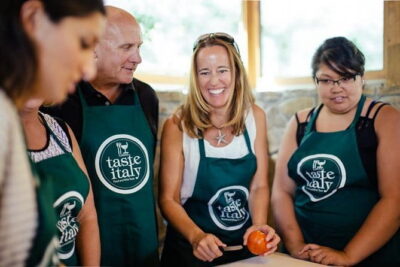
Cooking Class and Lunch at a Tuscan Farmhouse with Local Market Tour from Florence
Read our review →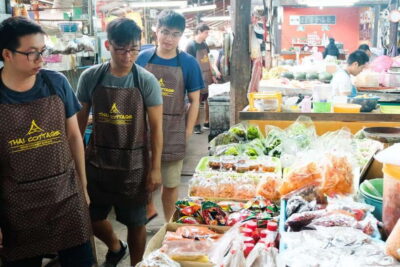
Cooking Class, Market & Thai Herbs Garden Tour
Read our review →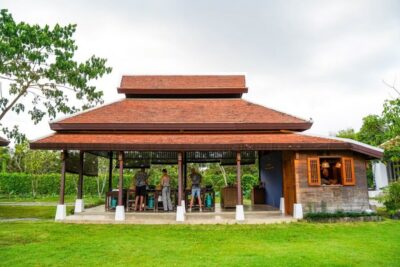
Authentic Cooking Class with Market & Farm Visit
Read our review →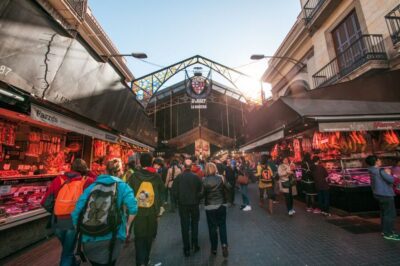
Paella Cooking Experience & Boqueria Market Tour
Read our review →
Cooking Class Hoi An:Local Market, Basket Boat, Fishing & Cooking
Read our review →
Hoi An Cooking Class(Market,BasketBoat Crabfishing&Cooking Class)
Read our review →Browse the lists this tour appears in