
Review · MARKET AND COOKING CLASS TOURS
Chiang Mai: Morning Cooking Class with Market Visit
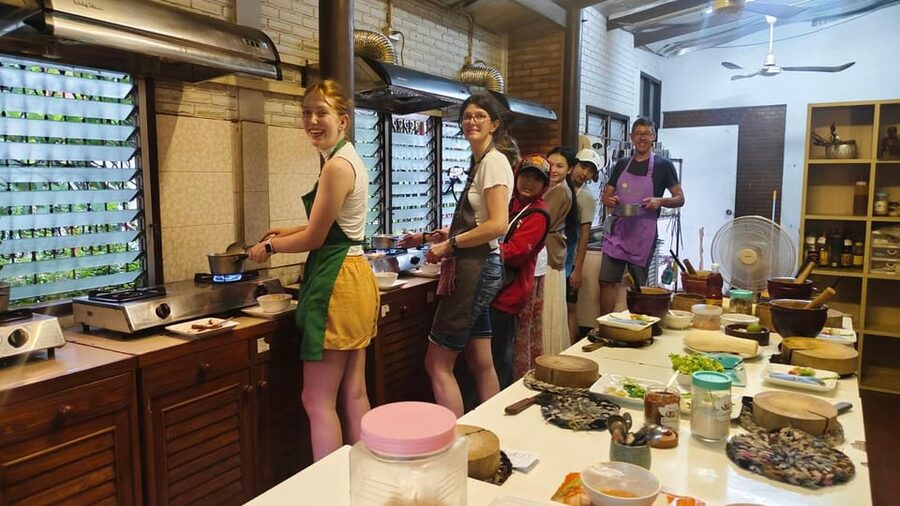
The best part of this Chiang Mai cooking class happens before the cooking begins. You walk through a real local market, then pick herbs and vegetables at an organic garden before heading to the studio. It gives you a useful look at Thai ingredients, not just a quick lesson in stirring a wok.
I like the six-dish format, which gives you a full meal rather than one recipe and a quick goodbye. I also like the choice of dishes and the practical PDF recipe book, since you can try the food again at home. The main thing to consider is the early pickup window and the sometimes uncertain transport communication, so confirm your hotel location and meeting time in advance.
Key points to know before booking
- A market visit comes first: Shop for fresh Thai ingredients and learn what you are looking at before cooking.
- You pick herbs at an organic garden: The garden adds a short lesson about how Thai vegetables and herbs are grown.
- You cook six dishes: Your menu can include a starter, main course, soup, curry, and dessert.
- New has been a popular instructor: Several sessions have featured New, who explains ingredients and techniques in clear English.
- The indoor kitchen is air-conditioned: That matters when you are cooking several dishes in Chiang Mai’s heat.
- Hotel transfers cover many central areas: Pickup is offered in much of the old city and selected nearby neighborhoods, but not every hotel.
A five-hour introduction to Thai food
At $41 per person, this is a full half-day rather than a short demonstration. The price includes hotel pickup and drop-off, the market and garden visits, ingredients, cooking equipment, instruction, water, tea, coffee, and a PDF recipe book.
That package gives the class good value, especially if you are staying in one of the covered pickup areas. You are not paying for a cooking lesson alone. You are also getting transport, a guided food-shopping stop, a farm visit, and enough dishes to make the class feel like a proper meal.
The format suits beginners, but it is not only for people who rarely cook. You can ask about ingredient substitutions, compare Thai produce with what you find at home, and learn how one curry paste or herb can work in several different dishes. The class is conducted in English, and the repeated praise for instructor New points to a friendly, clear teaching style.
The schedule begins in the morning, with pickup generally planned between 8:30 and 9:00 AM. The activity lasts about five hours, including the outings, lesson, and meal. You should arrive with an empty stomach, but do not eat so little that you cannot handle an early start.
More Market and Cooking Class Tours in Chiang Mai
- Chiang Mai: Cooking Class, Market & Thai Herbs Garden Tour
★ 4.9 · 4,824 reviews - Chiang Mai: Authentic Cooking Class with Market & Farm Visit
★ 4.9 · 4,546 reviews - Chiang Mai: Cooking Class with Market and Pickup
★ 4.9 · 1,365 reviews
Starting at a Chiang Mai market
The market visit is more than a quick stop for a few ingredients. You get to see fresh produce and other cooking supplies on sale, smell the herbs and spices, and learn what goes into the dishes you will prepare later.
This is where the class gains much of its local character. Thai recipes can look simple on paper, but the ingredients often need explanation. A guide can show you the difference between familiar and less familiar herbs, explain which items create heat or sourness, and point out ingredients that may be difficult to find outside Thailand.
The market tour is listed as depending on interest, so check how it will work for your booking. It is also the part of the morning that requires the most punctuality. The vehicle will wait only about five minutes after the scheduled pickup time, and traffic or several hotel pickups can cause delays.
One useful tip comes from a past transport problem: if your hotel is not clearly covered, do not wait until the morning of the class to ask. Confirm the address with the provider. If pickup is unavailable, you can travel directly to the cooking studio or market, but you need the correct arrival details first.
Picking herbs at the organic garden
After the market, you visit an organic garden and learn how Thai vegetables and herbs are grown. You can pick some ingredients for use in the cooking lesson, which gives the farm visit a practical purpose.
I like this part because it connects the finished dish to the plant itself. Thai cooking depends heavily on fresh herbs, chilies, leaves, and aromatics. Seeing them in the garden helps you understand why the food tastes different when the ingredients are fresh, and it gives you a better chance of recognizing them when you shop at home.
The garden should not be treated as a long agricultural tour. It is one part of a busy five-hour program, so expect a hands-on introduction rather than a detailed farming course. Still, it breaks up the market visit and kitchen time nicely, especially if you want a little outdoor time before spending the rest of the morning indoors.
Choosing your six-dish menu
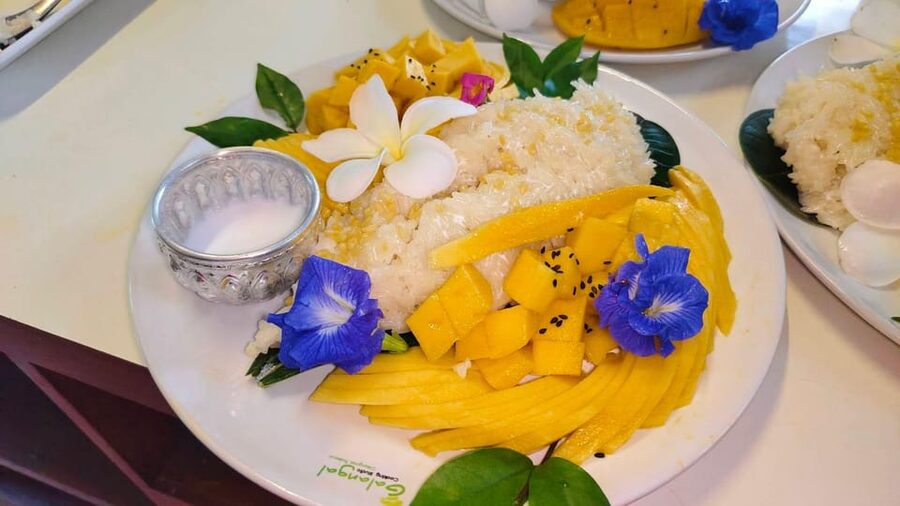
The menu is one of the strongest reasons to book this class. You choose from several categories, so the recipes can reflect your interests, your diet, and the dishes you most want to repeat at home.
For a starter, you can choose:
- Som Tam, or green papaya salad
- Por Pia Thod, or fried spring rolls
- Larb Kai, or chicken salad
- Yam Woon Sen, or glass noodle salad
These choices cover different Thai textures and flavors. Som Tam gives you the sharp, spicy balance of papaya salad. Spring rolls are a familiar starting point for beginners. Larb Kai is a more herb-forward chicken dish, while Yam Woon Sen introduces glass noodles and a lighter salad style.
For the main course, the choices include Pad Thai, Pad See Ew, chicken with cashew nuts, or minced chicken with holy basil. Pad Thai is the obvious pick if you want Thailand’s best-known noodle dish, but Pad See Ew gives you a different noodle and sauce combination.
Chicken with cashew nuts is a useful option for anyone who prefers a milder, familiar stir-fry. Minced chicken with holy basil, known as Pad Kaphao Kai, offers a stronger herbal character. Ask the instructor about the heat level before you begin, since the class can help you adjust dishes to your taste.
You also choose a soup. Options include Tom Yum Kung with prawns, Tom Kha Kai with chicken and coconut milk, Tom Kha Je as a vegan coconut soup, or Tom Zap Kai, a hot and sour chicken soup.
This is a good chance to compare two key Thai flavor families. Tom Yum brings heat and sourness, while Tom Kha uses coconut milk for a softer, creamier result. The vegan Tom Kha Je means plant-based diners are not limited to removing meat from a standard recipe.
The curry selection includes green, red, yellow, Massaman, or Panang curry. You learn about the curry paste as part of the lesson, which is more useful than simply opening a prepared packet. The choice also lets you decide whether you prefer a fresher, hotter curry or something rounder and milder.
Dessert is mango sticky rice with ice cream or fried banana. Mango sticky rice is the classic choice, with its contrast of sweet fruit, sticky rice, and creamy flavors. Fried banana is a simpler, crisp dessert that may appeal if you want something warm and familiar.
More Market and Cooking Class Tours in Thailand
- Chiang Mai: Evening Cooking Class and Local Market Visit
★ 4.9 · 648 reviews - Evening Cooking Class in Organic Farm with Local Market Tour
★ 5.0 · 394 reviews - Cooking Morning Class Chiang Mai Visit Organic Garden and Market
★ 5.0 · 211 reviews - Cooking Evening Class Chiang Mai Visit Organic Garden and Market
★ 5.0 · 187 reviews
What the cooking lesson is really like
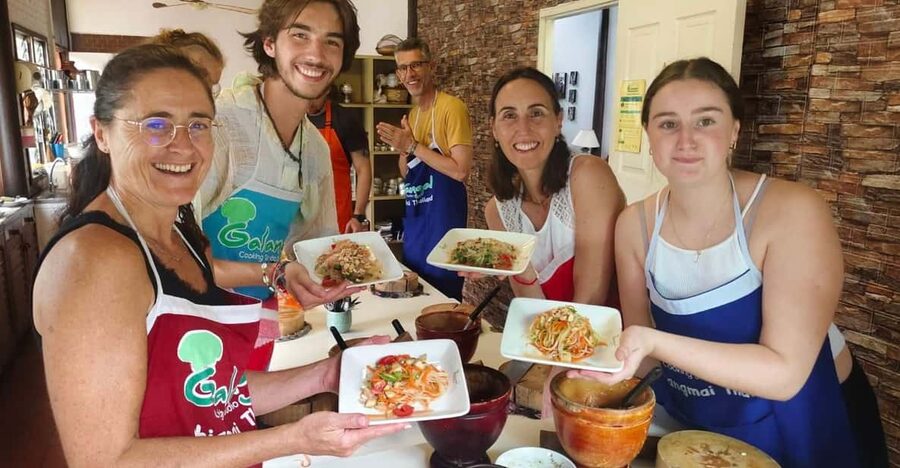
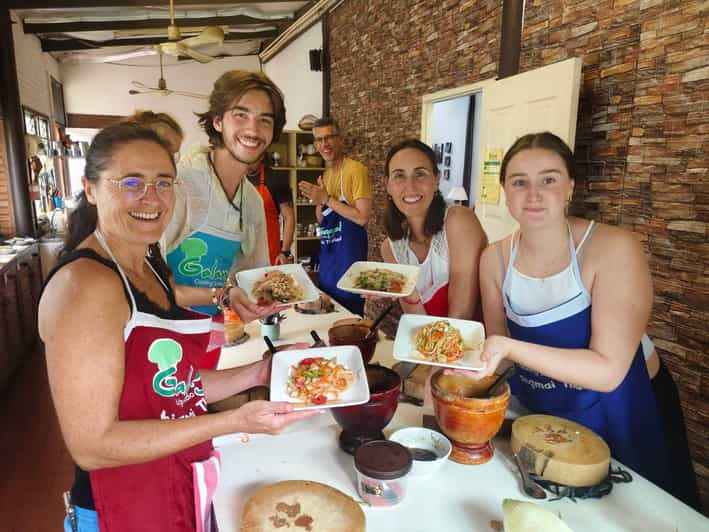
The lesson takes place in an indoor kitchen and air-conditioned dining room. That is a practical advantage. Cooking six dishes in Chiang Mai’s warm weather could become tiring, so a cool dining area makes it easier to stay focused through the full menu.
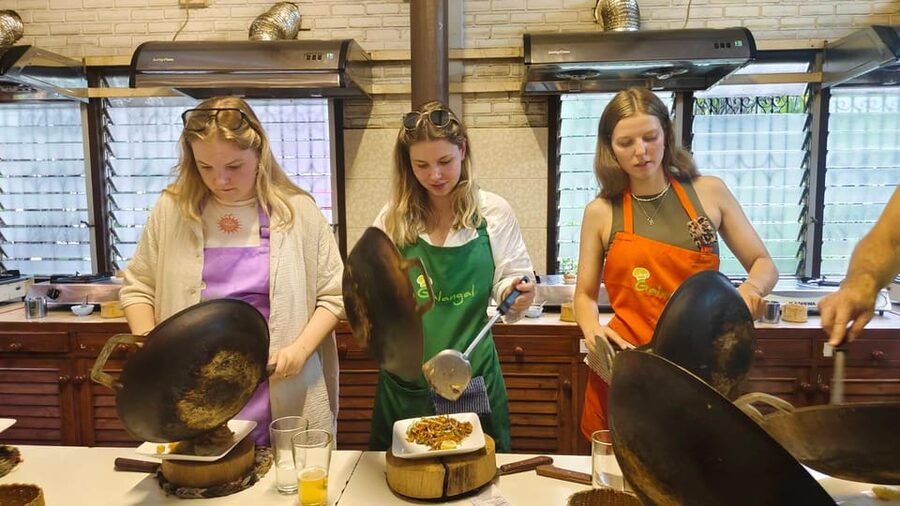
The chef explains the cooking skills used in Thai cuisine and guides you through each recipe. You should expect to prepare the dishes yourself, not simply watch a demonstration. That makes the class more useful for home cooks, but it also means the morning is active and fairly full.
The order of preparation helps you understand how the meal comes together. You work with ingredients from the market and garden, prepare a curry paste, cook the chosen main dish and soup, and finish with dessert. By the end, you have handled several different methods, including salad preparation, stir-frying, soup-making, and curry work.
The class is designed for beginners, and that matters. You do not need prior Thai cooking experience. At the same time, the menu offers enough variety to keep the morning interesting for someone who already knows how to make basic noodles or spring rolls.
Past sessions have included families, and a four-year-old was made welcome and allowed to cook alongside the adults. If you are bringing a young child, mention it when booking and ask about the setup. Infant seats are available, and the activity is listed as stroller accessible.
Learning from instructor New
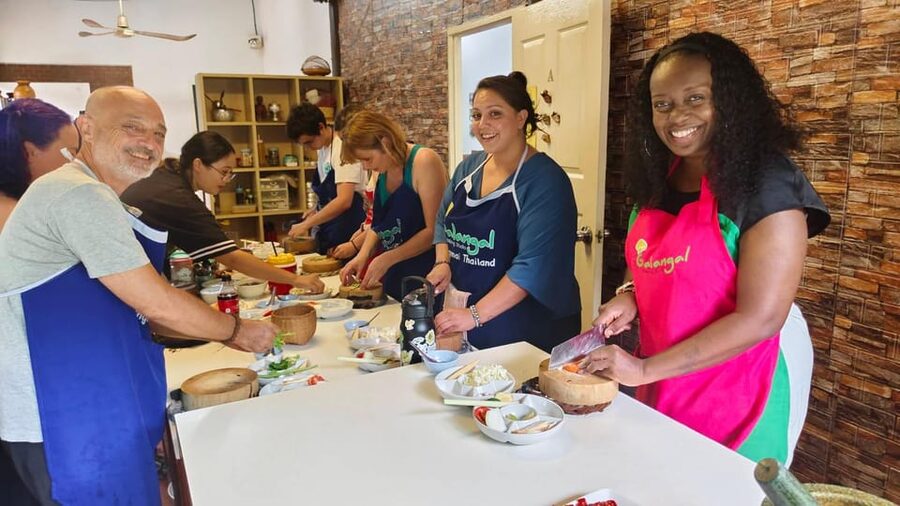
New is the instructor name that comes up most often in the available feedback. The useful detail is not just that New teaches the class, but that the instruction focuses on clear explanations, ingredient knowledge, and practical tips for repeating the recipes outside Thailand.
English is the teaching language. Several people specifically found the explanations easy to follow, which is important when you are learning unfamiliar ingredient names and cooking steps at the same time.
A good instructor can make a big difference in a Thai cooking class. The recipes may be printed in a booklet, but the instructor is the person who explains when a paste is ready, how flavors should balance, and what you can substitute in another country. New’s approach appears to suit both beginners and cooks who want to ask questions.
The class has also received praise for its friendly atmosphere. That does not mean you should expect a private lesson. Group size is not specified, so ask if personal instruction or a small group is important to you.
Eating the food you prepare
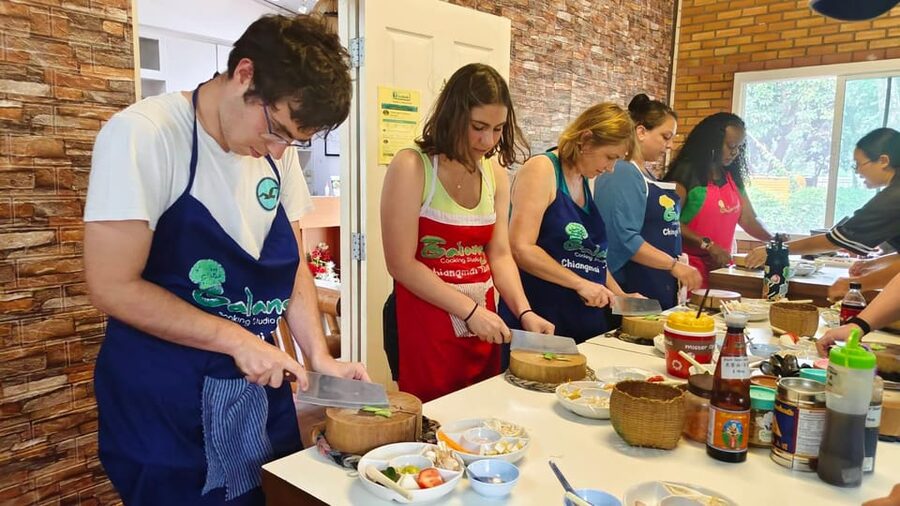
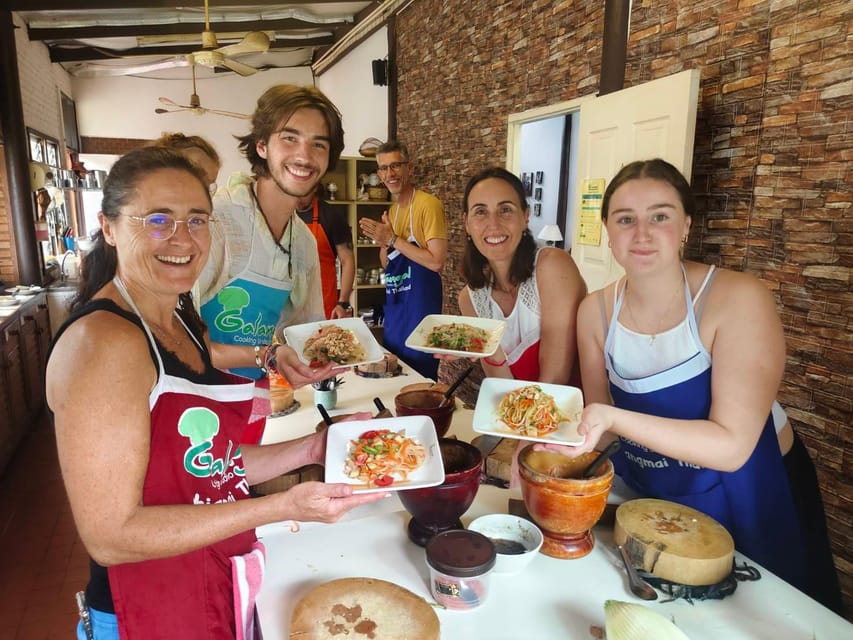
Once the cooking is finished, you sit down and eat the dishes you made. This is the reward for the busy part of the class, but it also helps you judge the balance of flavors while the lesson is still fresh.
Because you select the menu, you have some control over the final meal. You can choose dishes you already love, or use the class to try something new. If you are cooking for a group, it may be worth dividing the menu so each person chooses a different recipe.
You should tell the provider about dietary needs before the class. Vegan, vegetarian, Halal, and gluten-free options are available, as are adjustments for allergies. Do not assume that a dish is safe simply because it contains no meat. Thai cooking often uses sauces, pastes, seafood products, or shared ingredients, so explain the allergy clearly and early.
Water, tea, and coffee are included. Alcohol and drugs are not allowed, and personal medication should be brought if you need it.
The recipe book adds lasting value
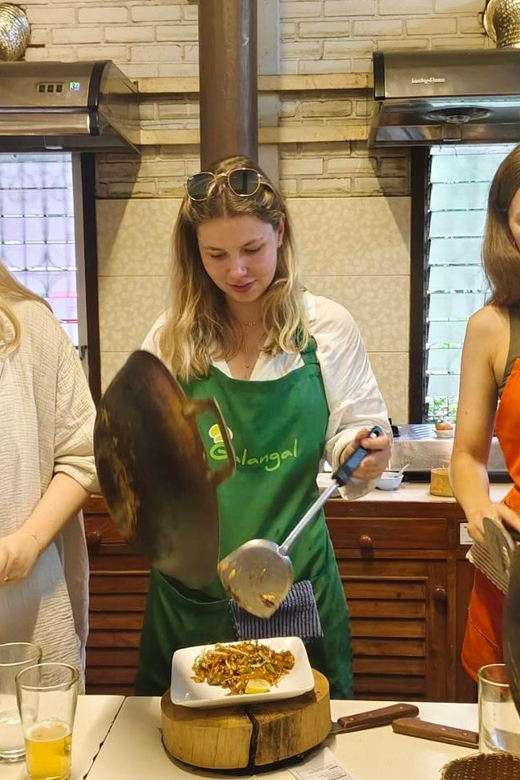
The PDF recipe book is a small but important part of the package. Without written recipes, it is easy to enjoy a cooking class and then forget the amounts, order, or cooking method within a few days.
The booklet lets you recreate the dishes at home and gives the class a longer life than the five-hour visit. One useful feature is the chance to use the instructor’s advice about ingredients available in other countries. You may not find every Thai herb or sauce locally, but the lesson can help you understand what role each ingredient plays.
Save the PDF somewhere easy to find before you leave Chiang Mai. If you cook often, it is worth making notes during the lesson about your preferred spice level and any substitutions discussed.
Transport, timing, and access
Pickup is offered from hotels in Chiang Mai’s old city, Santitham, and parts of Huay Keaw Road between Kad Suan Kaew and Maya Shopping Mall. Some parts of Nimmanhaemin Road, Sirimongkrajan Road, Wat Ket Road, Chang Phueak, Chang Khlan, and Chang Moi are also covered.
Coverage depends on the exact address, not simply the neighborhood name. If your hotel falls outside the service area, you can arrange your own transport and meet the group at the studio or market.
Wait in your hotel lobby 5 to 10 minutes before the assigned time. The driver may arrive before 9:00 AM, but traffic and multiple pickups can affect the schedule. This is not the right morning to wander out for breakfast after leaving your room.
The activity is wheelchair accessible and stroller accessible, with infant seats available. It is also near public transportation. These features make the class workable for families and people who need step-free access, but you should still confirm the exact vehicle and kitchen arrangements if you use a wheelchair.
Free cancellation is available up to 24 hours before the activity for a full refund. You can also reserve now and pay later, which helps if your Chiang Mai plans are still shifting.
Who should book this Chiang Mai cooking class?
I would recommend it most strongly to first-time visitors who want a practical food experience, not just a restaurant meal. It also suits couples, families, solo visitors who enjoy group activities, and anyone who wants several Thai recipes from one morning.
The class works especially well if you care about ingredients. The market and garden give you context, while the kitchen turns that context into food. If you only want to learn one precise recipe in a quiet private setting, this may feel too broad.
At $41, the value is strongest when you use the hotel transfer and take part in the full market, garden, and six-dish program. Check the pickup area carefully, and ask about any additional visitor fee listed as 500 baht for adults or 350 baht for children ages 6 to 12. The wording around that fee is not fully clear, so get confirmation before paying.
Should you book it?
Book this class if you want a generous menu, clear English instruction, and a morning that links Thai ingredients to the food on your plate. The combination of market, organic garden, air-conditioned kitchen, six dishes, and recipe PDF gives you more than a standard cooking demonstration.
I would be cautious only if your hotel is outside the pickup zone, if you need a highly private lesson, or if you dislike early starts and busy schedules. For most visitors who want to eat well and take a useful skill home, Galangal Cooking Studio offers a sensible, good-value introduction to Thai cooking.
FAQ
How long does the Chiang Mai cooking class last?
The activity lasts about five hours, including the hotel pickup, market visit, organic garden visit, cooking lesson, meal, and hotel drop-off.
What time does hotel pickup take place?
Pickup is generally scheduled between 8:30 and 9:00 AM. You should wait in the hotel lobby 5 to 10 minutes before your scheduled pickup time.
Is hotel pickup available everywhere in Chiang Mai?
No. Pickup is offered in the old city, Santitham, Huay Keaw Road from Kad Suan Kaew to Maya Shopping Mall, and some parts of several nearby areas. The provider will check your exact accommodation address and tell you if it is outside the service area.
Can I come directly to the cooking studio?
Yes. You can come directly to the cooking studio if you do not want a hotel transfer. If your accommodation is outside the pickup area, you can also arrange your own transport and meet the group at the studio or market.
Which dishes can I choose to cook?
You can choose a starter, main course, soup, curry, and dessert. Options include Som Tam, spring rolls, Larb Kai, Yam Woon Sen, Pad Thai, Pad See Ew, chicken with cashew nuts, minced chicken with holy basil, several soups and curries, mango sticky rice with ice cream, or fried banana.
Are vegan, vegetarian, Halal, and gluten-free options available?
Yes. The activity is available for vegan, vegetarian, Halal, and gluten-free diets, and adjustments can be made for allergies. Tell the provider about your requirements before the class.
What is included in the price?
The $41 price includes hotel pickup and drop-off, the market tour, ingredients, cooking equipment, expert instruction, water, tea, coffee, and a PDF recipe book. A separate visitor fee is listed as 500 baht for adults and 350 baht for children ages 6 to 12, so confirm how it applies to your booking.
Just added around Chiang Mai
- Chiang Mai: Half Day Morning Cooking Class with Market Tour★ 4.9 · 10 reviews
- Full Day Thai Cooking Class in Organic Farm and Market★ 5.0 · 3 reviews
- Chiang Mai: Traditional Thai-Akha Cooking Class& Market Tour★ 5.0 · 25 reviews
- Chiang Mai: Sticky Waterfall by Local Truck with Market Stop★ 4.8 · 26 reviews
- Chiang Mai: Half Day Evening Cooking Class with Market Tour★ 4.9 · 19 reviews
- Chiang Mai Light: Tuk Tuk Night Tour with Temples & Markets★ 5.0 · 7 reviews
- Chiang Mai : Cook in Farm, Market tour & Go by a Local Train★ 4.8 · 6 reviews
- Chiang Mai: Buddhist Almsgiving and Market Tour with Meal★ 5.0 · 2 reviews
Market and Cooking Class Tours, compared.

Hanoi Cooking Class: Culture, Local Market & Meaning CSR Impact
Read our review →
5 Traditional Dishes Hanoi Cooking Class with Market Trip
Read our review →
Cooking Class and Lunch at a Tuscan Farmhouse with Local Market Tour from Florence
Read our review →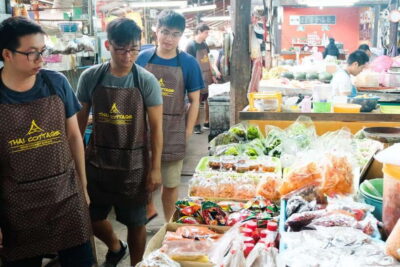
Cooking Class, Market & Thai Herbs Garden Tour
Read our review →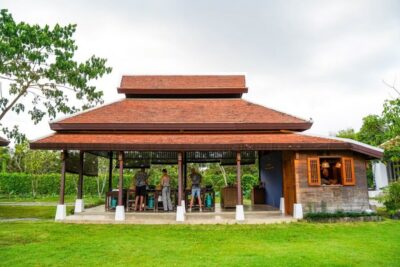
Authentic Cooking Class with Market & Farm Visit
Read our review →
Paella Cooking Experience & Boqueria Market Tour
Read our review →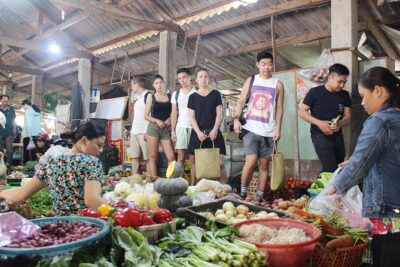
Cooking Class Hoi An:Local Market, Basket Boat, Fishing & Cooking
Read our review →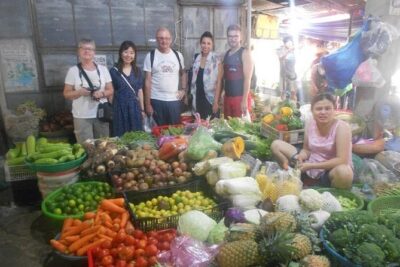
Hoi An Cooking Class(Market,BasketBoat Crabfishing&Cooking Class)
Read our review →Browse the lists this tour appears in