
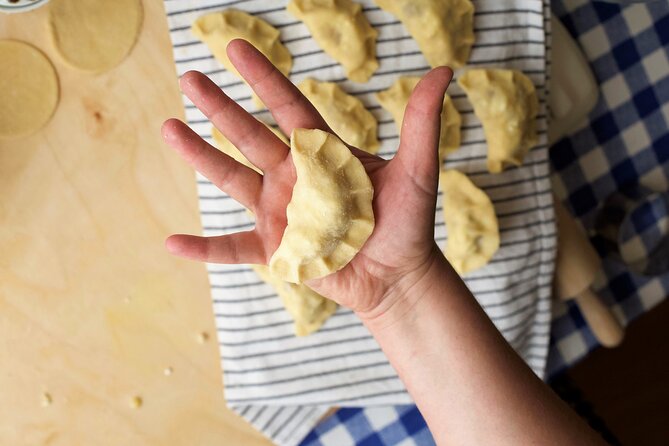
Review · MARKET AND COOKING CLASS TOURS
Pierogi Cooking Class with Market Shopping and Local Snacks
Krakow’s best food lesson may begin before you reach the kitchen. You meet Olga near the Grunwald Monument, shop for ingredients in the city’s oldest marketplace, then walk to her apartment to make and eat a mountain of pierogi. It is a cooking class, market visit, Polish snack tasting, and friendly local conversation rolled into about three hours.
I like the small group of no more than six, which gives you room to work with the dough instead of watching from the back. I also like the setting: Olga’s own apartment makes the meal feel personal, and the local cheeses, sausage, pickles, and regional alcohol add context that a restaurant meal cannot.
The main consideration is the menu. You make one traditional vegetarian filling, with potatoes, fresh cottage cheese, and caramelized onions, so this is not a broad survey of pierogi styles. Sunday bookings also skip the market visit.
Key details before you book
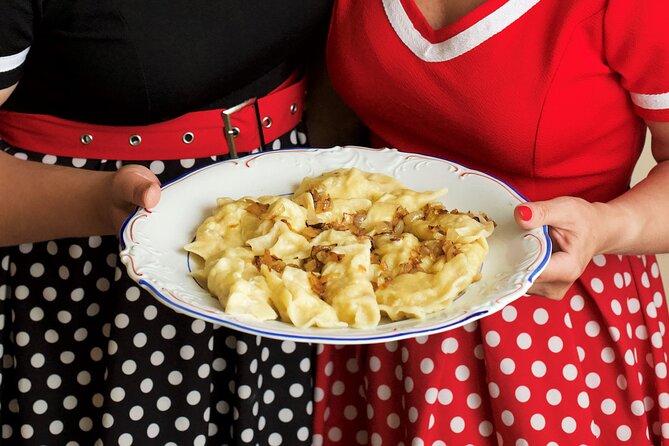
- Market first, kitchen second: Shop for fresh cheese and other ingredients in Krakow’s oldest marketplace before walking to Olga’s apartment.
- A true hands-on class: You make the dough, prepare the filling, roll and shape the dumplings, boil them, and sit down to eat them.
- Classic Polish filling: The recipe uses potatoes, cottage cheese, and caramelized onions, with sour cream and other toppings served at the meal.
- More than pierogi: Seasonal snacks can include smoked cheese, Polish sausage, sour cucumbers, and sour cabbage.
- Small and social: The maximum group size is six, making it a good fit for families, couples, and solo visitors who enjoy meeting others.
- Plan around the food: With snacks, drinks, and a large final meal, you will not need a dinner reservation afterward.
From the Grunwald Monument to Krakow’s oldest marketplace
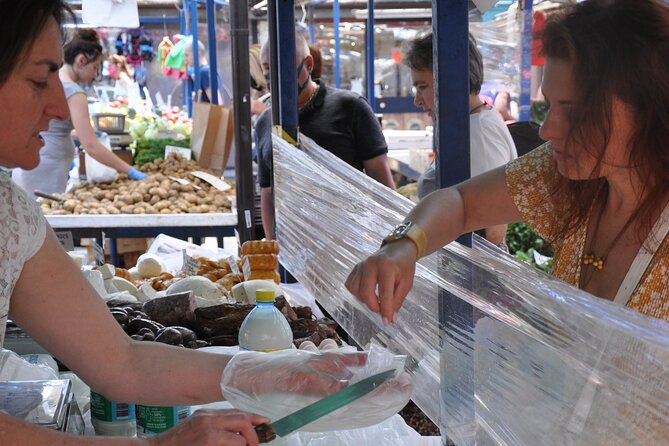
The meeting point is the Grunwald Monument at plac Jana Matejki, a practical spot near public transportation and close to Krakow’s central sights. From there, Olga leads the group to the local market.
This first walk gives the class a useful sense of place. You are not simply handed a bowl of prepared ingredients. You see the products that shape the meal and learn what to look for in Polish cheese, sausage, pickles, and vegetables. Olga also uses the market to point out foods worth buying during the rest of your stay.
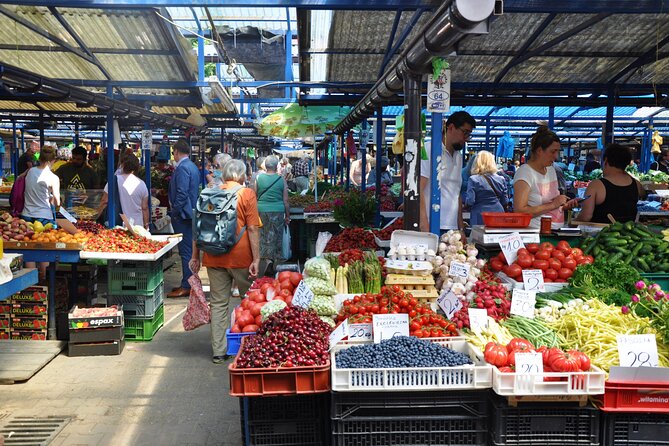
The marketplace is described as the oldest in town, and it is one of the strongest parts of the experience for anyone who wants more than a standard restaurant meal. You may taste fresh cheese before cooking, compare local products, and see ingredients in their everyday setting. The market also gives Olga a natural way to explain Polish food customs and the role of particular cheeses in pierogi.
Keep your expectations in check. This is not a formal market history tour with a long series of vendor stops. The market visit exists to buy what the group needs, with extra tasting along the way. That is a strength if you want a practical food stop, but less so if you are looking for an extended tour of market architecture or Krakow history.
On Sundays, the market portion is not included. The cooking class and meal still take place, but the experience loses the shopping and tasting walk that helps set it apart. If the market matters to you, choose another day.
More Market and Cooking Class Tours in the world:
- Hanoi Cooking Class: Culture, Local Market & Meaning CSR Impact
★ 5.0 · 5,147 reviews - 5 Traditional Dishes Hanoi Cooking Class with Market Trip
★ 5.0 · 4,890 reviews - Cooking Class and Lunch at a Tuscan Farmhouse with Local Market Tour from Florence
★ 5.0 · 4,831 reviews
A short walk into Olga’s home kitchen
After shopping, the group walks to Olga’s apartment. The walk takes less than ten minutes according to the experience details shared by participants, so this is not a demanding transfer. Still, you should be comfortable walking through the city and entering a private home rather than a commercial cooking school.
The apartment setting is central to the character of the class. Olga welcomes you into her own kitchen, prepares the table, and cooks alongside the group. Several parts of the experience make clear that the apartment is clean, comfortable, and roomy enough for a small class, though available space can never be as predictable as a professional cooking studio.
Before the dough comes out, you sit down to try Polish snacks. Depending on the season, that can mean fresh or smoked cheeses, sausage, sour cucumbers, and sour cabbage. One particularly traditional combination includes bread spread with lard and topped with a pickle. That will not suit every diet, but it is a useful taste of old-fashioned Polish home food.
Drinks are part of the welcome. The regional alcohol may include homemade liquor or bison-grass vodka, sometimes served in a playful fish-shaped vessel. You can treat this as a tasting rather than the main event. The snacks and drinks help the group relax, but you should tell Olga about dietary restrictions before you begin if you need to avoid meat, lard, alcohol, or particular dairy products.
Learning the pierogi dough from scratch
The class covers the full process, which is what makes the price easier to understand. You are not just shown how to fold a dumpling. You work through the dough, filling, shaping, boiling, and serving.
The dough lesson is especially useful. Olga explains how to knead it, how to judge its consistency, and what to avoid. The technique may feel familiar if you have made dumplings elsewhere, but pierogi dough has its own feel. It needs to roll thin enough to cook well while staying strong enough to hold the filling.
You then roll the dough and cut or form pieces for filling. This is where the class becomes properly hands-on. You get to handle the dough yourself, make mistakes, and adjust your technique with Olga’s help. The small group matters here because each person has a chance to practice rather than simply watch a demonstration.
The traditional filling combines potatoes, fresh cottage cheese, and caramelized onions. Olga explains how the potatoes should be cooked and prepared, and why the type and quality of cheese matter. It is a simple mixture, but that is part of its appeal. You learn how Polish home cooking can turn basic ingredients into a satisfying meal.
The filling is vegetarian, which makes this particular recipe useful for anyone who wants to recreate it at home for a mixed group. It is not vegan, since cottage cheese and likely other dairy accompaniments are part of the meal. The class does not present a long menu of alternative fillings, so book it for the technique and the classic combination rather than for recipe variety.
Folding shapes, boiling, and making a very large batch
Pierogi folding looks easy until you try to make a neat, sealed edge. Olga shows you how to place the filling, close the dough, and create the characteristic pleated shape. The class allows you to practice until the movement feels natural.
That small struggle is part of the fun. Your first few dumplings may look uneven, and that does not matter once they are cooked. The lesson is practical, not precious. You leave knowing how to repeat the process at home, including the basic points about sealing the edges and avoiding problems during boiling.
The group may produce a very generous number of dumplings. One account describes making more than 100 pierogi together, which explains why this is not a light snack class. The final meal is substantial, and extra pierogi may sometimes be available to take home, although you should not treat that as guaranteed.
Once shaped, the pierogi are boiled and served with toppings such as sour cream. The contrast is satisfying: soft dough, warm potato and cheese filling, sweet onion, and tangy dairy. You eat what you have made at the same table where you started with the market snacks.
This meal is the payoff, but not the only value. You have learned a repeatable recipe and a useful kitchen skill. You can buy a pierogi mold after the class if you want easier shapes at home, and the techniques can be adapted to fruit pierogi in summer, according to the practical suggestions shared during the experience.
More Market Shopping Tours in the world:
- Marrakesh: Guided Souk Shopping Tour with a Local Guide
★ 4.9 · 651 reviews - Shopping in the Souks of Marrakech Private Tour
★ 5.0 · 620 reviews - Cairo: Local Markets & Khan el Khalili Private Shopping Tour
★ 4.6 · 614 reviews - Souks Shopping Tours
★ 5.0 · 395 reviews
Polish food, family traditions, and useful Krakow advice
Olga’s role goes beyond showing measurements. She talks about how pierogi became part of Polish food culture and shares family connections to the recipe. You also get informal advice about what to eat and where to go in Krakow.
That conversation is one reason the private apartment works better here than a large culinary venue. You can ask questions while kneading, compare notes with the other people in the group, and hear about Polish habits in a natural setting. The class also works well as an early activity in your visit because Olga can point you toward other foods and places to try.
The social side is worth noting. Couples, families, and solo participants can all fit comfortably into the format. Children have taken part successfully, with one family including a seven-year-old and teenagers. The work is simple enough for children to follow, but young participants need to be able to stand, handle food, and stay engaged during the dough and folding stages.
You also meet other people at the table. That can be a plus if you like shared meals and casual conversation. It can be less appealing if you want a private lesson for only your own group. The maximum is six, but the actual number may be smaller.
What the $83.48 price includes in practical terms
At $83.48 per person, this is not the cheapest way to eat pierogi in Krakow. A restaurant meal costs far less, and you could buy prepared dumplings at a market without booking an activity.
The comparison changes once you count what is included. The price covers roughly three hours, a guided market visit, ingredient shopping, seasonal snacks, drinks, instruction, the cooking session, and the final meal. You are also paying for access to Olga’s home, her family method, and the chance to ask questions while doing every stage yourself.
I see the value most clearly for people who will use the lesson after returning home. If you enjoy cooking, the recipe and dough technique can become part of your own kitchen routine. If you only want to taste Polish food, the price is harder to justify because the class requires time and participation.
The small size improves the value. With six or fewer people, you should have direct access to the instructor and enough workspace to make your own dumplings. A crowded demonstration could show you the same recipe, but it would not give you the same amount of practice.
The food is also plentiful. Several hours of snacks, drinks, and pierogi make this a full food experience rather than a quick lesson. Do not schedule an important dinner immediately afterward. You may want an evening walk instead.
Who will enjoy this class most
I would recommend this experience to:
- First-time visitors to Krakow who want food advice early in the trip.
- Couples and friends who like a shared activity with a meal at the end.
- Families with older children who want something hands-on rather than another sightseeing stop.
- Solo visitors who enjoy meeting a small group in a friendly setting.
- Home cooks who want a traditional Polish recipe they can repeat.
- People curious about Polish food customs, including pickles, smoked cheese, sausage, lard, and regional spirits.
I would think twice if you dislike entering private homes, prefer a formal commercial kitchen, do not drink alcohol, or want many different pierogi fillings. You can still enjoy the class without drinking, but the alcohol tasting is part of the planned hospitality.
People with mobility concerns should also read the walking and meeting details carefully. The experience begins near public transportation, includes a market walk, and continues on foot to the apartment. Service animals are allowed.
Timing, booking, and cancellation
The activity lasts about three hours and ends back at the meeting point. Confirmation is sent within 48 hours, subject to availability, so it is sensible to book ahead. The experience is often reserved well in advance, with bookings averaging 46 days before the date.
You can cancel for a full refund up to 24 hours before the local start time. Cancellations or changes made later are not refunded or accepted. The class also requires a minimum number of participants, so if that minimum is not met, you are offered another date or experience, or a full refund.
The mobile ticket and English-language format make the activity easy to add to a Krakow itinerary. Still, check the date carefully, especially around Sundays and religious holidays, since one booking had to be shifted because of a holiday conflict.
Should you book the Krakow pierogi class?
Yes, if you want a personal food experience that teaches you something and feeds you well. The strongest parts are the small class, the market stop, the patient instruction, and the chance to make the entire dish instead of watching someone else do it.
Book it early in your stay if you want Olga’s food and restaurant suggestions to shape the rest of your visit. Pick a non-Sunday date if the market matters. Skip it if you want a quick tasting, a private group-only activity, or a menu filled with different pierogi styles.
For the right person, the $83.48 cost buys more than dumplings. It buys a practical Polish recipe, a look at everyday ingredients, a relaxed meal, and a warm introduction to Krakow’s food culture.
FAQ
How long does the pierogi cooking class last?
The experience lasts approximately three hours, including the market visit, walk to the apartment, snacks, cooking lesson, and meal.
Where does the experience start and end?
It starts at the Grunwald Monument at plac Jana Matejki, 30-001 Kraków, Poland, and ends back at the meeting point.
Is the market visit included every day?
No. On Sundays, the experience takes place without a visit to the food market.
What type of pierogi will I make?
You will make traditional pierogi filled with fresh cottage cheese, potatoes, and caramelized onions.
How large is the cooking group?
The activity has a maximum of six participants.
Can I cancel for a full refund?
Yes. You can cancel at least 24 hours before the local start time for a full refund. Later cancellations and changes are not accepted or refunded.
Just added around the world
- 3-Hour Herbal Wholesale TCM Market and a Local Wet Market Tour★ 5.0 · 4 reviews
- Half-day Dandan Noodles Cooking Class with a Local Market Visit★ 5.0 · 8 reviews
- Chania Old Town, Public Market and Chrisopigi Monastery Tour★ 4.5 · 6 reviews
- Charleston International Sweet Treats & Historic City Market Tour★ 5.0 · 22 reviews
- Chania: Old Town, Public Market, Hill of Prophet Elias, Agia Triada★ 5.0 · 35 reviews
- Food Tasting & Market Shopping: Private Guided Tour in PORT LOUIS★ 4.5 · 9 reviews
- Moroccan Cooking Class with a Local Family & Market Visit★ 5.0 · 16 reviews
- Private Market Tour & Cooking Class in Casablanca with Transfers★ 5.0 · 20 reviews
Market and Cooking Class Tours, compared.

Hanoi Cooking Class: Culture, Local Market & Meaning CSR Impact
Read our review →
5 Traditional Dishes Hanoi Cooking Class with Market Trip
Read our review →
Cooking Class and Lunch at a Tuscan Farmhouse with Local Market Tour from Florence
Read our review →
Cooking Class, Market & Thai Herbs Garden Tour
Read our review →
Authentic Cooking Class with Market & Farm Visit
Read our review →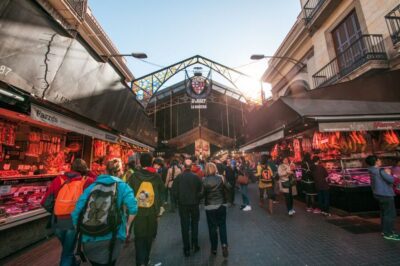
Paella Cooking Experience & Boqueria Market Tour
Read our review →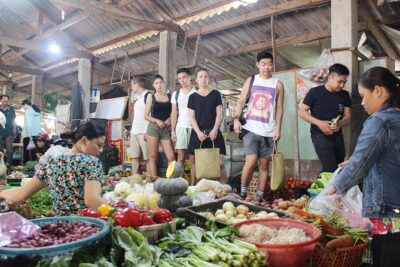
Cooking Class Hoi An:Local Market, Basket Boat, Fishing & Cooking
Read our review →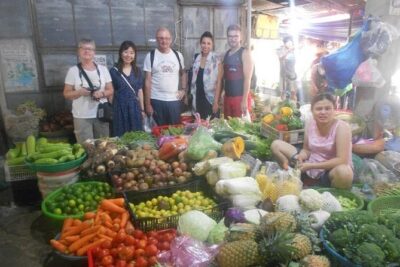
Hoi An Cooking Class(Market,BasketBoat Crabfishing&Cooking Class)
Read our review →Browse the lists this tour appears in