
Review · PRIVATE MARKET TOURS
Private Distinctive Market Tour with Shaomai Lunch and Full Massage in Beijing
Beijing’s markets are the heart of this private day. You move from Panjiayuan’s antiques and handicrafts to Hongqiao’s pearls, then on to Liulichang’s old books, paintings, brushes, and ink stones. It gives you a look at shopping traditions that large sightseeing routes often skip.
I like the private vehicle and hotel pickup, which save time in a spread-out city. I also like the useful mix of stops: browsing, a Qing-era shaomai lunch, and a 100-minute massage. The main drawback is focus. If you want only major monuments, three markets and a long spa visit may feel like too much shopping.
Key points at a glance
- Panjiayuan covers about 2.4 acres, with more than 4,000 stalls selling antiques, art, handicrafts, and second-hand goods.
- Hongqiao Pearl Market is known especially for Chinese South Sea pearls and offers a different kind of shopping from Panjiayuan.
- Liulichang Culture Street centers on books, calligraphy, paintings, brushes, ink stones, and traditional crafts.
- Duyichu Restaurant dates to 1738, and the included meal features Beijing-style shaomai plus other dishes and vegetables.
- The massage lasts 100 minutes, split into 40 minutes of foot massage and 60 minutes of whole-body massage, with tea and fruit.
- The tour is limited to your own group, with a maximum of six people and free hotel pickup and drop-off.
A market day instead of a monument checklist
This is a side of Beijing built around browsing rather than ticking off famous sights. You will not spend the day moving from one grand gate to another. Instead, you will look closely at objects, ask questions, compare prices, and watch ordinary commerce unfold.
The private format matters here. Markets can be confusing, and a guide can explain what you are seeing while helping keep the day moving. You can also spend more time at the places that interest you, within the limits of an eight-hour schedule.
The tour begins at 9:00 a.m. Your guide meets you in your hotel lobby, then a private driver takes you between stops. That arrangement is particularly useful in Beijing, where the markets are in different parts of the city and public transport can add time and effort to a full day.
Named guides connected with this experience include Serena and Sang Yu, also called Ms. Maria. Serena is described as speaking excellent English, while Sang Yu is noted for clear English and personal explanations about Chinese life, food, and culture. Guide assignment can vary, but strong communication is important on a tour built around shopping and local context.
More Private Market Tours in China
Panjiayuan: thousands of stalls and plenty to sort through
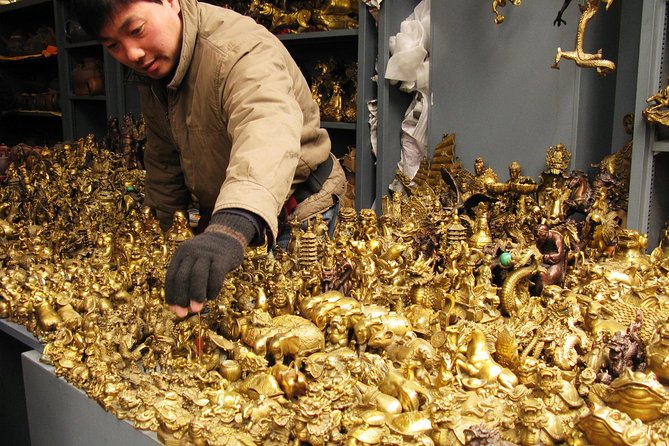
Panjiayuan Ghost Market is the broadest stop on the route. Its roughly 2.4 acres hold more than 4,000 stalls, with antiques, artwork, handicrafts, and second-hand goods packed into a large market setting.
The appeal is the range. You might find old-looking decorative pieces beside newer handicrafts, art objects, and items with a less polished, more everyday feel. The name Ghost Market adds atmosphere, but the useful point is simple: this is a place for browsing, comparing, and noticing how Chinese objects are bought and sold.
Do not arrive expecting a quiet museum. A market with thousands of stalls can be visually crowded and uneven. Some pieces may interest you immediately, while others will seem ordinary or hard to judge. A private guide helps you make sense of the categories and keeps the stop from becoming a random walk through rows of merchandise.
I would treat Panjiayuan as a cultural shopping visit first and a buying opportunity second. If you are looking for a particular antique, the tour description does not promise authentication or a specialist appraisal. Ask questions, inspect items carefully, and avoid assuming that an old appearance proves an object’s age.
This stop suits you if you like browsing without a fixed shopping list. It is less suitable if you prefer tightly organized exhibits, guaranteed purchases, or a short visit with only a few carefully selected objects.
Hongqiao Pearl Market: a sharper focus on shopping
Hongqiao Pearl Market changes the mood. Panjiayuan spreads across many kinds of goods, while Hongqiao is especially known for pearls, including Chinese South Sea pearls. The market is one of Beijing’s two major markets of its type, and the stop gives you a chance to compare a more focused retail setting with the variety of Panjiayuan.
The guide can help explain what you are looking at and how this market fits into Beijing’s shopping culture. You should still think of the stop as an opportunity to browse rather than a promise that you will find a perfect piece of jewelry.
If you want to buy pearls, decide in advance how much time and money you want to spend. The supplied details do not promise a gem certificate, fixed prices, or a particular item. That is not a flaw in the tour, but it is a reason to keep your expectations practical.
This market also gives the day some variety. You are not visiting three versions of the same antique district. Instead, the route moves from broad market browsing to pearls, then to an area centered on traditional art and written culture.
Liulichang Culture Street and Beijing’s traditional arts
Liulichang Culture Street is the most specialized cultural stop. It is known for ancient books, calligraphy, paintings, brushes, ink stones, and other traditional Chinese handicrafts.
The details here reward a slower pace. A brush, ink stone, or calligraphy work can look like a simple object until someone explains how it is used and why it matters. The tour also includes the chance to watch painting and calligraphy demonstrations, giving you more than a row of shops to pass.
I like this part of the route because it connects shopping with Chinese artistic practice. You can look at the tools as well as the finished work. The setting is also a better match for you if you prefer cultural objects, books, and craft traditions to ordinary souvenirs.
There is a practical limit. The tour does not include a stated purchase allowance, special artwork, or formal lesson. Demonstrations and shop visits can vary in length, so you should see Liulichang as an introduction rather than a full study of Chinese calligraphy.
Still, among the three markets, this is likely to feel the most distinct for visitors who want context. Your guide’s explanations are valuable here, especially if you do not read Chinese or know the difference between the items on display.
More Private Market Tours in Beijing:
- Lama Temple, Hutong and Silk & Pearl Market Private Day Tour
★ 5.0 · 5 reviews - Full-Day Private Tour Panjiayuan Antique Market and Beijing Capital Museum
★ 5.0 · 3 reviews - 3-Hour Private Shopping Tour at Panjiayuan Market from Beijing
★ 5.0 · 2 reviews - Cairo 8 Hour Private Tour of Pyramids, Egyptian Museum and Bazaar
★ 5.0 · 2,931 reviews
Shaomai at a restaurant founded in 1738
Lunch brings the market day into the kitchen. You eat shaomai at Duyichu Restaurant, a restaurant founded in 1738 during the Qing Dynasty. The meal includes the famous dumplings, with other dishes and vegetables available to order.
Shaomai are open-topped dumplings, and this meal gives you a chance to try a familiar Beijing specialty in a place with a long culinary connection to the city. The setting is less about a quick snack and more about making lunch part of the cultural experience.
The exact timing deserves a little flexibility. The information places the massage before lunch and also describes the day as including lunch and massage during the route. Your guide will manage the order on the day, but do not plan a separate fixed appointment immediately after the tour begins.
A vegetarian meal is available if you request it when booking. That is useful, but the details do not specify the exact vegetarian dishes, so give clear dietary information in advance rather than assuming the standard meal will suit you.
Snacks and beverages are included, and tea and fruit are provided with the massage service. Other dishes and vegetables at Duyichu may be available to order, but the core included meal is the shaomai lunch.
The 100-minute foot and body massage
The massage is not a quick add-on squeezed into ten spare minutes. It lasts 100 minutes in total: 40 minutes of foot massage and 60 minutes of whole-body massage.
The setting has traditional Chinese decoration, and complementary tea and fruit are included. After a morning of walking through markets, the foot treatment gives your legs a break. The longer body treatment then turns the day into something closer to a cultural outing and rest day combined.
This is one of the strongest reasons to choose the tour if you want a gentler pace. You will still spend time on your feet at the markets, but the massage creates a clear pause in the schedule.
It is also the main reason the itinerary may not suit everyone. If you want every hour devoted to sightseeing, 100 minutes is a large portion of an eight-hour day. You should book this experience for the balance of markets, food, and rest, not if you want maximum time at monuments or museums.
The word full massage should not lead you to assume a particular medical treatment or level of luxury. The supplied details confirm the duration, foot and body portions, setting, tea, and fruit, but do not specify the exact massage technique or spa facilities.
What the private format really adds
The group limit is six people, and only your own party joins the activity. That makes a difference at markets, where interests can split quickly. One person may want to inspect calligraphy brushes, another may prefer pearls, and someone else may simply want to look around.
A private guide can adjust explanations and help you spend time where you care most. The named guide experiences associated with the tour also point to a personable style. Serena is described as friendly and interested in explaining daily life, food, and China beyond the immediate stops. Sang Yu, also known as Ms. Maria, is described as providing clear English while showing a slice of everyday market life.
The private vehicle is another practical benefit. You do not need to work out transfers between Panjiayuan, Hongqiao, Liulichang, the restaurant, and the massage location. Hotel pickup and drop-off are included, which is especially handy after a full day that ends with a body treatment.
The trade-off is price. At $231 per person, this is not a cheap shopping excursion. Its value improves when you use the included transport, guide, lunch, and 100-minute massage, particularly if your group has two to six people. A solo visitor pays more for privacy, but also receives a full day with no strangers to accommodate.
Who will get the most from the $231 price?
I would put this tour in the convenient, experience-packed category. The price covers about eight hours, a private guide, private transportation, hotel pickup and drop-off, lunch, market visits, and a long massage. You are paying not just for entry to markets, but for someone to connect the stops and handle the logistics.
The value is strongest for you if you have already seen Beijing’s main historic sights or want a day away from the standard route. It also suits a small family or group that wants a private vehicle and a guide who can answer questions in English.
The value is weaker if your main goal is bargain shopping. You may still buy something, but the tour does not promise special prices, guaranteed antiques, or a pearl certificate. Nor does it promise a particular purchase at Liulichang.
It is also not the best use of money if you want a tightly focused food tour, a dedicated art tour, or a full spa day. This is a combination itinerary. Its strength is the range, and its weakness is that no single element receives the entire day.
Timing, comfort, and useful planning
Plan for a full eight-hour commitment beginning at 9:00 a.m. Since pickup and drop-off are included, you should provide your hotel details accurately when booking and be ready in the lobby at the selected time.
Wear comfortable shoes for the market portions. The tour includes a substantial amount of browsing and walking, even though the private vehicle reduces the distance between locations.
Keep room in your schedule for the lunch and massage. The route contains several major stops, and the day is designed to feel complete rather than rushed from one quick photo stop to the next.
Most people can take part, and the activity is private. The details do not provide a specific accessibility assessment, so if you have mobility needs, ask the provider before booking.
Confirmation is provided at booking, and free cancellation is available if you cancel at least 24 hours before the local start time. Changes or cancellations inside that window are not accepted for a refund.
Should you book this Beijing market tour?
Book it if you want local shopping districts, a traditional lunch, and a long massage in one private day. The guide and driver remove much of the work, while the three markets show different sides of Beijing’s commercial and artistic life.
Choose another tour if you want major landmarks, formal museum exhibits, or a serious antiques appraisal. At $231 per person, the tour makes the most sense when you value privacy, hotel transport, personal explanations, and the complete mix of experiences.
For a small group that wants an easy day with real market time and a comfortable finish, I would consider it a strong choice. For a solo visitor on a tight budget, compare the cost against how much you value a private guide and included massage.
FAQ
What is included in the private Beijing market tour?
The tour includes a private guide, transportation, hotel pickup and drop-off, market visits, lunch, snacks and beverages, and a 100-minute massage with tea and fruit.
How long does the experience last?
The tour lasts approximately eight hours.
What time does the tour start?
The stated start time is 9:00 a.m.
Which markets are included?
The route includes Panjiayuan Ghost Market, Hongqiao Pearl Market, and Liulichang Culture Street.
How large can the private group be?
A booking can include a maximum of six people, and only your own group participates.
What can I see at Panjiayuan Ghost Market?
Panjiayuan has more than 4,000 stalls selling antiques, art, handicrafts, and second-hand goods across about 2.4 acres.
What is Hongqiao Pearl Market known for?
Hongqiao Pearl Market is particularly known for Chinese South Sea pearls.
What is special about Liulichang Culture Street?
Liulichang is known for ancient books, calligraphy, paintings, brushes, ink stones, and other traditional Chinese handicrafts. Painting and calligraphy demonstrations may also be part of the visit.
What does the included lunch feature?
Lunch features shaomai at Duyichu Restaurant, which was founded in 1738 during the Qing Dynasty. Other dishes and vegetables are also available to order.
Is a vegetarian meal available?
Yes. A vegetarian option is available, but you should request it when booking.
How long is the massage?
The massage lasts 100 minutes, including 40 minutes of foot massage and 60 minutes of whole-body massage.
Can I cancel for a full refund?
Yes, if you cancel at least 24 hours before the experience’s local start time. Cancellations or changes made less than 24 hours before the start time are not accepted for a refund.
More Trips with a Spa Stop in Beijing
- Marrakech: Souk Tour & Berber Hammam with Massage
★ 4.6 · 166 reviews
More Lunch Trips in Beijing
- Cooking Class and Lunch at a Tuscan Farmhouse with Local Market Tour from Florence
★ 5.0 · 4,831 reviews - Paris Cooking Class and Lunch with Wine plus Market Visit Option
★ 5.0 · 1,024 reviews - Cairo: Private Pyramids, Museum & Bazaar Tour with Lunch
★ 4.6 · 744 reviews - Durres/Golem: Kruja Castle & Bazaar with Traditional Lunch
★ 5.0 · 632 reviews
Just added around Beijing
- Small Group Beijing Temple of heaven and Summer Palace with Pearl market★ 5.0 · 3 reviews
- Private Tour to Pearl Market Acrobatic Show & Peking Duck Dinner★ 5.0 · 5 reviews
- Beijing Culture Tour to Antique Market and Cloisonné Workshop★ 5.0 · 2 reviews
- Half Day Tour:Market Shopping Acrobatic Show & Peking Duck dinner★ 5.0 · 2 reviews
- Full-Day Private Tour Panjiayuan Antique Market and Beijing Capital Museum★ 5.0 · 3 reviews
- Lama Temple, Hutong and Silk & Pearl Market Private Day Tour★ 5.0 · 5 reviews
- Dumpling Cooking Class and Local Market Tour★ 5.0 · 3 reviews
- 3-Hour Private Shopping Tour at Panjiayuan Market from Beijing★ 5.0 · 2 reviews
Private Market Tours, compared.
Private Excursion to Maeklong Railway and Floating Markets
Read our review →
Floating and Railway Market (Optional Waterfall): Private Tour
Read our review →
Private Pyramids, Museum & Bazaar Tour with Lunch
Read our review →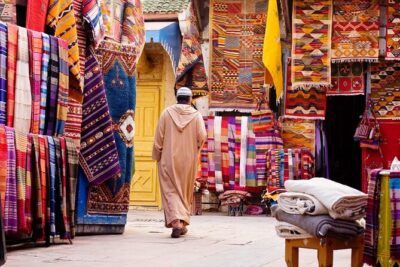
Shopping in the Souks of Marrakech Private Tour
Read our review →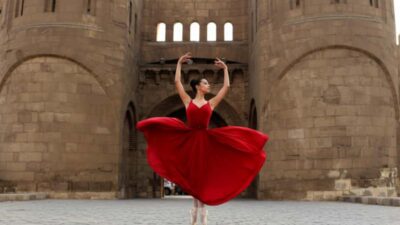
Local Markets & Khan el Khalili Private Shopping Tour
Read our review →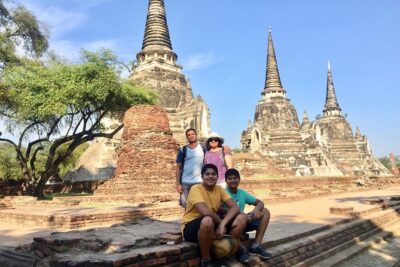
Private Excursion to Floating Market and Ayutthaya World Heritage
Read our review →
Private Heritage Walking Tour in Jaisalmer Fort and Old Bazaar
Read our review →Browse the lists this tour appears in