
Review · GRAND BAZAAR & SPICE MARKET TOURS
Stone Town Guided Tour: Culture, Slave Market & Spice Market
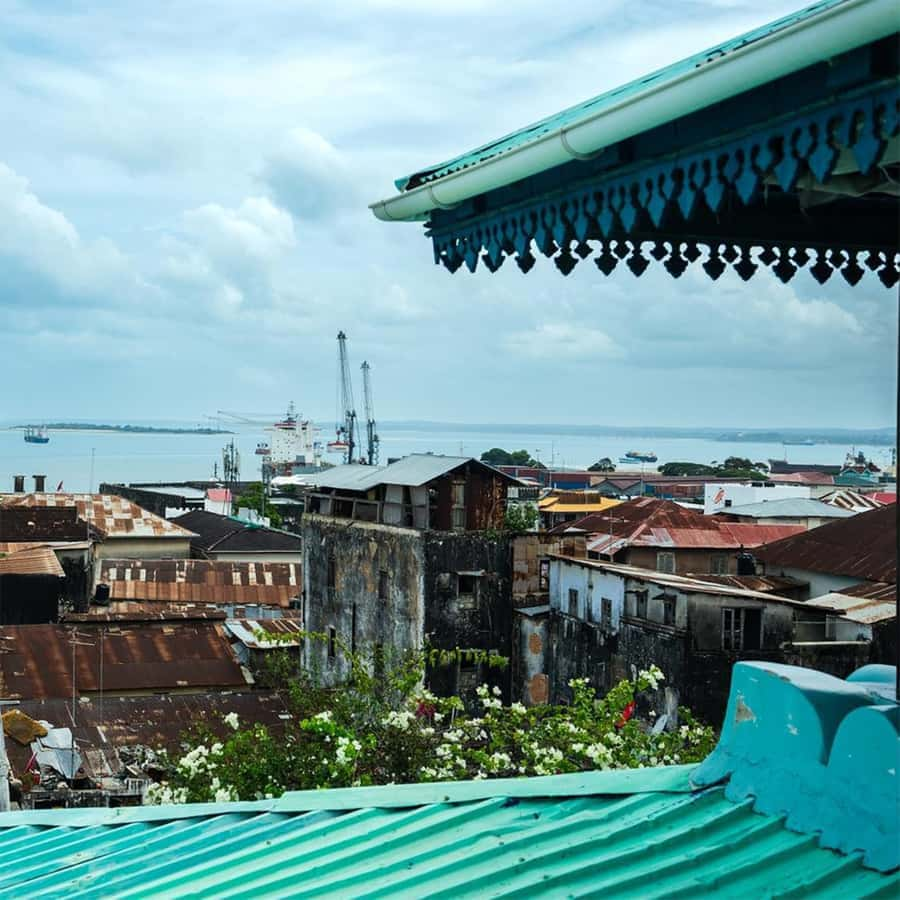
Stone Town makes the most sense on foot, where carved doors, shaded lanes, old sultanate buildings, and market life appear around every turn. I like this tour for its strong historical route and for the chance to visit Darajani Market, where everyday Zanzibar feels more real than it does along the waterfront. Abdul is often the guide, and his clear English, patience, and easy manner have earned repeated praise. The main consideration is admission pricing: the basic tour is $29, but confirm exactly which museum tickets are included before paying extra.
The two to three hours are enough to get your bearings without turning into an all-day march. You will walk on uneven streets and through narrow alleys, so comfortable shoes matter. The tour is private, pickup and drop-off are available within Stone Town, and you can request a later start if you want to finish near Forodhani Gardens at sunset or for the night food market.
Key points at a glance

- The Old Slave Market gives the tour its emotional center, with the Anglican Cathedral adding important context.
- Abdul is the guide most often named, praised for clear English, patience, humor, and a willingness to answer questions.
- Darajani Market is a practical, local stop, with spices, produce, meat, fish, food stalls, and crafts.
- Freddie Mercury’s House adds a lighter cultural note to a route otherwise focused on history and architecture.
- The $29 price is good for a private walking tour, especially with Stone Town pickup, water, and a live guide included.
- Check admission details carefully, since extra payment options may not cover every museum on the route.
Why Stone Town works best with a guide

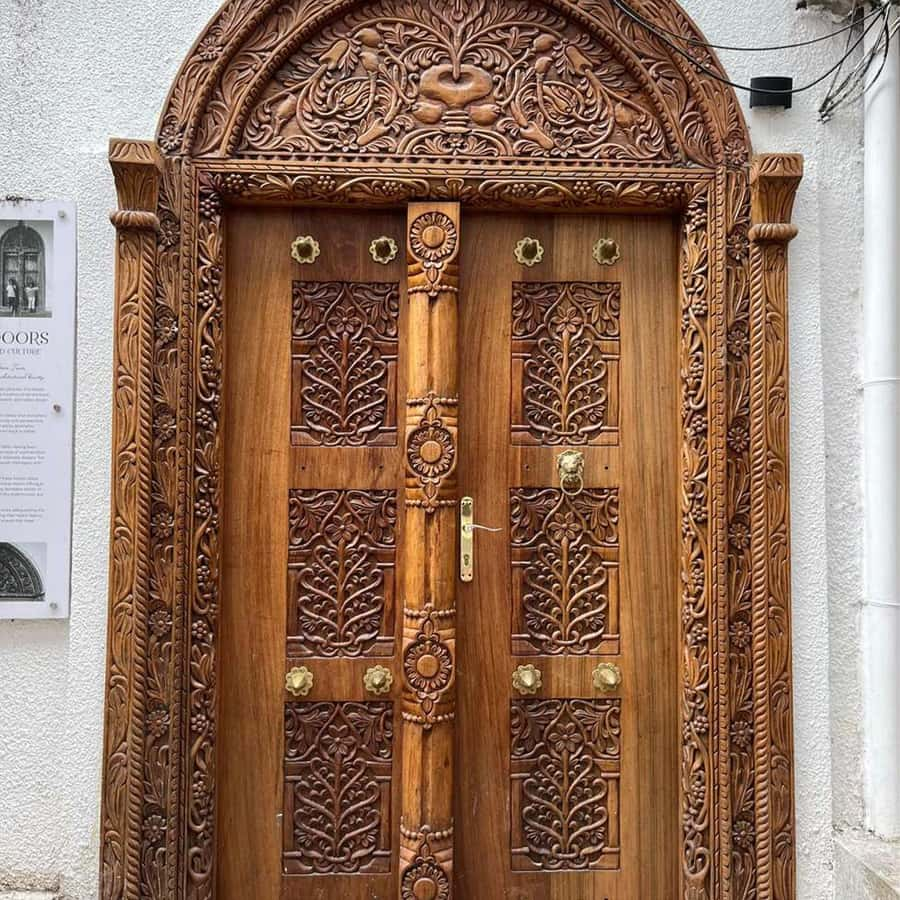
Stone Town is compact, but it is not always easy to read. Its lanes bend unexpectedly, streets change character quickly, and a map can be less useful than a person who knows the old quarter. A guide helps you notice things you could easily pass without understanding, especially the carved wooden doors, religious buildings, old trading connections, and layers of Swahili, Arab, Indian, African, and European influence.
I like the way this tour uses the city itself as the lesson. You are not shut inside a museum for two hours. You move between major monuments, working markets, old lanes, and the seafront. That keeps the experience varied and gives you a better sense of how Stone Town functions today.
Abdul is the guide most frequently identified by name. He is described as friendly, patient, enthusiastic, and easy to talk with. He also adjusts to what interests you. One solo visitor was helped with practical errands such as finding an ATM and buying a SIM card, while other groups were given extra time for shopping. Mundhir is also named as a guide, so your booking may not always be with Abdul.
The private-group format is useful if you want to ask questions or change the pace. It also suits families, couples, and solo visitors who prefer not to trail behind a large group. The activity is advertised as wheelchair accessible, though the narrow streets and uneven walking surfaces are worth discussing with the provider before booking if mobility is a concern.
More Spice Market and Bazaar Tours in the world:
- Dubai Half-Day City Tour with Visit to Dubai Gold Souk
★ 4.0 · 1,741 reviews - Cairo: Local Markets & Khan el Khalili Private Shopping Tour
★ 4.6 · 614 reviews - Cairo VIP Guided Tour to Khan El-Khalili Market with Lunch
★ 5.0 · 431 reviews
Starting in Stone Town and finding your bearings
The tour offers pickup from Stone Town, with hotel pickup and drop-off included in that area. If you stay outside Stone Town, you can request transport for an additional fee. This matters because the tour itself is priced as a walking experience, not as an island-wide sightseeing trip.
Once you meet your guide, expect to set off on foot. The route includes several short walks of about six minutes between clusters of sights, along with guided stops ranging from 15 to 30 minutes. The pace should feel manageable for most people, but Stone Town’s heat, tight passages, and rough paving make good shoes and water essential. Bottled water is included, though you should bring your own if you tend to drink often in warm weather.
A morning start works well if you want cooler conditions and a clear introduction to the city. A later start can also be smart. One group arranged a late departure so the tour finished in time for Forodhani Gardens’ evening food market. Confirm the start time when you book, since availability varies.
House of Wonders and the Old Fort
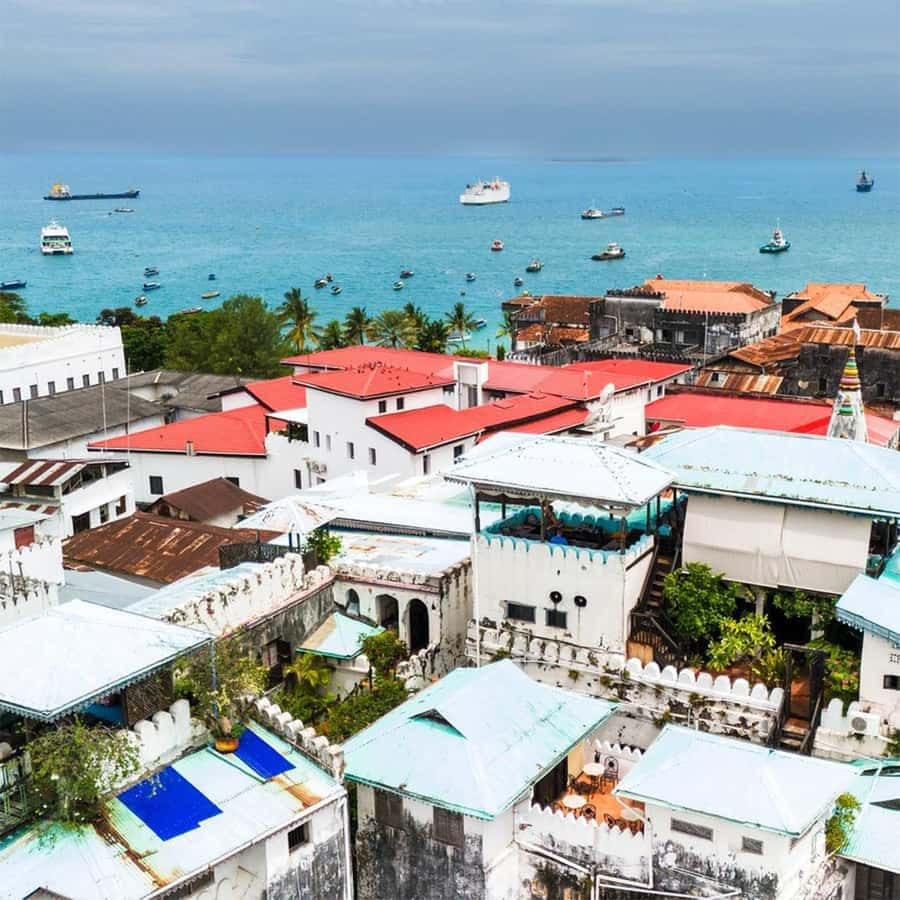
The House of Wonders is one of the first major stops. Its name comes from the building’s former modern features, which made it a remarkable structure in its day. On this tour, the guide uses the building to explain Zanzibar’s links with the sultanate, overseas trade, and changing political power.
Do not expect every part of the building to be open or in perfect condition. The value here is the setting and the explanation. Your guide can point out how this large ceremonial building relates to the seafront and to the other important structures nearby.
The Old Fort follows with a longer guided visit of about 25 minutes. Built as a defensive structure, it now forms one of Stone Town’s best-known public spaces. Its thick walls and open interior make a sharp contrast with the cramped lanes outside.
The fort is also a useful place to pause. You can take photos, look at the layout, and listen without standing in a narrow passage. Depending on the day, there may be shops or cultural activity inside the fort, but the central value of the stop is the building itself and the guide’s account of Zanzibar’s changing rulers and outside influences.
Freddie Mercury’s House adds a modern connection
Freddie Mercury’s House is a short guided stop, listed at about 15 minutes. The connection is straightforward: the Queen frontman was born in Stone Town. For music fans, this gives the old quarter a direct link to a figure known around the world.
The stop is brief, so think of it as a photo and orientation point rather than a full museum visit. It also breaks up the heavier historical material. After the Old Fort and before the cathedral and Slave Market, a modern cultural reference keeps the route from feeling like a procession of monuments.
The location can be particularly useful for visitors who know little about Stone Town before arriving. It shows that the neighborhood is not only about sultans, colonial buildings, and trade. It has also produced people and stories tied to the modern world.
More Guided Market Trips in the world:
- Dubai: Old Town, Souks, Street Food, Guided Tour & Abra Ride
★ 4.9 · 7,170 reviews - Dubai: Frame Tickets, Creek, Souks & Blue Mosque Guided Tour
★ 4.8 · 5,980 reviews - Chef Guided Food Tour of Pike Place Market
★ 5.0 · 3,733 reviews - Marrakech: Colorful Medina Souks Guided Walking Tour
★ 4.7 · 2,470 reviews
The Anglican Cathedral and the Old Slave Market
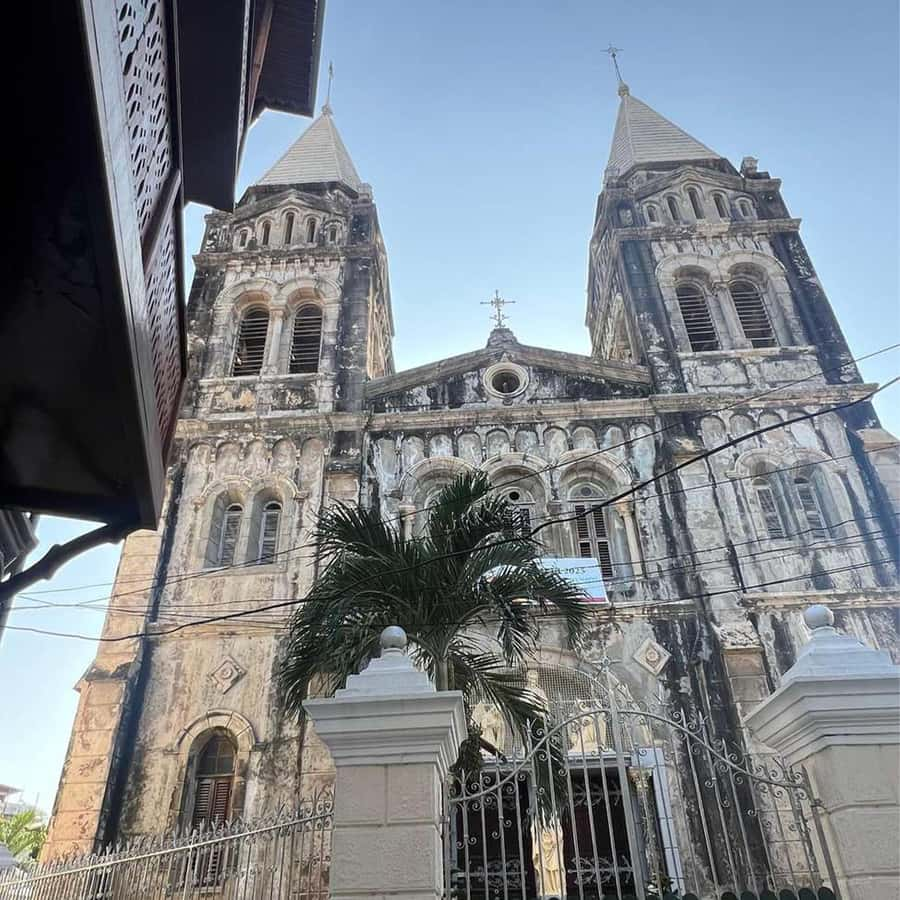
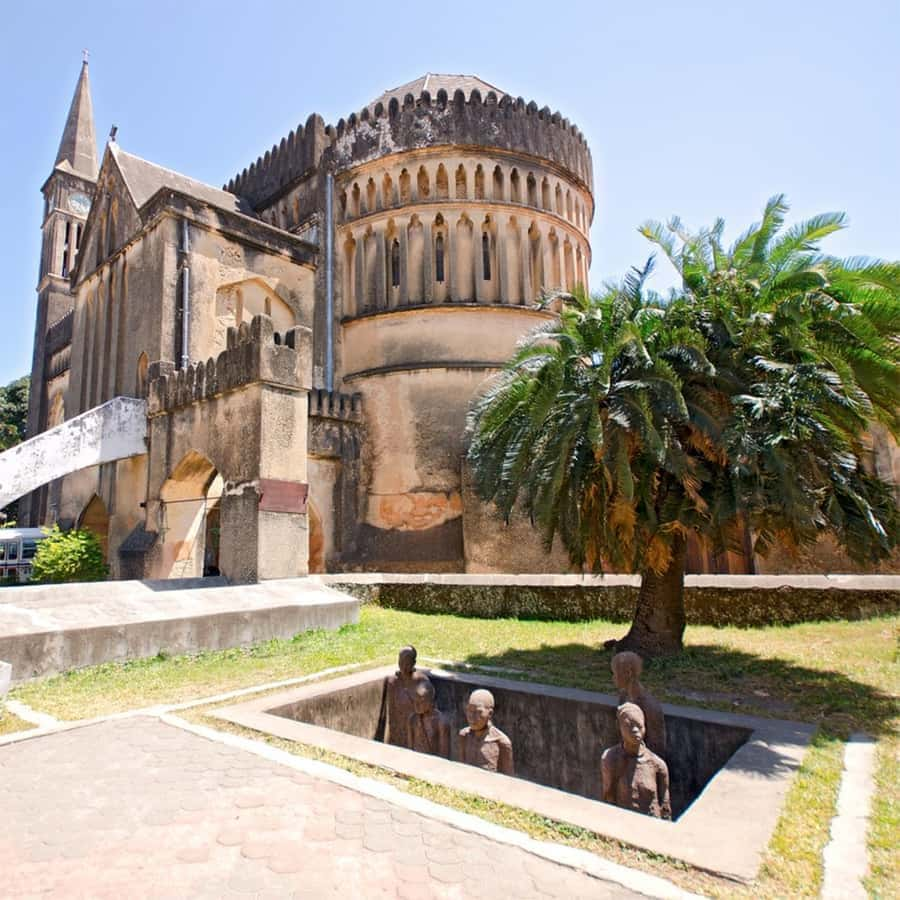
The Anglican Cathedral and Old Slave Market form the most serious part of the tour. Allow about 15 minutes for the cathedral and 30 minutes for the former market and its interpretation.
The cathedral is closely tied to the history of the slave trade in Zanzibar. Its position on the old market site gives the building a significance that goes beyond its architecture. Your guide can explain how Christian missionaries, the sultanate, commerce, and abolition became connected in this part of the city.
The Old Slave Market is not a light sightseeing stop. You will hear about the suffering of people who were captured, sold, and transported through the region. The experience can be difficult, but it gives necessary context to Zanzibar’s wealth, trading networks, and political past. I would not rush this part simply to fit in more shopping.
Admission is the point to check carefully. The base tour includes a guide and walking route, but entry fees are not clearly included across every stop. An admissions upgrade may cost around $45 rather than $20, and one booking found that only one museum admission was covered despite the higher payment. Ask exactly which sites are included, especially the Slave Market and any museum entry, before selecting an add-on.
Darajani Market brings you back to daily life
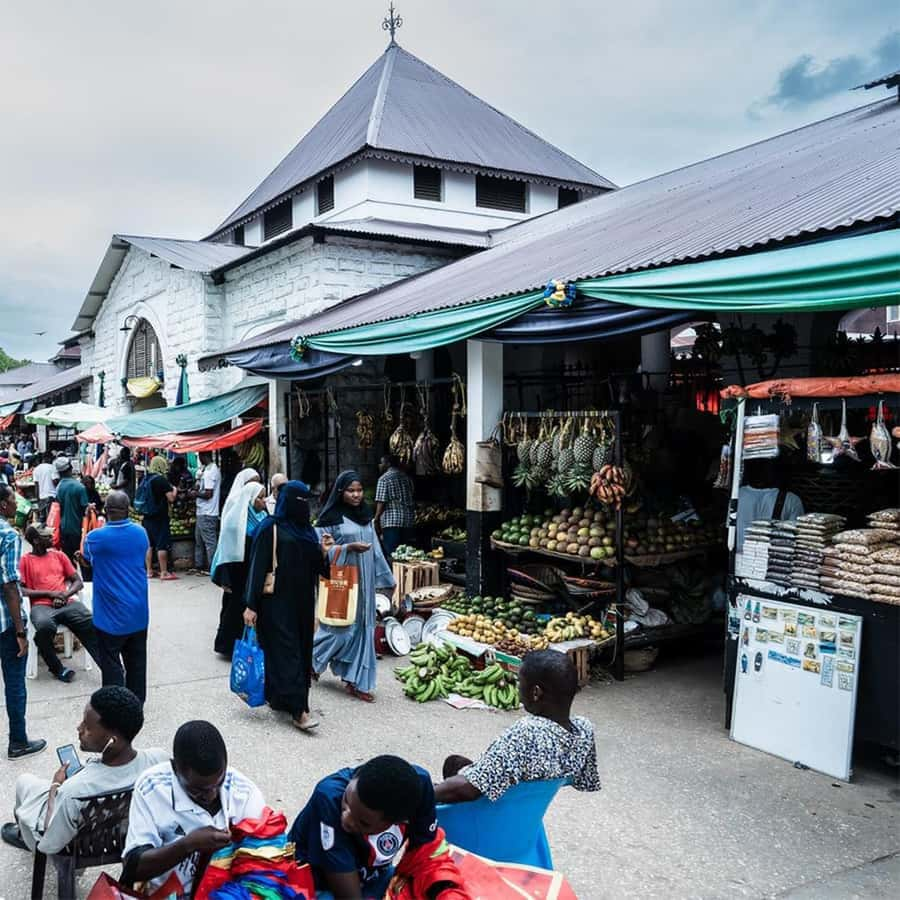
After the major historic sites, the route heads to Darajani Market for roughly 20 minutes. This is where the tour shifts from grand buildings to ordinary commerce.
You can expect sections devoted to spices, vegetables, meat, fish, food, and arts and crafts. The market is a useful place to see what people buy and sell locally, rather than simply looking at Zanzibar through its monuments. Your guide can explain what you are seeing and help you move through the market without getting lost.
It is also a good place to ask about Zanzibar’s food culture. The tour price does not include food or drinks, so anything you purchase is extra. Some people may prefer to save their appetite for Forodhani Gardens, while others will enjoy sampling something at the market if the timing works.
Allow yourself a little flexibility here. Several people have valued having time to shop during the walk, and a private group makes that easier. Still, remember that the advertised duration is only two to three hours. If you stop often for purchases or photos, the route may run toward the longer end.
Forodhani Gardens and the best way to finish
Forodhani Gardens is listed as an optional ending rather than a fixed main stop. The waterfront gardens are especially useful at the end of the day, when you can continue into the evening food market or watch the sunset by the sea.
This is one reason I like the option of a later tour. Instead of finishing in the middle of the afternoon and arranging your own evening plans, you can connect the walking tour with one of Stone Town’s best-known food areas. Food and drinks are not included, so bring cash for anything you decide to buy.
If your schedule is tight, ask whether the tour can finish at Forodhani Gardens rather than at your hotel. The listed drop-off options are in Stone Town, and a small adjustment may save you a return walk.
What $29 gets you, and where costs can rise
At $29 per person, this is a sensible price for a two to three-hour private walking tour. You get a live English-speaking guide, Stone Town hotel pickup and drop-off, bottled water, and a route covering many of the city’s main sights. If you have only one day in Stone Town, that concentration of major stops is useful.
The value is strongest when you want explanation rather than simple directions. You could walk around the old quarter alone, but you might miss the meaning of the doors, the connections between the cathedral and Slave Market, or the role of the Old Fort and House of Wonders.
The cost can rise if you stay outside Stone Town, buy food, shop at Darajani Market, or add museum admissions. Tips are optional. The admission issue deserves special attention because the higher-priced option may not provide access to every place you expect.
Free cancellation up to 24 hours before the tour and reserve-now, pay-later booking add flexibility. Those terms are helpful if your Zanzibar plans are still moving around, but they do not change the need to confirm the meeting point and any extra transport charge.
Who will get the most from this walk
I would recommend this tour to first-time Stone Town visitors, especially those with only a morning or afternoon available. It gives you the basic historical framework before you explore on your own.
It is also a good fit for:
- Solo visitors who want help navigating the lanes and local market.
- Couples and families who prefer a private pace.
- History-minded visitors who want the Slave Market and cathedral explained with care.
- Music fans interested in Freddie Mercury’s connection to the city.
- Shoppers who want time at Darajani Market.
- Visitors who want a guide willing to answer questions and adjust the route.
You may want something else if you dislike walking, want a full-day island excursion, or prefer a tour focused only on food. This is a compact city walk with serious historical content. It is not a beach trip, a spice farm visit, or a broad tour of Unguja.
Practical advice before you book
Wear comfortable walking shoes. The lanes are narrow, and the surfaces may not be smooth. Bring a camera, as the doors, fort walls, market displays, and old facades offer plenty to photograph.
Dress respectfully for religious and historic sites. Keep alcohol and drugs out of the experience, as both are prohibited. You should also allow time for the Old Slave Market to affect you. The subject is painful, and the tour is better when you treat it as history to understand, not simply another photo stop.
Ask these questions before paying for extras:
- Is the Slave Market admission included?
- Which museum or building entries are covered?
- Is the guide Abdul or Mundhir?
- What is the exact pickup time and location?
- What will transport from outside Stone Town cost?
- Can the tour finish at Forodhani Gardens?
Should you book the Stone Town walking tour?
Yes, if you want a short, private introduction to Zanzibar’s old quarter and prefer a guide to make sense of the streets. The combination of the Slave Market, Anglican Cathedral, Old Fort, House of Wonders, Freddie Mercury’s House, and Darajani Market gives you both the difficult history and the ordinary daily life of Stone Town.
Book it with realistic expectations. The walk is compact, the historical subject matter can be heavy, and admissions may cost extra. Confirm those details first, then the $29 base price offers good value, especially for a first morning in Zanzibar or a one-day Stone Town visit.
FAQ
How long does the Stone Town guided tour last?
The tour lasts two to three hours. The exact starting time depends on availability.
Is hotel pickup included?
Pickup and drop-off are included for hotels in the Stone Town area. Pickup outside Stone Town may cost extra.
Is the tour private?
Yes. The activity is offered as a private group tour.
What language does the guide speak?
The live tour guide speaks English.
Are food and museum admissions included?
Food and beverages are not included. Museum admission details can vary, so confirm which entries are covered before paying for an admissions option.
Can I cancel the tour?
Yes. You can cancel up to 24 hours in advance for a full refund.
Just added around the world
- 3-Hour Herbal Wholesale TCM Market and a Local Wet Market Tour★ 5.0 · 4 reviews
- Half-day Dandan Noodles Cooking Class with a Local Market Visit★ 5.0 · 8 reviews
- Chania Old Town, Public Market and Chrisopigi Monastery Tour★ 4.5 · 6 reviews
- Charleston International Sweet Treats & Historic City Market Tour★ 5.0 · 22 reviews
- Chania: Old Town, Public Market, Hill of Prophet Elias, Agia Triada★ 5.0 · 35 reviews
- Food Tasting & Market Shopping: Private Guided Tour in PORT LOUIS★ 4.5 · 9 reviews
- Moroccan Cooking Class with a Local Family & Market Visit★ 5.0 · 16 reviews
- Private Market Tour & Cooking Class in Casablanca with Transfers★ 5.0 · 20 reviews
Grand Bazaar & Spice Market Tours, compared.
Dubai Half-Day City Tour with Visit to Dubai Gold Souk
Read our review →
Local Markets & Khan el Khalili Private Shopping Tour
Read our review →
Cairo VIP Guided Tour to Khan El-Khalili Market with Lunch
Read our review →
Istanbul Grand Bazaar: From Rooftops to the Secret Passages
Read our review →
Old Delhi Food-Spice Market-Temples Tour Soon Featured on NETFLIX
Read our review →Old Delhi Odyssey: A Tour of Religion, Spice Market, & Best Food
Read our review →
Old Cairo and Khan El Khalili Bazaar: Private Half-Day Tour
Read our review →
Hagia Sophia, Blue Mosque and Grand Bazaar Tour
Read our review →Browse the lists this tour appears in