Review · TOURS
Soweto Tour; Mandela House; Vilakazi Street; Market Culture
Soweto tells South Africa’s story in street corners, churches, memorials, family homes, and markets. This four-hour tour gives you the broad picture, from Soccer City and the Orlando Towers to Mandela House and Vilakazi Street, while a local guide connects the places to apartheid and the 1976 uprisings.
I like the small group of up to seven, which leaves room for questions, and I like that transport, hotel pickup, and Mandela House admission are included. The main trade-off is time: four hours covers a lot of ground, so some stops are quick, and lunch is optional and paid separately.
Key points to know before you book
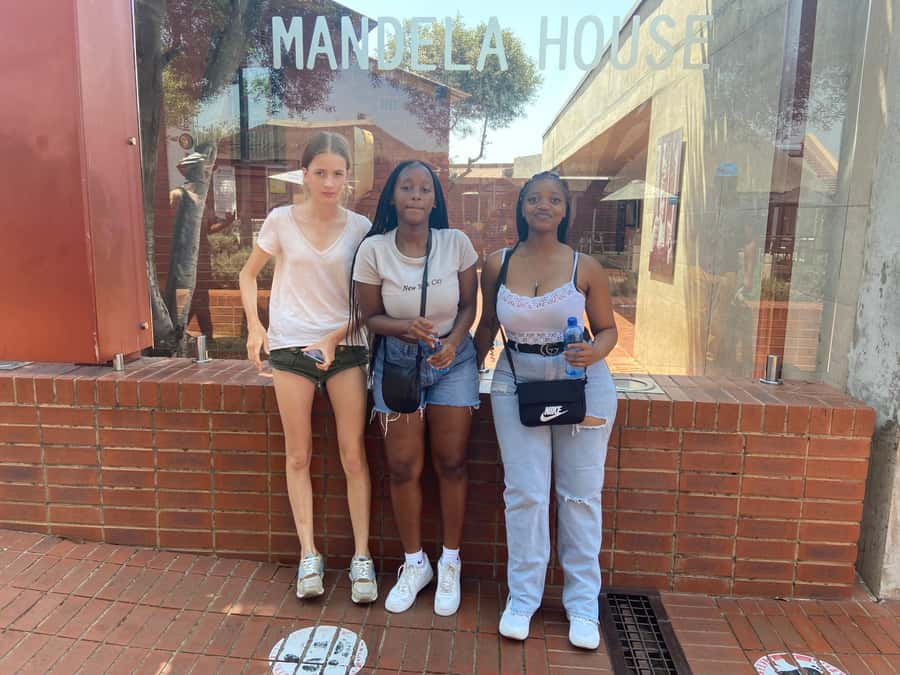
- Walk in Mandela and Tutu’s footsteps: Vilakazi Street is the tour’s most personal stop, with Mandela’s family home and Bishop Desmond Tutu’s former home nearby.
- See the places behind the 1976 uprising: Regina Mundi Cathedral, Morris Isaacson High School, and the Hector Pietersen Memorial give the history real physical context.
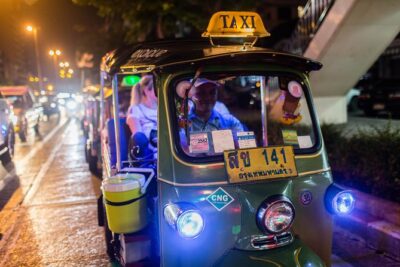
- Take in Soweto’s changing face: The route combines markets, taxi activity, shebeens, major roads, football landmarks, and ordinary neighborhood life.
- Expect a local guide, not just a driver: Guides such as Ismail have been praised for making the history clear, personal, and safe.
- Plan for walking: Comfortable shoes matter, and high heels are not allowed.
- Good value for a short visit: At $93 per person, the price includes transport, a guided tour, hotel pickup and drop-off, and Mandela House entry.
Why this Soweto tour matters
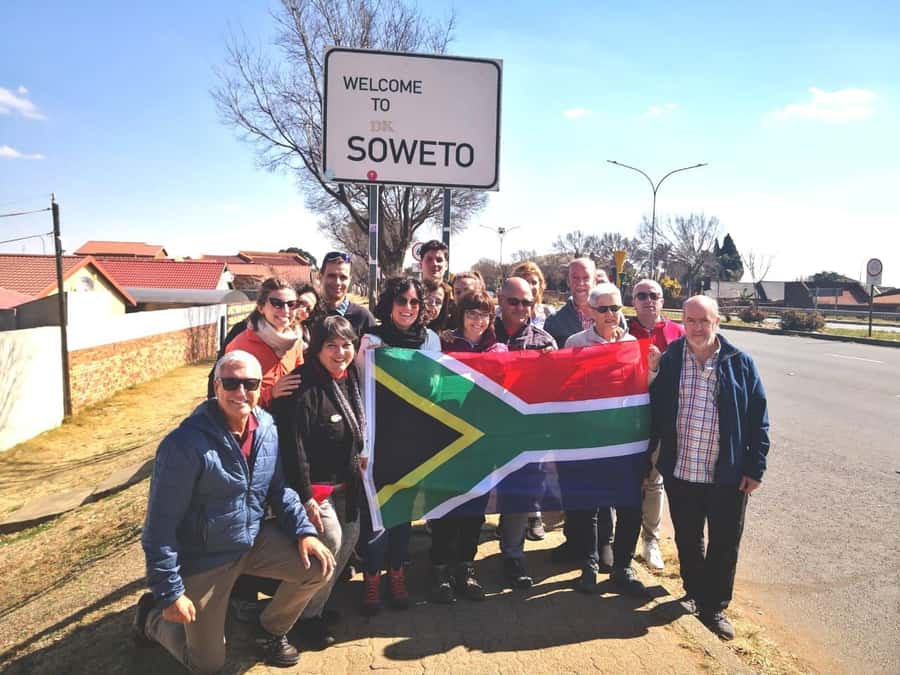
Soweto is often reduced to a few famous names: Nelson Mandela, Archbishop Desmond Tutu, Hector Pieterson, and the 1976 student uprising. This tour helps you see the wider place around those names. You move through a large township with markets, churches, schools, hospitals, football grounds, residential areas, and busy taxi routes.
That range is the point. You are not visiting a single museum and calling it Soweto. You are crossing several districts and seeing how political history sits beside daily life.
The guide is especially important here. A map can show you Vilakazi Street, but it cannot explain why Regina Mundi mattered during the struggle, or how Soweto’s identity changed after democracy. The available feedback names Ismail as a local guide who made the tour feel safe, clear, and engaging. Another account describes a private tour led by a local resident who shared personal history. Your exact guide may differ, but the format works best when you ask questions and allow the guide to explain what you are seeing.
A few more market tours around the world worth a look
- Bangkok: Damnoen Saduak Market and Maeklong Railway Market
★ 4.5 · 26,723 reviews - The Old Siam: Damnoen Saduak and Maeklong Railway Market
★ 4.5 · 10,992 reviews - Dubai: Old Town, Creek, Museums, Souks, & Street Food Tour
★ 4.8 · 10,816 reviews
From Soccer City to Bara and Diepkloof
The route begins with a drive through the Soweto area, including Soccer City, the stadium associated with the 2010 World Cup. This is a useful opening because it links modern South Africa to the older political story. Football is a major part of Soweto’s public identity, and the stadium gives you a large-scale point of reference before the tour moves into more local settings.
You then pass the Bara Hospital and taxi market area. The taxi market gives you a look at transport and commerce, while Bara Hospital is part of the region’s everyday infrastructure. These are not polished attractions, and that is precisely why they matter. They show Soweto as a working place rather than a historical exhibit.
The drive continues through Diepkloof Extension. Because much of this section is viewed from the vehicle, it is best treated as orientation rather than a series of long visits. Keep your eyes open and listen closely. The guide’s commentary is likely to do as much work here as the stops themselves.
One practical point: traffic and timing can affect how long you spend at each location. Four hours is enough for a strong introduction, but it is not enough for slow exploration of every district.
Orlando Towers and Soweto’s visual landmarks
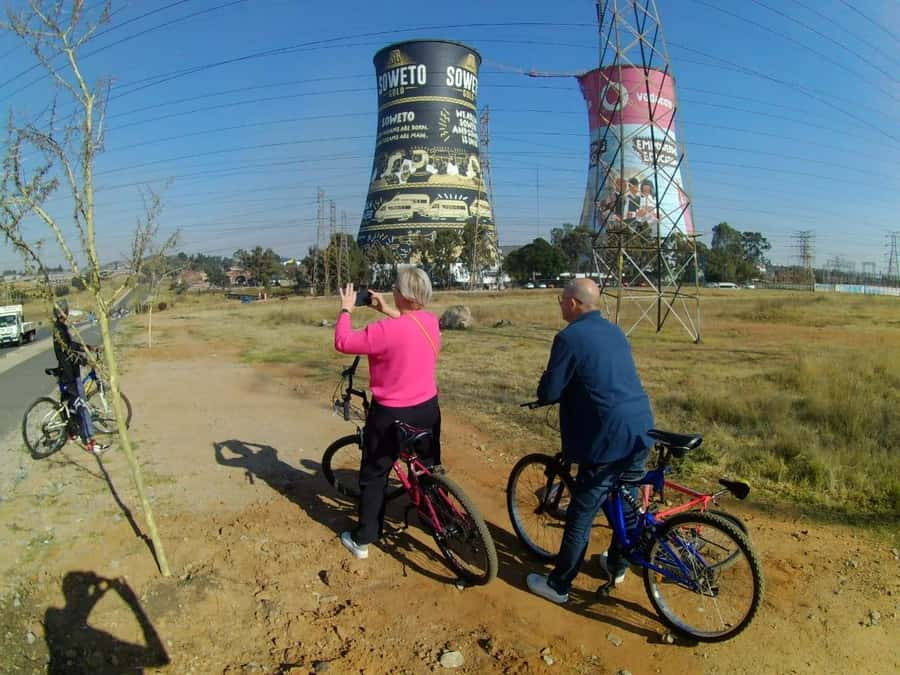
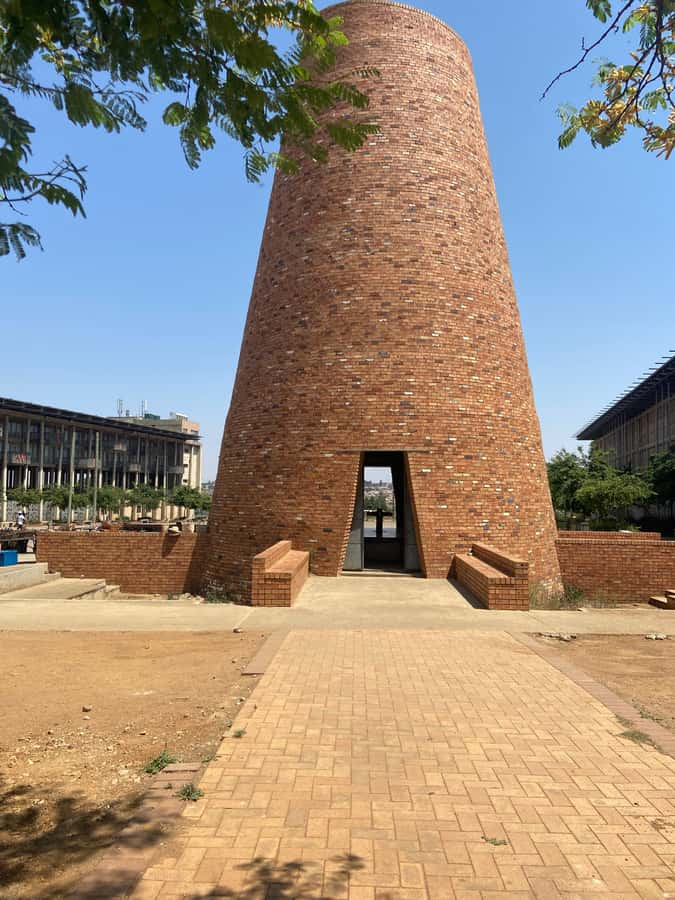
The Orlando Towers are among the tour’s most striking photo stops. Their painted surfaces and tall structure give the route an immediate visual marker, and the panoramic views help you grasp the size of Soweto.
The tour description highlights views from the towers, but the supplied details do not specify whether your package includes a paid ascent or only a stop near the site. Confirm that point before booking if going up the towers is central to your plans. You can still expect the towers to be an important part of the route and a useful place for photographs.
This is also a good moment to remember that Soweto is not one uniform neighborhood. The route moves through different sections, and the towers, roads, markets, schools, and homes each offer a different angle. A strong guide will help you connect those pieces instead of treating them as unrelated photo stops.
Freedom Square in Kliptown
Freedom Square in Kliptown brings the political story into focus. It is linked to the Freedom Charter, the document adopted in 1955 that expressed a vision of a democratic and equal South Africa. The tour gives you a chance to hear about that political ideal while standing in the place associated with it.
The value here is context. Mandela House shows where one important family lived, while Freedom Square points to a broader national movement. You get both the personal and public sides of the story.
Do not expect a long museum visit at every stop. This is a moving tour, with the vehicle carrying you between locations. If Freedom Square interests you most, tell the guide. The small group makes that kind of question easier than it would be on a large coach tour.
Same place, a different set of stalls:
- Bangkok: Train Market & Floating Market with Boat Ride
★ 4.7 · 9,547 reviews - Dubai: Old Town, Souks, Street Food, Guided Tour & Abra Ride
★ 4.9 · 7,170 reviews - From Bangkok: Ayutthaya & Ayothaya Floating Market Day Trip
★ 4.7 · 6,084 reviews - Dubai: Frame Tickets, Creek, Souks & Blue Mosque Guided Tour
★ 4.8 · 5,980 reviews
Regina Mundi and the 1976 uprising
Regina Mundi Cathedral is one of the most important stops on the route. The church is associated with the anti-apartheid struggle and is described as a place that played a major role during the 1976 uprisings. Its presence adds a religious and community dimension to the tour.
The church is not simply an architectural stop. It helps explain how religious buildings could become places of refuge, meetings, and political action. Your guide can put the building into the wider story of state control, protest, and community resistance.
The tour also passes Morris Isaacson High School, one of the schools linked to the 1976 student uprising. Seeing the school in relation to Regina Mundi and the Hector Pietersen Memorial makes the sequence easier to follow. You are not just memorizing a date. You are moving through the area connected to the events.
This part of the tour can be emotionally serious. The subject includes state violence, forced segregation, and young people confronting an unjust system. A good guide needs tact as well as facts. One of the available accounts specifically describes a tour as interesting and tactful, which is the right tone for this material.
Hector Pietersen Memorial and a difficult history
The Hector Pietersen Memorial is one of the tour’s key stops and a natural place for photographs. The memorial recalls the 1976 uprising and the death of Hector Pieterson, whose image became known around the world.
The site is powerful because it gives a human face to a national turning point. After hearing about schools and protests, you arrive at a place built to remember the children and communities affected by the uprising.
Photography is part of the listed experience, but treat the site with care. This is a memorial, not just a scenic stop. Let the guide set the pace, listen to the explanation, and avoid rushing through the location for a quick picture.
The tour’s historical section works best when you keep asking how the sites connect. Freedom Square represents a political vision. Regina Mundi represents community and religious support. Morris Isaacson points to student action. The Hector Pietersen Memorial remembers the cost.
Vilakazi Street and Mandela House
Vilakazi Street is the most famous address on the route. It is known for its connection to Nelson Mandela and Bishop Desmond Tutu, making it a rare street associated with two Nobel Peace Prize winners.
The walk here is one of the tour’s strongest features. You get out of the vehicle and follow the street in the footsteps of two major figures in South African public life. Compared with the drive-by portions, this part feels more immediate and personal.
Mandela House is included in the price, along with entry and a guided visit. The museum focuses on the Mandela family home and gives you a more intimate view of the man behind the political symbol. It is a valuable counterpoint to the large public sites earlier in the morning.
Allow yourself time to notice the setting as well as the house. The street is part of the story. It shows how a residential address became a place of national memory and how history can remain part of an ordinary neighborhood.
The stop can be busy, and four hours leaves limited time for lingering. If Mandela House is your main reason for booking, keep track of the schedule and ask your guide how much time is available inside.
Markets, shebeens, and local food
The tour promises a look at market culture and street life, including the taxi market area and local food. You may see a side of Soweto that a museum-only visit misses: informal trade, public gathering places, and the social energy connected with shebeens.
The wording does not guarantee a set food tasting or meal. Lunch in Soweto is optional and paid at your own expense, so budget separately if you want to eat during the tour. Ask your guide what is available on the day rather than assuming a restaurant meal is included.
This flexibility is useful. You can choose to focus on history, or you can use the lunch break to try local cuisine and spend more time in the area. The drawback is that the food experience is not fully defined in advance. If a market meal is important to you, confirm the plan before departure.
What $93 buys you
At $93 per person, this is not the cheapest way to see Soweto, but the price includes several useful pieces: hotel pickup and drop-off, transportation, an English-speaking guide, a guided tour, and entry to Mandela House.
The small group matters. With a limit of seven people, you should have more room for questions and easier movement than on a large bus. The individual price may also be reasonable for a first visit to Johannesburg, when arranging separate transport, museum tickets, and local guiding would take time and may not produce as coherent a route.
The price is harder to justify if you want only one stop, such as Mandela House. You would be paying for a four-hour route across Soweto, not a simple museum transfer. I see the strongest value in the combination of transport, local interpretation, and access to several historical sites in a short period.
The included pickup also simplifies the morning. You wait in your hotel lobby at least ten minutes before the scheduled time. If you are staying in a private home, you need to be somewhere the arriving vehicle can be seen. That small detail can prevent a missed pickup.
Comfort, access, and timing
Wear comfortable shoes. You will walk along Vilakazi Street and at other stops, and the tour is better when you can move without worrying about your feet. High heels are not allowed.
The activity is listed as wheelchair accessible, which is important for anyone checking access before booking. Still, the route includes street settings, markets, memorial areas, and historic buildings, so ask the provider about the exact access arrangements for your needs.
The tour lasts four hours and includes hotel pickup and return. Starting times depend on availability. Because the itinerary covers many locations, expect a brisk pace rather than a slow neighborhood walk.
English is the listed guide language. If you want a guide who can explain personal connections in detail, ask questions early. The strongest accounts of this experience point to guides who are engaging, careful, and able to explain the history beyond the basic dates.
Who should book this Soweto tour
I would recommend this tour if you are visiting Johannesburg for the first time and want a structured introduction to Soweto. It suits you especially well if you want history, landmarks, and local street scenes in one half-day.
It is also a good fit if you prefer a small group and want hotel transport included. The route gives you more range than a single museum visit, and the local guide adds meaning to places that might otherwise pass by the car window.
You may want another option if you prefer a very slow, highly focused museum visit, or if lunch and food tasting are your main goal. The tour includes local culture, but its main strength is the combination of history and neighborhood orientation.
FAQ
How long does the Soweto tour last?
The tour lasts four hours, including the scheduled route through Soweto and return to your hotel.
What language is the tour conducted in?
The live tour guide speaks English.
Is hotel pickup and drop-off included?
Yes. Pickup and drop-off are included. Wait in your hotel lobby at least ten minutes before the scheduled pickup time. From a private home, wait where the arriving vehicle can be seen.
Is entry to Mandela House included?
Yes. The price includes entry tickets to Mandela House and a guided visit.
How many people are in the group?
The tour is limited to seven participants.
Is the tour wheelchair accessible?
Yes, the activity is listed as wheelchair accessible.
Is lunch included?
No. Lunch in Soweto is optional and paid for separately.
What should I wear or bring?
Bring comfortable shoes. High-heeled shoes are not allowed.
Should you book it?
Book this tour if you want a compact but serious introduction to Soweto, with Mandela House, Vilakazi Street, Freedom Square, Regina Mundi, the Hector Pietersen Memorial, markets, and the Orlando Towers in one route.
The best reason to choose it is the combination of a local guide and a small group. You get more than a list of famous addresses, yet you do not need to arrange transport or museum admission yourself. At $93, it offers solid value for a first visit, provided you accept the brisk four-hour pace and pay separately for lunch.
Just added around the world
- 3-Hour Herbal Wholesale TCM Market and a Local Wet Market Tour★ 5.0 · 4 reviews
- Half-day Dandan Noodles Cooking Class with a Local Market Visit★ 5.0 · 8 reviews
- Chania Old Town, Public Market and Chrisopigi Monastery Tour★ 4.5 · 6 reviews
- Charleston International Sweet Treats & Historic City Market Tour★ 5.0 · 22 reviews
- Chania: Old Town, Public Market, Hill of Prophet Elias, Agia Triada★ 5.0 · 35 reviews
- Food Tasting & Market Shopping: Private Guided Tour in PORT LOUIS★ 4.5 · 9 reviews
- Moroccan Cooking Class with a Local Family & Market Visit★ 5.0 · 16 reviews
- Private Market Tour & Cooking Class in Casablanca with Transfers★ 5.0 · 20 reviews
Tours, compared.
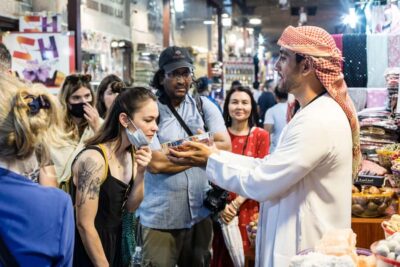
Old Town, Creek, Museums, Souks, & Street Food Tour
Read our review →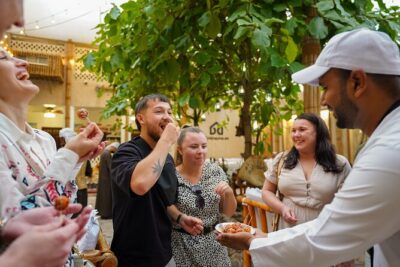
Old Town, Souks, Street Food, Guided Tour & Abra Ride
Read our review →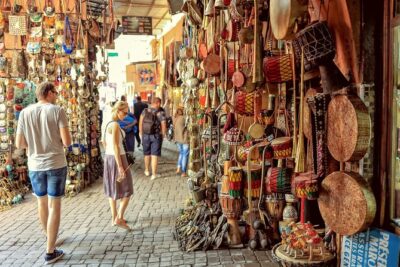
Bahia Palace, Saadian Tombs, Souk and Medina Tour
Read our review →
Cooking Class and Lunch at a Tuscan Farmhouse with Local Market Tour from Florence
Read our review →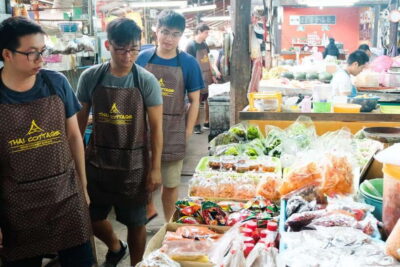
Cooking Class, Market & Thai Herbs Garden Tour
Read our review →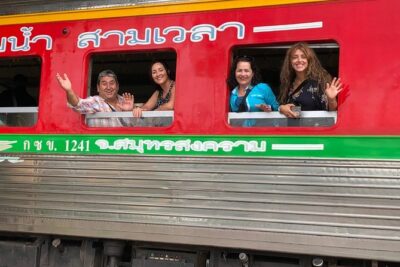
Half-Day Railway Market and Floating Market Tour in Thailand
Read our review →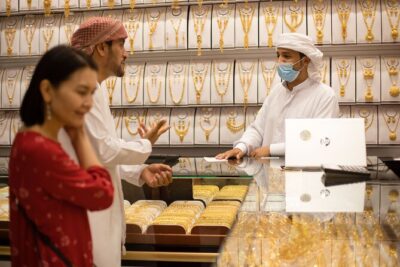
Dubai Aladdin Tour: Souks, Creek, Old Dubai and Tastings
Read our review →